
At Japandi.design, we view the aesthetic not merely as a trend, but as a rigorous synthesis of Scandinavian hygge and Japanese wabi-sabi-a fusion where Northern functionalism meets Eastern transience to create a singular, elevated vernacular. This intentional intersection demands a delicate dialectical balance; the environment must remain stripped of superfluous ornamentation, yet feel profoundly enriched by tactile warmth. By prioritizing a palette of organic textures and intentional voids, we curate spaces that are surgically precise but emotionally resonant, fostering a home that is at once disciplined and deeply restorative.
Cozy Japandi Decorating Ideas


Creating A Warm Atmosphere With Japandi Decorating Ideas
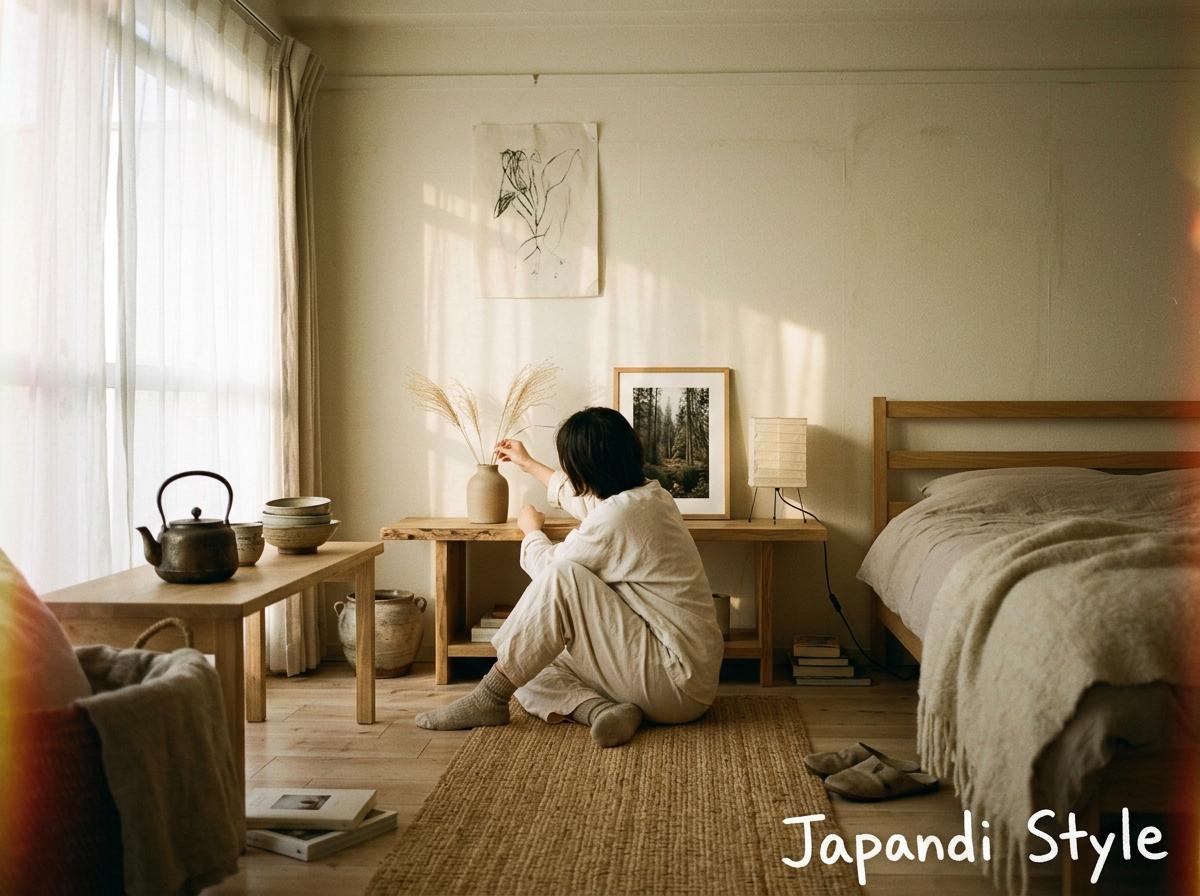

When I first stepped into the studio of a Tokyo-based artisan last spring, I was struck by the sensory shift; I had just left the neon-drenched sensory overload of Shinjuku-where high-gloss plastics and aggressive artificial lighting compete for space-only to find myself wrapped in a cocoon of tactile silence. "The secret to a home that breathes," the artisan remarked, pausing to smooth a hand over a raw white oak sideboard, "isn't just about having less stuff." He adjusted his grip on a ceramic vessel, his voice dropping an octave, "It is about the intentional dialogue between the patina of the old and the refined precision of the new." This juxtaposition of Scandi-industrial functionality against the Zen-like warmth of organic textures creates a space that doesn't just look designed, but feels curated. It is within this intersection of wabi-sabi imperfection and hygge comfort that we find the blueprint for a truly soulful interior. By understanding how to balance these two seemingly disparate worlds, we can begin to unlock the transformative power of Japandi decorating to soften the edges of our modern lives.
Elegant Simplicity In A Cozy Japandi Living Room
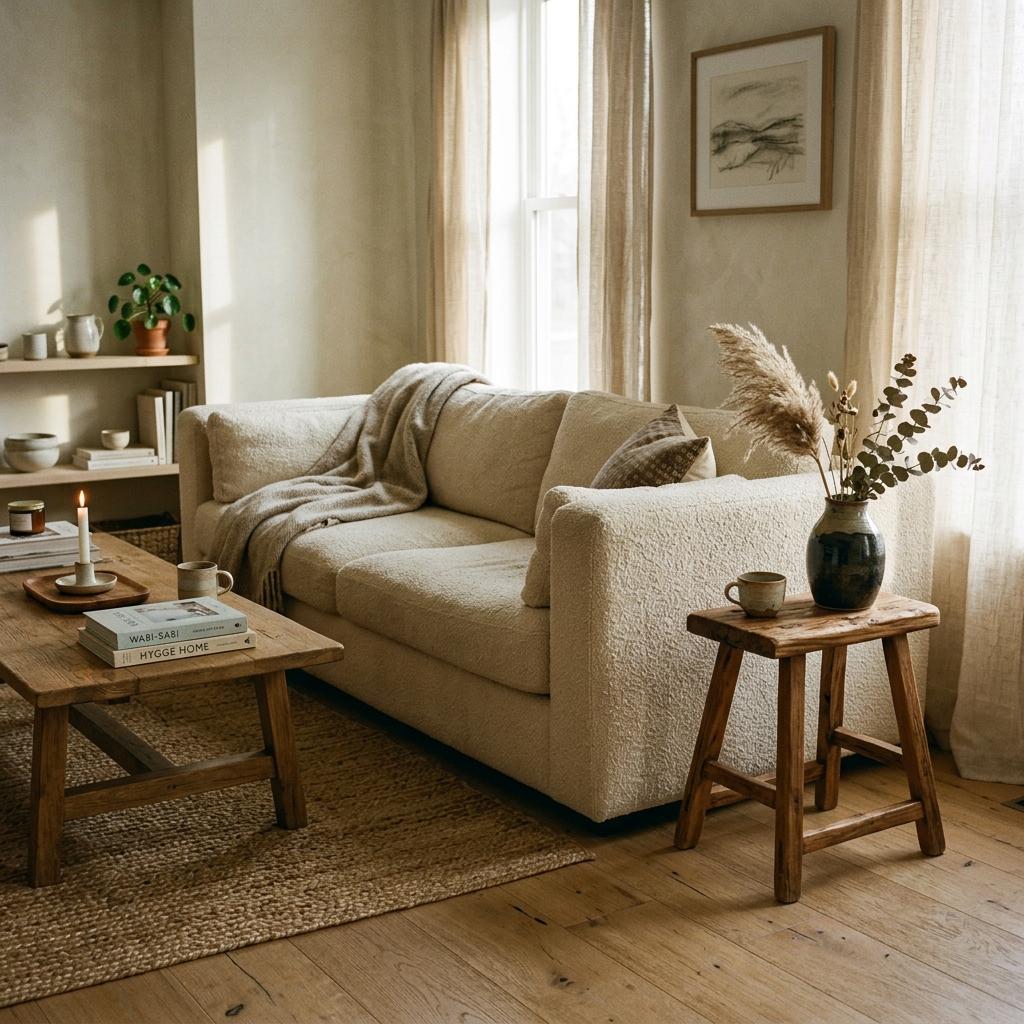

The essence of the Japandi aesthetic is most palpable when raw materiality meets intentional curation. Note how the tactile landscape of this living room is anchored by a low-slung sofa upholstered in a dense, nubuck-finish bouclé, which provides a structural counterpoint to the ethereal, gossamer-thin linen drapes that filter the morning light. Within this space, we witness a compelling organized chaos; every object-from the hand-burnished cedar stool to the artisanal ceramic vessel-is placed with a precision that suggests both permanence and fluidity. As your eyes move across the grain of the rift-sawn white oak flooring, there is a distinct physiological shift; the frantic pace of urban life dissolves, replaced by a lowered heart rate and a deep, diaphragmatic breath that signals true sanctuary. This is not merely a stylistic choice but a study in Scandinavian Hygge blended with the Japanese concept of Wabi-sabi, creating a sensory environment that feels both expansive and intimate. It is the kind of quiet luxury one expects from a high-end Kyoto retreat, yet it remains firmly rooted in a grounded, functional domesticity.
Transform Your Bedroom Into A Cozy Japandi Sanctuary
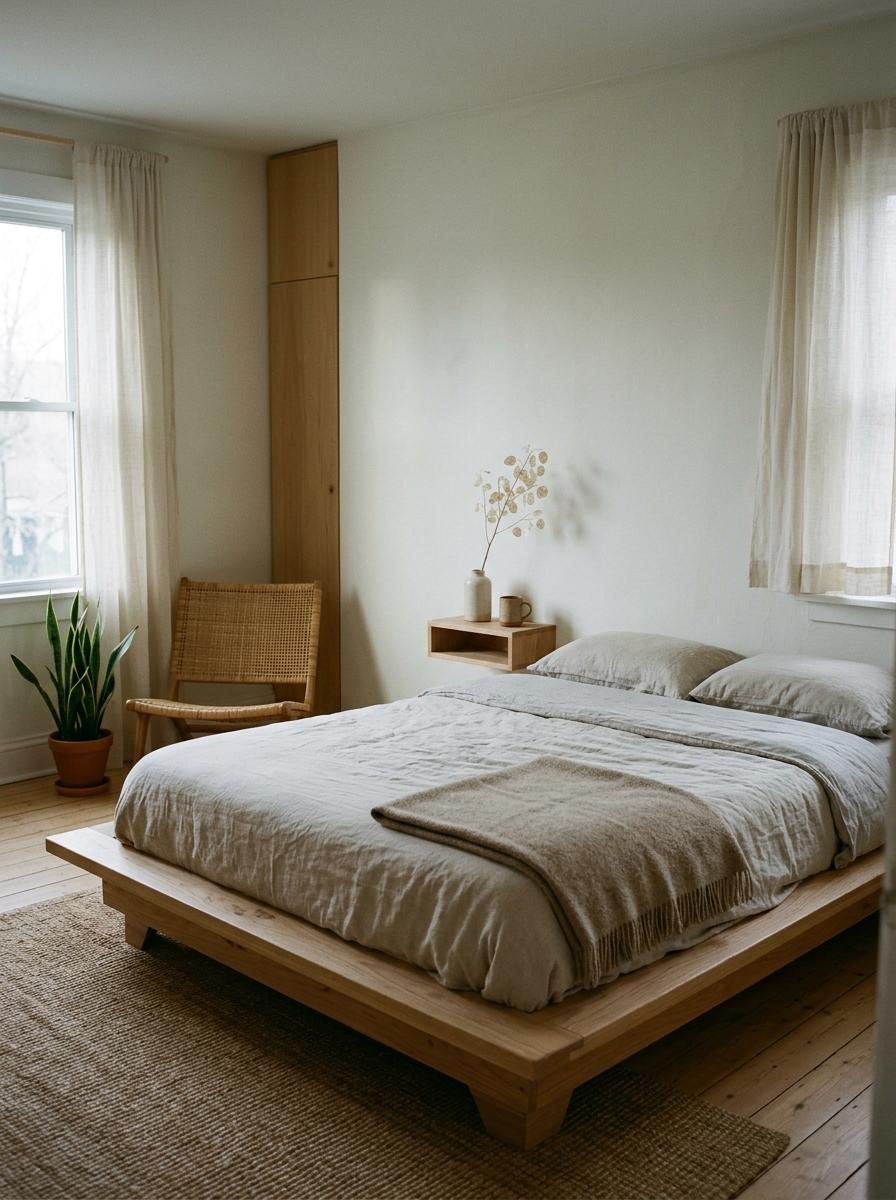

I remember stepping into a friend's mid-century apartment last autumn, where the air felt thick with "visual noise"-a frantic jumble of brass hardware and heavy velvet drapes that seemed to shrink the room's actual footprint. "It's supposed to be glamorous," she remarked, her voice trailing off as she nudged a pile of decorative pillows aside, "but I find that... I can't actually breathe in here." We sat amidst the clutter, and I realized then that luxury isn't found in the accumulation of things, but in the deliberate curation of space. While the maximalist ethos relies on a chaotic "more-is-more" energy, the Japandi aesthetic offers a restorative counter-narrative, favoring a subdued palette and the organic tactility of raw wood. By replacing the frantic stimuli of modern life with a composition of low-profile silhouettes and negative space, we do more than just redecorate; we initiate a profound dialogue between Scandinavian functionality and Japanese minimalism.
Sustainable Materials For A Modern Japandi Home
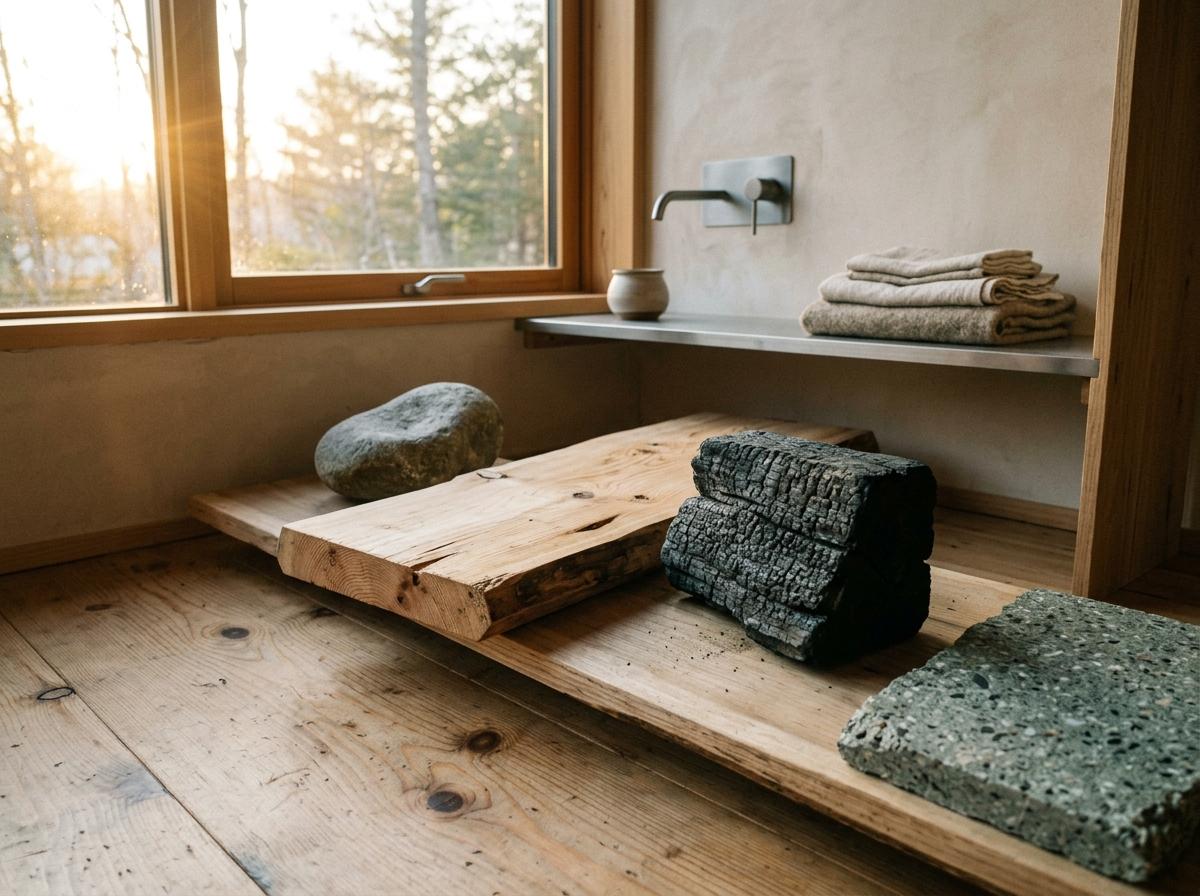

In crafting a modern Japandi sanctuary, the selection of surfaces must transcend mere aesthetics, favoring instead the tactile honesty of fibrous, open-pored timber and the cool, petrosal density of honed river stone. Note how the inclusion of reclaimed Hinoki cypress from the Chiba prefecture introduces a fragrant, silken grain that grounds the ethereal lightness of the room. This intentional layering creates a complex simplicity, where the rugged, unrefined edges of the wood exist in a state of ordered chaos against the sharp, clinical precision of matte steel fixtures. As your hand brushes across the scorched Shou Sugi Ban accents, the transition from granular friction to a velvet-smooth finish triggers a profound physiological deceleration, lowering the heart rate through the sheer sensory reassurance of the organic world. By integrating materials that carry the heritage of Kyoto's artisanal workshops with the industrial durability of Scandinavian recycled composites, you establish a home that is both a temporal bridge and a biological necessity.
How To Layer Textures For A Cozy Japandi Look
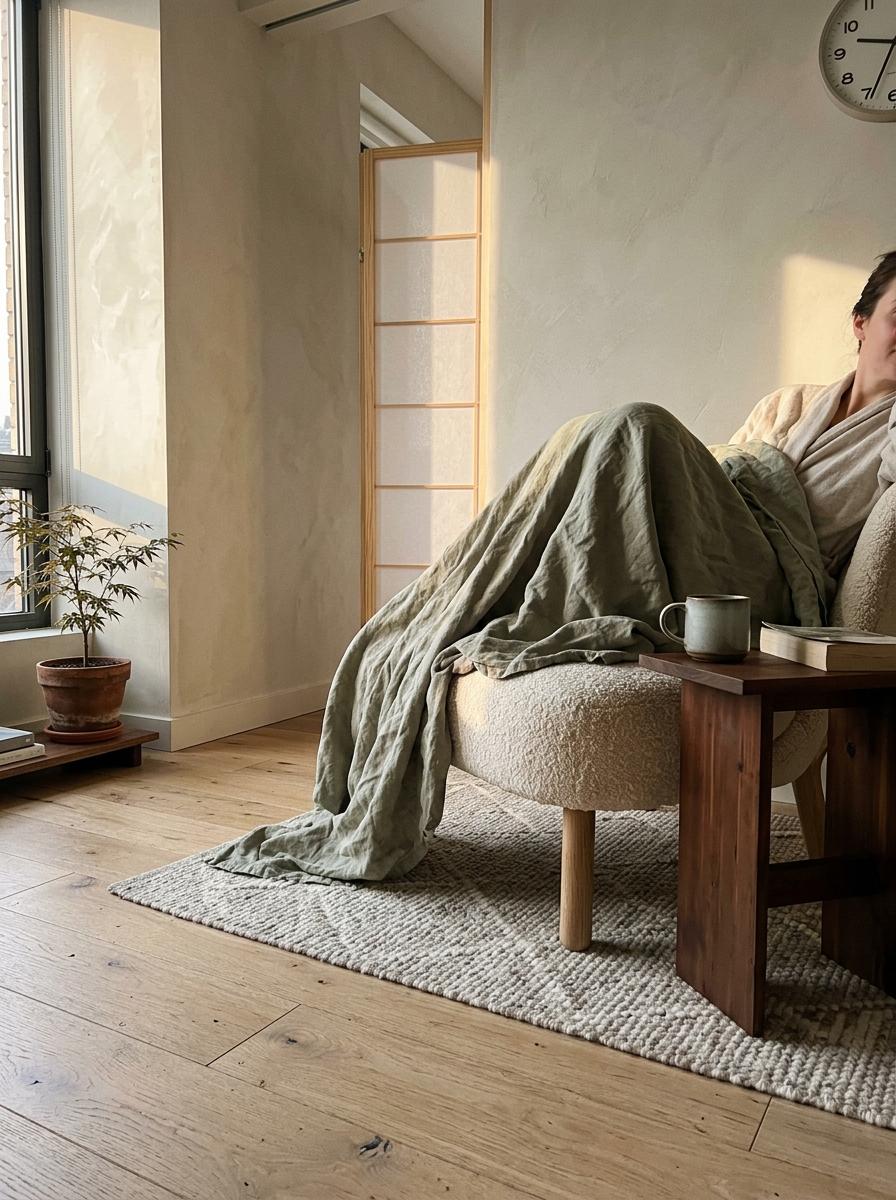

To achieve a cozy Japandi look, You can first understand that texture is not merely a tactile choice, but a dialogue between eras. While mid-century Japanese interiors relied on the rigid austerity of hand-woven tatami and dark cedar, today's interpretation evolves this heritage by softening those sharp lines with Scandinavian hygge, replacing formal coldness with a lived-in warmth. This creates a compelling ordered chaos, where the structured precision of Shinto-inspired joinery meets the raw, unruly comfort of bouclé and tumbled linen. In a recent study of a private residence nestled in the leafy streets of Tokyo's Daikanyama district-a neighborhood synonymous with understated luxury-this balance was masterfully struck. The homeowners, a repeat client who have long trusted this design philosophy across multiple properties, sought to deepen the sensory experience of their sanctuary. The resulting aesthetic success was not accidental; it was achieved through a rigorous technical synthesis of materiality and light, utilizing a palette of reclaimed white oak, lime-wash plaster, and strategic shadow-play to bridge the gap between minimalist restraint and domestic intimacy.
Natural Wood Elements In A Cozy Japandi Kitchen
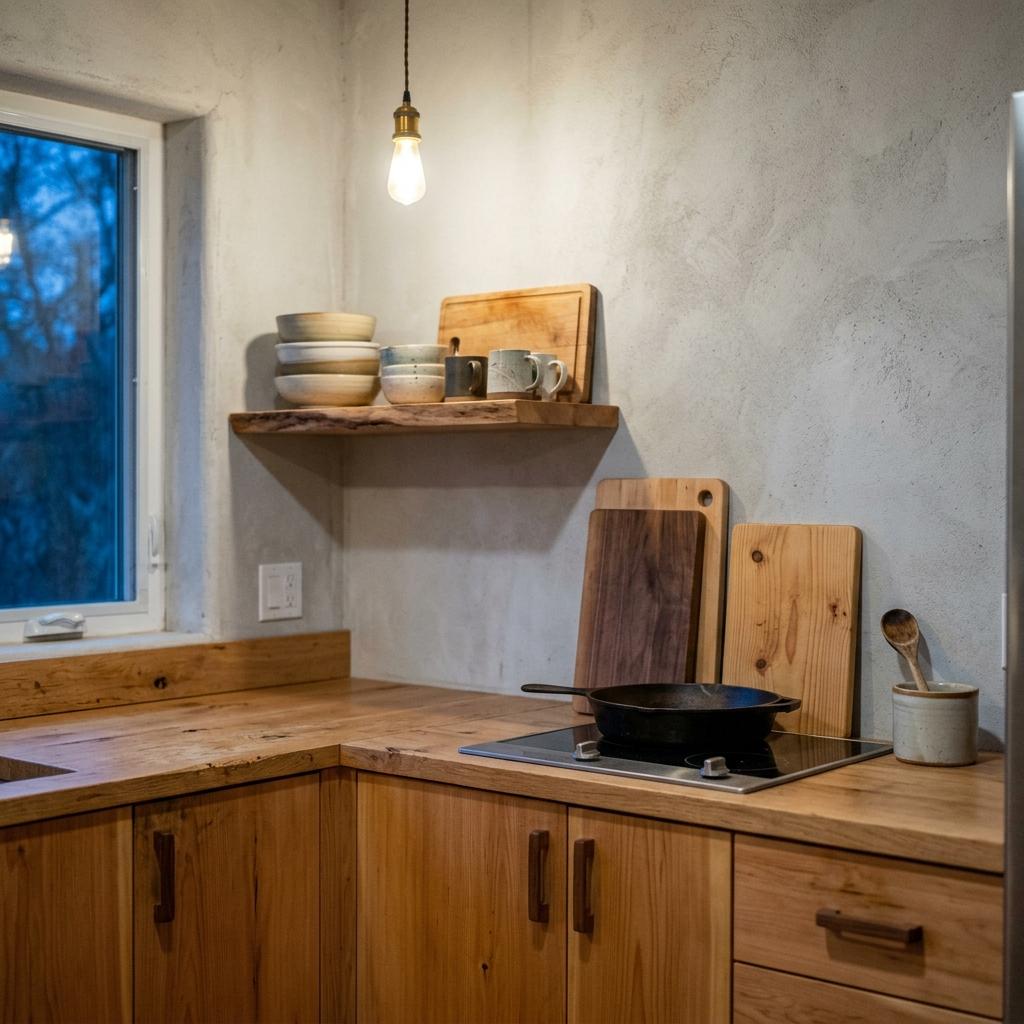

Walking into a kitchen clad in cold, polished chrome and high-gloss synthetics often feels like stepping into a laboratory-efficient, yes, but surgically sterile and devoid of a pulse. My recent conversation with a Tokyo-based woodworker highlighted this disconnect; he ran his hand over a slab of raw white oak and remarked, "The grain isn't just a pattern," before pausing to trace a singular, dark knot, "it is the literal record of the tree's breath." In the world of Japandi design, we trade that clinical sharpness for the tactile warmth of natural timber, favoring the honesty of rift-cut oak or the subtle, honeyed depth of cedar to anchor the room. By juxtaposing the rigid geometry of Scandinavian functionalism against the organic, wabi-sabi imperfections of live-edge shelving, we create a space that feels curated rather than manufactured. This deliberate embrace of woody textures does more than just fill a floor plan; it transforms the kitchen from a mere utility zone into a soulful sanctuary defined by its material integrity.
A Quiet Retreat Featuring Japandi Interior Design
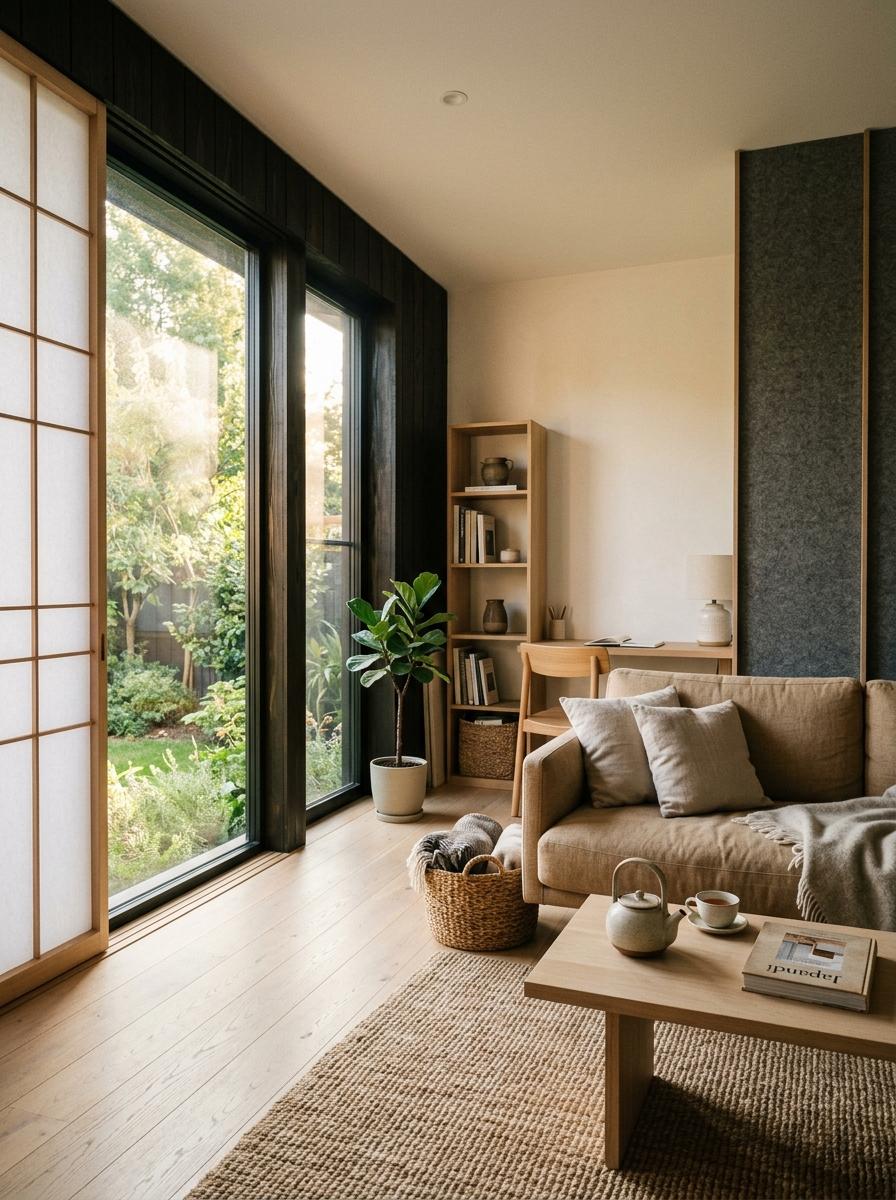

The project unfolds within the sequestered perimeter of a suburban enclave, where the architecture acts as a deliberate anchor against the kinetic hum of city life. This "A Quiet Retreat" exists as a structured spontaneity, a conceptual synthesis where the rigid discipline of Japanese minimalism harmonizes with the fluid, organic warmth of Scandinavian hygge. While the external facade remains an austere monolith of cold concrete and linear geometry, the interior reveals a radical departure, unfolding into a sanctuary of soft light and breathable voids. This transition is defined by a tactile palette of charred Shou Sugi Ban timber paired with the pale, velvety grain of untreated white oak. Beyond mere aesthetics, the space utilizes high-performance acoustic felt paneling and recessed sliding shoji screens as a form of industrial utility, optimizing the floor plan to serve as both a high-functioning workspace and a site of profound sensory repose.
Earthy Tones Meet Minimalist Japandi Decorating Styles
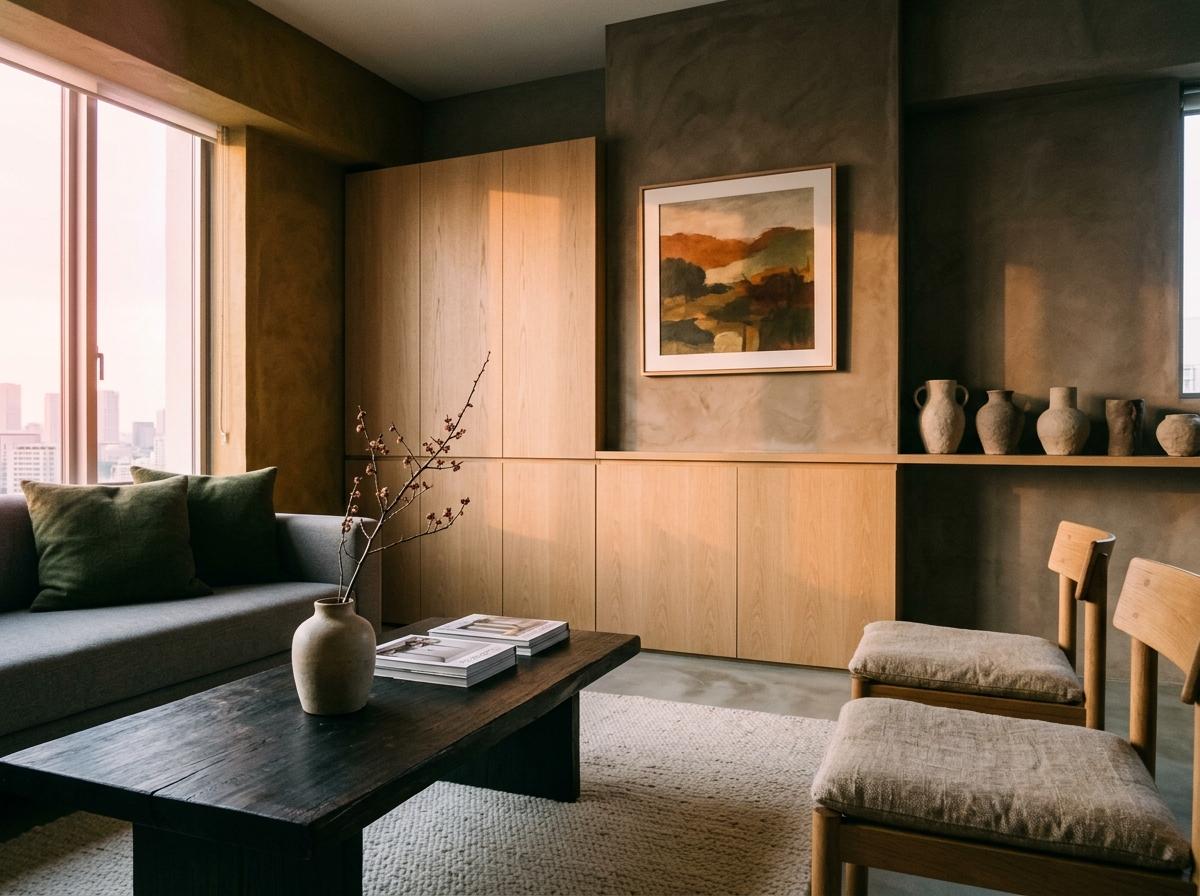

The integration of earthy tones into Japandi minimalism is not a modern invention, but rather a contemporary evolution of the 16th-century Wabi aesthetic. Where ancient tea masters once relied on raw, unrefined clay to find beauty in the weathered, today's interpretation shifts from those rustic origins toward a polished, architectural discipline. This evolution is best witnessed in our latest study of a residence in Tokyo's prestigious Aoyama district, a neighborhood where cutting-edge fashion meets quiet residential heritage. The project presents a striking structured spontaneity, where the rigid geometry of Scandinavian functionalism is softened by the unpredictable textures of hand-applied plaster. Because the homeowners are a repeat client of the commissioning studio, there is a palpable sense of trust in the execution, serving as a silent testament to the enduring success of this hybrid style. Ultimately, the space achieves its serene atmosphere through a precise technical synthesis of volumetric lighting, organic materiality, and a desaturated autumnal palette.
The Best Lighting For A Cozy Japandi Atmosphere
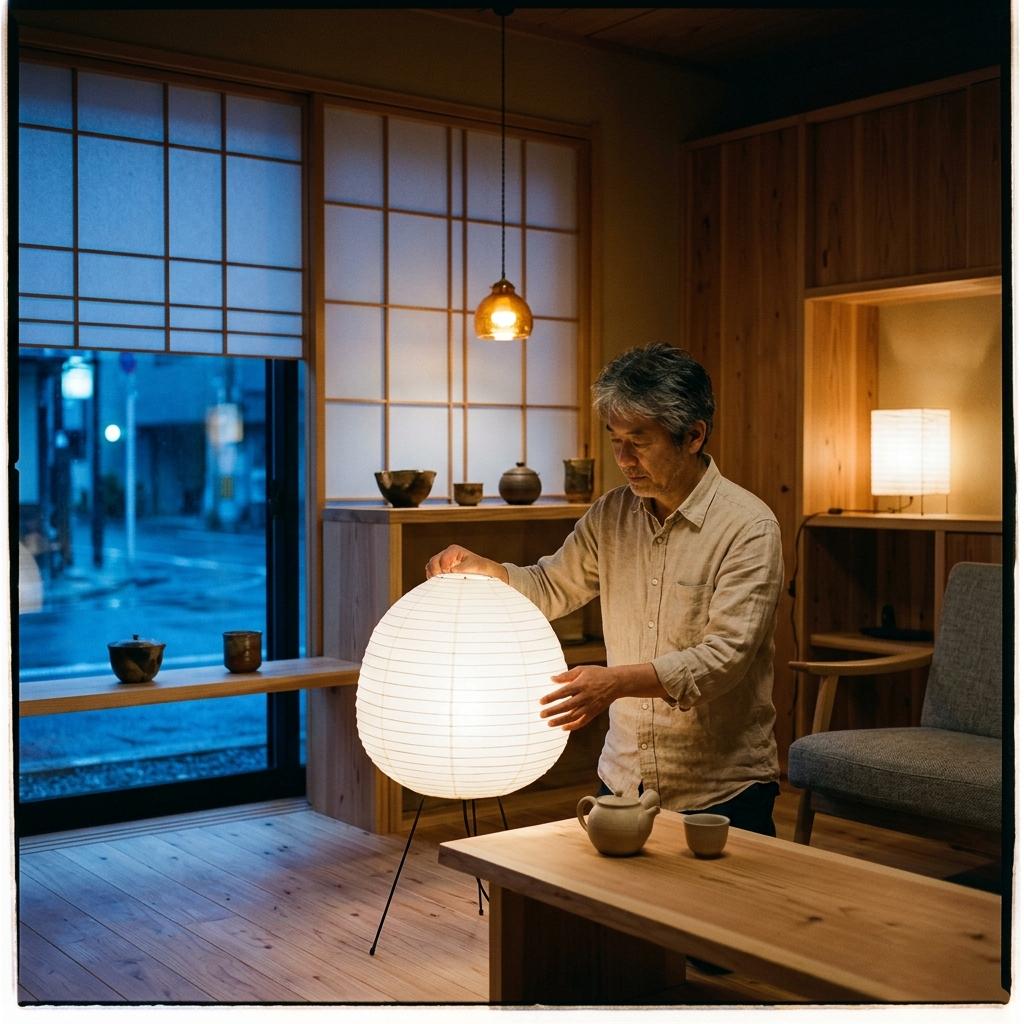

When I stepped into the Kyoto studio of architect Kenji Ito, the harsh, clinical glare of the streetlights outside-a cacophony of blue-toned LEDs and buzzing neon-seemed to physically dissolve. "The light," Ito began, pausing to adjust a delicate washi paper shade so the light pooled softly on the cedar floor, "must not compete with the room. It should," he continued, his hands tracing the air, "merely breathe within it." This stark shift from the abrasive, high-contrast shadows of the urban landscape to this sanctuary of diffused warmth illustrates the power of intentional illumination. By replacing the flat uniformity of overhead fixtures with a layered scheme of warm color temperatures and organic textures, we move beyond mere visibility toward a sense of hygge rooted in minimalism. This delicate balance between functional clarity and atmospheric shadow is precisely what defines the luminous soul of a Japandi home.
Discover Comfort In This Cozy Japandi Apartment Tour
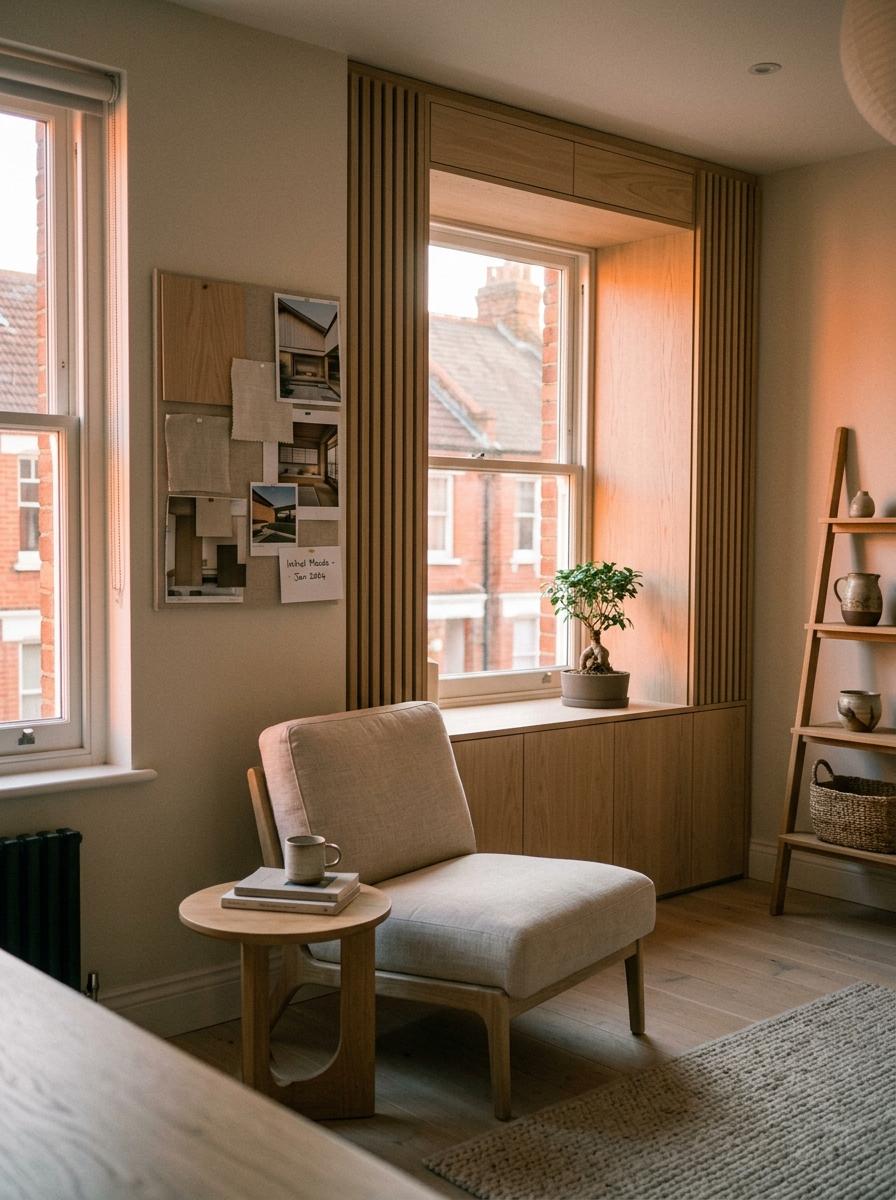

The aesthetic journey of this residence began long before the first mood board was assembled, rooted in a time when "home" was defined by heavy Victorian compartmentalization and dark, ornate finishes that once signaled status in a bygone era. Today, however, that historical weight has been shed in favor of a structured fluidity, a concept that allows the apartment to feel both meticulously organized and effortlessly expansive. Situated in the heart of London's refined Marylebone district, the project marks a significant milestone as the latest collaboration for a repeat client, whose continued trust in the design process serves as the ultimate validation of its functional success. By balancing the raw warmth of Scandinavian timber with the disciplined minimalism of Japanese joinery, the space achieves its final form through a rigorous technical synthesis of concealed storage, rhythmic vertical slatting, and a neutral, light-reflective materiality.
Incorporate Soft Linens Into Your Japandi Decorating Plan
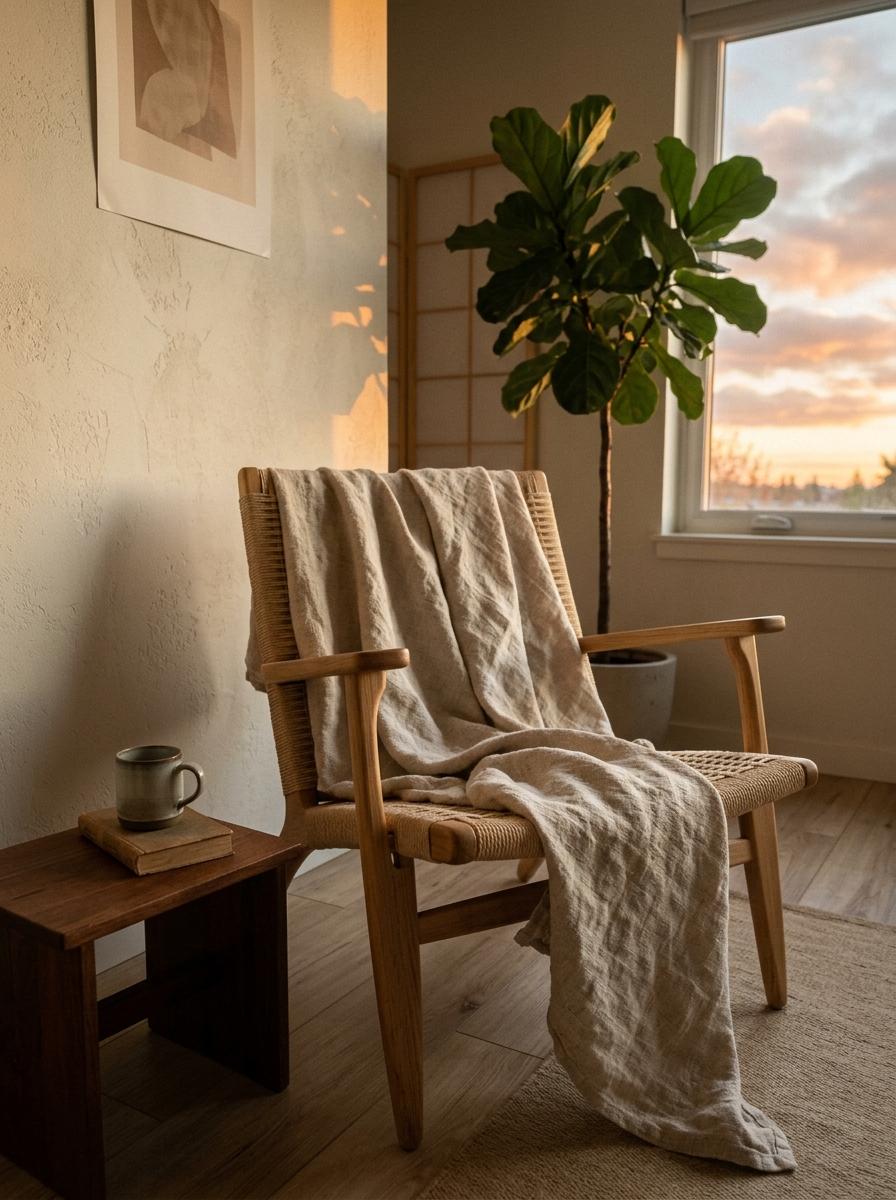

While visiting a tucked-away studio in Kyoto last autumn, I watched a weaver manipulate a loom with a rhythm that felt more like a heartbeat than labor. "The beauty of a room," she told me, her hands never pausing as they guided a pale, oatmeal-toned thread, "is not found in its rigid structure, but in how it breathes." She adjusted a tension lever, then added, "If the walls are the bones, the fabric must be the soul." This philosophy serves as the antithesis to the sterile, high-gloss minimalism that once dominated urban lofts-spaces where cold glass and polished concrete create an echo chamber of starkness. In contrast, the Japandi ethos seeks a tactile equilibrium, where the sharp architectural lines of a Scandinavian chair are softened by the slubby, organic texture of a heavy linen throw. By layering these textiles, we move away from the clinical "showroom" aesthetic and toward a lived-in sanctuary defined by haptic warmth. This intentional softening of the home's perimeter is why integrating high-quality linens is the essential next step in your Japandi design journey.
Functional Furniture For A Small Cozy Japandi Space
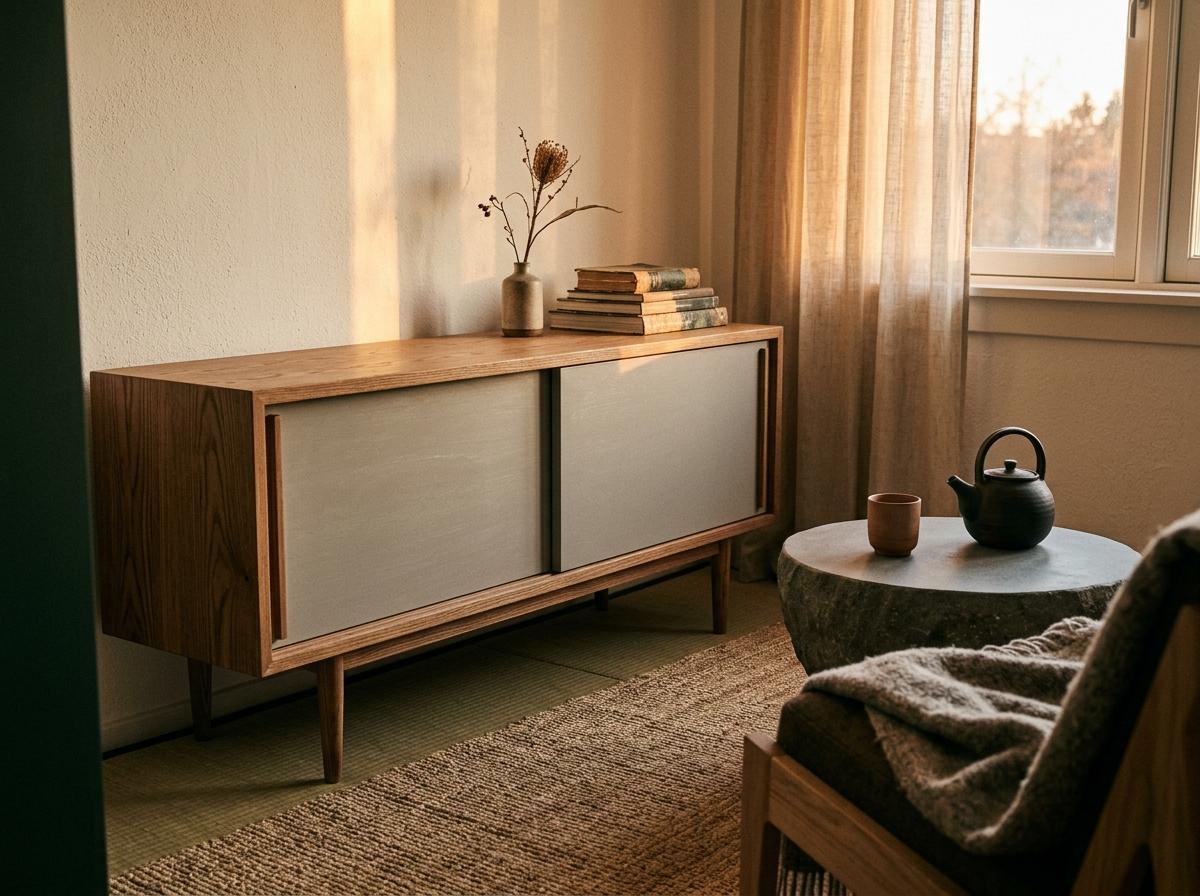

In the compact dwellings of Kyoto or the dense urban studios of Copenhagen, the selection of furniture must transcend mere utility to become an exercise in structured softness. Note how the tactile grain of a low-profile credenza-crafted from open-pore solid ash-interacts with the hand-brushed, matte-lacquered finish of its sliding doors. This intentional pairing creates a heavy lightness in the room; the piece feels anchored to the floor by its artisanal weight, yet its slender, tapered legs allow the gaze to flow uninterrupted beneath it, expanding the perceived floor plate. As your fingertips trace the raw, fibrous texture of a hand-loomed tatami rug juxtaposed against the cold, velvet-smooth surface of a Karoku-stone side table, your nervous system begins to recalibrate. The physiological transition from the friction of the wood to the stillness of the stone triggers a profound sense of seijaku-a meditative quietude that lowers the heart rate and anchors the inhabitant within the present moment.
Blending Scandi Warmth And Japanese Style In Japandi Homes
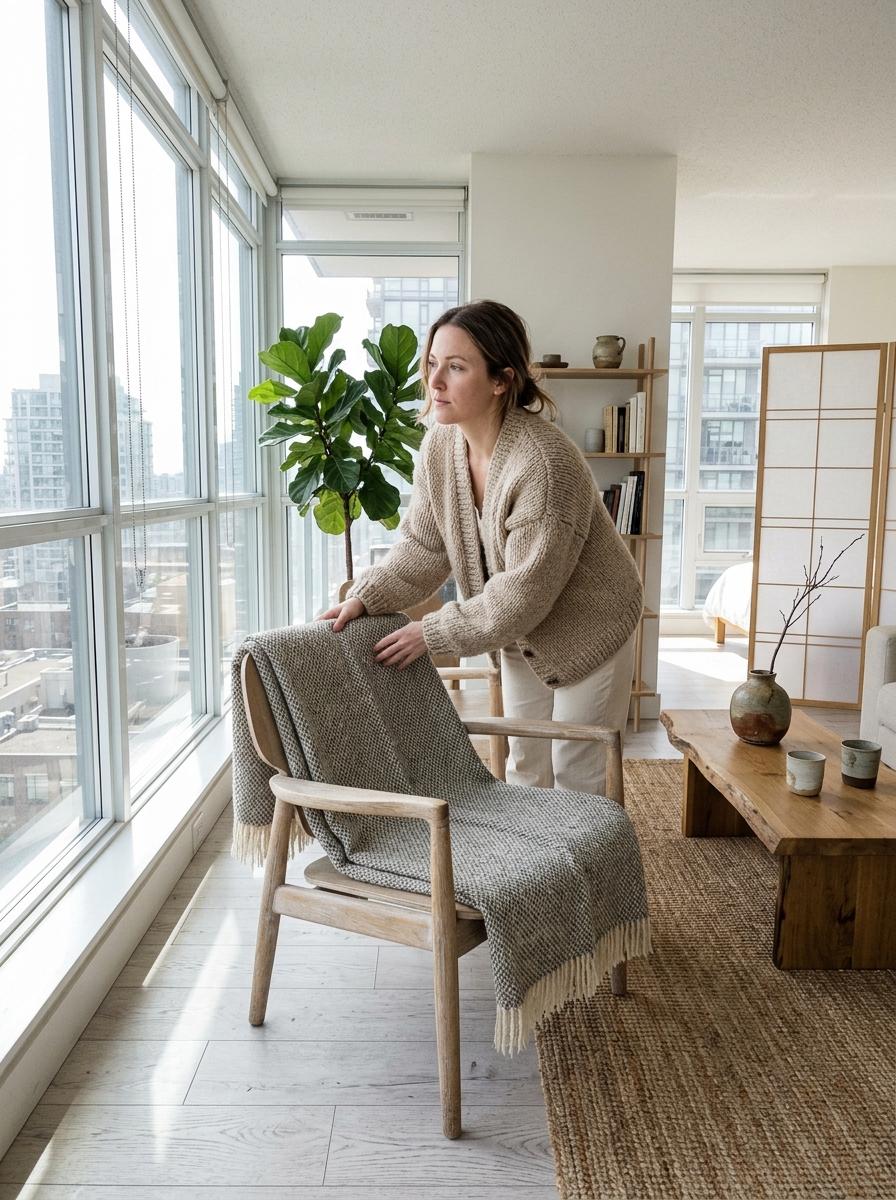

Walking into a glass-walled urban loft, one is often met with the "sterile, echoing hum of industrial minimalism," as my recent interviewee, an avid collector of Kyoto ceramics, described it. She paused to adjust a hand-woven throw across a bleached oak chair before continuing, "but here, where the light hits the timber, it feels less like a gallery and more..." she took a slow breath, "...like a sanctuary." This shift from the cold rigidity of modernism to a curated softness is where the magic happens. By weaving the tactile hygge of Scandinavian wools with the intentional wabi-sabi of Japanese craftsmanship, we move away from purely performative spaces and toward a grounded, sensory experience. This delicate balance between Nordic comfort and Eastern restraint is not just an aesthetic choice, but a conscious restructuring of how we inhabit our private worlds.
A Relaxing Home Office With Japandi Influence
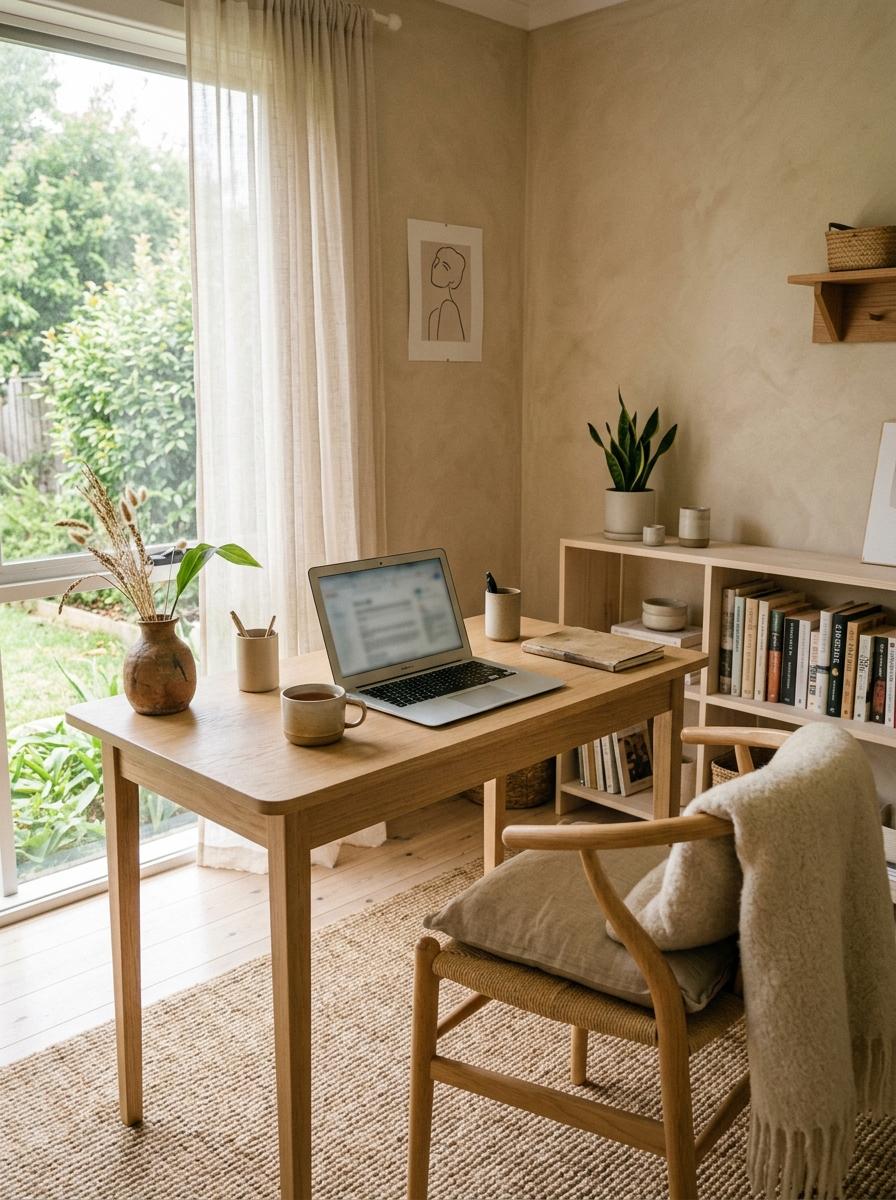

The Japandi home office is not merely a stylistic choice, but a deliberate architectural convergence where the rustic, weathered spirit of Japanese wabi-sabi integrates with the pragmatic, streamlined functionalism of Scandinavian hygge. This synthesis results in a workspace defined by tectonic clarity and spatial intentionality, stripping away the visual noise of the traditional corporate environment. It is a design language rooted in a dialectical tension: the aesthetic is rigorously disciplined, yet profoundly welcoming; it adheres to a minimalist geometry, but remains anchored by the warmth of organic materiality. To enter such a space is to experience an immediate atmospheric recalibration-the air feels hushed, tactile, and grounded-where the curation of earthen ceramics and pale oak creates a sensory equilibrium that fosters deep focus.
Enhance Your Entryway With Cozy Japandi Decorating Touches
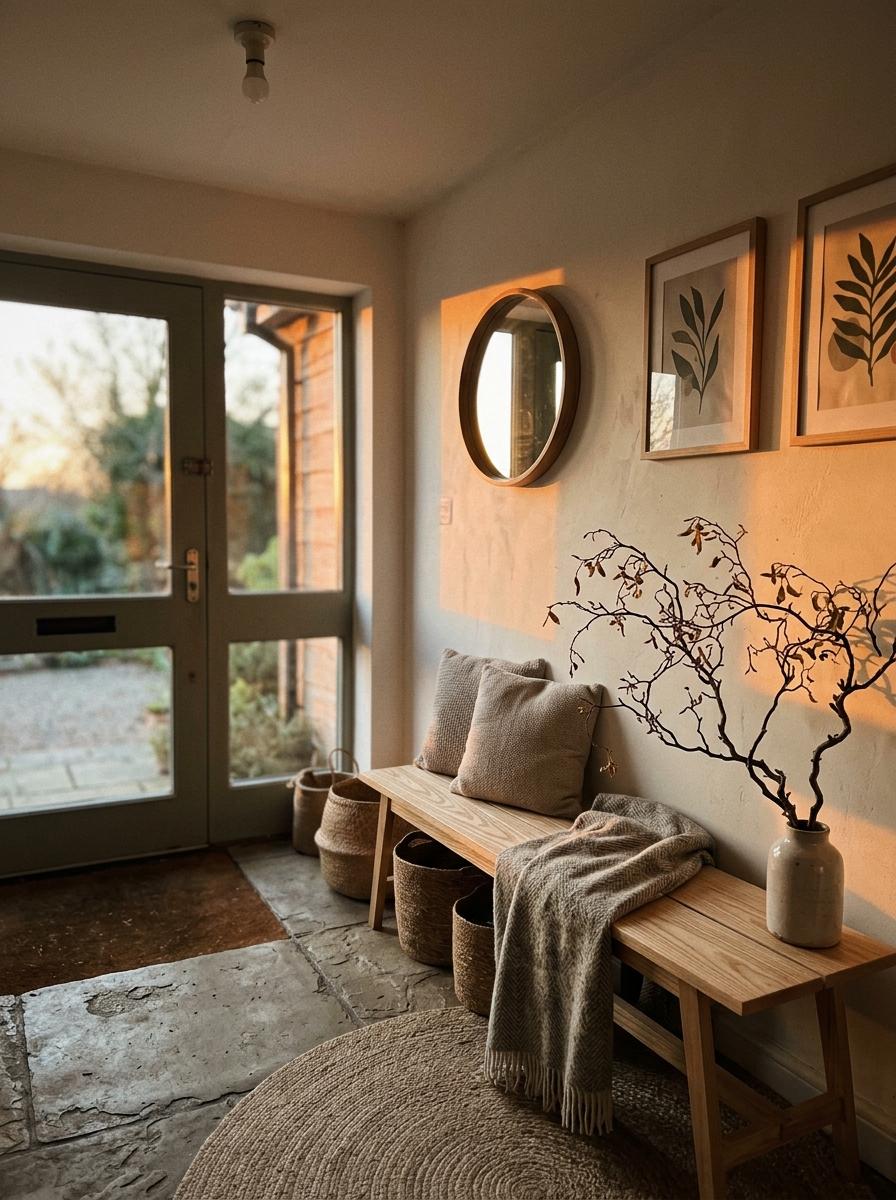

To transform a utilitarian threshold into a sanctuary of "quiet intensity," begin by anchoring the space with a low-slung bench crafted from open-grain Japanese Ash. Note how the tactile, wire-brushed surface creates a rhythmic friction under your fingertips, grounding the airy minimalism of the room with a stubborn, physical presence. This is the essence of Japandi: a structured chaos where the brutal honesty of Scandinavian functionality meets the ethereal poise of Wabi-sabi. As you cross the threshold, the transition from the frantic pace of the street to this curated void triggers a somatic shift; your heart rate decelerates, and the lingering tension in your shoulders dissolves into the soft, olfactory embrace of Hinoki wood. This isn't merely a hallway, but a psychological reset akin to the intentional transitions found in the Kyoto-based Aman Resort, where every material choice is a deliberate invitation to breathe deeper and exist more fully in the present moment.
Beautiful Handmade Ceramics For A Cozy Japandi Display
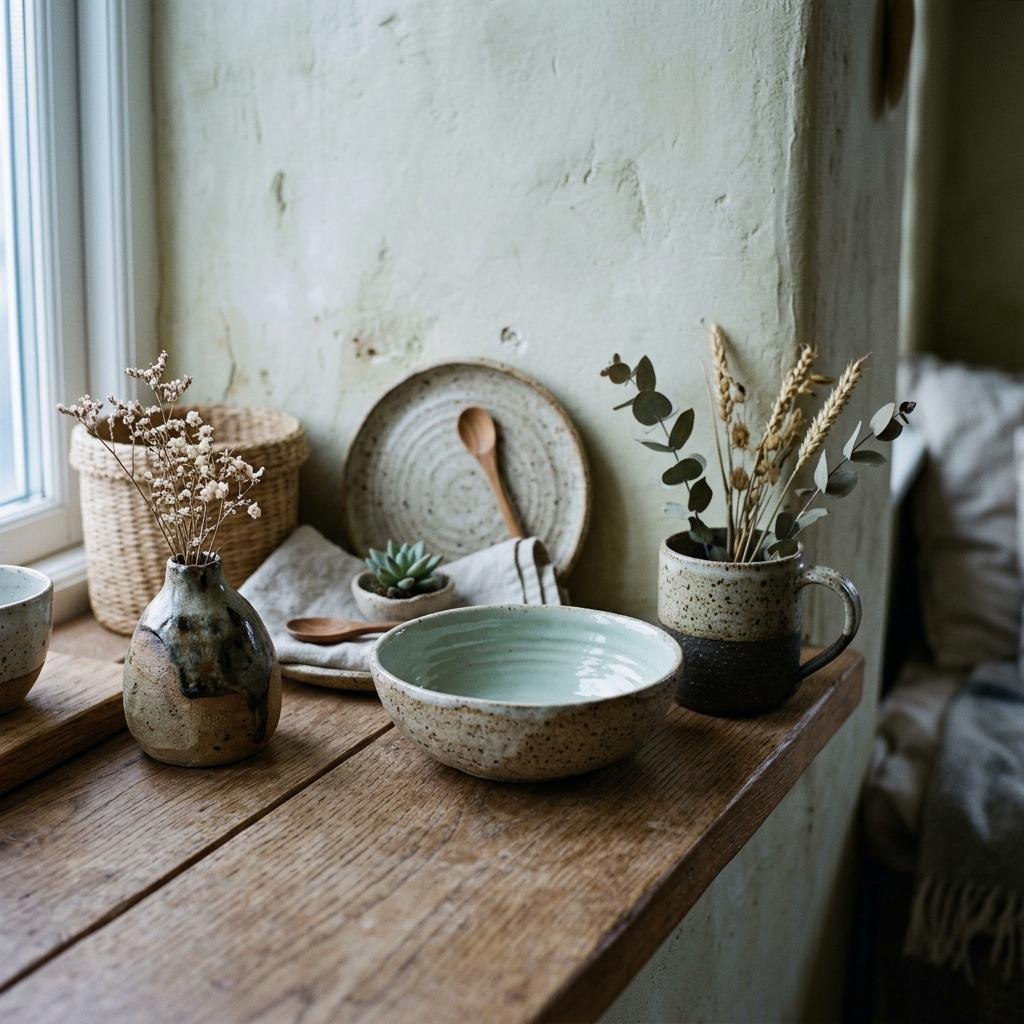

In the quiet intersection of a sun-drenched alcove and a lime-washed wall, a Japandi display serves as a sanctuary for the senses, anchoring the room's energy through a curated stillness. Within this space, handmade ceramics embody a precise spontaneity, where the rigorous discipline of the potter's wheel meets the unpredictable, organic surrender of the kiln. This tension defines a structural dualism: while the exterior surfaces celebrate a weathered, earthen ruggedness, the interior basins are finished with a glass-like smoothness, creating a private dialogue between raw nature and human refinement. Tactile details-the gritty kiss of unrefined stoneware, the speckled bloom of a reactive celadon glaze, and the faint, rhythmic ridges of a thumb-pressed rim-elevate the objects from mere vessels to sensory artifacts. Ultimately, these pieces transcend decoration to fulfill a functionalist specification, acting as modular anchors that organize household clutter into a composition of intentional, meditative utility.
Bringing The Outdoors In With Japandi Design Principles
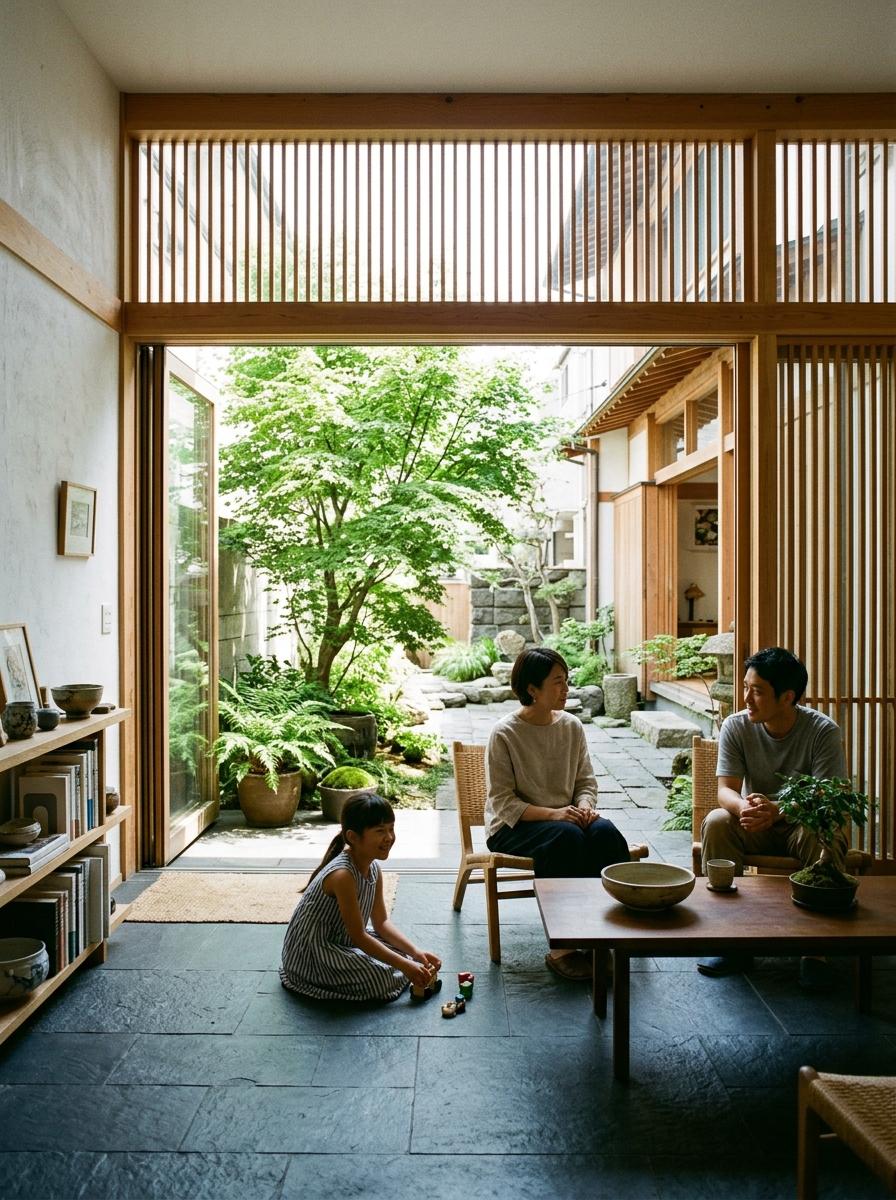

The evolution of the "indoor-outdoor" connection has transitioned from the rigid, compartmentalized Victorian sunrooms of the late 19th century to today's fluid, borderless environments where the threshold between nature and shelter has effectively dissolved. This modern interpretation thrives on a primitive sophistication, where the raw, unrefined textures of the natural world are elevated by the precision of minimalist craft. In a recent project located in the serene enclave of Kamiyamacho, Shibuya, this philosophy was put to the test for a repeat client-a family whose continued collaboration serves as a testament to the enduring functionality of this aesthetic. The residence achieves its harmony not through mere decoration, but through a deliberate technical synthesis of floor-to-ceiling glazing, rhythmic timber screening, and a continuous basalt flooring that visually erases the perimeter of the home.
Create A Cozy Japandi Reading Nook In Your Home
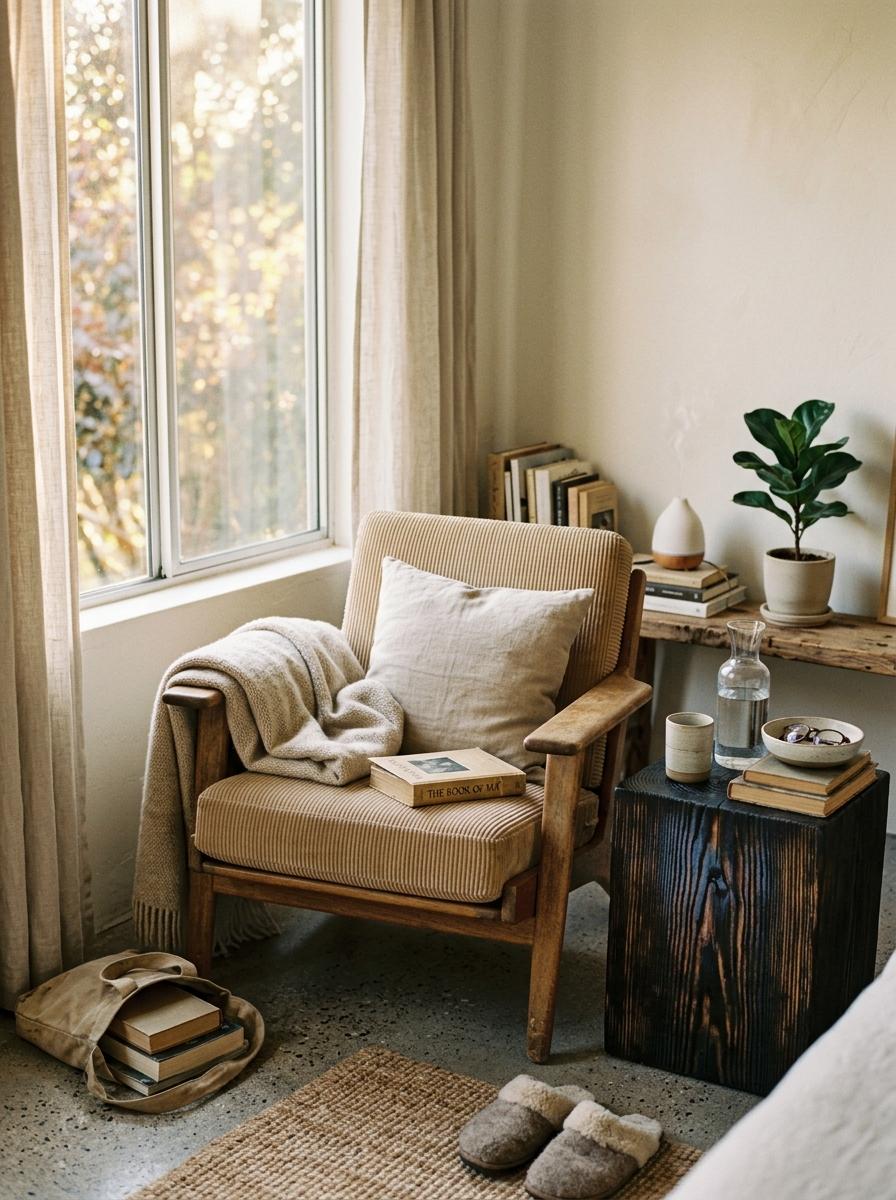

To cultivate a sanctuary of stillness, begin by layering textures that speak to both Japanese minimalism and Scandinavian hygge. Anchor your space with a low-slung lounge chair-perhaps a Hans Wegner masterpiece-upholstered in a nubuck-grain leather or a viscous, heavy-wale corduroy that offers a tactile resistance to the touch. Note how the placement of a single, hand-burnished Shou Sugi Ban side table creates a focal point of structured chaos, where the charred, iridescent timber grain meets the clinical precision of a glass carafe. As you settle into this deliberate spontaneity, the environment begins to work on your nervous system; the transition from the frantic pace of the outside world to this curated alcove triggers a palpable drop in cortisol. You aren't just sitting in a room; you are enveloped in a state of Ma, the Japanese concept of pure interval. The scent of raw, resinous hinoki wood from a nearby diffuser mingles with the coolness of a granular concrete floor, grounding your physical form while allowing your mind the expansive freedom to wander through the pages of your book.
The Perfect Rugs For A Cozy Japandi Living Area
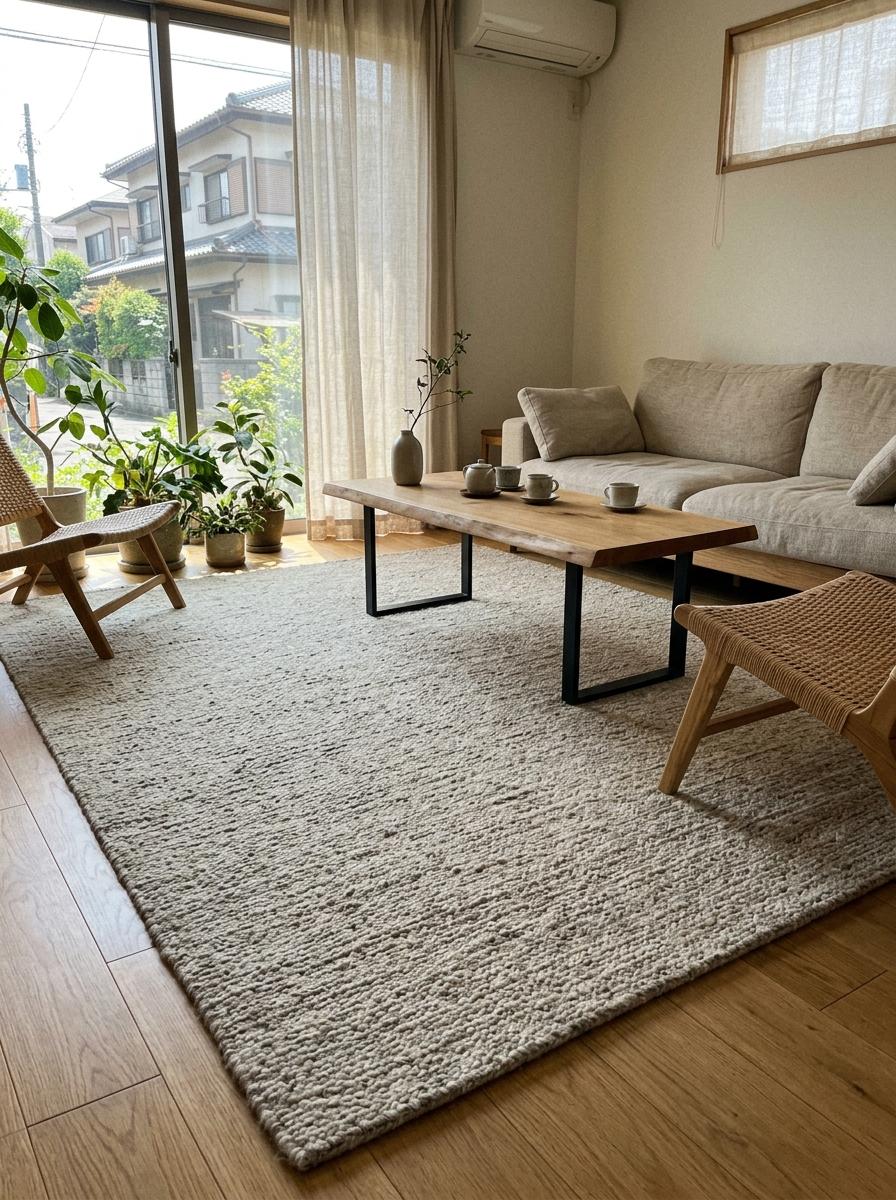

While the ancient silk routes once defined the luxury of floor coverings through ornate, high-contrast patterns, today's aesthetic pivot favors a quietude that grounds the home in stillness rather than status. In our latest study of a residence nestled in the leafy streets of Setagaya, Tokyo, we observed how the modern rug has evolved from a decorative tapestry into a foundational element of "warm minimalism." This project, executed for a repeat client who has previously collaborated on three minimalist retreats, serves as a masterclass in stylistic juxtaposition-achieving a sense of structured softness that bridges the gap between Scandinavian hygge and Japanese wabi-sabi. The cozy atmosphere is not a product of chance, but a deliberate technical synthesis of low-pile wool density, organic asymmetrical borders, and a neutral palette, all functioning as the primary architectural levers to unify the living area.
Neutral Palette Inspiration For A Cozy Japandi Interior
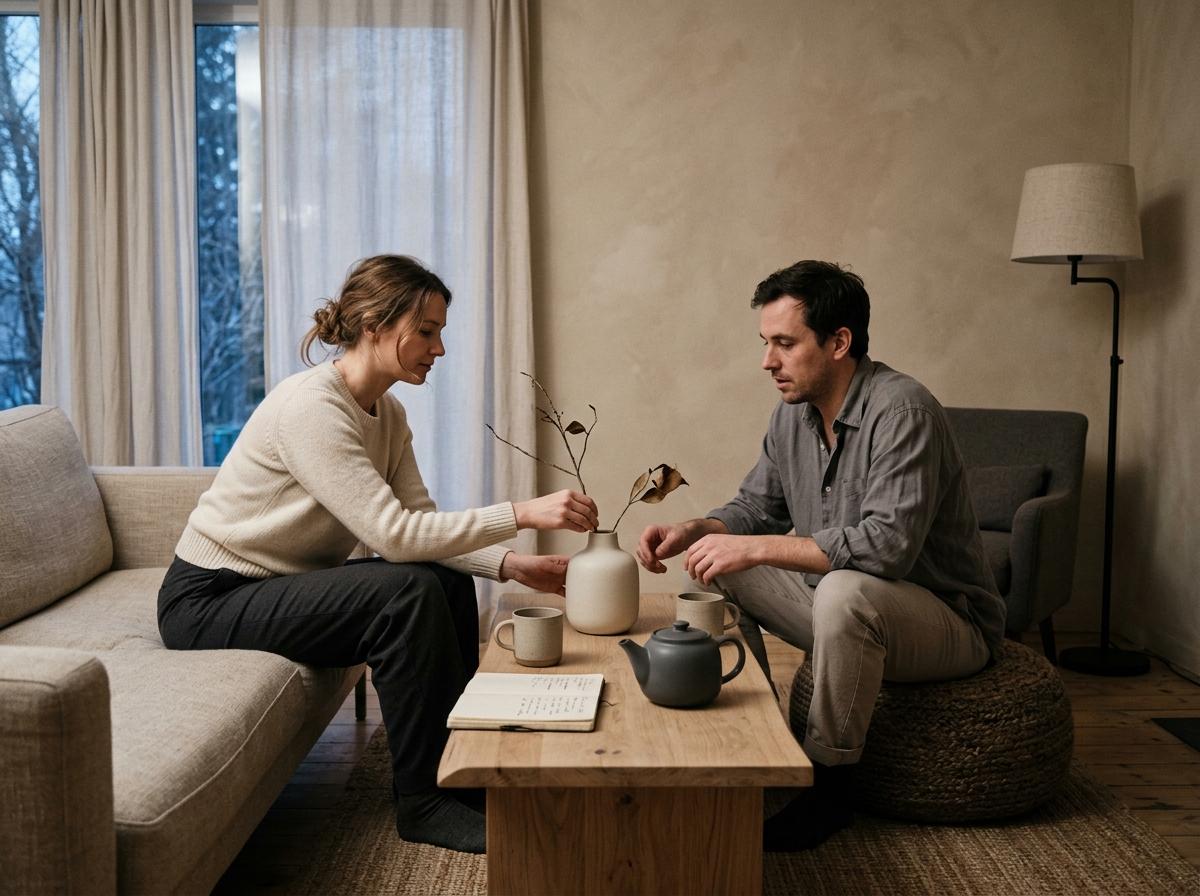

Stepping into a high-gloss, maximalist showroom often feels like navigating a frantic visual concerto-all brass accents and saturated velvets competing for your attention. In contrast, when I recently sat down with a minimalist curator in her studio, the atmosphere was a profound exercise in restraint. "The secret to a quiet home," she began, pausing to adjust a single ceramic vessel on a low-slung oak table, "isn't the absence of color, but rather the intentional layering of desaturated tones." She leaned back, watching the afternoon light hit the limewash walls, before adding, "It is about creating a visual tactile rhythm that grounds the soul." This deliberate use of a neutral palette-moving beyond simple beige to embrace oatmeal, charcoal, and stone-replaces the cacophony of modern living with a sense of architectural stillness. By mastering this interplay of light and shadow, we can transform a sterile space into a sanctuary defined by warmth and soft minimalism.



Comments