
Japandi design emerges from the synthesis of Scandi-industrial pragmatism and the ancient Japanese ethos of wabi-sabi, resulting in a curated domesticity that prioritizes intentionality over excess. Within this framework, window treatments serve as the critical aperture for komorebi-the ethereal filtration of light-demanding a selection that is structurally rigorous yet visually diaphanous. These textiles must navigate a delicate dialectic: they are engineered for environmental insulation and privacy, but remain spiritually committed to an unobstructed dialogue with the exterior landscape. By selecting materials that offer a tactile, visceral serenity-an interplay of hushed, organic, and transcendental textures-the modern inhabitant can achieve a home that feels both grounded in terrestrial comfort and liberated by minimalist vacuum.
Japandi Window Treatments


Natural Light And Minimalist Japandi Window Treatments
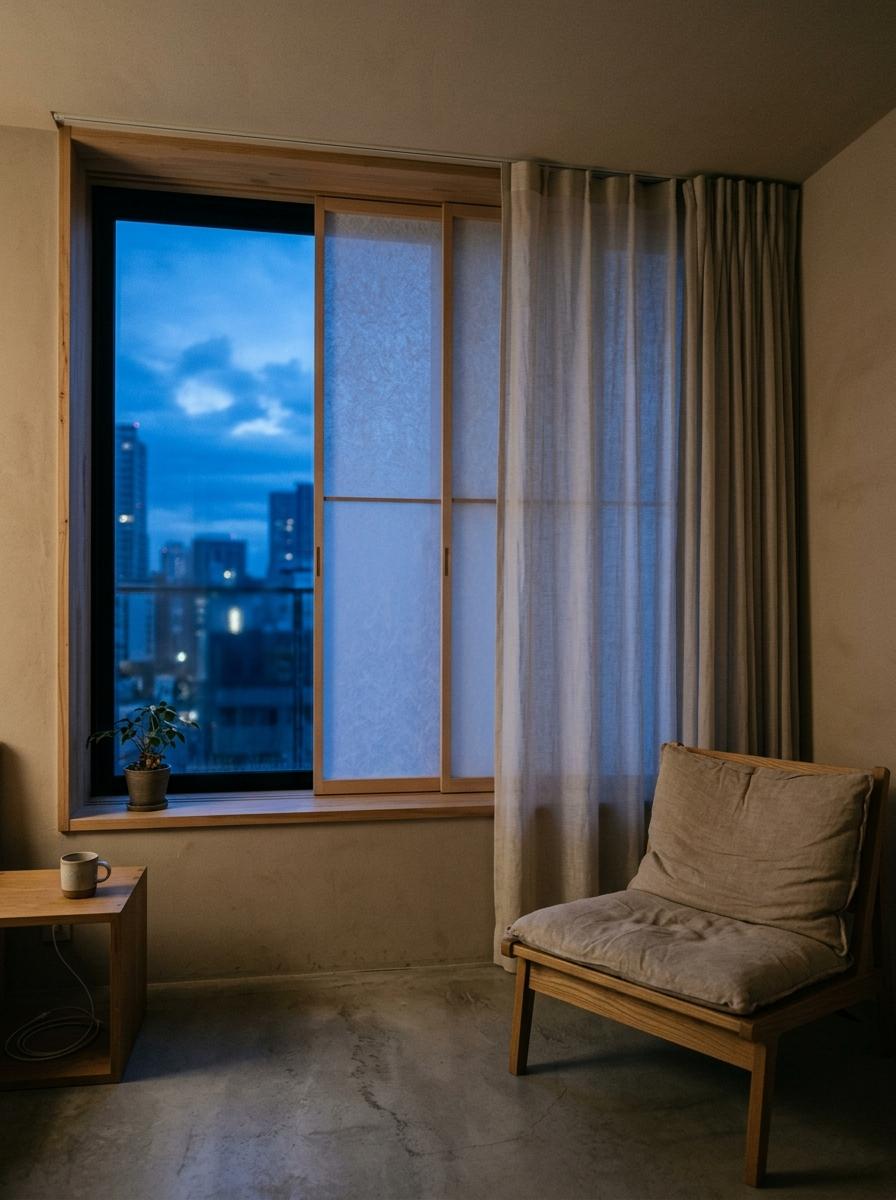

In the evolution of residential light management, we have moved far beyond the heavy, velvet-draped enclosures of the 19th-century Victorian era, shifting toward a modern transparency that prioritizes well-being over ornate seclusion. This progression has birthed a complex simplicity in Japandi window treatments, where the goal is to simultaneously invite the sun's energy while diffusing its harshness. Within the high-value residential pockets of Minato City, Tokyo, and the light-drenched lofts of Tribeca, this balance is essential for maintaining both connection to the skyline and interior serenity. For this project-an expansive renovation for a repeat client who sought to deepen our previous explorations into tactile minimalism-the design achieves its equilibrium through a specific technical synthesis: the integration of recessed Washi-paper screens and motorized sheer linens to manipulate the building's thermal envelope and light penetration.
Inside A Refined Space With Japandi Linen Curtains
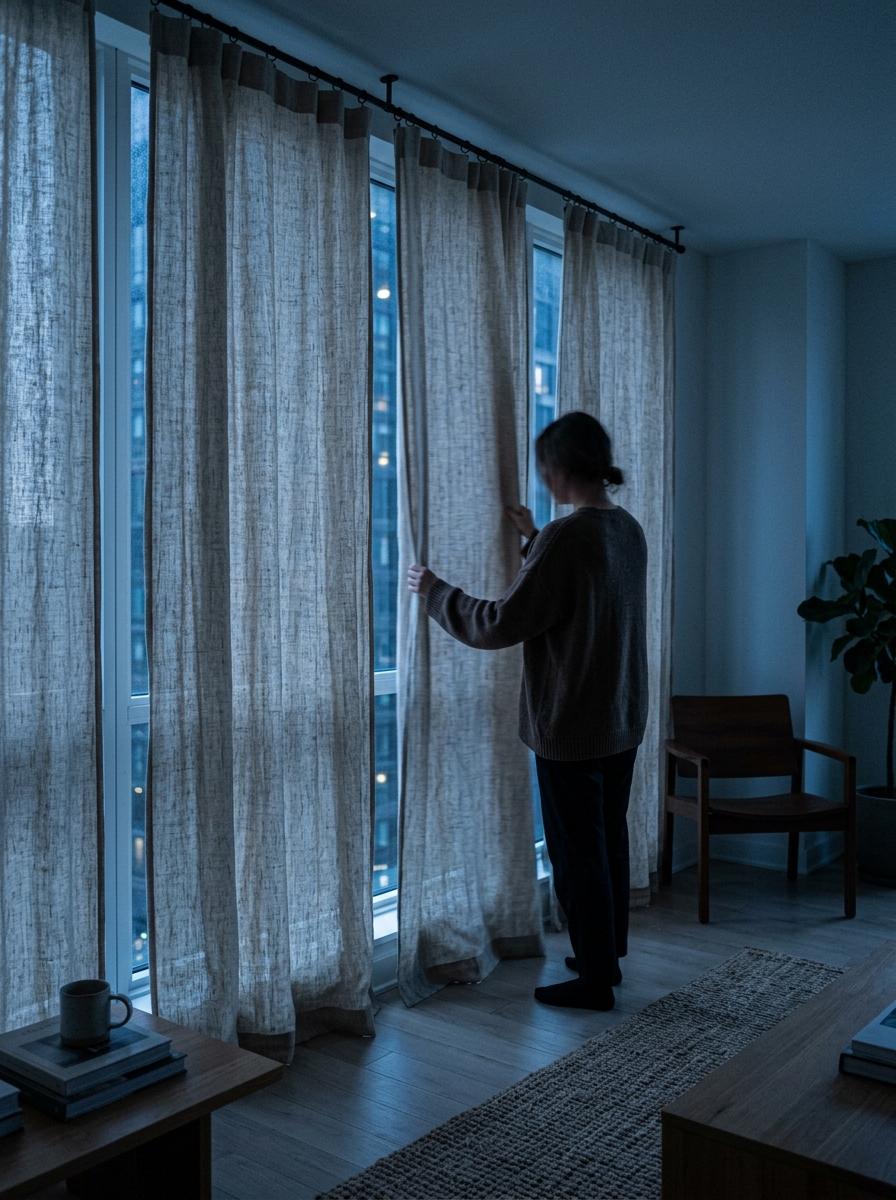

Stepping into the apartment of textile curator Elena Rossi, the immediate sensation is one of profound deceleration-a sharp, almost visceral departure from the frantic, jagged geometry of the metropolitan grid just outside her window. "It isn't simply about covering a pane of glass," Elena remarked, pausing to adjust a heavy, tactile weave that caught the afternoon sun, "it's about managing the lumen." She moved toward the window, her silhouette softened by the fabric's organic grain, and continued, "it's about creating a threshold where the harshness of the street is filtered into a soft, monochromatic glow." This delicate equilibrium between Scandinavian functionality and Japanese minimalism is nowhere more evident than in her choice of window treatments, where the architectural rigidity of the room is tempered by the fluid, slubbed texture of natural flax. By prioritizing this tactile interplay of light and shadow over mere ornamentation, Elena's home serves as a masterclass in how Japandi linen curtains act as the essential atmospheric anchor for a refined, meditative interior.
Incorporating Wooden Blinds In A Modern Japandi Home
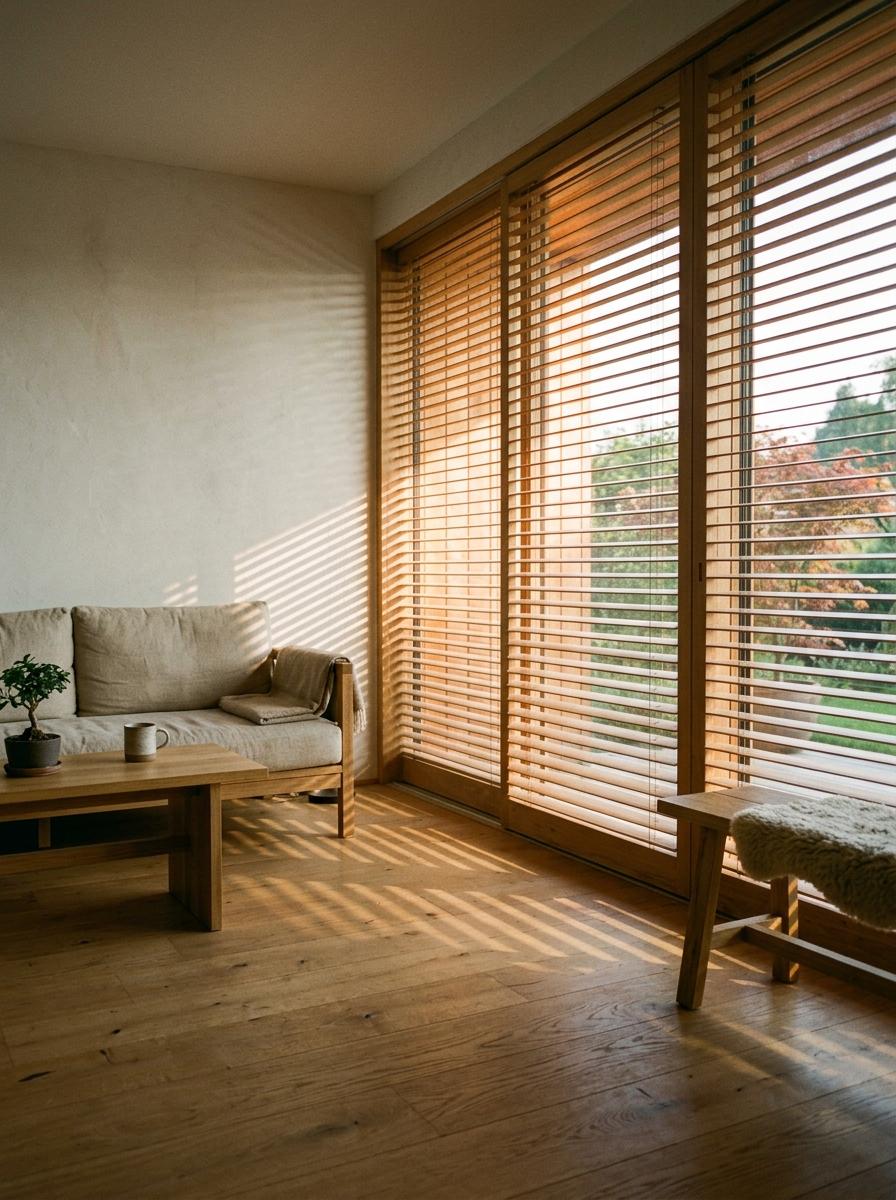

The integration of wooden blinds into the Japandi interior was meticulously conceived to mediate the relationship between raw structure and soft light. Through the deliberate use of unadorned, slender slats, the window treatments cultivate a sterile serenity that banishes visual noise and celebrates an austere clarity. These wooden widths weave a weightless warmth throughout the room, mirroring the muted tones of the timber flooring. Broad slats carve the incoming glare into rhythmic shadows, expanding the perceived volume of the living area while grounding the atmospheric perspective. This intentional layering of natural material allows the space to breathe, balance, and belong.
Enhance Your Living Space With Japandi Bamboo Shades
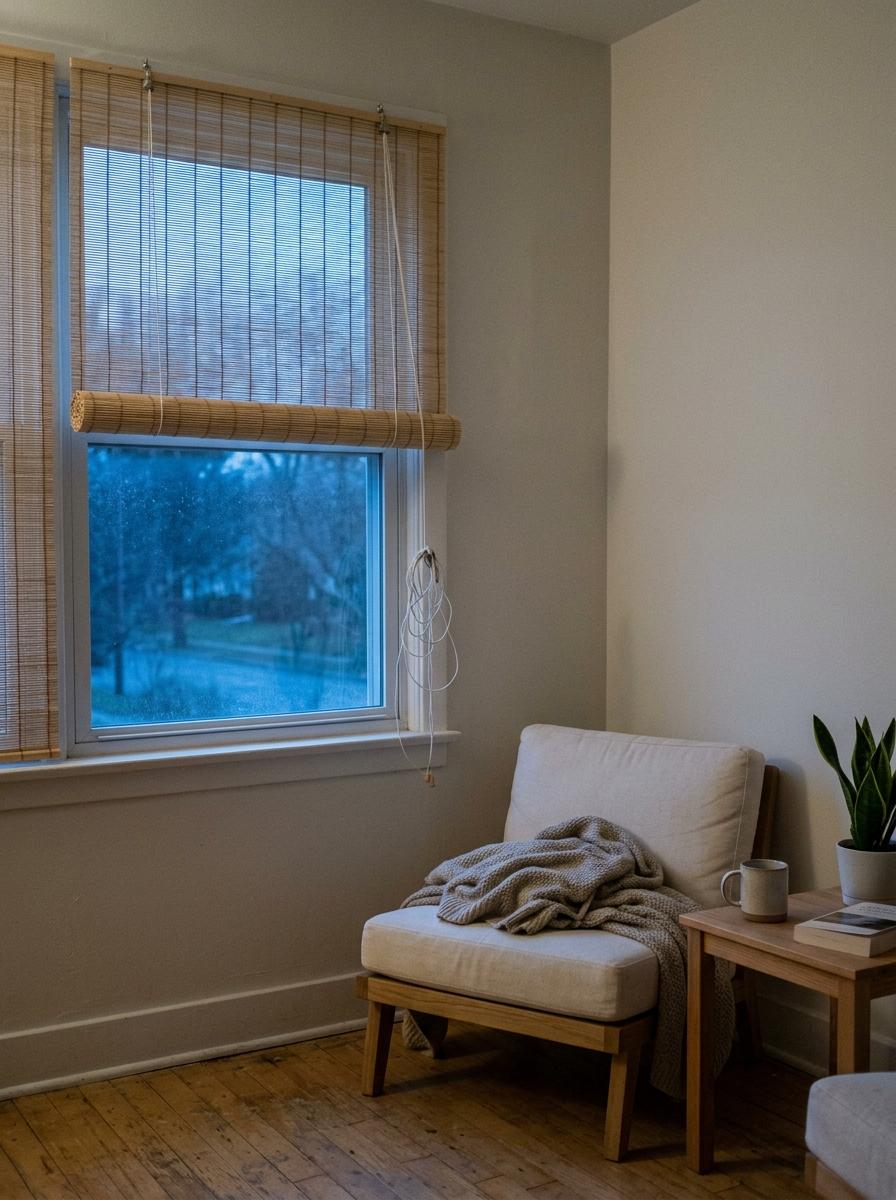

To integrate Japandi bamboo shades into a living space is to perform an act of atmospheric grounding, where the windows cease to be mere apertures and instead become the meditative anchors of a room's spatial equilibrium. This design choice thrives on a figurative paradox, achieving a structured fluidity that feels at once rigid in its organic geometry yet soft in its visual impact. There exists a deliberate structural dualism within this arrangement: while the exterior world remains a chaotic influx of movement and noise, the interior is shielded by a curated threshold that filters the environment into a state of serene isolation. By utilizing the material specificity of kiln-dried moso bamboo and hand-woven jute cordage, the shades introduce a tactile grain that contrasts the sleek, minimalist surfaces synonymous with Scandi-Japanese fusion. Ultimately, this is a gesture of functionalist specification, where the mechanical precision of the roll-up mechanism serves as a technical solution to light modulation, transforming harsh solar glare into a soft, directional glow that optimizes the home for both quiet repose and focused living.
Modern Fabric Options For Japandi Window Treatments
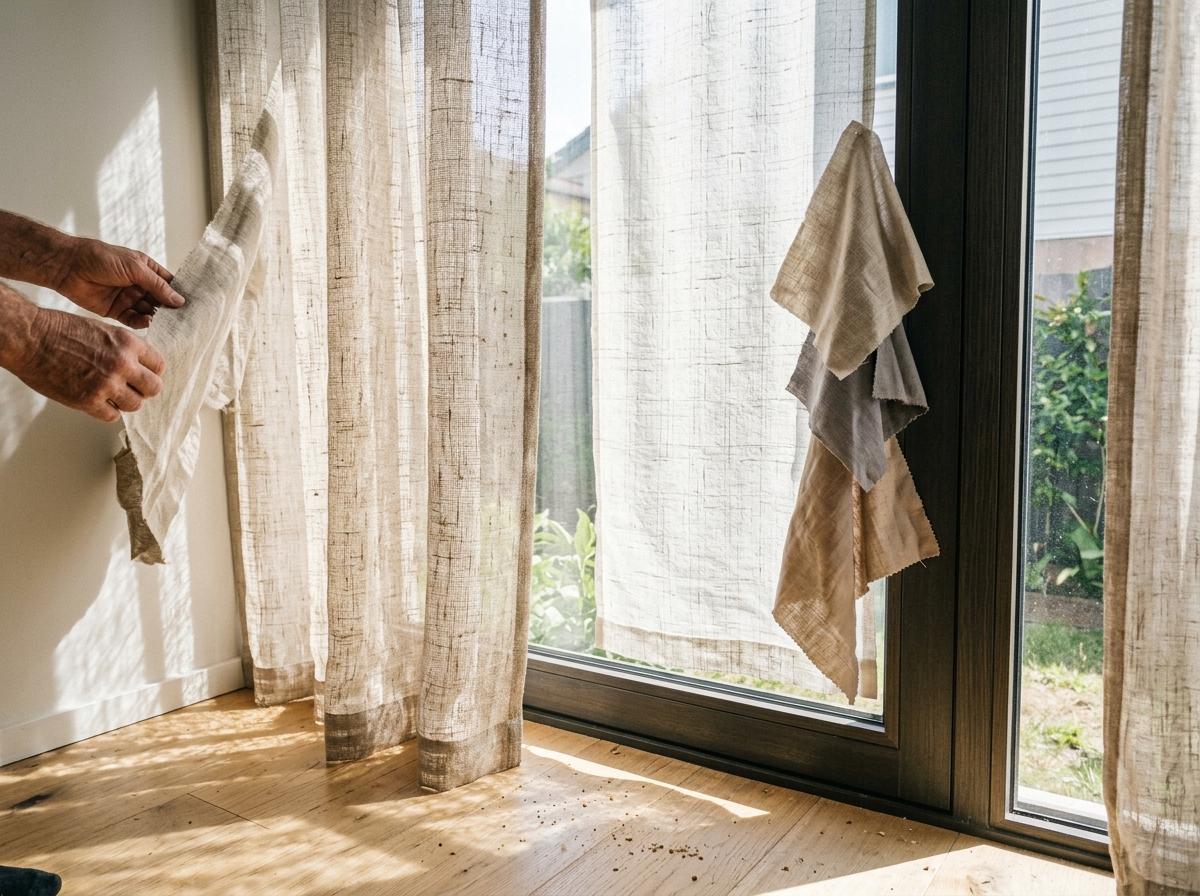

When selecting textiles for a Japandi interior, look beyond basic linen toward the fibrous, open-weave transparency of Kvadrat's high-performance blends. Note how the fabric creates a structured softness against the window frame-a visual paradox where the rigid geometry of the architecture meets the fluid drape of the cloth. This interplay of light and shadow does more than merely shade a room; as the sun filters through the slubbed, tactile irregularities of a Japanese washi-inspired polyester, your heart rate slows and a profound sense of settledness takes hold. By integrating these mercerized, matte-finish materials, you bridge the gap between Scandi utility and Eastern minimalism, transforming a simple pane of glass into a sanctuary of sensory quietude.
The Beauty Of Neutral Tones In Japandi Style Curtains
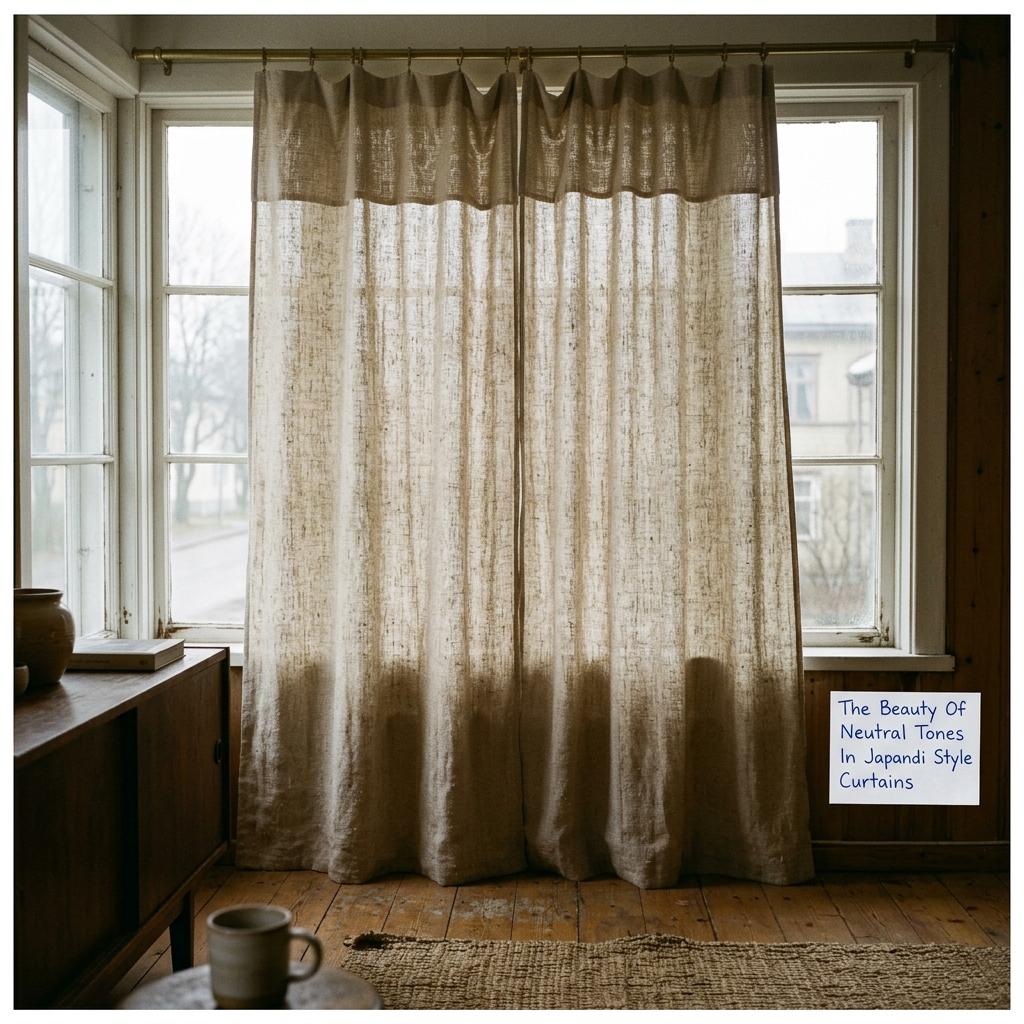

To understand the Japandi window treatment is to view the curtain not as a mere accessory, but as a translucent boundary that defines the quietude of a room. These neutral drapes provide an atmospheric grounding, acting as a soft anchor that tethers the airy openness of a minimalist floor plan to the solid, earthy reality of the walls. Within this framework, the fabric achieves a figurative paradox-offering a heavy lightness that manages to command the visual space without ever overwhelming it. This creates a necessary structural dualism, where the exterior chaos of the natural world is sharply demarcated from the curated serenity of the interior sanctuary; the curtain is the filter through which the world is invited in, yet kept at bay. In our study of these textiles, we find that material specificity is paramount; the tactile contrast of raw, unbleached slub linen against the precise, crisp weave of organic cotton provides a sensory depth that color alone cannot achieve. Ultimately, this choice serves a functionalist specification, where the neutral palette acts as a light-diffusing engine, neutralizing harsh UV rays into a soft, monochromatic glow that optimizes the room's thermal and visual utility.
Using Organic Textures For Elegant Japandi Window Coverings
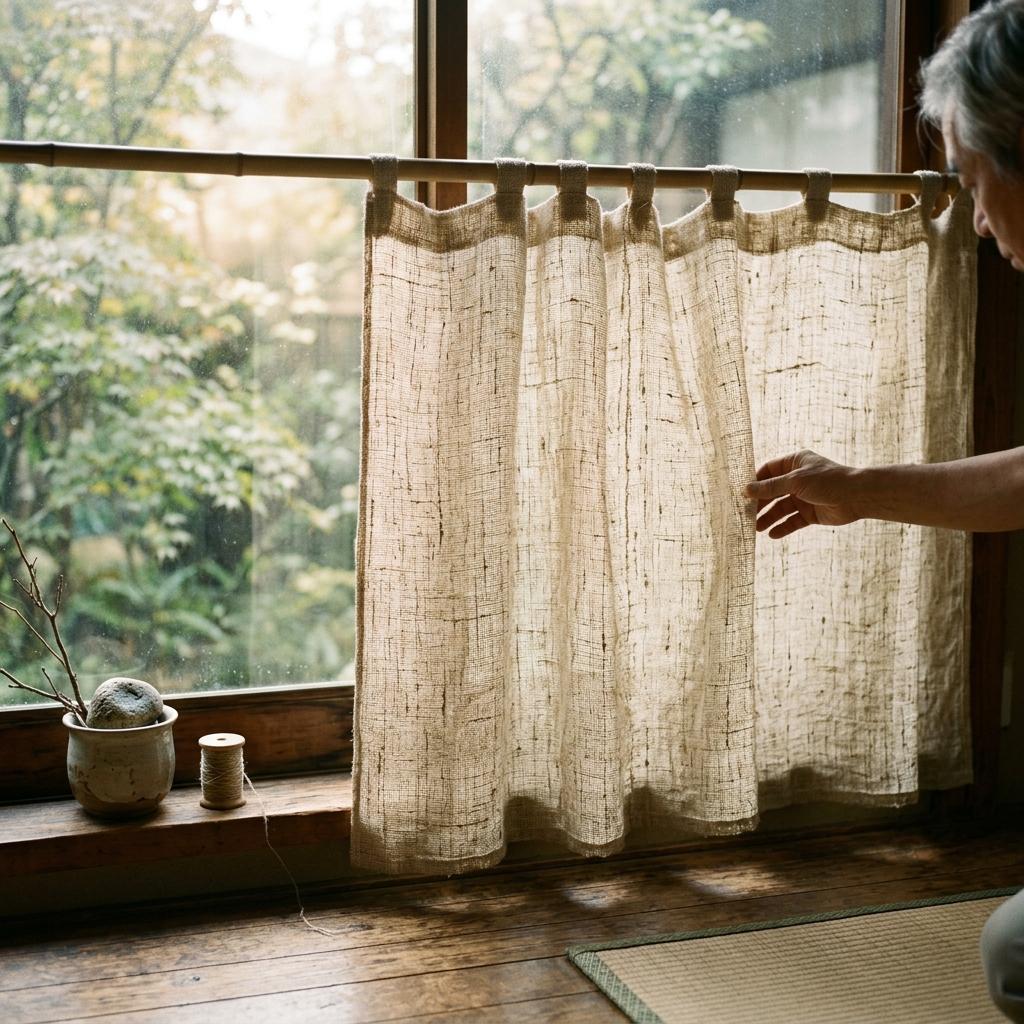

When I first stepped into the Kyoto studio of textile artisan Hiroshi Tanaka, the air was heavy with the scent of damp wood and pressed flax. He was hovering over a vintage loom, his hands moving with a rhythmic, practiced grace. “The beauty of a window,” he remarked, pausing to adjust a tension screw, “isn't found in the glass itself.” He looked up, the soft morning light catching the silver in his hair. “It is found in the way we choose to filter the world outside.” We often think of window coverings as mere utilities-tools for privacy or heat retention-but in the Japandi aesthetic, they are the vital connective tissue between our curated interiors and the raw unpredictability of nature. To understand this, You can only look at the jarring contrast between a room stifled by heavy, synthetic blackout drapes-which create a sterile, cavernous gloom-and a space adorned with raw, open-weave linen. While the former serves to sever our connection to the environment, the latter invites a tactile dialogue, allowing sunlight to undergo a soft diffraction that paints the floor in dappled shadows. By prioritizing organic textures like hemp, jute, and unbleached cotton, we move away from the cold perfection of the industrial and toward a wabi-sabi sensibility where the slub of the thread is celebrated rather than hidden. This intentionality in selecting fibers that breathe and age gracefully is what transforms a simple pane of glass into a living canvas of light and shadow.
Walk Through A Home With Japandi Light Filtering Solutions
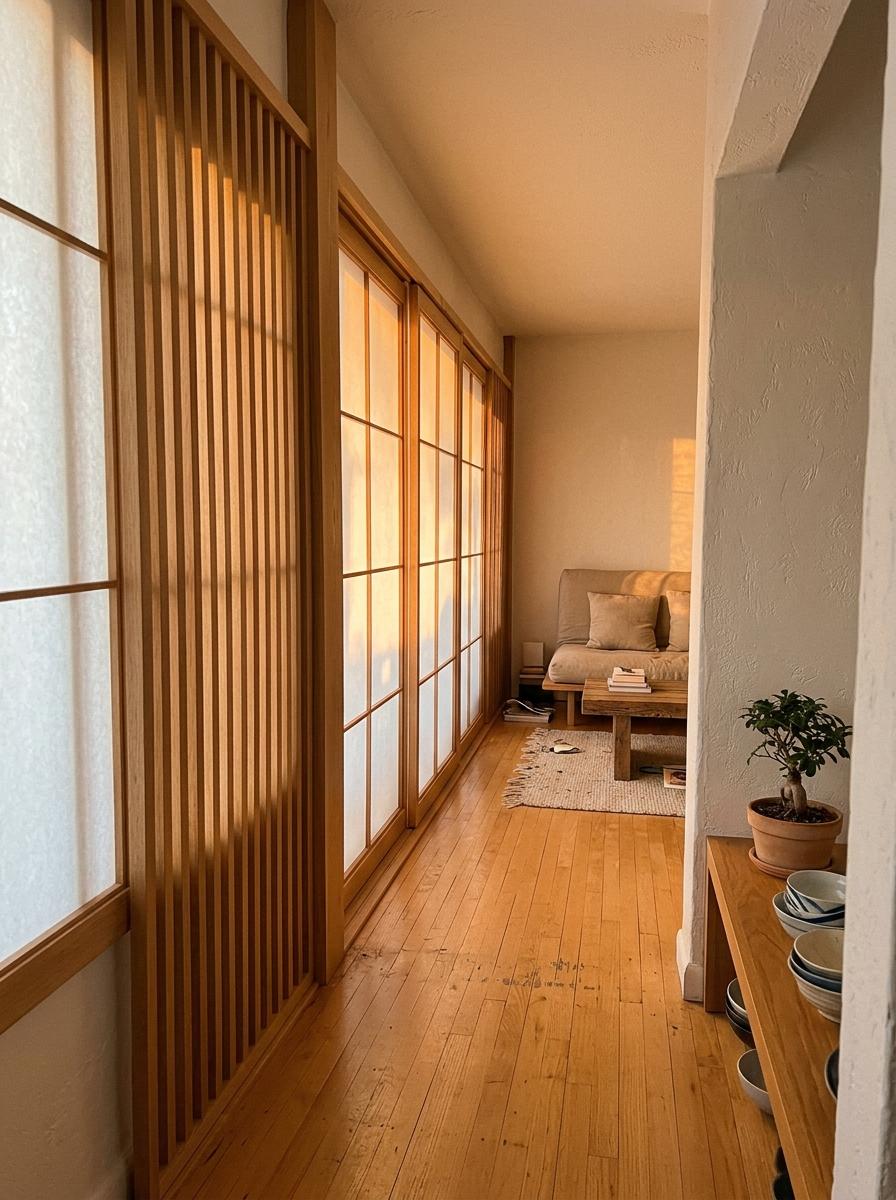

To step inside a home defined by Japandi light filtering is to enter a curated sanctuary where the architectural envelope acts as a breathing apparatus for the day's progression. Within these walls, we encounter a sculpted void, where the emptiness is not an absence but a deliberate presence that shapes the weight of the air. This environment masters the luminous shadow, a conceptual synthesis where the brightness of the sun is stripped of its glare to become a soft, pervasive glow that clarifies rather than blinds. As one moves through the floor plan, a structural dualism emerges: the chaotic, unfiltered energy of the external world is met by a disciplined interior stillness, creating a threshold where the outside is invited in only after it has been tamed. Tactile precision is found in the translucent washi paper screens and the vertical grain of honey-toned white oak slats, materials chosen for their ability to fracture light into rhythmic patterns. Ultimately, these elements function through integrated thermal diffusion, an industrial utility where the aesthetic choice of a slatted partition serves as a sophisticated mechanical solution for climate control and privacy, proving that in Japandi design, the most beautiful gesture is often the most functional.
Glimpse The View Through Minimalist Japandi Roman Shades
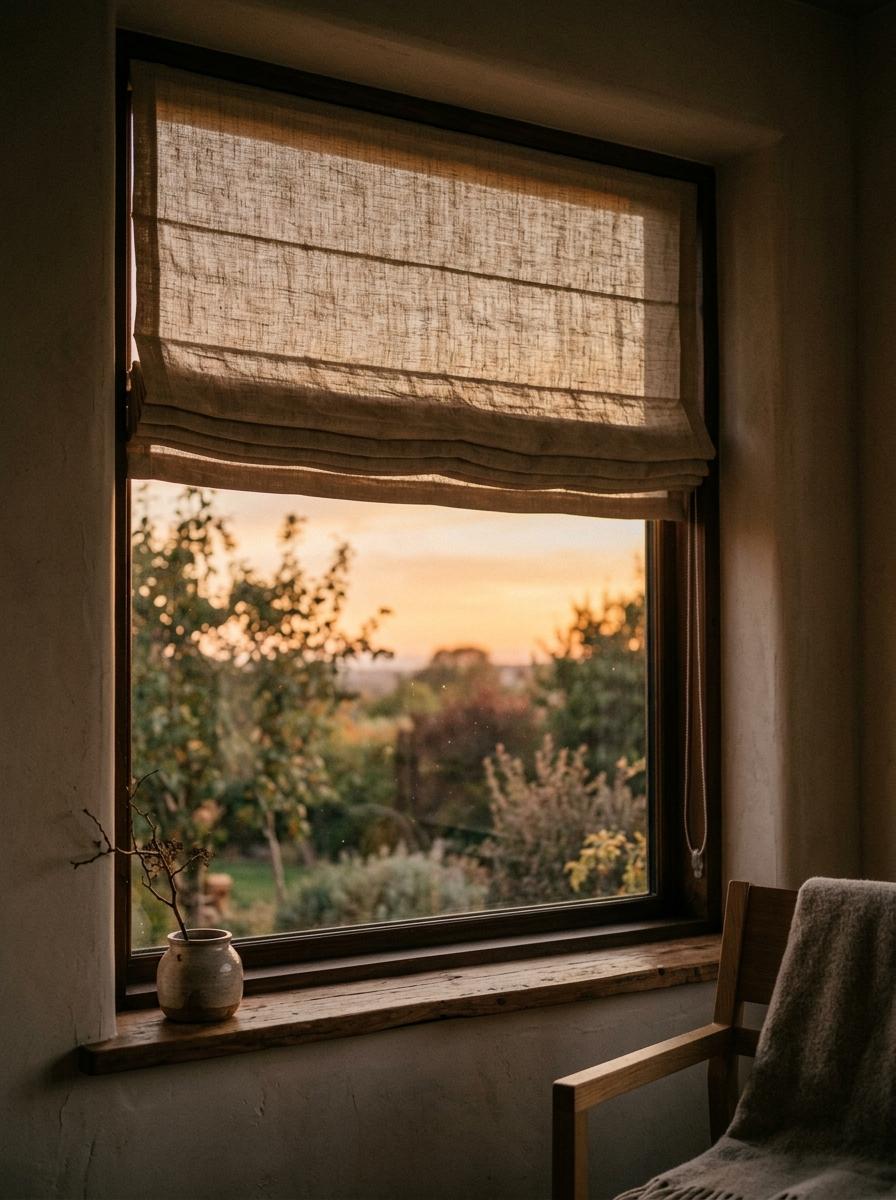

At Japandi.design, we define the window treatment not merely as a utility, but as the quintessential synthesis of Scandinavian hygge and Japanese wabi-sabi-where the rigorous functionality of Nordic life meets the transcendent imperfection of Eastern Zen. Roman shades, when executed through this Japandi lens, demand a high degree of lexical precision; we look for the tectonic integrity of the fold and the diaphanous quality of the weave. This design choice creates a compelling dialectical pairing: the structure is architectural and deliberate, yet the effect remains ethereal and unobtrusive, mediating the boundary between the private interior and the sprawling landscape. By selecting materials that favor tactile, calcified, and rhythmic textures, these shades do more than filter light; they curate a sensory experience that grounds the room in a state of quiet, disciplined sanctuary.
Sheer Fabric Choices For A Fashionable Japandi Living Area
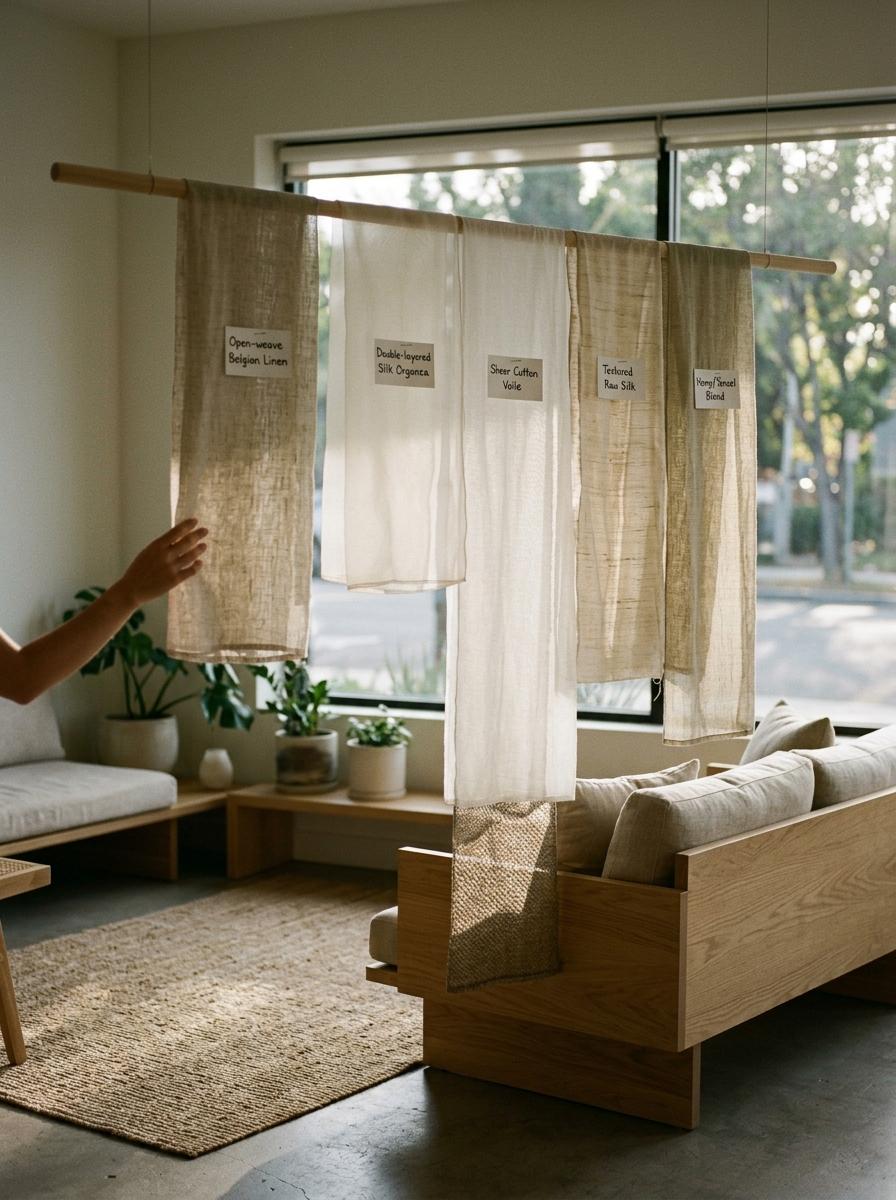

Within the subdued confines of the modern Japandi living area, the window acts as a threshold where the architectural envelope meets the atmospheric void. Here, the room finds its balance through a structured fluidity, where the rigid geometry of Scandinavian functionalism is softened by the ethereal, weightless presence of textile screens. While the exterior world presents a chaotic flux of shifting shadows and urban noise, the interior remains a sanctuary of curated stillness, demarcated by this translucent boundary. To achieve this delicate equilibrium, You need to look toward open-weave Belgian linens and double-layered silk organza, materials that possess a granular haptic quality capable of fracturing harsh sunlight into a warm, milky glow. Ultimately, these sheer choices serve as a climatic filter, regulating thermal intake and visual privacy without compromising the essential connection to natural light, effectively engineering a space that feels both profoundly open and securely enclosed.
Woven Wood Accents In A Beautiful Japandi Inspired Space
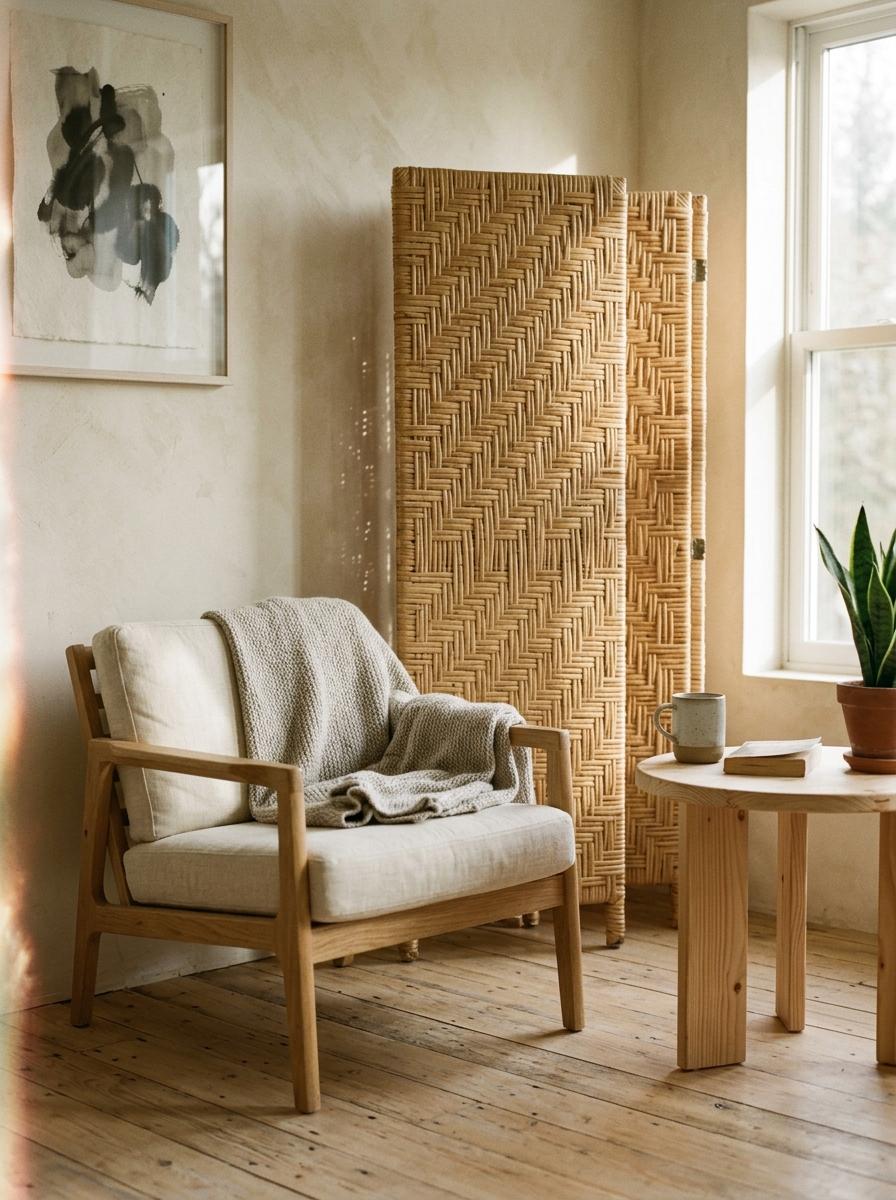

At Japandi.design, our analysis frequently centers on the "Definition via Synthesis" that characterizes the most successful interiors: the marriage of Scandinavian hygge-with its emphasis on cozy functionality-and the Japanese ethos of wabi-sabi, which finds beauty in the transient and imperfect. This union results in a curated minimalism that prioritizes tactile resonance over mere visual austerity. Within this framework, woven wood accents serve as a vital tectonic element, introducing a rhythmic complexity to the architectural envelope. These installations are inherently paradoxical, offering a structured, geometric precision yet retaining an organic, untamed soul that softens the rigidity of modern lines. To experience these woven textures is to engage with a palette of visceral serenity; the surfaces are simultaneously grounding, hushed, and atmospheric, transforming a static room into a multi-sensory study of warmth and equilibrium.
Sophisticated Drapes For A Quiet Japandi Bedroom Design
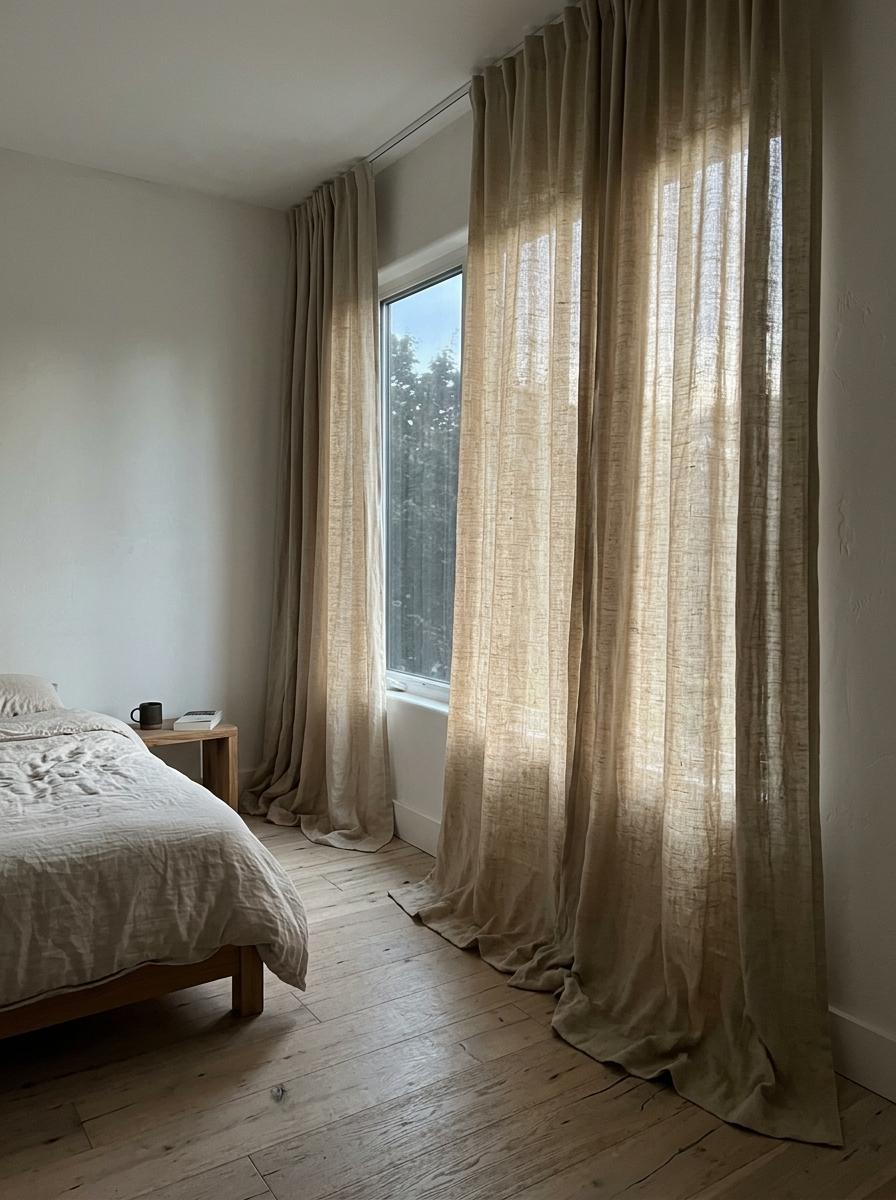

To achieve a truly restful sanctuary, You must look toward the window as the room's primary filter of energy. Opt for floor-to-ceiling panels in a heavyweight open-weave linen or a slubbed raw silk; these textiles offer a tactile granularity that grounds the ethereal nature of the space. Note how the fabric puddles slightly upon the reclaimed white oak floor, creating a deliberate visual weight that anchors the airiness of the walls. This juxtaposition creates a structured fluidity-a paradox where the drapes appear as solid architectural columns until a breeze reveals their inherent, weightless motion. As the afternoon sun filters through these porous fibers, the harsh glare is metabolized into a visceral, honeyed warmth that lowers the heart rate and signals a deep, parasympathetic release in the body. It is a sensory transition reminiscent of the light play found at the Aman Kyoto, where the boundaries between the rigorous geometry of the interior and the wild, organic forest blur. By selecting drapes that prioritize this interplay of density and light, you aren't merely decorating a window; you are curating a quietude that resonates on a physiological level.
Floor To Ceiling Curtains In A Modern Japandi Home
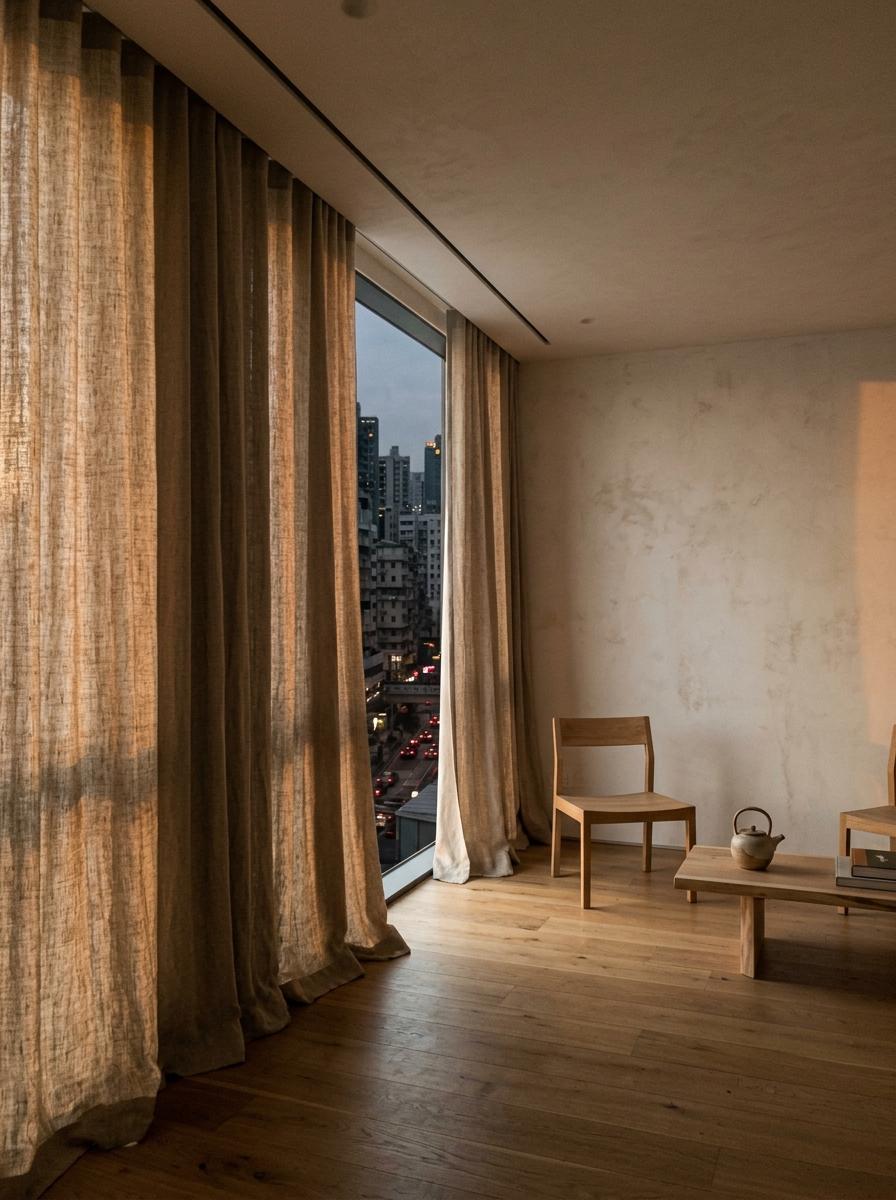

In the muted stillness of a modern Japandi interior, the vertical expanse of the wall becomes a canvas for atmospheric grounding, where the ceiling-height drape anchors the room's volume to a sense of perpetual serenity. This design choice thrives on a figurative paradox, achieving a weightless density; the fabric appears as a massive, monolithic pillar of texture, yet it breathes with the lightness of air. Such a gesture enforces a rigorous structural dualism, drawing a sharp boundary between the chaotic, unpredictable rhythm of the external landscape and the curated, rhythmic silence of the internal sanctuary. To achieve this, the material specificity of open-weave oatmeal linen or raw unbleached hemp is essential, catching the light in a way that reveals the organic irregularities of the fiber. Ultimately, this is a feat of functionalist specification, where the floor-to-ceiling track system serves as an integrated architectural solution, streamlining the visual plane while providing the thermal and acoustic insulation necessary for a life of mindful repose.
Functional Elegance Of Modern Japandi Roller Blinds
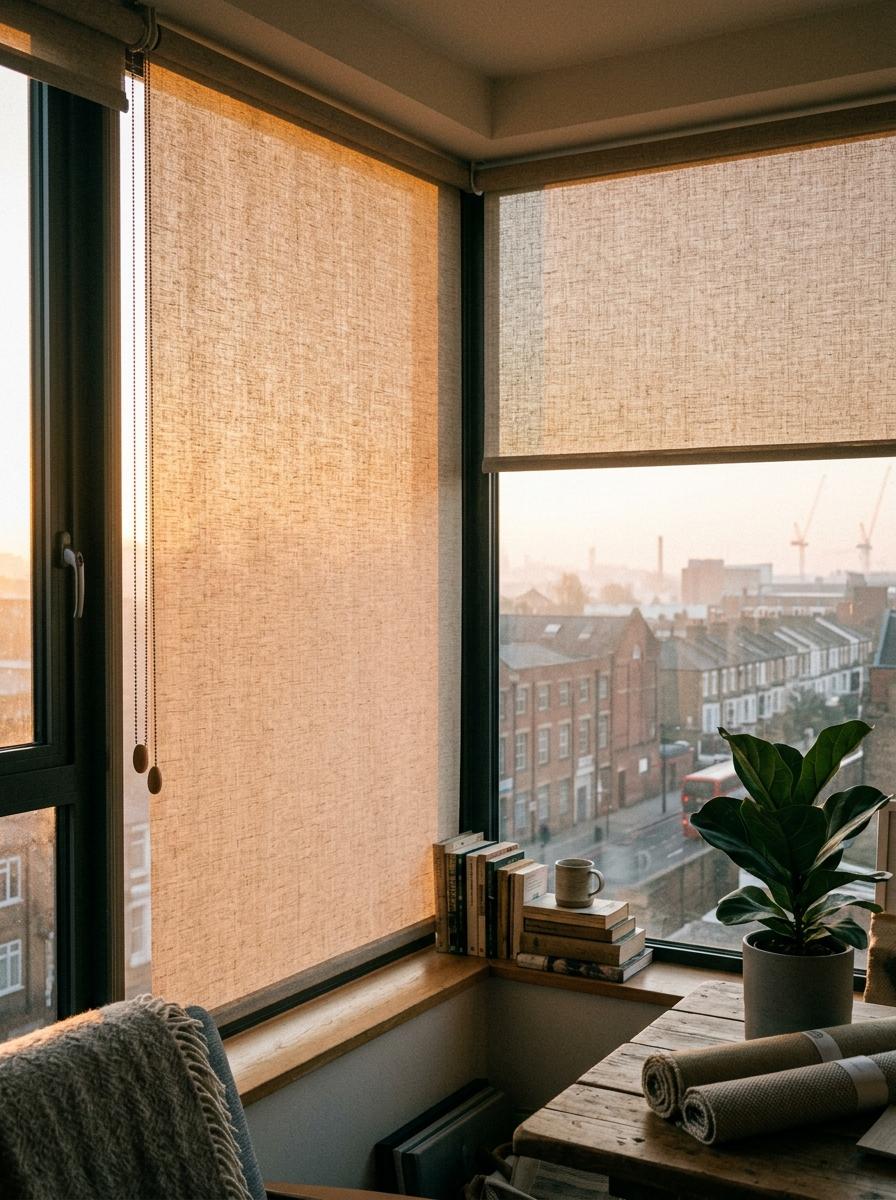

I remember sitting in a cluttered studio in East London, where the harsh glare of the midday sun bounced off chrome legs and glossy magazines, creating a chaotic visual noise that made it impossible to focus. "The problem with most window treatments," my host, a seasoned textile curator, remarked as she gestured toward the blinding light, "is that they either suffocate the room with heavy velvet or," she paused, pulling a slender cord to unfurl a translucent screen, "they fail to curate the light into something usable." As the screen descended, the room underwent a structural metamorphosis; the jagged edges of the urban landscape outside were suddenly diffused into a soft, monochromatic glow. This transition from visual clutter to a disciplined, soft-focus sanctuary illustrates the core ethos of the Japandi movement: the rejection of purely ornamental frills in favor of high-performance materiality. By prioritizing a tactile weave and a muted palette, these fixtures do more than just block the sun; they calibrate the very atmosphere of a home. It is within this intersection of Scandi-utilitarianism and Japanese minimalist restraint that we find the true essence of functional elegance in modern roller blinds.
Simple Drapery Styles For A Refined Japandi Aesthetic
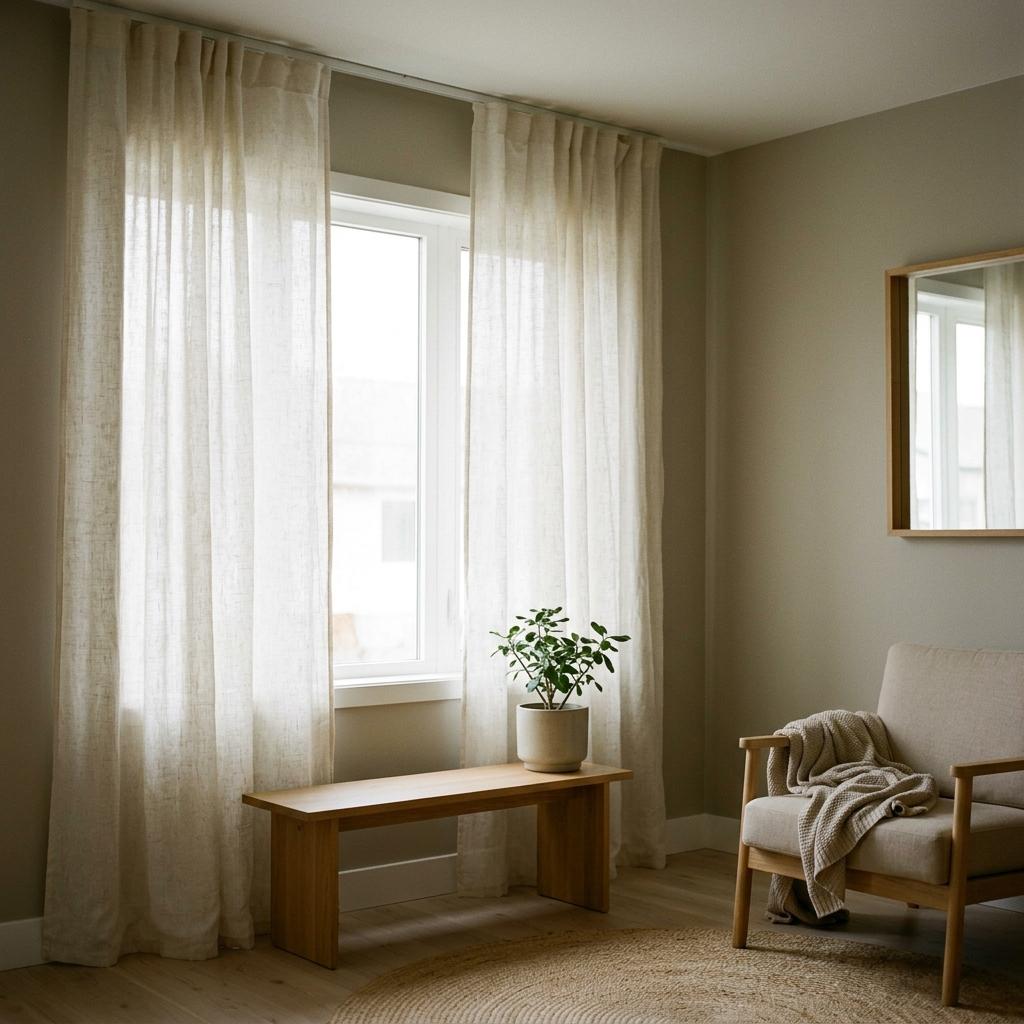

In the quietude of a Japandi-inspired living room, where the light is filtered through the rhythmic geometry of timber slats, the window treatment serves as the essential anchor for spatial tranquility. This environment demands a monastic opulence, where the intentional absence of grandiosity creates a profound sense of luxury. While the exterior world presents a chaotic flux of shifting shadows and urban noise, the interior remains a sanctuary of static composure, divided only by the diaphanous veil of the drapery. To achieve this, You need to look toward the tactile honesty of heavy-weight slubbed linen or the delicate, paper-like texture of hand-loomed ramie, materials that possess enough structural integrity to hold a clean vertical break. By utilizing a recessed ceiling track system, the drapery transitions from a decorative accessory into a functionalist architectural element, effectively eliminating visual clutter while modulating thermal flow and acoustic resonance with industrial precision.
Layering Window Treatments In A Functional Japandi Layout
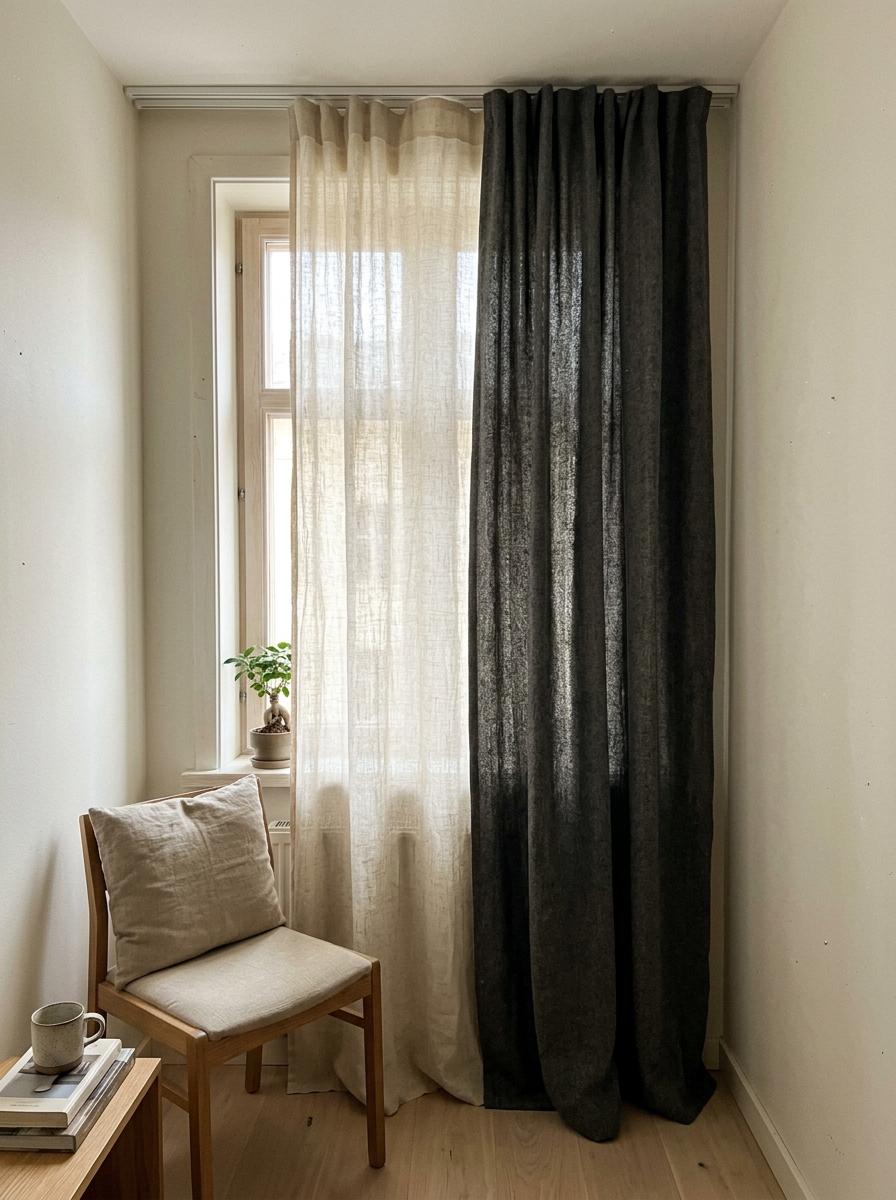

To master the art of layering window treatments in a Japandi-inspired space, You must move beyond mere decoration and treat light as a structural element. Start with a base of diaphanous, open-weave linen sheers-specifically those reminiscent of the fibrous, unbleached textiles found in the tranquil tea houses of Kyoto's Higashiyama district. Note how the interplay between these ethereal films and a secondary layer of heavyweight, charcoal-dyed wool drapes creates a calculated spontaneity within the room's perimeter. This deliberate stacking provides a heavy lightness, offering both the psychological security of a fortress and the aesthetic airiness of a pavilion. As the afternoon sun filters through the variegated slubs of the linen, the resulting dappled shadows trigger a sudden, parasympathetic release; the body physically recalibrates, trading the frantic hum of urban existence for a profound, rhythmic stillness.
Sustainable Materials For Modern Japandi Window Coverings
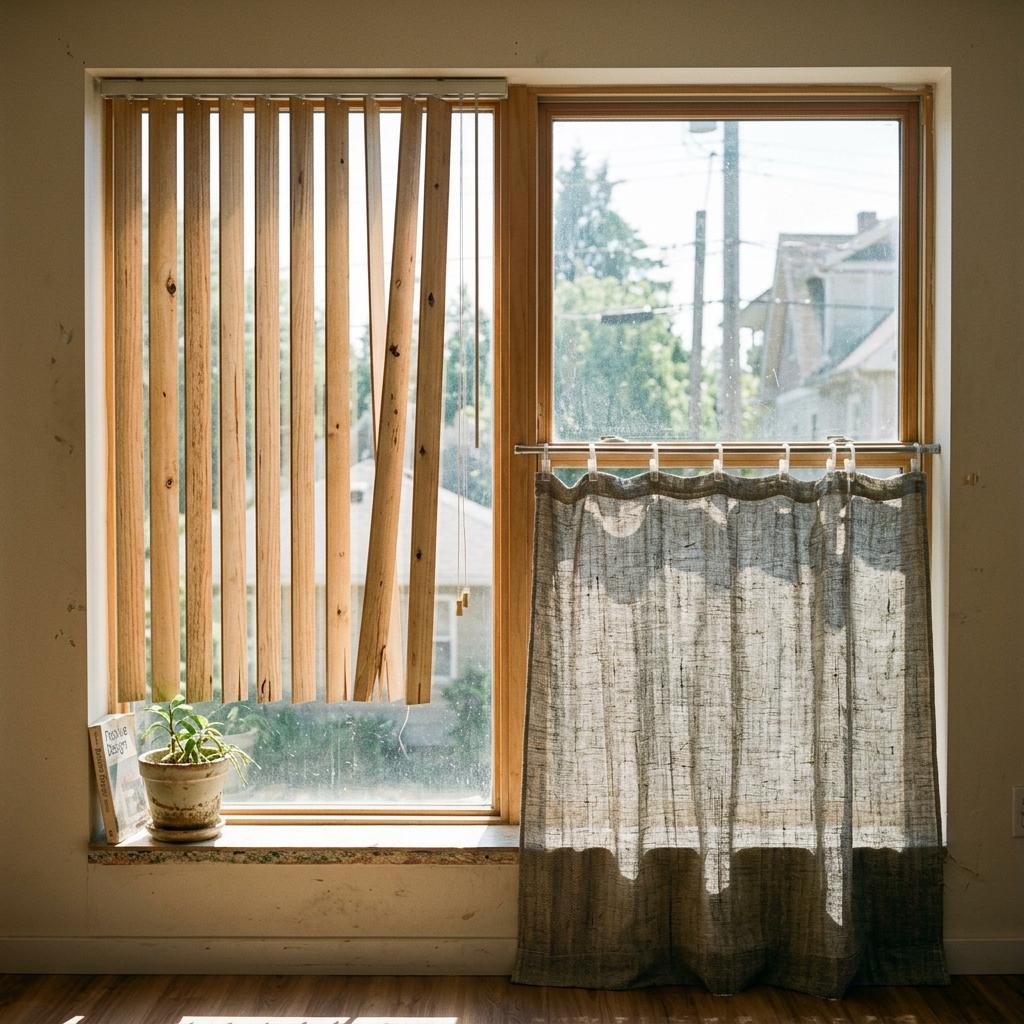

In the hushed periphery of a contemporary living space, where the boundary between architecture and nature dissolves, the window serves as a vital aperture for both light and introspection. This threshold is defined by a structured fluidity, where the rigid geometry of the frame meets the soft, organic drape of high-performance textiles. While the exterior world remains a chaos of unpredictable elements, the interior environment is governed by a curated stillness, achieved through a rigorous selection of FSC-certified paulownia wood and hand-loomed organic hemp. These materials are not merely decorative; they function as a sophisticated thermal barrier, utilizing the low-density cellular structure of the timber and the high breathability of natural fibers to regulate solar gain. By integrating these renewable substrates, the modern Japandi window treatment evolves from a simple screen into a deliberate tool for environmental equilibrium, merging artisanal tactility with carbon-conscious utility.
Earthy Palette Selections For Stylish Japandi Blinds
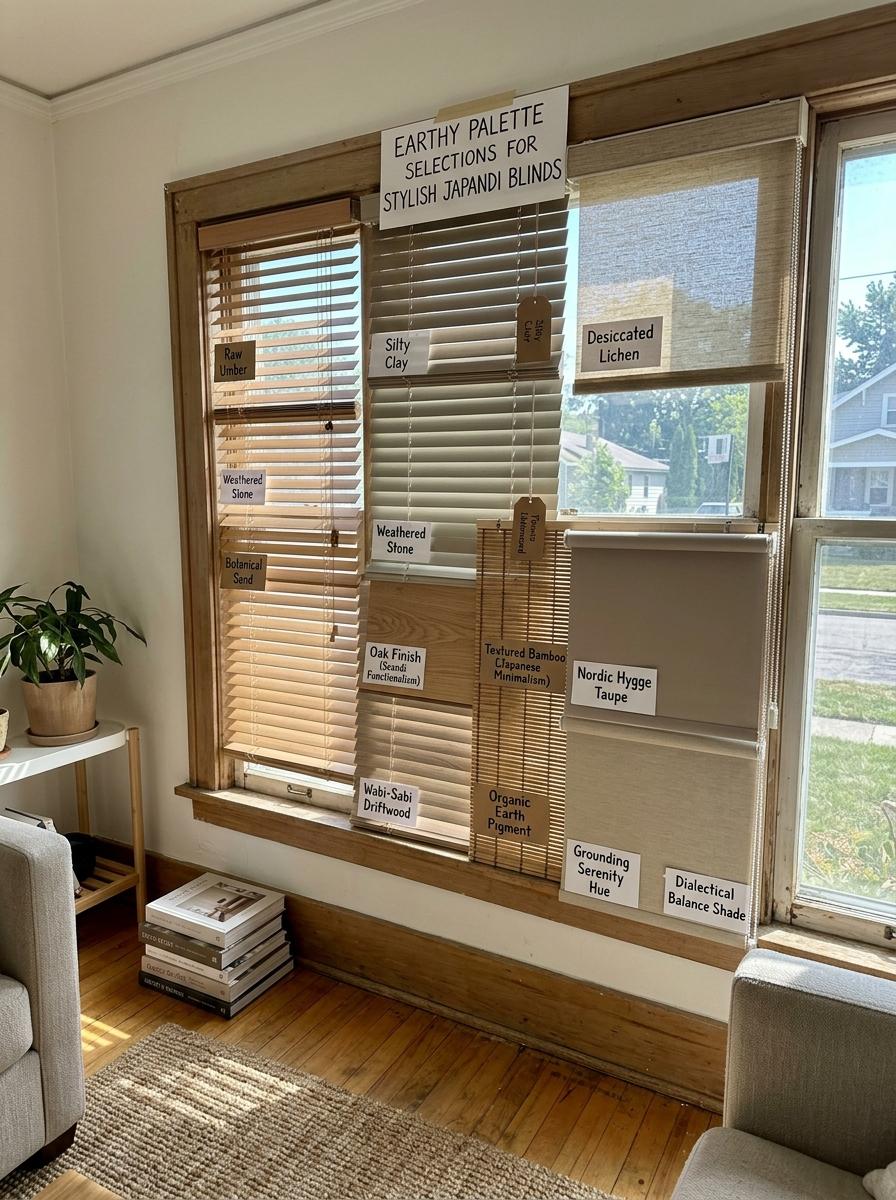

At the intersection of Scandinavian functionalism and Japanese minimalism, Japandi emerges not merely as a trend, but as a deliberate synthesis where Nordic hygge meets the ancient philosophy of wabi-sabi. In the context of window treatments, this aesthetic demands a rigorous commitment to an earthy palette, favoring pigments that evoke a sense of geological permanence and botanical stillness. These tonal selections must achieve a difficult dialectical balance: they are visually receding yet structurally assertive, providing a neutral backdrop that simultaneously commands the room's atmosphere through sheer tactile presence. By selecting blinds in hues of raw umber, silty clay, or desiccated lichen, the homeowner introduces a layer of ethereal, diffuse, and grounding serenity. This interplay of light and shadow ensures the aperture remains a focal point of organic refinement, transforming the window from a mere architectural void into a portal of hushed, weathered, and soulful tranquility.
Achieving Privacy With Elegant Japandi Style Window Decor
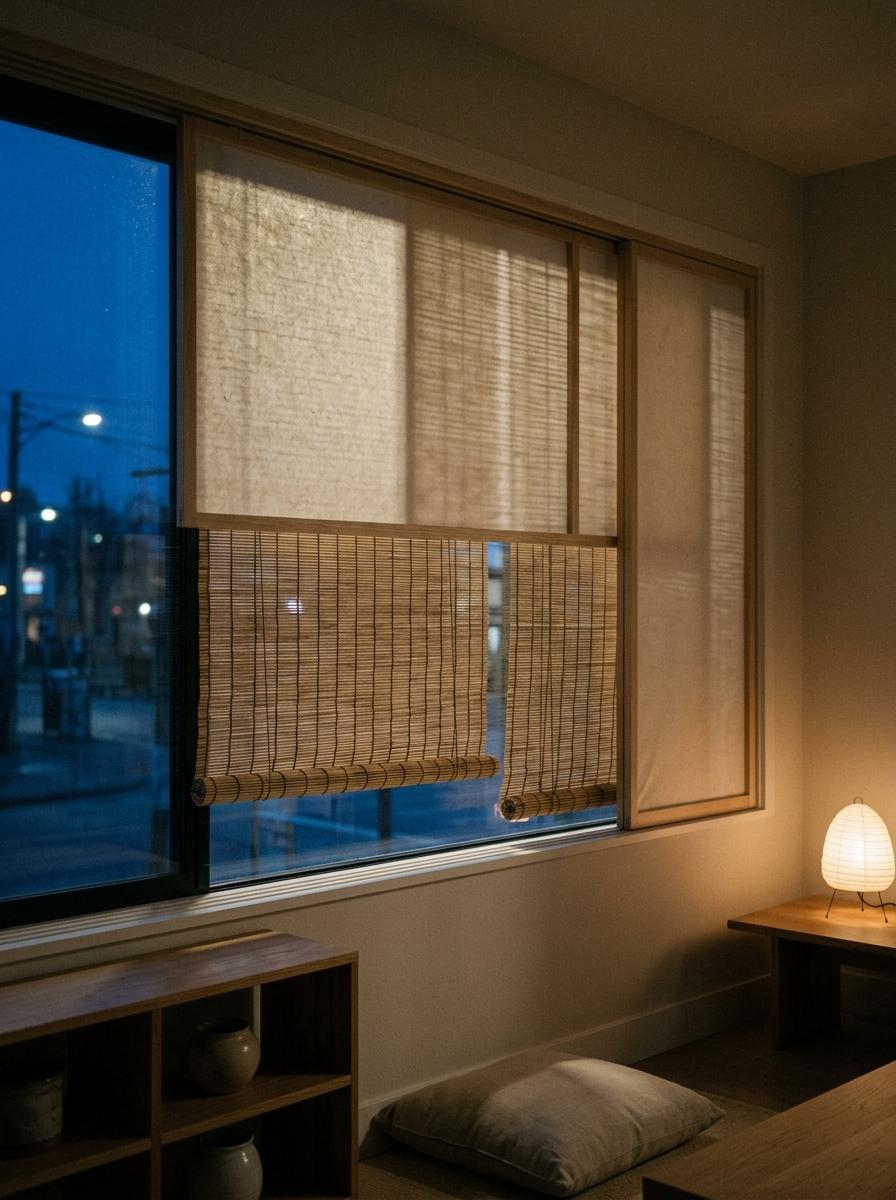

In the modern home, the window serves as a precarious threshold where the sanctuary of the interior meets the visual noise of the urban sprawl. To achieve privacy through a Japandi lens is to embrace a structured fluidity, where the rigid requirements of seclusion are met with the soft, ethereal movement of light-filtering textiles. While the exterior world remains a chaotic theater of kinetic energy and exposure, the internal volume is transformed into a cocoon of stillness through the deliberate layering of washi paper sliders and slotted bamboo matchstick blinds. These elements do not merely block the gaze; they act as a diffused barrier, an intentional engineering of shadow that reclaims the domestic perimeter by turning a functional necessity into an elegant architectural filter.
Soft Textural Elements In A Modern Japandi Window Design
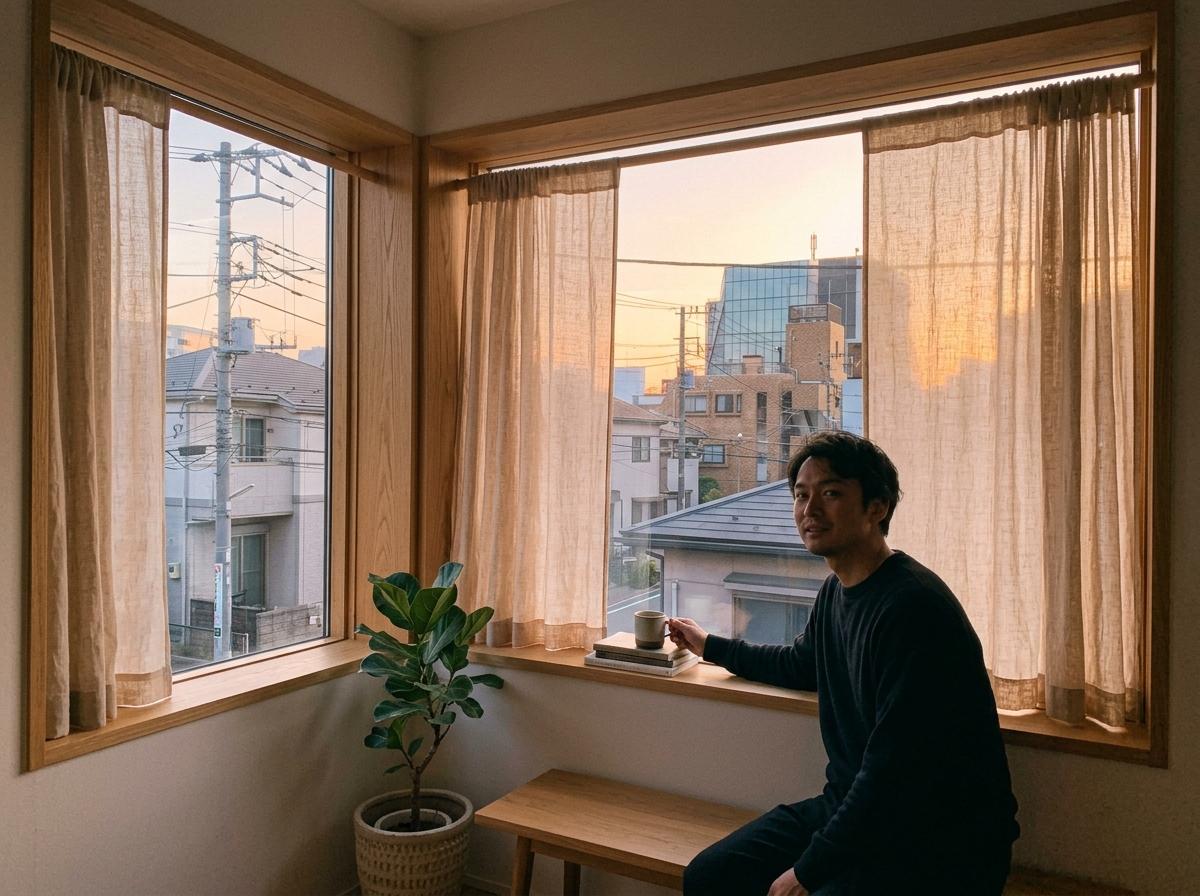

The design narrative begins with a study of the site's diachronic evolution, where the rugged, utilitarian masonry of early 20th-century industrialism has gradually yielded to the refined, hyper-minimalist glass structures that now define the modern skyline. This project, situated within the prestigious enclave of Tokyo's Aoyama district, achieves a compelling stylistic juxtaposition by introducing structured softness into the window assembly-an intentional oxymoron where rigid timber frames are softened by translucent linen membranes. This installation marks a sophisticated continuation of our dialogue with the homeowners, a discerning repeat client whose return validates the enduring functional success of our previous collaborations. Ultimately, the serene atmosphere of the space is achieved through a precise technical synthesis, balancing the rhythmic geometry of Japanese joinery with the high-performance thermal insulation of Scandinavian glazing.



Comments