
The Japandi aesthetic emerges from a rigorous synthesis where the austere, pragmatic logic of Scandinavian functionalism meets the transcendent, weathered elegance of Japanese wabi-sabi. In the context of the dining room, this union creates a space that is surgically minimalist yet profoundly inviting, bridging the gap between clinical spatial economy and a soulful, lived-in warmth. Through my ongoing analysis at Japandi.design, I have observed that the most successful iterations of this style rely on a dialectical pairing of high-contrast elements: the sharp, geometric precision of a white oak table set against the soft, irregular silhouette of hand-thrown ceramics. By prioritizing a sensorial palette of tactile, haptic, and atmospheric textures, these designs curate an environment that feels simultaneously ethereal and grounded, transforming the act of nourishment into a meditative ritual.
Japandi Dining Room
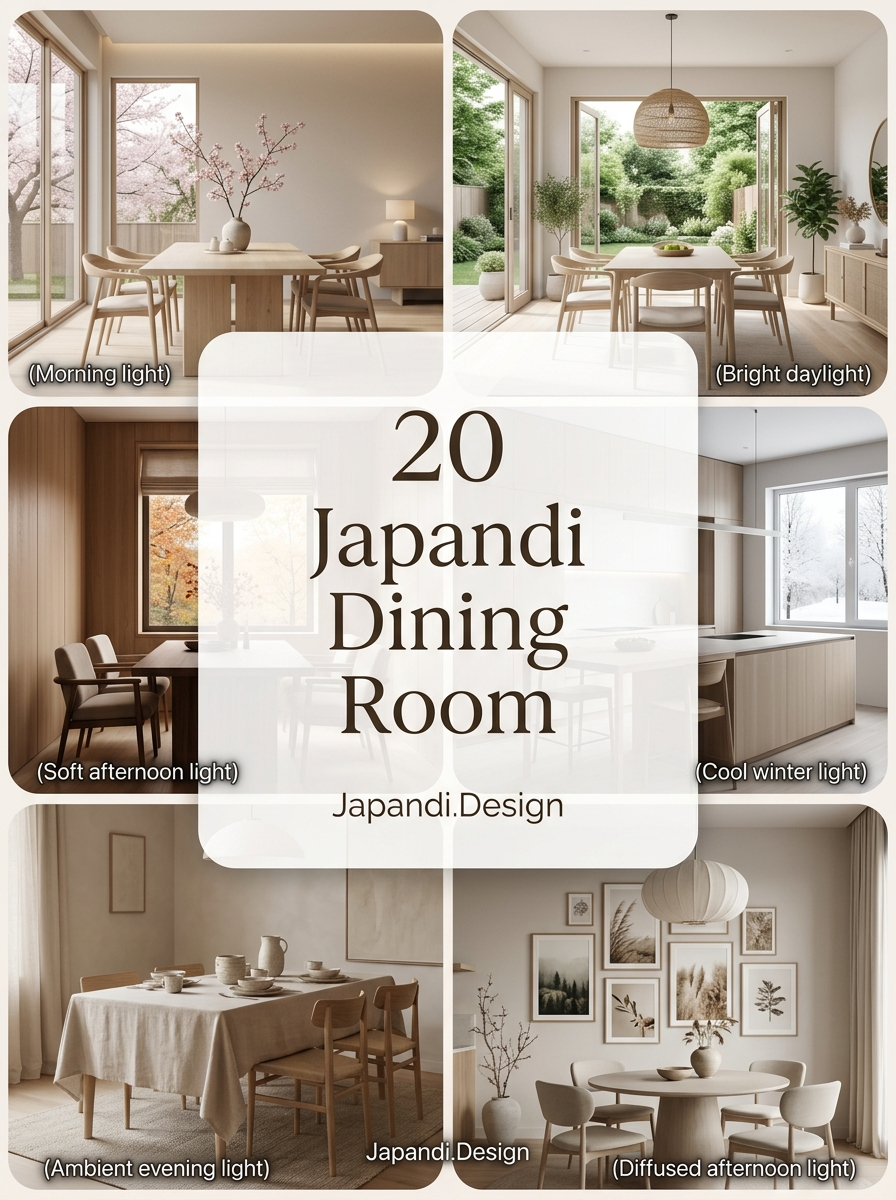

Minimalist Japandi Dining Room Design For Urban Living
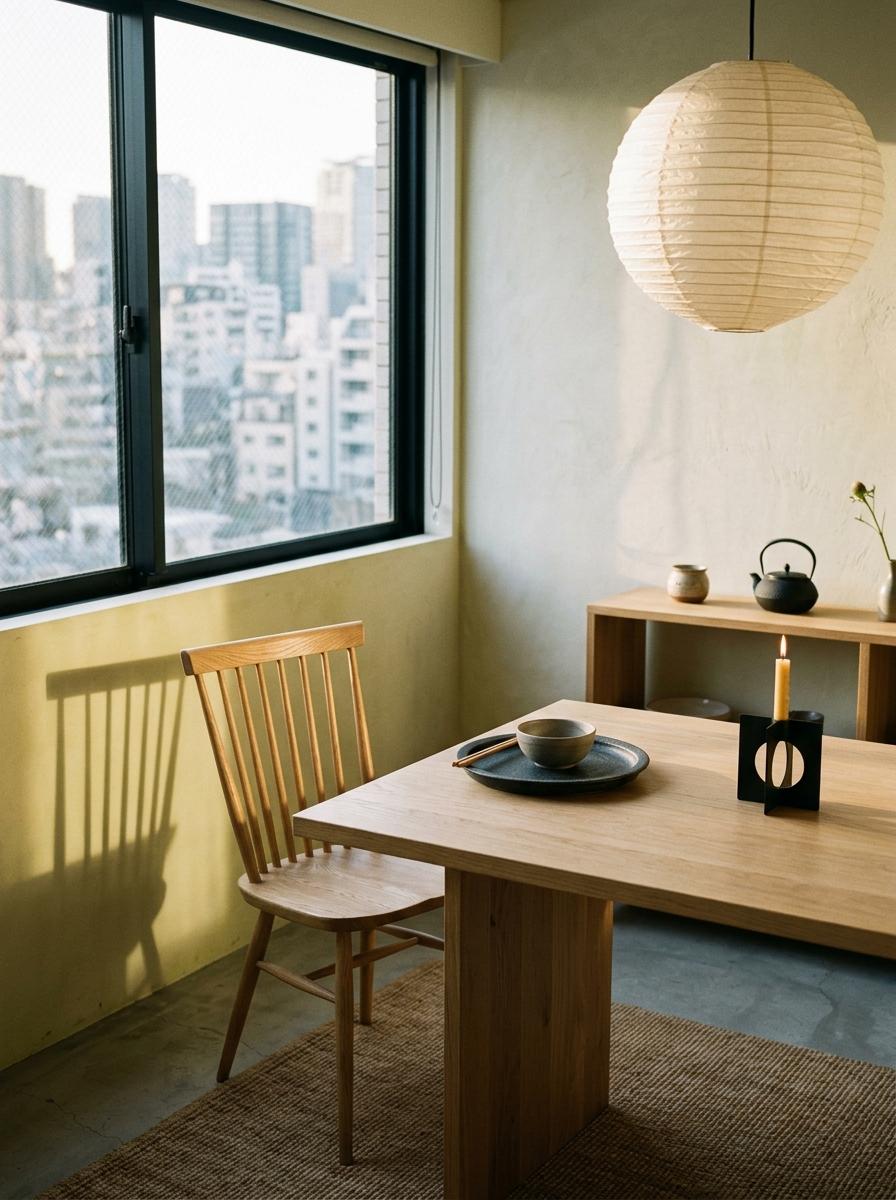

In the context of a high-density Tokyo apartment or a compact loft in Brooklyn's Dumbo district, the dining area must function as a sanctuary of efficiency. To achieve this, prioritize the integration of porous, open-grain white oak alongside the velvety, matte-black finish of powder-coated steel accents. Note how the deliberate placement of a low-slung, spindle-back chair creates a rhythmic silhouette against a stark, lime-washed wall, guiding the eye across the room without visual interruption. This arrangement masters the art of structured spontaneity, where every "accidental" shadow cast by a paper washi lantern is actually a calculated element of the room's geometry. As you run your hand over the cool, tactile grit of a handcrafted ceramic centerpiece, the physical sensation triggers an immediate lowering of the heart rate-a visceral transition from the frantic pace of urban transit to a state of profound, domestic stillness. This is not merely a place to eat; it is a calibrated environment where the friction of the city is smoothed over by the silent luxury of intentional craftsmanship.
Modern Aesthetics Meet Function In This Japandi Dining Room
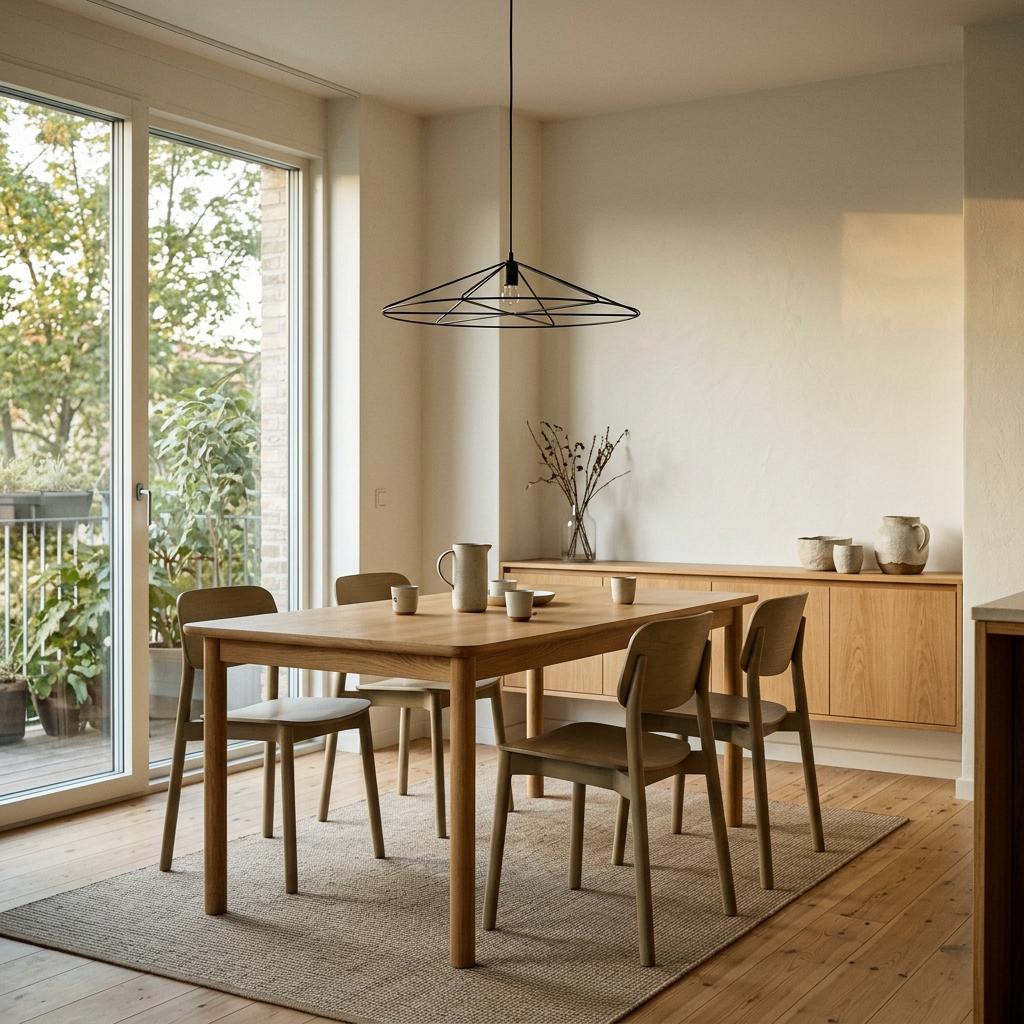

At the intersection of Scandinavian utilitarianism and the Japanese philosophy of Wabi-sabi lies Japandi-a sophisticated synthesis that transcends mere decor to become a rigorous study in spatial intentionality. In this dining room, the aesthetic revolves around the tension of dialectical pairing: the silhouette is unapologetically minimalist, yet the atmosphere feels profoundly visceral and enveloping. This balance is achieved through a meticulous curation of tactile materiality, where the architectural severity of blackened steel meets the organic fluidity of light-filled oak. The result is a sensorial landscape defined by an ethereal, grounded, and hushed elegance, proving that when high-functioning ergonomics are filtered through an artisanal lens, the space does not just serve a purpose-it breathes.
A Sophisticated Apartment Featuring A Japandi Dining Room
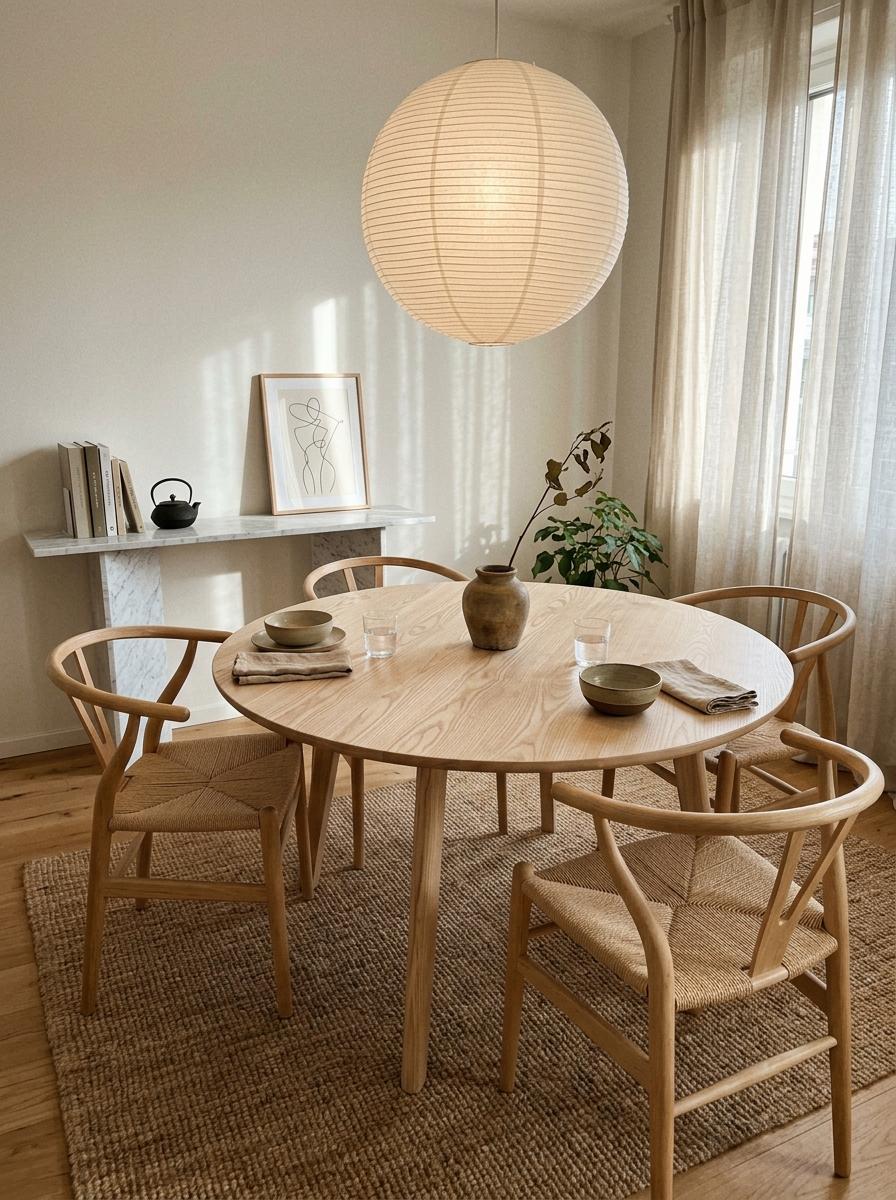

The dining area of this Milanese apartment serves as a masterclass in the Japandi philosophy, where Northern European pragmatism meets the ethereal poise of East Asian aesthetics. Note how the dining table, crafted from open-pore solid ash, grounds the space with its tactile, fibrous grain, while the surrounding chairs feature a hand-woven paper cord that introduces a fibrous, artisanal tension. This curation achieves a state of monumental lightness-a paradoxical sensation where the furniture feels both immovable in its quality and weightless in its visual footprint. As you linger in the room, the transition from the cool, velvet-smooth touch of the honed marble console to the amber warmth of the diffused rice-paper lighting triggers a visceral slowing of the pulse; your breath deepens as the physical environment mandates a physiological shift toward stillness. By integrating the rigorous craftsmanship of Carl Hansen & Søn with the silent geometry of Kyoto minimalism, the space transcends mere function, becoming a dedicated sanctuary for slow living and sensory clarity.
Step Inside A Light Filled Japandi Dining Room
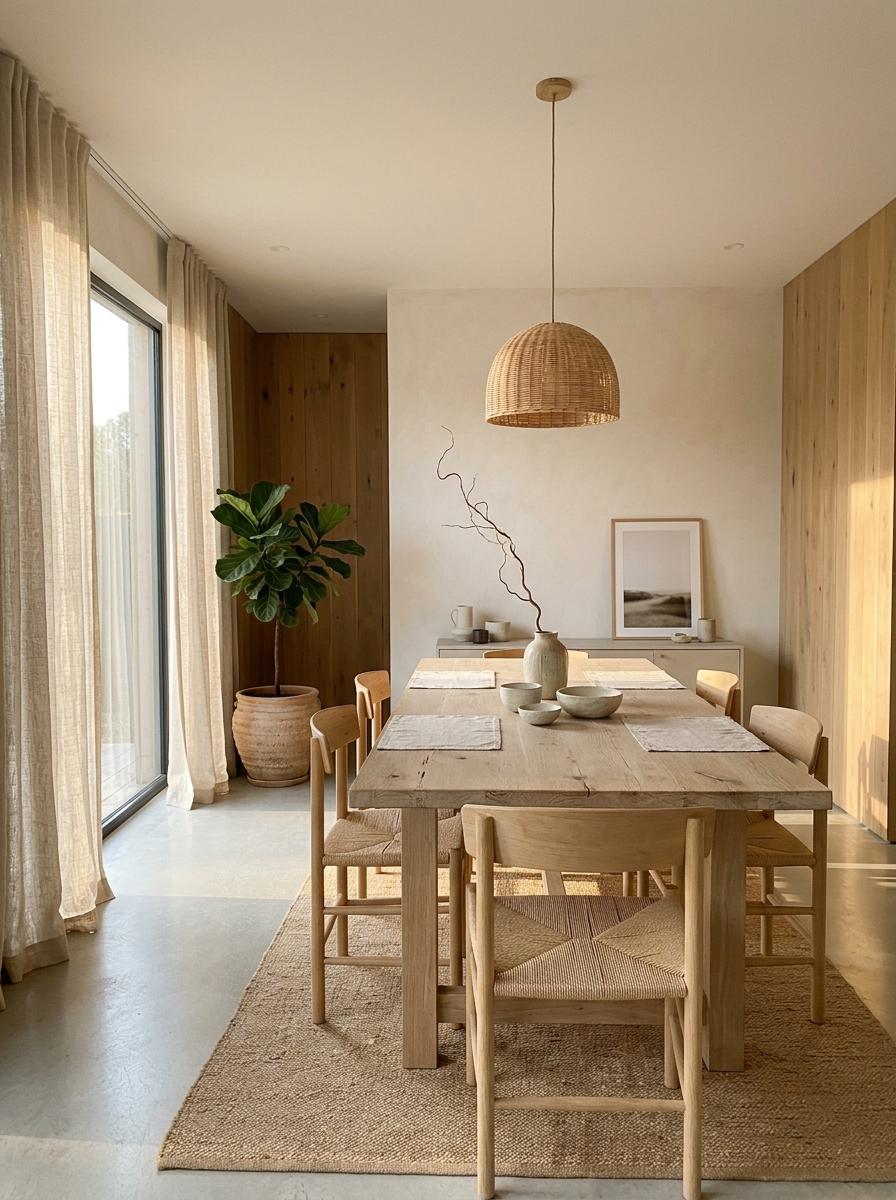

At the intersection of Scandinavian functionalism and the ancient Japanese philosophy of wabi-sabi, we find the Japandi dining room-a space that functions as a calculated synthesis of Nordic hygge and Eastern minimalism. This aesthetic achieves its potency through a dialectical pairing of elements: the architectural silhouette of the furniture is rigorous and disciplined, yet the tactile reality of the environment remains soft and approachable. To step into this light-filled volume is to experience a sensorial landscape defined by ethereal, diaphanous, and grounding textures. By balancing the cool, cerebral clarity of open-plan living with the warm, organic imperfections of hand-hewn timber, the space transcends mere decoration to become a study in intentional stillness.
How To Create A Balanced Japandi Dining Room
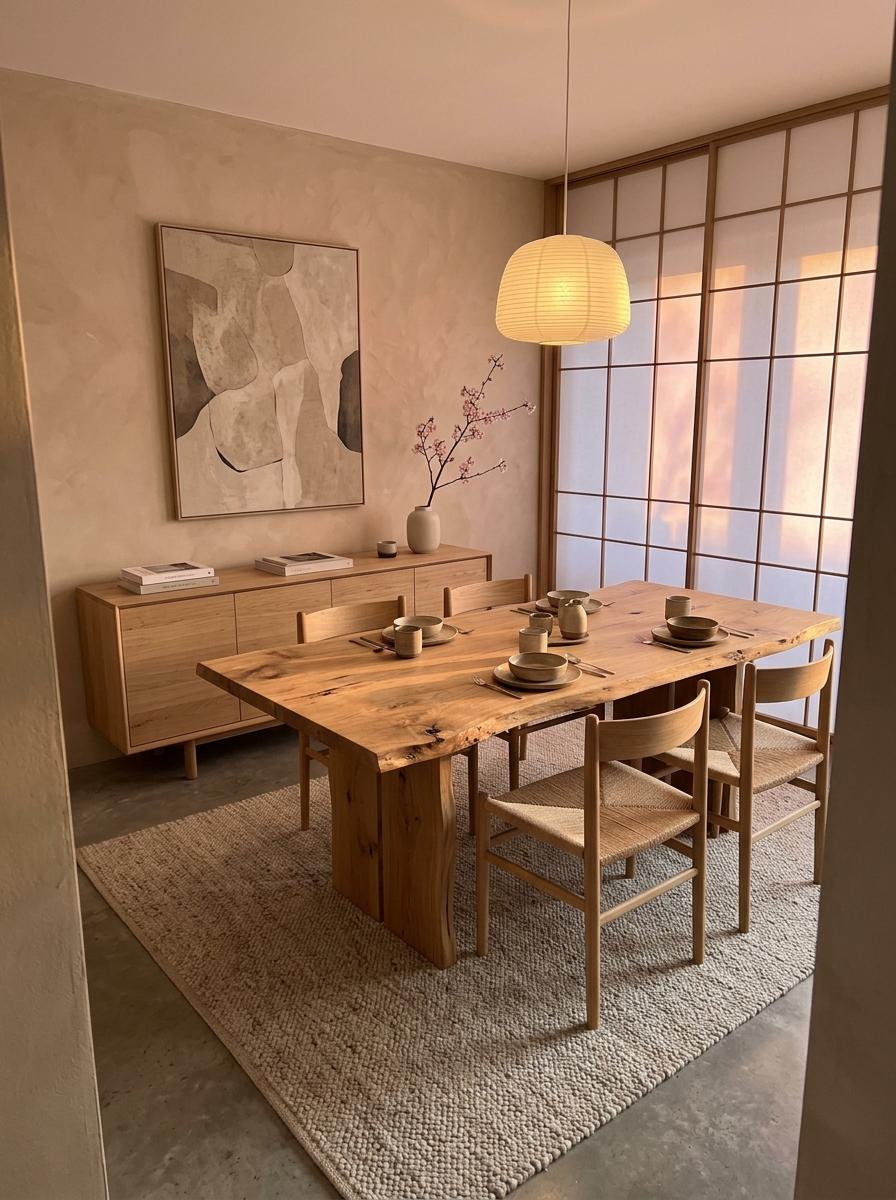

The modern Japandi dining room is no longer just a trend, but a sophisticated evolution of the 1950s Scandinavian functionalism that once prioritized industrial efficiency over warmth. By looking back at the rigid minimalism of the mid-century and comparing it to today's craving for tactile, organic soul, we see a shift from the "machine for living" to a vessel for mindfulness. This design relies on a structured fluidity, where the precision of a gridded shoji screen meets the wild, unpredictable grain of a live-edge oak table. In a recent project located in the quiet, leafy enclaves of Chelsea, London, I had the opportunity to study a space curated for a repeat client-a family whose evolving appreciation for craftsmanship has led them back to these principles time and again. Their trust in this aesthetic serves as a testament to its enduring livability. To achieve this specific sense of equilibrium, the room utilizes a technical synthesis of low-profile horizontal planes and high-contrast material layering, effectively bridging the gap between Japanese spatial economy and Nordic comfort.
Elevate Your Home With A Minimalist Japandi Dining Room
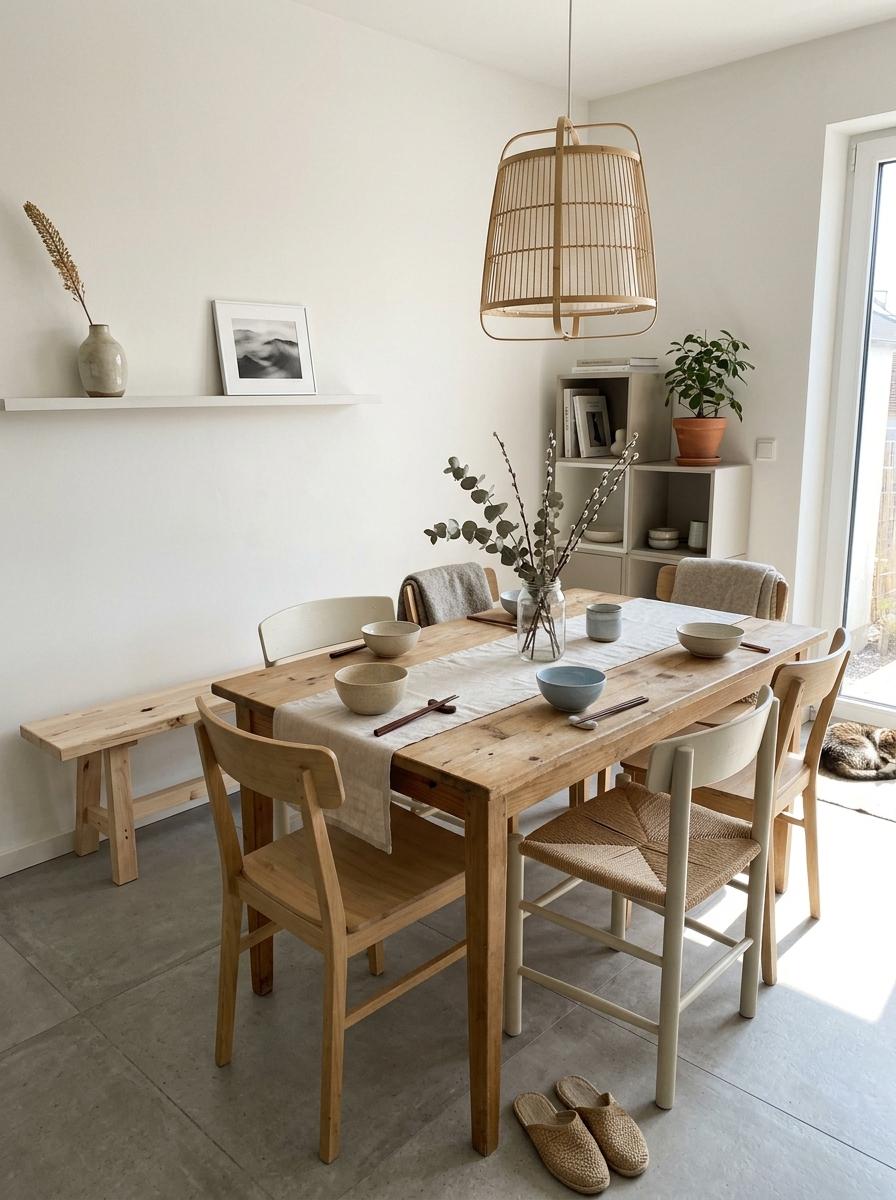

I remember stepping out of the caffeinated, neon-lit chaos of Tokyo's Shibuya Crossing and into a hidden kissaten tucked away in a quiet alley. The transition was visceral: one moment, my senses were besieged by visual noise and the "clutter of modernity," and the next, I was enveloped in a profound, intentional silence. "It is not about what we add," the elderly owner remarked, pausing to adjust a single ceramic vessel on a raw timber ledge, "but rather, the space we allow..." he trailed off, his eyes scanning the unadorned room, "...for the light to settle." This contrast between external franticness and internal stillness is where Japandi finds its pulse. By blending the rustic wabi-sabi imperfections of the East with the streamlined hygge comforts of the North, we move beyond mere decoration into the realm of spatial curation. This intersection of tactile materiality and rigorous restraint is precisely what makes the dining room the ultimate canvas for a minimalist transformation.
Natural Elements Define This Elegant Japandi Dining Room
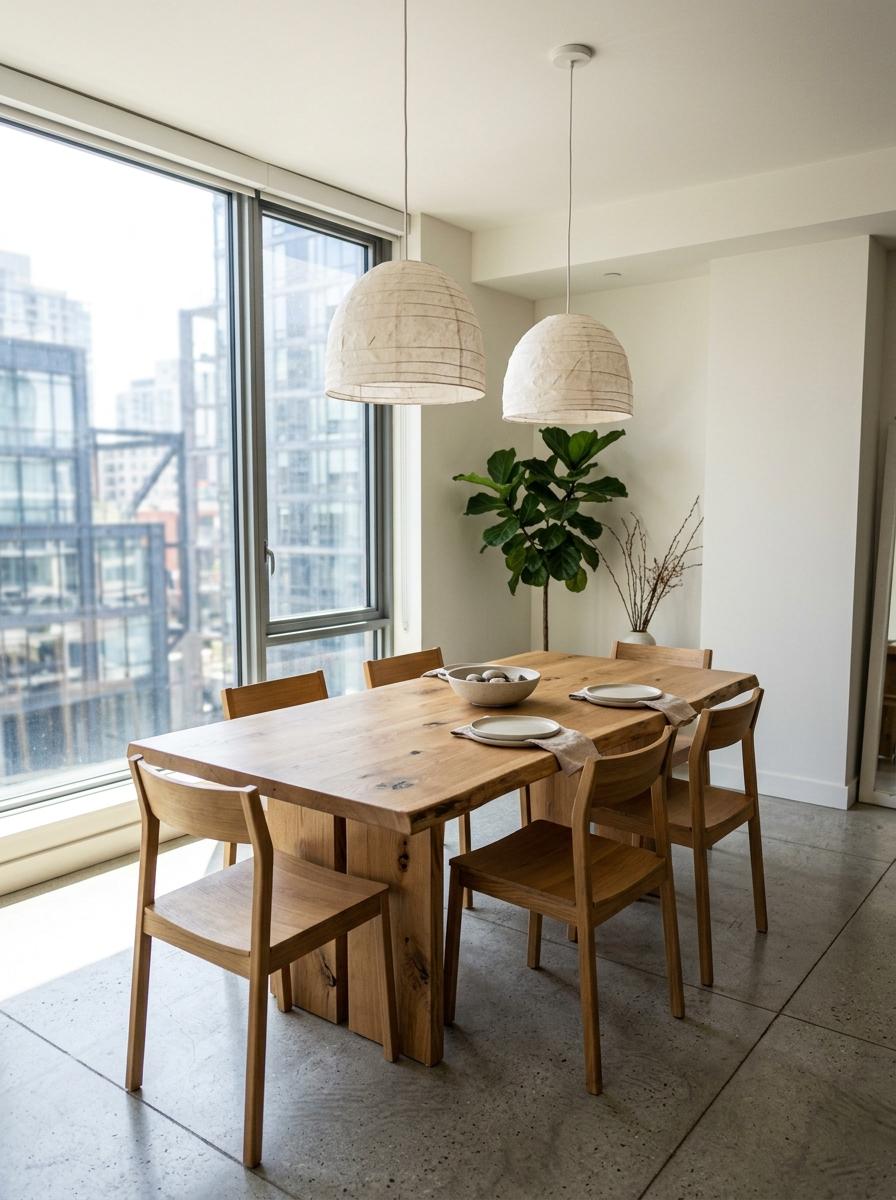

The dining room is anchored in a deliberate stillness, where the sprawling openness of a contemporary floor plan is distilled into a sanctuary of quiet intimacy. This space thrives on a structured fluidity, a conceptual synthesis where the rigid geometry of the layout yields to the soft, rhythmic presence of organic forms. While the exterior world dissolves into a blurred periphery of glass and steel, the internal environment remains a fortress of tactile warmth, creating a sharp distinction between the chaotic pace of the city and the slow, curated breath of the home. At the center, a table of solid, live-edge White Oak stands as a testament to material integrity, its honey-toned grain juxtaposed against the matte, porous texture of hand-pressed washi paper pendants suspended above. This arrangement serves as a vital functionalist specification, where the integration of recessed task lighting and artisanal craftsmanship acts as a deliberate solution to the modern need for a space that is simultaneously a workspace, a social hub, and a site of sensory restoration.
Small Space Inspiration For A Functional Japandi Dining Room
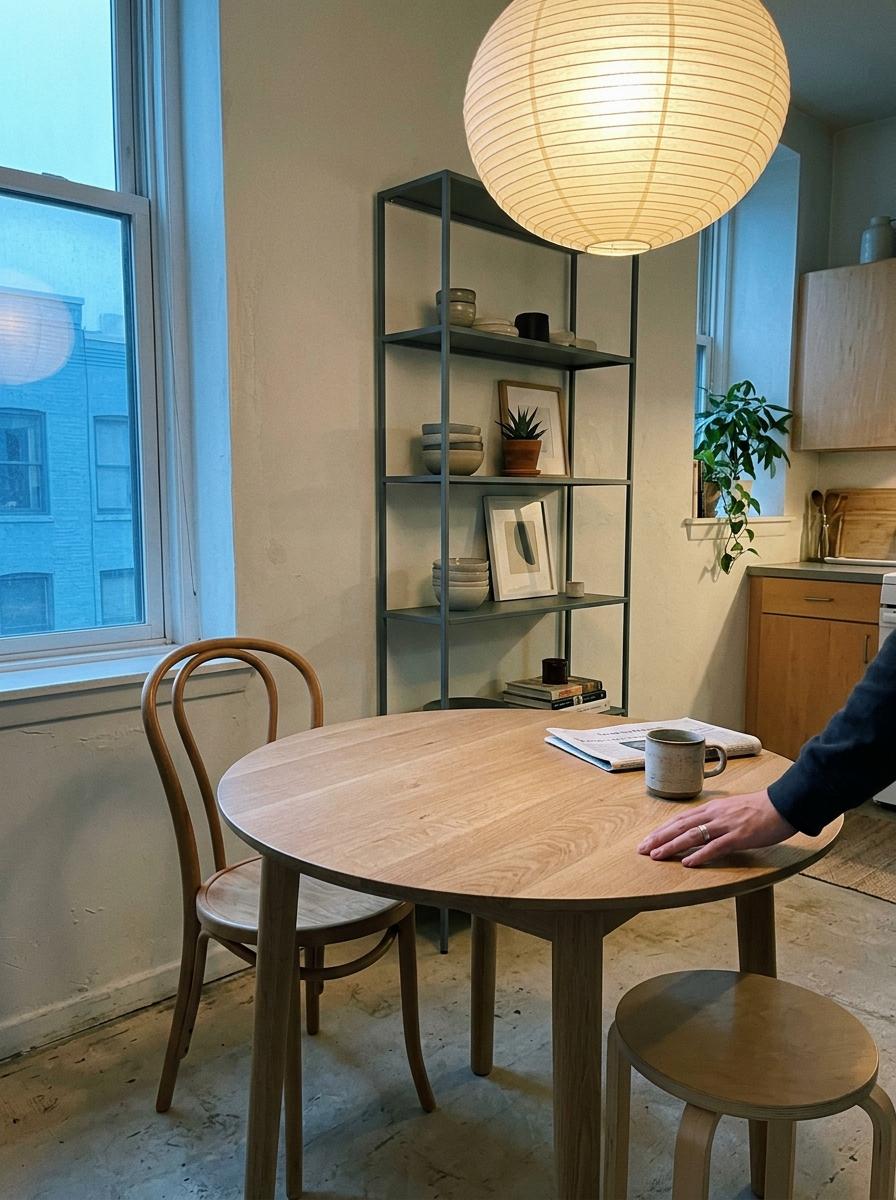

In a compact urban dwelling, the dining area must perform a delicate act of complex simplicity. To achieve this, select a table crafted from quartersawn white oak, where the cathedral grain provides a tactile, silken topography that grounds the room. Note how the designer utilizes the verticality of the space by integrating a slender, powder-coated carbon steel shelving unit; it acts as a visual anchor without congesting the floor plan. This arrangement draws heavily from the spatial philosophy found in the boutique teahouses of Nakameguro, Tokyo, where every square centimeter is curated for maximum utility. As your hand brushes against the matte-lacquered timber and your eyes settle on the soft glow of a washi paper pendant, the physical clutter of the city dissolves, replaced by a visceral slowing of the heart rate and a profound sense of respiratory ease.
Explore A Curated Home With Japandi Dining Room Focus
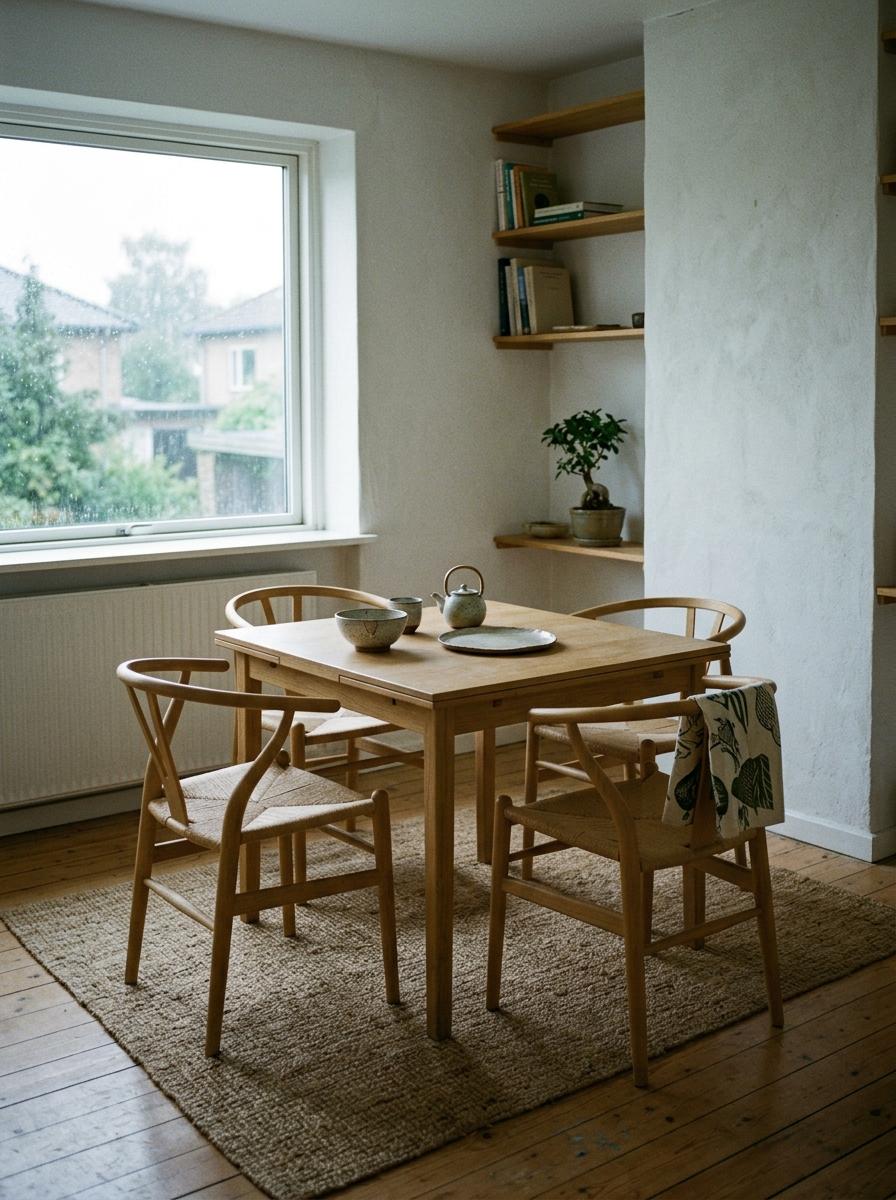

At its core, the Japandi dining room emerges from a deliberate synthesis: the rigorous functionalism of Scandinavian hygge fused with the ancient, transience-focused aesthetics of Japanese wabi-sabi. This union results in a spatial identity that transcends mere minimalism, demanding a sophisticated mastery of spatial compression and tactile materiality. The environment is defined by a rigorous commitment to chromatic restraint, yet it avoids clinical sterility through the introduction of organic, artisanal imperfections. It is a dialogue between the austere and the intimate-where the sharp, geometric precision of a white oak trestle table is softened by the patinaed, earthen, and hushed textures of hand-thrown ceramics and woven jute. The result is a curated sanctuary that feels profoundly grounded yet ethereal, balancing the weight of permanence with the lightness of breath.
Refined Simplicity Found In A Modern Japandi Dining Room
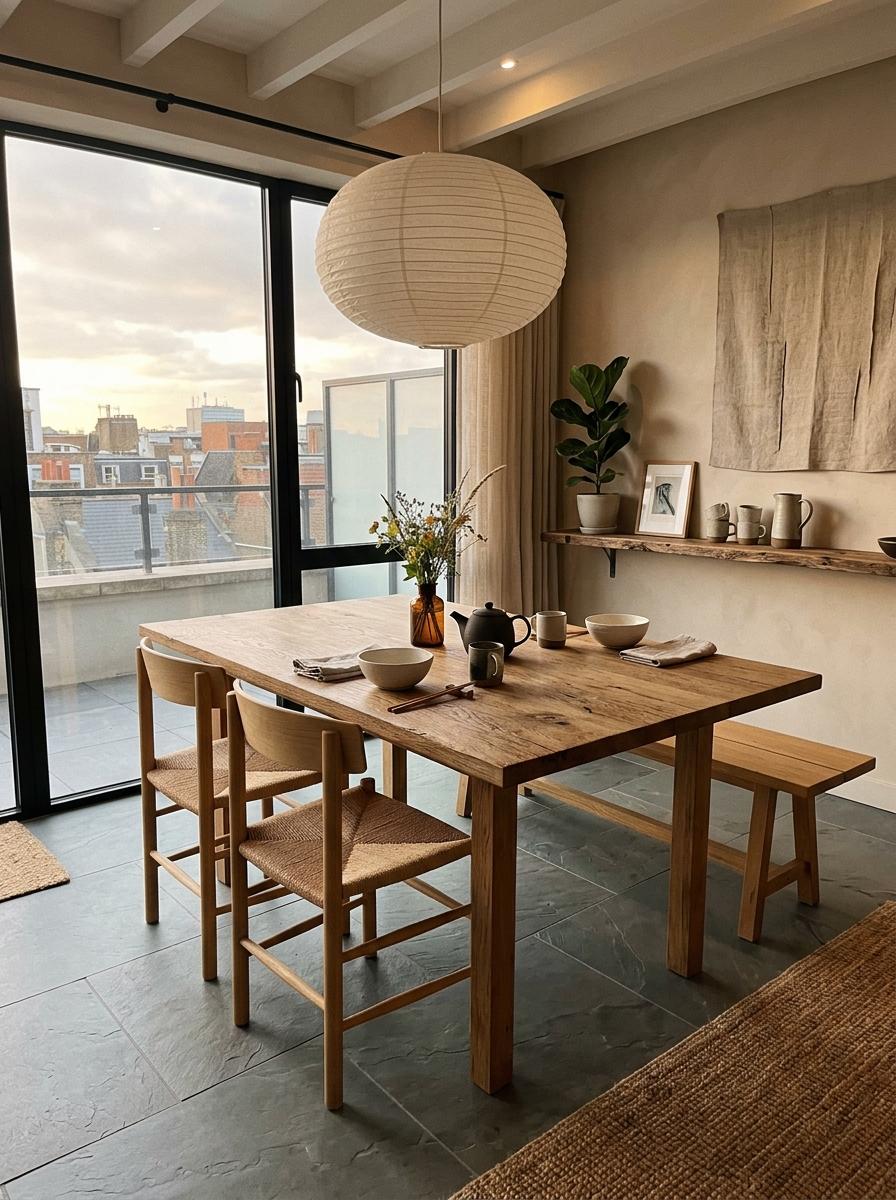

The modern Japandi dining room exists as a sanctuary of curated stillness, where the sprawling chaos of urban living is filtered through a lens of intentional restraint. Within this space, one encounters a calculated spontaneity; every object is positioned with a precision that feels entirely unforced, bridging the gap between rigorous discipline and organic grace. While the external world thrives on the fleeting noise of trend and artifice, the internal logic of the room remains anchored in the enduring archetypes of utility and form. Central to this composition is the tactile weight of a reclaimed white oak table, its open-grain texture playing against the cool, non-reflective slate of the flooring to create a dialogue of temperature and touch. This is not merely a setting for a meal, but a feat of ergonomic engineering, where the integration of recessed task lighting and cantilevered seating serves as a silent solution to the complexities of modern spatial flow.
Sustainable Materials In A Stylish Japandi Dining Room
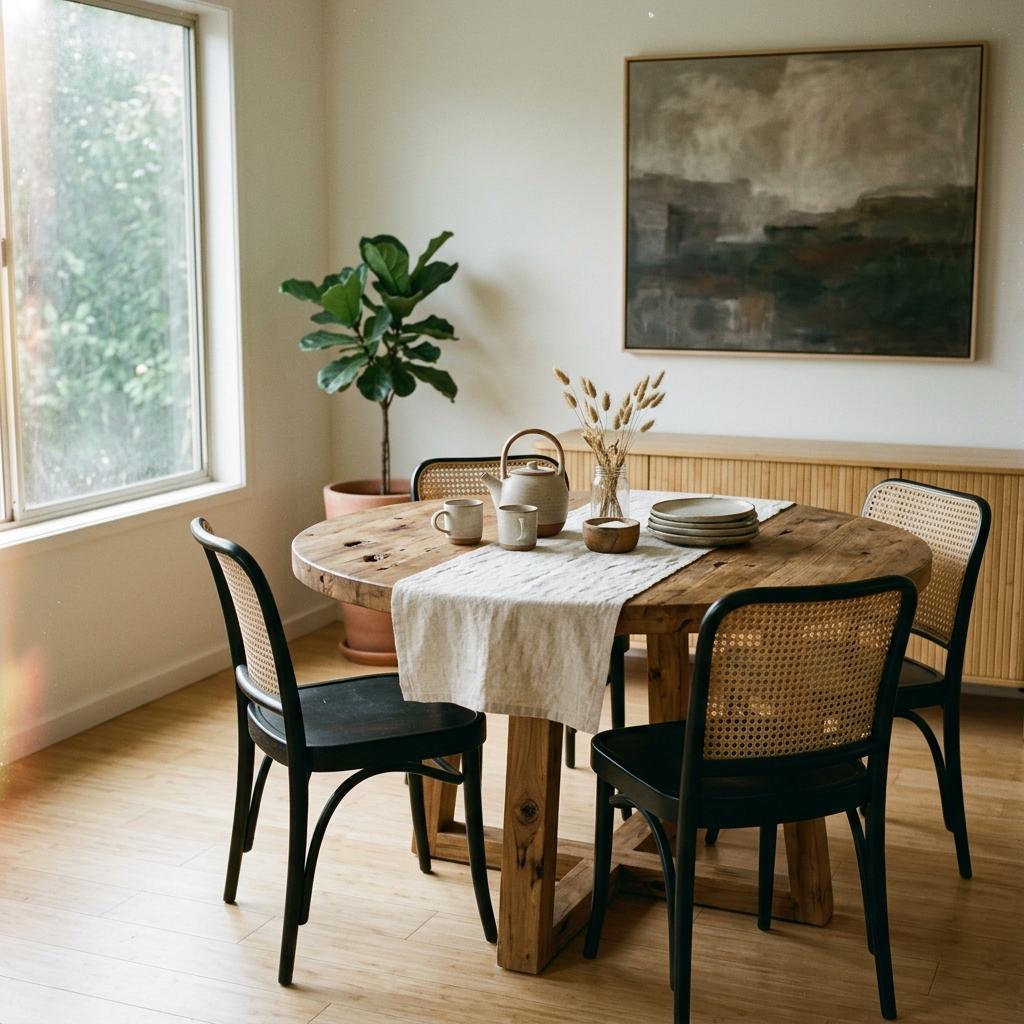

Stepping into a mass-produced, synthetic apartment often feels like breathing through plastic; there is a clinical, static coldness to the air that smells faintly of formaldehyde and haste. In contrast, sitting at a reclaimed teak table in a Japandi-inspired space feels like a reconnection to something primal and grounded. During my recent study of local craftsmanship, I watched a woodworker run his hand over a slab of live-edge oak. "The soul of the room," he told me, pause-striking a chisel against the grain, "isn't found in the perfection of the finish, but in the-" he gestured toward a visible knot in the wood, "-honesty of the material." This tactile integrity, defined by the juxtaposition of rough-hewn wabi-sabi textures against the sharp, functional silhouettes of Scandinavian modernism, transforms a mere eating area into a curated sanctuary. By prioritizing a palette of rapidly renewable bamboo, low-VOC finishes, and organic linen, we move beyond simple aesthetics toward a more conscious way of inhabiting our homes. This intersection of environmental responsibility and high-end minimalism is exactly what defines the enduring allure of sustainable materials in the contemporary dining room.
Creating A Quiet Atmosphere In The Japandi Dining Room
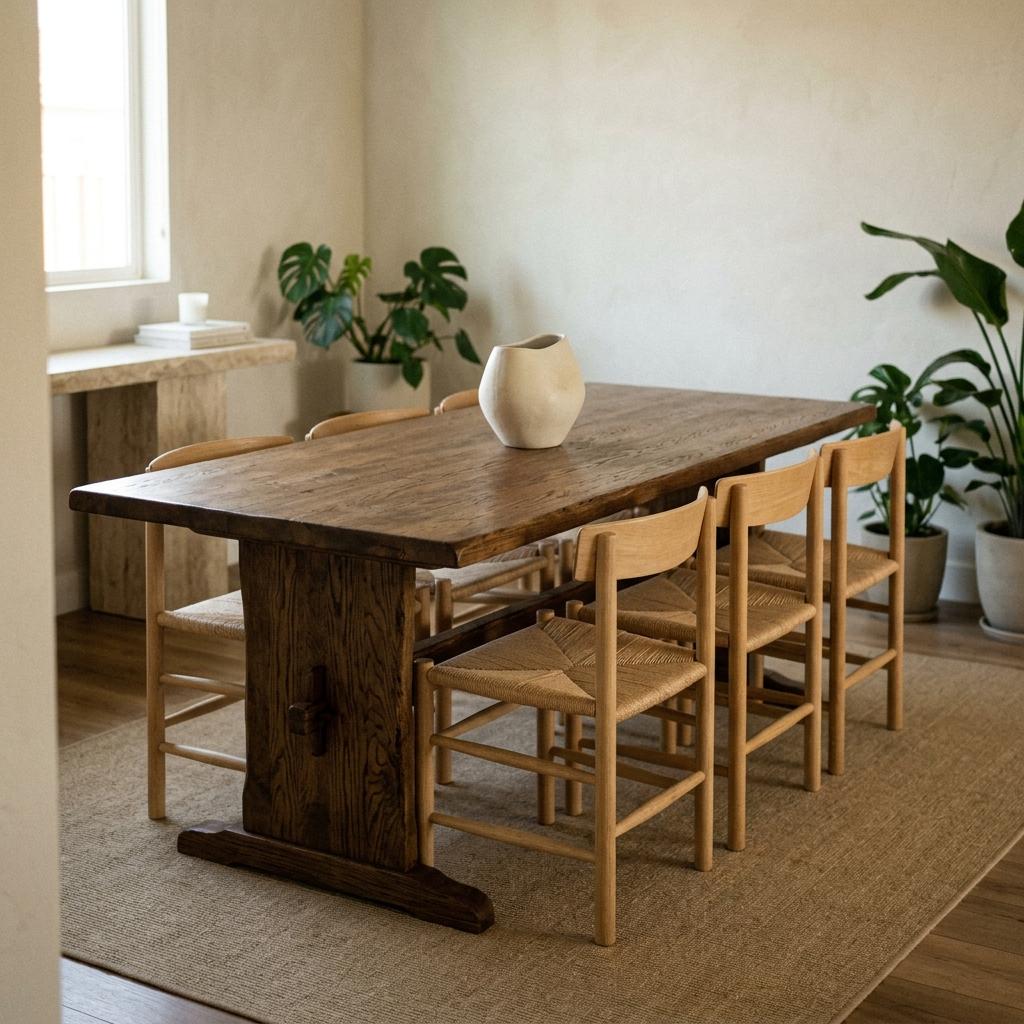

To cultivate a sense of stillness in the Japandi dining room, we can first master the art of tactile curation. Opt for a refectory table crafted from scorpia-gnarled solid oak or the open-pored grain of brushed ash, paired with chairs featuring the fibrous, honeyed tension of hand-woven Danish paper cord. Note how the deliberate placement of a singular, asymmetrically-balanced ceramic vessel on the tabletop anchors the gaze, acting as a visual silent note amidst the daily domestic rhythm. This design philosophy thrives on the vibrant stillness of a minimalist space-a paradox where the absence of clutter creates a profound emotional fullness. As you run your hand over the cool, matte surface of a stone sideboard, feel the immediate deceleration of your pulse and the softening of your breath; the architecture ceases to be mere shelter and begins to function as a physiological sanctuary. Much like the serene interiority found at the Aman Kyoto or the understated elegance of a Norm Architects retreat, this atmosphere is not merely seen, but felt. It is the transition from the chaotic noise of the external world to a resonant, internal quietude.
Contemporary Designs For A Warm Japandi Dining Room
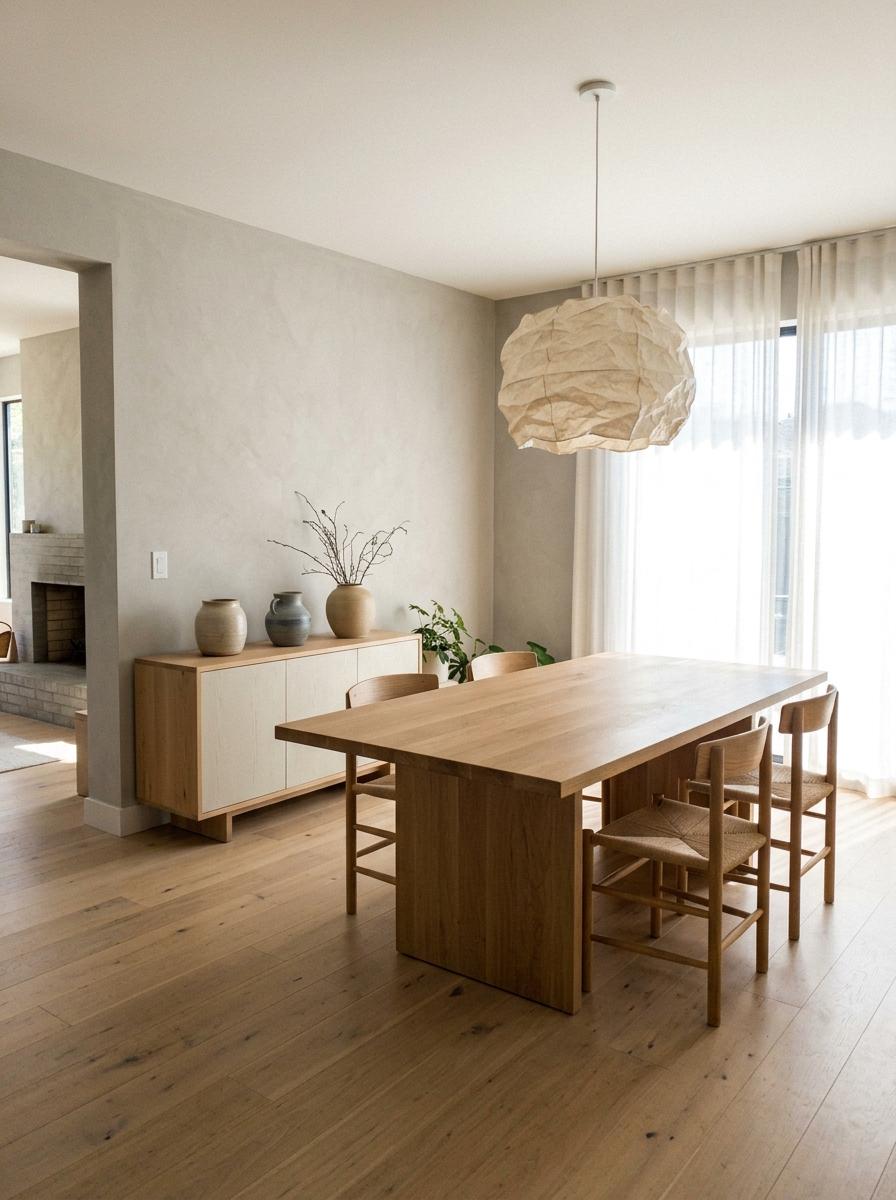

The structural essence of these spaces was meticulously shaped by a commitment to unadorned geometry, where the heavy presence of traditional cabinetry was intentionally omitted to favor a skeletal, light-filled frame. Within this void, a profound sense of silent, singular stillness emerges, defined by the absence of clutter and the curation of vacant, vast intervals. These soft, silver-toned surfaces harmonize with the honeyed hues of the timber, crafting a visual language that feels both grounded and graceful. To define the room's boundaries, the layout stretches the visual horizon, carves out pockets of atmospheric warmth, and anchors the gaze upon the central hearth. This deliberate orchestration of volume unfolds through the placement of a low-slung oak table, a singular paper pendant, and a triptych of tactile ceramic vessels.
A Tasteful Blend Of Styles In This Japandi Dining Room
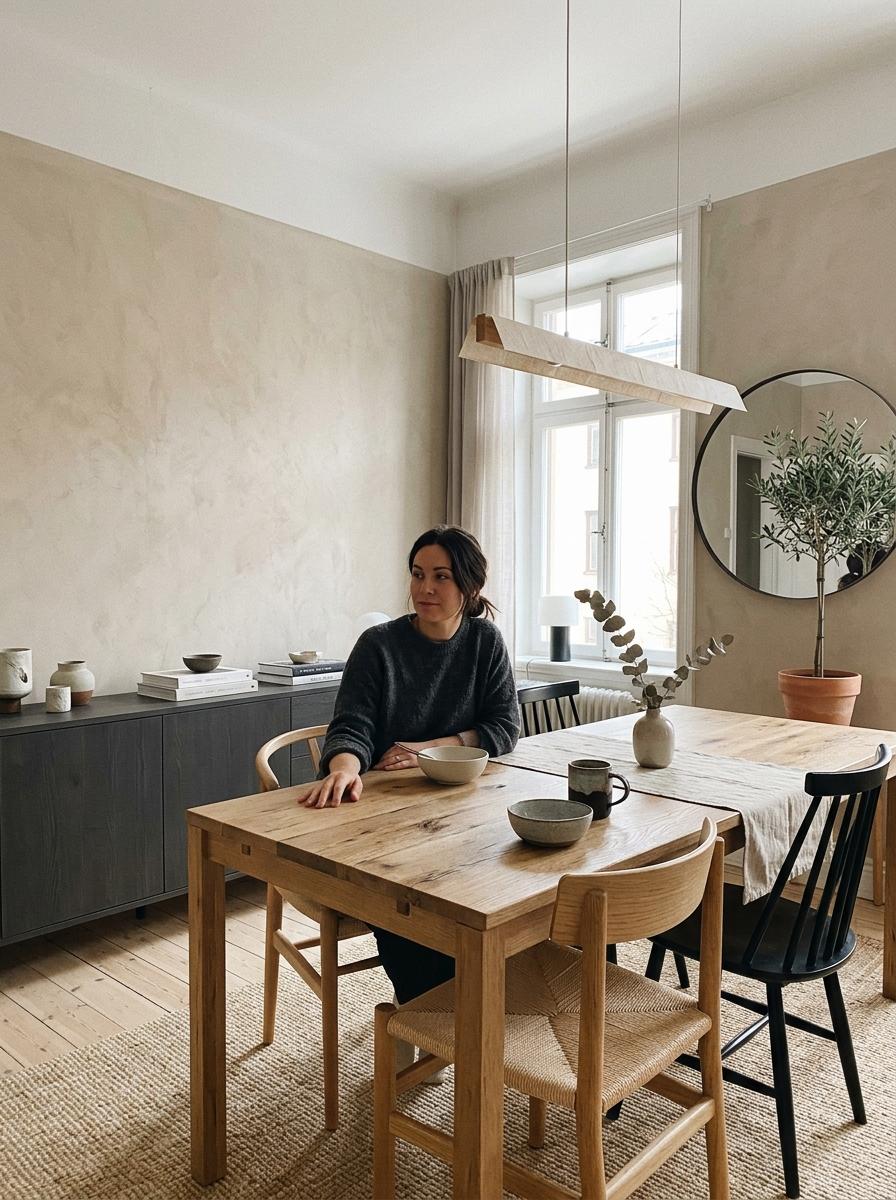

Stepping into the homeowner's previous apartment was like navigating a high-voltage circuit; it was all industrial grit, exposed conduits, and the relentless, caffeinated buzz of urban maximalism. But as I sat down with her in this new space-a masterclass in Japandi restraint-the silence felt deliberate, almost architectural. "I wanted a sanctuary," she told me, tracing the edge of a reclaimed white oak table, "where the eyes could finally... well, just stop searching." By pairing the rustic tactile quality of wabi-sabi with the clean, rhythmic geometry of Scandinavian functionalism, she has transformed a utilitarian feeding area into a study of intentionality. The room breathes through its negative space, utilizing a neutral palette of oatmeal and charcoal to ground the airy volume of the high ceilings. This evolution from domestic noise to curated stillness perfectly illustrates how the Japandi aesthetic acts as a bridge between the raw honesty of nature and the refined precision of modern living.
Practical Layouts For A Minimalist Japandi Dining Room
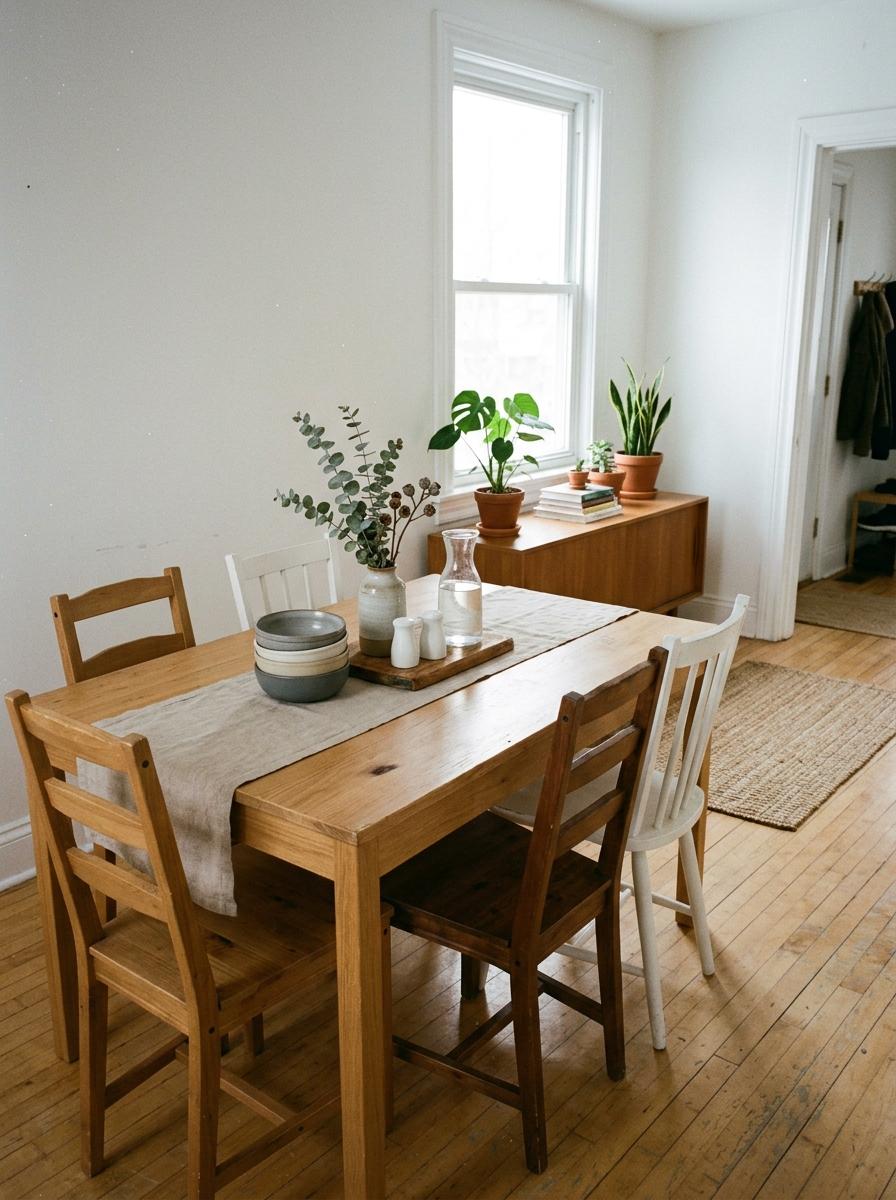

In analyzing the foundational architecture of the home, You need to view Japandi not merely as a trend, but as a deliberate synthesis where the rustic, weathered ethos of wabi-sabi intersects with the streamlined, high-functionality of Scandinavian Modernism to create a localized sanctuary of intentionality. This aesthetic duality requires a rigorous approach to spatial planning; a dining layout must appear effortlessly ethereal, yet remain anchored by a profound structural pragmatism. By utilizing a curation of tactile, grounding materials-think open-pore oak against matte basalt-we achieve a composition that is visceral, haptic, and transcendental. Through this dialectical lens, the minimalist dining room becomes a study in controlled voids and curated textures, fostering an atmosphere that is clinically precise yet profoundly soul-stirring.
Harmonious Textures Within A Beautiful Japandi Dining Room
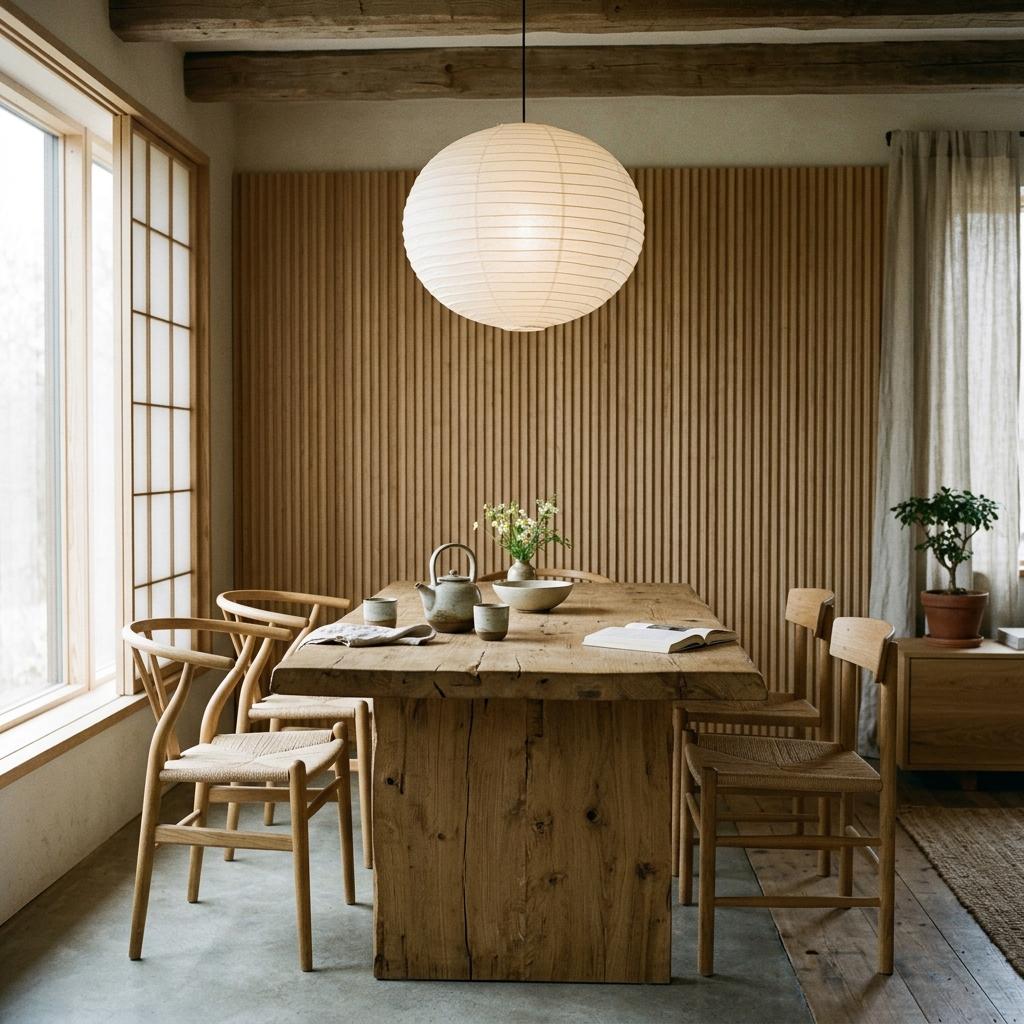

In the quiet geometry of a Japandi dining space, the air feels weighted with a deliberate, meditative stillness that anchors the room against the frantic pace of modern life. It is here that we witness a calculated spontaneity; every "random" grain in the wood and every "imperfect" curve of a ceramic vessel is the result of rigorous aesthetic intention, marrying the chaotic beauty of nature with the strict discipline of Nordic design. While the external world demands high-gloss efficiency and sterile surfaces, this interior sanctuary retreats into a tactile depth where the boundary between architecture and furniture dissolves. The table, a heavy expanse of rough-sawn solid white oak, stands in stark contrast to the hand-pressed rice paper of a low-slung pendant lamp, creating a dialogue between the subterranean pull of timber and the ethereal lightness of fiber. This arrangement serves as more than a visual study; it is a functionalist response to the sensory void of digital living, using the rhythmic application of ribbed FSC-certified ash wall panels to provide both acoustic dampening and a rhythmic backdrop for the ritual of the daily meal.
The Essence Of Minimalism In A Japandi Dining Room
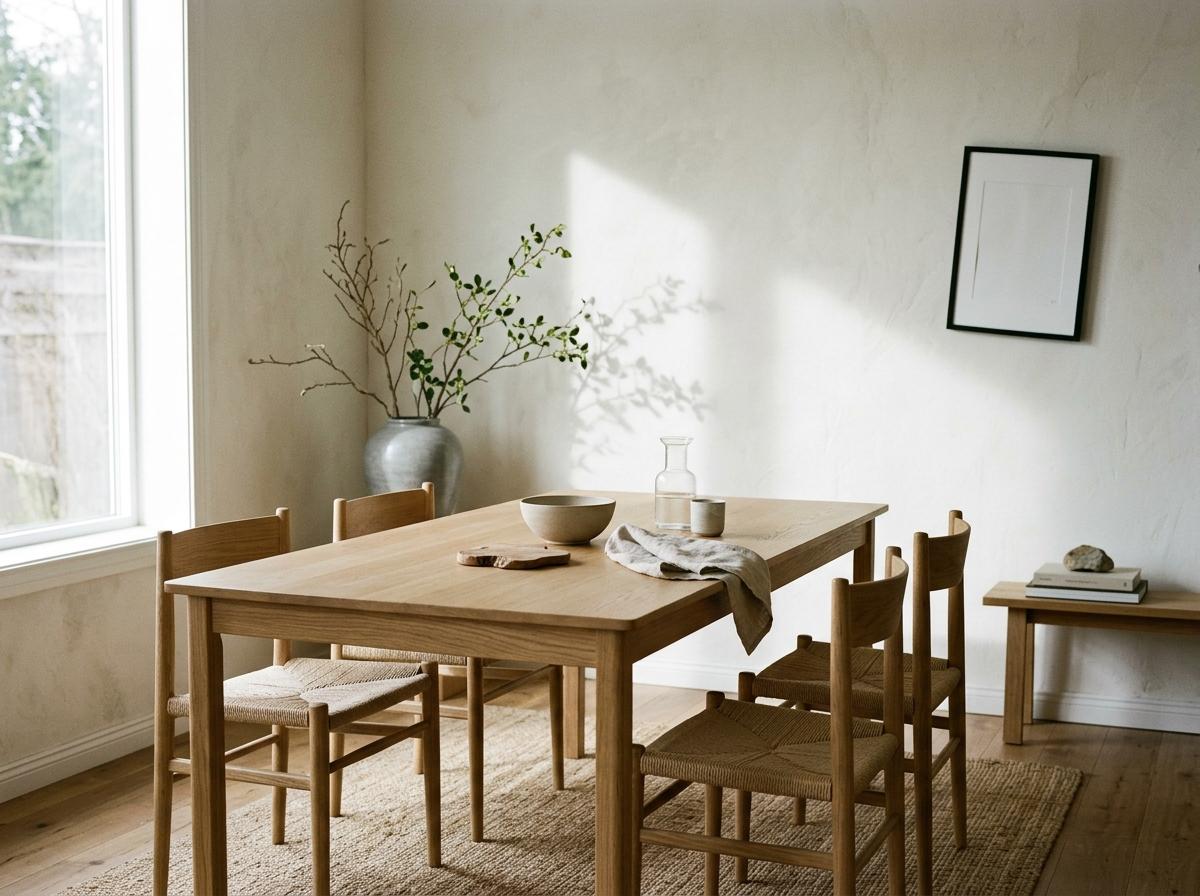

The aesthetic foundations of the Japandi dining room are established through a deliberate marriage of Scandinavian functionality and Japanese rusticism. Within this curated void, the atmosphere is defined by unadorned surfaces and a profound, hushed clarity that signals a departure from the chaotic. Soft shadows stretch across the floor, where the pale palette permits a peaceful poise to emerge from the stillness. This intentional vacuum carves out a sanctuary for slow living, as the architecture actively expands the visual horizon and breathes life into the emptiness. To achieve this balance, the layout anchors the space, the light sculpts the air, and the wood warms the soul.
Crafting An Inviting Space With Japandi Dining Room Decor
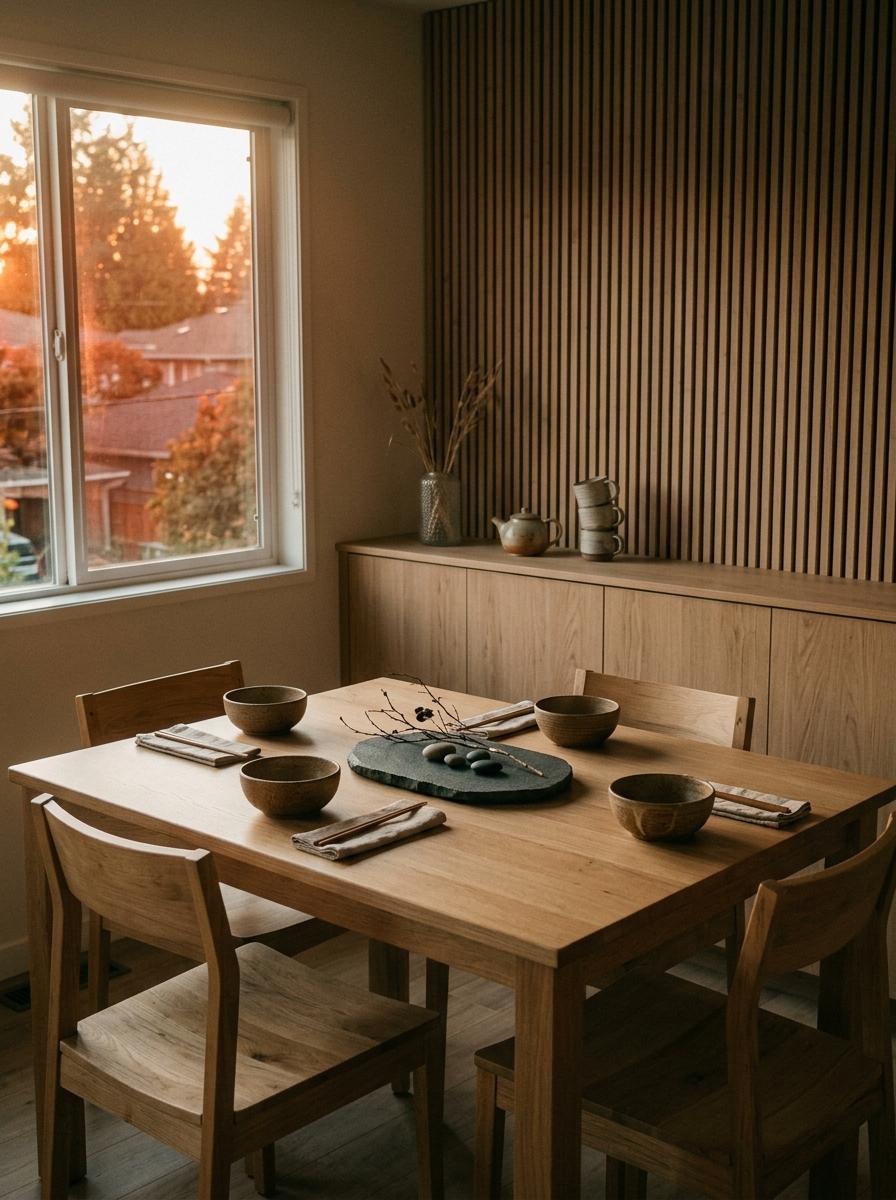

In the quiet core of the home, the Japandi dining room emerges not merely as a site for consumption, but as a curated sanctuary where the rituals of daily life are anchored in a deliberate, spatial stillness. Here, the atmosphere is defined by a structured fluidity, a conceptual synthesis where the rigid geometric precision of Nordic design harmonizes with the intentional imperfection of Wabi-sabi aesthetics. This environment thrives on a sharp structural dualism: while the external world remains chaotic and visually loud, the internal landscape of the dining area is hushed, stripped of excess to prioritize the intimacy of the meal. Tactile depth is introduced through material specificity, favoring the raw, open-grain warmth of solid white oak and the cool, unrefined weight of honed basalt stone. Far from being purely decorative, these elements serve a strict functionalist specification; the low-profile cabinetry and integrated slat paneling act as acoustic buffers and organizational solutions, ensuring that every object serves the dual purpose of industrial utility and sensory tranquility.
An Organized Home Featuring A Sleek Japandi Dining Room
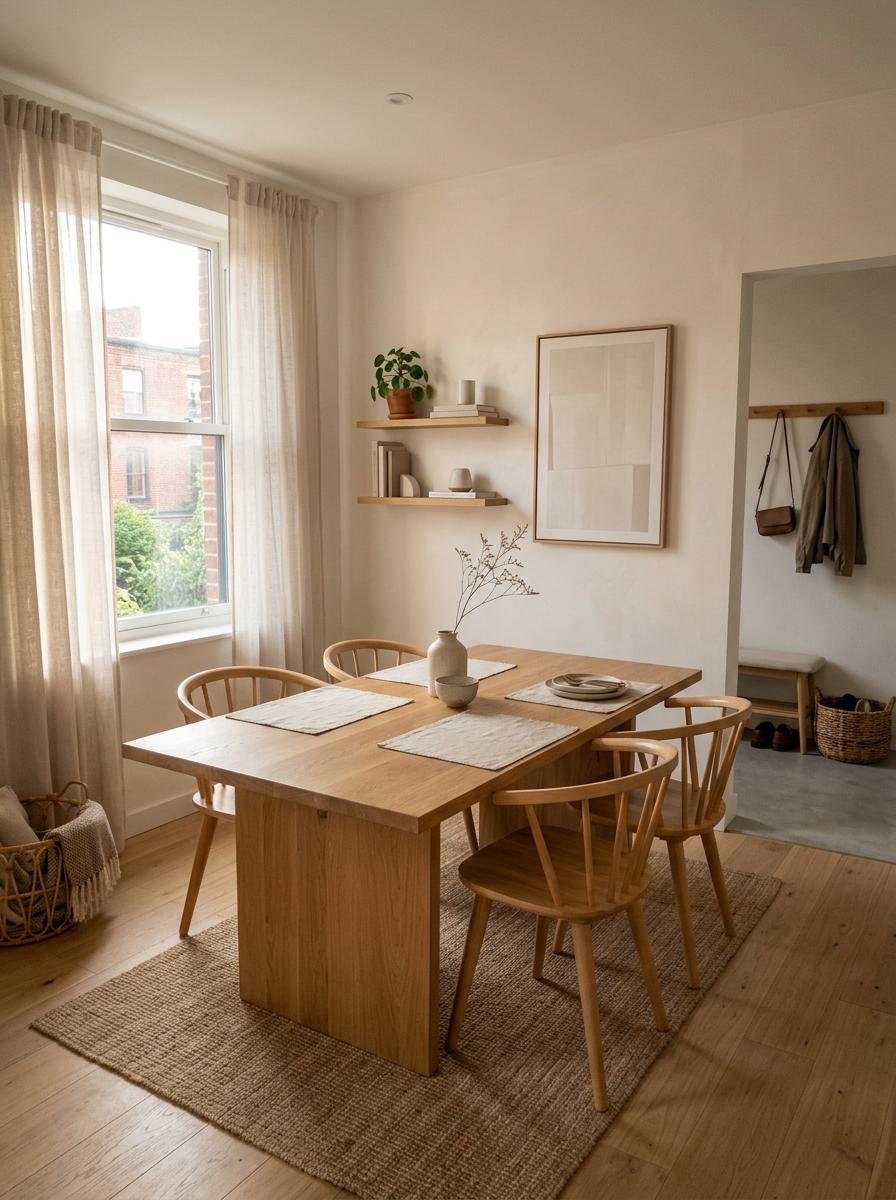

Stepping into the chaos of a city flat-where the visual noise of mismatched clutter creates a constant, low-grade hum of anxiety-makes the threshold of this home feel less like a doorway and more like a deep, restorative exhale. "I wanted to eliminate the friction of daily life," the homeowner explained as we moved toward the heart of the house, pausing to adjust a sculptural ceramic vase, "because when every object has a designated shadow, the mind finally stops racing." This intentionality is most legible in the dining room, a masterclass in the Japandi vernacular where the tactile warmth of Scandinavian hygge meets the strict, rhythmic discipline of Japanese minimalism. By grounding the space with a low-profile, rift-sawed oak table and surrounding it with the clean, spindle-back silhouettes of mid-century chairs, the room achieves a perfect stasis between tectonic structure and organic softness. It is within this intersection of calculated spatial planning and serene materiality that we find the blueprint for a truly organized life.
Transforming A Small Nook Into A Japandi Dining Room
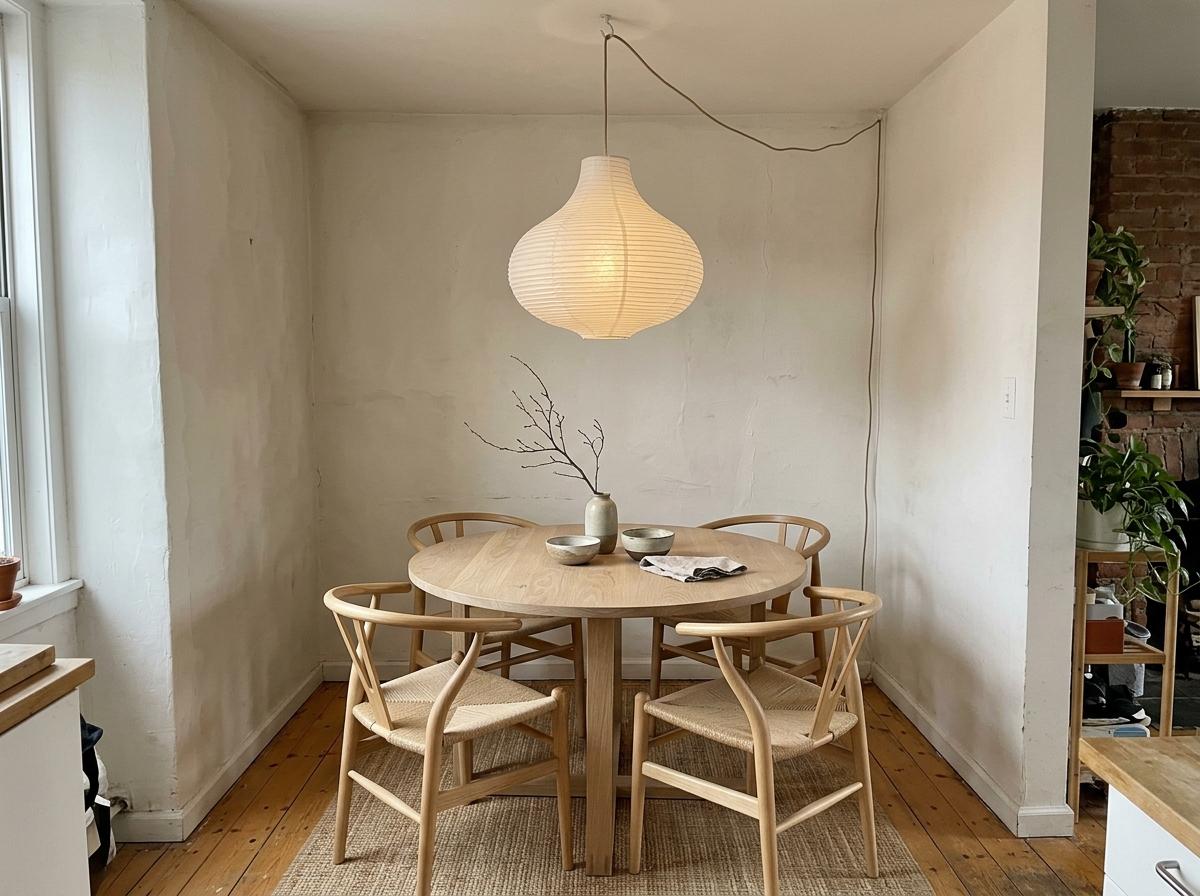

To transform a compact alcove into a functional Japandi anchor, start by anchoring the space with a low-profile pedestal table crafted from stark, open-grain white oak. This material choice provides a tactile, splinter-smooth finish that balances the rustic honesty of the wood with a refined, machined precision. Note how the soft, diffused light from a sculptural Akari paper lantern catches the fibrous, undulating texture of the washi, casting gentle shadows that seem to expand the room's perceived boundaries. The aesthetic success of such a small footprint relies on a maximalist minimalism-a paradox where every deliberate void serves to amplify the presence of the few curated objects remaining. As your eyes move from the cool, monolithic ceramic of a single Ikebana vase to the warm, woven tension of a Hans Wegner Wishbone chair, you will feel a physiological shift; the cluttered noise of the outside world recedes, replaced by a visceral, lung-expanding tranquility. By drawing inspiration from the cramped yet hyper-efficient tea rooms of Kyoto's Gion district, we learn that intimacy does not require confinement, but rather a sophisticated dialogue between organic warmth and Japanese structural discipline.



Comments