
By synthesizing the rustic warmth of Scandinavian hygge with the transience-focused restraint of Japanese wabi-sabi, the Japandi kitchen emerges as a masterclass in functional serenity. The backsplash serves as the architectural fulcrum of this aesthetic, demanding a surface that is simultaneously utilitarian yet ethereal; it must anchor the culinary space through tactile materiality while maintaining a visual whisper. In our latest study at Japandi.design, we analyze how a curation of handmade Zellige glazes, honed basalt, and rhythmic oak slats can transform a vertical plane into an atmospheric, contemplative, and soul-affirming boundary.
Japandi Kitchen Backsplash Ideas
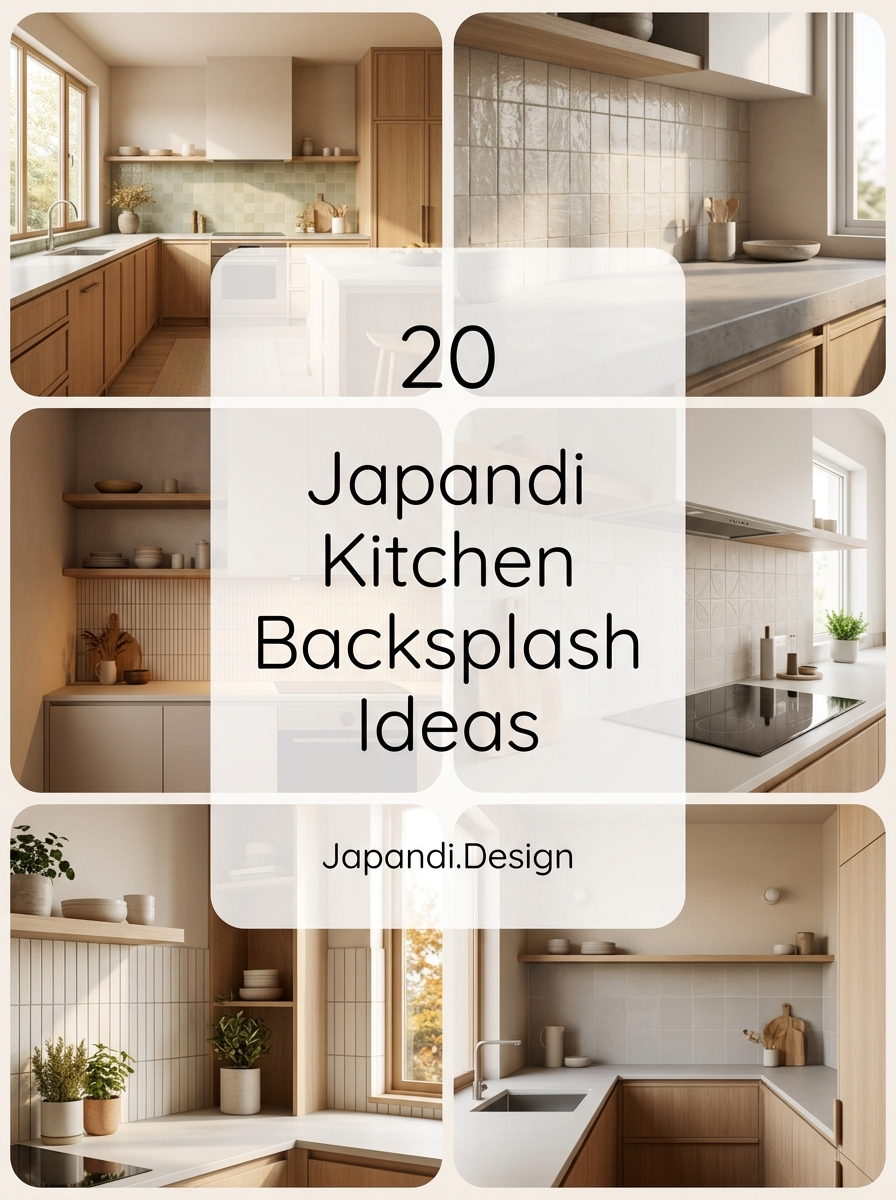

A Home Featuring Minimalist Ceramic Japandi Kitchen Backsplash Ideas
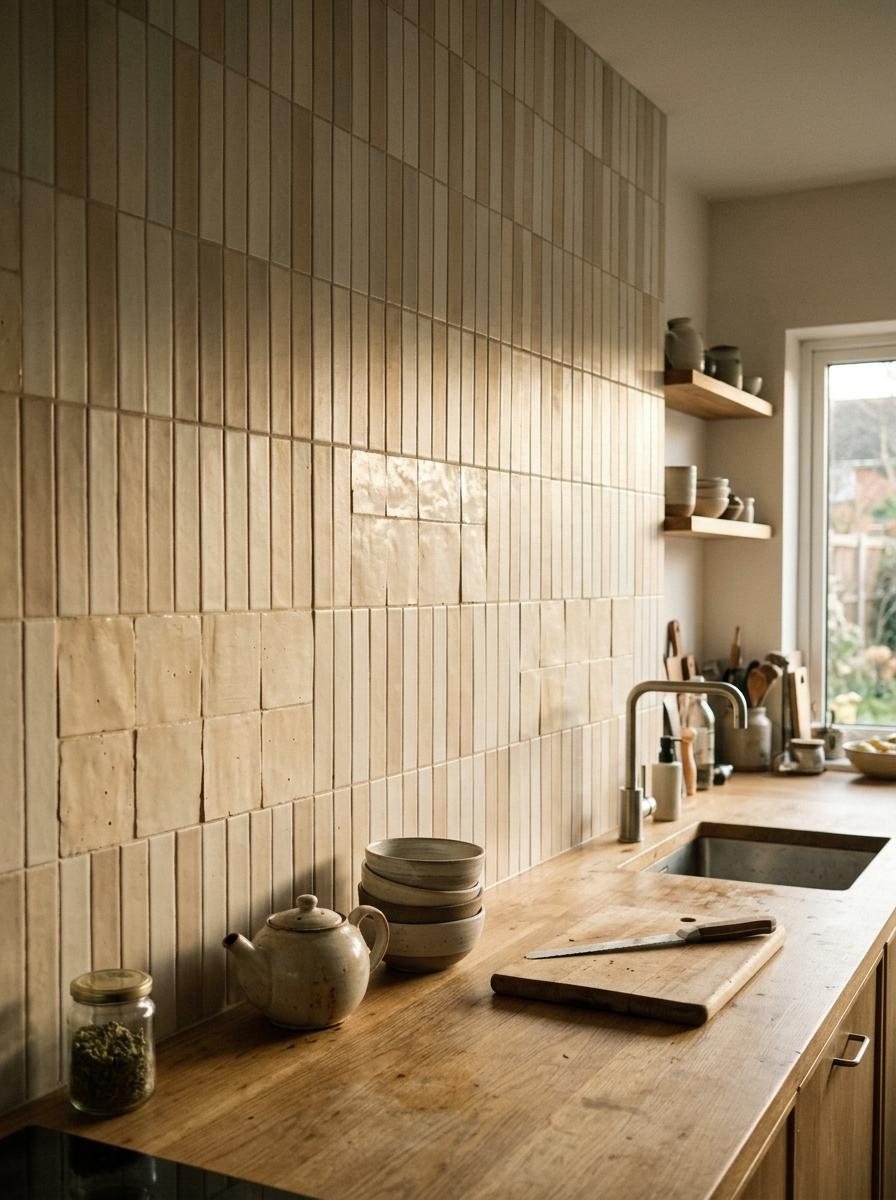

The kitchen serves as a hushed sanctuary where the morning light catches the rhythmic geometry of the wall, grounding the culinary space in a quiet, meditative stillness. Within this perimeter, the design achieves a complex simplicity, where the humble clay tile is elevated through rigorous arrangement to become an object of high art. While the exterior world thrives on the chaotic flux of urban motion, this interior boundary acts as a definitive firewall of calm, separating the domestic ritual from the noise beyond. The surface is defined by matte-glazed finger tiles and Zellige-inspired ceramics, their uneven edges and porous textures providing a raw, tactile counterpoint to the smooth plane of the countertop. Far from being merely decorative, this backsplash serves as a high-utility moisture barrier, seamlessly integrating a waterproof defense with a layout that optimizes light diffusion, proving that the most effective industrial solutions are those that honor the hand of the maker.
An Elegant Apartment Showcasing Earthy Japandi Backsplash Textures
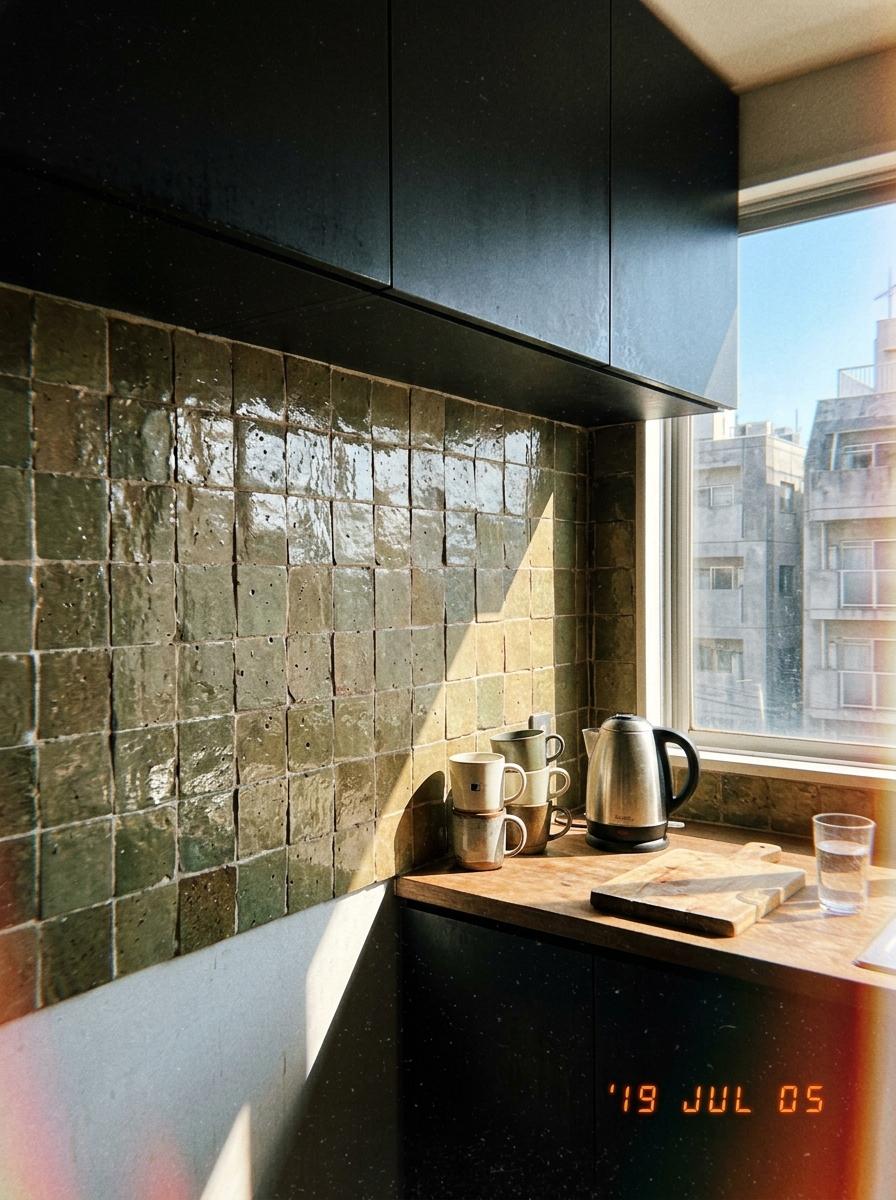

In this elevated residential project situated within the refined grid of Tokyo's Minato City, the kitchen serves as a masterclass in tactile storytelling. Note how the verticality of the backsplash utilizes hand-glazed Zellige tiles, where each kiln-fired surface presents a deliberate structured irregularity-a finish that feels both clinically precise in its layout and primal in its execution. These artisanal ceramic modules, characterized by their undulating vitreous sheen and weathered edges, create a visual rhythm that anchors the surrounding matte-black cabinetry. As the morning light grazes the high-relief textures, the space transcends mere aesthetics to trigger a profound sense of grounded weightlessness; the viewer experiences a visceral lowering of the heart rate, a physical settling into the home's quietude. By harmonizing the rugged, earthen grip of the clay with the ethereal transparency of the light, the design proves that the Japandi ethos is not found in minimalism alone, but in the sophisticated tension between the raw and the refined.
A Modern Residence With Refined Japandi Kitchen Backsplash Details
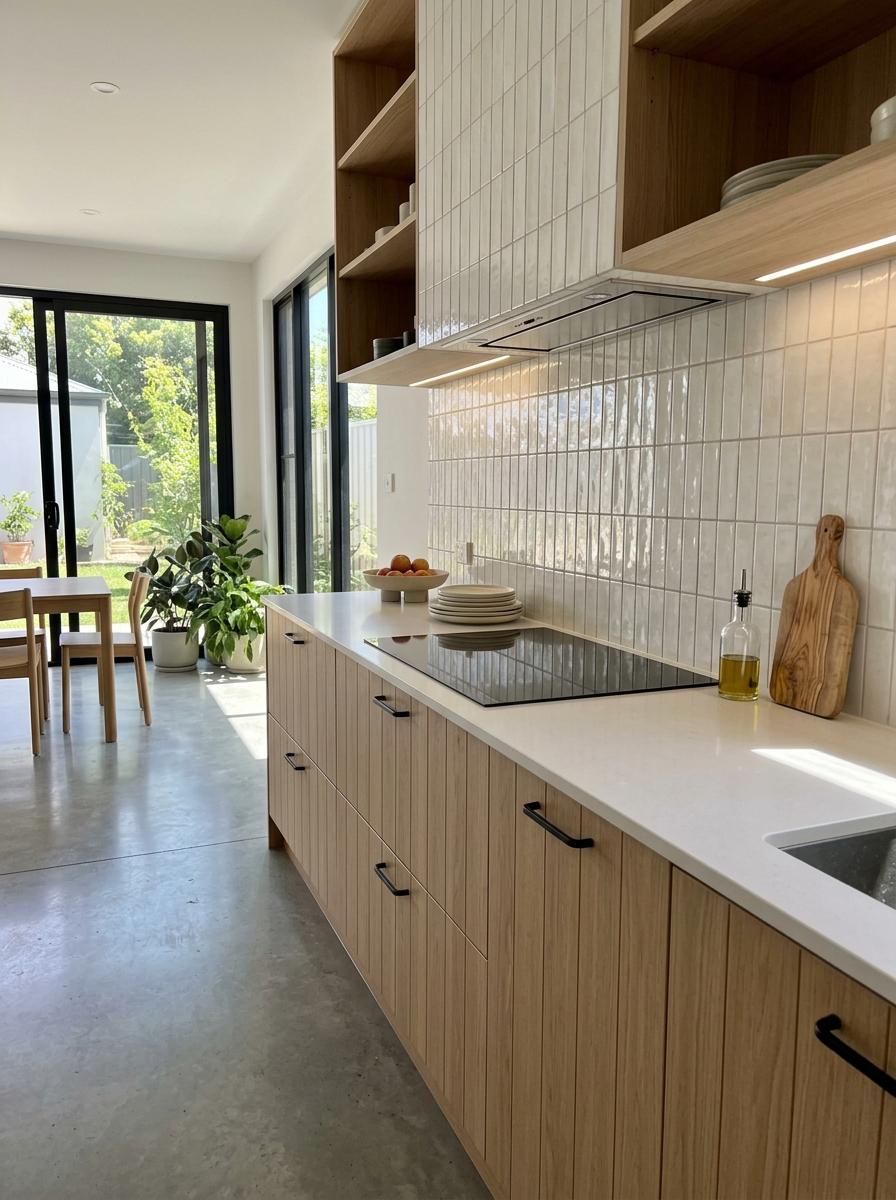

This residence was conceived as a masterclass in quietude, where the architectural narrative is dictated by a deliberate restraint in materiality and form. Within the kitchen, the atmosphere is defined by a sparse, shadowless clarity that emanates from the seamless surfaces, evoking a sense of weightless order and breathable vacancy. The design team successfully balanced these bare boundaries, ensuring that the polished planes provide a rhythmic poise to the daily ritual of preparation. To expand the visual volume, the sleek backsplash reflects the morning light, while the open floor plan invites a fluid transition between utility and repose. This intentional expansion frames a workspace that prioritizes silent strength, tactile textures, and balanced beauty.
The Natural Beauty Of Stone In Japandi Kitchen Backsplash Ideas
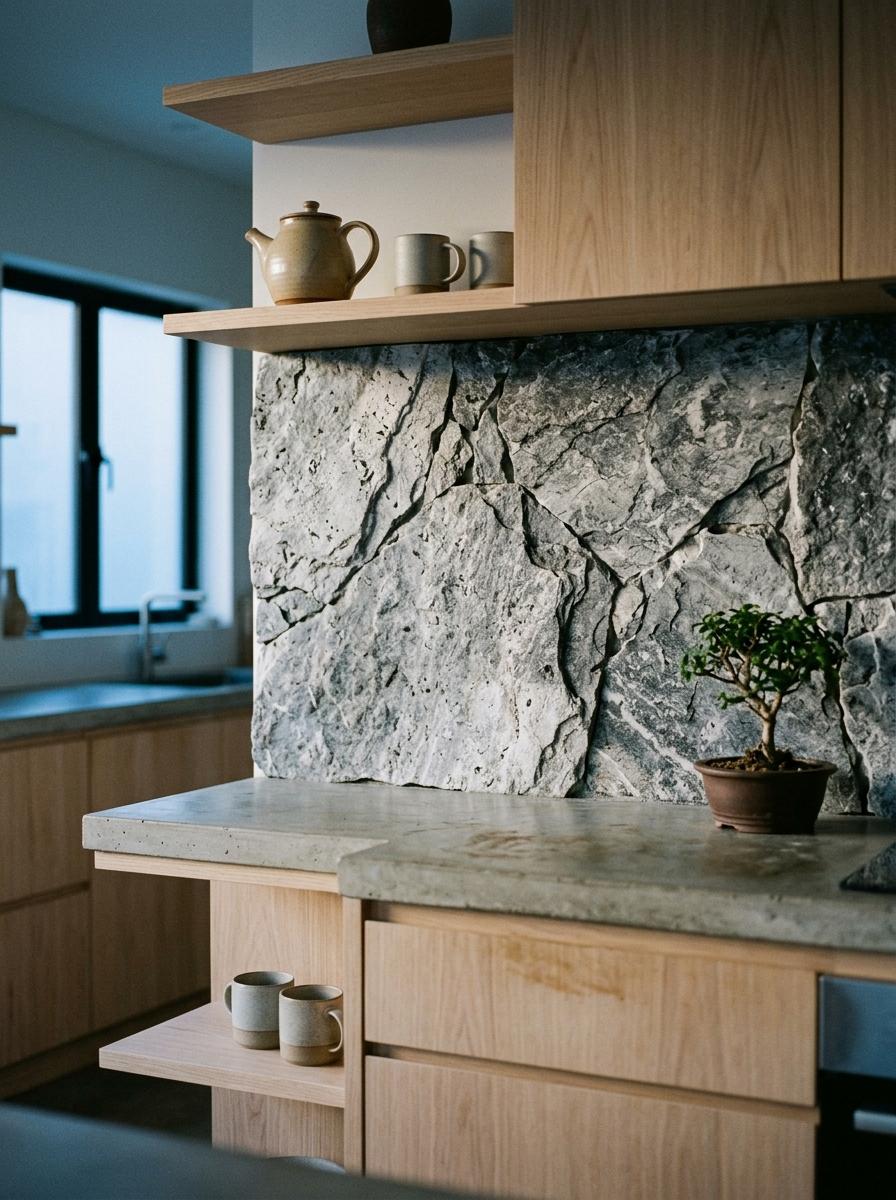

While a glass-and-steel kitchen in a high-rise might hum with the cold, sterile efficiency of a laboratory, there is a soulful friction found when one introduces the raw, tectonic presence of natural stone. During a recent interview with a minimalist designer in Kyoto, I watched as she traced the jagged veins of a silver travertine slab. "The stone," she remarked, pausing to adjust her sketches as the afternoon light caught the mineral deposits, "is not merely a surface, but a quiet record of time." This tension between the polished precision of Scandinavian cabinetry and the wabi-sabi imperfections of a rugged backsplash creates a compelling visual dialogue. By juxtaposing these clean, geometric lines against the organic calcification of marble or slate, a kitchen transcends its utilitarian roots to become a meditative sanctuary. This interplay of textures-the soft matte of timber meeting the tactile grain of the earth-serves as the foundational heartbeat of the Japandi aesthetic.
A Stylish Kitchen Embracing Unique Japandi Kitchen Backsplash Tiles
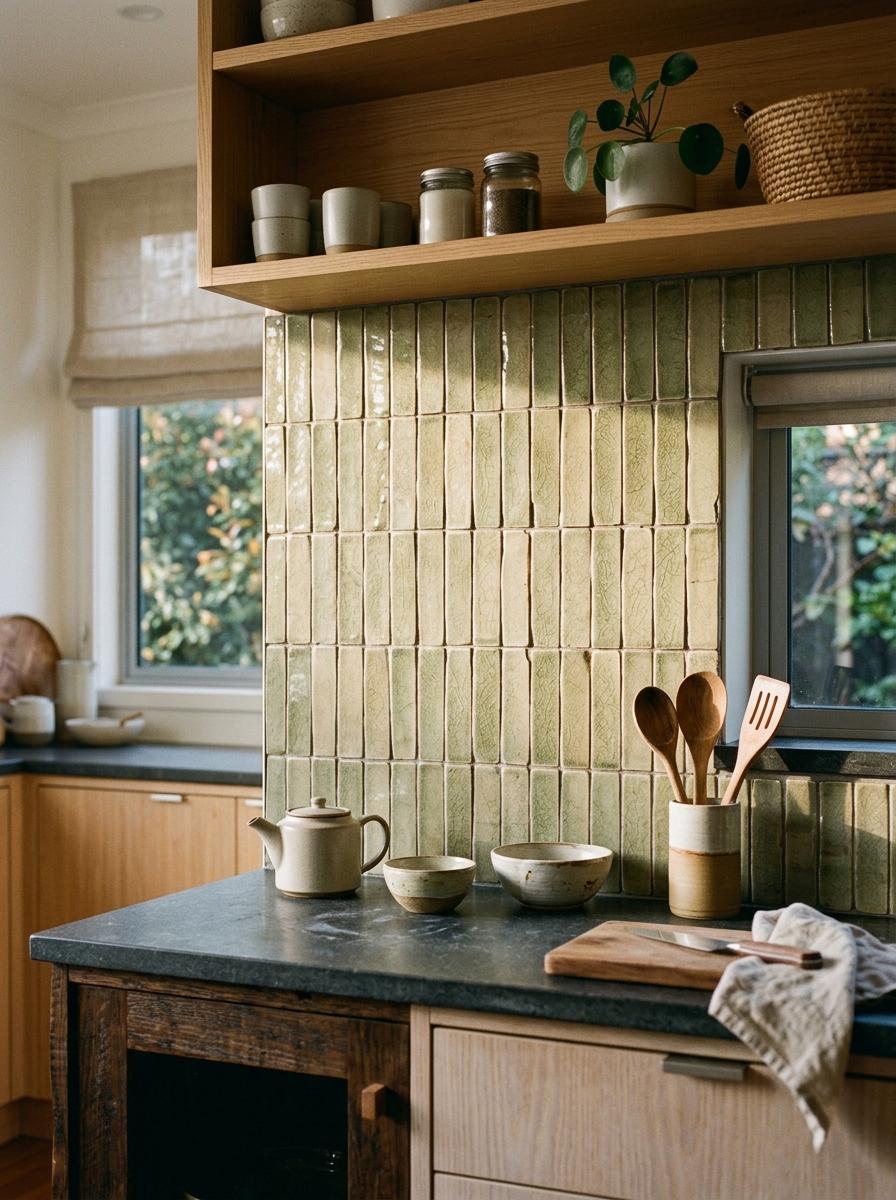

In this exploration of contemporary culinary spaces, we examine a residence that masterfully bridges the gap between Scandinavian utility and Japanese minimalism. Note how the vertical orientation of the Kit Kat mosaic tiles creates an elongated sense of height, their vitreous, crackle-glazed surfaces catching the soft morning light to reveal a complex network of microscopic fissures beneath a smooth exterior. This deliberate choice embodies a sophisticated ruggedness; the tiles are at once industrially precise in their uniformity yet organic in their artisanal finish. As the eye moves across the honed Basaltina countertops toward the backsplash, the transition triggers a distinct physiological shift-a cooling of the pulse as the visual "noise" of the home dissolves into a rhythmic, tactile serenity. By integrating these specific ceramic elements, the kitchen transcends mere function, adopting the quiet confidence of a Kyoto tea house reimagined through a Stockholm lens, proving that the backsplash is not merely a protective barrier, but the rhythmic heartbeat of the Japandi aesthetic.
Functional Design Within These Creative Japandi Kitchen Backsplash Concepts
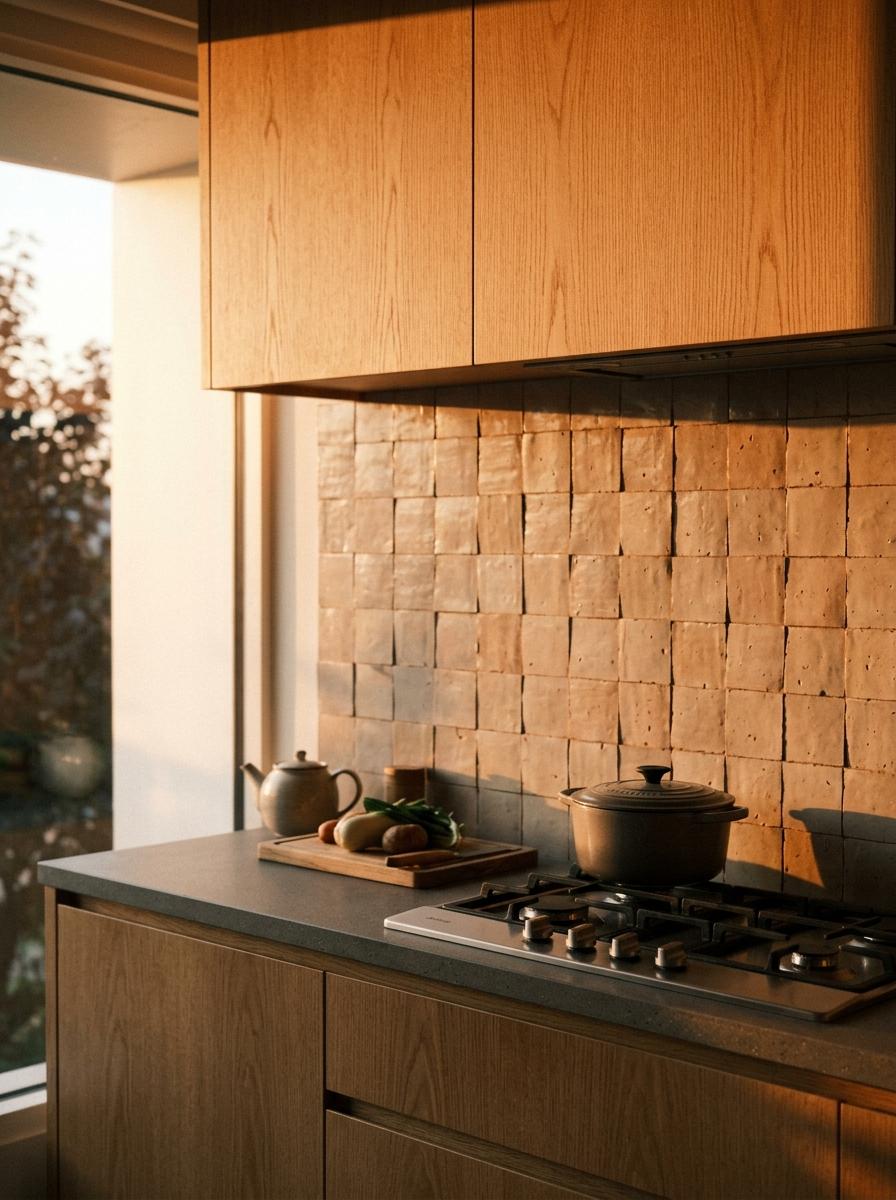

The modern kitchen serves as the quiet sanctum of the Japandi home, a space where the rhythmic hum of daily ritual meets a deliberate stillness. Within this culinary laboratory, the backsplash exists as a utilitarian masterpiece, reconciling the chaotic heat of the stovetop with a stoic, contemplative grace. While the perimeter of the room may hum with the external clutter of active living, the vertical plane of the wall remains internally serene-a rigid boundary that protects the structure while inviting the eye to rest. To achieve this, one might look to the tactile depth of honed Zellige tiles in a matte clay finish, where the irregular, hand-pressed edges create a rhythmic shadow play against the seamless grain of quarter-sawn white oak cabinetry. This intentional marriage of raw earth and refined timber is more than an aesthetic choice; it is a prescriptive ergonomic solution, utilizing non-porous surfaces and heat-resistant barriers to ensure that the creative flow of cooking is never interrupted by the demands of maintenance.
A Warm Space Using Subtle Japandi Kitchen Backsplash Earth Tones
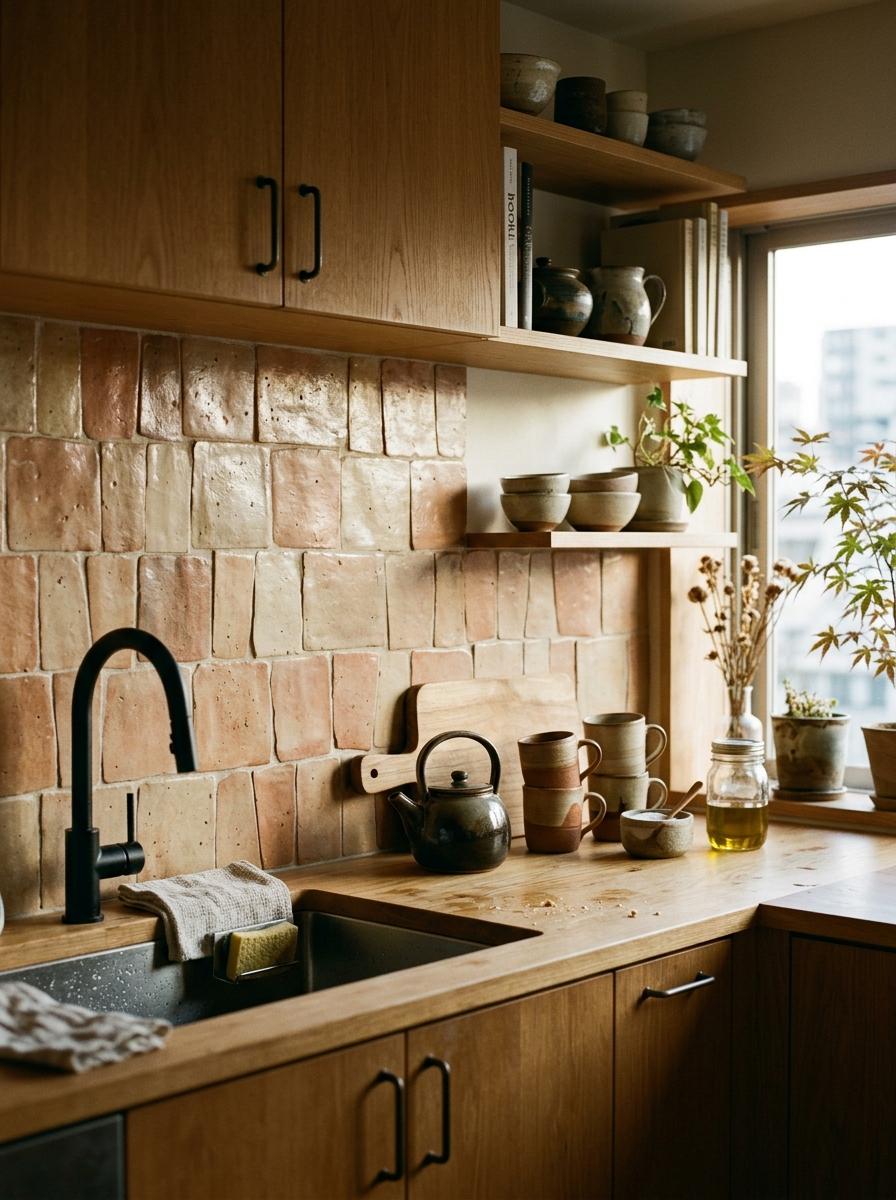

At Japandi.design, we often observe how the mid-century obsession with sterile, high-gloss surfaces is gradually yielding to a more ancestral appreciation for raw, haptic materials. In this recent study of a residence nestled within the prestigious Omotesando district, we find a kitchen that embodies a structured spontaneity-where the rigid geometry of Japanese cabinetry meets the fluid, imperfect soul of Scandi-industrial textures. Because the homeowners are repeat clients who have previously commissioned extensive renovations, there exists a level of trust that allowed for bold experimentation with palette and depth. The resulting warmth is not accidental; it is achieved through a deliberate technical synthesis of hand-glazed terracotta tiles and matte timber joinery, using tonal layering to bridge the gap between architectural precision and organic comfort.
The Essential Guide To Selecting Japandi Kitchen Backsplash Materials
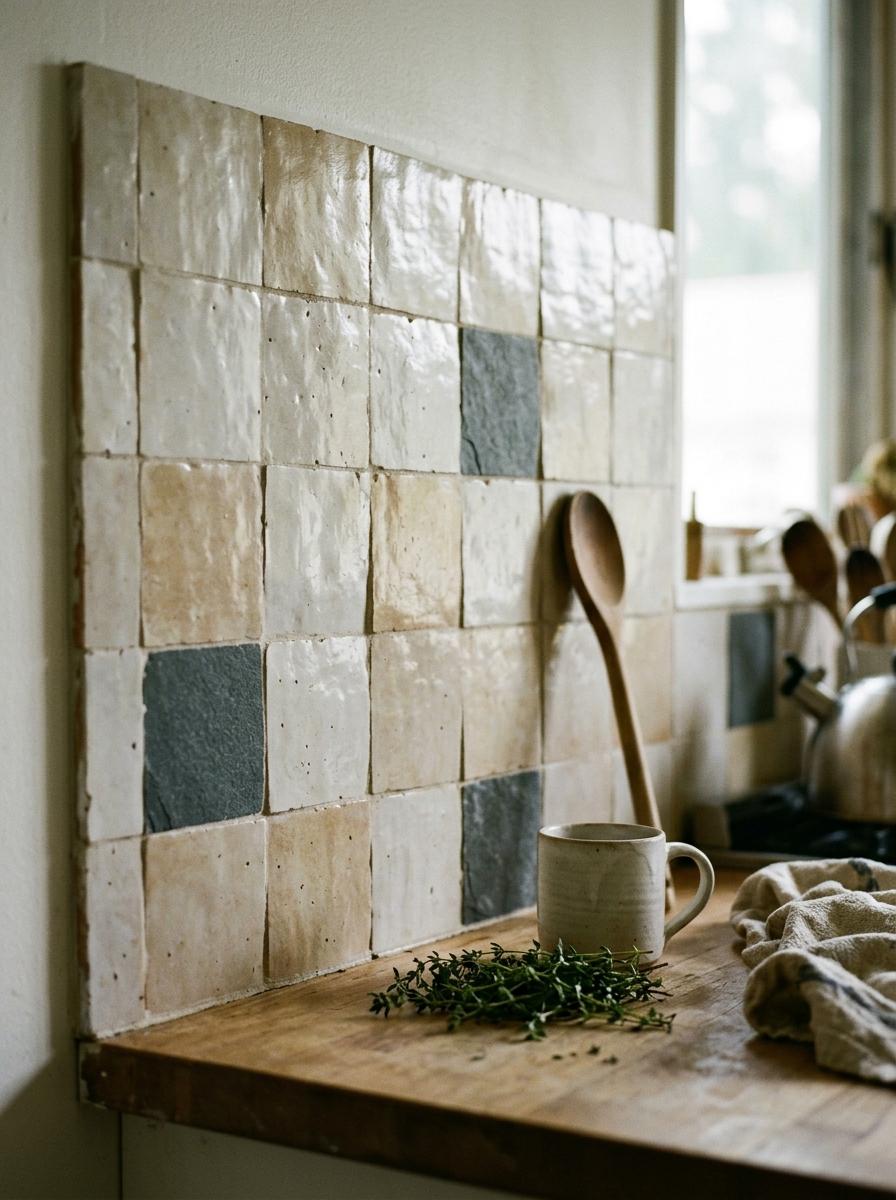

When selecting the foundational surface for your culinary space, you must prioritize tactile honesty over mere ornamentation. Consider the application of honed Basalt or zellige tiles with a speckled, matte glaze; these materials offer a rugged yet refined finish that anchors the kitchen's visual weight. Note how the rhythmic imperfection of hand-pressed ceramic creates a shifting landscape of shadows as the morning light hits the surface, guiding your eye across the expanse of the countertop. This intentional design choice embraces a structured spontaneity, where the rigid geometry of the grid meets the organic unpredictability of the kiln's fire. As your fingertips brush against the cool, granular surface, the initial chill gives way to a grounding sense of permanence, lowering your pulse and inviting a meditative focus into your daily rituals. Drawing inspiration from the Aman Kyoto or the minimalist tea houses of Kanazawa, your backsplash becomes more than a functional barrier-it becomes a curated threshold between the domestic and the natural world.
Refined Aesthetics Within Textured Japandi Kitchen Backsplash Designs
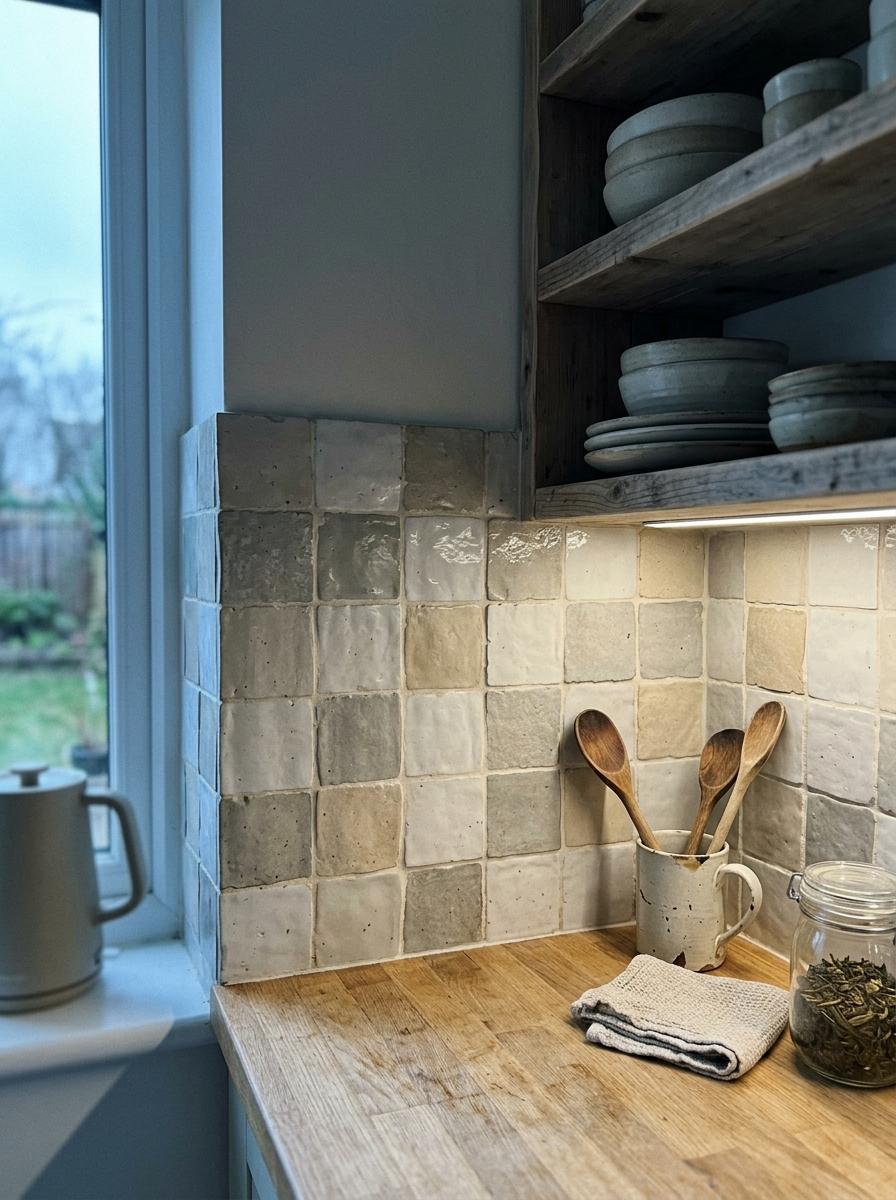

The realization of a refined kitchen often hinges on the deliberate selection of materials, where the backsplash is conceived as a tactile anchor rather than a mere utility. Within these analyzed spaces, the vertical planes are sculpted to emphasize a hollowed, hushed, and honest environment, stripping away the superfluous to honor the raw grain of the stone. This tactile tranquility is further elevated through the meticulous layering of matte tiles that catch the morning light. Soft shadows stretch across the surface, as the intentional void breathes life into the kitchen's core. Ultimately, this curated backdrop anchors the room, expands the perceived volume, and unifies the interplay of weathered wood, hand-applied plaster, and muted ceramic.
A Seamless Transition Through Neutral Japandi Kitchen Backsplash Ideas
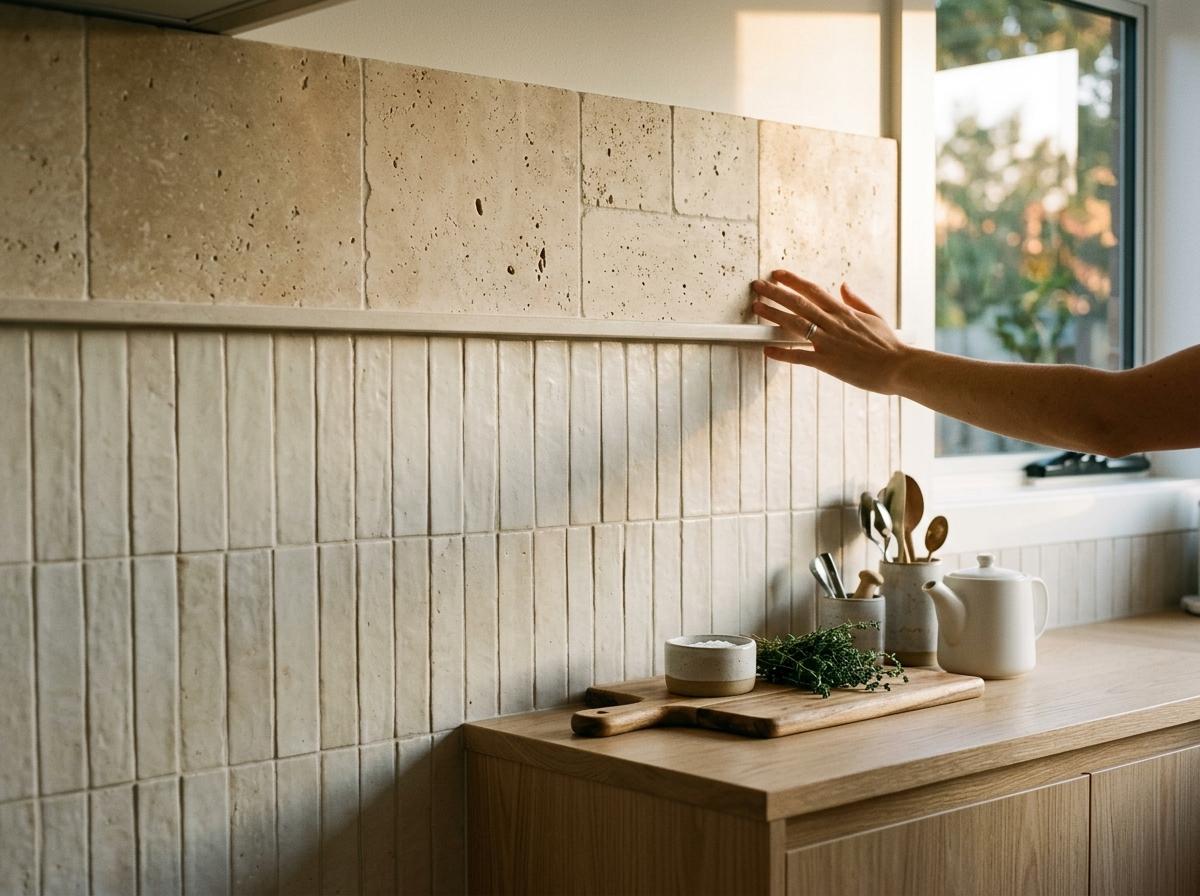

To achieve a seamless transition between culinary utility and architectural poise, You need to look toward the tactile serenity of a honed travertine or matte-glazed ceramic surface. Note how the rhythmic placement of vertical kit-kat tiles creates a visual anchor that draws the eye upward, elongating the space while maintaining a grounded, earthen stability. This design choice embraces a complex simplicity; it is a paradox where the intentional irregularity of the stone's pores offers a rich, sensory depth without cluttering the visual field. As your hand brushes across the cool, calciferous texture, a sense of visceral stillness takes hold, slowing the heart rate and grounding the observer in the present moment. This approach echoes the refined restraint found in the Kyoto-inspired minimalist residences of the Higashiyama district, where the backsplash is not merely a barrier against utility, but a meditative horizon line that bridges the warmth of Scandinavian oak with the stoic elegance of Japanese clay.
A Balanced Vision For Geometric Japandi Kitchen Backsplash Layouts
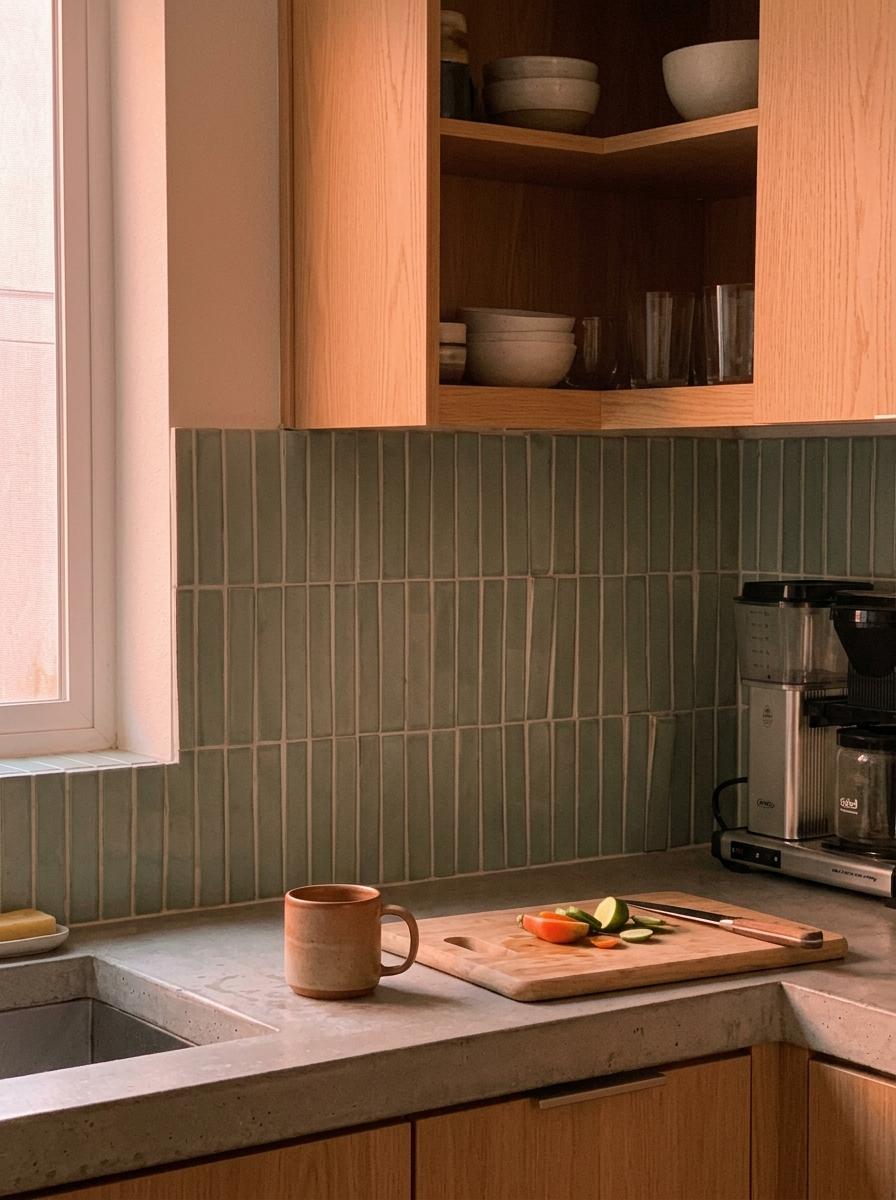

The kitchen serves as the quiet protagonist of the home, a space where the rigorous geometry of a backsplash must anchor the chaotic energy of culinary production into a state of meditative stillness. In this intersection, we find the chaotic symmetry of the Japandi aesthetic; it is a design language that demands a rigid mathematical grid while simultaneously surrendering to the organic imperfections of the clay. While the external cabinetry often projects a facade of seamless continuity, the internal logic of the backsplash relies on the interplay of shadow and relief to create depth. By selecting honed basalt picket tiles or vertically stacked finger mosaics in a matte celadon glaze, the designer introduces a tactile rhythm that softens the hard edges of modern appliances. Ultimately, these geometric layouts function as a calibrated ergonomic backdrop, transforming a high-traffic utility zone into a curated vertical landscape that mitigates visual noise through structural precision.
Vertical Stacked Tiles Create A Classic Japandi Kitchen Backsplash Look
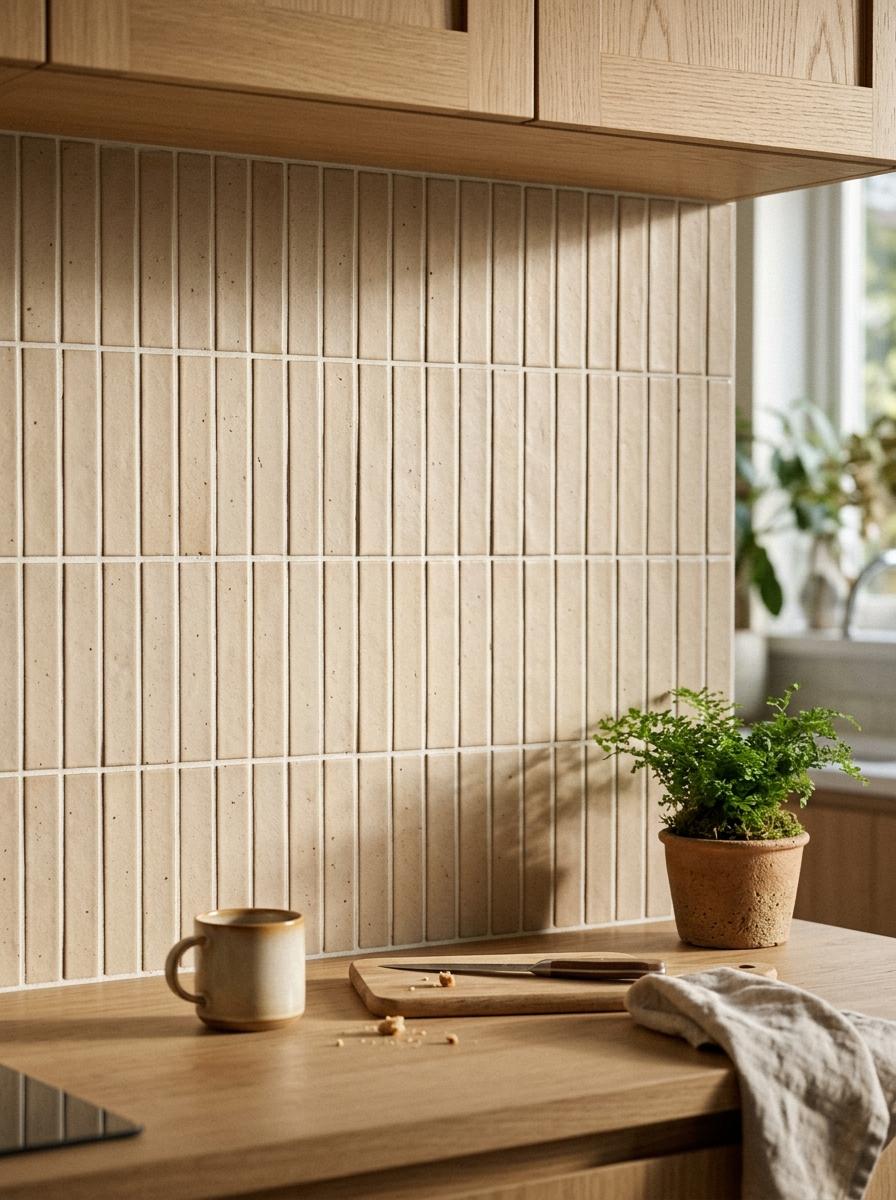

To achieve the quintessential Japandi kitchen, we must look beyond the horizontal plane and embrace the architectural rhythm of verticality. When utilizing slender, kit-kat tiles-often finished in a matte, biscuit-flecked ceramic or a translucent, celadon-glazed porcelain-the wall becomes more than a surface; it becomes a tactile landscape of repetitive precision. Note how the vertical orientation draws the eye upward, elongating the space while the narrow, recessed grout lines introduce a subtle, rhythmic shadow play that mimics the structured serenity of traditional Japanese shoji screens. This design choice thrives on a complex simplicity, where the rigid, mechanical alignment of the tiles creates a visual softness that anchors the room. It is a deliberate spontaneity; the grid is perfectly ordered, yet the natural variations in the glaze offer a soulful, organic depth. As you move through the space, the sight of these elongated forms triggers a profound physiological release-a cooling of the senses and a slowing of the pulse-as the chaotic visual noise of daily life is filtered through this disciplined geometry. Drawing inspiration from the quiet minimalism found in Kyoto's modern tea houses and the functional warmth of Copenhagen's culinary studios, this backsplash serves as a masterclass in locational branding, blending Scandinavian efficiency with an ancient East Asian reverence for material honesty.
A Kitchen With Warm Wooden Japandi Kitchen Backsplash Styles
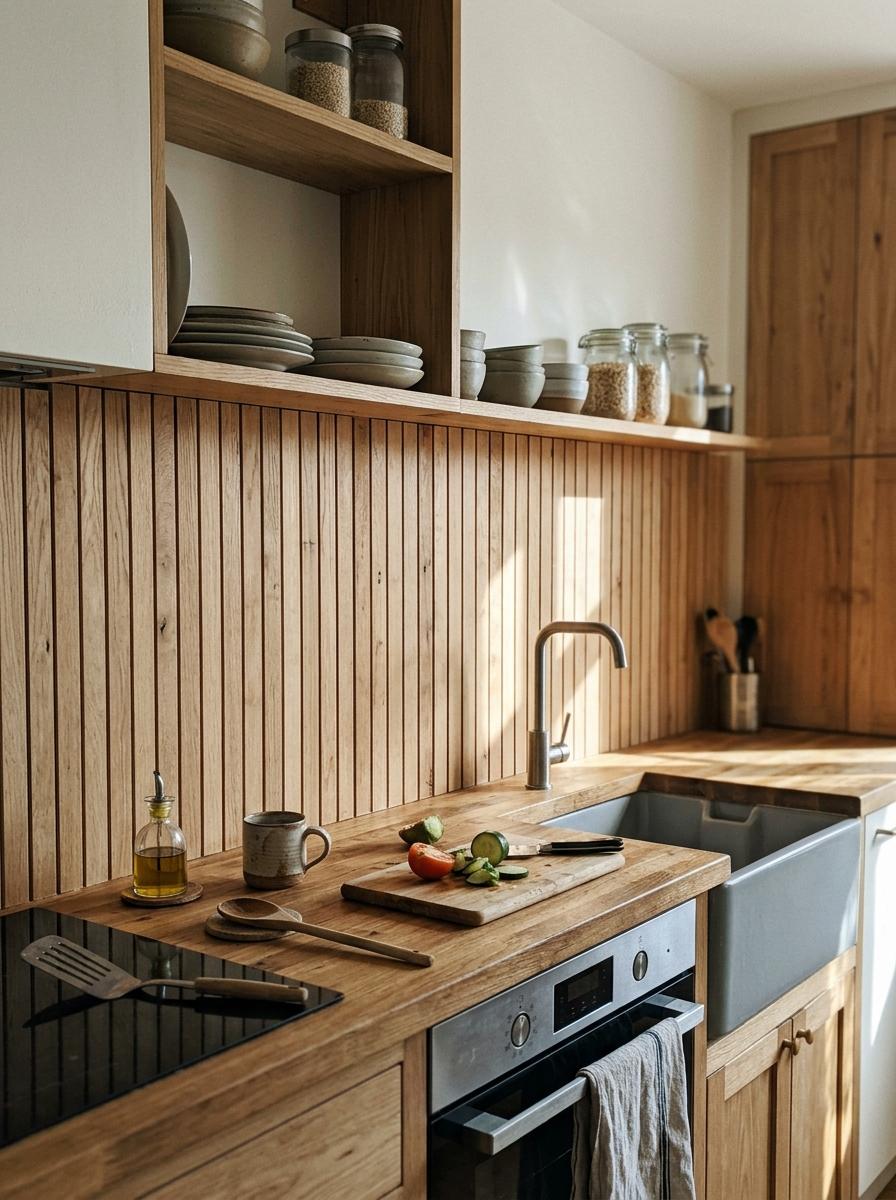

In the modern Japandi kitchen, the backsplash acts as a quiet horizon line where the domestic hearth meets a meditative forest clearing. It is here that we encounter a restful intensity; the visual energy of organic grain patterns is paradoxically calmed by the rigid geometry of the layout, creating a surface that feels both wildly alive and strictly disciplined. While the kitchen's exterior workflow is often defined by the cold, sterile efficiency of stainless steel and stone, the wooden backsplash serves as an internal tactile core, radiating a soft warmth that softens the room's industrial edges. By utilizing the vertical continuity of quarter-sawn white oak or the deep, rhythmic charred texture of Shou Sugi Ban, the material transcends mere decoration to become a sensory anchor. Ultimately, these timber installations function as a sophisticated acoustic-thermal buffer, integrating high-performance moisture-resistant sealants with natural insulation properties to solve the perennial design challenge of making a utilitarian workspace feel like a soulful sanctuary.
Soft Matte Finishes Defining A Sophisticated Japandi Kitchen Backsplash
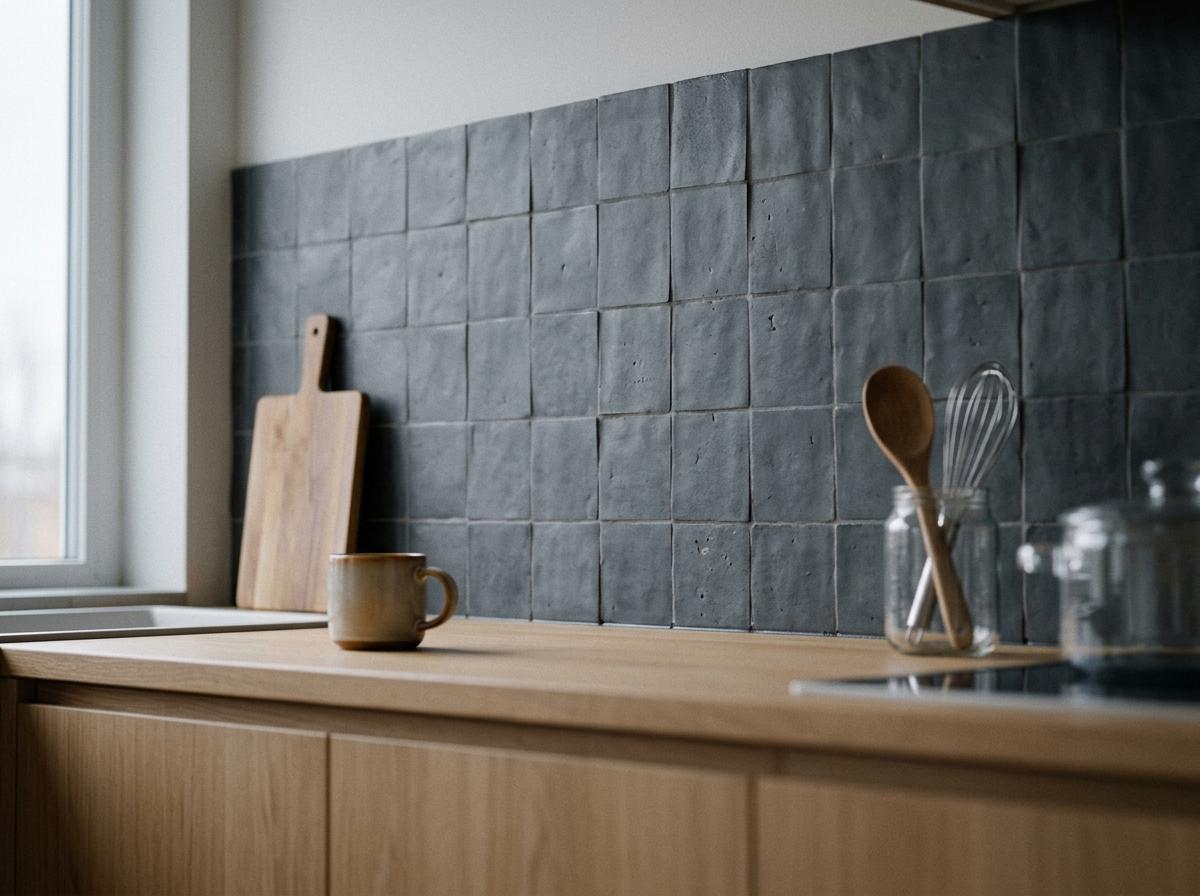

The Japandi kitchen eschews the high-gloss clinicality of the past, opting instead for the velvety, non-reflective depths of silk-honed basalt or micro-etched ceramic. Note how the absence of specular glare allows the backsplash to function as a quiet anchor, pulling the gaze into its matte surface rather than bouncing it away. This aesthetic achievement relies on a delicate heaviness-a paradox where the material feels physically substantial yet visually weightless, grounding the room without overwhelming the light. When observing a backsplash installation within a Kyoto-inspired minimalist townhouse or a Copenhagen penthouse, the tactile allure of these soft finishes triggers an immediate sense of lowered cortisol; the skin yearns to brush against the grain, transforming the kitchen from a high-energy utility zone into a sanctuary of haptic serenity.
Harmonious Palettes Found In These Japandi Kitchen Backsplash Selections
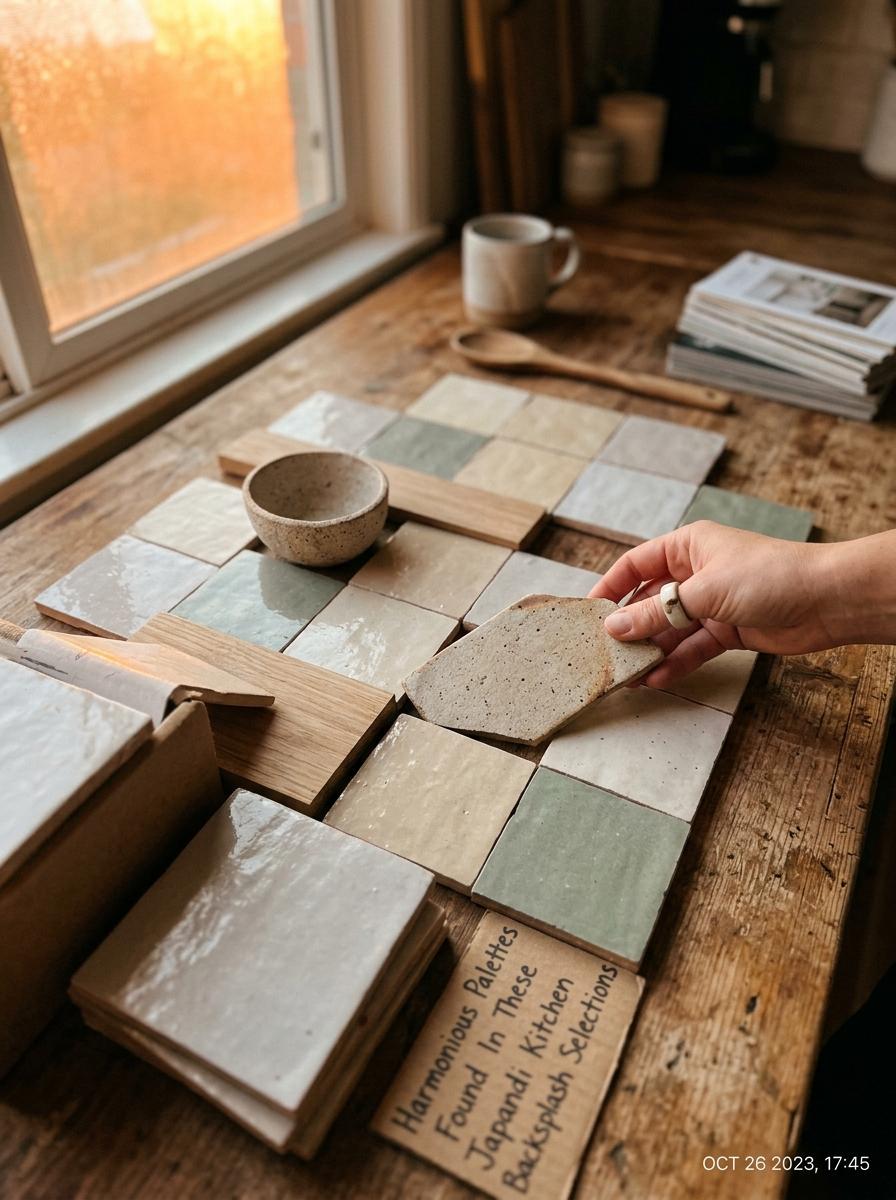

The other morning, while interviewing a ceramicist in her rain-swept Kyoto studio, I watched as she held a jagged piece of unglazed stoneware against the clinical, sterile glare of a stainless steel countertop. "The modern world is often too loud," she remarked, tracing the iron spots in the clay, "and our homes-" she paused to adjust the kiln's temperature, "-should be the place where that noise finally dissolves into a whisper." This contrast is the heart of the Japandi ethos; while a high-gloss, maximalist kitchen demands your constant attention with its frantic reflections, a thoughtfully curated backsplash acts as a visual anchor, grounding the room in organic stillness. By utilizing a tactile palette of oatmeal-hued zellige tiles and matte timber accents, one creates a rhythmic interplay between shadow and light that softens the hard edges of functional cabinetry. This delicate balance of wabi-sabi imperfection and Scandinavian linearity transforms the kitchen from a mere utility zone into a sanctuary of textural depth. It is this specific intersection of muted pigments and raw materiality that defines the most successful Japandi kitchen backsplash selections.
Organic Forms Within Handcrafted Japandi Kitchen Backsplash Designs
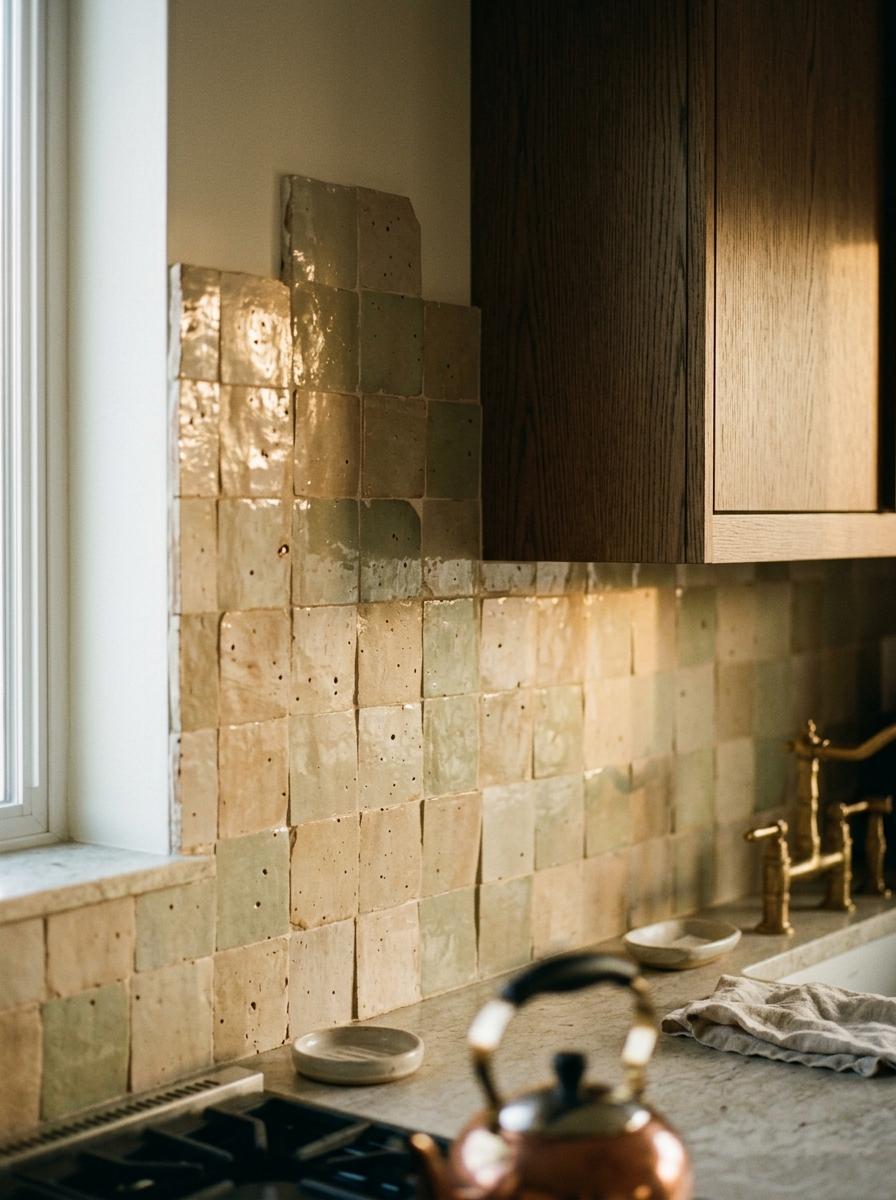

In the quiet theater of the modern Japandi kitchen, the backsplash serves as more than a mere culinary boundary; it acts as an atmospheric anchor where the ritual of preparation meets the stillness of the home. Within this vertical plane, we witness a structured spontaneity, a conceptual synthesis where the rigid geometry of cabinetry is reconciled with the fluid, unpredictable contours of artisan tile. This creates a compelling structural dualism: while the external framework of the kitchen remains disciplined and architectural, the internal landscape of the backsplash breathes with an organic irregularity. To achieve this tactile depth, designers favor material specificity, opting for hand-pressed Zellige tiles or honed travertine with visible pit marks and feathered edges that invite the touch. Ultimately, these artisanal choices serve a clear functionalist specification, transforming a high-utility surface into a durable, light-diffusing solution that softens the industrial sharpness of modern appliances.
The Lasting Appeal Of Marble In Japandi Kitchen Backsplashes
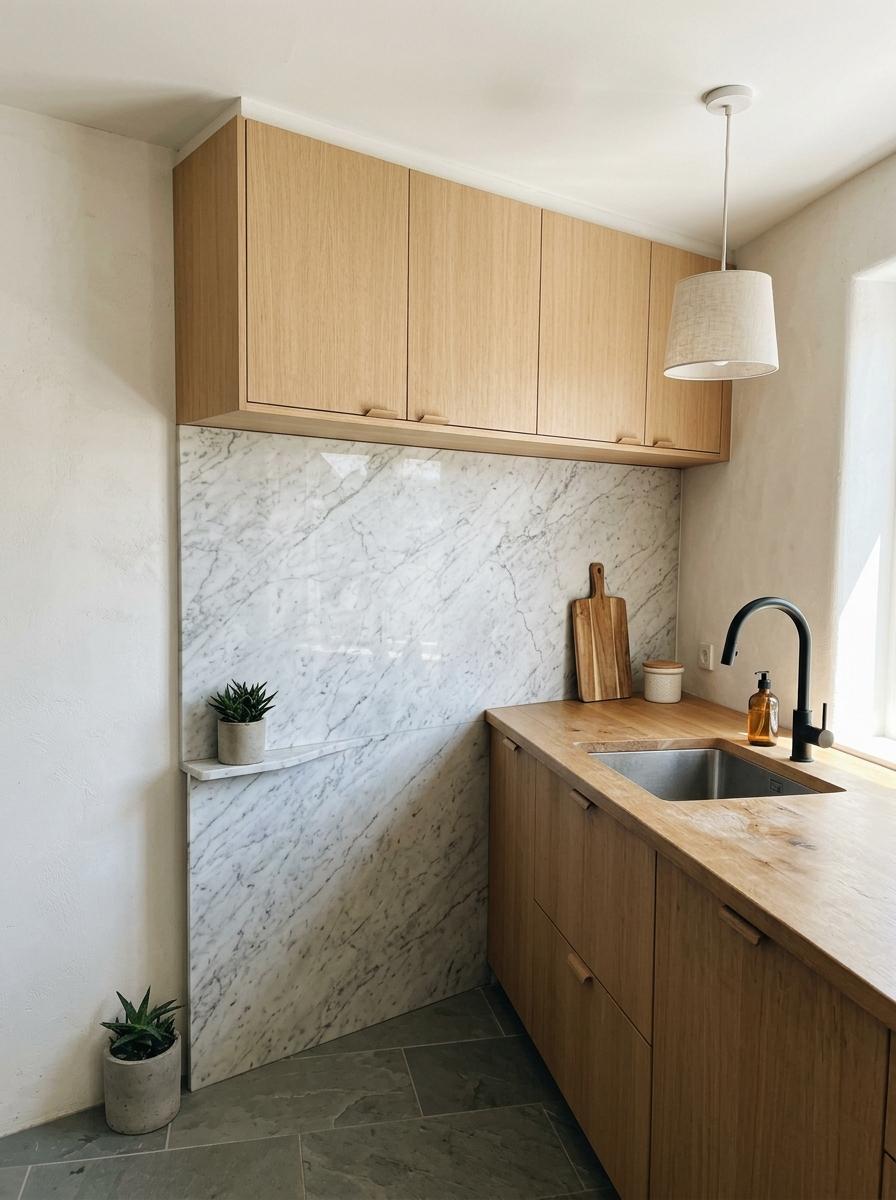

The seamless integration of marble within the kitchen environment is achieved when the heavy slab is anchored against the vertical plane, serving as a silent anchor for the room's composition. Within this curated space, the surface maintains a sterile, stone-cold stillness that honors a void-centric aesthetic. This deliberate design language dictates how polished pale patterns bridge the gap between organic warmth and architectural austerity. To define the perimeter of the culinary hearth, the stone carves new dimensions, stretches the perceived ceiling height, and anchors the weightless drift of the surrounding cabinetry. The material ultimately marries the tactile resilience of the earth, the ethereal lightness of the grain, and the enduring grace of the Japandi soul.
Subtle Modern Contrast In Japandi Kitchen Backsplash Material Choices
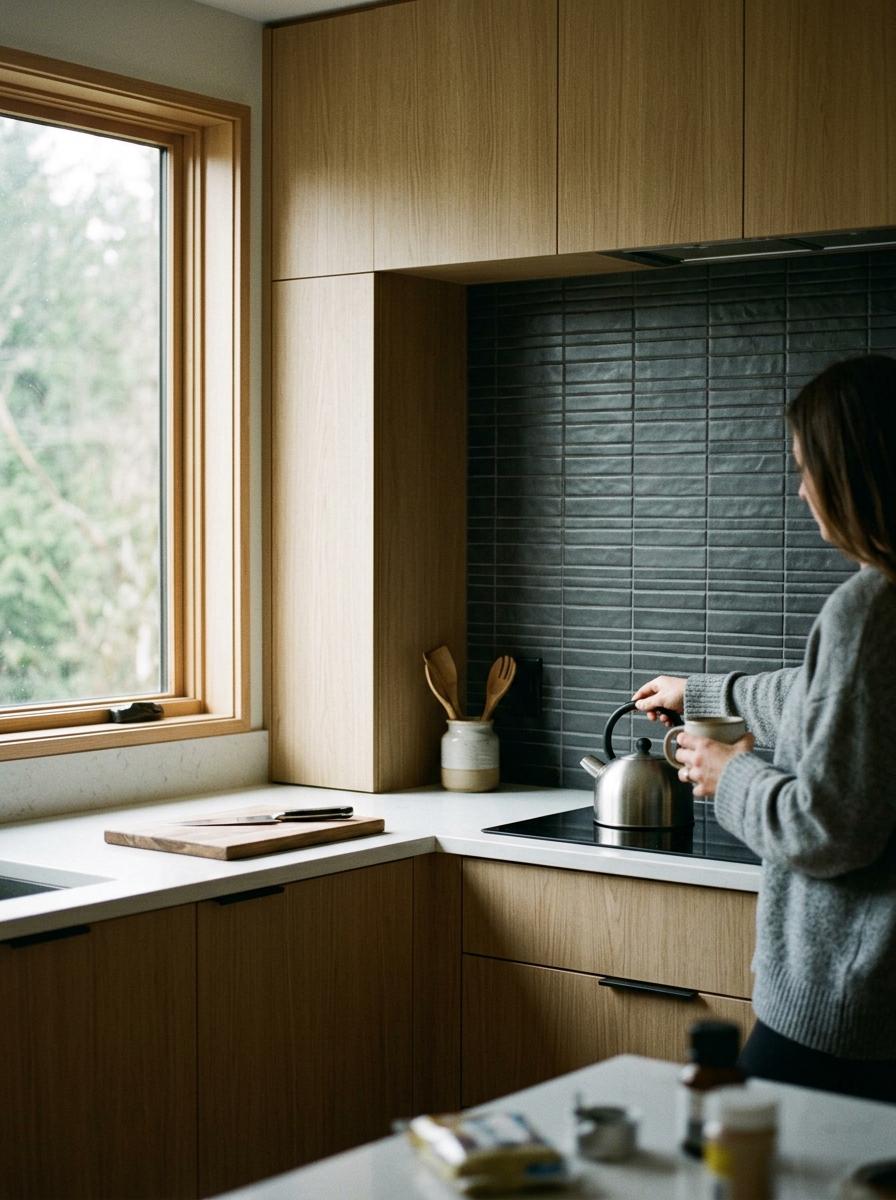

The Japandi kitchen exists at the intersection of hushed morning light and the rhythmic precision of a working hearth, grounding the home in a niche where stillness meets utility. To achieve this, the backsplash must embody a complex simplicity-a design philosophy that demands visual silence while performing as a rigorous structural anchor. This creates a distinct structural dualism: the external cabinetry offers a seamless, expansive facade of light oak, while the backsplash recedes inward, acting as a tactile, recessed sanctuary that protects the periphery of the room. By selecting honed Pietra di Cardoso sandstone or vertically-stacked Kit Kat mosaic tiles in a matte charcoal finish, the material palette moves beyond mere decoration to provide specific tactile resistance and depth. Ultimately, these choices function as a necessary industrial utility, where the non-reflective surface and stain-resistant density of the stone act as a high-performance solution, absorbing the chaos of culinary labor into a canvas of modern, understated contrast.
A Practical Approach To Zen Inspired Japandi Kitchen Backsplash Ideas
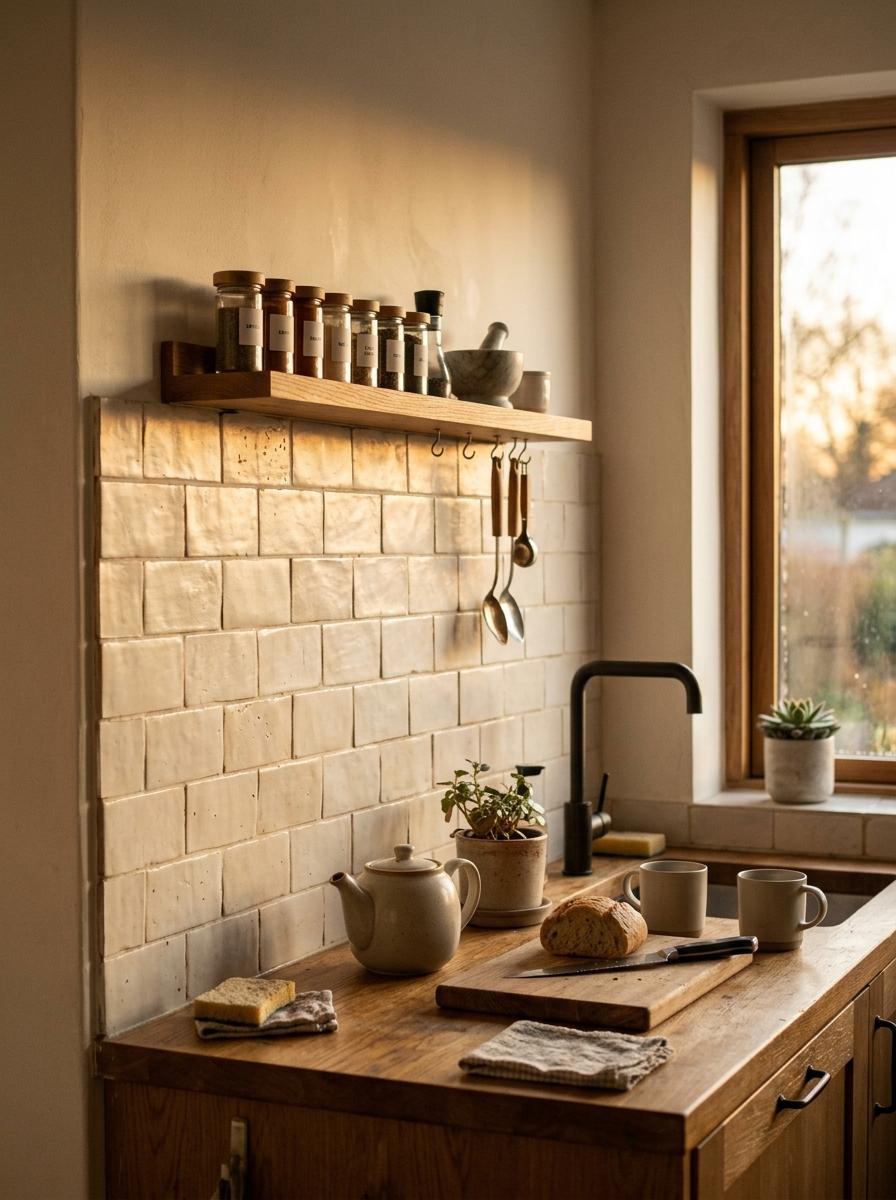

In the curation of the modern culinary space, the backsplash is frequently conceptualized as a silent anchor that bridges the warmth of Scandinavian wood with the intentionality of Japanese stone. Within these serene settings, tactile tiles and muted metals are chosen to foster a sense of weightless wash across the vertical plane, ensuring that no visual clutter disrupts the room's rhythmic repose. This deliberate simplicity stretches the boundaries of the wall, where a seamless surface is meticulously installed to catch the morning light. As the kitchen expands through this thoughtful application of material, the design successfully harmonizes raw texture, clean geometry, and quiet utility.
A Quiet Atmosphere Created By Textured Japandi Kitchen Backsplash Tiles
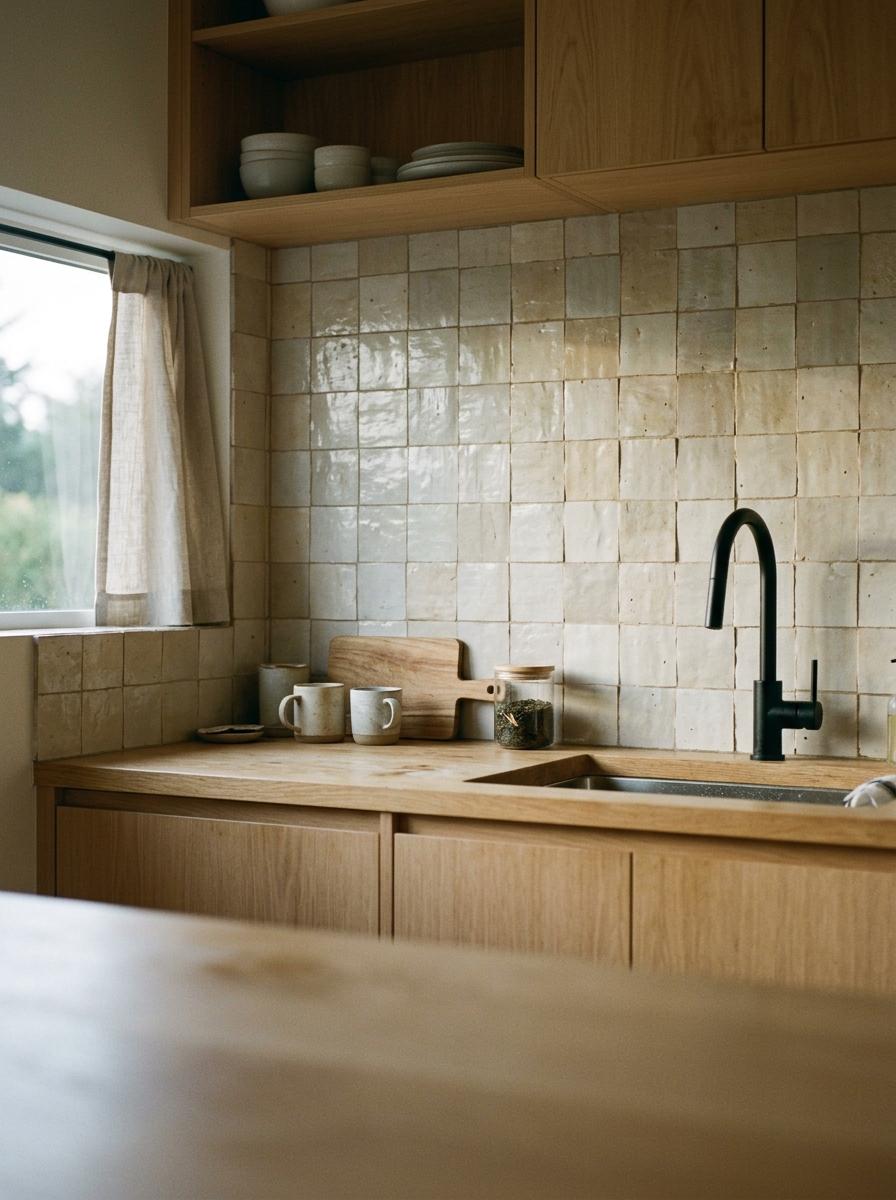

In the kitchen, the backsplash serves as the primary horizon line, anchoring the gaze against the workspace to cultivate a stillness that is both felt and seen. This "Quiet Atmosphere" is achieved through a vibrant austerity, where the visual silence of the Japandi palette is paradoxically amplified by the deep, rhythmic energy of the surface relief. While the external world demands high-gloss efficiency and sterile perfection, the interior world of the kitchen retreat pivots toward an internal richness, prioritizing the psychological comfort of organic imperfection over the cold utility of the modern lab. By specifying zellige-style ceramics with their subtle undulations or honed travertine mosaics featuring raw, open pores, the material palette moves beyond mere decoration into the realm of tactile storytelling. This intentional application of textured masonry functions as a sophisticated acoustic and visual dampener, neutralizing the harsh reflections of stainless steel appliances and integrating the utilitarian zone into a holistic sanctuary of soft light and shadow.
Comments