
The Japandi kitchen represents a sophisticated synthesis of Japanese wabi-sabi-the celebration of impermanence and organic imperfection-and Scandinavian hygge, which prioritizes functional warmth and domestic cohesion. At its core, this aesthetic operates on a dialectical pairing of rigid architectural linearity and fluid naturalism; the space feels clinically precise in its layout, yet remains profoundly soulful through its material integrity. By integrating tactile surfaces like Honed basalt and white oak with the austere geometry of handleless cabinetry, the design creates an atmosphere that is simultaneously monastic, grounded, and transcendent. This study explores how the fusion of these two distant hemispheres results in a culinary sanctuary that elevates minimalist living from mere subtraction to a deliberate, sensory indulgence.
Japandi Kitchen Ideas
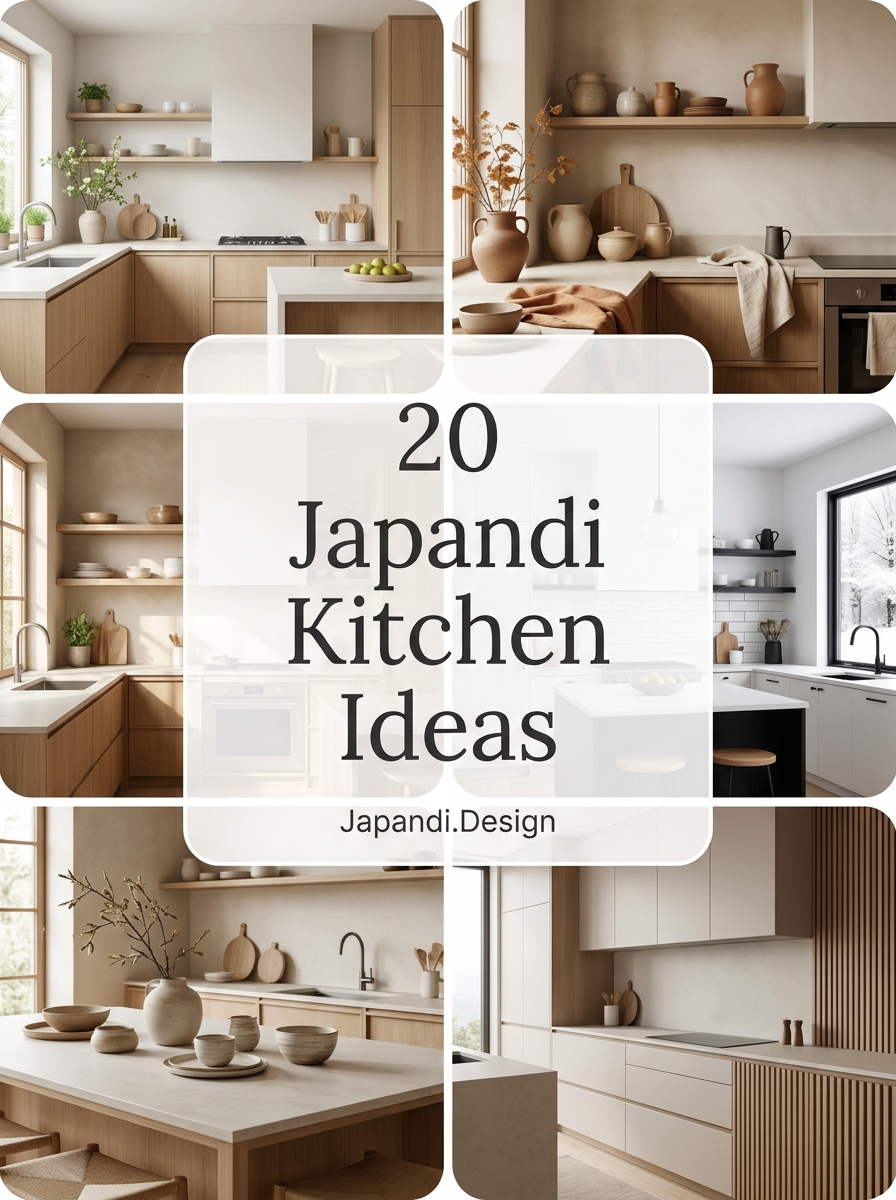

Minimalist Japandi Kitchen Design For Modern Living
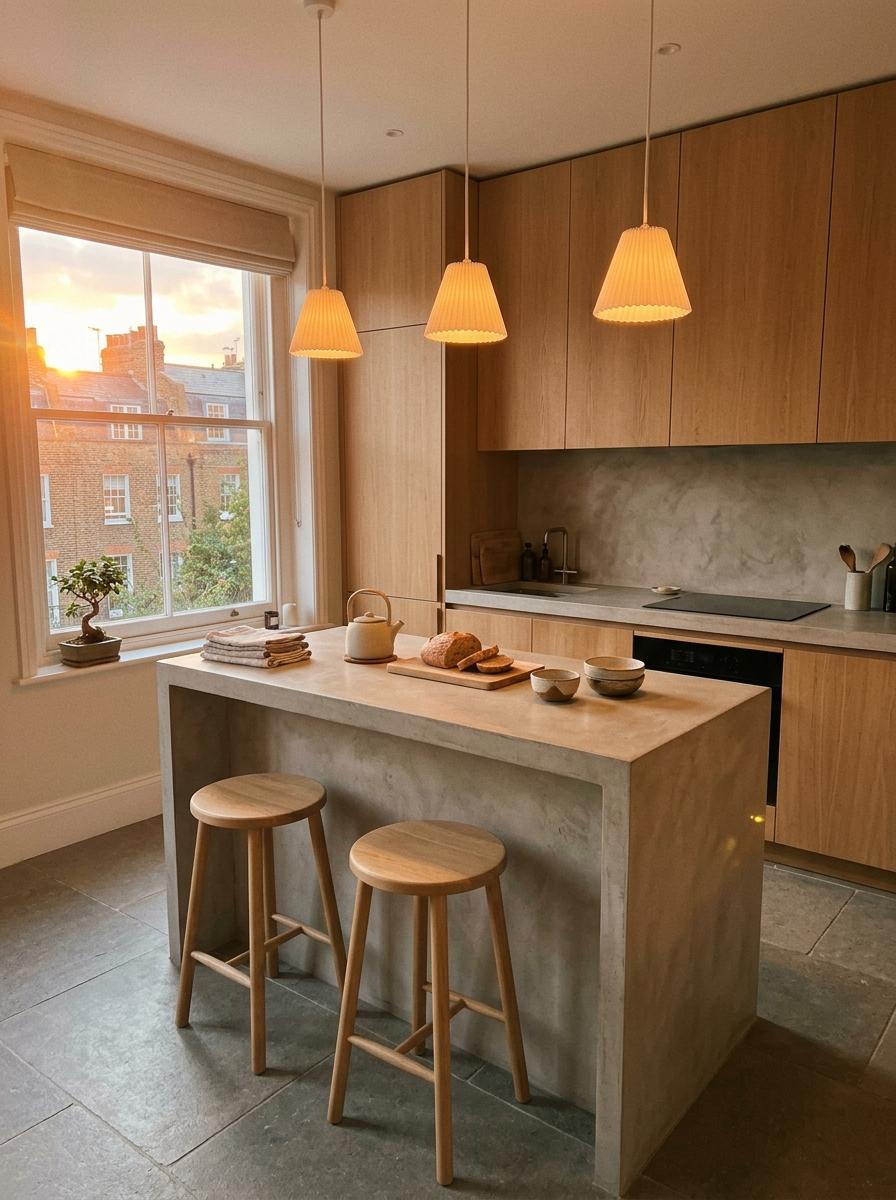

The evolution of the culinary space has transitioned from the utilitarian, smoke-filled sculleries of the early 20th century to the hyper-functional social hubs of today, where the kitchen now serves as the home's meditative epicenter. In this recent project for a repeat client-who returned to us seeking a refined evolution of their previous aesthetic-we explored the concept of "cluttered emptiness." This stylistic juxtaposition allows for a high-performance workspace that feels visually silent yet remains deeply layered with tactile warmth. Situated in the heart of London's Belgravia, the design anchors itself in a neighborhood defined by Regency-era grandeur, providing a stark, sophisticated backdrop for the project's East-meets-West ethos. The final result is a technical synthesis of Japanese minimalism and Scandinavian functionality, achieved through the precise calibration of handleless oak cabinetry, seamless micro-cement surfaces, and a deliberate manipulation of natural light.
How To Create A Functional Japandi Kitchen With Natural Wood
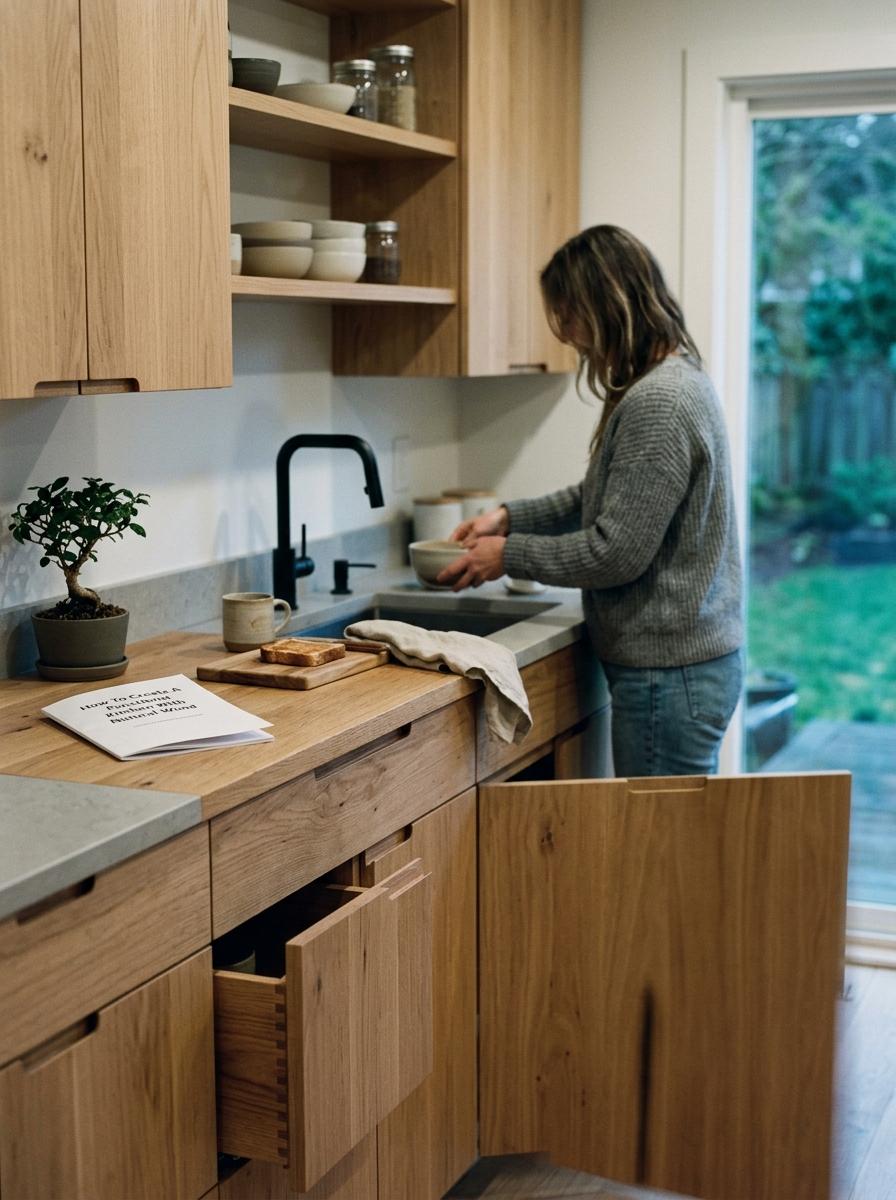

In the modern kitchen, where the culinary workspace meets the domestic sanctuary, wood serves as the essential anchor that grounds the airy openness of Scandinavian layout within the earthy permanence of Japanese minimalism. This "structured organicism" defines the Japandi aesthetic, where the raw, untamed spirit of the forest is refined by the deliberate precision of human geometry, reconciling wild texture with disciplined form. While the external shell of the cabinetry may project a facade of seamless, silent uniformity, the internal reality is one of rigorous industrial logic, engineered to withstand the daily friction of heat and moisture. To achieve this, specify rift-sawn White Oak for its linear grain stability or carbonized Ash for its moisture-resistant density, ensuring that the visual warmth of the timber is reinforced by structural resilience. By integrating custom finger-jointed joinery and recessed J-pull handles, the wood transcends its role as a mere finish, becoming a high-performance utility that optimizes workflow through tactile, durable simplicity.
Step Inside A Beautifully Refined Japandi Kitchen Space
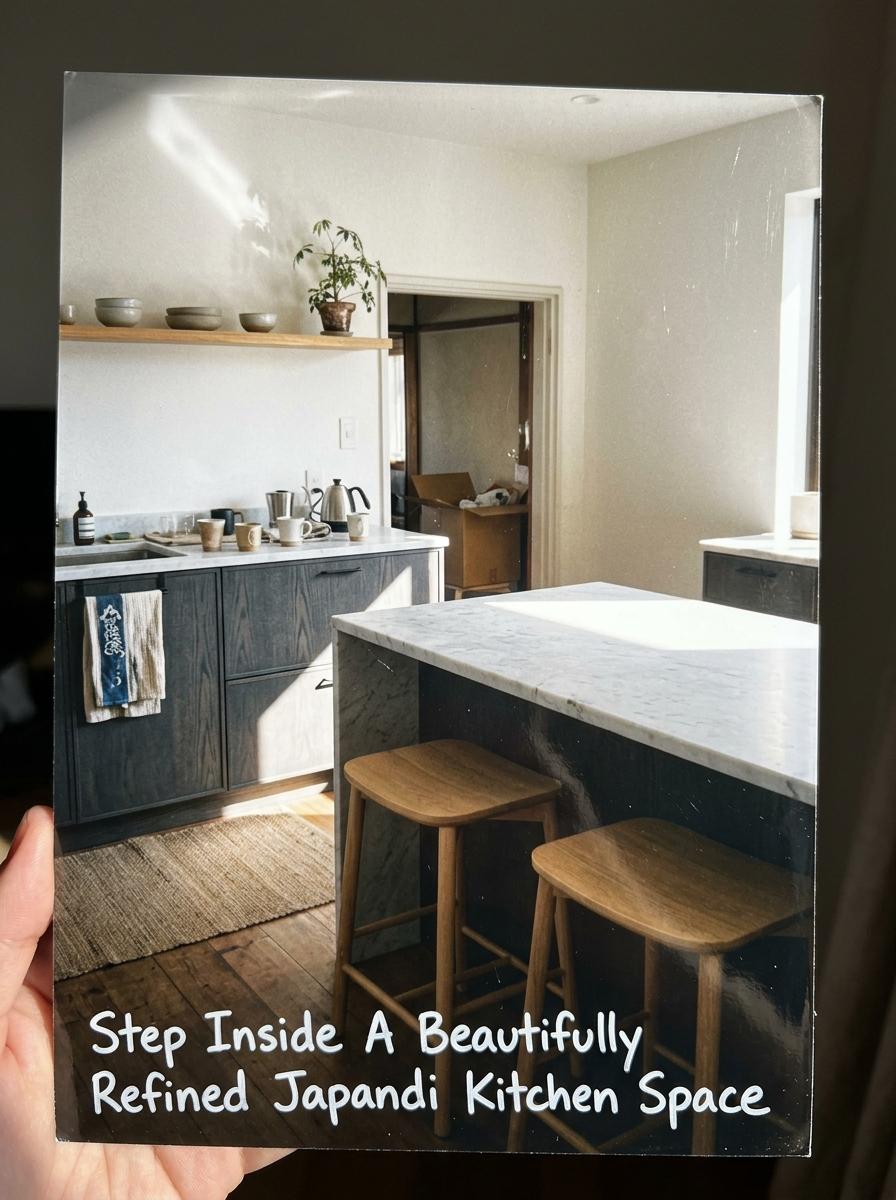

Title: Step Inside A Beautifully Refined Japandi Kitchen Space The heart of this Kyoto-inspired residence serves as a masterclass in the tension between the tactile and the ethereal. Note how the cabinetry-rendered in a charcoal-stained, open-pore oak-interacts with the island's honed Carrara marble; the stone's cool, saccharine smoothness provides a deliberate anchor against the rhythmic, vertical grain of the woodwork. This composition achieves a state of complex simplicity, where the rigorous geometry of Japanese minimalism meets the rustic warmth of Scandinavian hygge. As your eyes trace the seamless joinery, the visual silence of the space begins to manifest physically: the frantic pace of external life dissolves, replaced by a lowered heart rate and a deep, diaphragmatic breath. This is not merely a culinary workspace, but a curated sanctuary that proves functionality can be a deeply soulful endeavor.
The Art Of Designing A Balanced Japandi Kitchen Environment
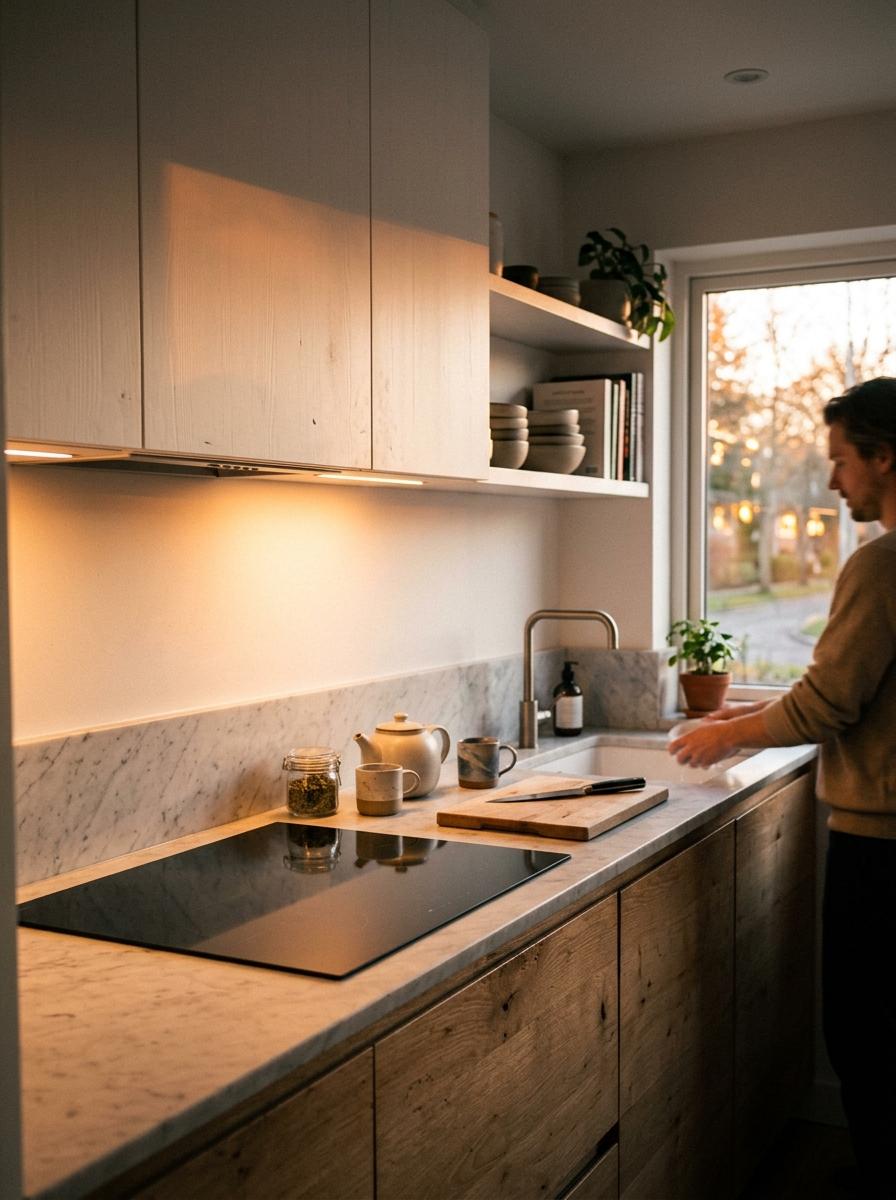

In the Japandi kitchen, the atmosphere is grounded by a deliberate low-slung orientation, where the horizon of the countertop anchors the room's energy into a dedicated sanctuary for slow living. This space thrives on a structured chaos, where the rigorous discipline of Japanese minimalism reconciles with the lived-in warmth of Scandinavian hygge. There exists a sharp structural dualism between the hidden and the seen; while the internal world of the cabinetry remains a fortress of concealed organization, the external surfaces breathe with an open, airy fluidity. The tactile imagery is defined by the juxtaposition of matte-honed Carrara marble against the raw, open-grain texture of smoked white oak, providing a sensory depth that transcends mere aesthetics. Ultimately, this balance is solidified through functionalist specification, where the integration of seamless, handle-less induction hobs and recessed task lighting acts as a silent industrial solution to the modern demand for a clutter-free culinary workflow.
A Guide To Achieving The Perfect Japandi Kitchen Aesthetic
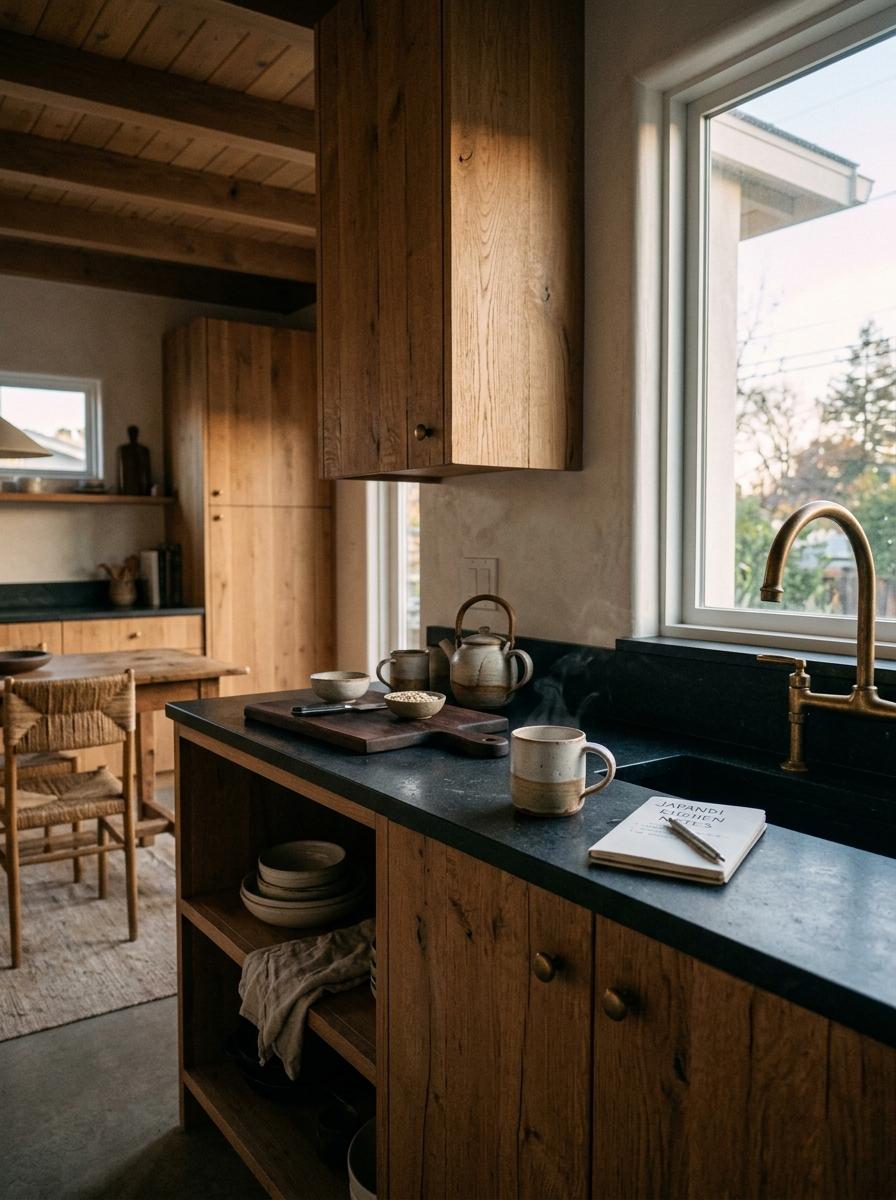

At its core, the Japandi kitchen is a masterclass in aesthetic alchemy, where the rigorous, geometric precision of Japanese minimalism converges with the rustic, soulful warmth of Scandinavian hygge to produce a sanctuary of functional tranquility. This synthesis transcends mere trend, demanding a sophisticated command of tactile materiality-utilizing rift-sawn oaks, honed basalt, and patinated brass to elevate the culinary space into a curated gallery of intentionality. The resulting atmosphere is one of profound paradox: the environment feels impeccably disciplined, yet viscerally inviting; it is anchored by a stoic, monochromatic restraint, but remains softened by the organic irregularities of artisanal craftsmanship. To step into such a kitchen is to experience a sensorial symphony of monastic, velvet, and grounded textures, where every shadow and surface works in quiet concert to cultivate a spirit of timeless, rhythmic composure.
Exploring Textures Within A Contemporary Japandi Kitchen
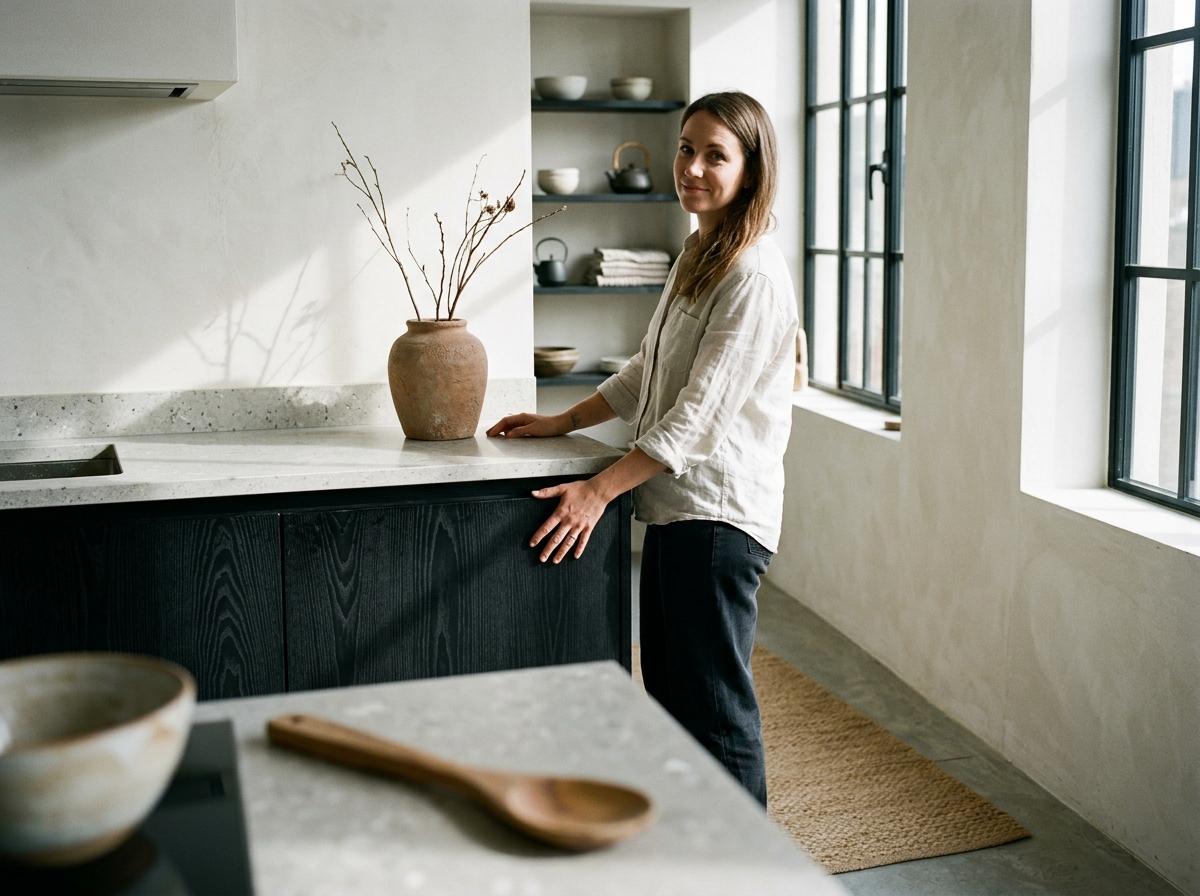

When I stepped into the kitchen of a converted industrial loft last Tuesday, the air still carried the sterile, metallic echo of the city-all sharp edges and cold, polished concrete that felt more like a laboratory than a home. But as I crossed the threshold into the heart of the space, the atmosphere shifted. "It isn't just about the visual void," my host explained, tracing the raised grain of a blackened ash cabinet, "it's about the haptic feedback-the way the hand meets the house." This intentional layering of tactile elements is what elevates a contemporary Japandi kitchen from mere minimalism into a sensory experience. By juxtaposing the sleek, non-porous surfaces of honed dekton against the raw, organic warmth of a hand-applied lime wash, the designer creates a tension that feels both ancient and avant-garde. "Texture," she continued, adjusting a rough-hewn ceramic vessel on a silk-smooth marble ledge, "is the silent language of comfort." This dialogue between the coarse and the refined serves as the fundamental blueprint for understanding how materiality defines the modern Japandi soul.
Warm And Inviting Japandi Kitchen Concepts For Your Home
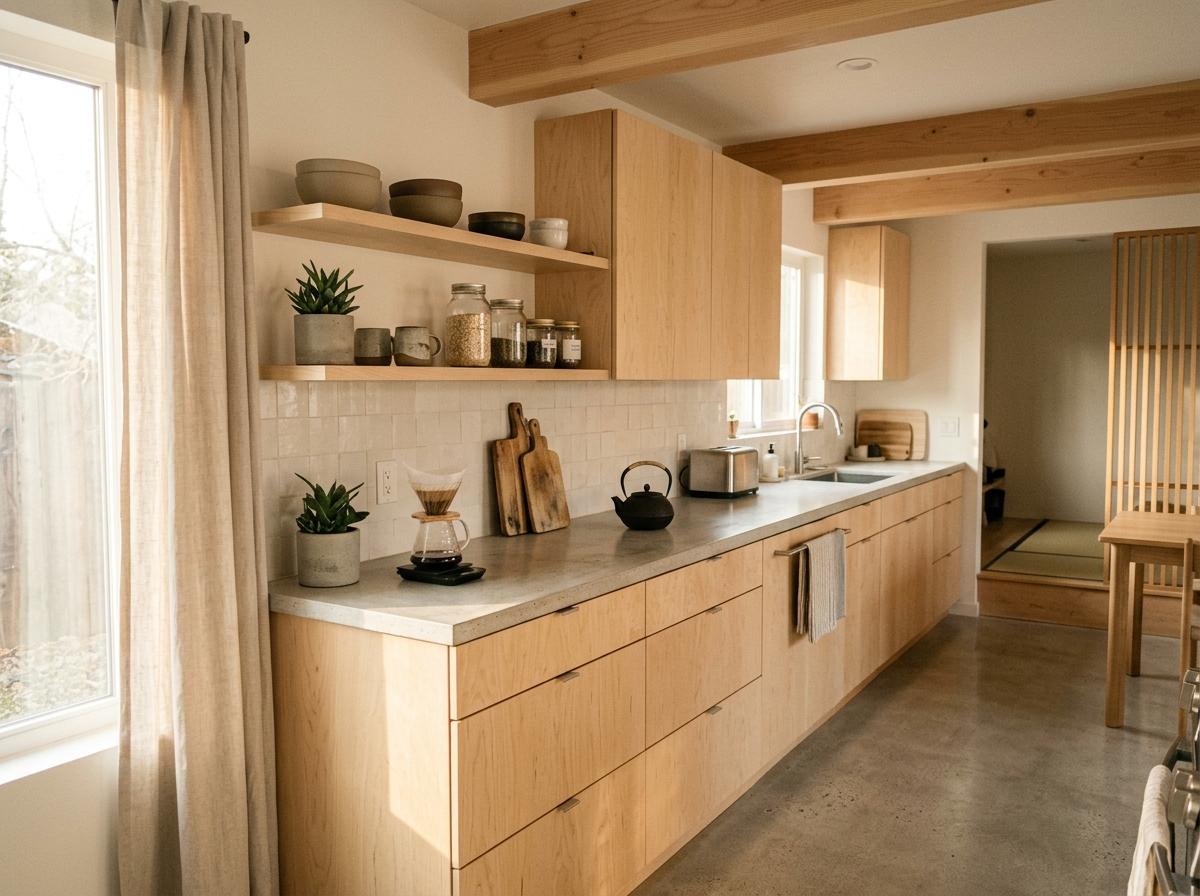

The architectural blueprint was conceived as a deliberate dialogue between Scandinavian utility and Japanese restraint. Within this culinary sanctuary, the visual noise of traditional cabinetry is replaced by unadorned surfaces, muted tones, and a stark, shadowless clarity. Soft sunlight sweeps across the space, while blonde birch beams bridge the gap between structure and soul. This layout stretches the horizontal plane to cultivate a sense of boundless breath, ensuring the room expands far beyond its physical footprint. Every corner celebrates a curated balance of textured timber, honed stone, and rhythmic light.
How Sleek Cabinetry Enhances A Polished Japandi Kitchen
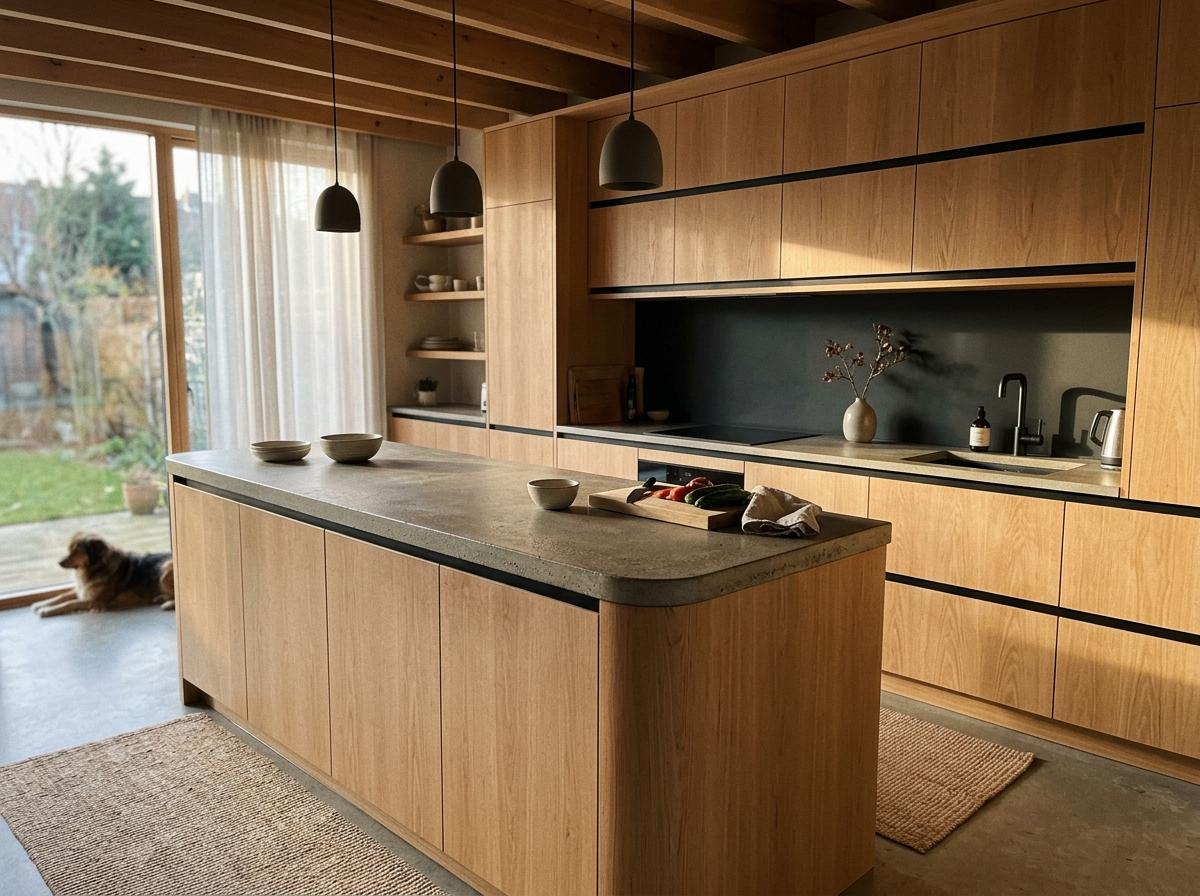

In a kitchen that epitomizes the fusion of Scandi-functionalism and Japanese ethos, the choice of millwork serves as the primary visual anchor. To achieve this, designers often turn to rift-sawn white oak or matte Fenix NTM surfaces, materials characterized by their non-reflective, velvety haptics and molecular density. Note how the handle-less, finger-pull channels create an uninterrupted horizontal plane, guiding the eye across the room without the sensory "noise" of protruding hardware. This design choice embraces a complex simplicity; while the exterior appears effortless and spare, the internal engineering required to achieve such tight tolerances is incredibly intricate. As you trace the seamless edges of a monolithic island-perhaps inspired by the reductive geometry found in Tokyo's Minami-Aoyama district-the visual sterility dissolves into a profound sense of psychological stillness. This physical transition from jagged complexity to streamlined continuity triggers a lower cortisol response, quieting the mind and allowing the act of preparation to become a meditative ritual rather than a domestic chore.
Transform Your Cooking Area With A Japandi Kitchen Focus
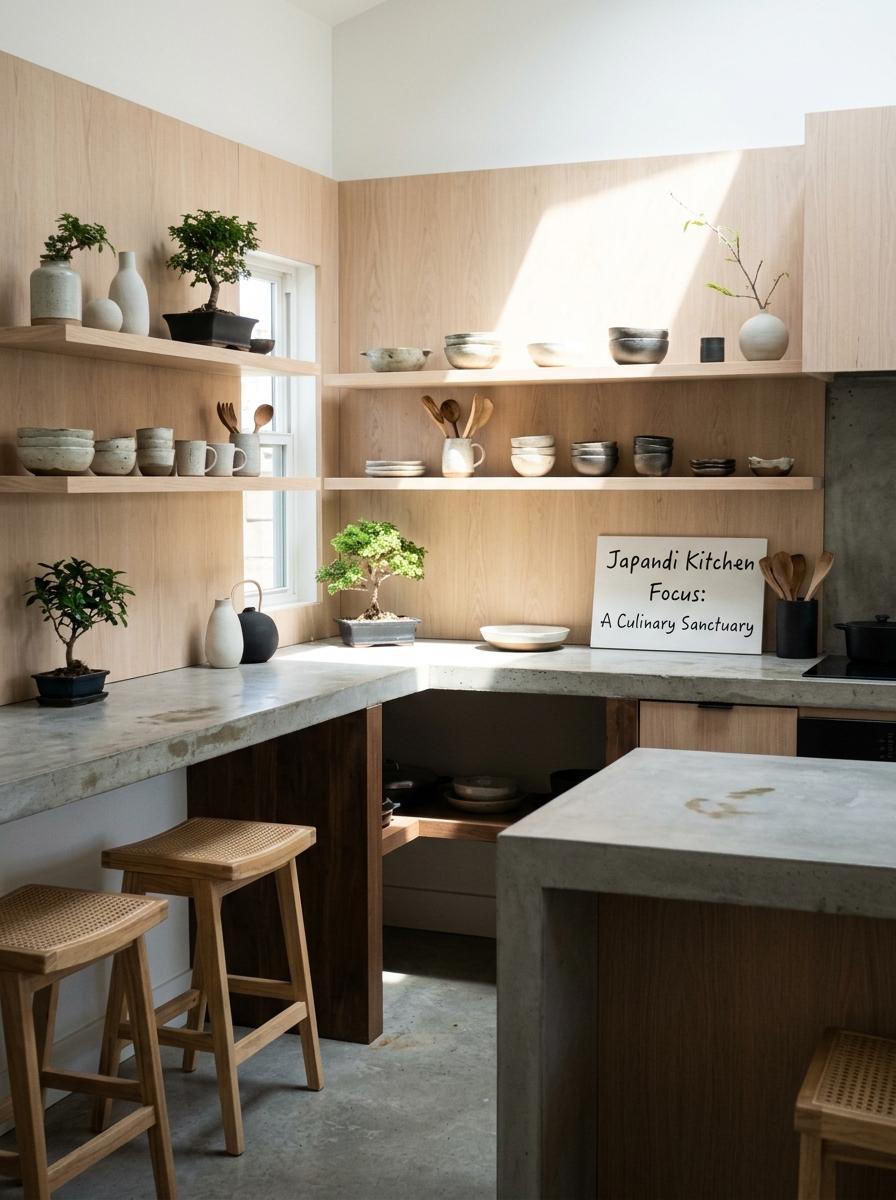

The blueprint for this culinary sanctuary was conceived through a meticulous fusion of Scandinavian efficiency and Japanese restraint. Within this void, tactile surfaces meet muted tones to create an environment defined by its skeletal simplicity and hushed harmony. Polished pedestals provide a sense of purposeful poise, grounding the room in a deliberate, disciplined stillness. The layout actively carves out breathing room, stretches the perception of depth, and anchors the gaze upon intentional voids. Ultimately, this aesthetic evolution simplifies the daily routine, softens the domestic landscape, and secures a serene sanctuary.
Discover The Harmony Of A Traditional Japandi Kitchen Layout
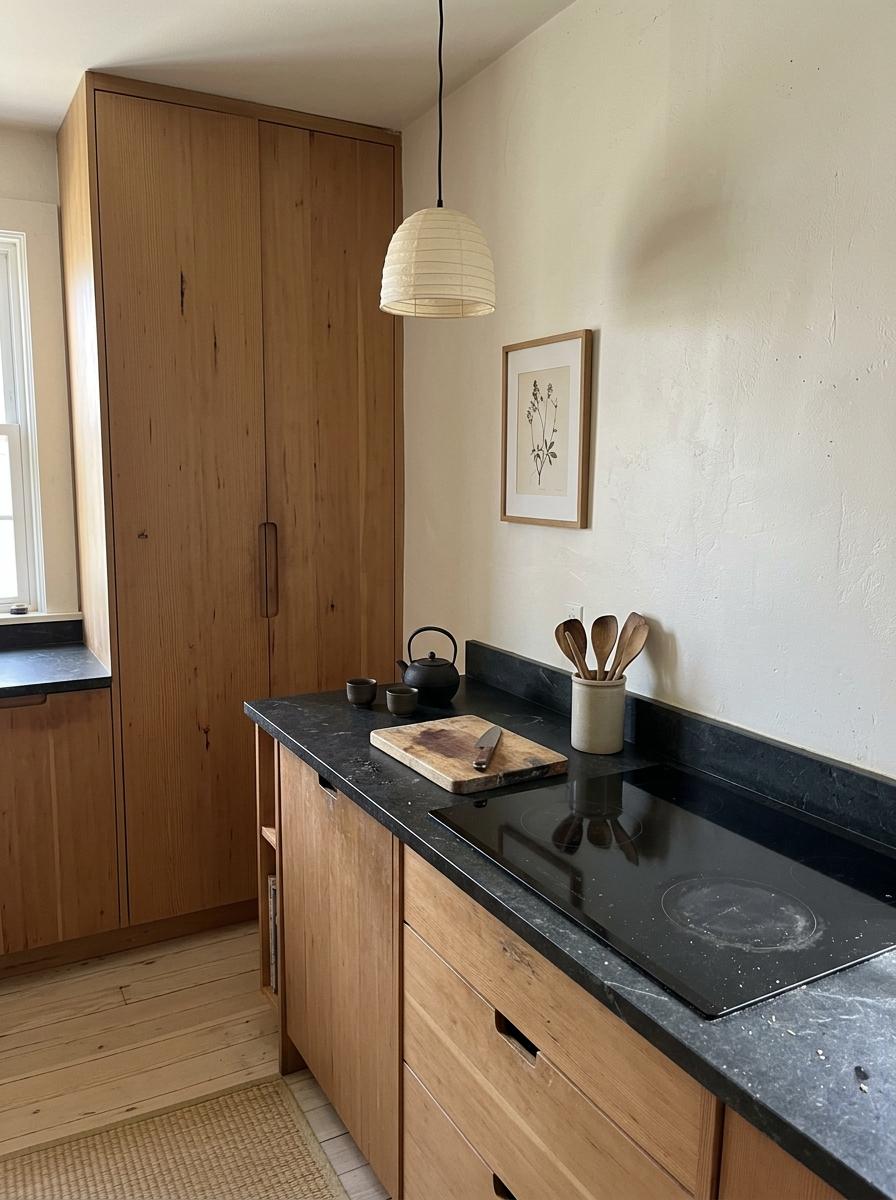

The traditional Japandi kitchen exists within the quietude of the "in-between," a space where the low-slung choreography of a Japanese washitsu meets the expansive, light-filled volume of a Nordic culinary hub. It is a masterpiece of crowded emptiness, where the visual silence of the room is achieved not through the absence of objects, but through the rigorous discipline of their placement. While the exterior facade remains a seamless, monolithic plane of floor-to-ceiling cabinetry, the internal anatomy is a complex grid of meticulous organization, drawing a sharp line between the public stillness of the room and the private industry of the chef. Tactile richness defines the landscape: the cool, matte grain of sandblasted Douglas fir meets the raw, open-pore texture of honed Basaltina stone countertops. This is not merely an aesthetic choice, but a triumph of functionalist engineering; integrated flush-mount induction cooktops and hidden recessed finger pulls eliminate visual noise, transforming the kitchen from a mere utility zone into a high-performance tool for mindful living.
Designing A Sustainable Japandi Kitchen With Natural Materials
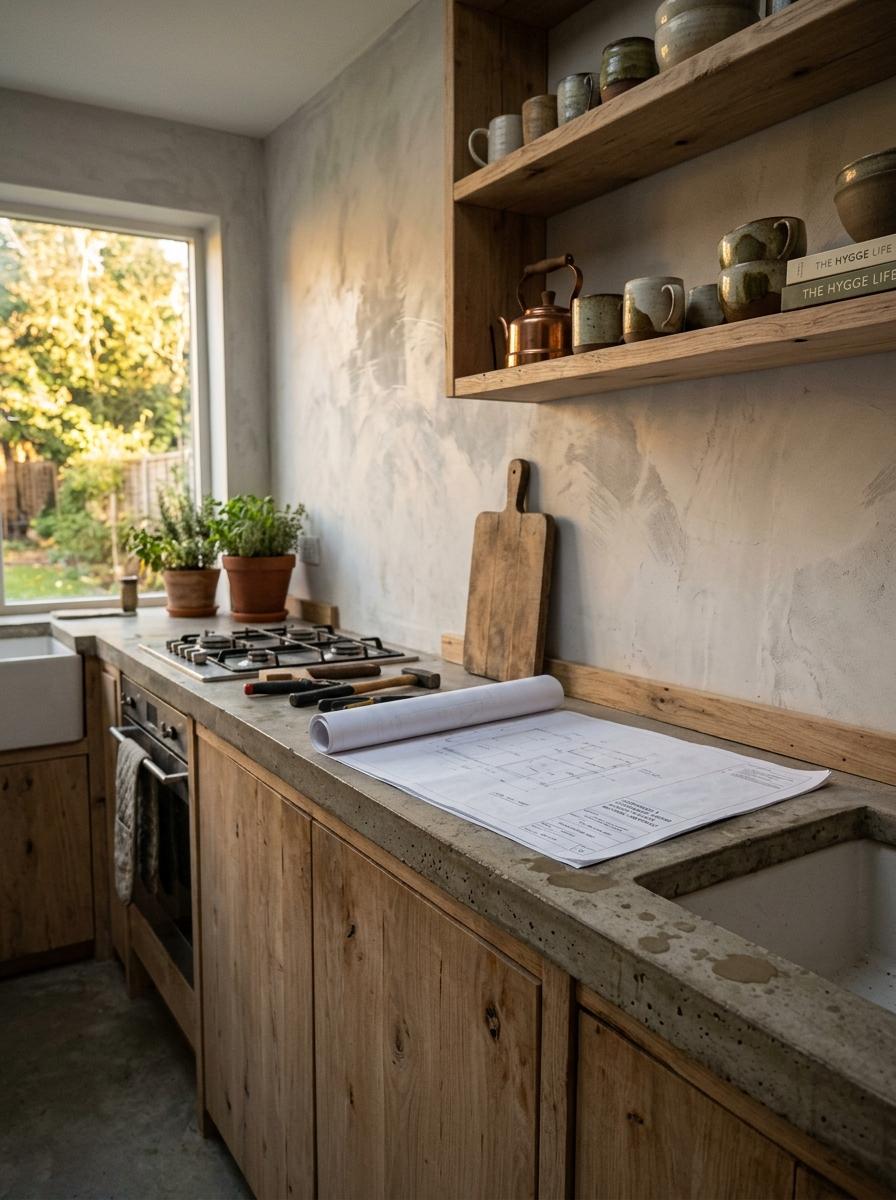

At its core, a sustainable Japandi kitchen is the architectural resolution of Scandi-industrial pragmatism synthesized with the transient aesthetics of wabi-sabi-a fusion where utilitarian longevity meets a curated, organic soul. This design methodology demands a commitment to tectonic honesty, utilizing a palette of carbon-sequestering timbers and lime-wash plasters to ground the space in environmental stewardship. The result is a study in dialectical tension: the silhouette remains strictly disciplined and geometric, yet the surfaces vibrate with an irregular, tactile warmth. By prioritizing materials with a low-impact lifecycle, we create an environment that is simultaneously austere yet enveloping, cerebral yet visceral, and clinical yet profoundly restorative.
Sophisticated Color Palettes For A Mature Japandi Kitchen
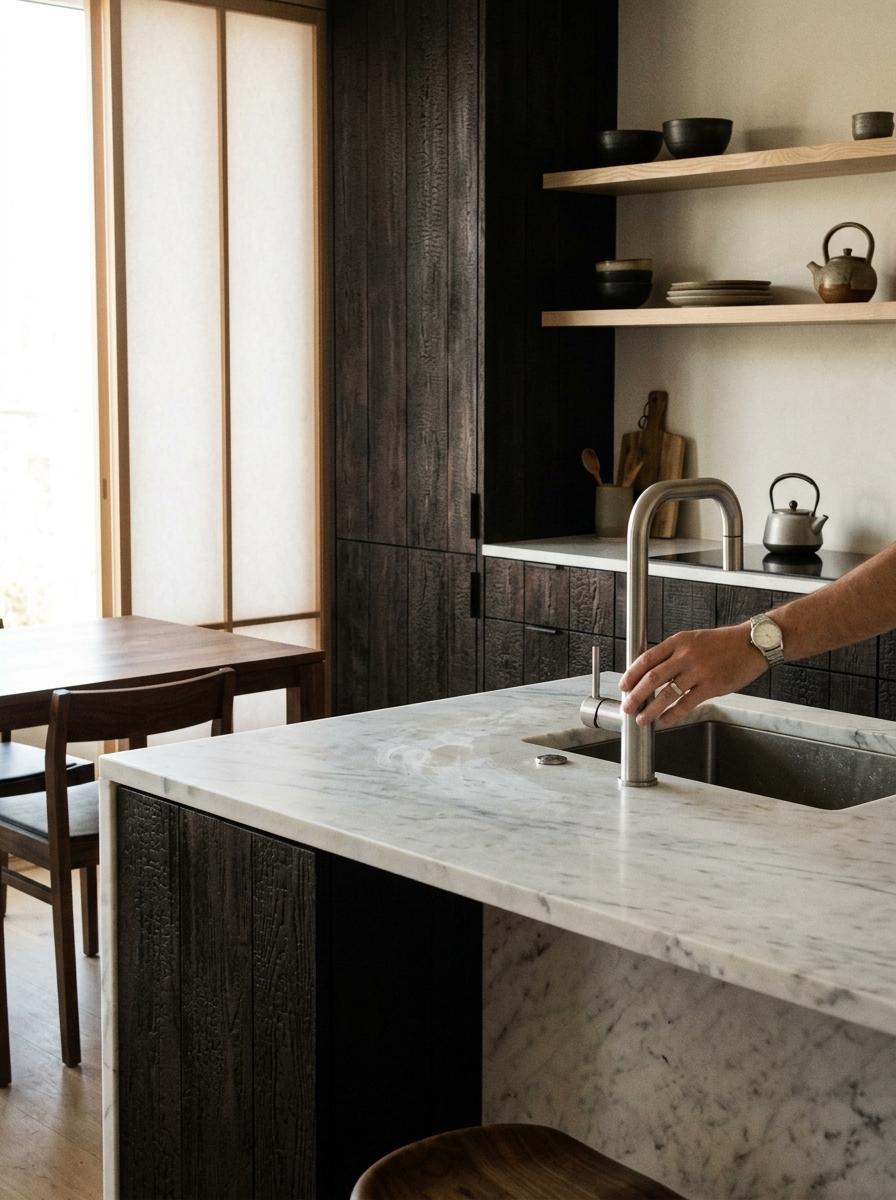

To achieve a kitchen that feels both established and intentional, we need to move beyond simple neutrals and embrace the saturated minimalism found in high-end Tokyo residences. Imagine the tactile friction of honed Volakas marble juxtaposed against the porous, open-grain texture of charred Yakisugi cedar cabinetry. Note how the interplay between these surfaces creates a visual dialogue where the cold, calcified stone is softened by the organic irregularities of the timber. This design choice creates a structured spontaneity, a paradox where rigid architectural lines are blurred by the unpredictable patterns of natural decay and growth. As your hand brushes across the cool, silk-matte finish of a Bulthaup faucet, the physical chill triggers a visceral sense of mental clarity-a physiological lowering of the heart rate that transforms the act of meal preparation into a meditative ritual. By grounding the palette in the earthy, ferrous tones of Kuro-tobi (black-brown) and the ethereal translucency of frosted washi glass, you anchor the space in a sophisticated permanence that transcends fleeting trends.
Inside A Practical Yet Stylish Japandi Kitchen Oasis
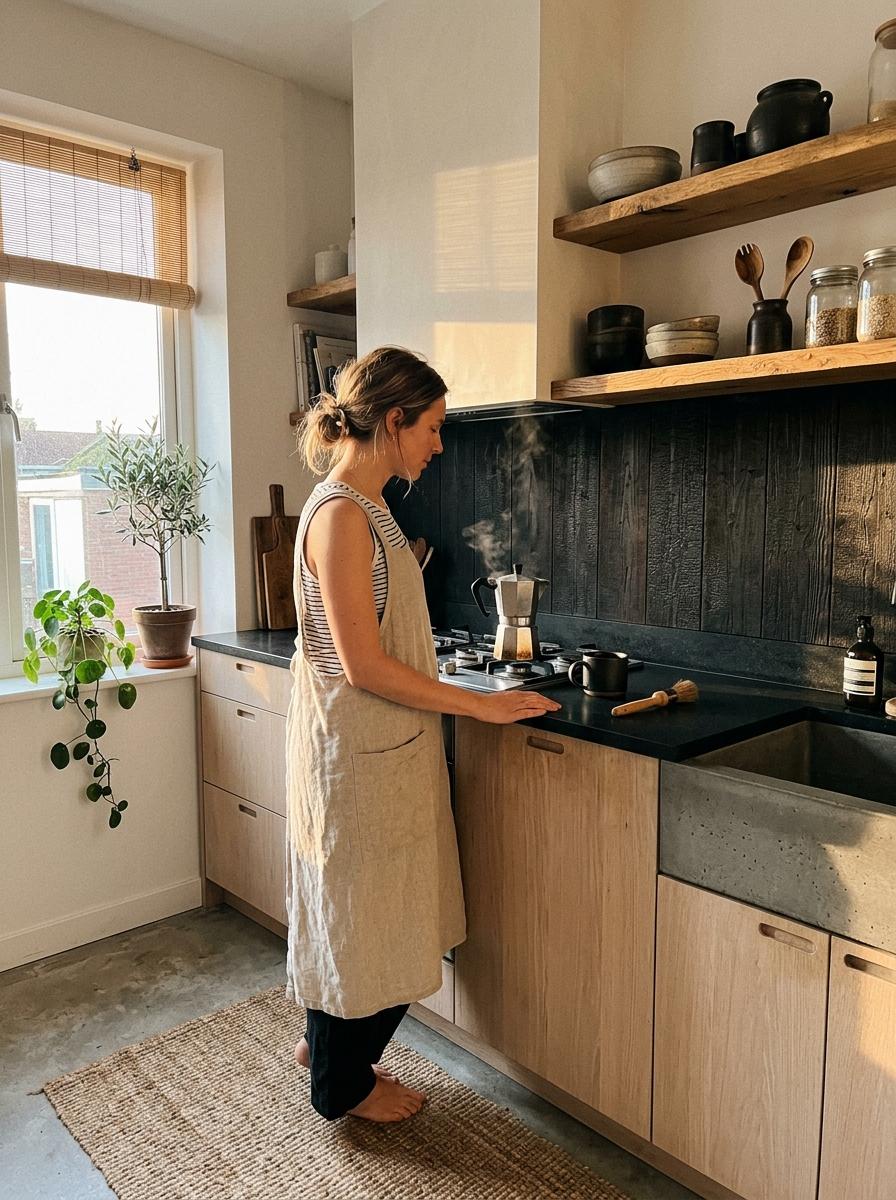

The morning I spent with Elena in her renovated kitchen didn't begin with the sterile, echoey chill one often finds in modern showrooms; instead, it began with the soft hiss of a stovetop espresso maker against a backdrop of honeyed oak. "People often mistake minimalism for a lack of life," she told me, pausing to run her hand over the tactile, honed finish of the basalt countertop, "but in reality, it's about creating room for the life you actually want to lead." As she moved through the space, she explained how the integration of shou sugi ban accents provided a necessary "visual weight"-a grounding element-to the otherwise ethereal, light-washed palette of the cabinetry. This delicate equilibrium between Japanese wabi-sabi and Scandinavian hygge transformed what could have been a purely utilitarian zone into a curated sanctuary. While the frantic world outside remained cluttered by noise and neon, this kitchen stood as a study in intentionality and restrained warmth. It is this specific intersection of purposeful utility and soulful aesthetics that defines the modern Japandi kitchen as a blueprint for domestic peace.
Organize Your Life With Clever Japandi Kitchen Storage
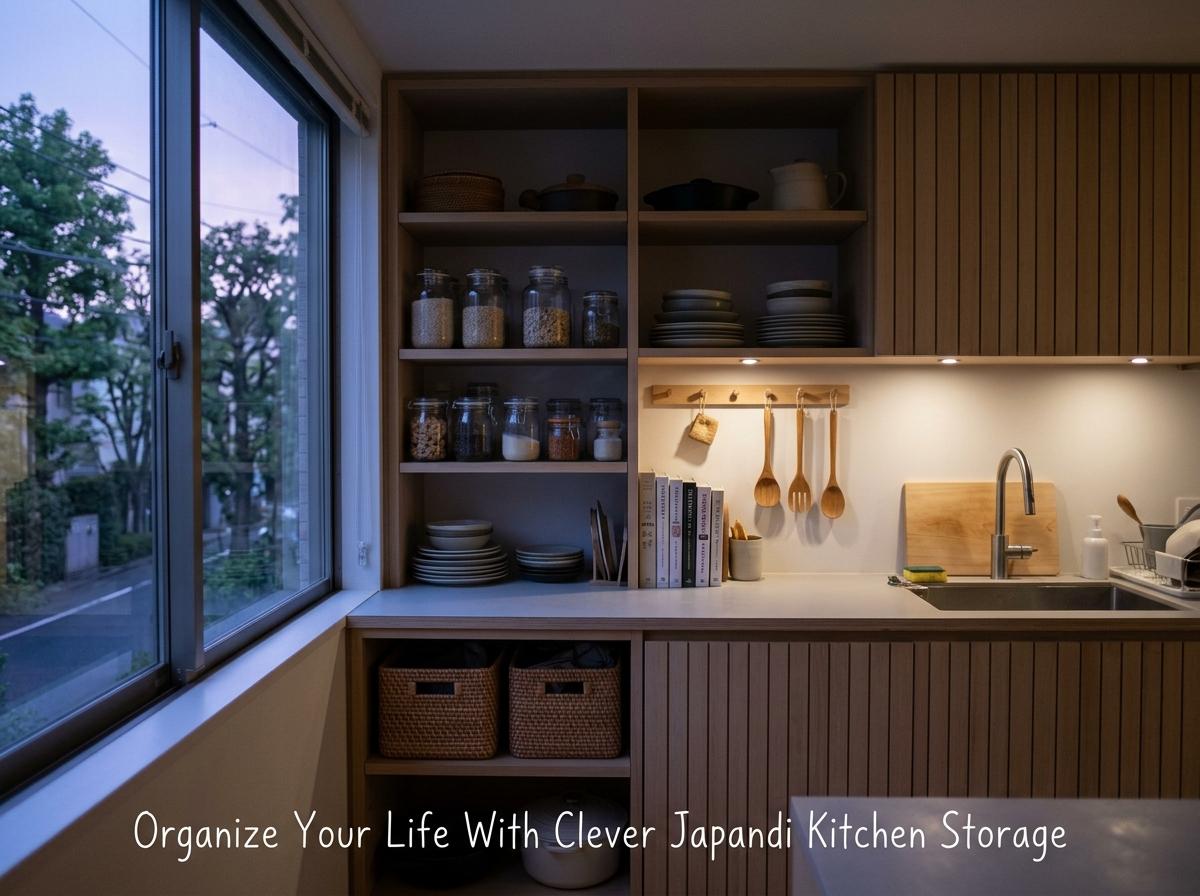

Historically, the kitchen was a hidden engine room of chaotic utility, tucked away from view; today, it has evolved into the transparent sanctuary of the modern home, where storage is no longer about concealment but curation. This shift has birthed a complex simplicity, where the rigorous demands of culinary function are softened by an almost meditative visual quiet. In a recent project nestled within the leafy, upscale streets of Minami-Aoyama, I observed this evolution firsthand. The homeowners, who are notably repeat clients of the studio I was studying, sought to refine their previous experiments with open-plan living. The resulting space achieves its harmony through a deliberate technical synthesis of vertical rhythmic cabinetry and recessed task lighting, effectively merging Japanese efficiency with Scandinavian warmth.
Elegant Stone Finishes For A Minimalist Japandi Kitchen
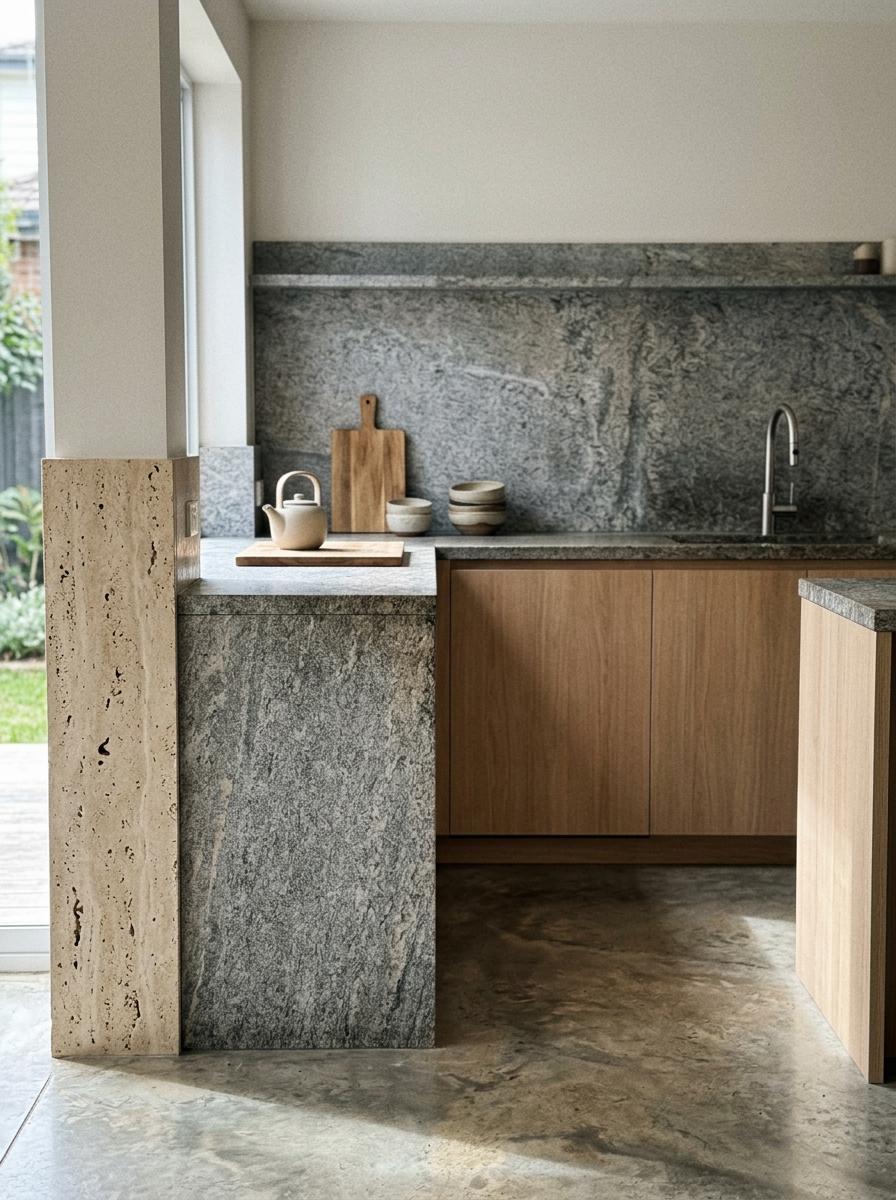

Standing in a chaotic, neon-lit industrial kitchen in Tokyo-where the air was thick with the scent of high-heat searing and the relentless clatter of stainless steel-I felt a sudden, visceral longing for the hushed stillness of a mountain retreat. It was during a conversation there with a local stone mason that the concept of "material soul" truly clicked for me. "The stone," he remarked, tracing the faint, rhythmic veining of a slab of honed basalt, "isn't just a surface." He paused to adjust his spectacles, the fluorescent light catching the matte finish of the rock. "It is the anchor of the room's wabi-sabi-the bridge between the hand of the maker and the earth itself." This juxtaposition between the frenetic energy of the city and the grounding weight of the stone revealed the true power of a curated palette; where the cold sterility of modern utility meets the tactile warmth of organic texture. By selecting finishes like flamed granite or porous travertine, we move beyond mere decoration into a realm of intentionality. This balance of raw tactility and refined geometry serves as the foundational heartbeat for creating an elegant, minimalist Japandi kitchen.
A Closer Look At The Modern Japandi Kitchen Trend
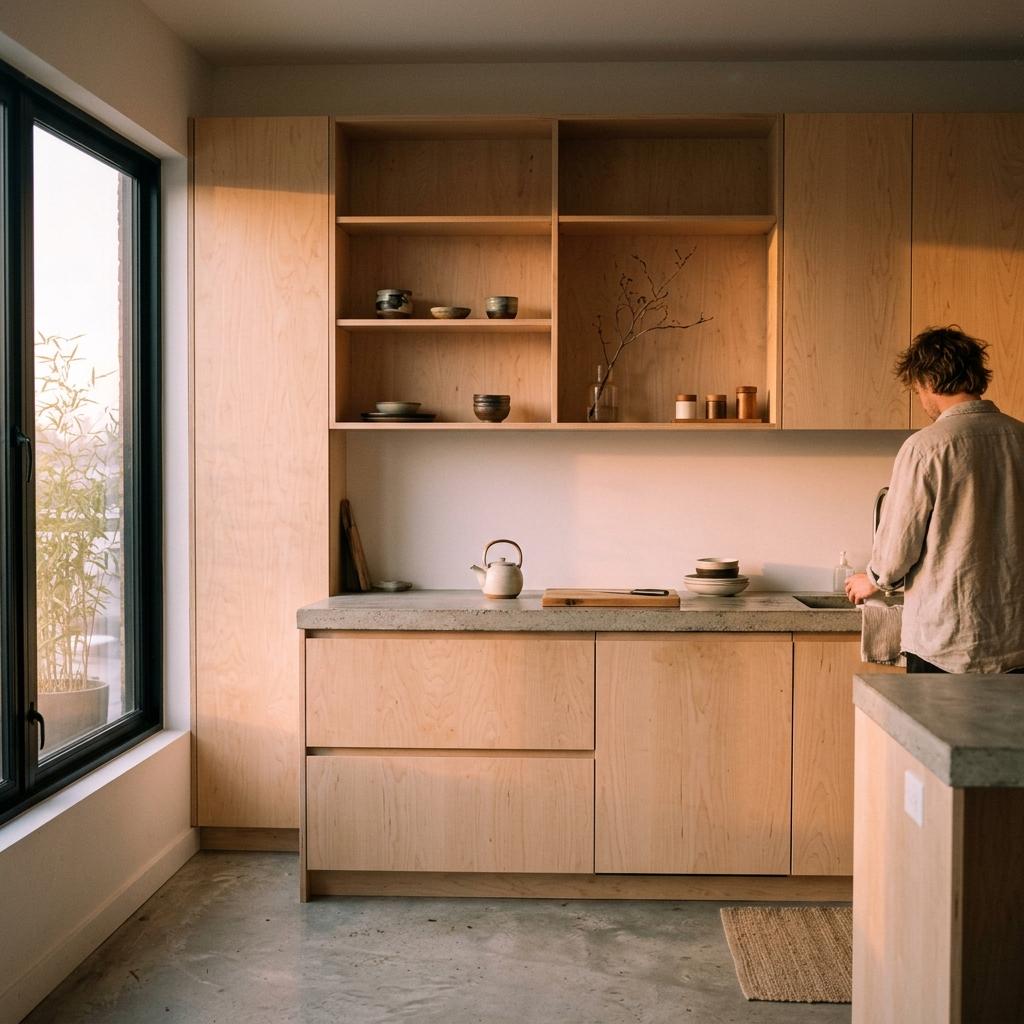

In this analysis of contemporary interiors, the Modern Japandi kitchen is defined by a rigorous reduction of form where every element is meticulously placed to prioritize function over flourish. Within these culinary sanctuaries, the atmosphere is sculpted through a silent, skeletal, and stark aesthetic that eliminates the visual noise of traditional cabinetry. Smooth stone surfaces stretch across the horizon of the room, while light carves into the open volume to expand the perceived boundaries of the layout. The design is anchored by a balanced blend of birch, where soft textures meet a structural discipline that invites a profound sense of stillness. This intentional approach transforms the workspace into a gallery of utility, where the eye is drawn to the rhythm of the grain, the precision of the joinery, and the warmth of the wood.
Seamless Integration Of Essentials In A Japandi Kitchen
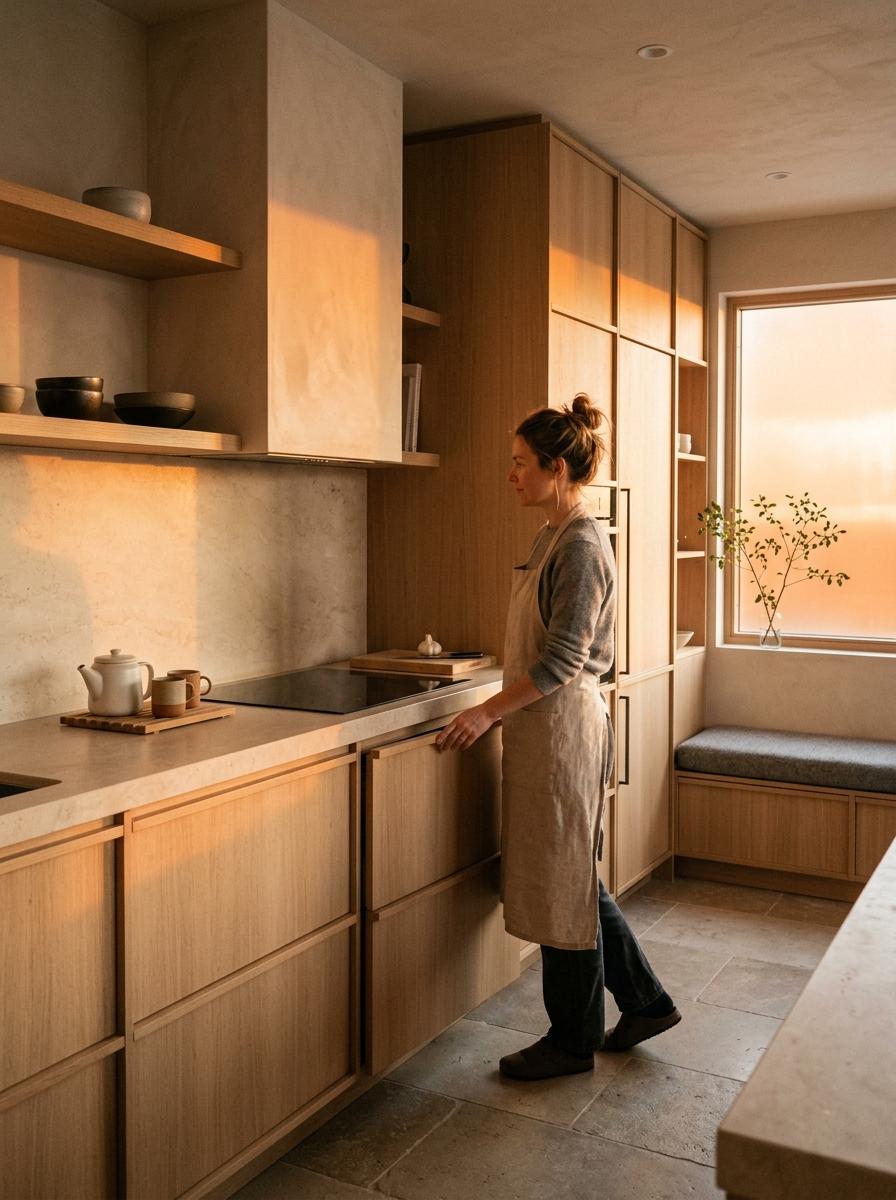

Last week, while interviewing a woodworker in his cramped, frantic studio-a space where sawdust hung thick in the air and jagged offcuts competed for every square inch of floor-I was struck by how the environment dictated his pulse; he moved with a frantic, staccato energy. Contrast this with the kitchen I visited later that afternoon, a sanctuary of muted oak and honed limestone where the "visual noise" had been surgically removed. "The secret to a Japandi kitchen," the homeowner remarked, pausing to glide a handle-less cabinetry panel open with a gentle nudge of her hip, "isn't just about hiding the mess... it's about honoring the void so the objects you do keep can actually breathe." By prioritizing this sense of shibui-that subtle, unobtrusive beauty-and utilizing integrated millwork to mask the industrial glare of modern appliances, the space achieved a rhythmic fluidity. This intentional marriage of Scandinavian utility and Japanese minimalism transforms the kitchen from a mere service zone into a cohesive architectural statement.
Cultivating A Quiet Atmosphere Through Japandi Kitchen Decor
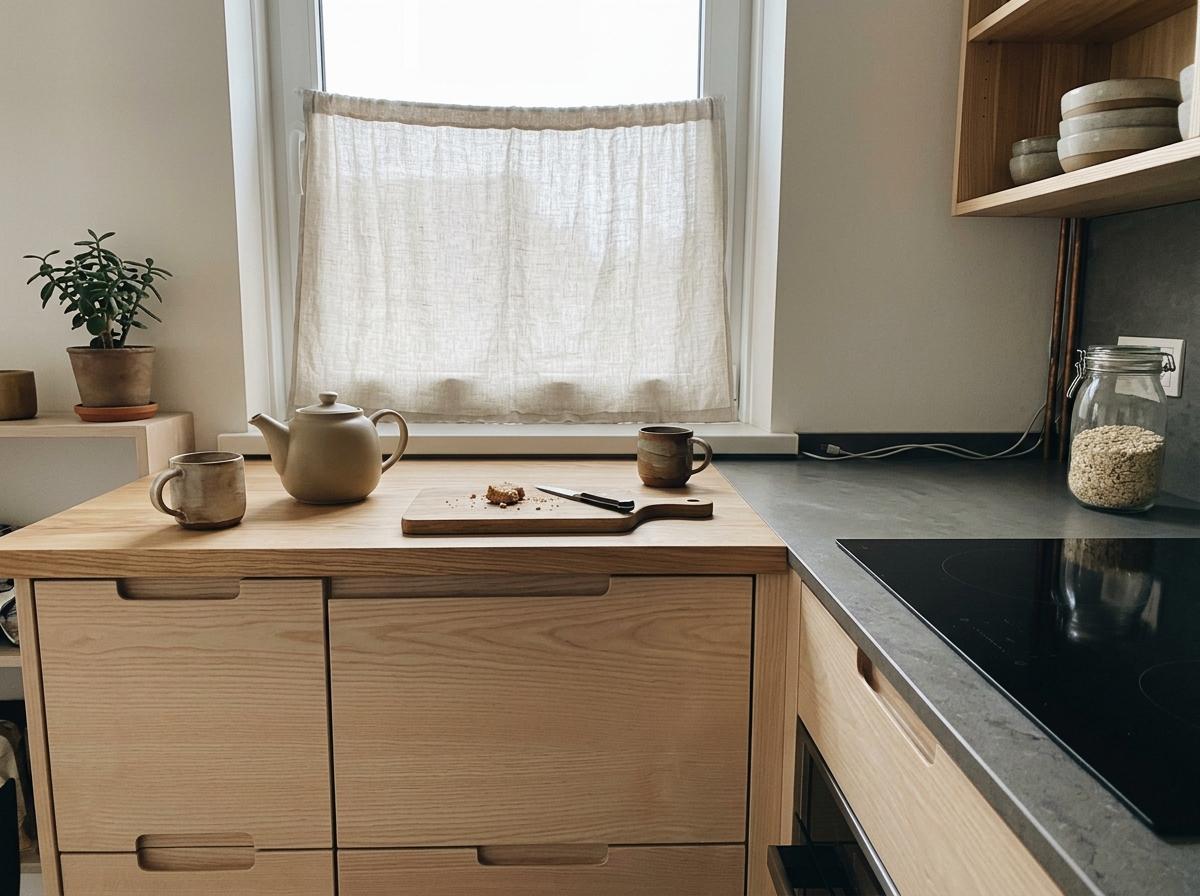

The Japandi kitchen functions as a sanctuary of stillness, a calibrated spatial niche where the frantic pulse of modern living is decelerated through intentional voids and muted palettes. It is here that we witness a calculated spontaneity, where the rigid discipline of Japanese minimalism harmonizes with the rustic, unstudied warmth of Scandinavian hygge to produce a landscape that feels both curated and lived-in. This design philosophy hinges on a sharp structural dualism: while the external facade maintains a sheath of monastic order, the internal logic of the kitchen is one of profound domestic vitality, hiding the mechanisms of labor behind an altar of calm. Tactile depth is achieved through material specificity, pairing the pale, fine-grained resilience of Ash wood cabinetry with the cool, honed surface of Basaltina stone countertops, creating a sensory dialogue between forest and earth. Ultimately, the quiet atmosphere is anchored by functionalist specification, where integrated handle-less cabinetry and recessed induction zones act as invisible solutions, stripping away visual noise to ensure that the utility of the space never disrupts its meditative flow.
How To Build A Versatile Space Using Japandi Kitchen Principles
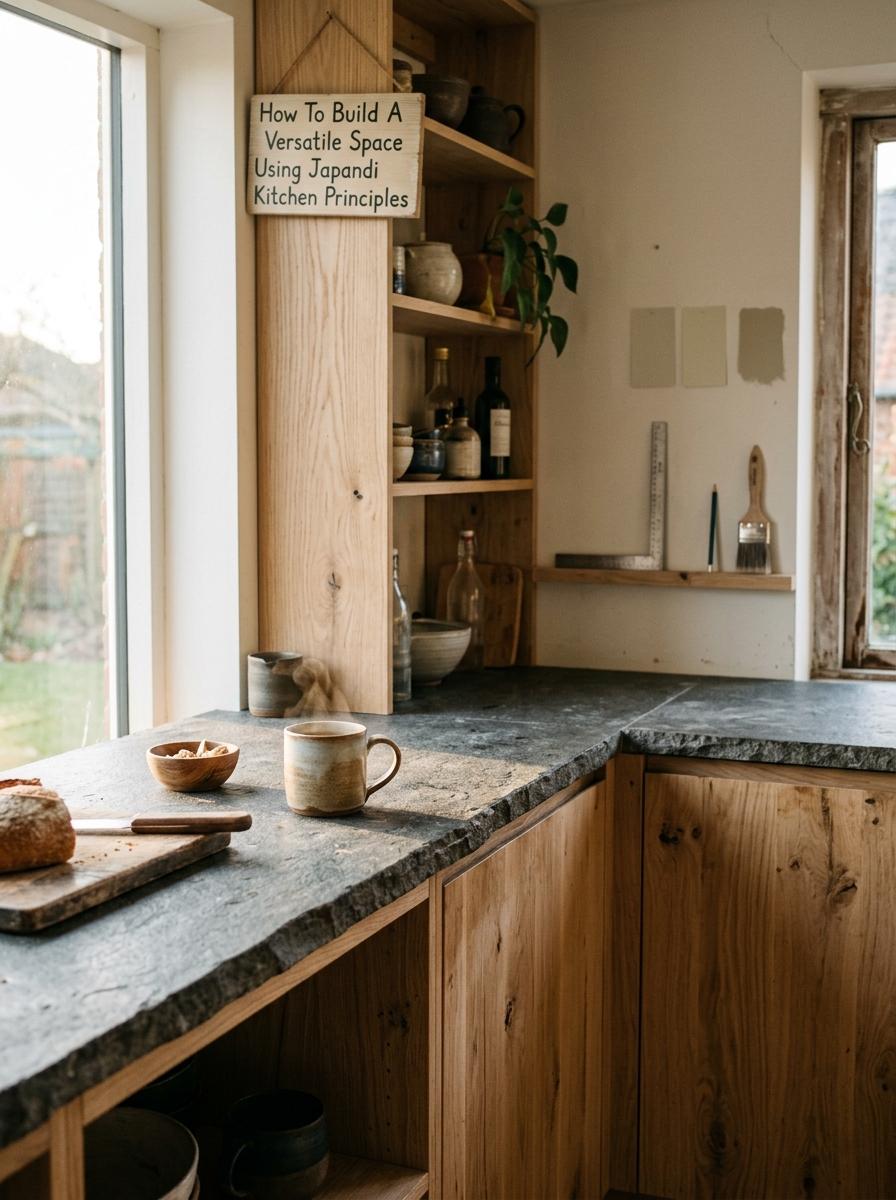

To master the art of the Japandi kitchen, we must embrace the rugged silkiness of honed basalt countertops paired with the fibrous warmth of untreated white oak cabinetry. Note how the deliberate alignment of vertical graining draws the eye upward, acting as a silent conductor for natural light as it dances across the matte, tactile surfaces. This design language thrives on a complex simplicity; it is a meticulously curated void that feels both empty and overflowing with intention. As you trace the seamless junction where cool stone meets organic timber-a technique perfected in the high-end showrooms of Aoyama, Tokyo and the minimalist studios of Copenhagen-a profound physiological shift occurs. The chaotic hum of external life dissolves, replaced by a lowered heart rate and a deep, rhythmic sense of respiratory ease. By grounding the culinary heart of the home in these specific material truths, you are not merely organizing a room, but engineering a sanctuary of visceral serenity.
Refining The Heart Of The Home With Japandi Kitchen Style
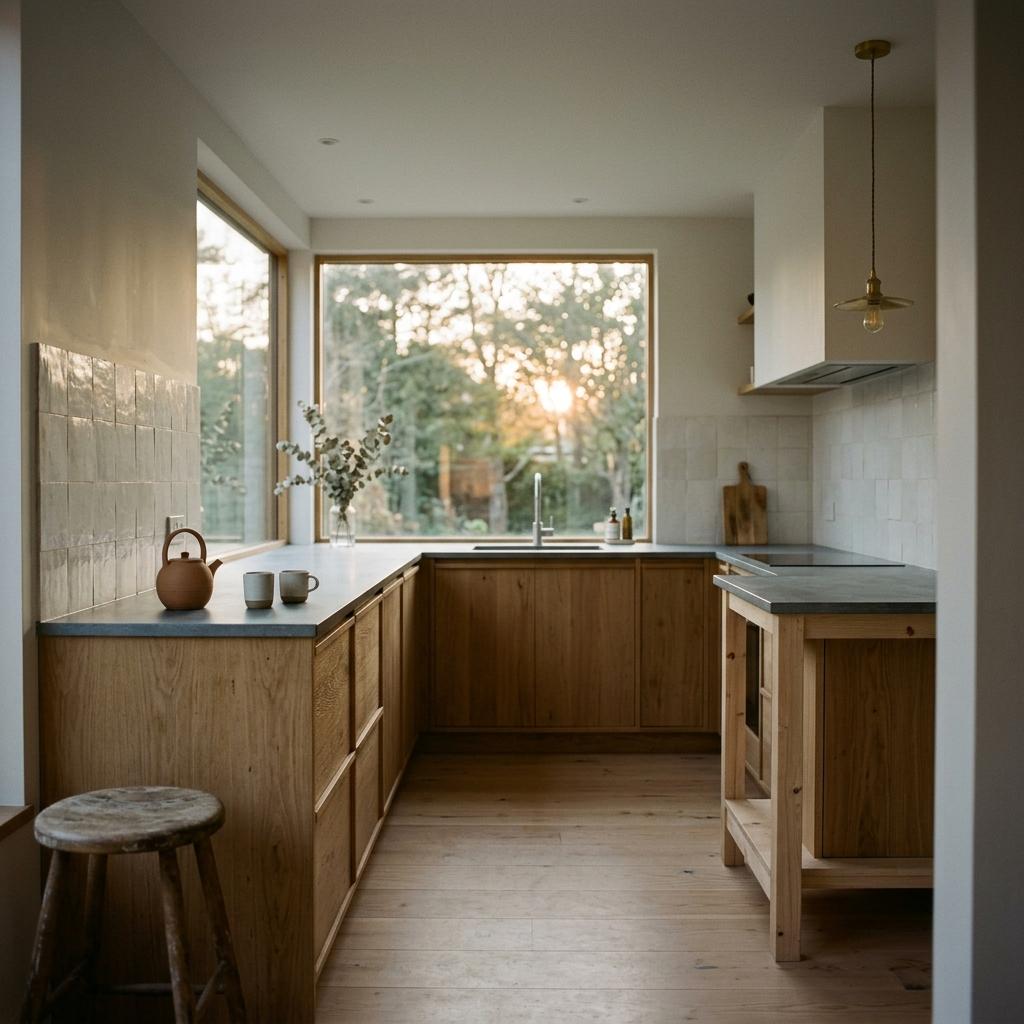

In the realization of the Japandi kitchen, the floor plan is conceived as a seamless dialogue between Scandinavian efficiency and Japanese restraint. Within this curated void, every surface remains unburdened, reflecting a lean, low-profile aesthetic that prioritizes the absence of visual noise. Soft shadows sweep across the sap-stained surfaces of the cabinetry, where the quiet quality of craftsmanship creates a sense of serene stillness. These deliberate architectural choices carve out light, expand the visual perimeter, and bridge the gap between utility and art. The final result manifests through the warmth of raw timber, the depth of honed stone, and the clarity of unobstructed space.
Comments