
At its core, Japandi is the sophisticated synthesis of Scandinavian hygge and Japanese wabi-sabi, a fusion where Northern European pragmatism meets the ancient Eastern reverence for the imperfect and ephemeral. In the context of kitchen lighting, this manifest as a rigorous exercise in luminative restraint, prioritizing the diffused glow of artisanal paper and raw timber over the clinical glare of traditional task lighting. The aesthetic is defined by a paradoxical dialectic: it is austere yet enveloping, meticulously structured but profoundly organic. By curating a landscape of visceral, atmospheric layers-utilizing tactile, matte finishes and sculptural, penumbral silhouettes-we transcend mere visibility to achieve a state of meditative, tranquil clarity.
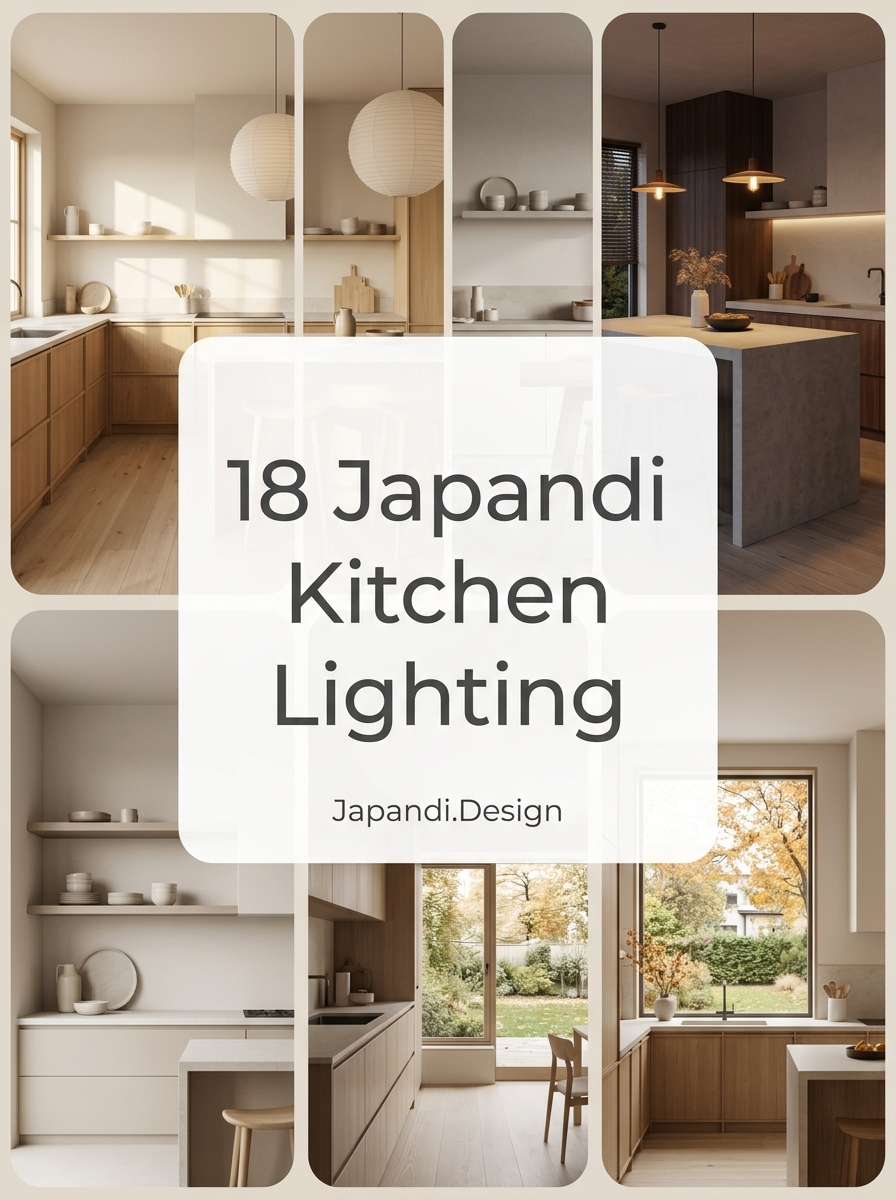
Japandi Kitchen Lighting

Glowing Harmony: A Guide To Modern Japandi Kitchen Lighting
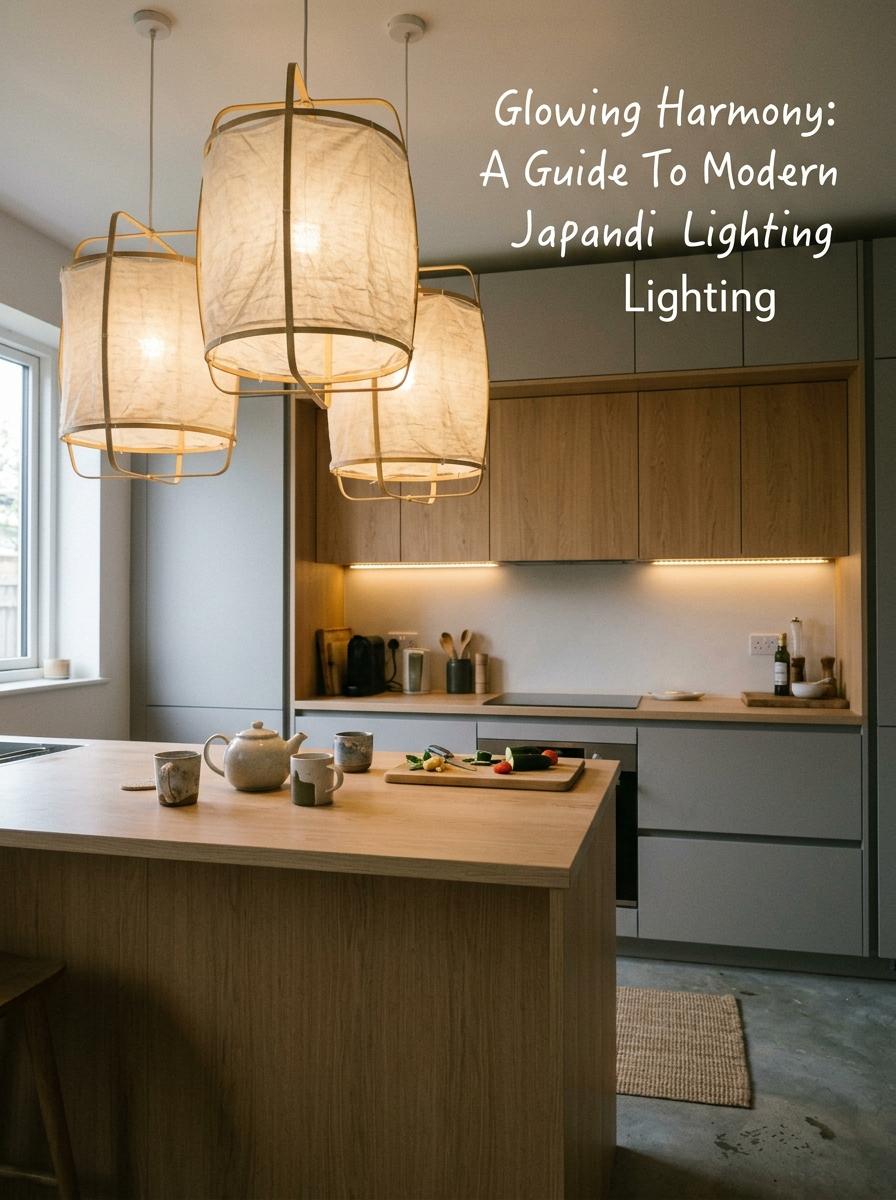

In the modern Japandi kitchen, the interplay of light acts as a silent architect, carving out a sanctuary where the rigorous precision of Nordic life meets the meditative stillness of a Japanese tea house. This aesthetic relies on a structured chaos, where the stark, calculated lines of minimalist cabinetry are softened by the unpredictable, organic warmth of a dimmable glow. While the exterior world demands high-contrast efficiency, the internal kitchen environment prioritizes a layered luminescence that retreats from harsh shadows into a deliberate, soft-focus intimacy. By integrating oversized pendants crafted from woven washi paper or brushed sand-cast aluminum, the space gains a tactile weight that grounds the airiness of the room. Ultimately, these fixtures serve as a chromatic calibration tool, merging recessed task lighting with ambient sculptural forms to resolve the industrial necessity of food preparation with the spiritual requirement of domestic rest.
Radiant Simplicity: How To Choose Japandi Kitchen Lighting Fixtures
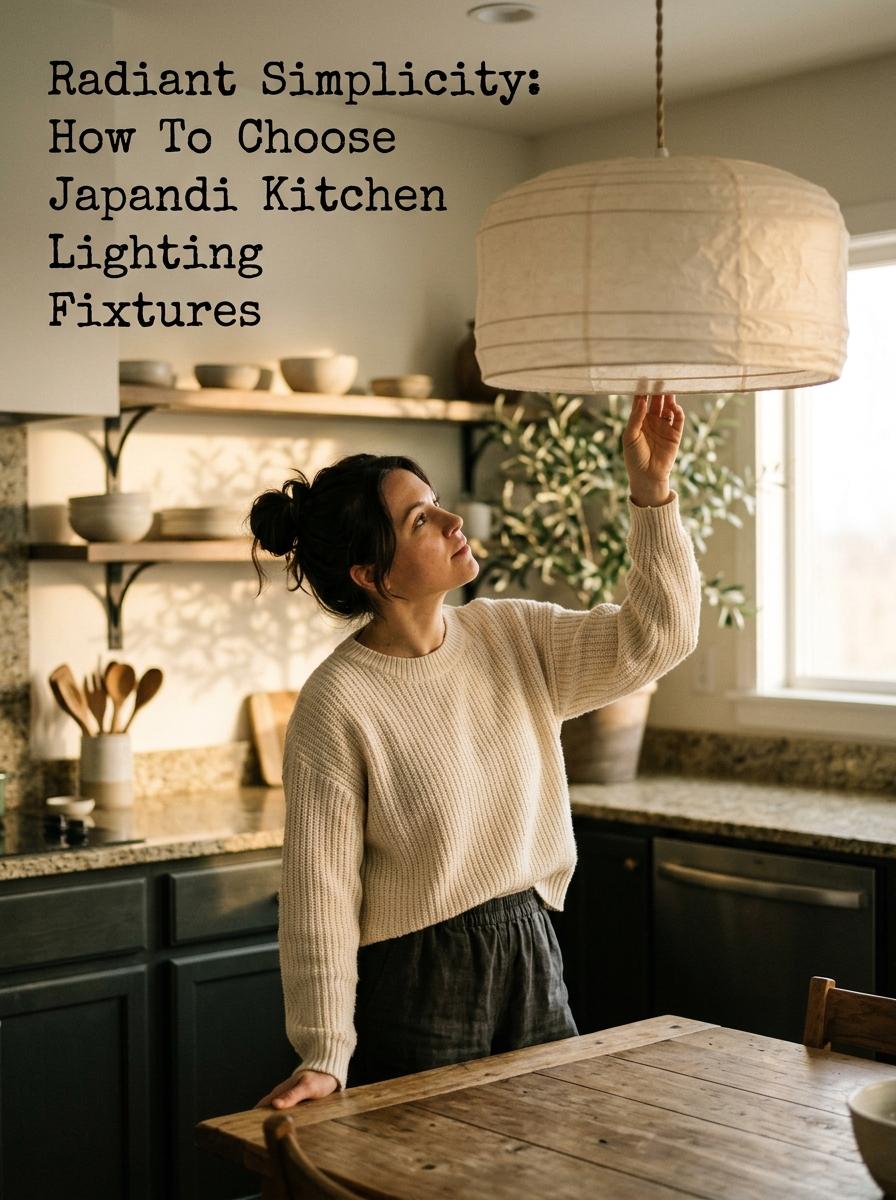

While touring a converted warehouse apartment in Kyoto last autumn, I watched as the afternoon sun hit a slab of raw, honed granite-the light was so aggressive it felt clinical, turning the kitchen into a cold laboratory of glare. "The secret," the lead designer whispered, pausing to adjust a dimmerswitch, "isn't in the brightness itself..." She gestured toward a low-slung, washi-paper pendant that cast a soft, amber glow across the wood grain, "...but in how we choose to curate the shadow." This intentional shift from the harsh, high-contrast exposure of industrial spaces to a more diffused, atmospheric warmth represents the core of the Japandi ethos. By prioritizing tactile materiality and a soft-focus luminosity, we move away from purely utilitarian overheads toward a more soulful, biophilic ambiance. This delicate balance between functional task lighting and the quiet serenity of komorebi-the dappled light through trees-is exactly what we must master when selecting the fixtures that define the heart of the home.
Brighten Your Space With Textured Japandi Kitchen Lighting Styles
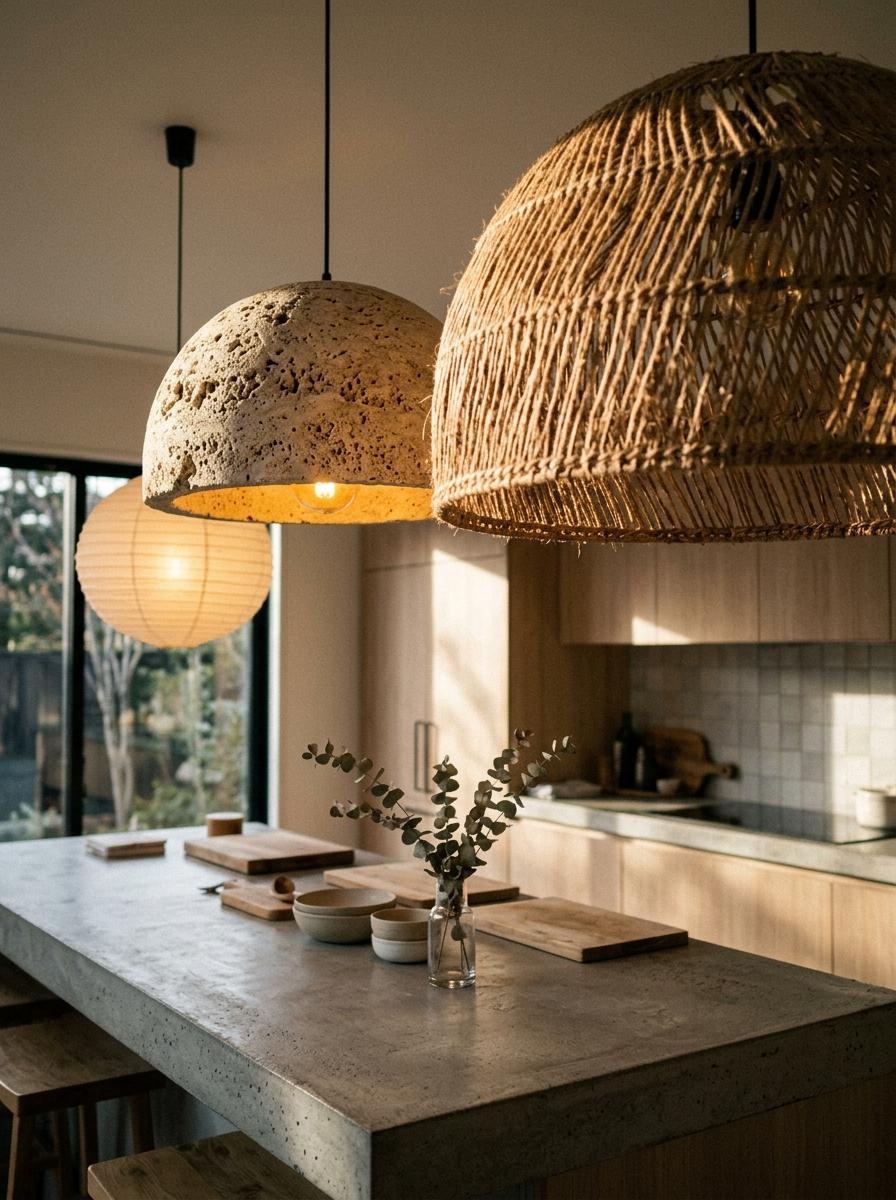

In the curated heart of the modern home, the Brighten Your Space With Textured Japandi Kitchen Lighting Styles movement is less about illumination and more about the orchestration of shadow. When selecting fixtures, look for the fibrous, open-weave warmth of hand-spun rattan or the porous, calcified grit of unglazed travertine pendants. Note how the light interacts with these surfaces; it doesn't merely bounce, but rather gets caught in the structural topography of the material, creating a localized glow that defines the culinary zone. This design ethos thrives on a complex simplicity, where the raw, rugged exterior of a lamp contradicts its precise, minimalist silhouette. As the bulb warms, the transition from the tactile "paper-thin" fragility of a Washi paper shade to the amber hum of diffused light triggers an immediate lowering of the heart rate-a physiological shift from the day's frantic pace to a state of domestic equilibrium. This is the hallmark of the Kyoto-Scandi aesthetic found in high-end Tokyo residences, where the lighting serves as a silent invitation to breathe, transforming a utilitarian kitchen island into a sanctuary of tactile serenity.
Walk Through A Refreshed Home With Japandi Kitchen Lighting
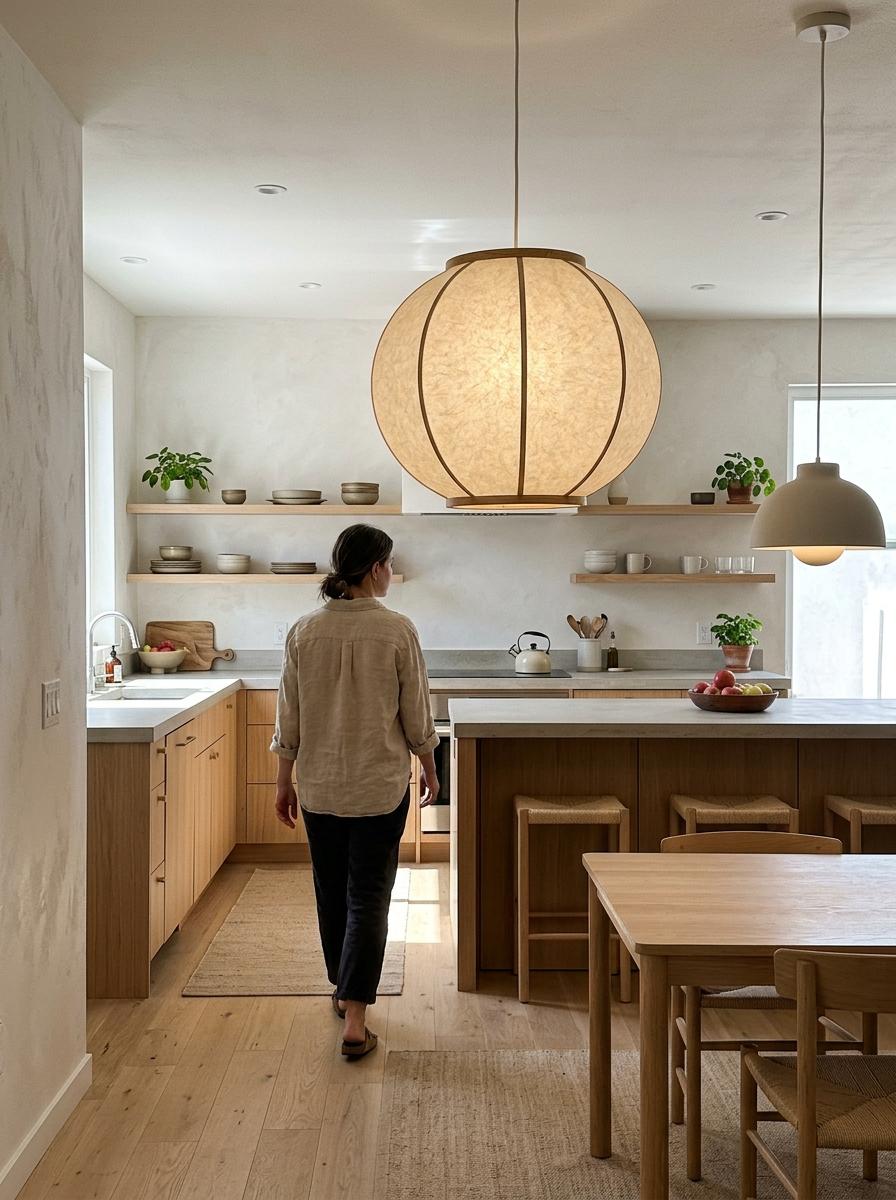

To step into a kitchen defined by Japandi principles is to enter a space where light does not merely illuminate, but anchors the room's emotional geography. The lighting serves as the silent axis of the home, transforming the culinary workspace into a sanctuary of intentionality. This design achieves a calculated spontaneity, where the rigorous geometry of Japanese minimalism meets the organic warmth of Scandinavian comfort. It is a deliberate blur, reconciling the sterile requirements of food preparation with the soft, poetic haze of a living space. While the external world demands high-velocity efficiency, the internal atmosphere of the kitchen is governed by a rhythmic slowness, dictated by the height and hue of the light sources. The tactile presence of the fixtures is paramount; imagine a pendant crafted from translucent Washi paper paired with a linear oak canopy, or the cool, honed surface of brushed brass hardware contrasting against a matte ceramic shade. These are not merely decorative choices but a form of ergonomic luminosity. By integrating recessed task lighting with low-slung, dimmable ambient pendants, the design provides a technical solution to the modern open-plan dilemma-ensuring the kitchen remains a high-functioning laboratory by day and a shadowy, intimate retreat by night.
Natural Elements: Integrating Wood Within Japandi Kitchen Lighting
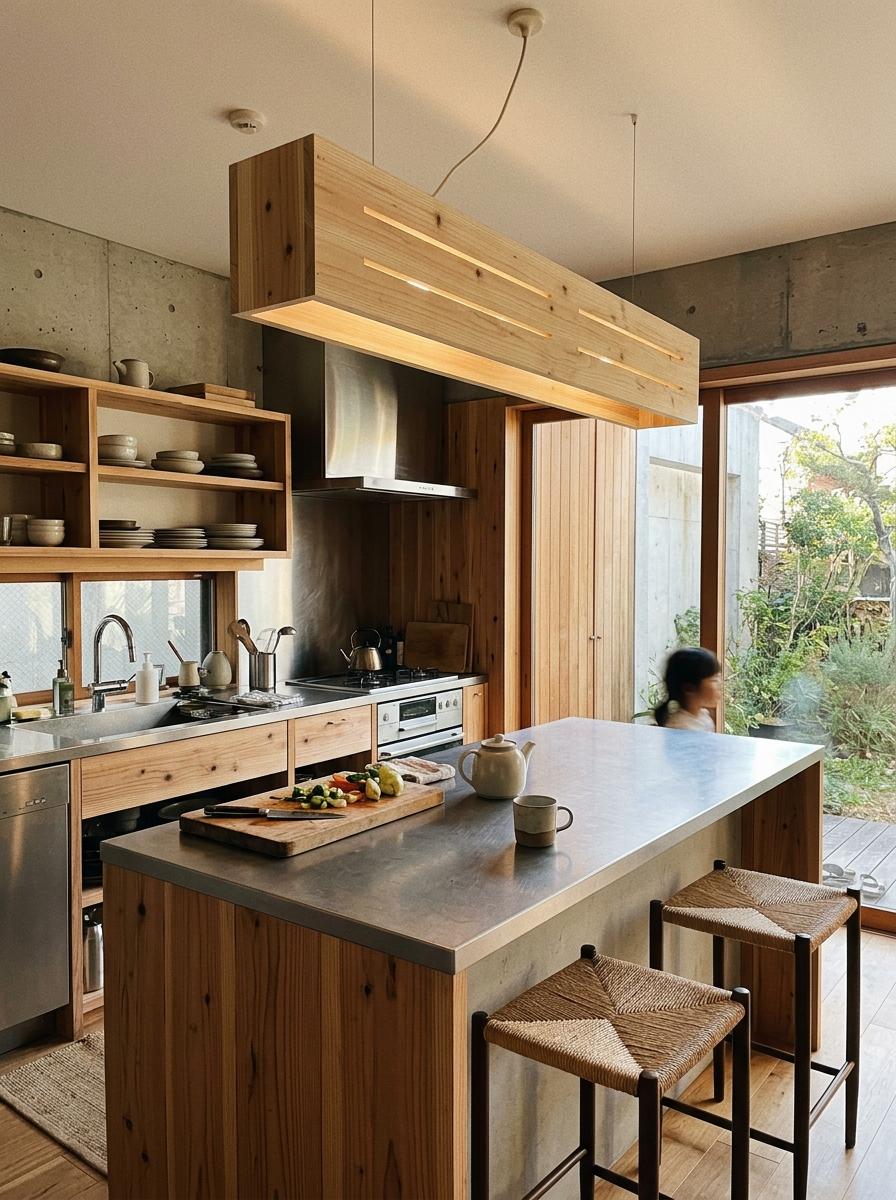

Natural Elements: Integrating Wood Within Japandi Kitchen Lighting The evolution of the culinary hearth has shifted dramatically from the soot-stained, utilitarian sculleries of the Edo period to the hyper-functional, tech-integrated hubs of modern-day Tokyo. This temporal narrative is beautifully captured in our latest study of a residence in the prestigious Shoto neighborhood of Shibuya, where the concept of "organic industrialism" takes center stage. By pairing the raw, tactile warmth of reclaimed cedar with the precision of cold-rolled steel, the design achieves a compelling tension between the ancient and the avant-garde. This project marks the third collaboration for the owners-notable repeat clients whose continued trust serves as a testament to the enduring viability of this aesthetic fusion. Ultimately, the successful integration of wood within the kitchen's lighting scheme was achieved through a rigorous technical synthesis of linear geometry and diffused luminescence, ensuring the organic grain acts as both a structural anchor and a soft atmospheric filter.
Sophisticated Glow: Achieve The Look With Japandi Kitchen Lighting
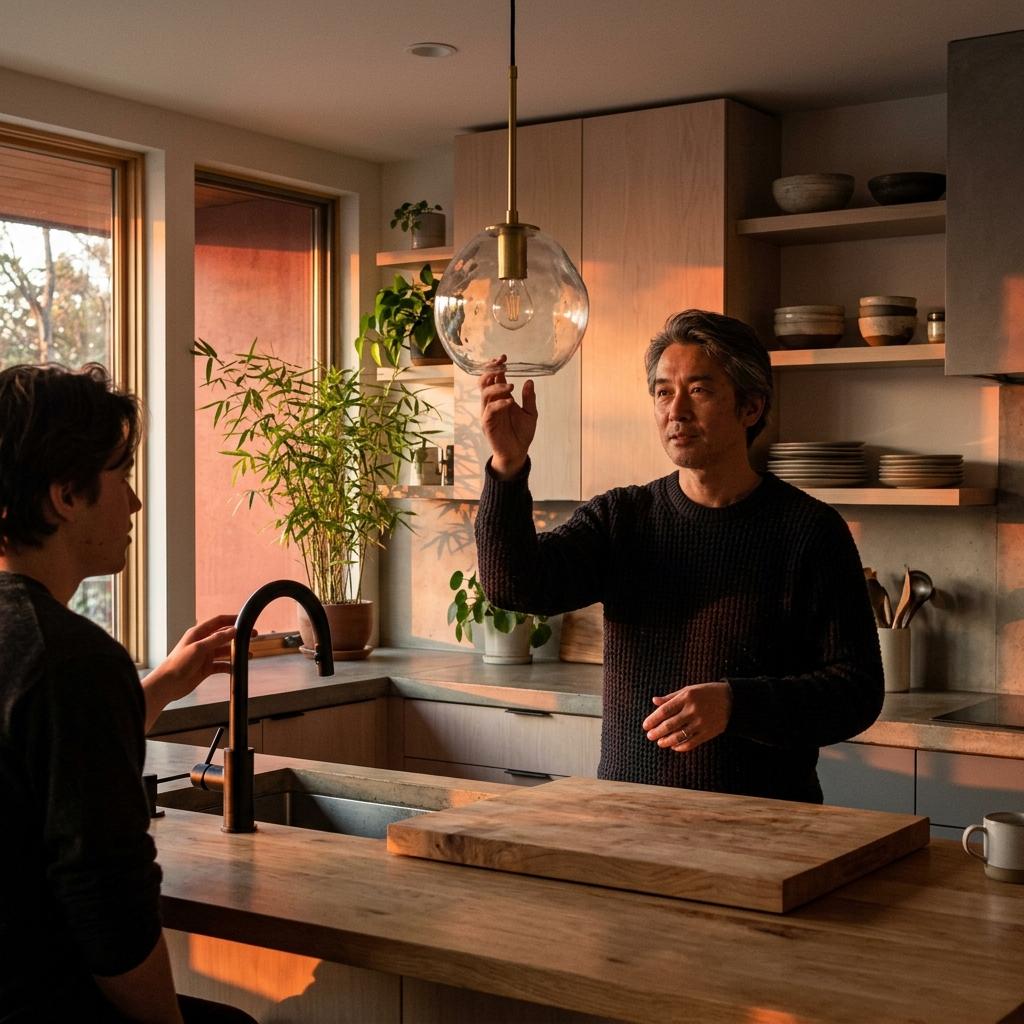

I remember sitting across from a celebrated Tokyo-based designer in a kitchen that felt less like a culinary workspace and more like a curated gallery of shadows and light. "The mistake people make," he said, pausing to adjust the dimmable, hand-blown glass pendant hanging between us, "is treating illumination as a utility..." He reached out, tracing the edge of a matte black faucet that seemed to drink in the ambient glow. "...instead of treating it as the room's emotional pulse." In that moment, the contrast was jarring: I thought back to the harsh, clinical glare of the fluorescent-lit kitchens of my youth-spaces that felt sterilized and frantic-and compared them to this sanctuary of diffused warmth and tactile organicism. By prioritizing a layered lighting scheme that balances Scandinavian functionality with the Japanese concept of komorebi, or dappled light, we move beyond mere visibility. This delicate equilibrium between the stark and the soft is the secret to transforming a utilitarian kitchen into a masterclass in Japandi sophistication.
Practical Beauty: Functional Solutions For Japandi Kitchen Lighting
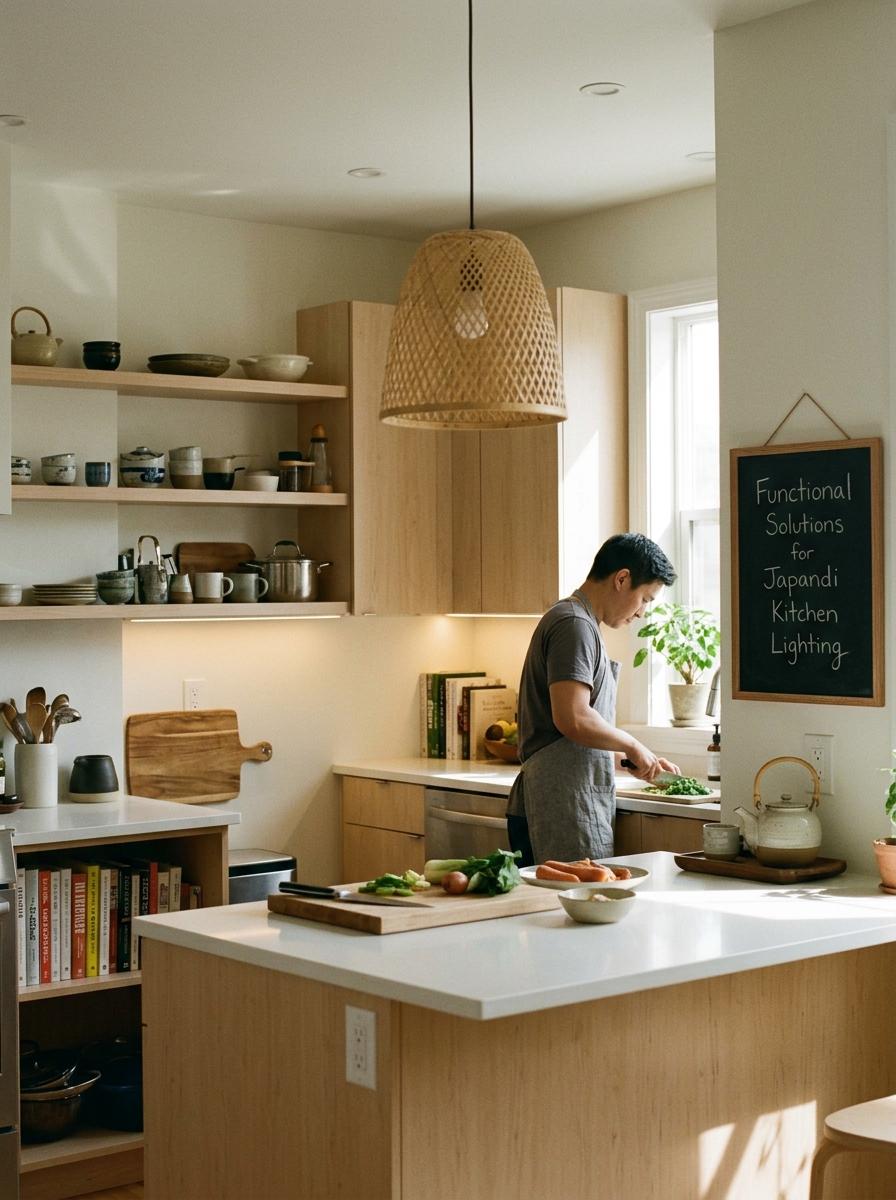

The Japandi kitchen exists at the intersection of a culinary workshop and a meditative sanctuary, where the rush of meal preparation is anchored by a profound architectural stillness. It is here that we witness a utilitarian elegance, a conceptual synthesis where the clinical precision of high-traffic task lighting must coexist with the soft, emotive glow of a domestic retreat. This duality is strictly maintained through a structural divide: while the external environment of the kitchen remains open and airy to invite social flow, the internal illumination is meticulously compartmentalized to serve distinct zones of labor and rest. Above the workspace, the tactile presence of sandblasted opal glass and matte-black extruded aluminum replaces generic fixtures, offering a sensory depth that grounds the room's neutral palette. These elements are not merely decorative, but act as a zonal luminescent integration, where recessed linear LEDs provide shadowless visibility for knife work while dimmable, hand-woven bamboo pendants transition the space into a warm, atmospheric hub for gathering.
Glimpse A Fashionable Home Featuring Japandi Kitchen Lighting
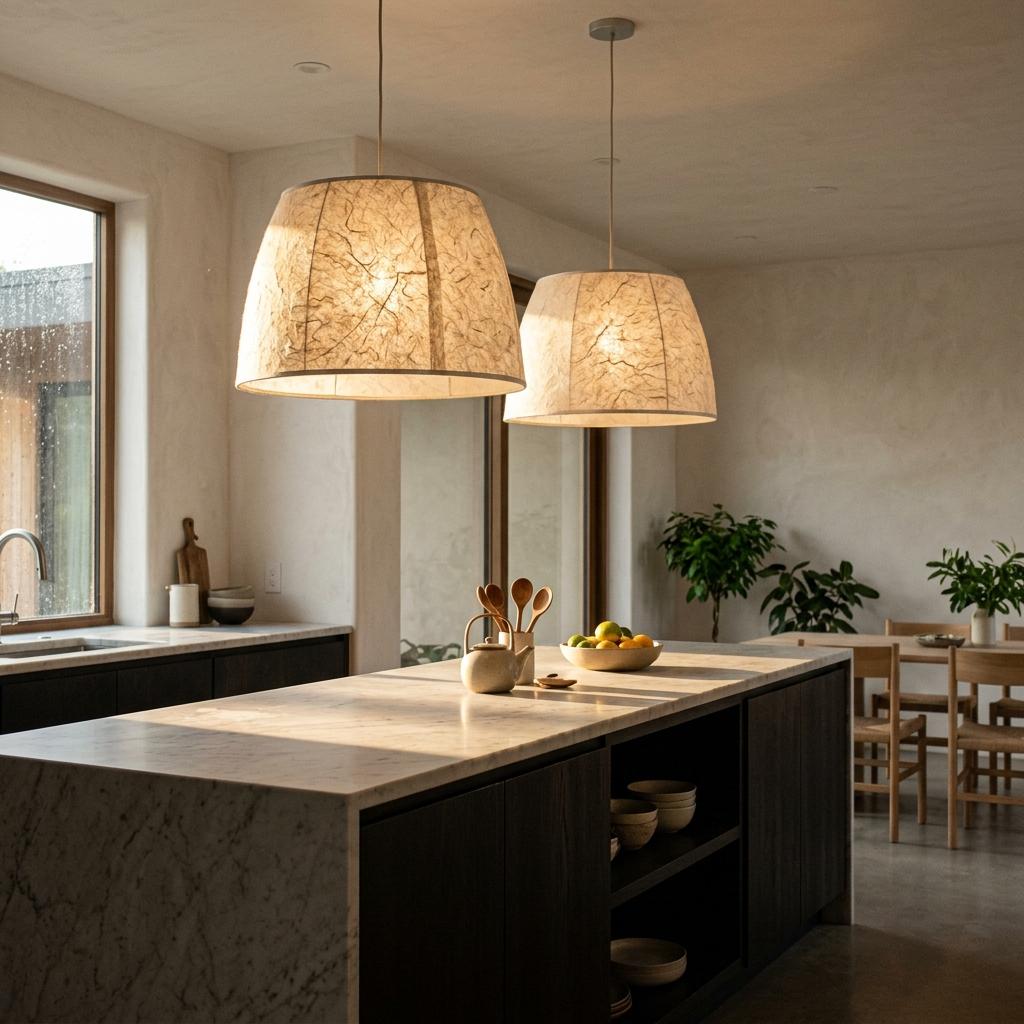

Inside this curated residence, the kitchen serves as a masterclass in the Japandi aesthetic, where the lighting operates as both a functional tool and a sculptural centerpiece. Note how the overhead pendants, fashioned from fibrous, open-weave washi paper and matte-brushed anodic aluminum, cast a glow that manages to be both artfully clinical and warmly organic-a paradox that defines the modern minimalist home. As you move through the space, the transition from the cool, honed Carrara marble of the island to the velvety, carbonized oak cabinetry triggers a visceral shift; the harsh tension in your shoulders dissipates, replaced by a rhythmic, grounding pulse as the soft-diffusion light hits your retina. This is not merely a domestic utility area, but a studied environment reminiscent of the atmospheric interiors found in Kyoto's Aman resorts, where every lumen is calibrated to transform a simple culinary task into a moment of meditative stillness.
Soft Illumination: Why Paper Is Essential In Japandi Kitchen Lighting
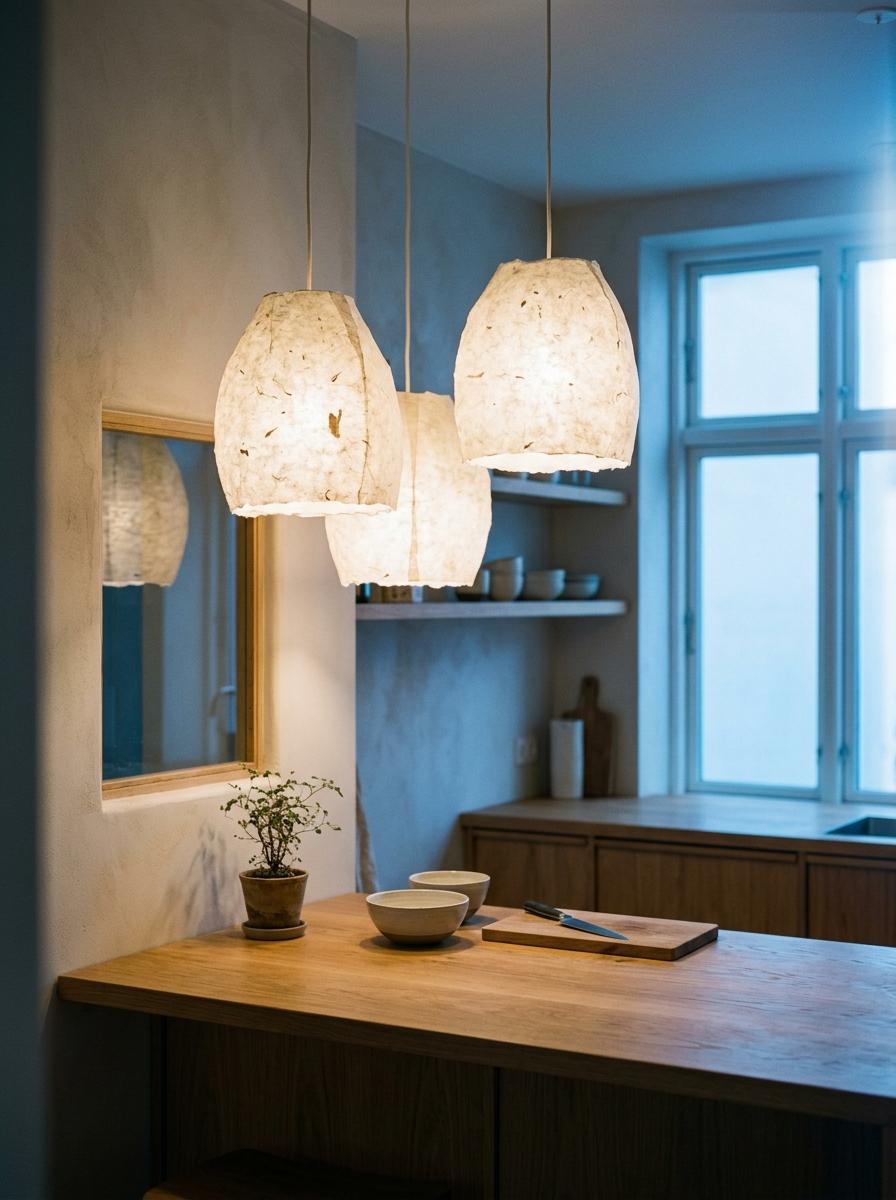

The deliberate integration of washi paper into the culinary environment is achieved through a meticulous marriage of texture and translucence. Within these quiet kitchens, the harsh glare of modern utility is softened by fibrous membranes, filtering light into a pale, porous glow that honors the void. This rhythmic radiance reaches across the room, casting a serene shadow that stabilizes the space. As the warm light washes over the counters, it carves out a cavernous calm, stretches the visual boundaries of the kitchen, and dissolves the frantic friction of daily life.
Modern Profiles: Sleek Metal Finishes For Japandi Kitchen Lighting
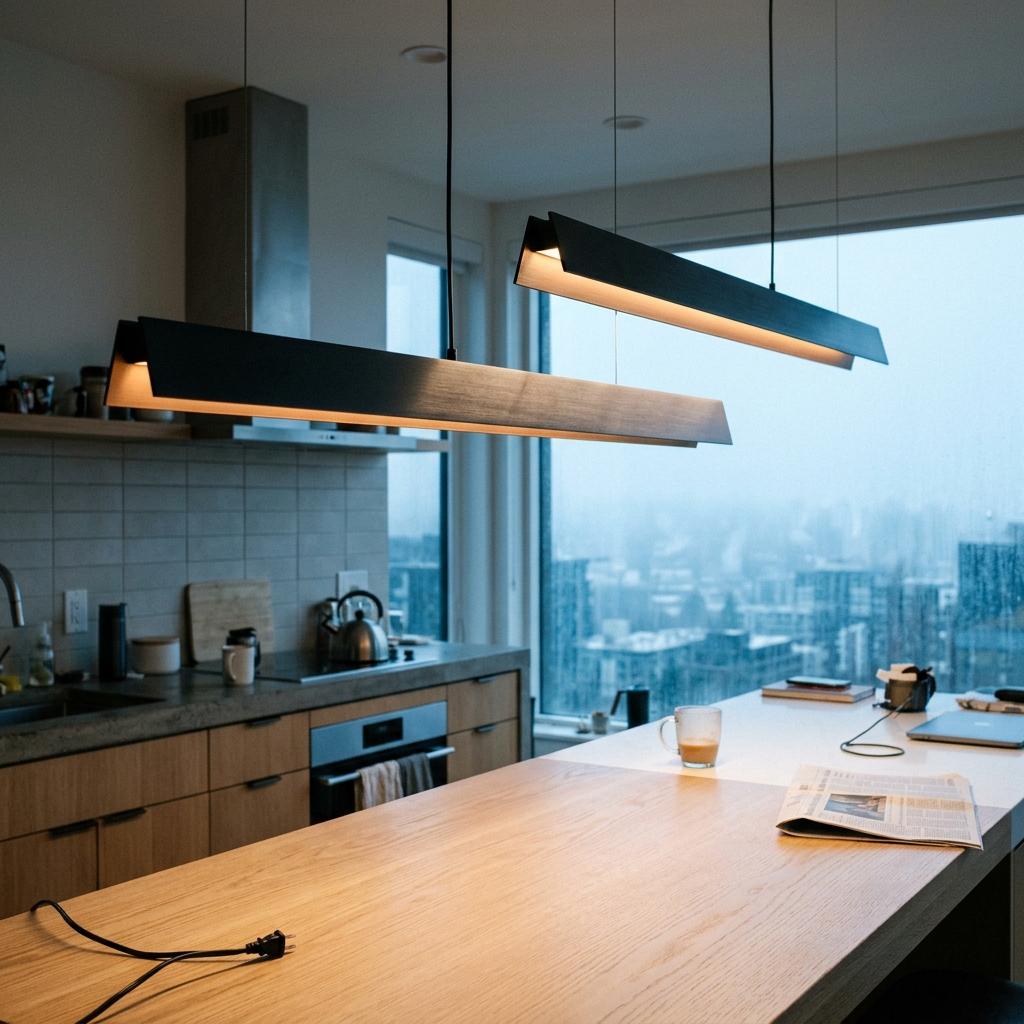

In the contemporary Japandi kitchen, the fusion of Scandinavian utility and Japanese minimalism finds its most potent expression in the deliberate selection of metallic accents. Consider the application of anodized, micro-brushed aluminum or the velvety, oil-rubbed bronze found in high-end fixtures from Copenhagen-based Vipp or the artisanal studios of Kyoto. Note how the surgical precision of these cold-pressed profiles manages to anchor the airiness of a light-drenched culinary space, providing a necessary architectural weight to otherwise ethereal surroundings. This aesthetic achieves a structured softness, where the unyielding rigidity of industrial grade metal dissolves into a warm, diffused glow. As you interact with these surfaces, the transition from the sharp, tactile coolness of the metal to the enveloping amber warmth of the luminescence triggers a profound sensory recalibration-moving the occupant from the frantic pace of the day into a state of rhythmic, domestic tranquility.
How A Small Home Embraces Modern Japandi Kitchen Lighting
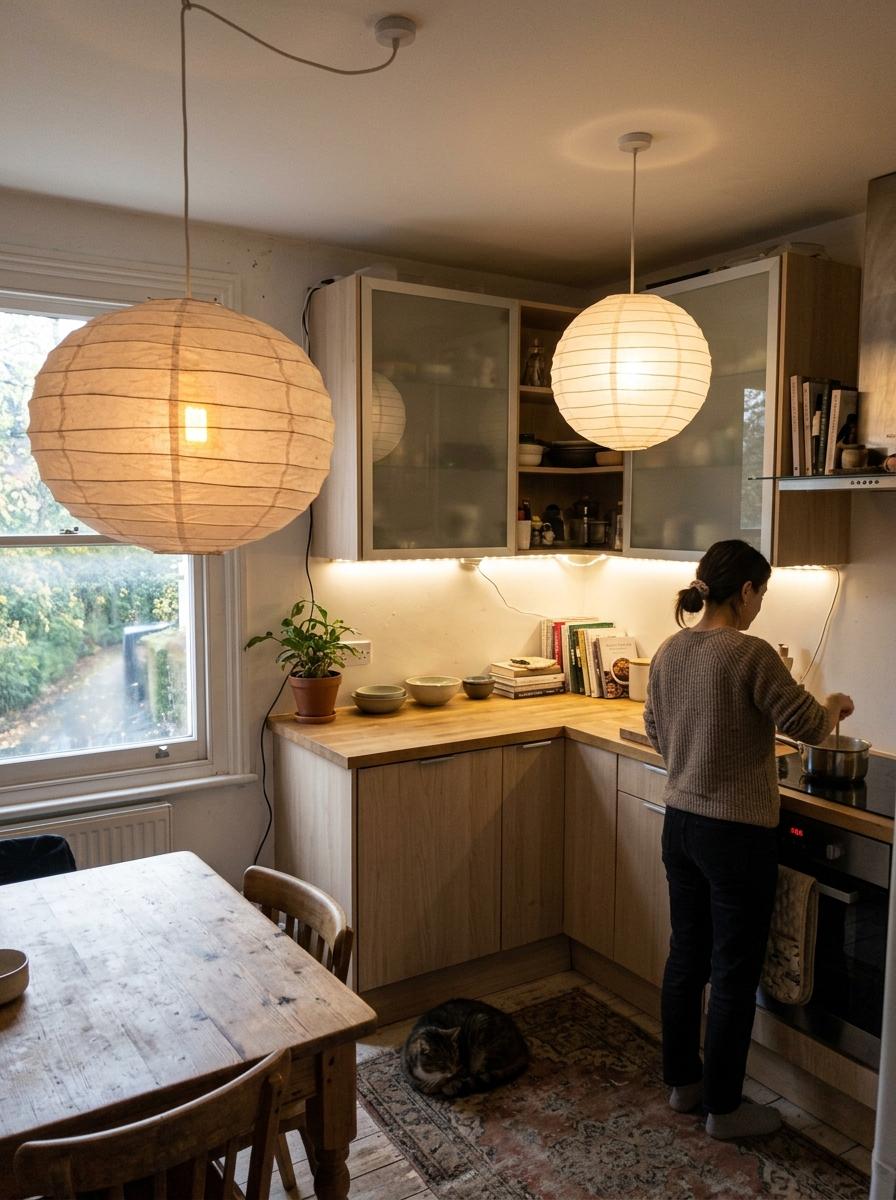

While the traditional Japanese minka once relied on the dim, flickering amber of oil lamps to define its hearth, the modern Japandi kitchen has evolved into a space of calibrated luminosity, trading heavy shadows for a sophisticated interplay of light. In a recent project nestled within the historic, leafy enclaves of North London's Highgate, this evolution is on full display through a design characterized by maximalist minimalism. The homeowners, who are notably repeat clients of the studio involved, sought to balance a desire for stark Nordic utility with the soft, wabi-sabi warmth of their previous residence. The result is a masterful technical synthesis of spatial volume and illumination, where the designers utilized recessed linear LEDs and oversized paper pendants as the primary architectural levers to transform a compact footprint into an expansive, light-filled sanctuary.
Essential Pendants: Finding The Right Japandi Kitchen Lighting Scale
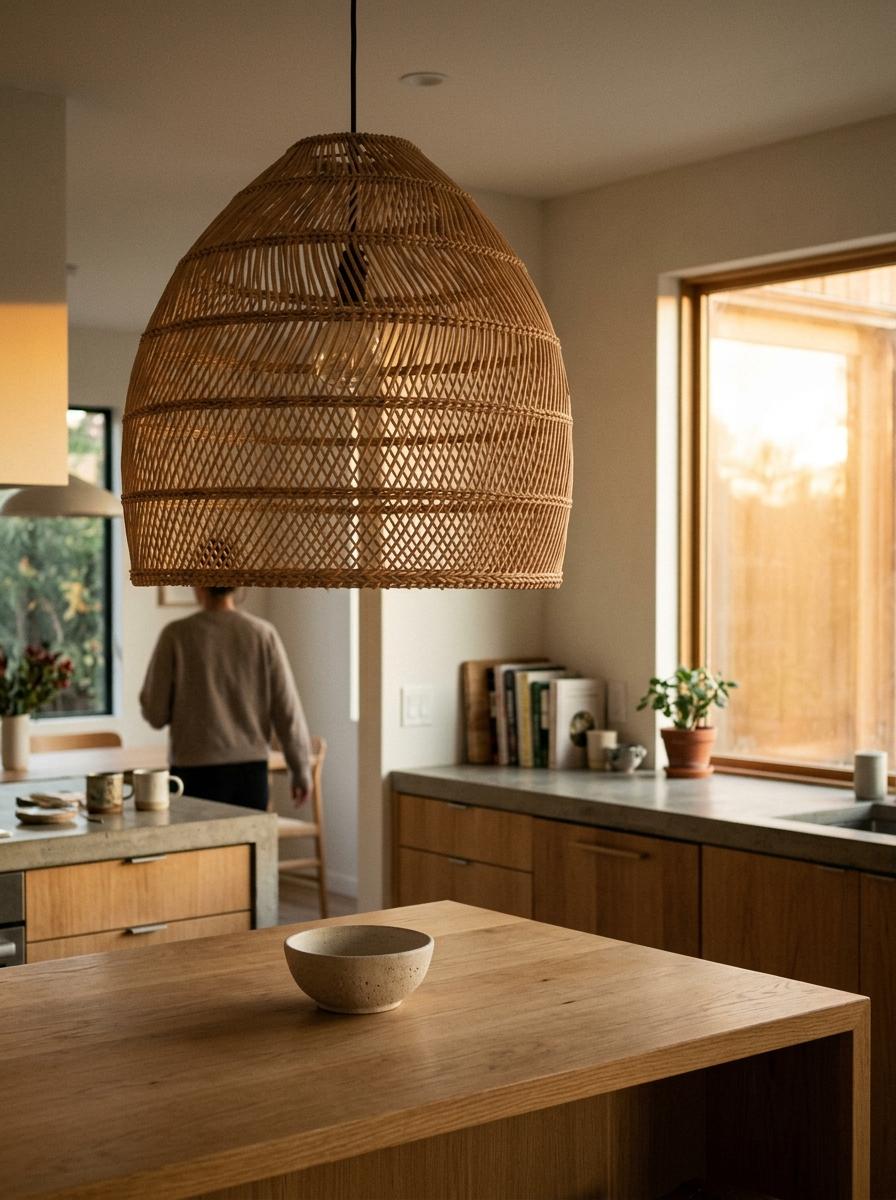

When selecting the centerpieces for your culinary space, seek out the fibrous, open-weave textures of hand-spun rattan or the velvety, matte-porous finish of slip-cast ceramic. Note how the deliberate placement of a singular, oversized pendant creates a "heavy lightness," commanding the room's volume while remaining visually weightless. This grand minimalism is a hallmark of the Stockholm-meets-Kyoto aesthetic found in the flagship Menu Space showrooms, where scale is treated as a sculptural element rather than a mere utility. As the light filters through these organic barriers, the harsh glare of modern living dissolves into a honeyed, amber-hued glow, physically lowering your cortisol levels and inviting a restorative stillness into the heart of the home.
Understated Luxury: The Impact Of Subtle Japandi Kitchen Lighting
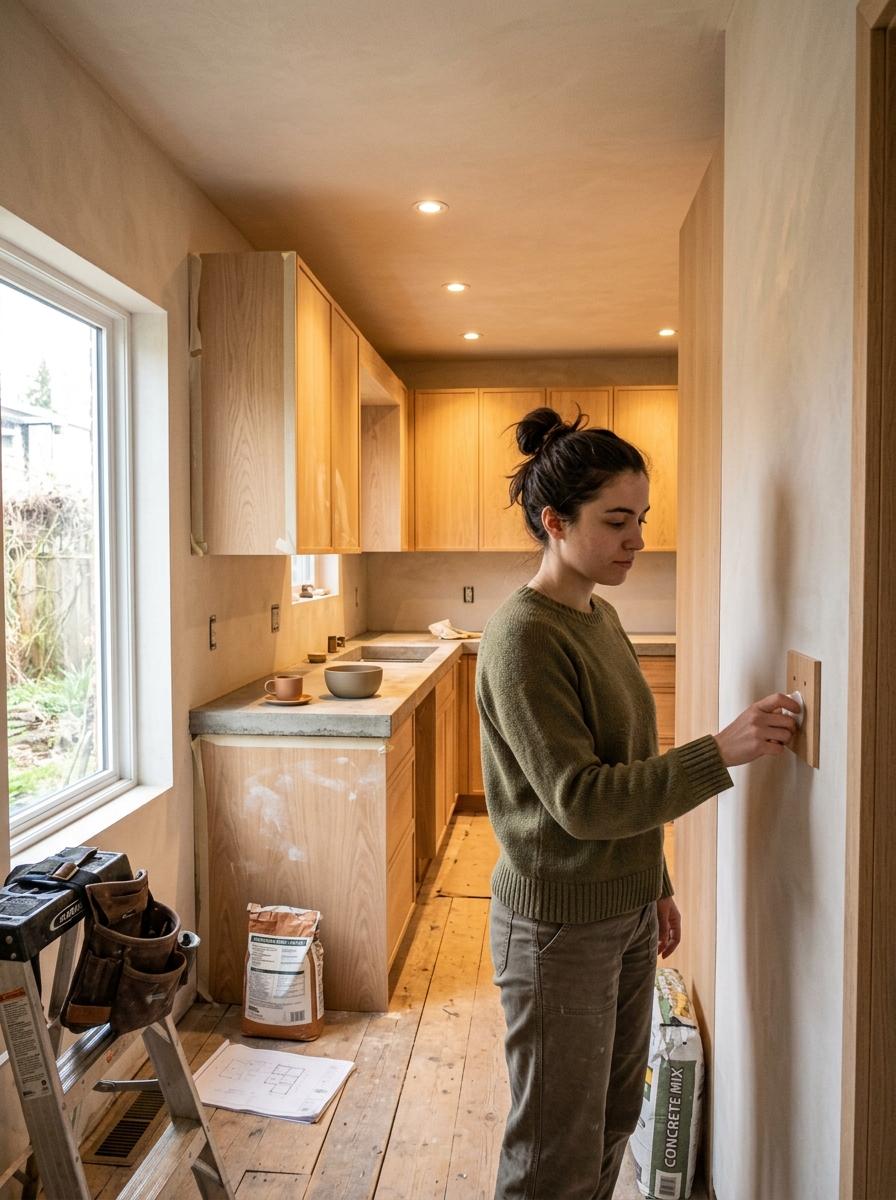

While observing the renovation of a Kyoto-inspired townhouse last spring, I watched as the contractor flicked a switch, instantly flooding the kitchen in the aggressive, surgical glare of overhead LEDs-a choice that felt less like a home and more like a high-end operating theater. "The light," whispered Elena, the lead consultant on the project, as she adjusted a recessed dimmer to a warm, amber glow, "should never demand your attention. It should simply... cradle the architecture." By replacing that clinical brilliance with layered, indirect luminaires, the room underwent a total haptic shift; the harsh shadows vanished, replaced by a soft gradation that celebrated the grain of the white oak cabinetry rather than flattening it. In Japandi design, luxury isn't found in the shimmer of a crystal chandelier, but in the intentional interplay between komorebi-dappled light-and the velvety depths of a well-placed shadow. This subtle mastery of luminance is what elevates a functional culinary space into a sanctuary of quiet sophistication.
This Modern Apartment Features Statement Japandi Kitchen Lighting
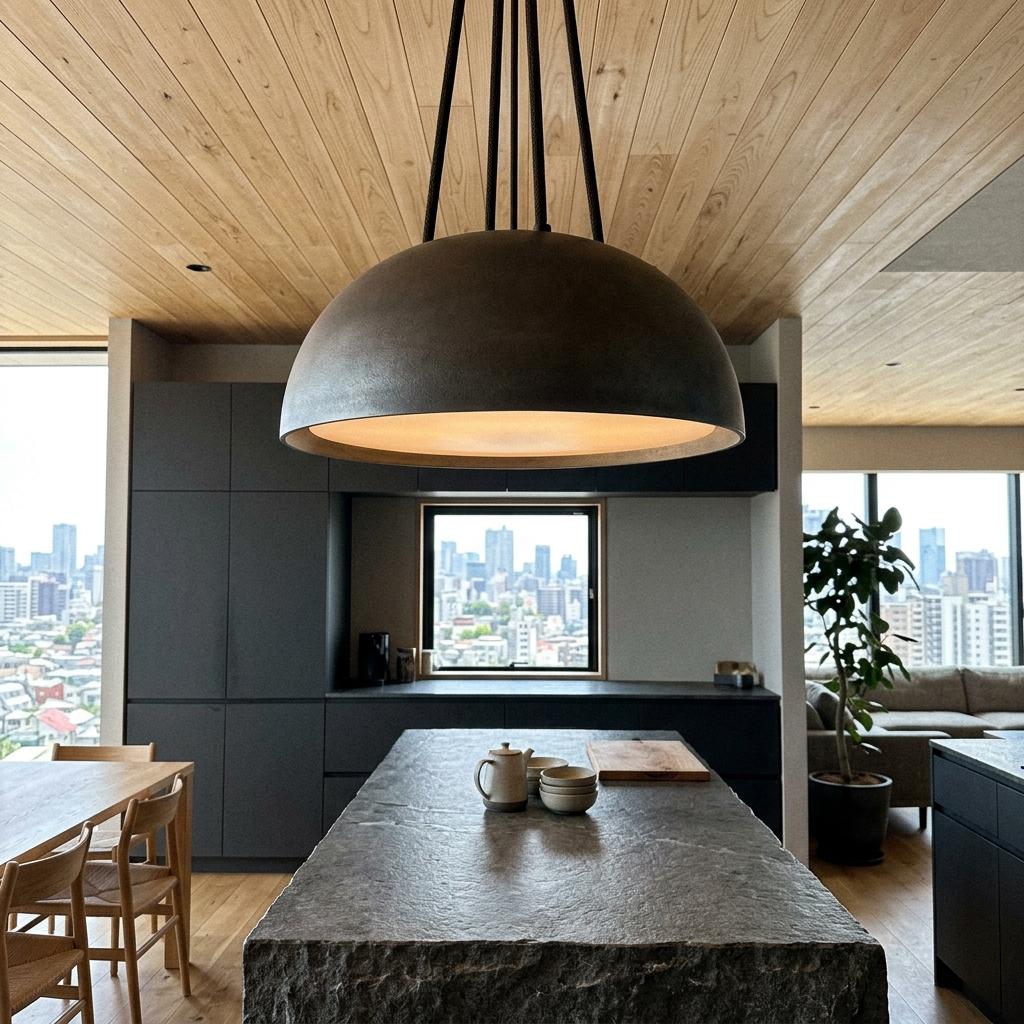

In this meticulously curated residence overlooking the sprawling skyline of Tokyo's Minato City, the kitchen serves as a masterclass in the intersection of Scandinavian functionality and Japanese minimalism. Note how the luminaire-a centerpiece of hand-spun, sand-blasted aluminum-suspends weightlessly above a monolithic island of honed basalt, drawing the eye upward to appreciate the ceiling's raw, open-grain cedar planks. This installation achieves a delicate heaviness, anchoring the room with its oversized silhouette while appearing to float within the negative space of the open-plan layout. The visual harmony of these tactile surfaces triggers an immediate sense of lowered cortisol; the transition from the cool, vitreous touch of the cabinetry to the warm, amber glow of the diffusion creates a physiological shift from the frantic pace of the city to a state of profound domestic stillness. It is a spatial dialogue that proves light is not merely a utility, but the very pulse of a Japandi home.
Island Inspiration: Choosing Large Scale Japandi Kitchen Lighting
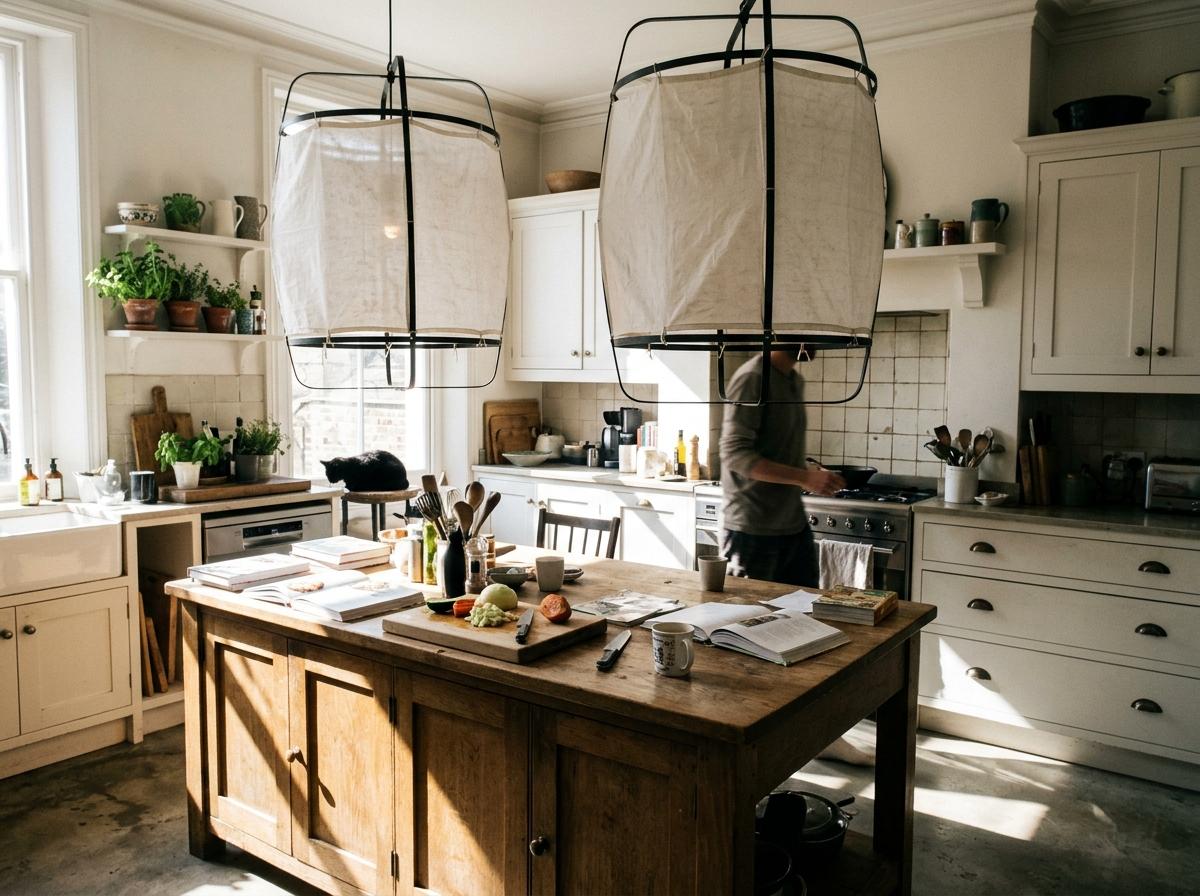

The historical trajectory of kitchen design has shifted from the utilitarian, cordoned-off sculleries of the Victorian era to the expansive, social theaters we inhabit today. This evolution necessitates a shift in illumination, moving away from mere task-oriented visibility toward fixtures that command a room's atmosphere. In this modern context, the choice of a large-scale pendant over a central island represents a structured spontaneity-a design ethos that balances the rigid precision of Japanese minimalism with the raw, untamed warmth of Scandinavian textures. This specific aesthetic tension was recently realized in a residential project located in the heart of London's Notting Hill, where the architecture demands both historical reverence and forward-thinking functionality. The homeowners, a repeat client who previously commissioned a minimalist loft in Shoreditch, sought a lighting solution that could bridge the gap between grand architectural scale and intimate domesticity. By integrating oversized washi-paper lanterns with heavy, blackened steel frames, the design achieves a sophisticated technical synthesis of volumetric proportion, material honesty, and diffuse light layering.
Task And Ambience: Mastering The Mix Of Japandi Kitchen Lighting
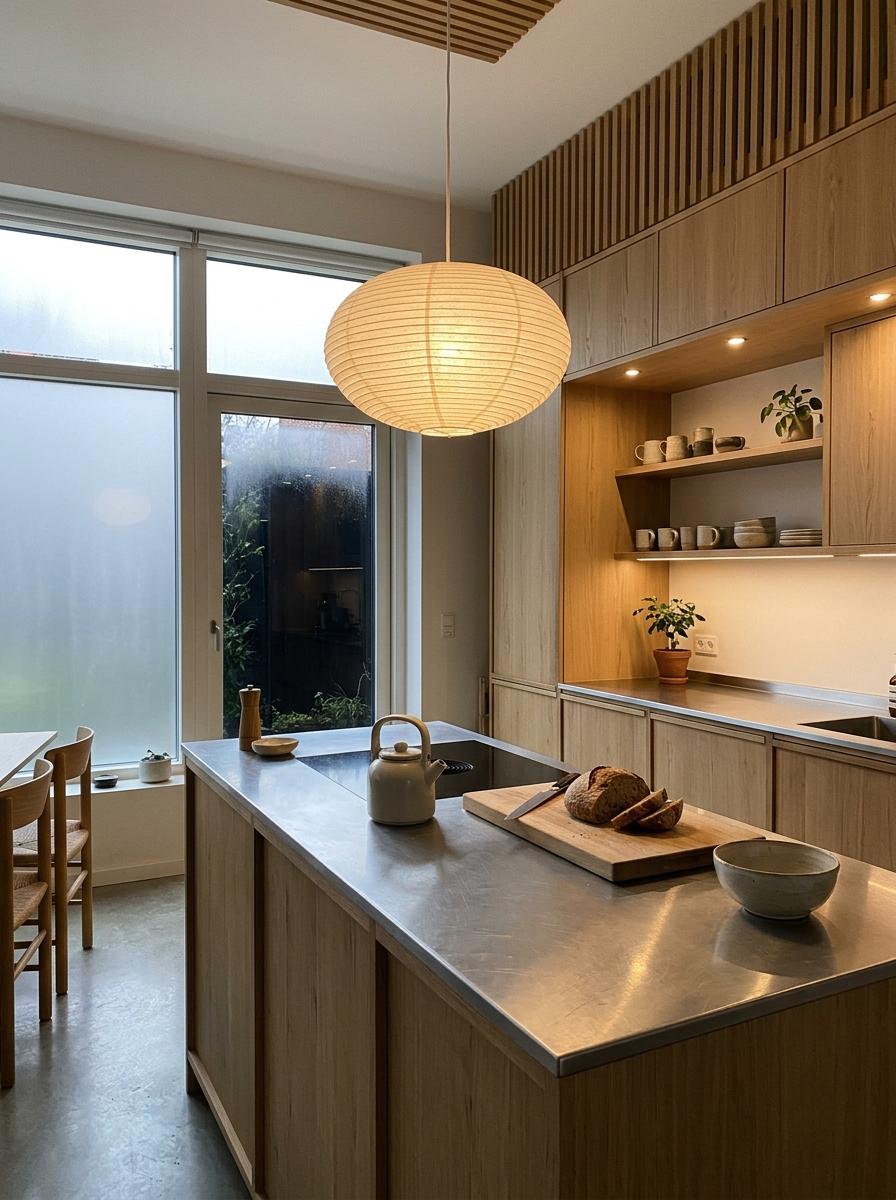

In the Japandi kitchen, the ceiling is not merely a boundary but a canvas for a calibrated atmosphere, where the rigorous utility of the culinary workspace meets the hushed stillness of a meditative sanctuary. This "functional silence" defines the room, requiring a design language that reconciles the high-output demands of gastronomy with a deliberate, poetic restraint. While the internal logic of the kitchen focuses on the precision of the chef's blade, the external periphery is softened to embrace the slow rhythm of the diner, creating a structural dualism between zones of intensity and areas of repose. Tactile imagery grounds this balance; consider the juxtaposition of a sand-blasted washi paper pendant casting a diffused glow over a workstation of cold, brushed stainless steel. Ultimately, this mastery of light is achieved through functionalist specification-integrating recessed, high-CRI architectural LEDs for shadowless task work alongside dimmable timber slats that regulate the evening's warmth, ensuring that the lighting serves as both a surgical tool and a soulful embrace.
A Refreshed Kitchen With Touches Of Japandi Kitchen Lighting
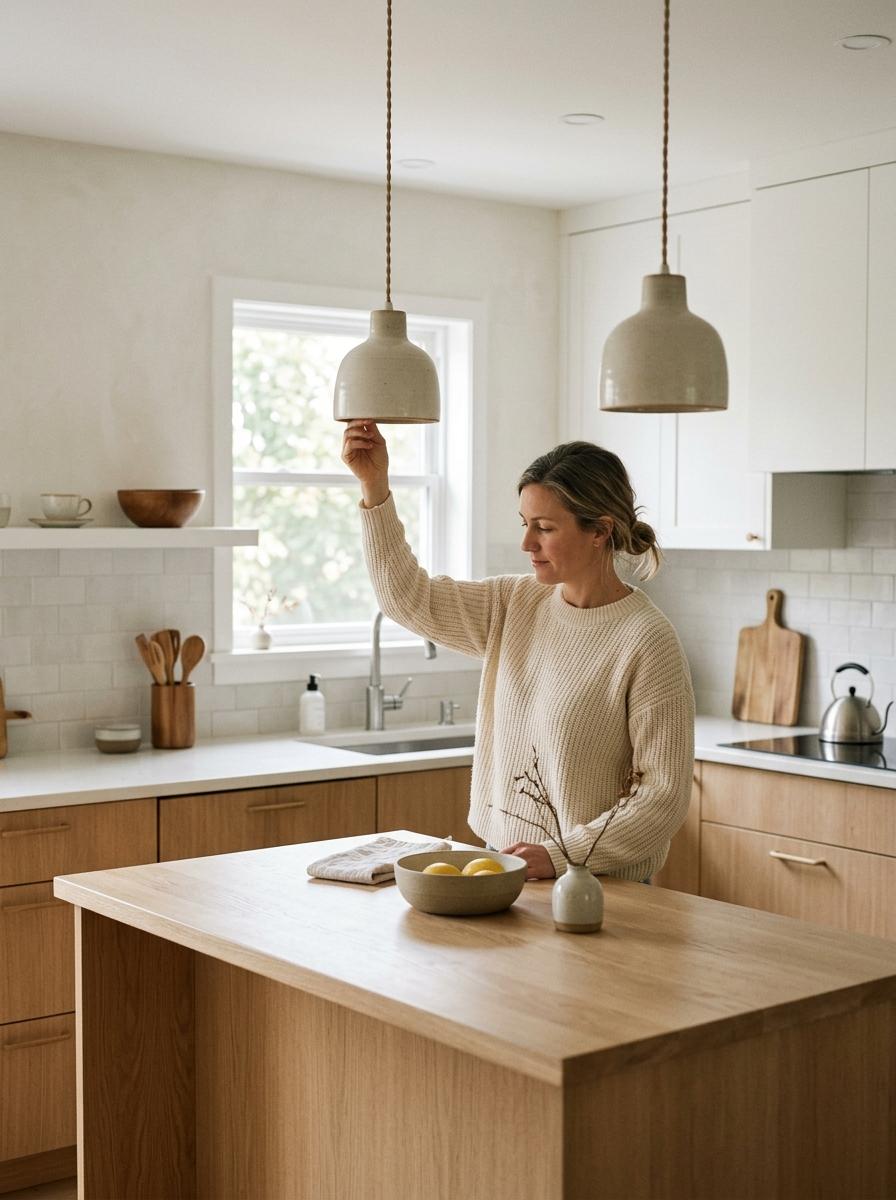

When I first stepped into the client's original kitchen, it felt like a claustrophobic relic of the early 2000s-heavy, cherry-wood cabinetry and cluttered granite surfaces that seemed to swallow the morning light. "The room didn't just feel dark," the homeowner remarked, pausing to trace the grain of her new white oak island, "it felt... stagnant. Like the air itself was heavy." We stood together in the reimagined space, now a masterclass in soft minimalism, where the harsh glare of the past had been replaced by a diffused, intentional glow. "I wanted a sanctuary," she continued, her voice trailing off as she adjusted a dimmable ceramic pendant, "not just a place to boil water." By trading the frantic visual noise of suburban maximalism for a palette of tactile textures and negative space, the renovation achieved a rhythmic equilibrium. This transformation proves that true warmth doesn't come from a surplus of objects, but from the deliberate curation of luminosity and form found within Japandi kitchen lighting.
Inside A Balanced Home Focused On Japandi Kitchen Lighting
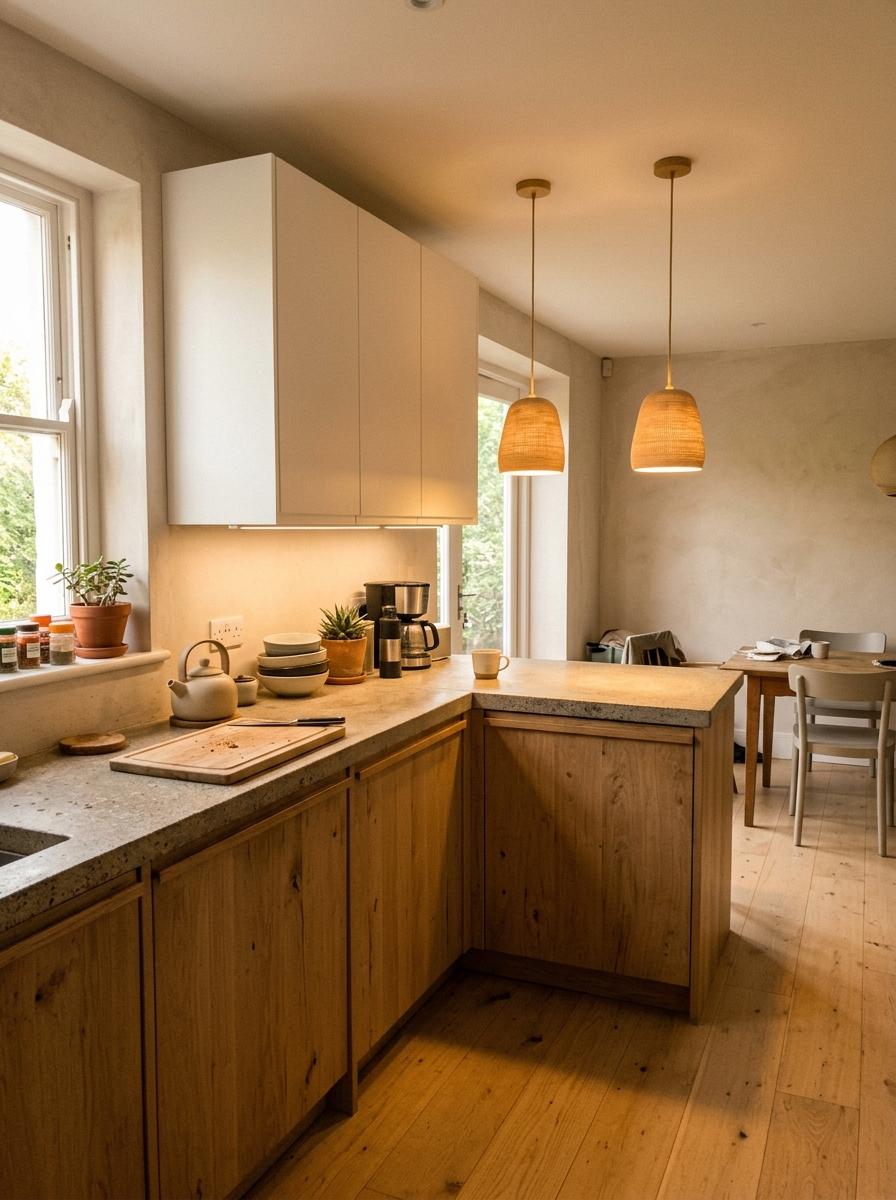

Historically, the kitchen was a utilitarian afterthought-a sequestered, dimly lit chamber defined by its separation from the social life of the home. Today, however, it has evolved into a luminous sanctuary where nourishment and aesthetics converge, a shift beautifully exemplified in this latest project located in the leafy enclave of Hampstead. Here, the design team has curated a sense of organized chaos, balancing the rigorous minimalism of Japanese cabinetry with the raw, rustic textures of Scandinavian wood. For the homeowners-a repeat client whose continued trust serves as a testament to the firm's precision-the goal was to achieve a specific atmospheric weightlessness. The final result is a masterclass in technical synthesis, achieved through the strategic calibration of layered ambient optics and spatial volume, ensuring the lighting does not merely illuminate the surfaces, but defines the very boundaries of the home's tranquility.
Comments