
At Japandi.design, we define the modern outdoor sanctuary as the synthesis of Scandinavian hygge-a commitment to lived-in warmth-and Japanese wabi-sabi, the veneration of imperfection and transience; together, they form a cohesive blueprint for the Japandi vegetable garden. This approach demands a rigorous adherence to rectilinear geometry and structural intentionality, yet it invites the wild, ephemeral spontaneity of organic growth to soften its edges. By layering tactile, weathered cedar against the verdant, rhythmic rows of seasonal cultivars, one achieves a spatial experience that is simultaneously monastic and lush, disciplined yet restorative. This study explores how these architectural layouts transcend simple utility to cultivate a landscape of profound, hushed equilibrium.
Japandi Vegetable Garden

Minimalist Japandi Vegetable Garden Layout
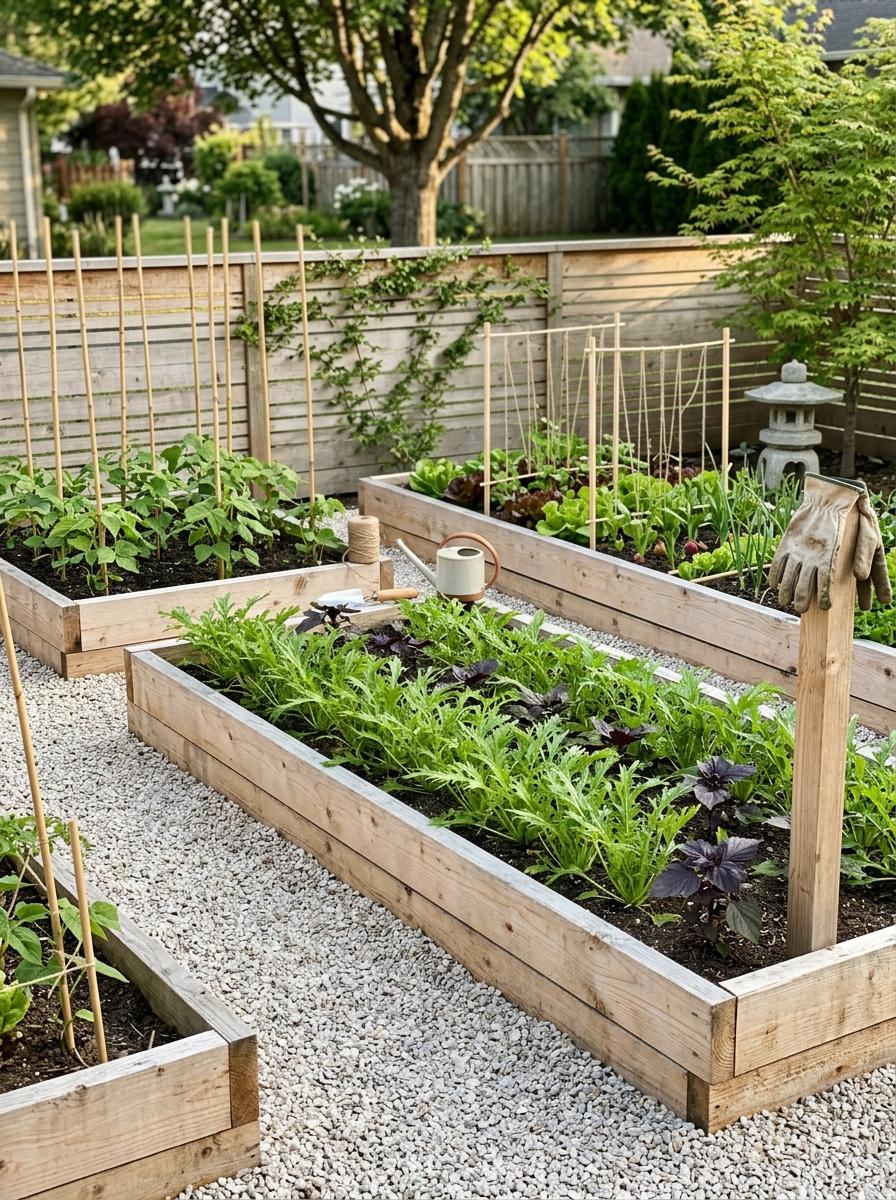

The first time I stepped into a traditional allotment, I was struck by the chaotic, albeit charming, noise of it-overgrown vines competing for rusty stakes and a riot of mismatched plastic pots. It was a stark contrast to the garden I visited a week later in Kyoto, where the vegetable patch felt less like a utility closet and more like a curated sanctuary. "The secret isn't just planting," my host told me, pausing to realign a cedar plank that framed a bed of mizuna, "it's about the silence... the space you leave between the life you grow." This intentionality is the heartbeat of a Japandi vegetable layout; it eschews the cluttered sprawl of conventional gardening for a disciplined, linear elegance. By prioritizing structural 'Ma'-the Japanese concept of negative space-alongside the cozy, functional 'hygge' of natural textures, we transform a simple food source into a living gallery. This intersection of Scandi efficiency and Zen composure is exactly what we must master when mapping out a minimalist harvest.
Step Into A Functional Japandi Vegetable Garden Sanctuary
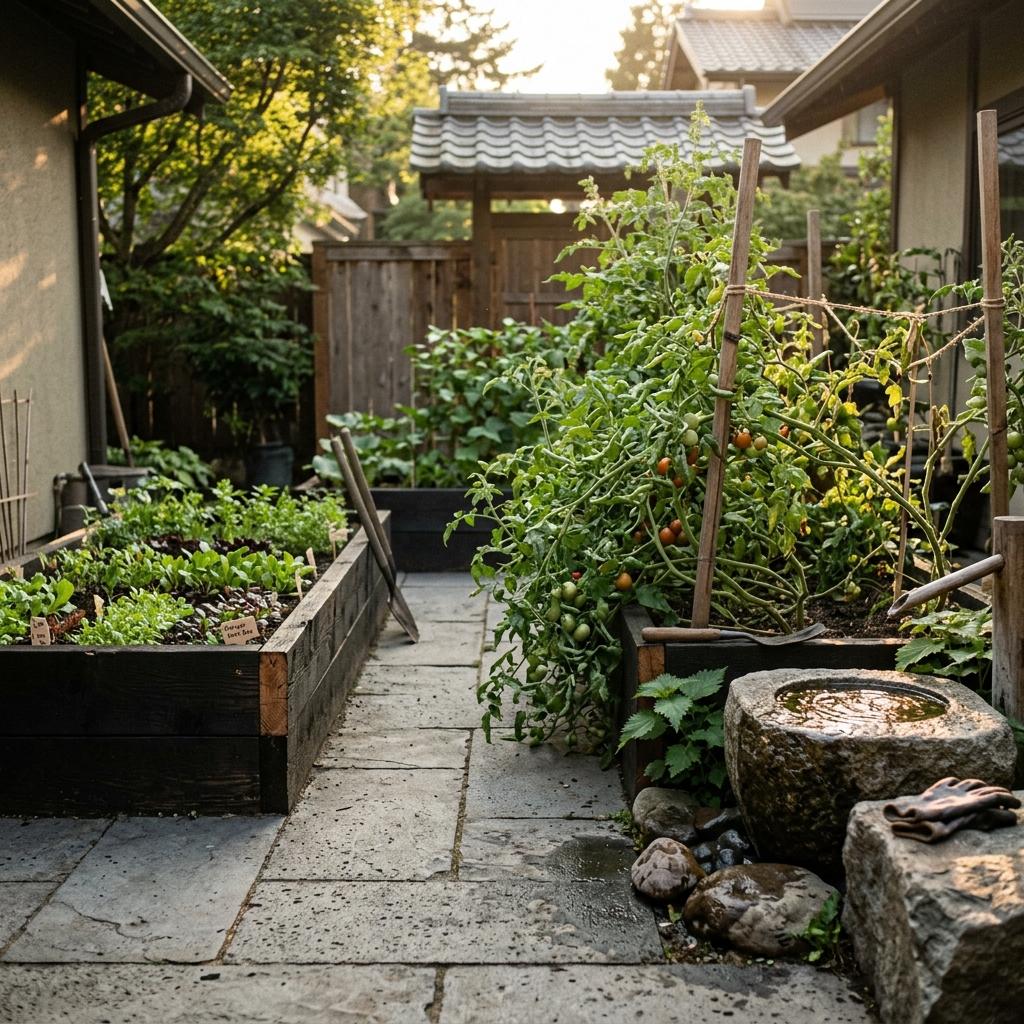

As you cross the threshold into this intentional landscape, note how the tactile friction of sand-blasted basalt pavers provides a grounded counterpoint to the velvet, herbaceous softness of emerging microgreens. This is a space defined by structured spontaneity, where the rigid geometry of blackened cedar raised beds-charred through the traditional Japanese Shou Sugi Ban method-frames the untamed, sprawling vines of heirloom tomatoes. This visual tension creates a functional serenity; the rigid order of the architecture serves only to highlight the chaotic energy of growth. As you linger near the hand-chiseled granite water basin, the scent of damp earth and crushed shiso triggers a profound somatic release, lowering your heart rate as your nervous system recalibrates to the slow, rhythmic pulse of the garden. In this sanctuary, the cosmopolitan rush of a Tokyo balcony meets the rustic permanence of a Scandinavian forest, proving that true luxury lies in the quiet, visceral connection between the hand that plants and the soil that sustains.
A Harmonious Backyard With Japandi Vegetable Garden Features
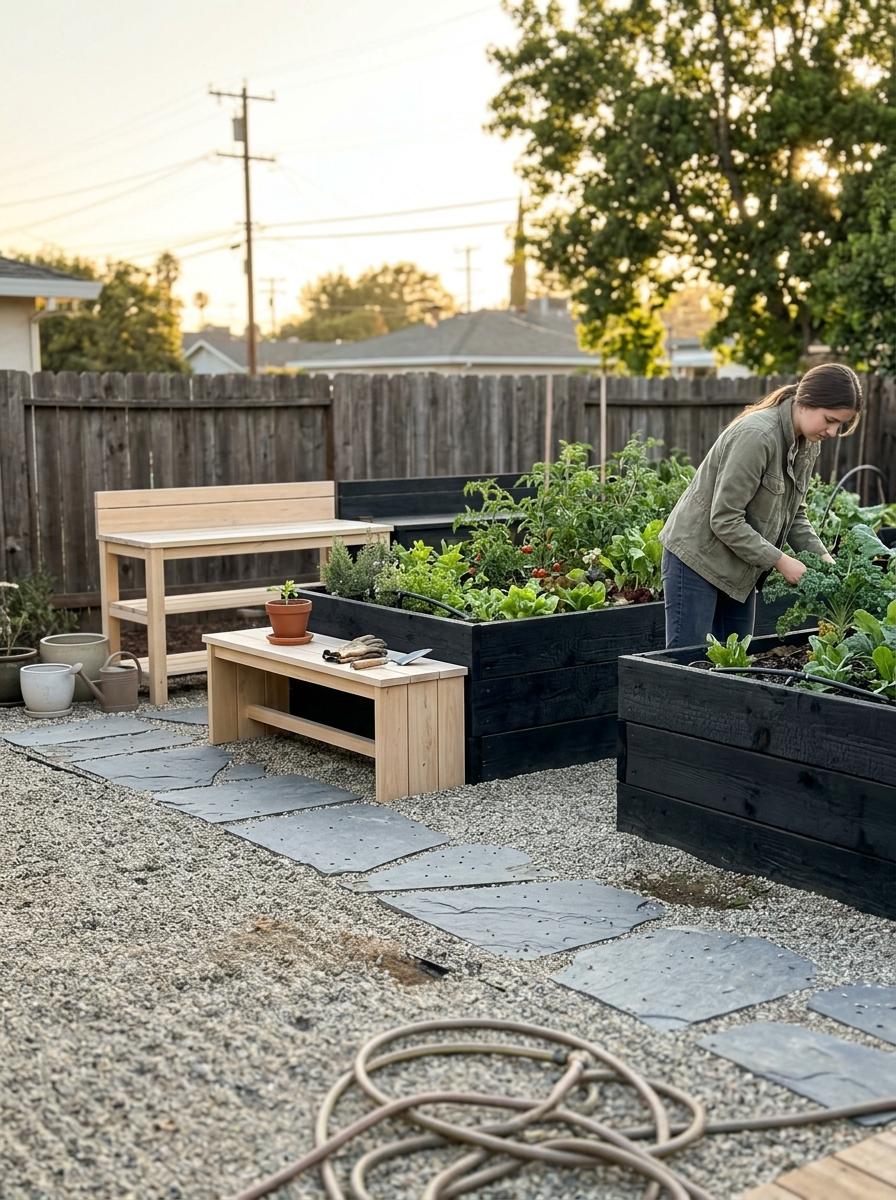

The modern backyard is no longer a peripheral void but a curated sanctuary where the soil meets the soul, anchoring the home within a niche of agrarian minimalism. This "structured wildness" serves as a conceptual synthesis, where the chaotic energy of growth is harnessed by the silent discipline of geometry-a vibrant stillness that defines the Japandi ethos. While the exterior perimeter may dissolve into the untamed neighborhood skyline, the internal garden remains a fortress of intentionality, creating a sharp dualism between the unpredictable world and this measured microcosm. Within this frame, tactile precision takes center stage; waist-high raised beds crafted from charred Shou Sugi Ban cedar contrast against the pale, fine-grained Hinoki wood of a modular potting bench, while a ground cover of raked Shirakawa gravel crunches underfoot. These are not merely aesthetic choices but functionalist specifications-integrated irrigation channels hidden beneath slate pavers and tiered cedar troughs act as ergonomic solutions, ensuring that the labor of cultivation is as seamless and refined as the harvest itself.
Explore A Sustainable Urban Japandi Vegetable Garden
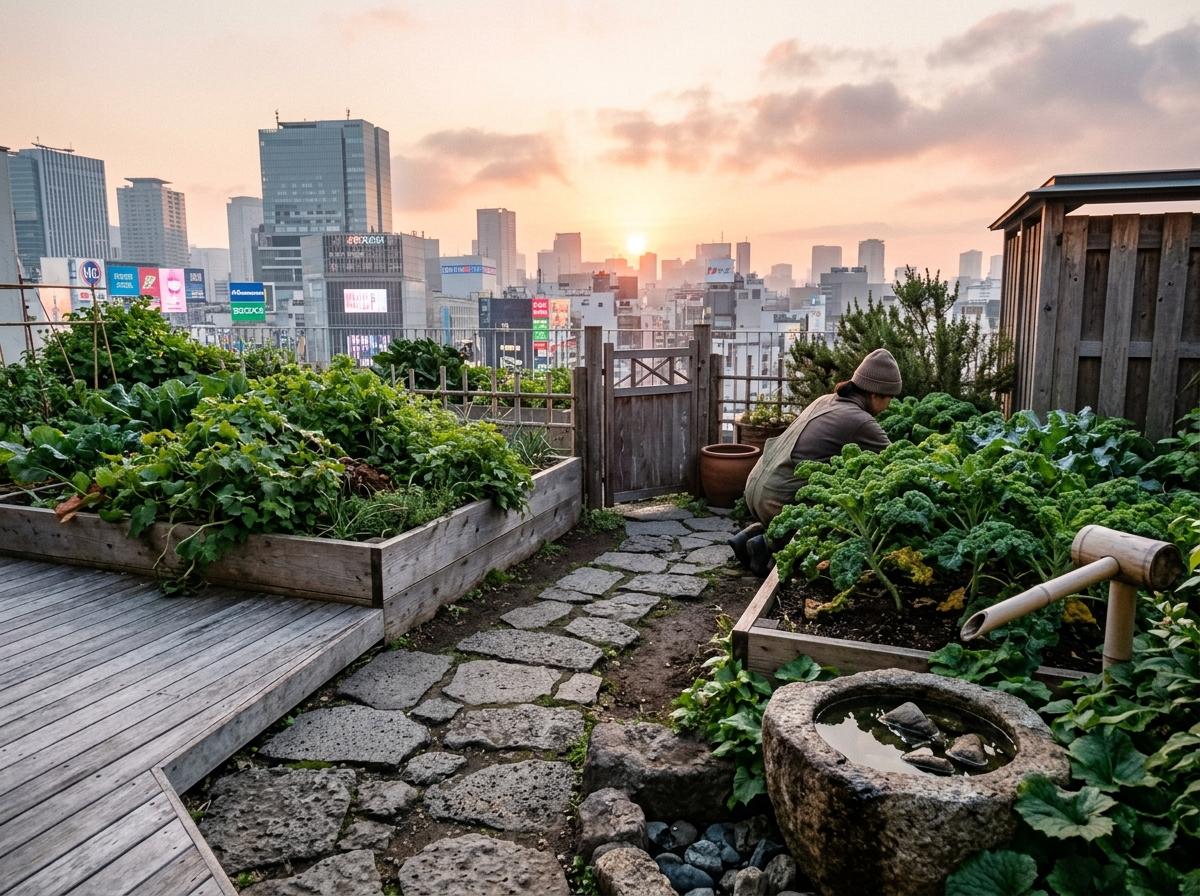

Step across the threshold of this Tokyo rooftop sanctuary, where the rigid geometry of the Shibuya skyline dissolves into a textural symphony of weathered, silver-patina cedar and artisanal, grit-flecked volcanic basalt. Note how the placement of hand-hewn granite basins directs your gaze away from the glass towers, grounding your perspective in the immediate, tactile reality of the soil. This space exists as a structured wilderness, a paradox where the strict discipline of Japanese joinery meets the soft, unruly sprawl of Scandinavian-inspired kale and heirloom radish crops. As the scent of damp earth mingles with the crisp, ozonic air of the high-rise, the visceral tension in your shoulders uncoils, replaced by a rhythmic, steady pulse of tranquility that recalibrates your entire nervous system. By integrating the minimalist restraint of a Kyoto teahouse with the functional resilience of Nordic urban farming, this garden proves that sustainability is not merely a practice, but a profound physiological homecoming.
Modern Landscapes Meeting Japandi Vegetable Garden Aesthetics
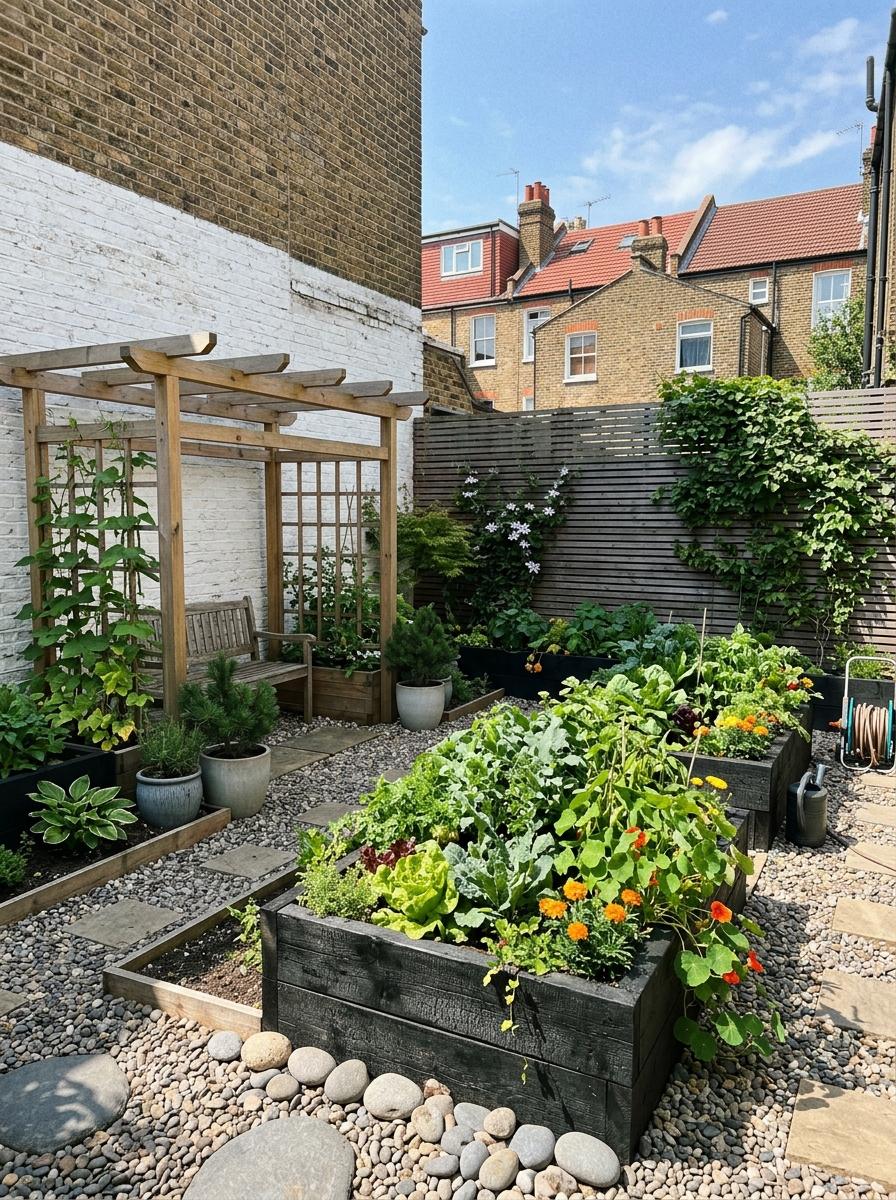

The evolution of the domestic landscape has shifted significantly from the rigid, ornamental Victorian kitchen gardens of the nineteenth century to the fluid, soulful integration of the modern Japandi vegetable plot. In this contemporary interpretation, we witness a compelling structured spontaneity; where the mathematical precision of Japanese carpentry meets the wild, untamed textures of Scandinavian flora. Nestled within the refined corridors of South Kensington, this particular project serves as a sophisticated case study in long-term collaborative vision, as the homeowners are a repeat client who previously commissioned a minimalist urban retreat. The resulting dialogue between site and structure is achieved through a meticulous technical synthesis, where the architectural levers of Shou Sugi Ban timber framing, gravel-path geometries, and raised-bed modularity bridge the gap between traditional agrarian utility and high-design serenity.
The Art Of Building A Productive Japandi Vegetable Garden
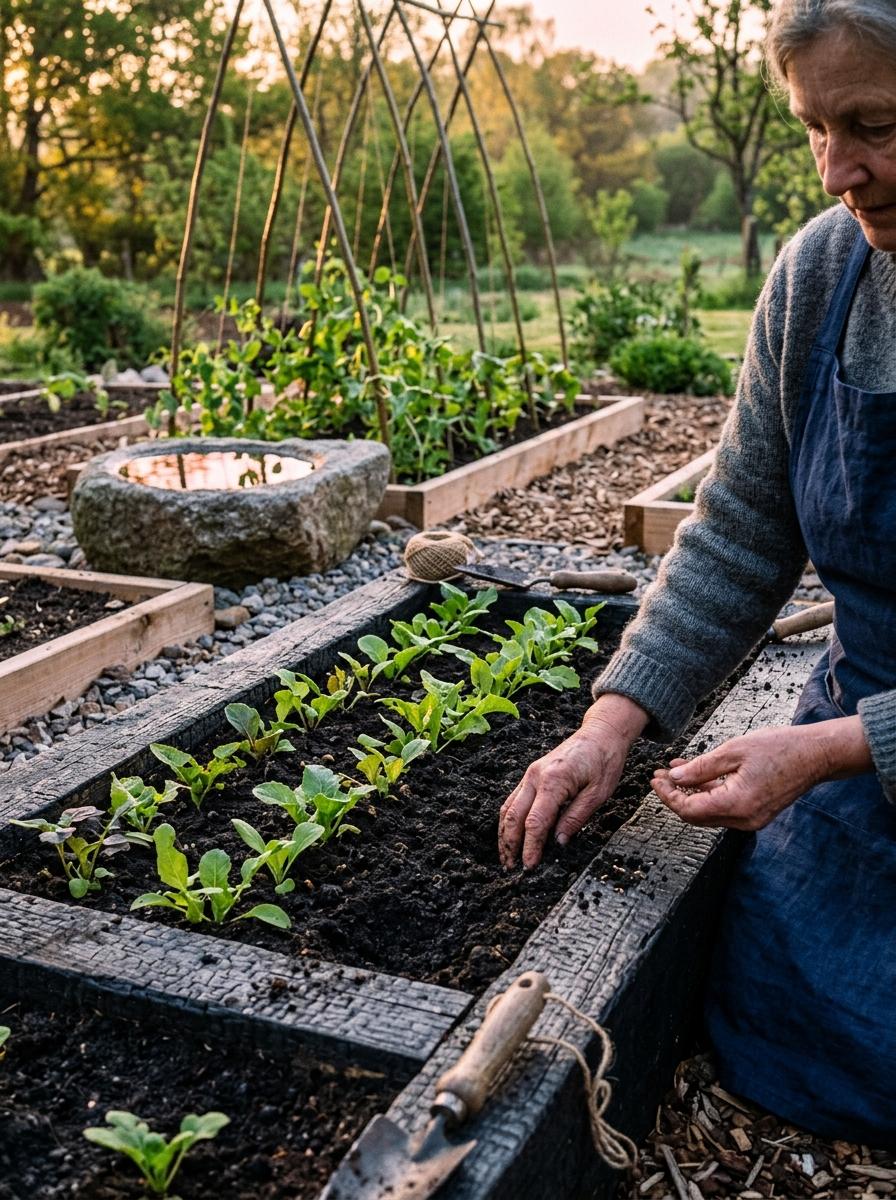

To cultivate a productive Japandi vegetable garden, we need to treat the soil as both a canvas and a workshop, blending the rustic utility of wabi-sabi with the streamlined precision of Scandinavian hygge. Note how the tactile contrast of charred Shou Sugi Ban cedar planters provides a weather-beaten, carbonized perimeter against the velvety, obsidian-rich humus of the potting beds. This deliberate choice creates a structured spontaneity-a paradox where the strict geometry of the layout allows for the untamed, sprawling growth of heirloom varietals. As you run your hands over the grainy, fibrous texture of untreated Larch wood and then dip them into the cool, moist earth, observe your own physiological shift; the rhythmic act of sowing seeds in such an intentional environment lowers the cortisol levels, replacing urban static with a grounding, visceral tranquility. In the spirit of the Kyoto-meets-Copenhagen aesthetic, prioritize the integration of granite-hewn water basins and minimalist trellis systems crafted from bent willow. By anchoring your garden in this locational duality, you transform a simple plot of vegetables into a sophisticated sanctuary of functional beauty.
Inside A Structured Yet Natural Japandi Vegetable Garden
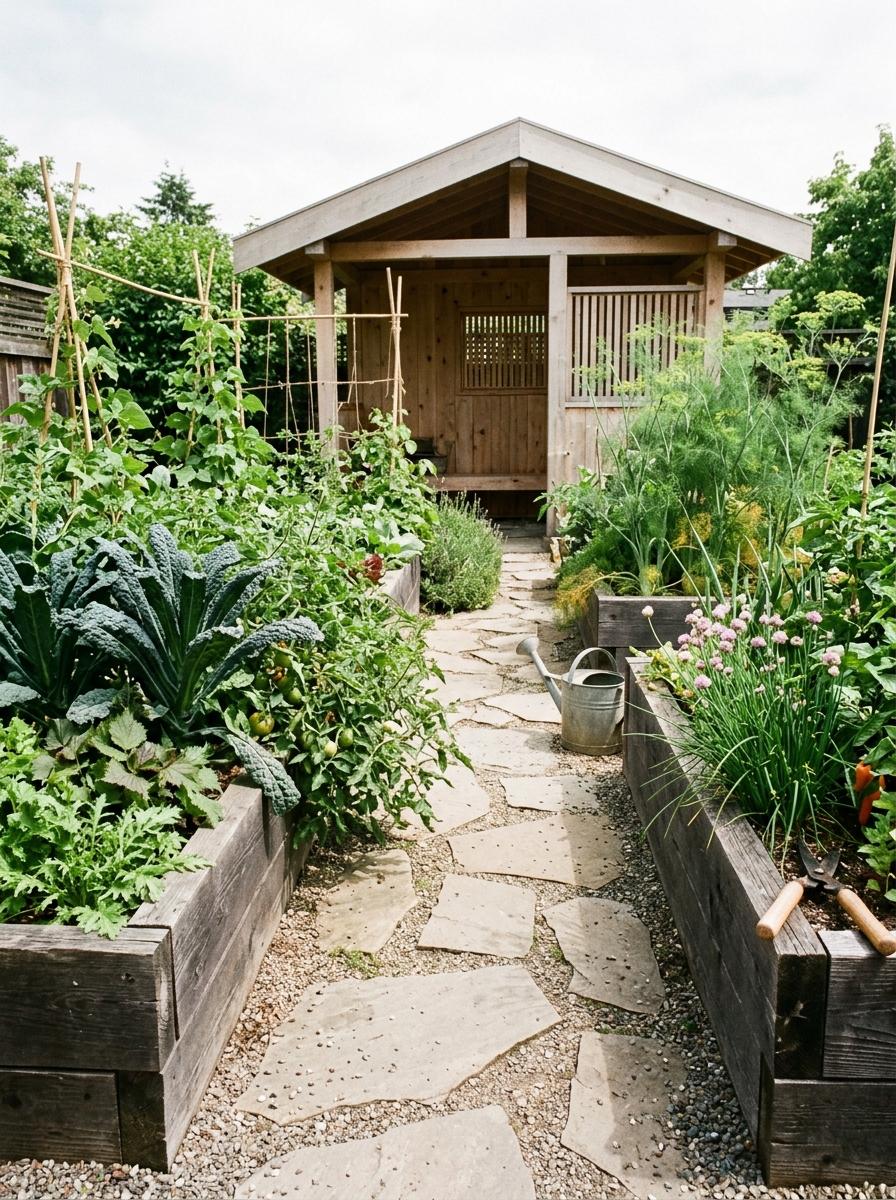

The Japandi vegetable garden is best understood as a definitive synthesis: the rigorous, functional spatial logic of Scandinavian modernism merged with the transience and organic imperfection of Japanese wabi-sabi. This intentional landscape operates through a sophisticated dialectic, appearing meticulously architectural yet fundamentally wild, asserting a disciplined boundary but allowing the seasonal decay of the flora to breathe. To walk through such a space is to experience a sensorial immersion defined by tactile, atmospheric, and rhythmic qualities; the hand-planed cedar of the raised beds provides a linear austerity that anchors the ephemeral, swaying silhouettes of heirloom kale and umbelliferous herbs. By utilizing this framework of structured naturalism, the garden transcends mere subsistence, evolving into a curated study of tectonic precision and botanical fluidity.
Creating A Functional Japandi Vegetable Garden In Small Spaces
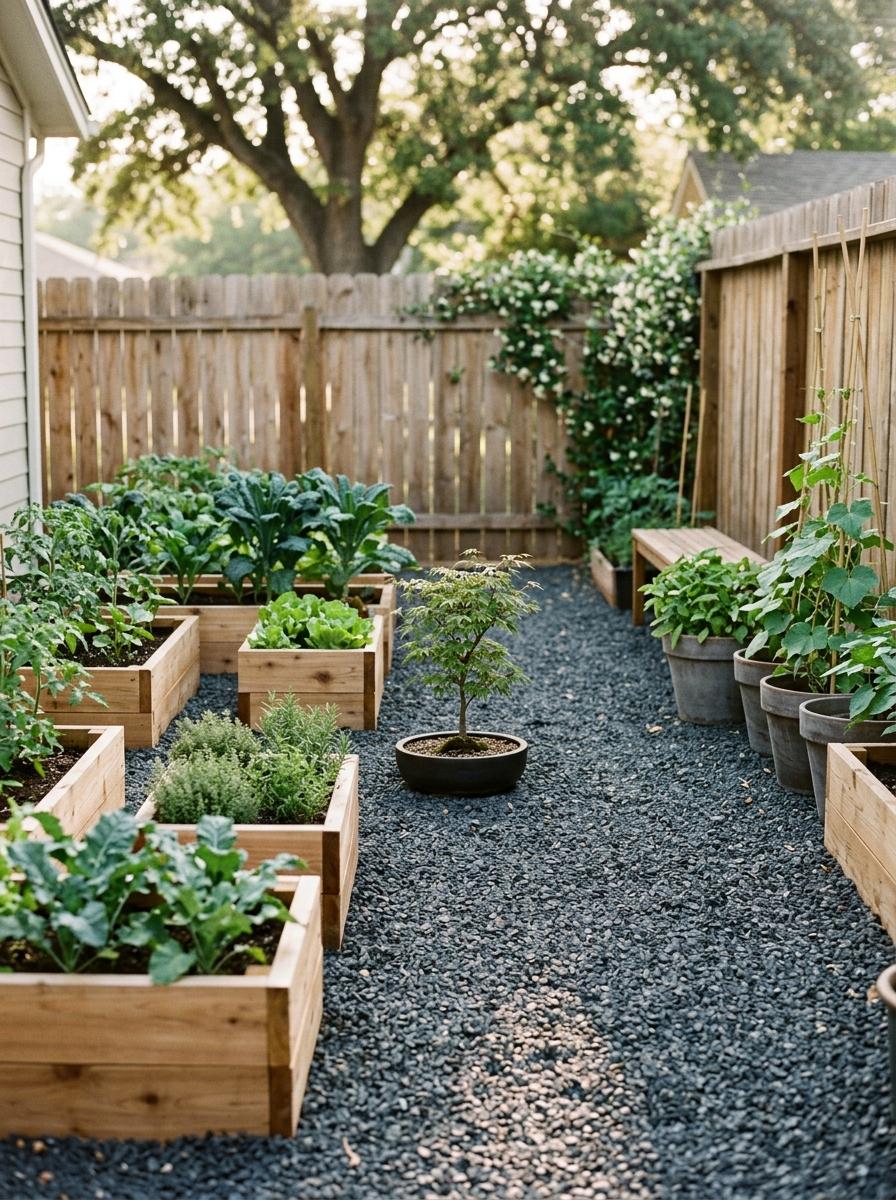

The concept of the compact vegetable garden is reimagined through the lens of Japandi principles, where utility is dictated by a strict adherence to essentialism. Every planter and path is meticulously measured to foster a sparse, silent, and streamlined environment that eschews any unnecessary ornamentation. This purposeful arrangement permits a seamless flow through focused foliage, framing a balanced backyard that bridges the gap between wild growth and domestic order. To achieve this harmony, the design carves out depth, anchors the eye with organic textures, and expands the perceived volume of the terrain through a curated selection of cedar troughs, ceramic vessels, and charcoal gravel.
Elegant Wood Structures In A Japandi Vegetable Garden
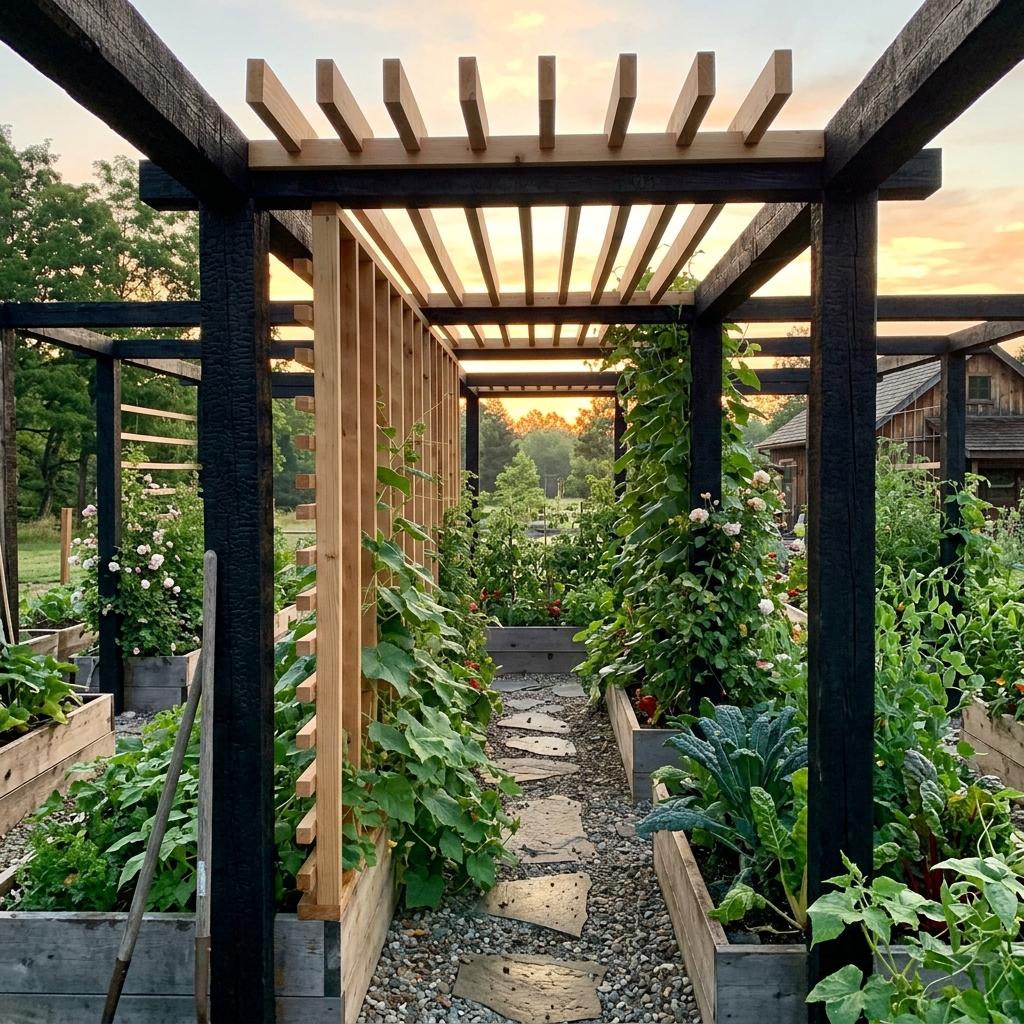

The structural integrity of this Japandi-inspired vegetable garden relies on the tactile juxtaposition of charred cedar-traditionally known as Shou Sugi Ban-against the blonde, fine-grained resilience of Siberian Larch. Note how the rhythmic placement of these timber joists creates a disciplined verticality that directs the eye upward, mirroring the organic ascent of the heirloom vines they support. This design achieves a state of ordered chaos, where the rigid, geometric precision of the joinery provides a necessary scaffold for the sprawling, unpredictable vitality of the flora. As you move through the space, the scent of rain-dampened earth mingling with the resinous perfume of the wood triggers a profound slowing of the heart rate, grounding the observer in a state of primal tranquility. Much like the serene landscapes found at the Adachi Museum of Art, this enclosure transcends mere utility, transforming a site of food production into a multisensory study of architectural permanence and seasonal flux.
How To Design A Productive Japandi Vegetable Garden Retreat
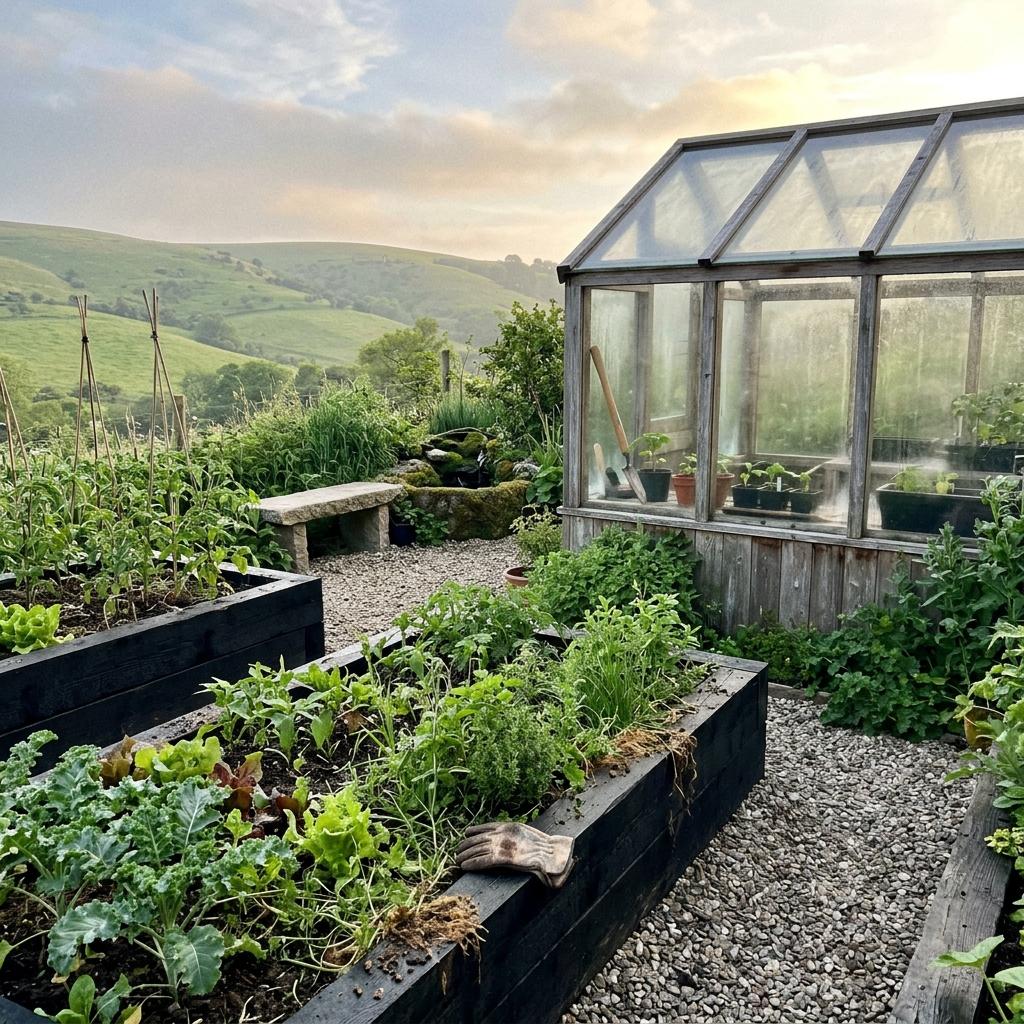

To understand the modern evolution of the Japandi vegetable garden, we can look back at the Edo-period tsubo-niwa and the traditional Scandinavian kitchen plots, which prioritized survival and rigid utility. Today, these historical archetypes have shifted from purely functional food sources to sophisticated sites of restorative labor. In our recent study of a private retreat nestled in the hills of Highgate, we observed a perfect functional serenity-a design tension where the rugged, messy vitality of organic growth is contained within a disciplined, minimalist framework. This particular project was commissioned by a repeat client, whose continued trust in the collaborative design process allowed for a deeper exploration of how a productive landscape can double as a sanctuary. The success of this garden lies in its technical synthesis, achieved through the precise calibration of charred cedar (shou sugi ban) raised beds, the structural rhythm of a Nordic-inspired greenhouse, and the integration of gravel pathways that enforce a meditative, architectural order over the wild seasonal harvest.
A Balanced Outdoor Space Featuring Japandi Vegetable Garden Elements
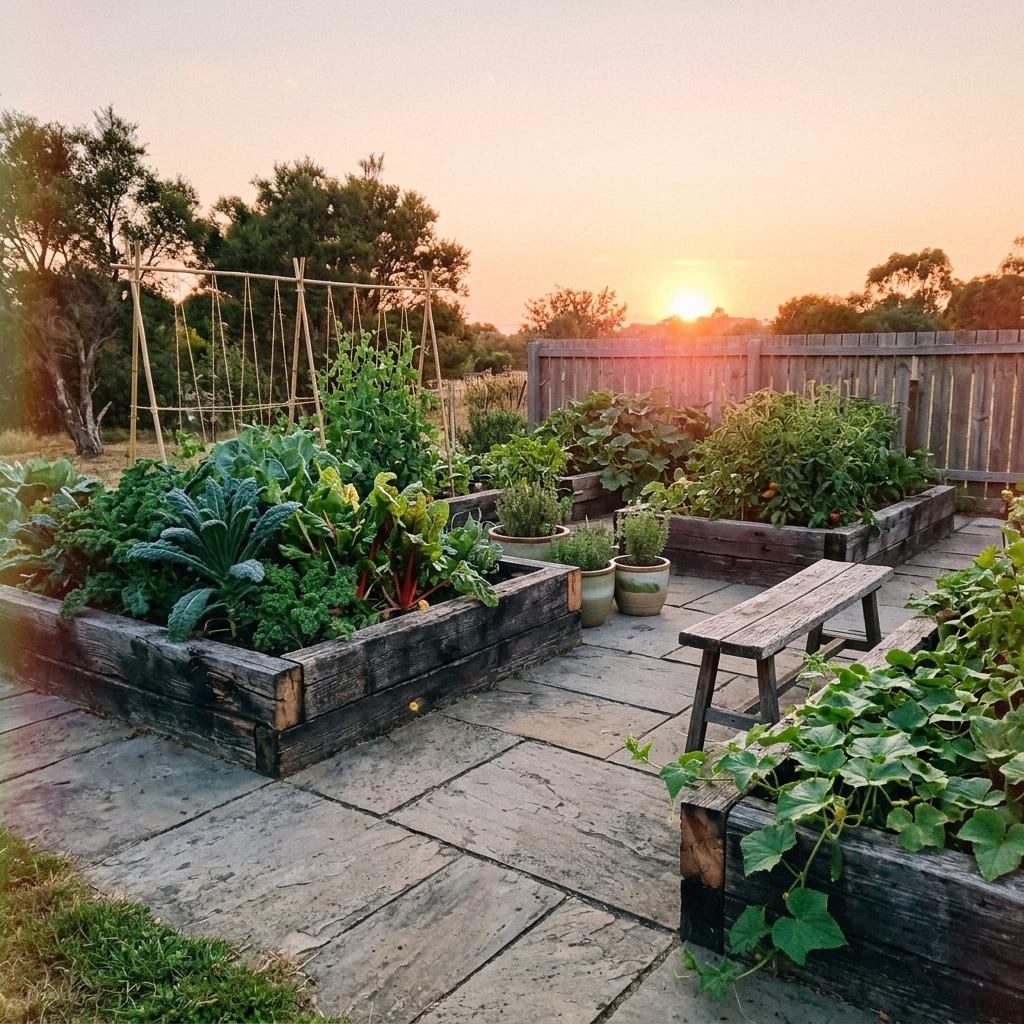

At its core, the Japandi vegetable garden is a rigorous synthesis of Scandinavian functionalism and Japanese wabi-sabi ethics, resulting in a landscape that transcends mere utility to become a curated site of "productive stillness." In this framework, the garden is defined by a dialectical tension: the architectural layout is uncompromisingly geometric and disciplined, yet the organic growth it contains remains inherently feral and transient. To achieve this, the design employs a palette of monochromatic charred timber and weathered stone, creating a visual gravity that anchors the ephemeral beauty of seasonal flora. The atmosphere is defined by a haptic, rhythmic, and meditative quality, where the tactile grain of raised cedar beds meets the ethereal, filtered light of a minimalist trellis, transforming the traditional kitchen garden into a sophisticated sanctuary of curated nature.
Natural Materials Define This Modern Japandi Vegetable Garden
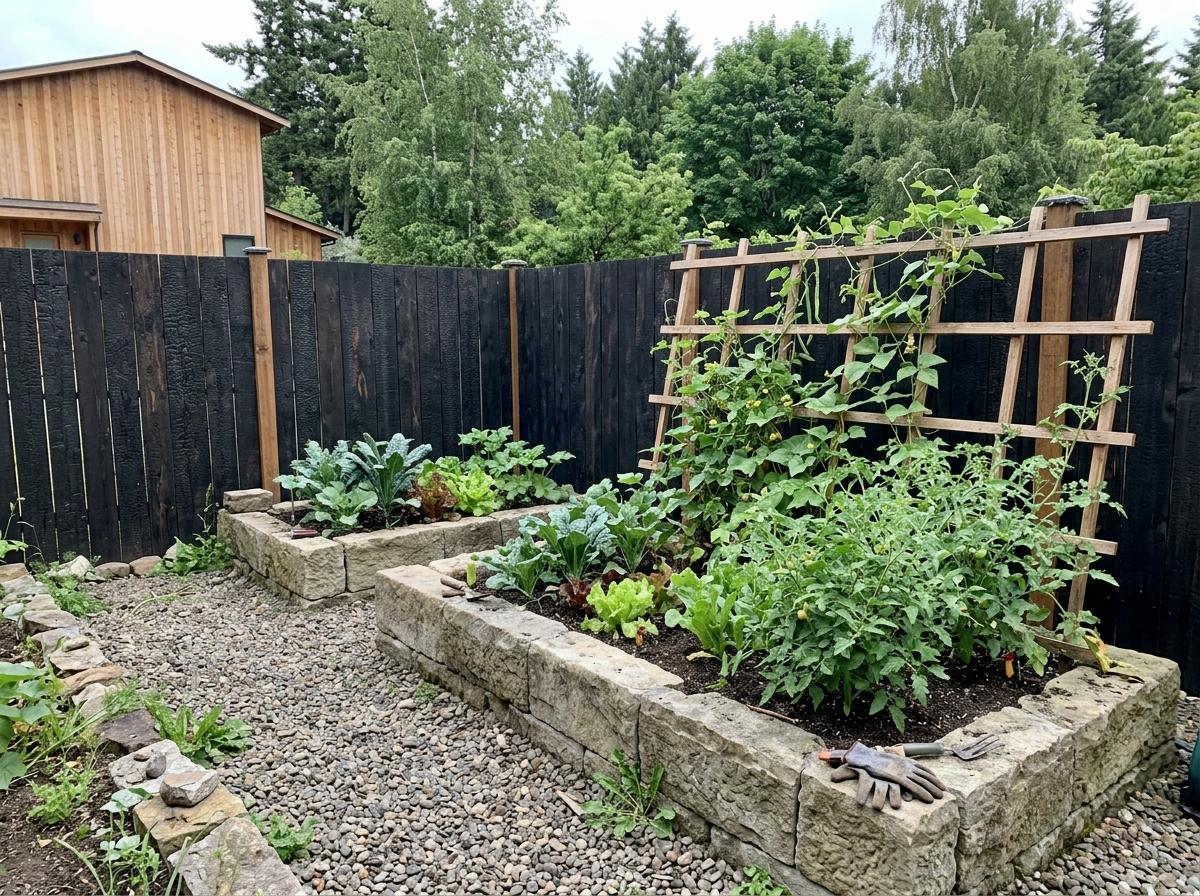

The structural integrity of this landscape relies on a sophisticated palette of tactile contrasts, where the weathered resilience of charred Shou Sugi Ban fencing meets the velvety, porous surfaces of hand-tooled tuffeau stone garden beds. Note how the rigid geometry of the cedar trellises creates a structured chaos, allowing sprawling heirloom vines to climb with a programmed spontaneity that mimics a wild forest edge. This interplay of the industrial and the organic-what we might call a disciplined wilderness-triggers an immediate physiological shift; as you move through the gravel paths, the rhythmic crunch underfoot works in tandem with the scent of damp earth to lower the heart rate and sharpen the senses. This isn't merely a backyard plot, but a rigorous study in Kyoto-meets-Copenhagen utility, grounding the home within a North Pacific aesthetic that transforms the act of cultivation into a form of moving meditation.
Walk Through A Minimalist Courtyard Japandi Vegetable Garden
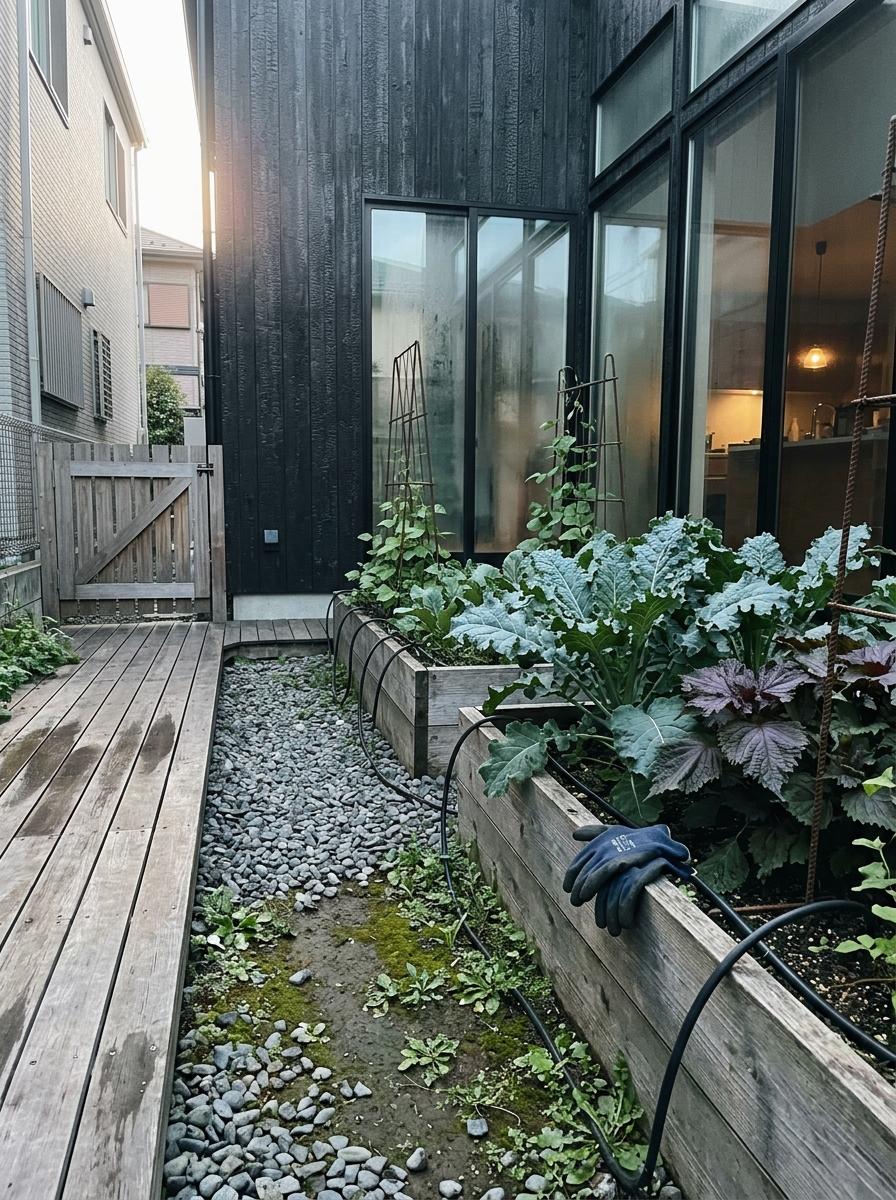

To step into this Tokyo courtyard is to exit the velocity of the city and enter a curated silence, where the architecture serves merely as a frame for the soil. Here, the garden does not exist as an unruly patch of nature, but as a disciplined wilderness-a space where the organic chaos of growing kale and shiso is bound by the uncompromising geometry of the home's perimeter. This creates a striking structural dualism: while the exterior facade presents a stoic, impenetrable barrier of charred timber to the street, the interior heart of the home dissolves into floor-to-ceiling glass, blurring the line between the domestic sanctuary and the productive earth. The tactility of the space is defined by a rigorous material palette, where the silver-grey grain of weathered cedar decking meets the porous, matte texture of volcanic basalt gravel. Amidst these muted tones, the vibrant chlorophyll of the vegetable beds acts as the primary ornament. This is not merely an aesthetic choice but a study in functionalist specification; the integration of recessed irrigation channels and modular steel planting crates transforms the courtyard into a high-performance utility. In this Japandi synthesis, the act of cultivation is elevated from a chore to a ritual, proving that a vegetable garden can be both a source of sustenance and a masterpiece of minimalist restraint.
Transform Your Backyard Into A Japandi Vegetable Garden Oasis
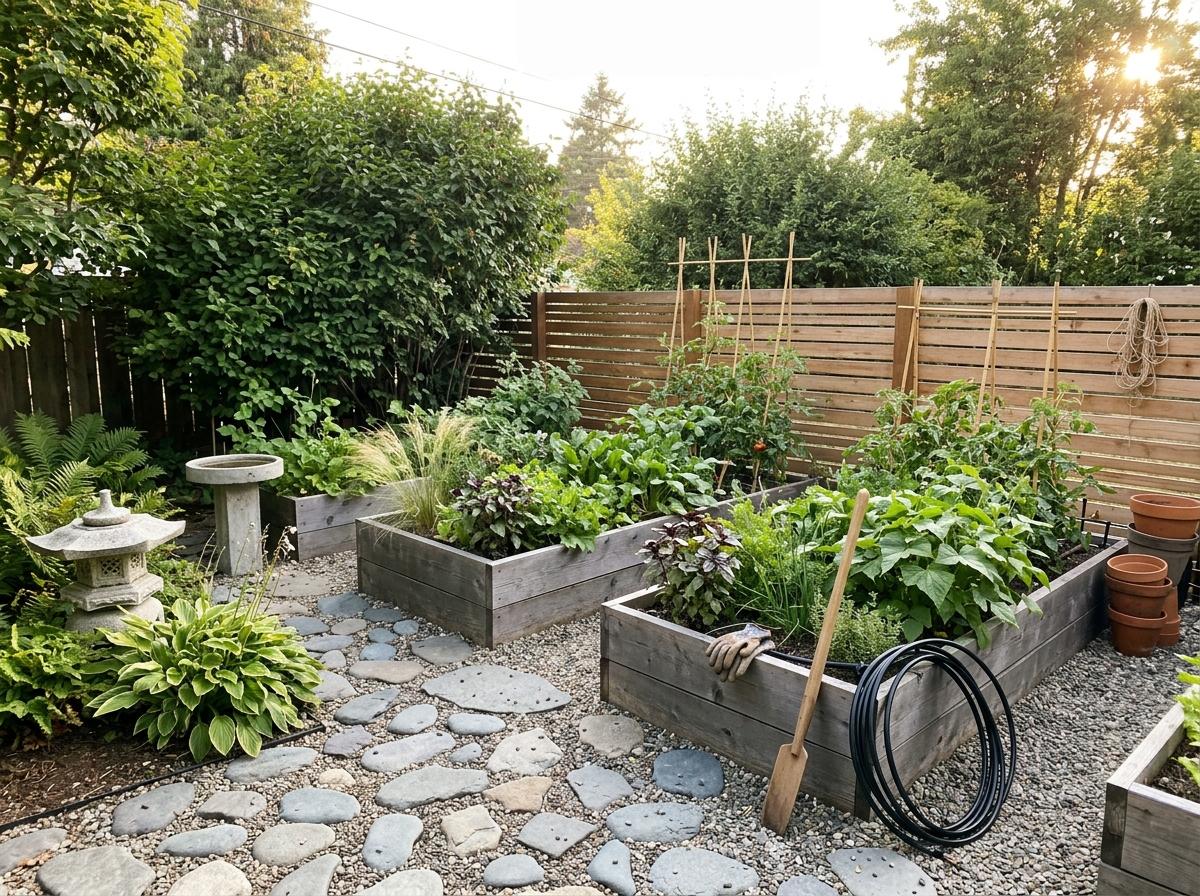

I remember sitting in a chaotic city terrace last summer, where the aggressive sprawl of unkempt ivy felt less like nature and more like an intrusion. "The problem with traditional gardening," a landscape consultant once told me, leaning over a messy sketch of a parterre, "is that we often try to dominate the earth... rather than negotiating with it." This tension-the noise of a cluttered backyard versus the silence of a curated space-is where the Japandi vegetable garden finds its voice. By replacing the visual noise of plastic planters with the tactile materiality of weathered cedar and organic minimalism, we move away from a mere hobby and toward a deliberate spatial composition. It is within this intersection of Nordic functionality and Japanese rusticism that we find a new way to grow.
Sophisticated Planting Schemes For A Japandi Vegetable Garden
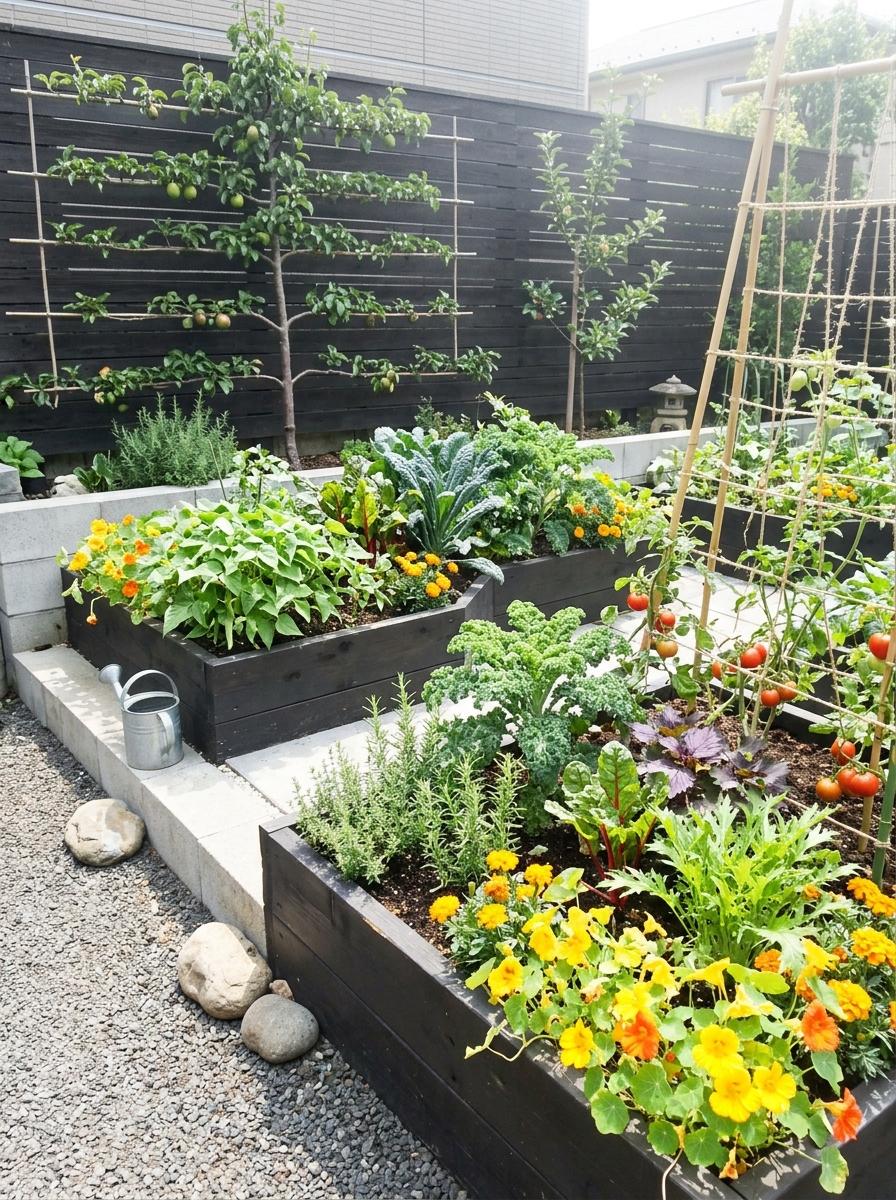

For this project, we look back to the Meiji-era tsubo-niwa (courtyard garden), which was historically a utilitarian space for light and air, and contrast it with the contemporary demand for high-yield, domestic food security. This evolution transforms the vegetable patch from a hidden chore into a centerpiece of structured wildness, where the rigid geometry of Scandinavian functionalism meets the untamed soul of organic growth. Situated within the prestigious enclave of Den-en-chōfu, this garden was commissioned by a repeat client whose previous collaborations have allowed us to push the boundaries of productive landscaping. The resulting scheme achieves a sophisticated harmony through the technical synthesis of monochromatic hardscaping, tiered espalier training, and a rhythmic placement of perennial textures.
A Quiet Corner Dedicated To Japandi Vegetable Garden Principles
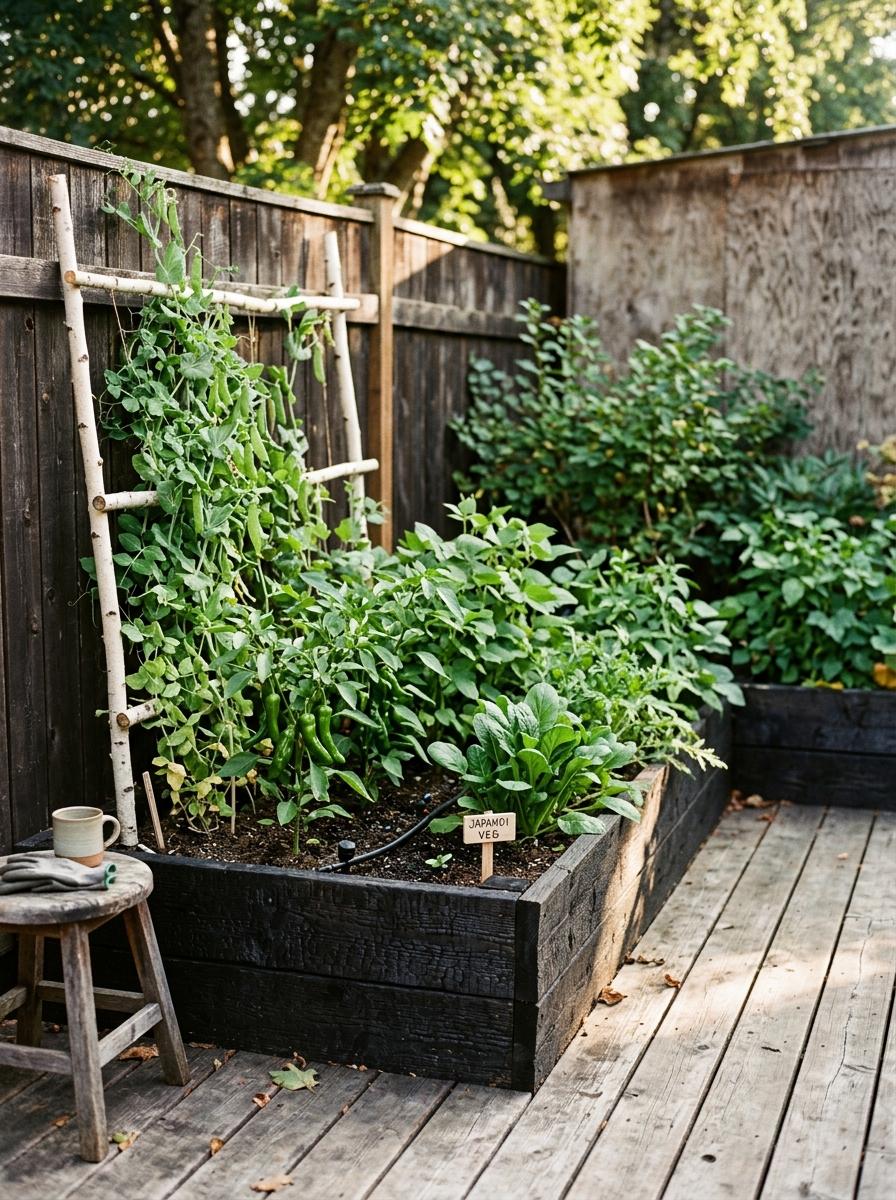

This secluded alcove, carved from the periphery of a sun-bleached cedar deck, functions as a sanctuary where the rigorous geometry of Japanese horticulture meets the untamed soul of Scandinavian flora. It exists as a structured wilderness, where the chaotic impulse of organic growth is refined through a philosophy of intentional restraint. While the external world thrives on the clamor of decorative abundance, this internal enclave prioritizes the silent productivity of the soil, drawing a sharp line between mere greenery and a deliberate, edible ecosystem. The tactile presence of charred Shou Sugi Ban raised beds provides a textured, obsidian contrast to the pale, fine-grained birch trellises that support the weight of climbing legumes. Here, the integration of a sub-surface irrigation matrix serves as a hidden industrial backbone, ensuring that the poetic simplicity of the garden is maintained by a high-functioning, invisible utility.
Balanced Living With A Productive Japandi Vegetable Garden
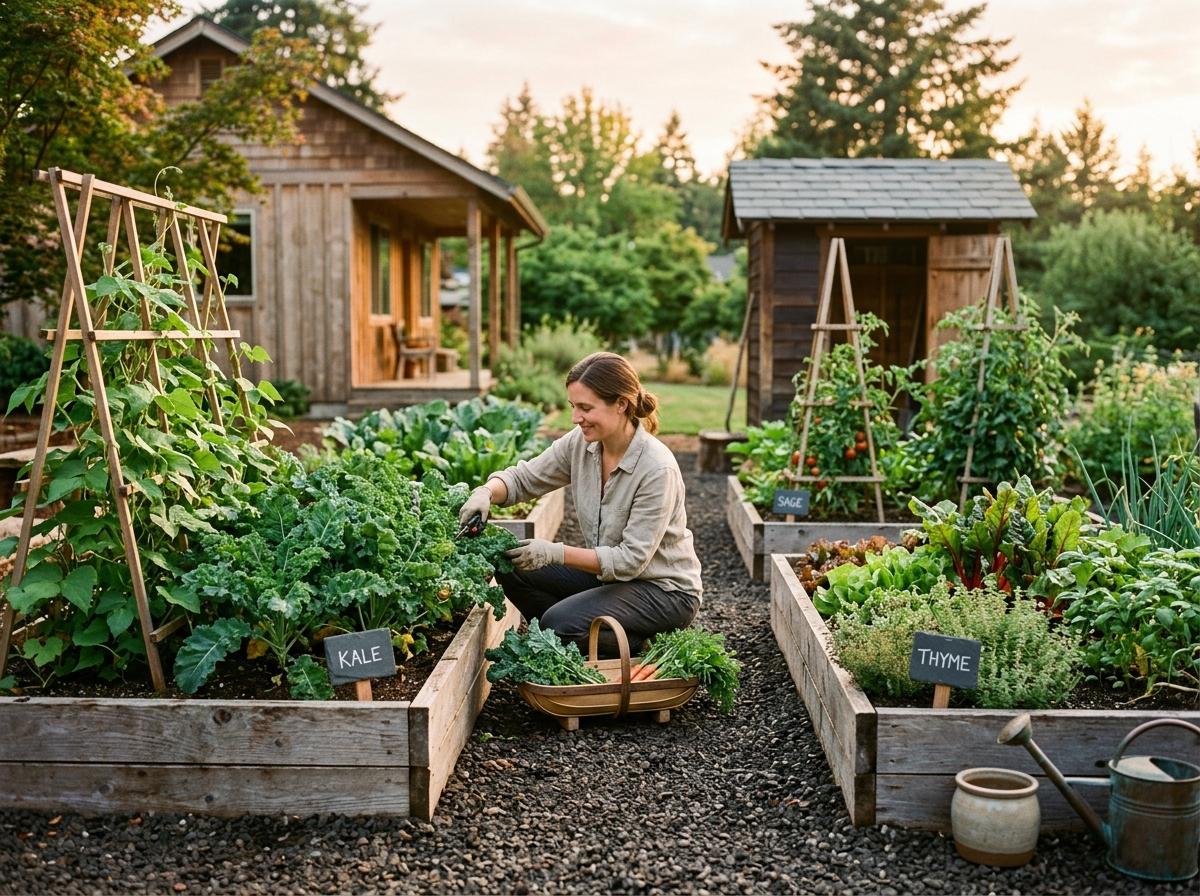

To achieve a state of equilibrium between domestic utility and restorative aesthetics, You need to look toward the integration of a Japandi Vegetable Garden. Note how the tactile juxtaposition of planed, splinter-free cedar against the porous, volcanic grit of the walking paths establishes a rhythmic sensory boundary. This landscape thrives on the concept of structured wildness; it is a meticulously choreographed chaos where the rigid geometry of Japanese joinery frames the untamed sprawl of heirloom kale. As you run your hand over the cool, matte-finished slate labels and brush against the velvety, silver-green foliage of sage, the sharp scent of damp earth triggers a primitive release of cortisol, physically slowing your heart rate to match the garden's silent pulse. Within this curated ecosystem, much like the serene courtyard gardens of Kyoto's Tofuku-ji, the transition from the frantic digital world to the visceral reality of growth is instantaneous, turning a simple chore of harvest into a profound act of metabolic grounding.
Sustainable Living Found In This Japandi Vegetable Garden Design
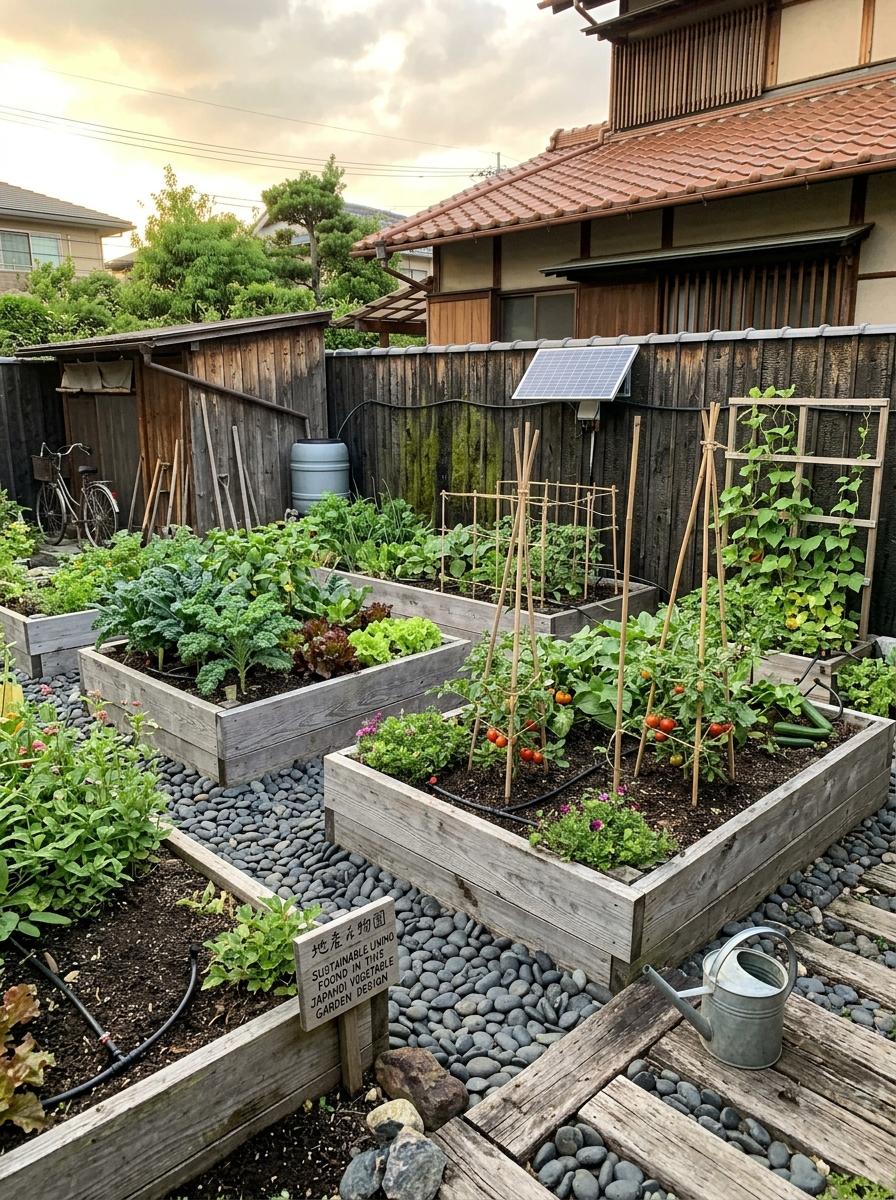

At the edge of a Kyoto-inspired suburban plot, the air thickens with the scent of damp moss and charred cedar, anchoring the space in a quiet, meditative stillness. This vegetable garden thrives through a structured wildness, where the rigid discipline of agrarian production dissolves into the poetic spontaneity of the natural world. While the exterior landscape endures the erratic shifts of the changing seasons, the internal logic of the garden remains an oasis of curated permanence, protected by a perimeter of hand-planed Shou Sugi Ban fencing. Raised beds are crafted from untreated Siberian Larch, their silvering grains providing a tactile contrast to the dark, friable loam and the obsidian smoothness of river-stone drainage paths. Beyond mere aesthetics, the layout functions as a high-performance ecosystem; a solar-integrated irrigation network and modular trellising act as a vital industrial backbone, transforming a humble backyard into a sophisticated machine for self-sufficiency.




Comments