
By synthesizing the disciplined austerity of the Japanese karensansui with the pragmatic comfort of Scandinavian hygge, we arrive at a refined landscape typology that transcends mere gardening: the Japandi outdoor retreat. This aesthetic demands a meticulous calibration of organic spontaneity and rigorous geometry, where the raw, rugged textures of granite and slate are softened by the ethereal, silken plumes of ornamental grasses. It is a space that feels profoundly ancestral yet decidedly contemporary, offering a sensory experience that is simultaneously visceral, meditative, and grounding. Within this dialectical tension, the garden ceases to be a decorative periphery and instead becomes a vital, atmospheric sanctuary designed for profound psychological restoration.
Japandi Zen Garden
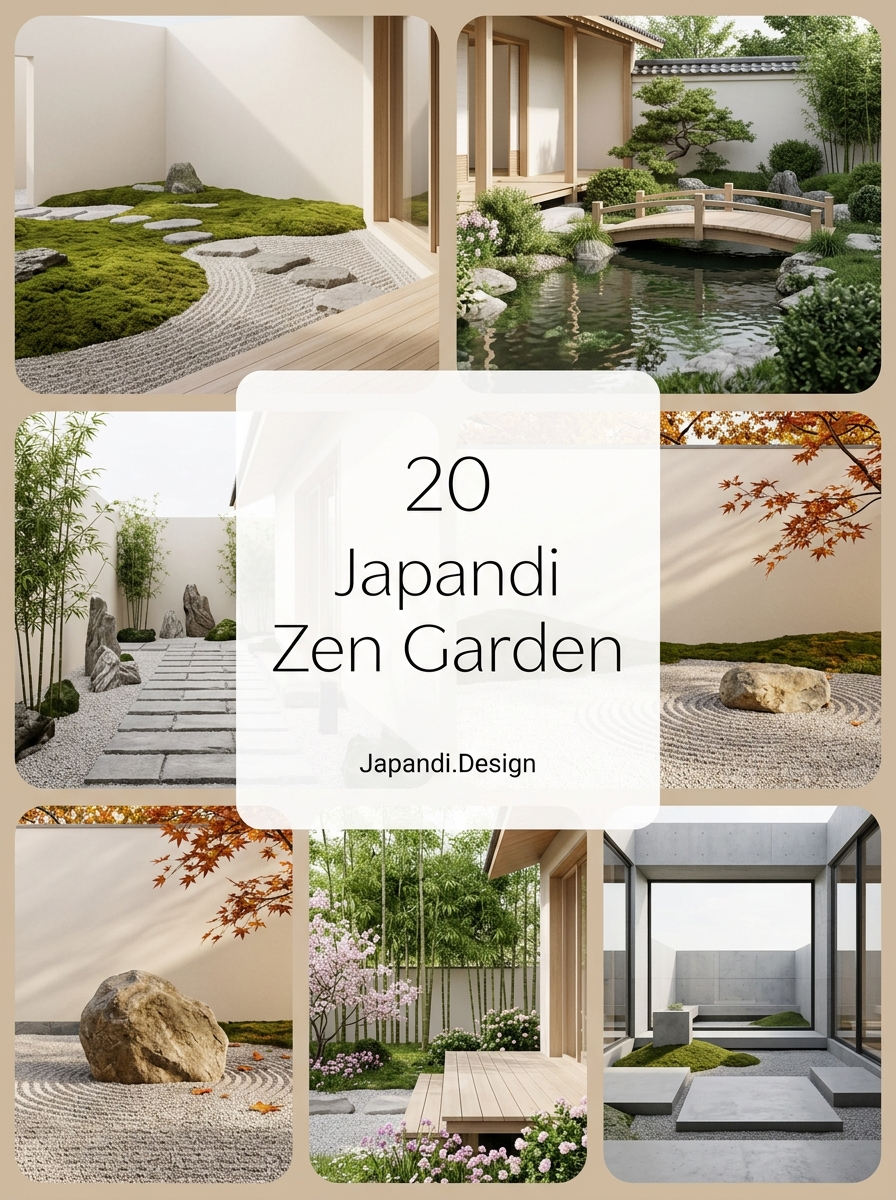

Transform Your Backyard Into A Minimalist Japandi Zen Garden
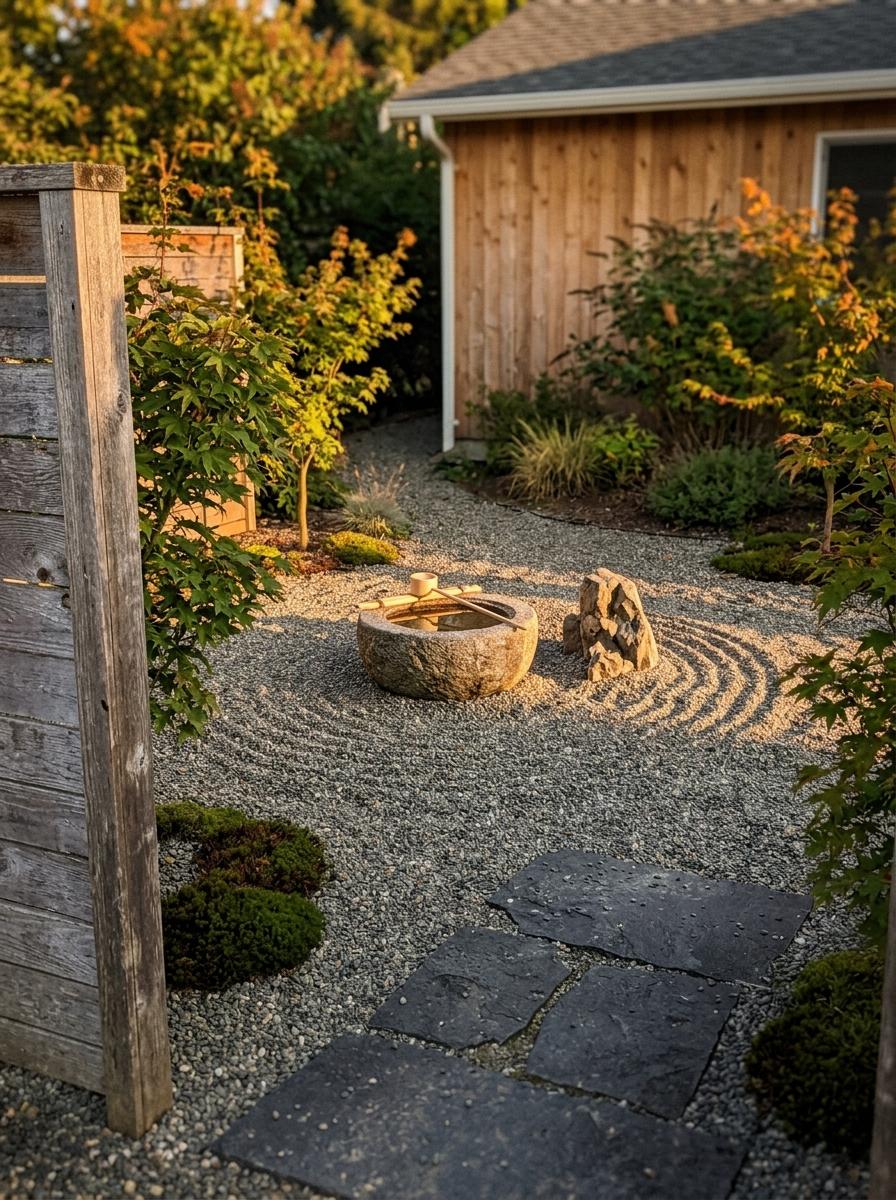

To achieve a true synthesis of Scandinavian utility and Japanese ethos, begin by selecting a palette of tactile, low-sheen basalt and resilient, silvered cedar. Note how the placement of a single, weather-worn granite basin anchors the space, acting as a focal point that demands both your gaze and your stillness. This arrangement relies on the complex simplicity of the design; it is a calculated void where every emptiness feels intentional and every solid feels light. As you trace the fibrous, open-grain texture of the timber with your eyes, a profound physiological deceleration occurs-your heart rate synchronizes with the rhythmic raking of the homogenous pea gravel, and the cognitive noise of the modern city dissolves into a state of alert tranquility. This is not merely a garden, but a disciplined spatial study reminiscent of the Tofuku-ji temple gardens in Kyoto reimagined through the hygge-centric lens of a Stockholm summer retreat.
Nature First: A Small Courtyard Transformed By Japandi Zen Garden Style
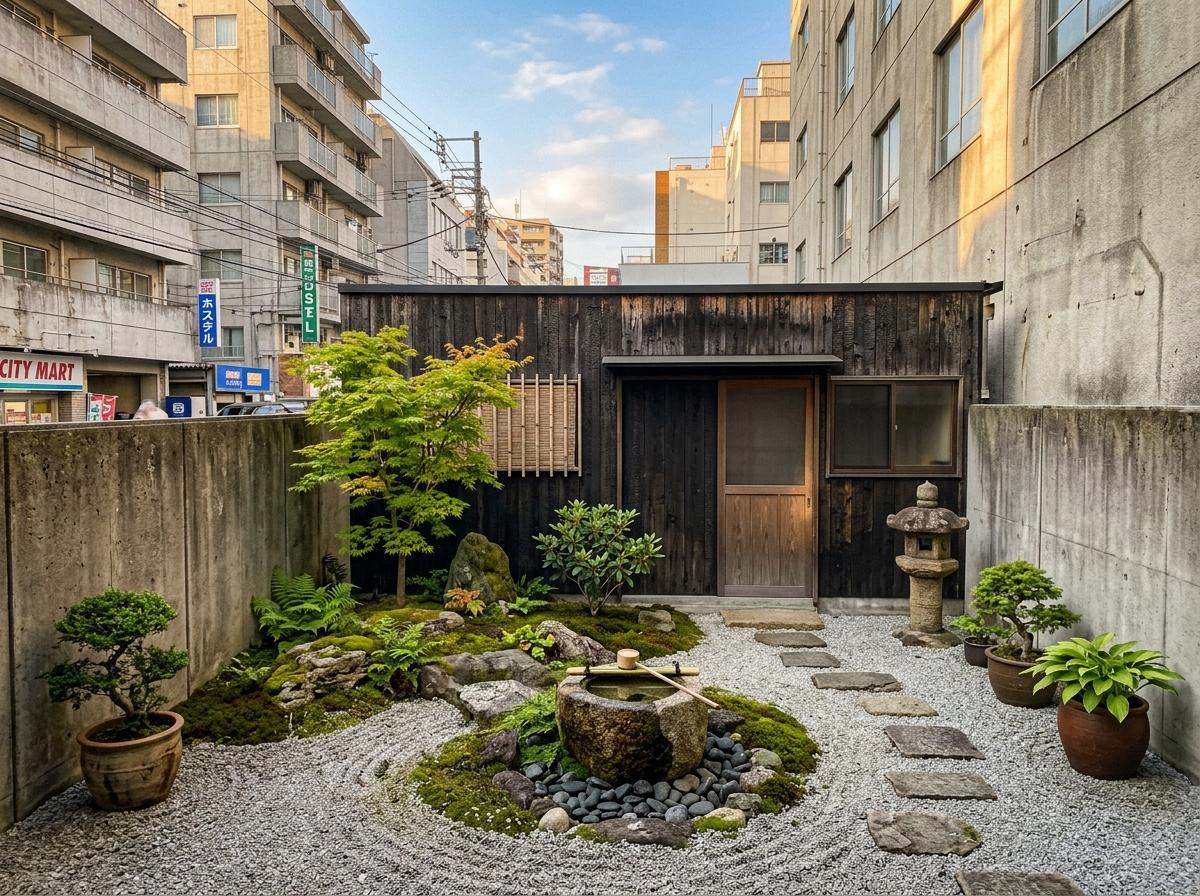

In the heart of a dense urban grid, where the air hums with the static of city life, this small courtyard exists as a pocket of profound stillness-a sanctuary carved from the residual space between towering concrete walls. It is a masterclass in choreographed spontaneity, where the rigid geometry of Scandinavian minimalism is softened by the wild, intentional asymmetry of a Japanese Zen garden. While the external streetscape remains a frantic blur of motion and neon, the internal environment shifts into a state of suspended animation, drawing a sharp, silent boundary between the chaos of the metropolis and the quietude of the home. This transition is anchored by the tactile interplay of dark-stained yakisugi (charred cedar) cladding and the crunch of silver-grey Shirakawa gravel, punctuated only by the moss-slicked surface of a weathered granite water basin. Far from being a mere aesthetic choice, this arrangement functions as a biophilic filtration system, utilizing the garden's layout to regulate natural light and provide a visual cooling effect that mitigates the heat of its industrial surroundings.
Modern Outdoor Spaces Infused With Japandi Zen Garden Elements
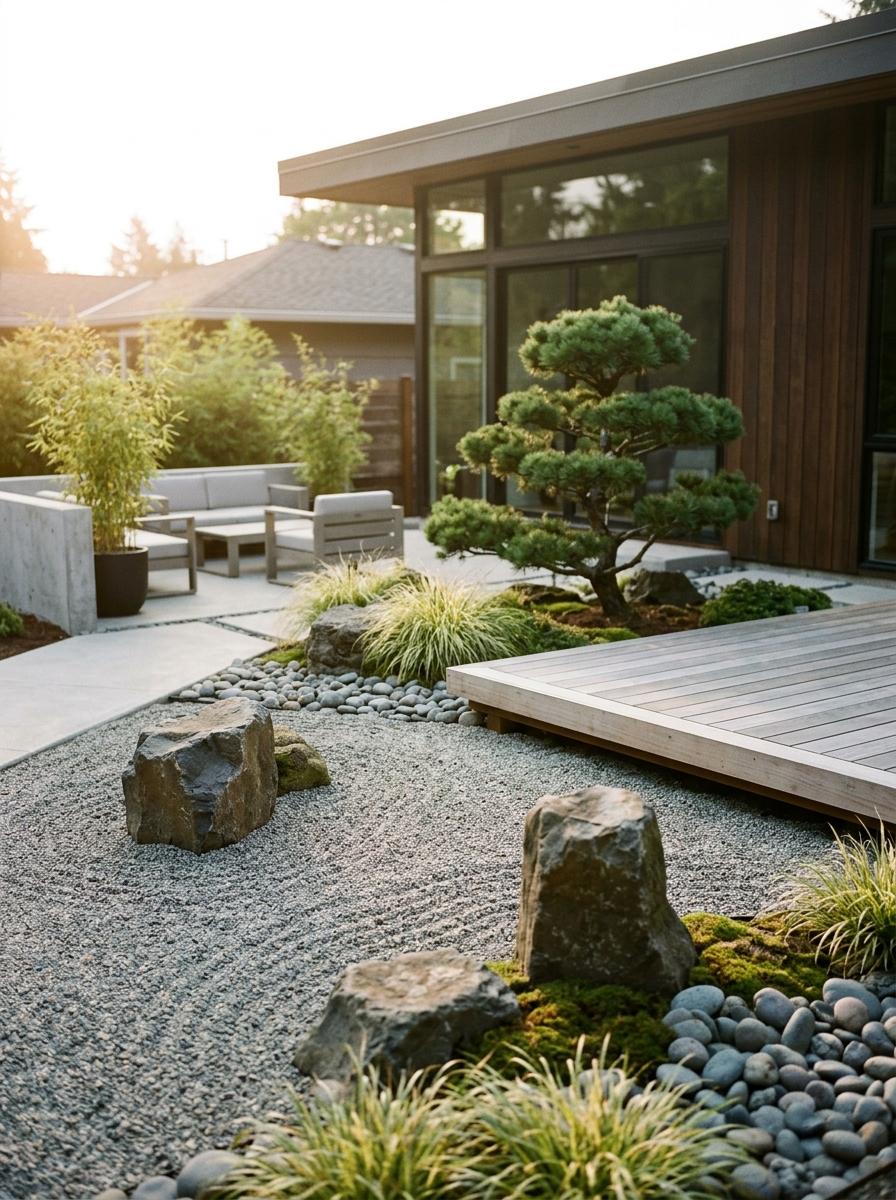

Walking through a typical suburban backyard, one often encounters a chaotic sprawl of oversized plastic furniture and unkempt turf-a visual cacophony that mirrors our cluttered digital lives. Contrast this with the restorative silence of a curated courtyard I recently visited, where the air felt stilled by the deliberate placement of weathered basalt and silver-toned cedar. "The secret to a true sanctuary," the lead landscaper remarked, pausing to adjust a single, asymmetrical branch of a cloud-pruned pine, "isn't about filling the void, but rather-" he gestured toward the vast expanse of raked gravel, "-honoring the negative space that remains." This mastery of Ma, the Japanese concept of the interval, defines the contemporary shift toward outdoor minimalism, where the tactile warmth of Scandinavian hygge meets the rigid discipline of a karesansui garden. By integrating these raw, organic textures with clean-lined architectural silhouettes, we move beyond mere decoration into a realm of environmental intentionality. This intersection of quietude and function serves as the blueprint for today's modern outdoor spaces infused with Japandi Zen garden elements.
A Quiet Courtyard Featuring Classic Japandi Zen Garden Principles
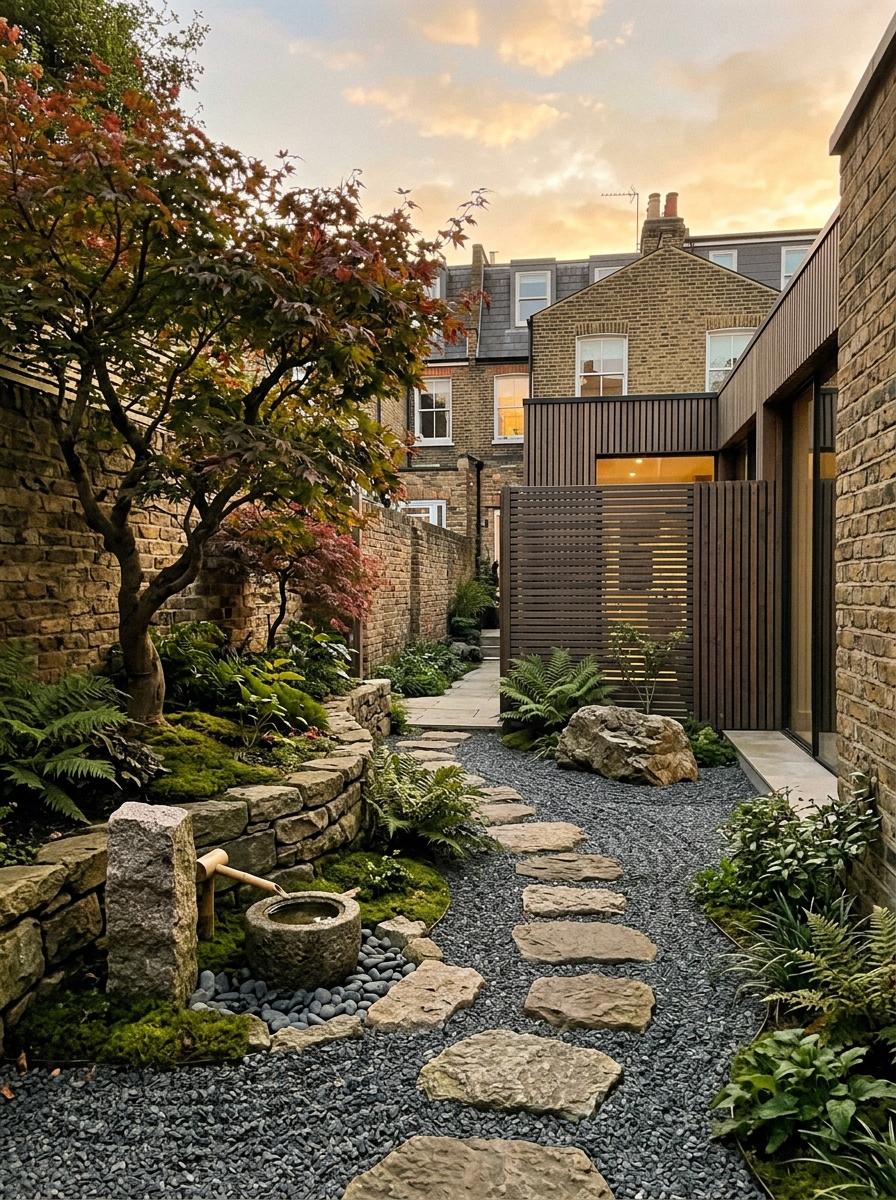

The evolution of the urban courtyard has shifted from the rigid, strictly ceremonial enclosures of the Edo period to the fluid, emotive sanctuaries we see today, marking a historical transition from outward display to inward restoration. This particular project serves as a masterclass in chaotic stillness, where the raw, rugged textures of weathered stone are balanced against the surgical precision of minimalist timber slats. Nestled within the refined enclave of Chelsea, the garden serves as a private lung for the residence, developed for a repeat client who sought to deepen their dialogue with the firm's signature aesthetic. The resulting space is a testament to technical synthesis, achieved through the deliberate calibration of asymmetrical focal points, muted materiality, and the rhythmic interplay of shadow and void.
Create A Balanced Landscape With Japandi Zen Garden Ideas
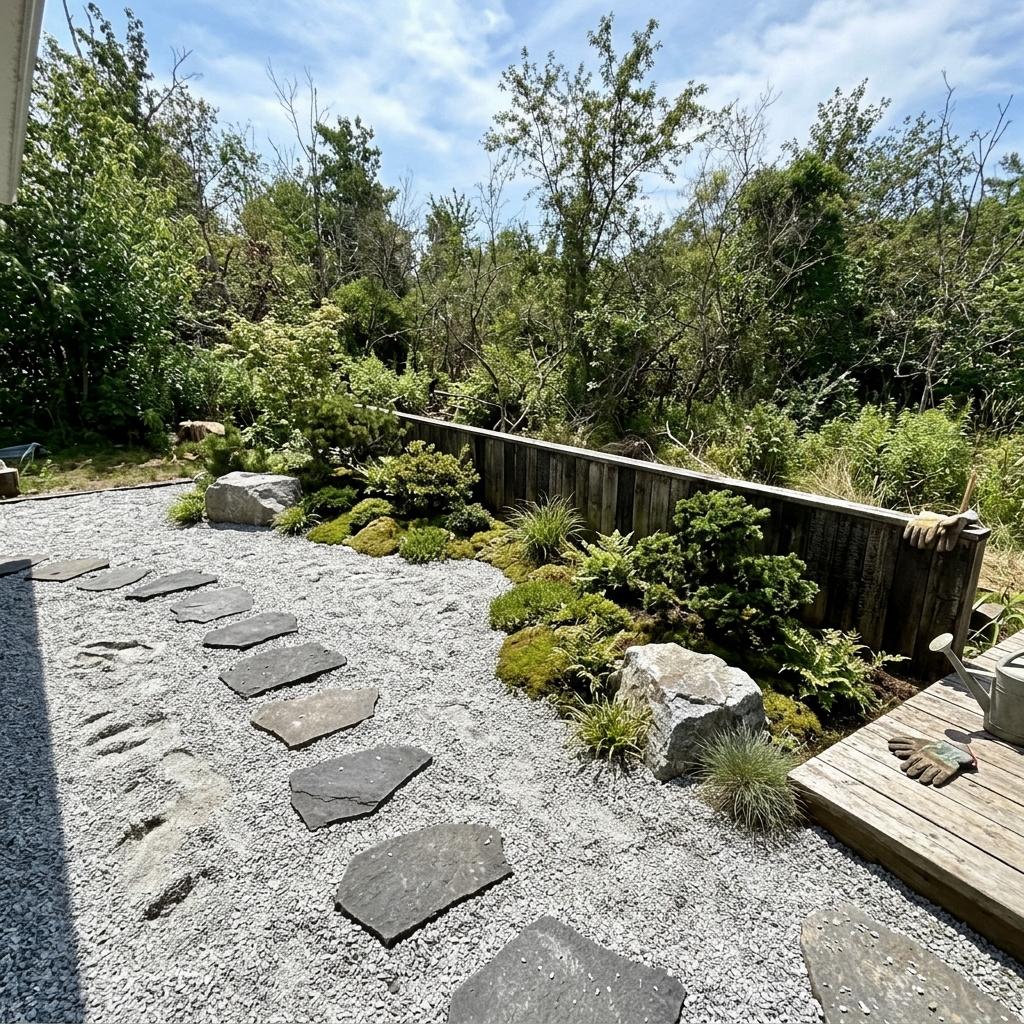

At Japandi.design, we look at the garden not as a mere extension of the home, but as a deliberate threshold where the curated stillness of the interior meets the rhythmic unpredictability of the natural world. This landscape is a manifestation of structured chaos, a paradoxical state where the rigid geometry of Scandinavian functionality finds harmony within the organic asymmetry of Japanese wabi-sabi. While the external environment may be defined by the wild sprawl of unchecked flora, the Japandi Zen garden imposes a sharp internal logic, carving out a sanctuary of domesticated wilderness that separates the frantic pace of modern life from the slow time of the earth. To achieve this balance, You need to move beyond general aesthetics and focus on the tactile dialogue between materials: the cool, granular texture of silver-grey crushed granite juxtaposed against the warm, porous grain of reclaimed charred larch fencing. This is not merely decorative; it is a rigorous exercise in ergonomic tranquility, where the precise placement of sunken basalt stepping stones serves as a functionalist solution for directing both the physical flow of foot traffic and the psychological transition toward a state of meditative focus.
The Art Of Building A Refined Japandi Zen Garden
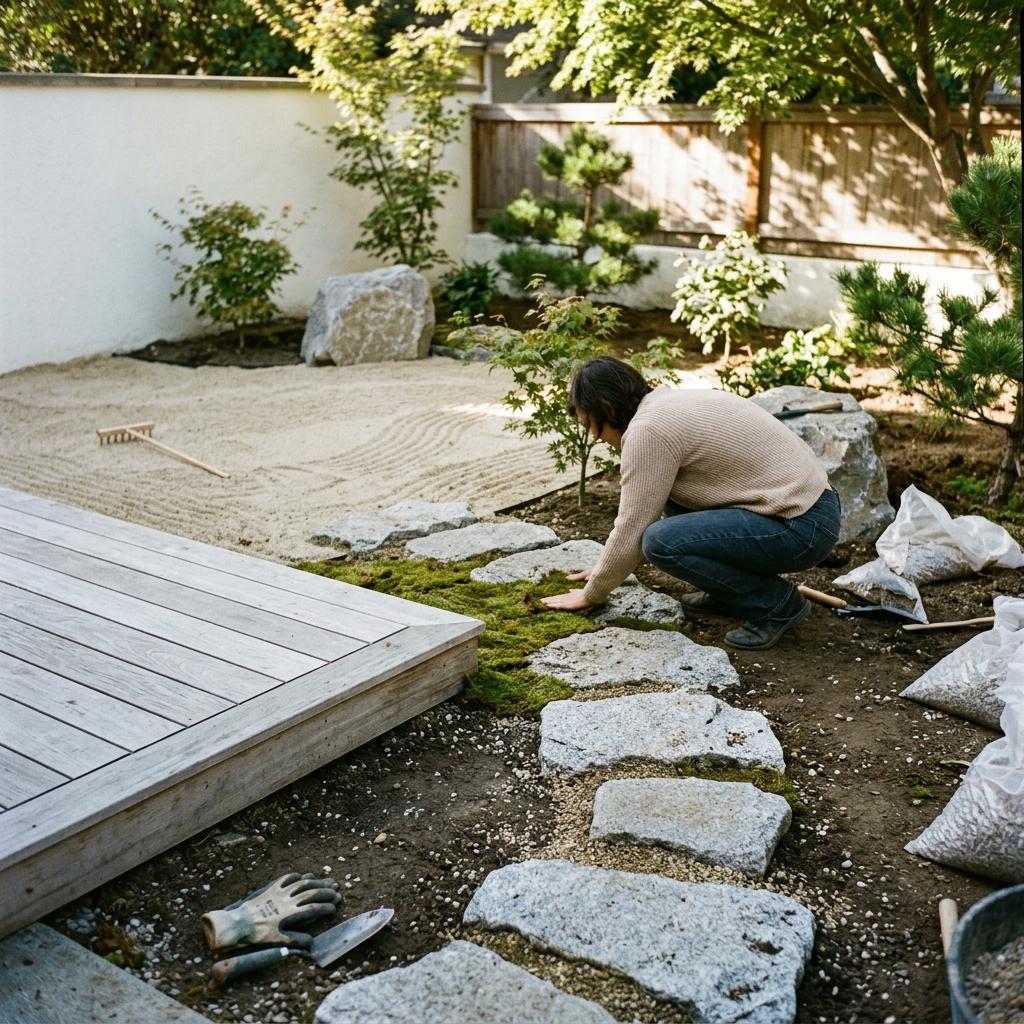

To build a refined Japandi Zen garden, You must first curate a palette of tactile contradictions that bridge the gap between Scandinavian utility and Japanese etherealism. Begin by selecting granulated, weathered granite for your pathways, contrasting its abrasive surface against the silky, verdant suppleness of Kyoto-sourced moss (Bryophyta). Note how the deliberate placement of these jagged stones creates a "rhythmic stillness"-a paradox where the eye finds movement in frozen objects. As you transition from the structured timber decking of a Copenhagen-style terrace to the raked, ashen silica sand, your body undergoes a physiological shift; the sharp, cerebral focus required by the architecture melts into a rhythmic, low-frequency calm, slowing your heart rate to match the deliberate pace of the garden. By grounding your design in the principles seen at the Ryoan-ji Temple in Kyoto, yet softening the edges with the light-drenched minimalism of a Stockholm courtyard, you achieve a space of "chaotic order" that resonates deep within the nervous system.
Experience Harmony In This Private Japandi Zen Garden
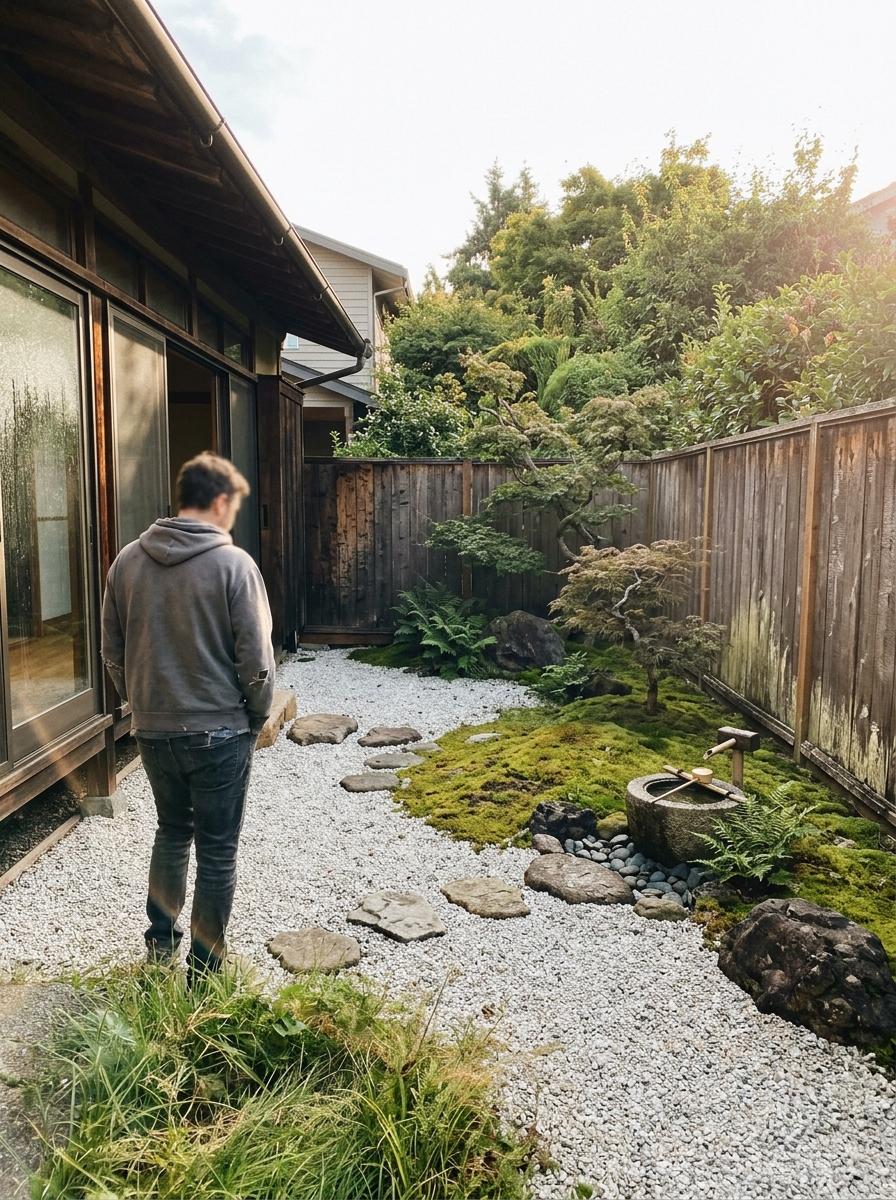

In the quiet periphery of the residence, the private garden exists as a deliberate sanctuary, an enclave where the sprawling chaos of the outside world is distilled into a singular, meditative frame. It is here that we encounter a restless stillness-a paradox where the dynamic growth of moss and the shifting shadows of timber exist in a state of suspended animation, offering a peace that feels both ancient and immediate. This spatial arrangement hinges on a rigorous structural dualism: while the exterior landscape remains unpredictable and wild, the interior courtyard is governed by a strict geometric rhythm, separating the cacophony of life from the silence of the stone. Tactile richness defines the boundary, as the rough, weathered grain of Shou Sugi Ban cedar fencing meets the cool, rhythmic crunch of fine-washed white gravel. Far from being purely decorative, these elements function through precise utility; the perimeter serves as an acoustic dampener, a functionalist barrier that optimizes the garden as a dedicated vessel for cognitive restoration and architectural clarity.
Sophisticated Outdoor Living With Japandi Zen Garden Design
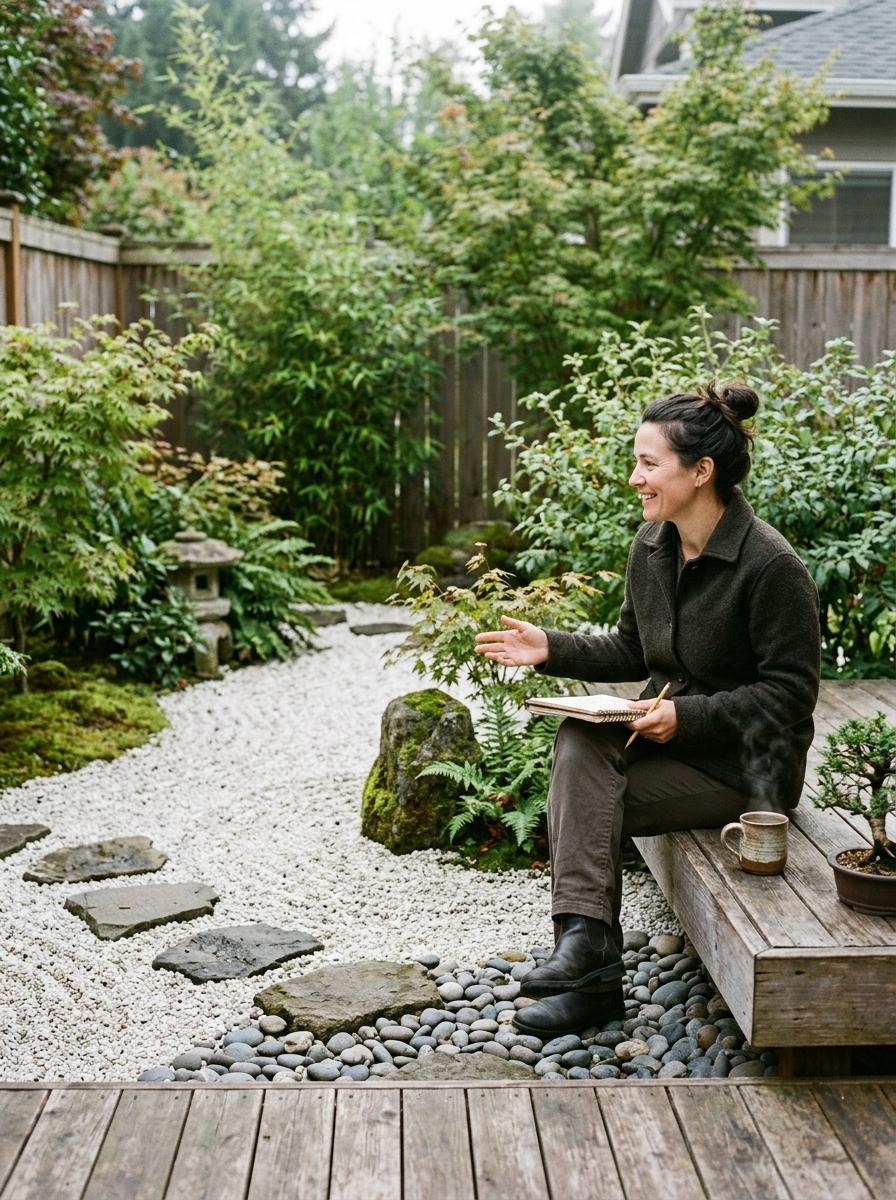

Walking through a typical suburban backyard, one is often met with the visual "noise" of cluttered patios and high-maintenance greenery-a chaotic sprawl that reflects our busy, fragmented lives. However, when I recently sat down with landscape designer Elena Voss to discuss the tranquility of the Japandi ethos, the atmosphere shifted. "The secret to a Zen garden," she told me, as she gestured toward a singular, moss-covered basalt rock, "isn't about filling the void, but rather-" she paused, adjusting her sketchpad, "-learning to honor the negative space within it." This deliberate use of Ma, the Japanese concept of the interval, creates a profound dialogue between the structured minimalism of Scandi utility and the organic imperfection of Wabi-sabi. By contrasting the restless energy of the outside world with a palette of weathered timber and raked gravel, we find that these spaces do more than just look beautiful; they serve as a curated sanctuary where architectural precision meets the quiet soul of nature.
How To Integrate A Japandi Zen Garden Into Small Urban Spaces
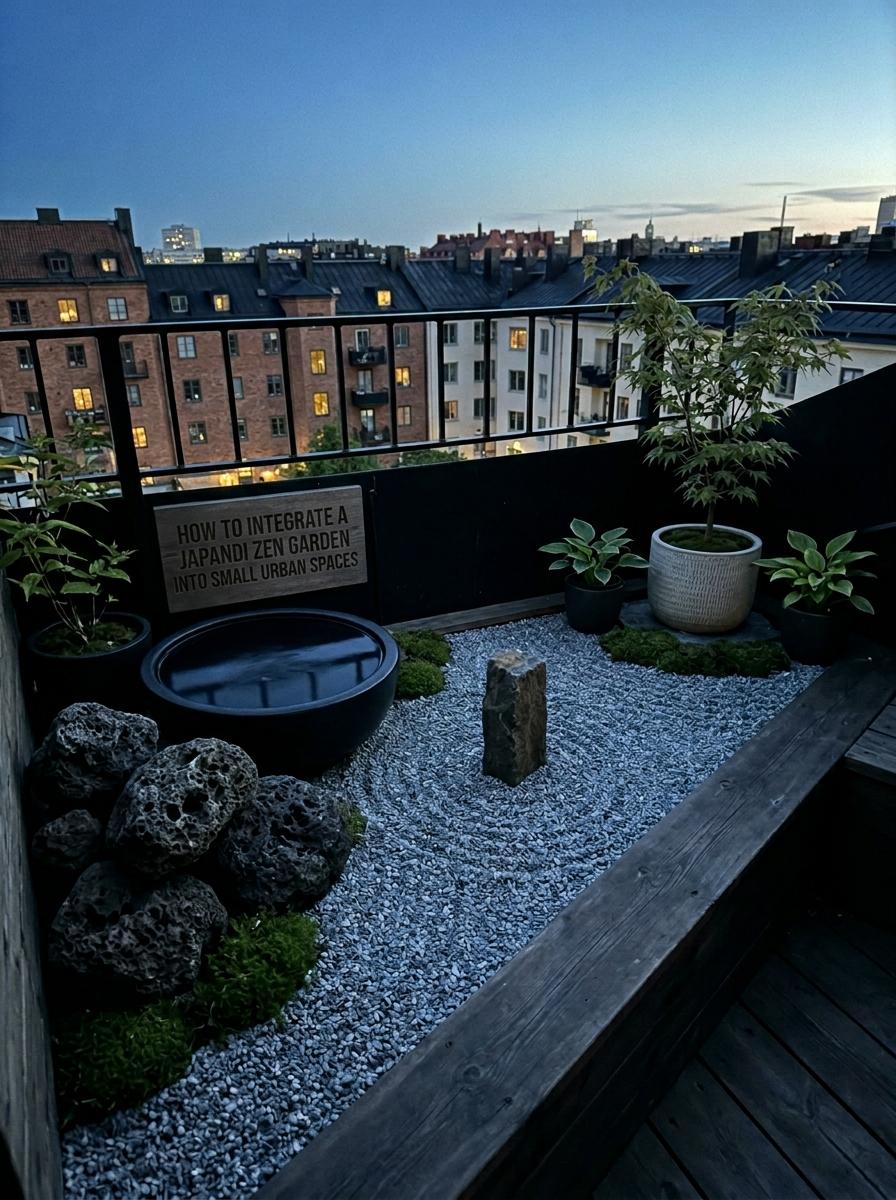

To cultivate a sense of expansive tranquility within a cramped city terrace, you must prioritize the interplay of contrasting textures. Select porous, weather-beaten tufa stone to sit against the satin-smooth, kiln-fired ceramic of a minimalist water basin. Note how the deliberate placement of a single, craggy basalt monolith creates a focal point that anchors the surrounding drift of fine-grained, silty granite gravel. This arrangement achieves a crowded emptiness-a paradoxical design state where every inch is intentional, yet the mind perceives only infinite, uncluttered space. As your eyes trace the rhythmic, raked lines of the sand, feel the immediate deceleration of your heart rate; the prickle of cool moss underfoot and the tactual honesty of unsealed timber work together to lower cortisol levels, physically grounding your body amidst the urban roar. Much like the secluded courtyard gardens found in Kyoto's Gion District or the refined balconies of Stockholm's Södermalm, this integration of Japandi principles proves that true serenity is not a matter of acreage, but of curated tactile harmony.
A Peaceful Outdoor Retreat Focused On Japandi Zen Garden Style
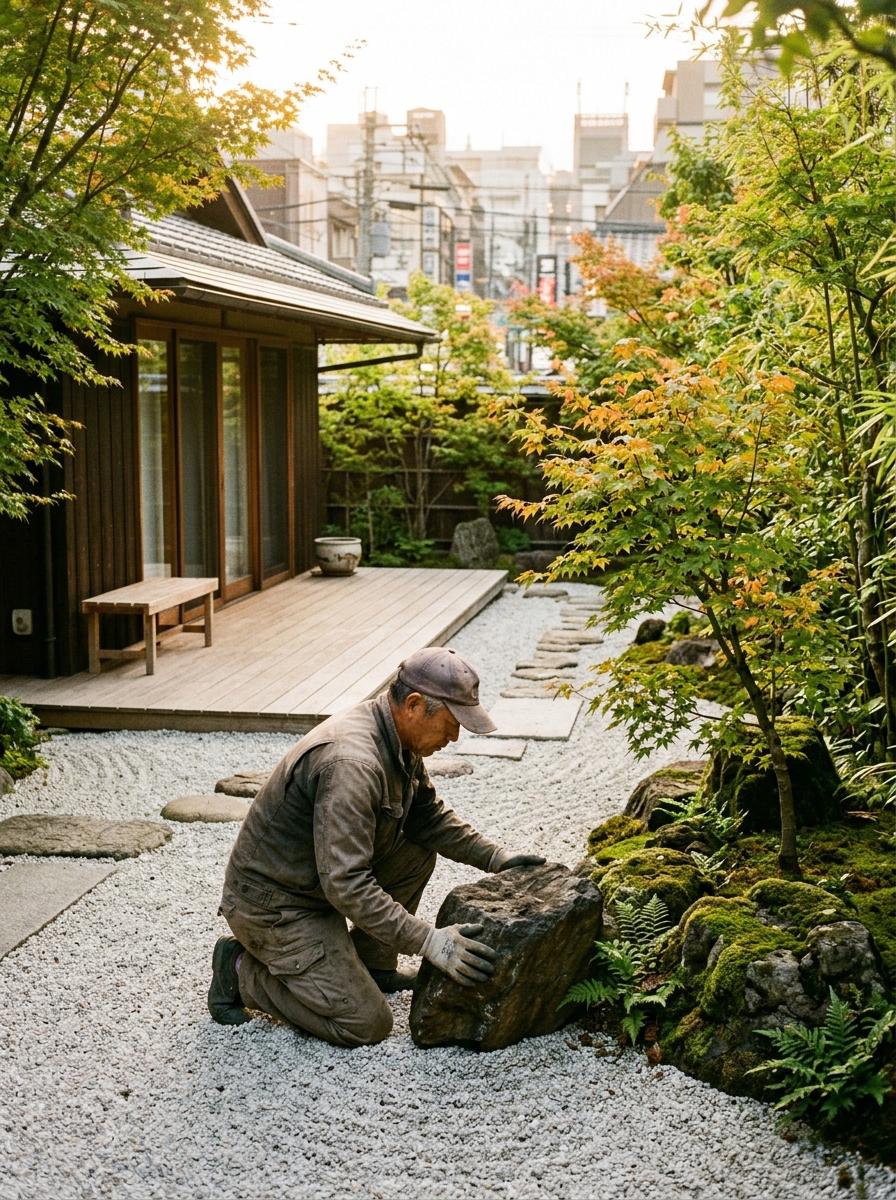

The city outside my window remains a relentless cacophony of steel on concrete and the sharp, neon hum of perpetual movement, but as I stepped into the courtyard of the Kyoto-inspired residence I was visiting, the air seemed to decelerate. "The secret isn't just in the greenery," the landscaper told me, pausing to reposition a weathered basalt stone with a gloved hand, "it's in the... how should I put it... the intentionality of the void." He stepped back, wiping his brow, and added, "We aren't just planting a garden; we are curating silence." This deliberate mastery of Ma-the Japanese concept of negative space-found its perfect equilibrium here through a Scandinavian lens of functional warmth. By juxtaposing the jagged, frantic energy of urban sprawl against the soft tactile quality of light oak decking and raked gravel, the space transforms into a masterclass in organic minimalism. This delicate tension between the raw and the refined is precisely what defines the modern evolution of the Japandi Zen garden.
Essential Elements For A Modern Japandi Zen Garden
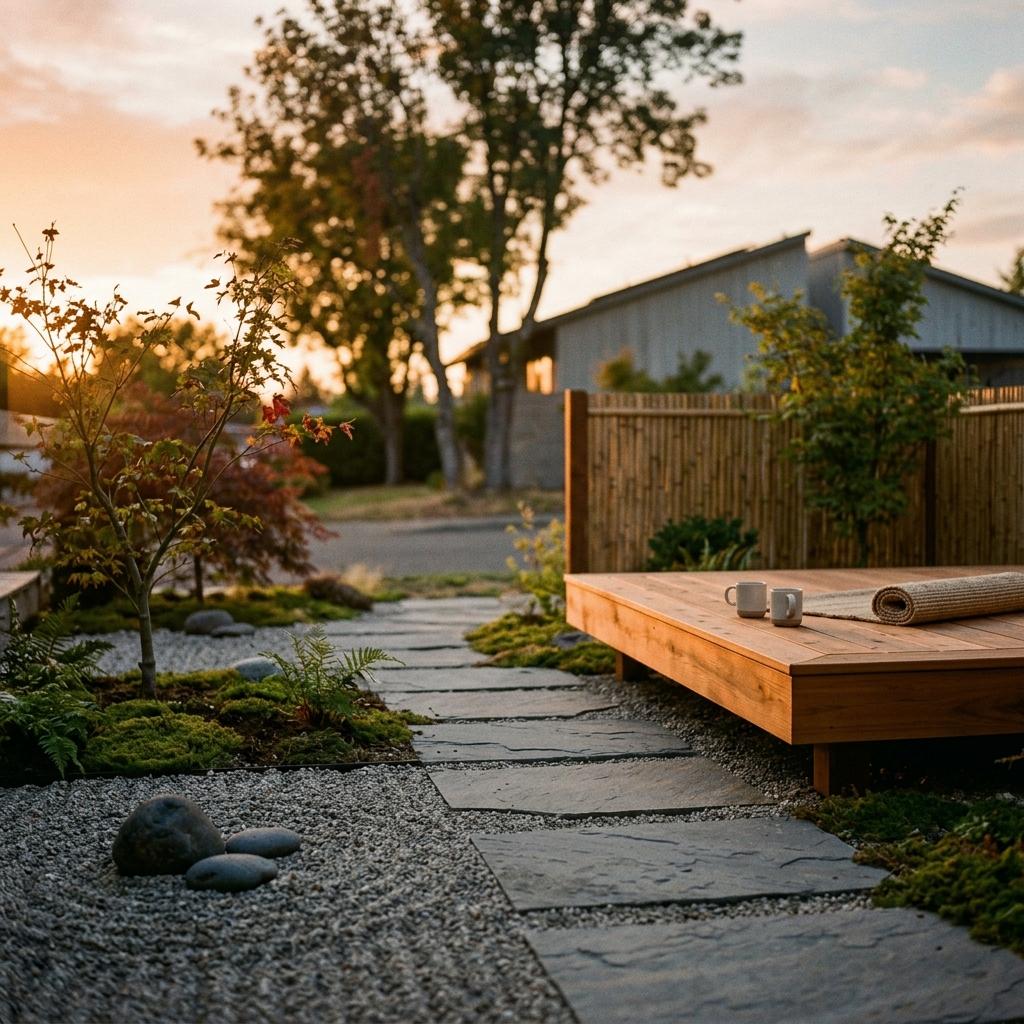

The modern Japandi Zen garden is best understood through a rigorous Definition via Synthesis: it is the calculated intersection of Japanese Karesansui (dry landscape) principles and Scandinavian hygge-centric functionalism, resulting in a curated exterior that prioritizes "mindful utility." To achieve this, we need to employ Lexical Precision by balancing the Wabi-sabi appreciation for transience with the ergonomic tectonicity of Nordic craft. This creates a compelling Dialectical Pairing: the space feels profoundly ancient, yet remains strictly contemporary; it is a void designed for meditation, but structured with an uncompromising, geometric rigor. Through Sensorial Adjective Stacking, the garden transcends mere greenery to become an experience that is at once tectonic, ethereal, and grounding-a sanctuary where the tactile coolness of granite meets the hushed, olfactory warmth of cedar.
Sustainable Landscaping Meets Classic Japandi Zen Garden Aesthetics
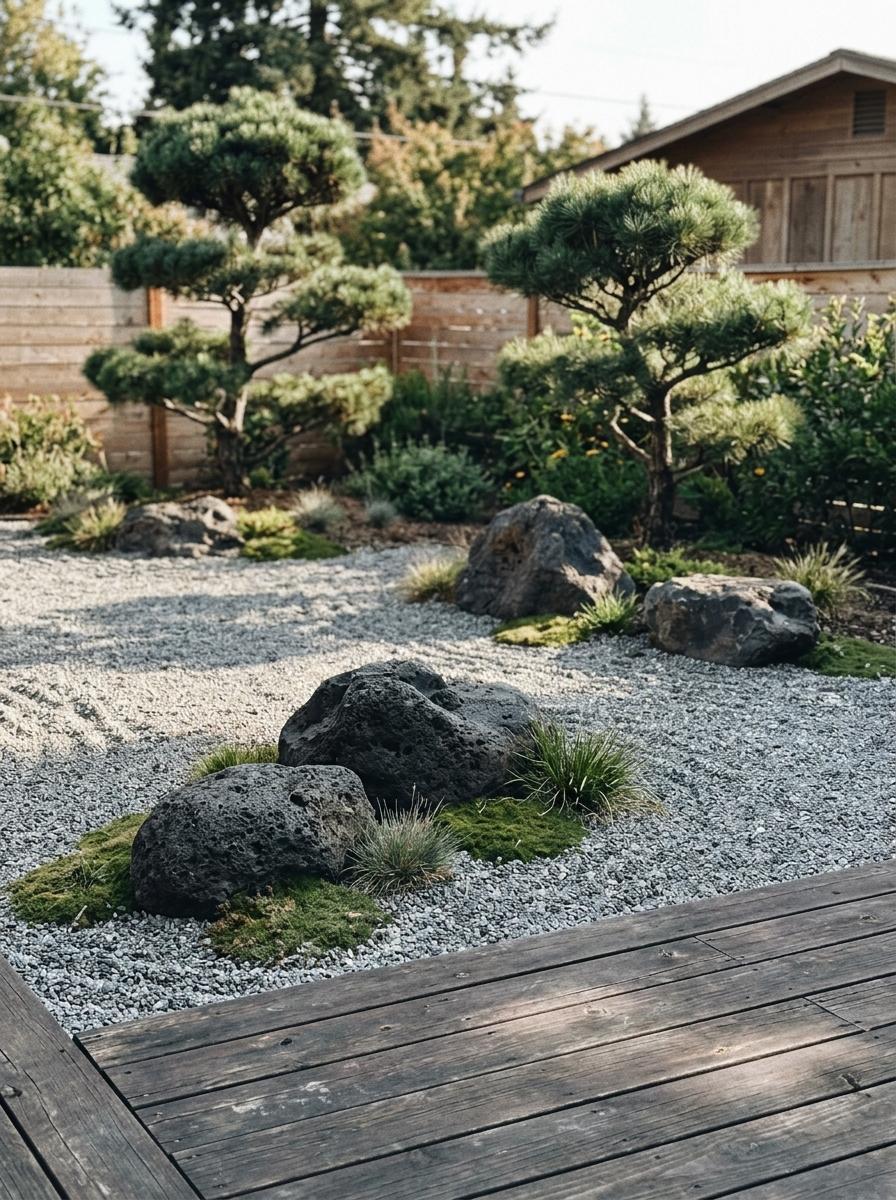

In the pursuit of a landscape that honors both ecological resilience and the meditative stillness of a Kyoto tea garden, we can prioritize the tactile integrity of the elements. Note how the placement of weathered, vesicular basalt boulders provides a rugged, charcoal-toned anchor against the meticulous softness of a silver-grey gravel expanse. This intentional arrangement creates a structured spontaneity, where the rigid geometry of a Scandinavian-inspired timber deck-crafted from reclaimed, carbon-treated Kebony-clashes harmoniously with the organic, asymmetrical silhouettes of drought-tolerant cloud-pruned pines. As you observe the interplay between the flinty, jagged edges of the stonework and the velvet-like cushion of xeric mosses, a physical shift occurs: the erratic pulse of urban life yields to a rhythmic, diaphragmatic calm, lowering the cortisol levels as your body synchronizes with the garden's stillness. This is the hallmark of the modern Japandi exterior-a space that breathes with the efficiency of a Nordic fjord and the spiritual depth of a Ryoan-ji sanctuary.
A Natural Stone Path Within A Lush Japandi Zen Garden
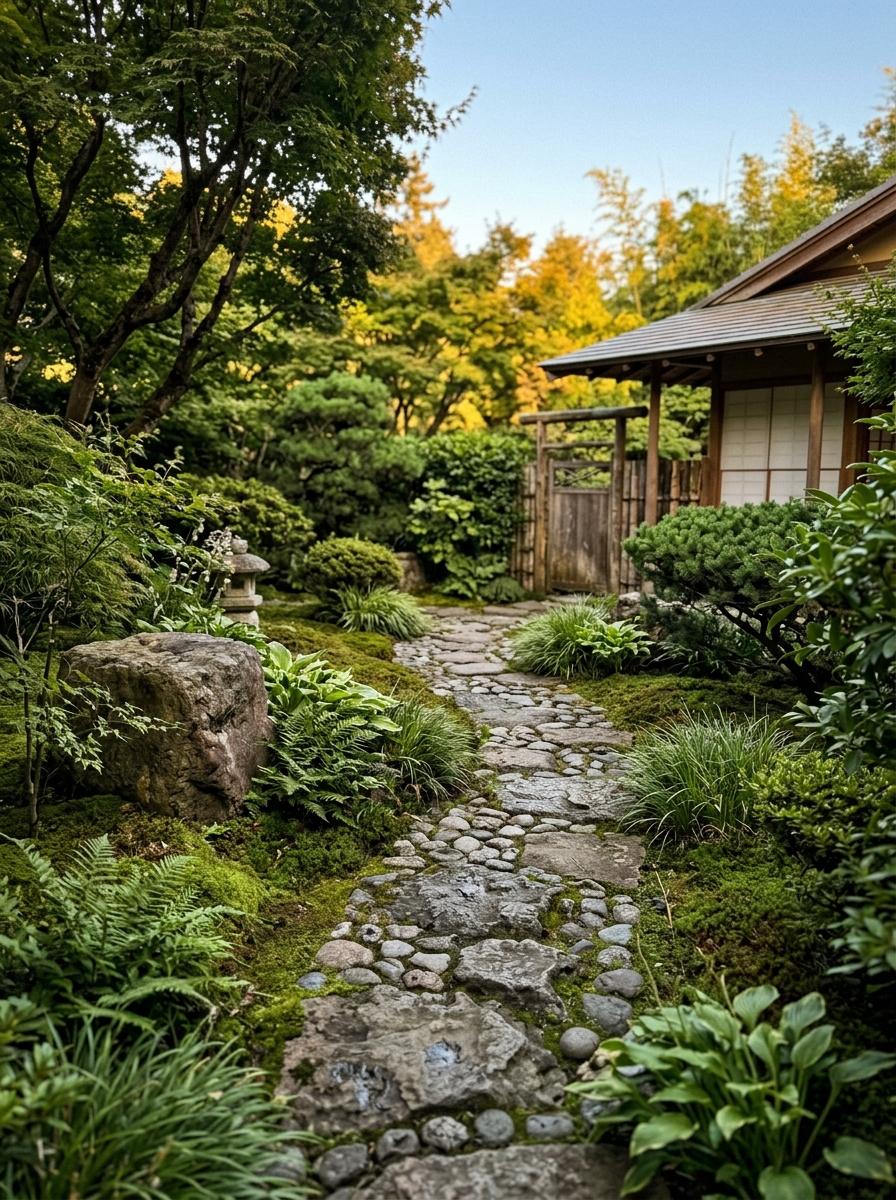

The structural harmony of this landscape was conceived through a deliberate alignment of organic textures and geometric precision. In this sanctuary, the atmosphere remains purposefully sparse, defined by muted palettes and an expansive stillness that rejects all unnecessary ornamentation. This curated calm carves a pathway through the verdant growth, where the stone stretches, settles, and stays. The design masterfully balances the weight of the basalt, the softness of the moss, and the clarity of the open sky.
Minimalist Planting Schemes For A Professional Japandi Zen Garden
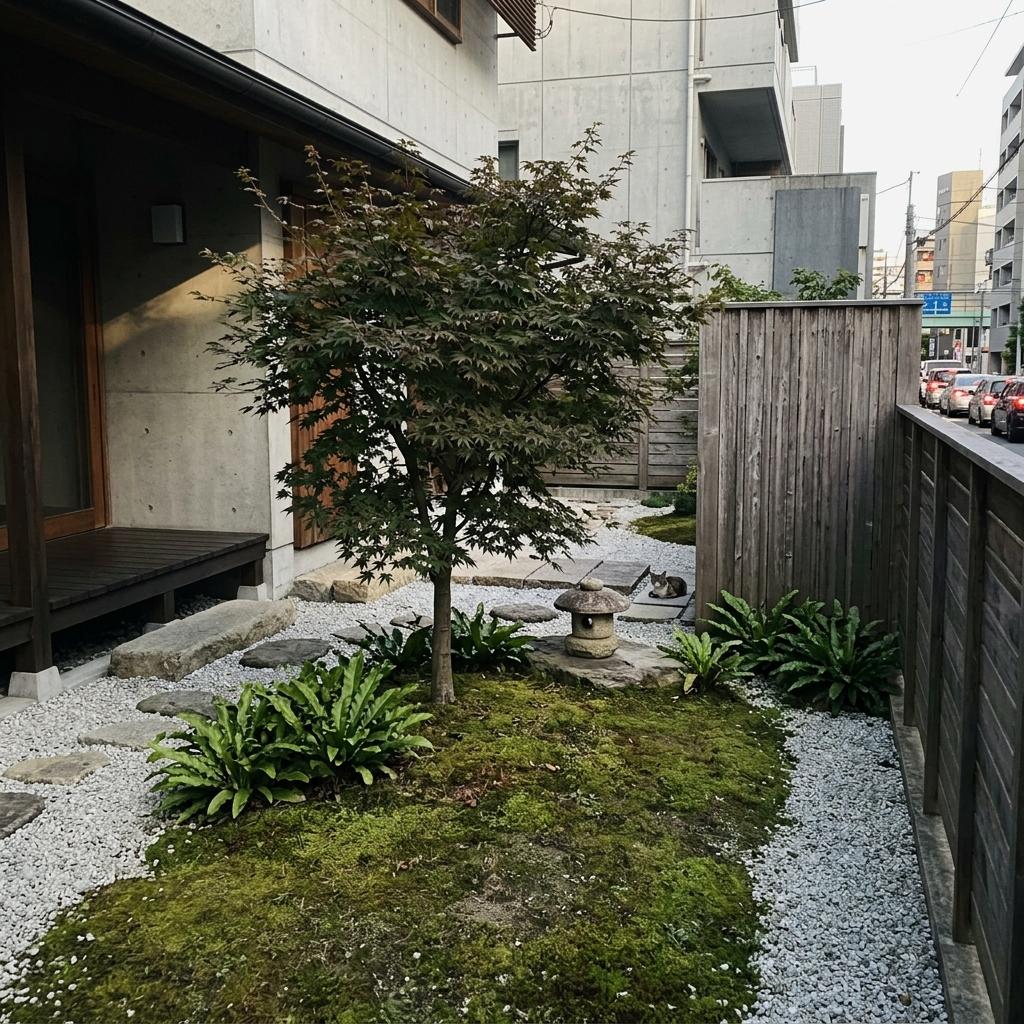

In the shadowed transition between a home's structural envelope and the open air, the professional Japandi garden begins with Atmospheric Grounding, where the placement of a singular Japanese Maple (Acer palmatum) serves as a silent anchor, tethering the ethereal garden space to the solid geometry of the residence. This creates a Figurative Paradox-a state of calculated wildness-where the chaotic growth of nature is disciplined by a rigorous, intellectual framework. Within this layout, a Structural Dualism emerges: the internal stillness of the viewing moss bed remains utterly distinct from the external kinetic energy of the surrounding urban environment. To achieve this, Material Specificity is paramount; one must utilize the fine-grained texture of silver Shirakawa gravel contrasted against the waxy, deep-green fronds of Asplenium scolopendrium to provide tactile depth. Ultimately, these elements serve a Functionalist Specification, acting as a biological acoustic buffer that integrates organic form as a technical solution for noise mitigation and privacy, transforming a mere aesthetic choice into a high-performance spatial tool.
An Elegant Terrace Redefined By Japandi Zen Garden Themes
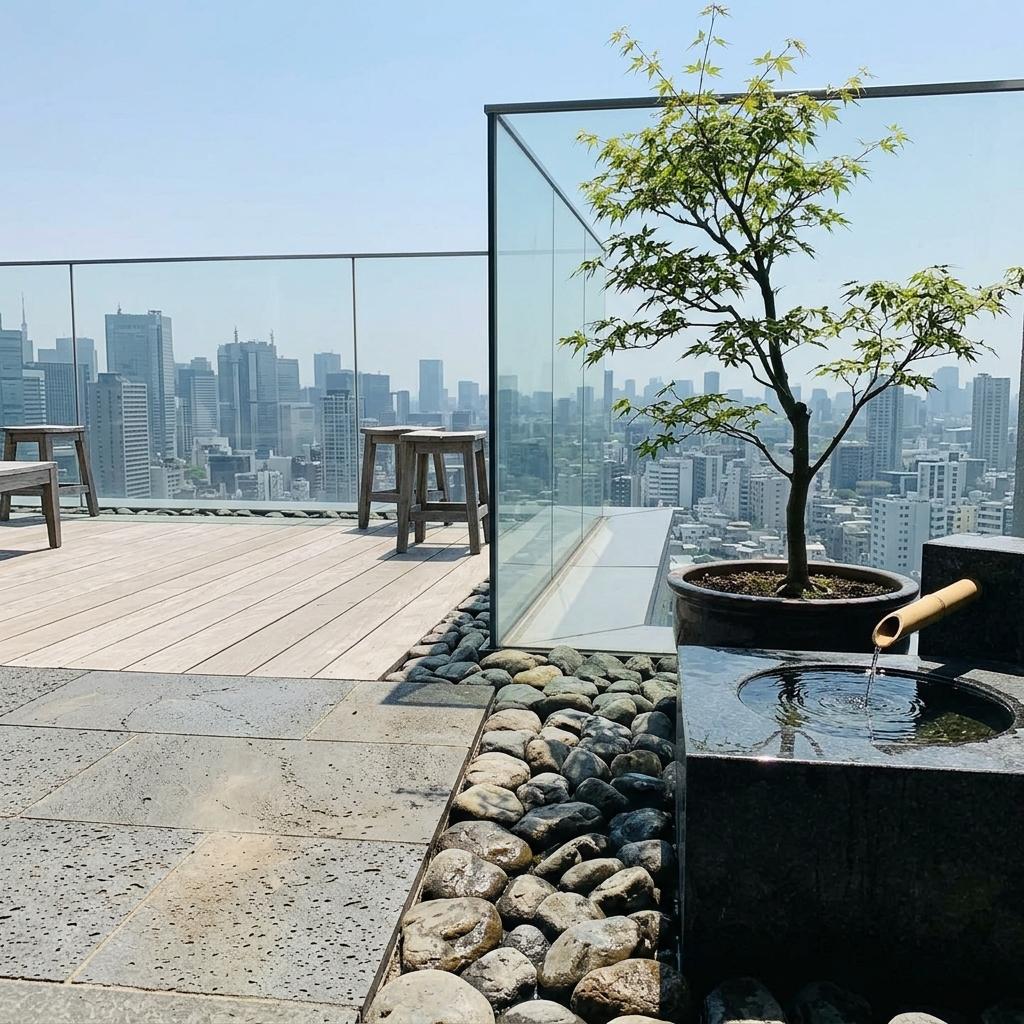

In this analysis of a private residence overlooking the Tokyo skyline, we observe how the terrace transcends its urban boundaries through a meticulous application of Japandi Zen principles. The foundation of the space relies on rift-sawn white oak decking and flamed basalt pavers, which provide a tactile, slip-resistant grain that grounds the minimalist aesthetic. Note how the deliberate placement of weathered river stones creates a rhythmic transition between the rigid geometry of the glass balustrade and the organic silhouette of a single, pruned Acer palmatum. This arrangement masterfully achieves a controlled wildness, where the precision of architectural intent meets the untamed spirit of nature. As your eyes move across the honed granite water feature, the rhythmic shishi-odoshi sound works to lower your cortisol levels and steady your pulse, shifting your state from metropolitan franticness to a profound, visceral stillness. This is not merely a balcony; it is a Karesansui-inspired sanctuary that redefines high-density living through the lens of restorative design.
Why Every Modern Home Needs A Japandi Zen Garden
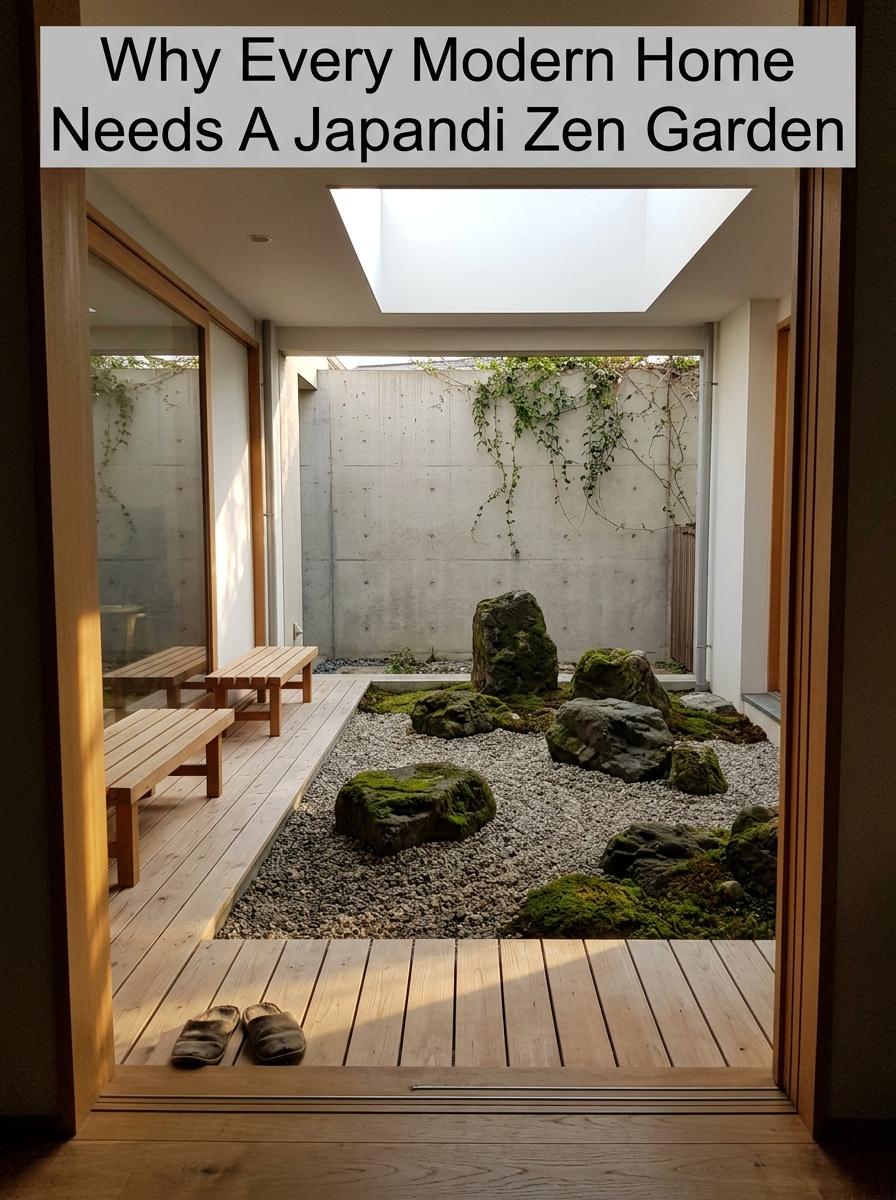

Within the threshold of the contemporary dwelling, the Japandi Zen garden exists as a curated sanctuary of stillness, anchoring the frantic energy of urban life into a singular, localized coordinate of peace. It operates through a choreographed randomness, where every "accidental" placement of moss is the result of rigorous intentionality, reconciling the wild impulses of nature with the rigid geometry of Scandinavian design. This creates a definitive structural dualism: while the exterior world dissolves into a chaos of noise and digital saturation, the interior courtyard remains a vacuum of rhythmic silence. To achieve this, the garden relies on a strict material specificity, utilizing the rugged, iron-grey texture of weathered basalt boulders contrasted against the pale, silken grains of kiln-dried cedar decking. Far from being a mere aesthetic luxury, this arrangement serves a vital functionalist specification; it acts as a spatial filter for the psyche, integrating natural elements as a mechanical solution to modern sensory overload, effectively re-engineering the home's layout into a high-performance machine for emotional recalibration.
Exploring The Quiet Beauty Of A Hidden Japandi Zen Garden
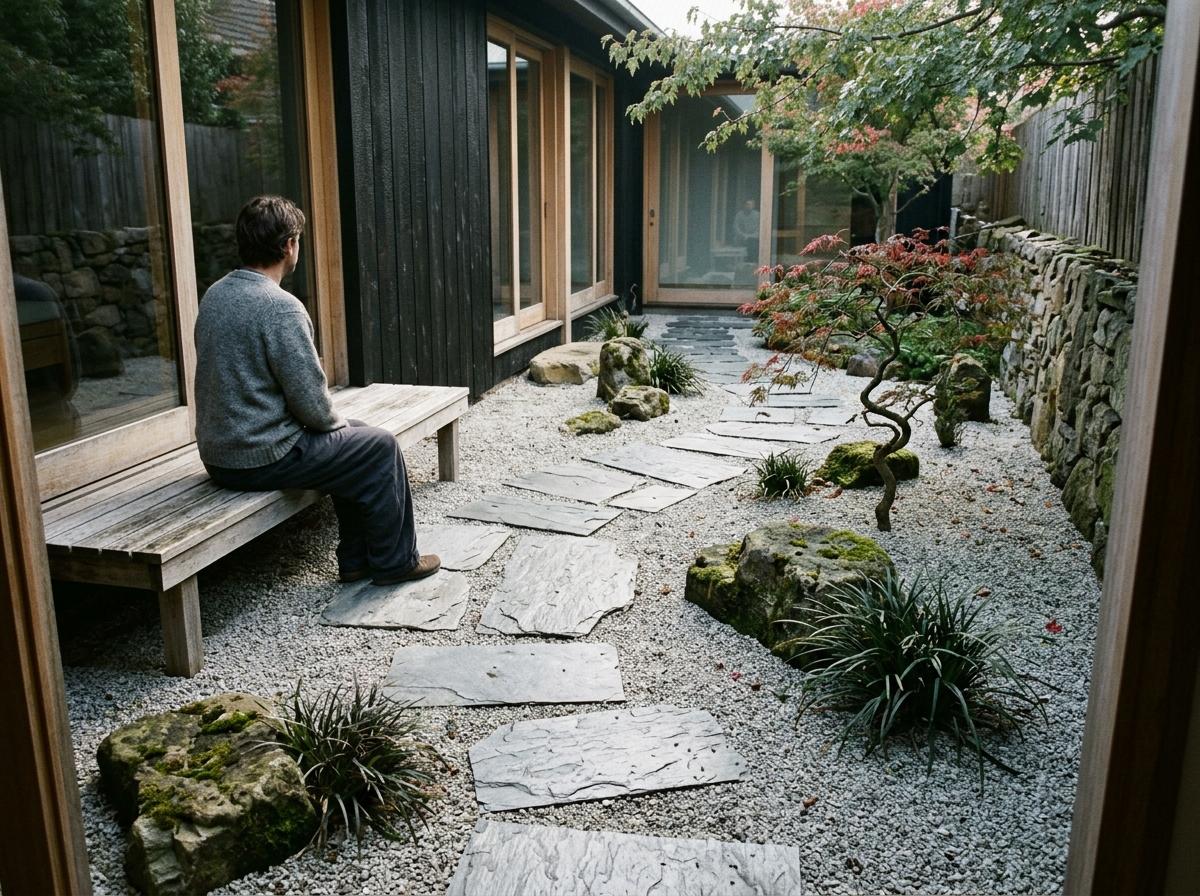

The design of this secluded sanctuary was conceived as a rhythmic bridge between Scandinavian functionality and Japanese minimalism. Within this courtyard, a curated stillness is maintained through the use of sparse, sculptural plantings and monochromatic, matte surfaces that deflect the chaos of the outside world. Soft shadows stretch across the silvered slate, creating a silent sequence of light and shade that mirrors the shifting day. Each stone slab carves out a path, while the low-slung timber benches extend the interior living space into the open air. This deliberate composition fosters a profound sense of clarity, invites a slow breath, and anchors the wandering mind.
Curating Texture In A Modern Japandi Zen Garden
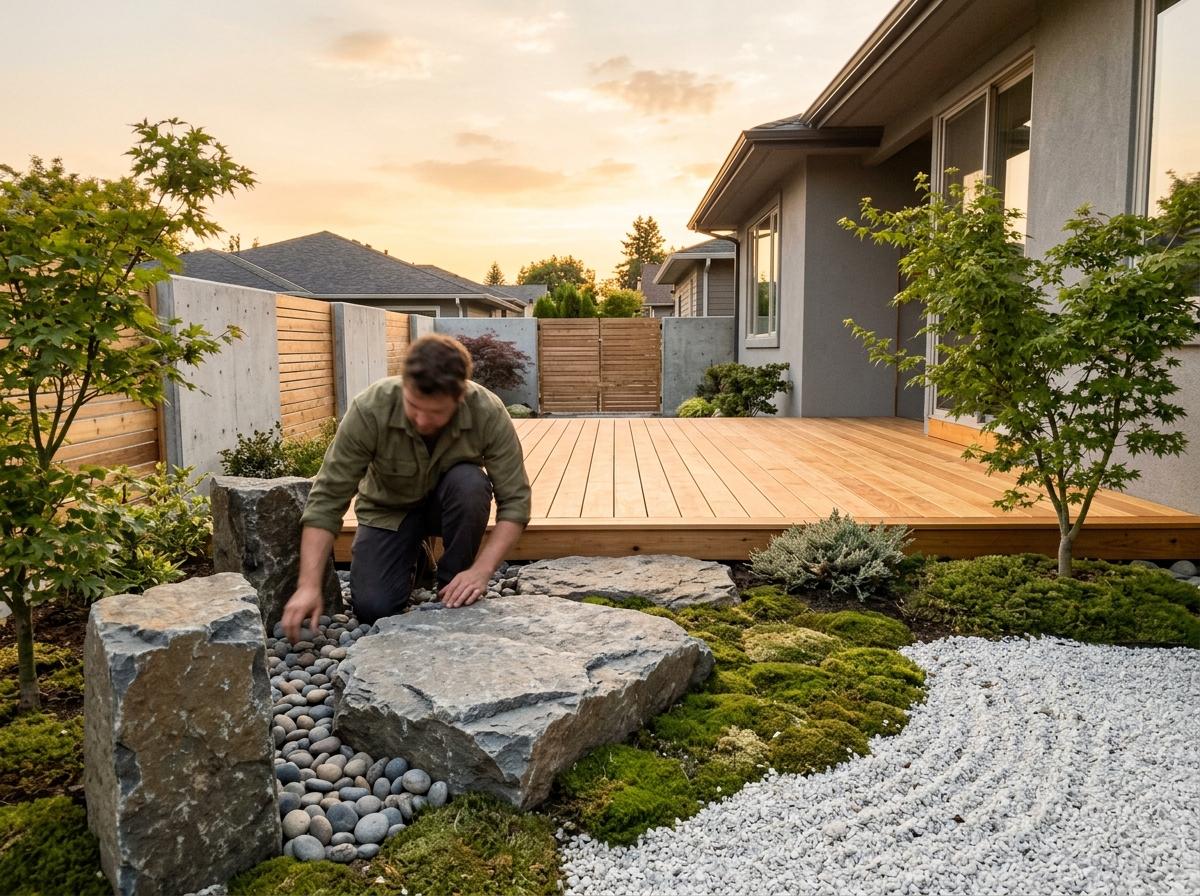

The evolution of the Japanese rock garden has moved from the strictly meditative, moss-draped enclosures of Muromachi-era Kyoto to the crisp, minimalist expressions found in today's high-end residential landscapes. In this project, located in the serene enclave of Kamiyamacho, we explore a structured fluidity that bridges these eras, balancing the weight of tradition with the lightness of modern Scandinavian utility. This garden marks our third collaboration with a repeat client, whose continued trust allowed for a deeper exploration of sensory layering than our previous ventures. By treating the space as a living study of material interplay, we achieved a final synthesis through the careful calibration of textural grain and negative space, using rough-hewn basalt against polished cedar to ground the home's ethereal atmosphere.
Tranquil Water Features Built For Your Japandi Zen Garden
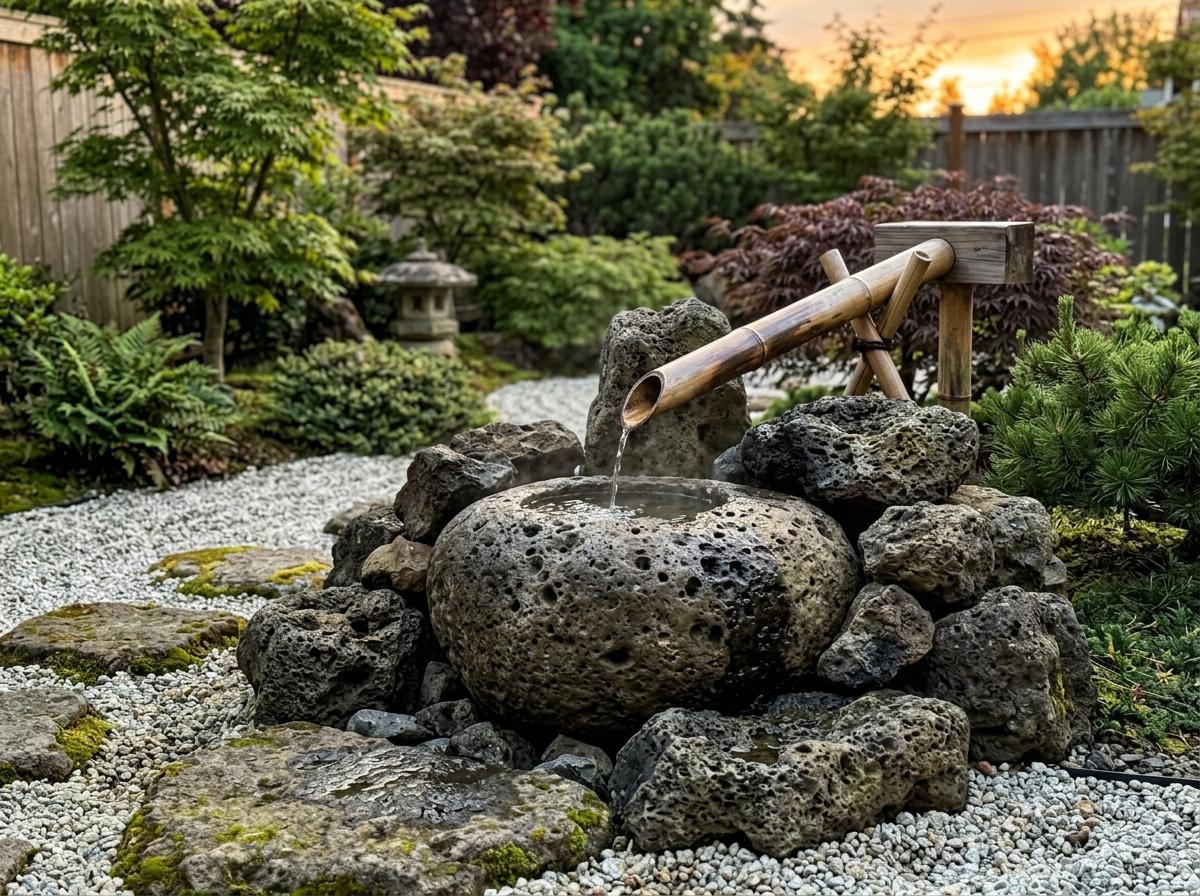

To anchor your Japandi sanctuary, prioritize the inclusion of a shishi-odoshi fountain crafted from porous, weather-beaten basalt and satin-finished bamboo. Note how the textural friction between the igneous rock's pitted surface and the culm's polished nodes creates a visual dialogue between the rugged and the refined. This arrangement masterfully achieves a sense of ordered chaos; it is a meticulously engineered system that mimics the spontaneous rhythms of a mountain brook. As the bamboo tube fills and strikes the stone, the hollow clack resonates through the chest cavity, lowering the heart rate and inducing a state of parasympathetic stillness. By integrating these elements, you evoke the meditative atmosphere of the Adachi Museum of Art in Yasugi, transforming a mere backyard into a profound vessel for sensory decompression.
A Modern Home Surrounded By A Japandi Zen Garden Landscape
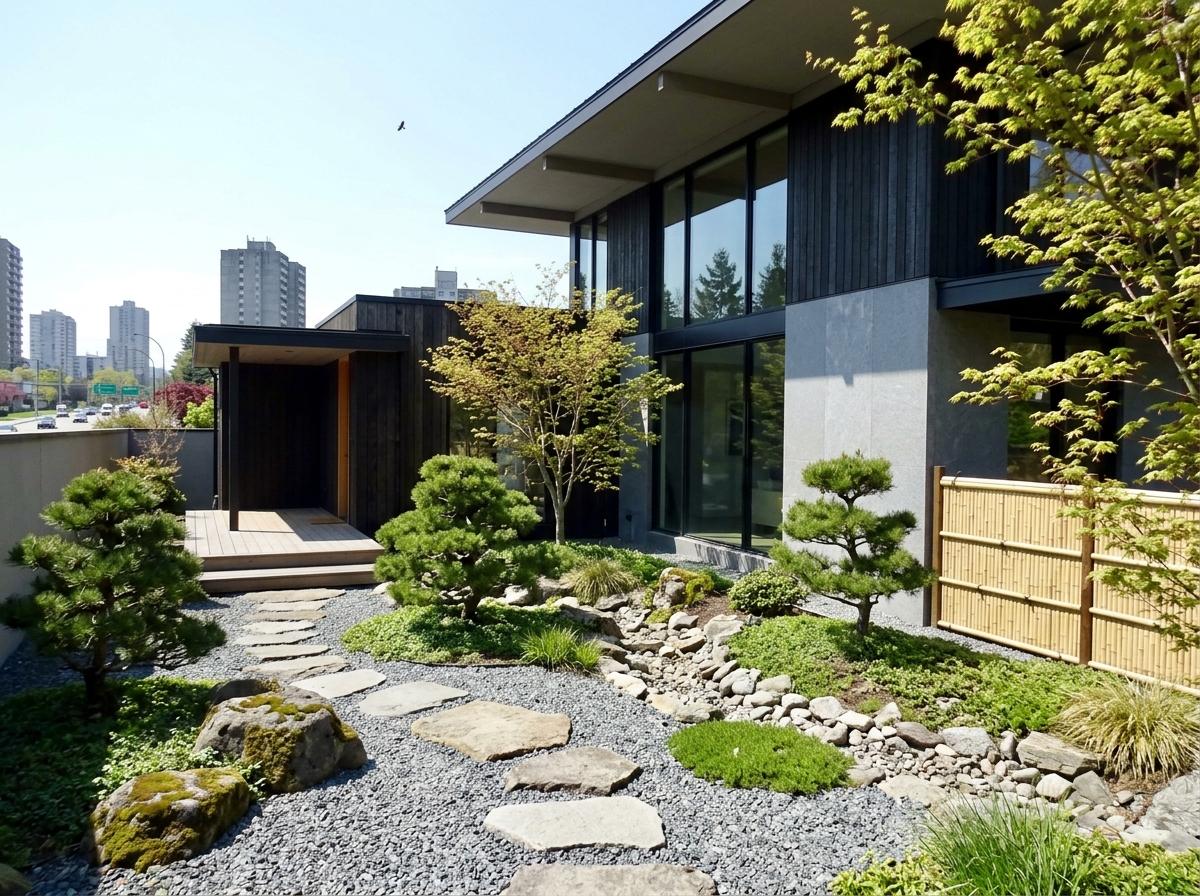

As I sat across from the lead landscaper, the roar of the city's midday traffic seemed to vibrate against the floor-to-ceiling glass, a chaotic reminder of the urban sprawl just beyond the perimeter wall. "The goal wasn't just to plant trees," he explained, pausing to adjust a blueprint that detailed the intricate site drainage, "but to engineer a sense of ma-that essential Japanese concept of purposeful void." He leaned back, watching a hawk circle above the property's edge, before adding, "We needed the hardscape to breathe as deeply as the residents do." This deliberate juxtaposition between the frenetic, neon-pulsed energy of the metropolitan grid and the home's tactile, subdued palette of charred cedar and honed granite illustrates a masterful command of spatial tension. By integrating textural "softscaping" like moss-covered boulders against the clean, geometric lines of the dwelling's cantilevered roof, the design achieves a seamless biophilic flow. This intentional dialogue between architecture and earth serves as a profound case study in how a Japandi Zen garden can act as a physical filter, distilling the chaos of the outside world into a singular, hushed experience of domestic tranquility.



Comments