
The essence of a Japandi courtyard lies in the rigorous synthesis of Scandinavian hygge-the pursuit of cozy communal intimacy-and the Japanese philosophy of wabi-sabi, which honors the profound beauty within imperfection; together, they coalesce into a singular, high-concept outdoor sanctuary. This design vernacular operates on a sophisticated dialectic where the austerity of a minimalist footprint is palpable, yet it feels fundamentally enveloped in a nurturing, organic warmth. By integrating tactile materiality and architectural transparency, these spaces transcend mere gardening to become an experiential void, defined by a sensorial palette that is at once ethereal, grounding, and restorative.
Japandi Courtyard Design

Discover The Beauty Of A Minimalist Japandi Courtyard Design
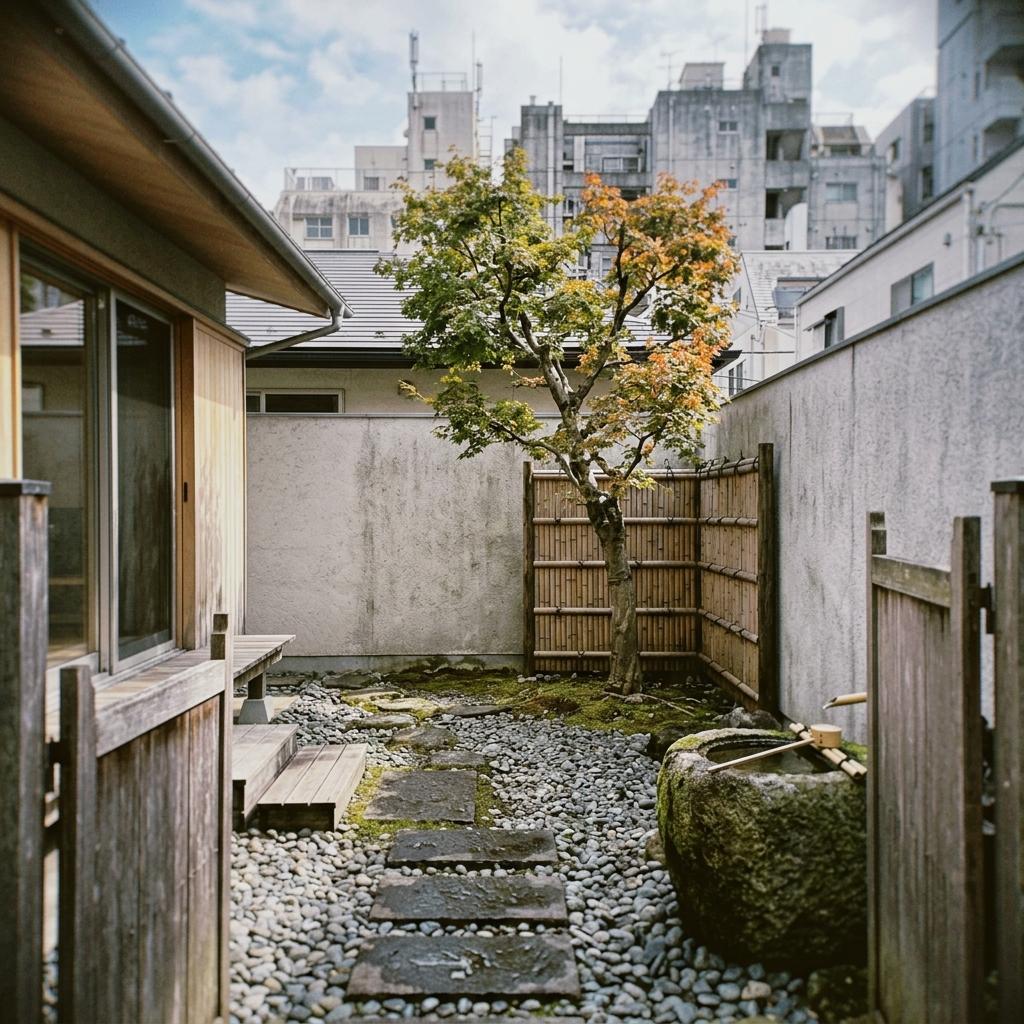

The first time I stepped into the concrete sprawl of Shinjuku, the sensory overload was absolute-a cacophony of neon glare and the relentless friction of the city. But then, slipping through a nondescript timber gate, the world fell silent. "It isn't just about the absence of noise," my host, a local artisan, remarked as he gestured toward a solitary acer tree, "it's about the presence... of breath." He paused to adjust a weathered stone basin before adding, "The space must exhale." This intentionality is the heartbeat of a minimalist Japandi courtyard; it is the deliberate juxtaposition of the frantic external world against a private sanctuary defined by wabi-sabi textures and Scandi-inspired functionalism. Here, the architectural vernacular shifts from the cluttered and chaotic to a curated dialogue between light and shadow. By prioritizing a "less is more" ethos, we find that these transitional outdoor spaces do more than fill a gap in floor plans-they act as a vital lung for the modern home.
Private Outdoor Retreat Featuring Japandi Courtyard Design
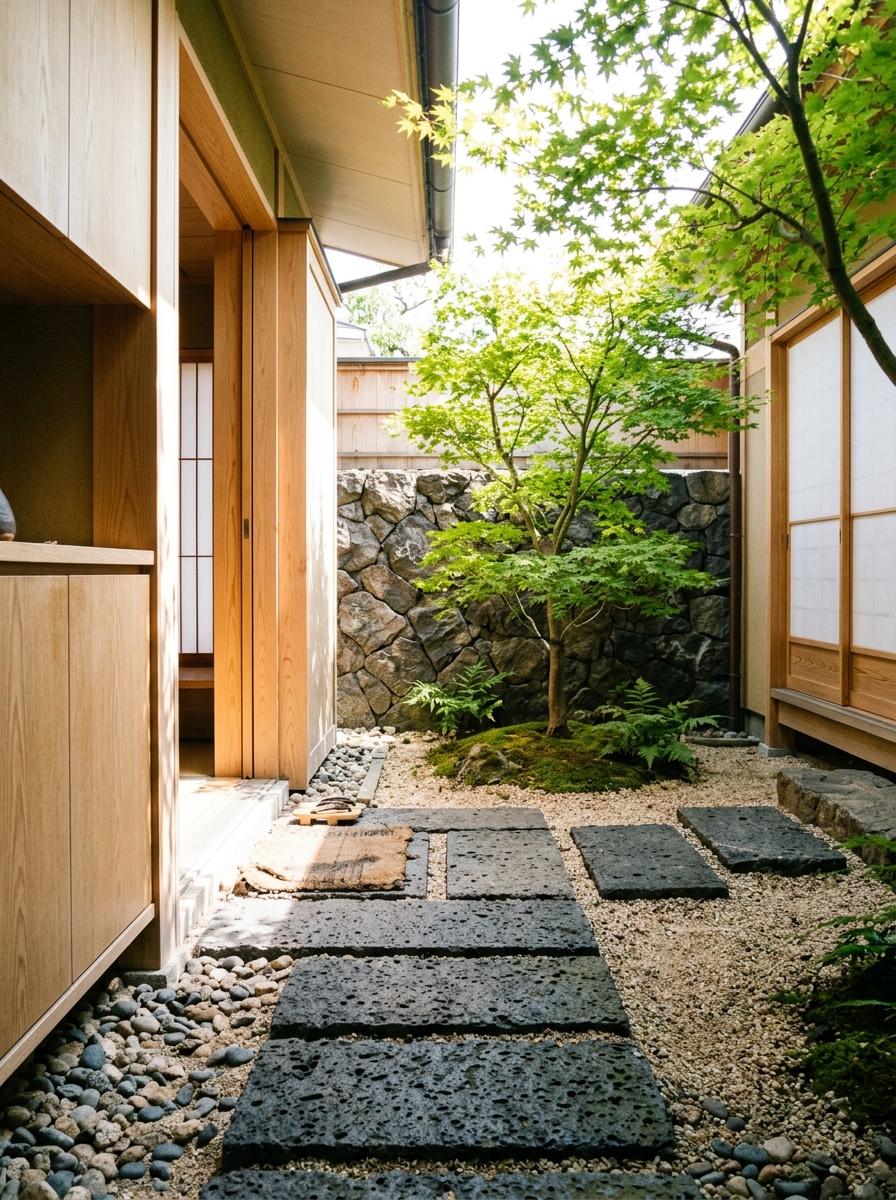

In this architectural study of a residence tucked within the quiet perimeter of Kyoto's Arashiyama district, the boundary between shelter and nature dissolves into a singular, cohesive experience. To achieve this, the design utilizes rift-sawn white oak cabinetry paired with the granular, heat-retaining obsidian of basalt flagstones, creating a tactile bridge between Scandi-functionalism and Japanese minimalism. Note how the deliberate placement of a singular acer palmatum tree acts as a focal point, drawing the eye toward the interplay of light and shadow on the porous, volcanic masonry. This intentional composition achieves a state of structured spontaneity, where the rigid geometry of the architecture embraces the unpredictable growth of the garden. As you transition from the climate-controlled interior to the open-air retreat, the physical sensation of cool, damp air hitting your skin triggers a visceral deceleration of the heart rate-a physiological shift from urban overstimulation to a profound, grounded tranquility.
A Quiet Escape Within This Modern Japandi Courtyard Design
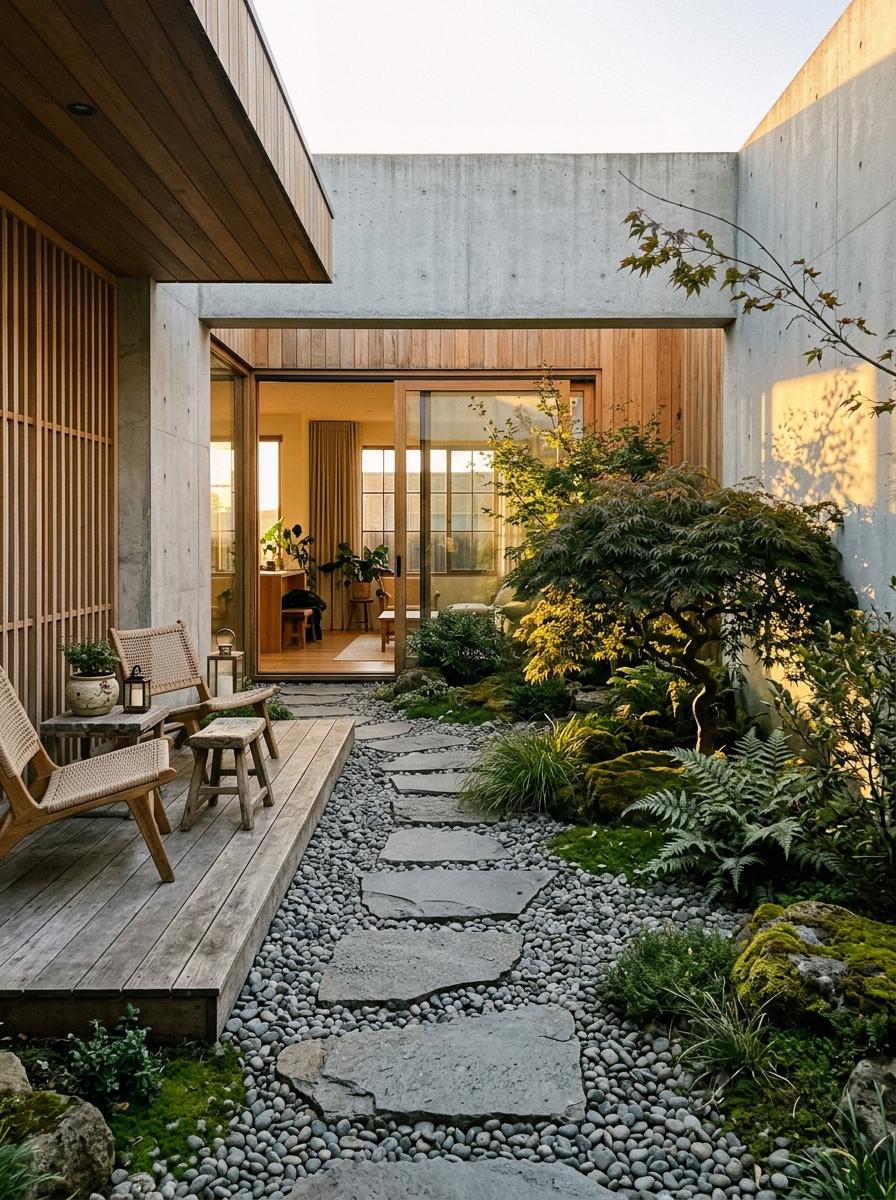

This modern courtyard was conceived as a deliberate sanctuary, where the rigid geometry of the structure is softened by the intentional placement of organic forms. Within this enclosure, a sterile stillness prevails, underscored by the presence of spare stone and unadorned surfaces that reject unnecessary clutter. The design breathes through balanced boundaries, bridging the gap between the internal interior and the lush landscape beyond. Sunlight sculpts the void, stretching across the floor to define the perimeter and elevate the atmosphere. This composition carves a path for contemplation, anchors the home in silence, and invites the soul to rest.
Step Inside This Stunning Home With Japandi Courtyard Design
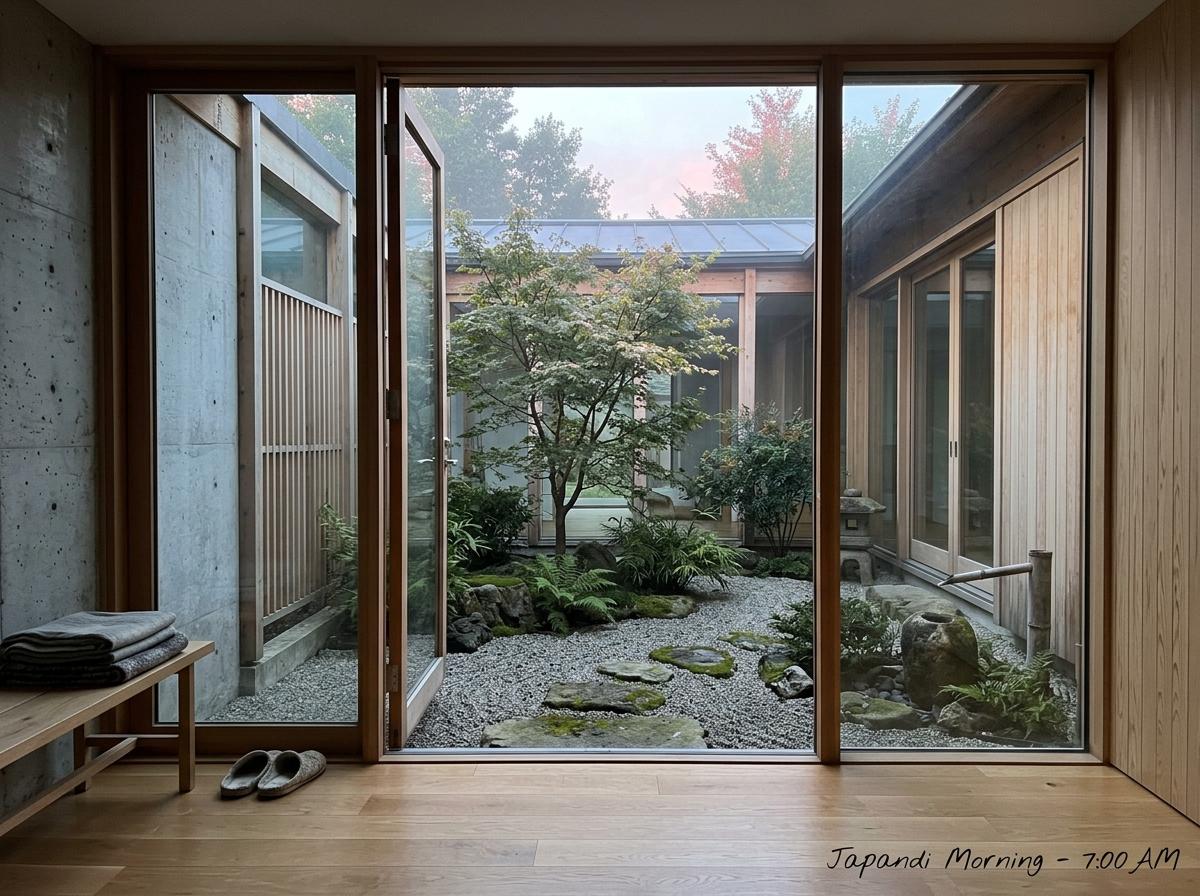

At its core, the residence serves as a masterclass in Definition via Synthesis: the rigorous, structural functionalism of Scandinavian hygge integrated with the ancient, transcendent ephemerality of Japanese wabi-sabi. This home does not merely occupy space; it orchestrates a dialogue between the tectonic precision of Nordic timber and the organic asymmetry of a Zen-inspired courtyard. The architecture feels impossibly disciplined, yet it breathes with an unbridled, primordial warmth that softens the austerity of its geometry. To walk through the threshold is to be enveloped by a hushed, tactile, and vaporous atmosphere-a sensory landscape where the clinical clarity of modernism is perpetually tempered by a weathered, earthen soul.
The Essence Of Simplicity In A Japandi Courtyard Design
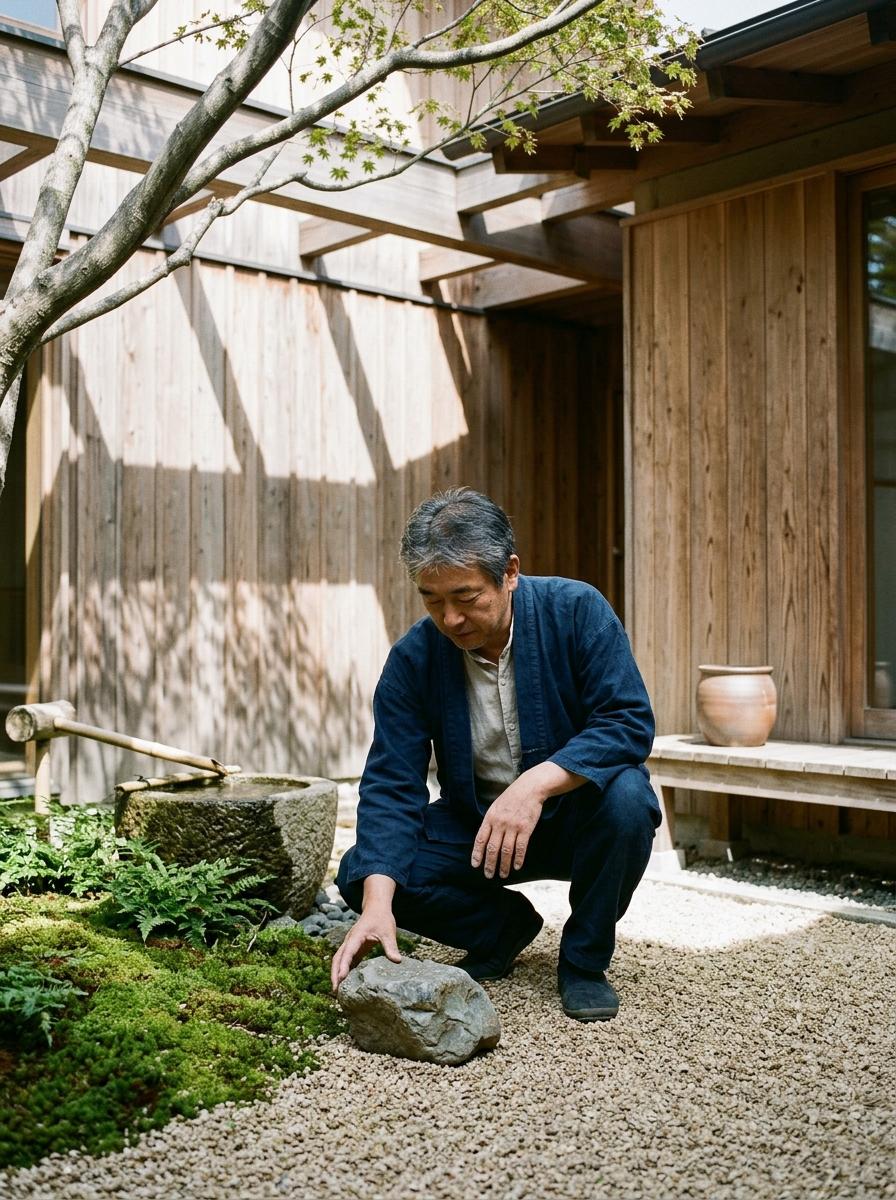

Stepping out of the chaotic, fractured sensory overload of a Midtown intersection-where the neon glare and asphalt heat seem to vibrate against the skin-and into the silence of a Kyoto-inspired atrium is a study in thermal and visual relief. It was here, standing amidst the raked gravel, that I watched architect Kenji Sato adjust the placement of a single weathered basalt stone. "Simplicity," he noted, pausing to brush dust from his palm before eyeing the play of shadows against the cedar cladding, "is not the absence of clutter, but the intentional curation of breathing room." This deliberate use of ma-the Japanese concept of negative space-works in tandem with the Scandinavian focus on hygge, creating a sanctuary where the structural honesty of exposed timber meets the soft, organic texture of moss. By prioritizing this dialogue between the raw and the refined, the Japandi courtyard ceases to be a mere outdoor area and becomes a masterclass in the restorative power of minimalist landscaping.
Blending Elements Of Nature Within Japandi Courtyard Design
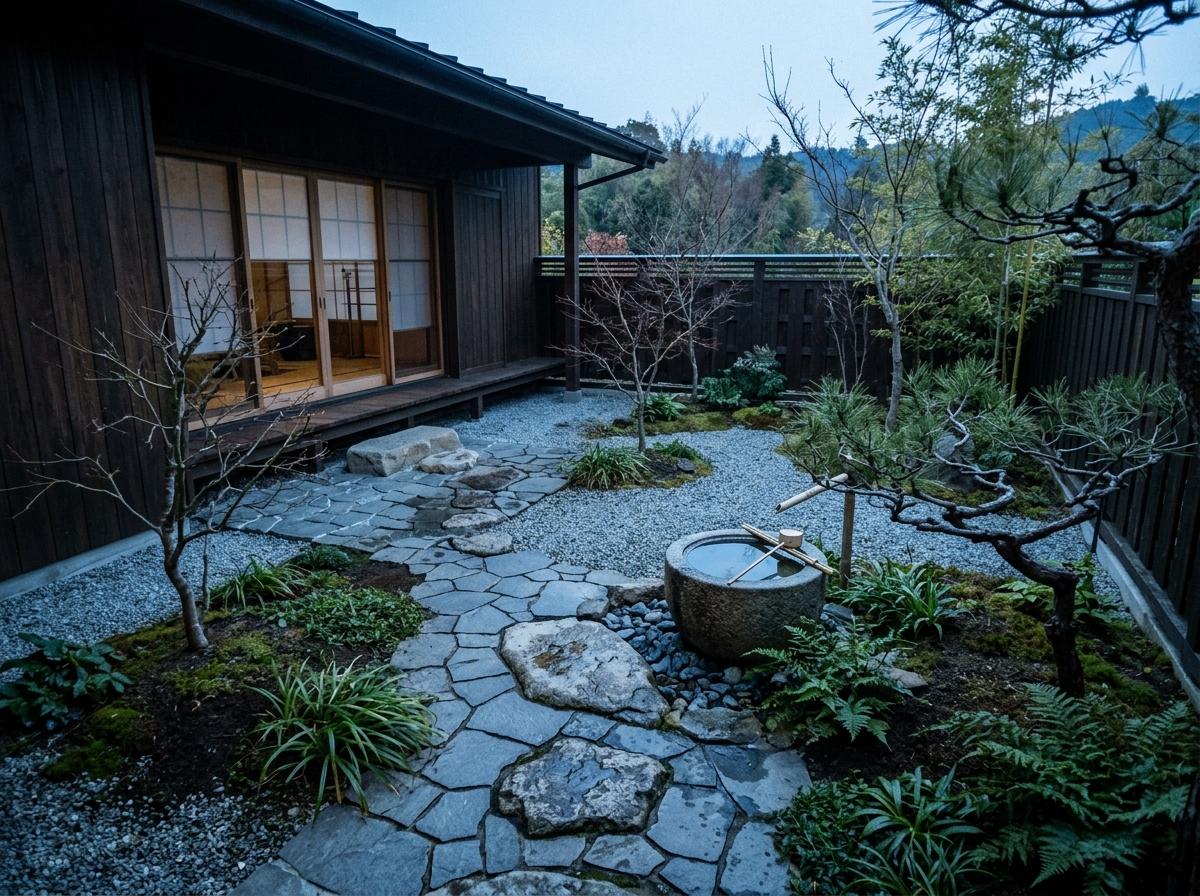

Within the framework of Japandi courtyard philosophy, the integration of organic life is orchestrated through a deliberate synthesis of structural restraint and wild vitality. This tranquil territory is defined by sparse surfaces, muted motifs, and a profound absence of clutter, ensuring that every shadow serves a functional purpose. Sun-drenched stones soften the boundary between the shelter and the soil, allowing the eye to glide effortlessly across the perimeter. As the layout lungs into the open air, the design carves void from volume and expands the perceived horizon. This intentional vacuum breathes life into the landscape, anchoring the dwelling through the rhythmic placement of silvered slate, sculpted stems, and still, silent water.
A Balanced Sanctuary Created By Japandi Courtyard Design
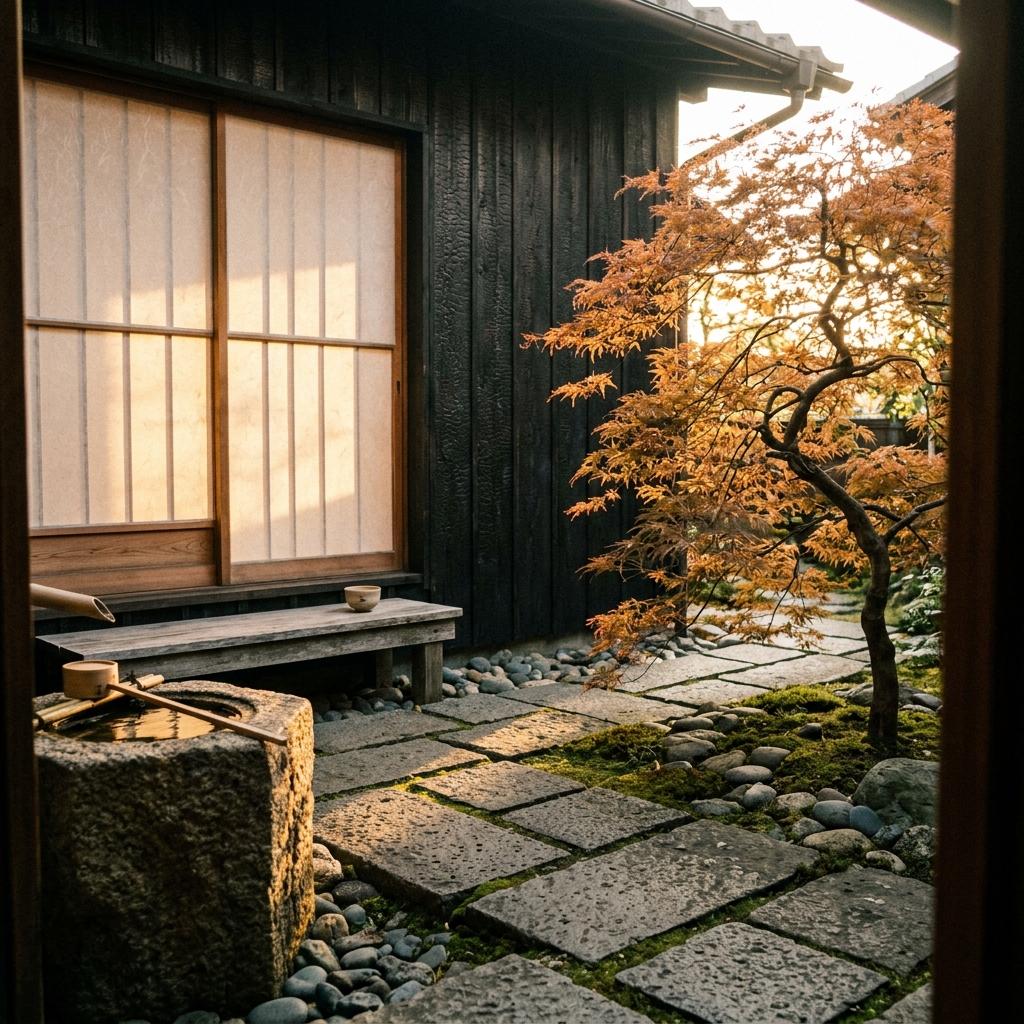

In exploring the architectural landscape of modern Kyoto, one finds that the most profound expressions of stillness are often carved from the void. Note how the tactile juxtaposition of open-pore basalt pavers against the velvety, obsidian sheen of charred shou sugi ban siding creates a rhythmic dialogue between earth and shadow. This composition achieves a state of ordered chaos, where the rigid geometry of Scandinavian minimalism is softened by the wild, asymmetric grace of a single Japanese maple. As you observe the light filtering through translucent, fibrous washi screens, the visual experience dissolves into a physiological shift; the frantic pace of the exterior world is replaced by a lowered heart rate and a deepening of the breath. In this curated vacuum, the rough-hewn granite water basin becomes more than a garden feature-it is an anchor for the soul, proving that a true Japandi courtyard is not merely a space to be seen, but a resonant frequency to be felt.
Modern Architecture Meets Traditional Japandi Courtyard Design
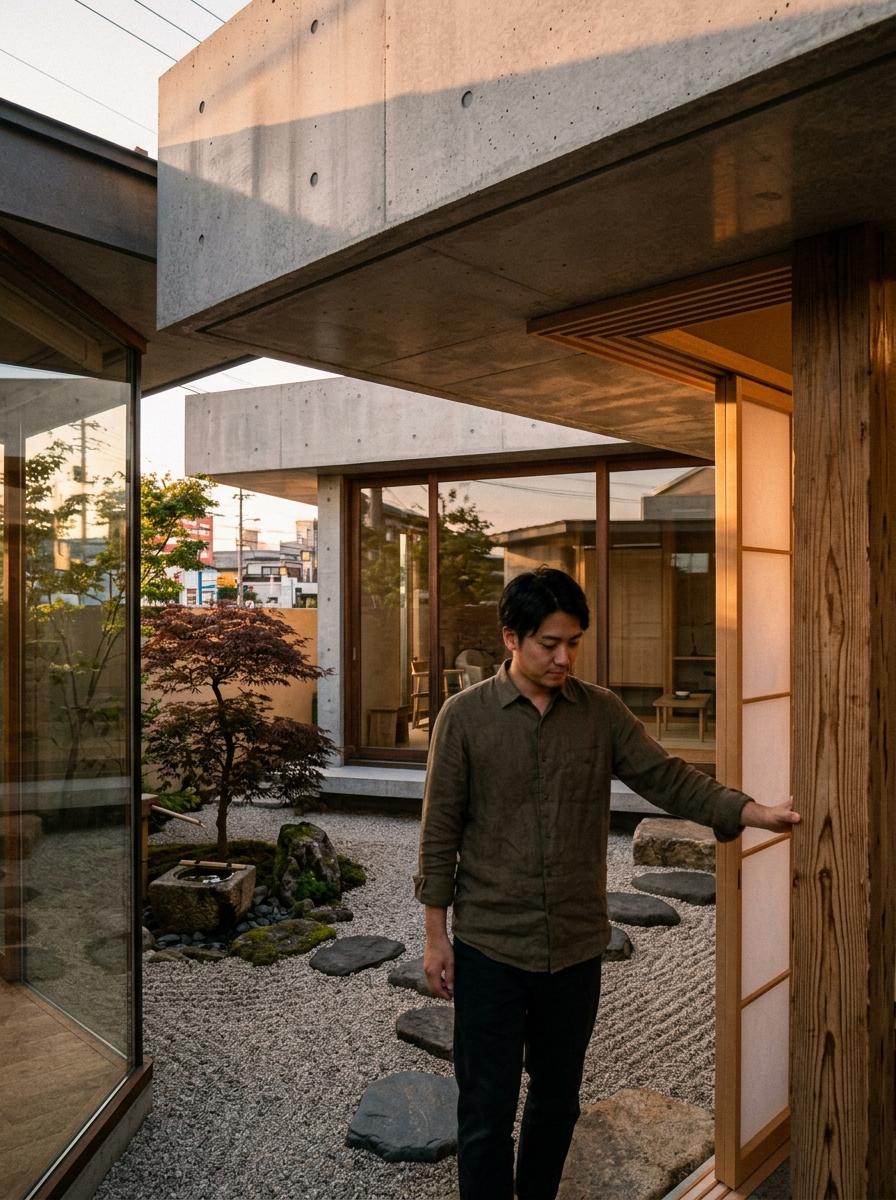

I stood in the center of a glass-walled pavilion in suburban Kyoto, watching the way a brutalist concrete overhang sliced through the morning mist. This wasn't just a house; it was a dialogue between eras. “The challenge,” remarked Haruto, the lead designer, as he adjusted a sliding shoji screen that felt surprisingly weightless, “isn't just about the wood or the stone.” He paused, tracing the grain of a reclaimed cedar pillar. “It's about capturing the ma-the space between-without losing the structural integrity of a modern silhouette.” This tension is where Japandi finds its heartbeat: the rigid, tactile geometry of contemporary architecture clashing against the soft, organic intentionality of a traditional courtyard. While the street outside was a chaotic blur of asphalt and neon, the interior was a masterclass in soft minimalism, defined by a palette of toasted oat and charcoal basalt. This specific equilibrium between the industrial and the ancestral serves as the blueprint for how we can ground our fast-paced lives within a sanctuary of stillness.
Transforming Small Outdoor Spaces With Japandi Courtyard Design
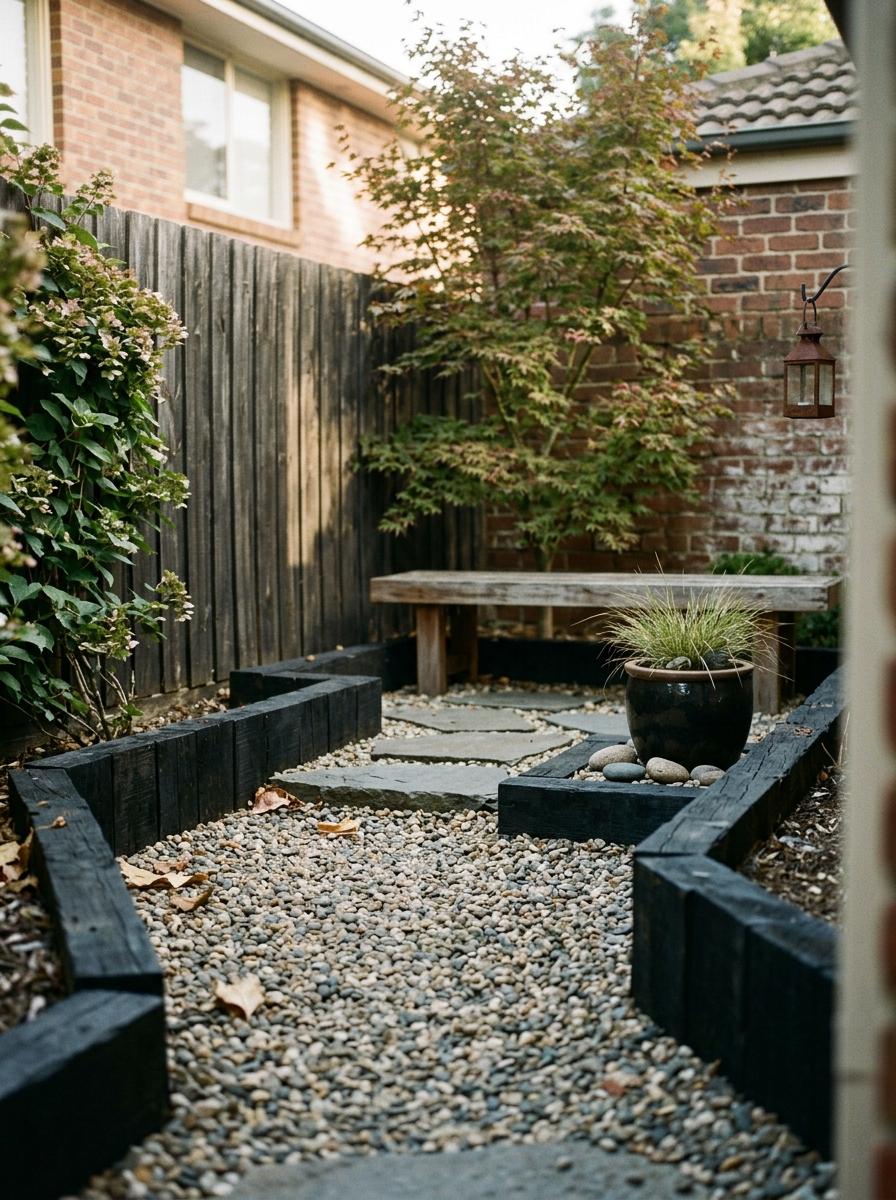

At its core, a Japandi courtyard is the architectural manifestation of a singular equation: the rugged, temporal honesty of Scandinavian Hygge plus the transcendent, disciplined austerity of Japanese Wabi-Sabi equals a site-specific sanctuary of Functional Serenity. In analyzing these small outdoor footprints, we see a deliberate move away from mere ornamentation toward Biophilic Minimalism, where the structural vocabulary is defined by shou sugi ban timber, tactile gravel expanses, and the rhythmic geometry of basalt pavers. The design philosophy thrives on a sophisticated dialectical pairing: the layout is unapologetically rigorous and structured, yet it fosters an atmosphere that feels fluid and organic; it demands a high degree of curation, but offers in return a profound sense of untethered spatial freedom. To inhabit such a space is to experience Sensorial Adjective Stacking at its peak-the environment is simultaneously hushed, visceral, grounding, and ethereal-transforming a confined urban plot into a soulful void that breathes with intentionality.
Refined Living Areas That Feature Japandi Courtyard Design
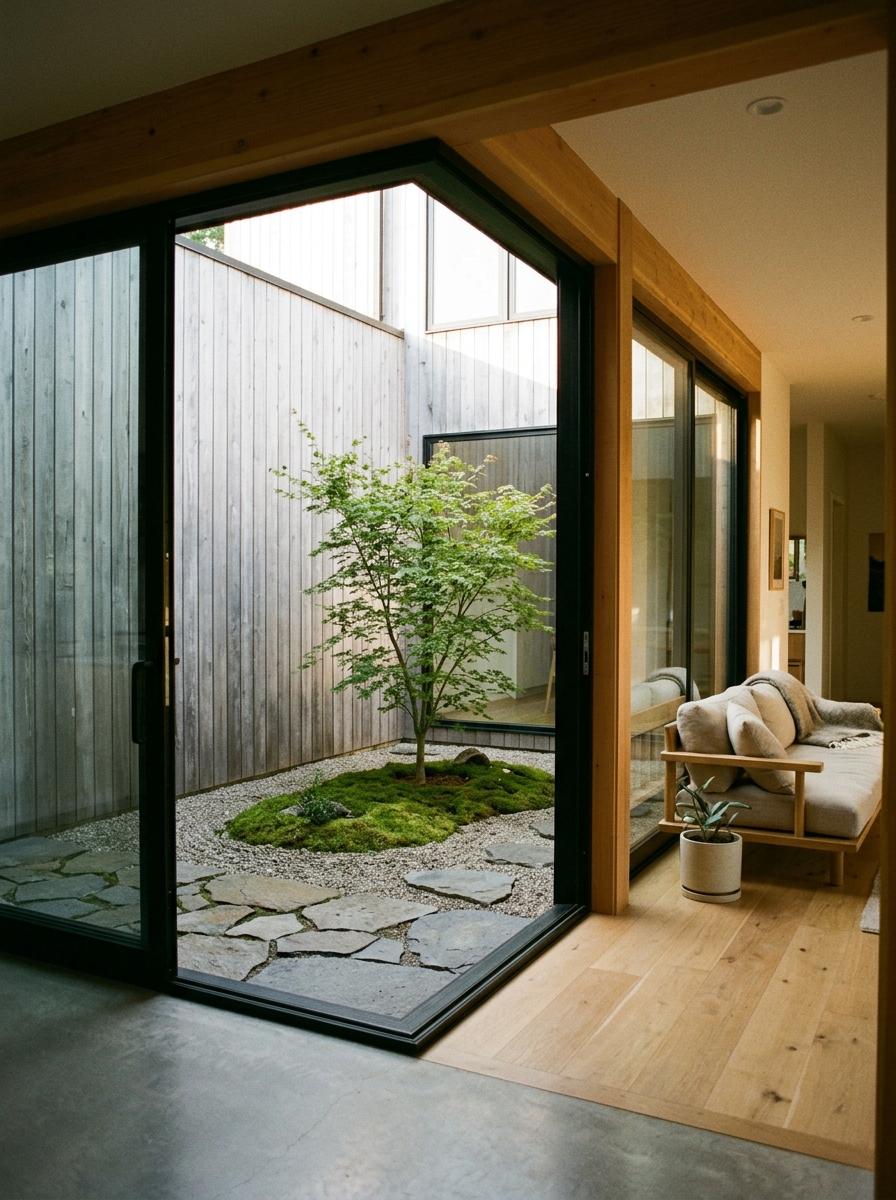

In the quietude of a modern residence, the Japandi courtyard functions as a pressurized vessel of stillness, anchoring the home's layout around a singular, light-filled void that dictates the pace of domestic life. This spatial arrangement fosters a structured spontaneity, where the rigid geometry of the architecture dissolves into the organic unpredictability of a central maple or moss garden. The interior is defined by a rigorous structural dualism, setting the climate-controlled precision of the living quarters against the raw, unmediated exposure of the outdoor enclosure. Within this threshold, the tactile narrative is driven by material specificity, as the silvered grain of weathered cedar siding meets the surgical smoothness of honed basalt pavers underfoot. Ultimately, the courtyard serves a purpose of functionalist specification, acting as a thermal chimney that facilitates passive ventilation while serving as a central light well, transforming a decorative aesthetic into a vital system for atmospheric regulation.
Experience The Harmony Of A Japandi Courtyard Design
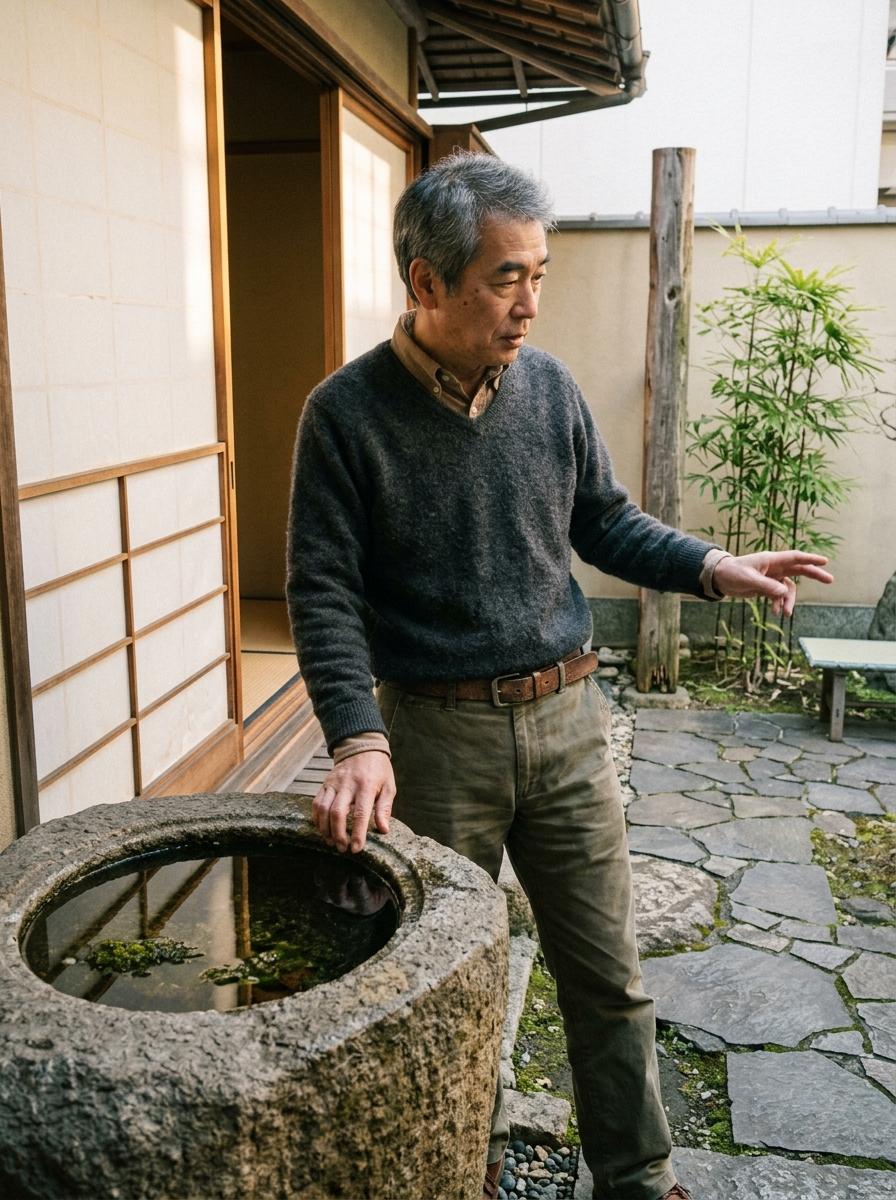

As I stepped through the threshold of a rain-drenched Tokyo residence last spring, the abrasive roar of Shinjuku traffic-that frantic, metallic symphony of city life-instantly dissolved into a profound, intentional silence. Across the room, I watched an architect trace the edge of a weathered stone basin. "The courtyard is not an empty space," he remarked, pausing to adjust a sliding shoji screen that diffused the afternoon light into a soft, milky glow, "it is the very lungs of the home." This curated void serves as a masterclass in asymmetry and biophilic balance, where the rustic, tactile warmth of Scandinavian hygge meets the austere, meditative discipline of Japanese wabi-sabi. While the modern urban landscape often demands a relentless, high-gloss perfection, the Japandi courtyard thrives on the juxtaposition of raw, organic textures against clean, structural geometry. This delicate tension between the untamed natural world and the refined human hand is precisely what transforms a simple outdoor patch into a sanctuary of restorative equilibrium.
This Sustainable Home Showcases A Beautiful Japandi Courtyard Design
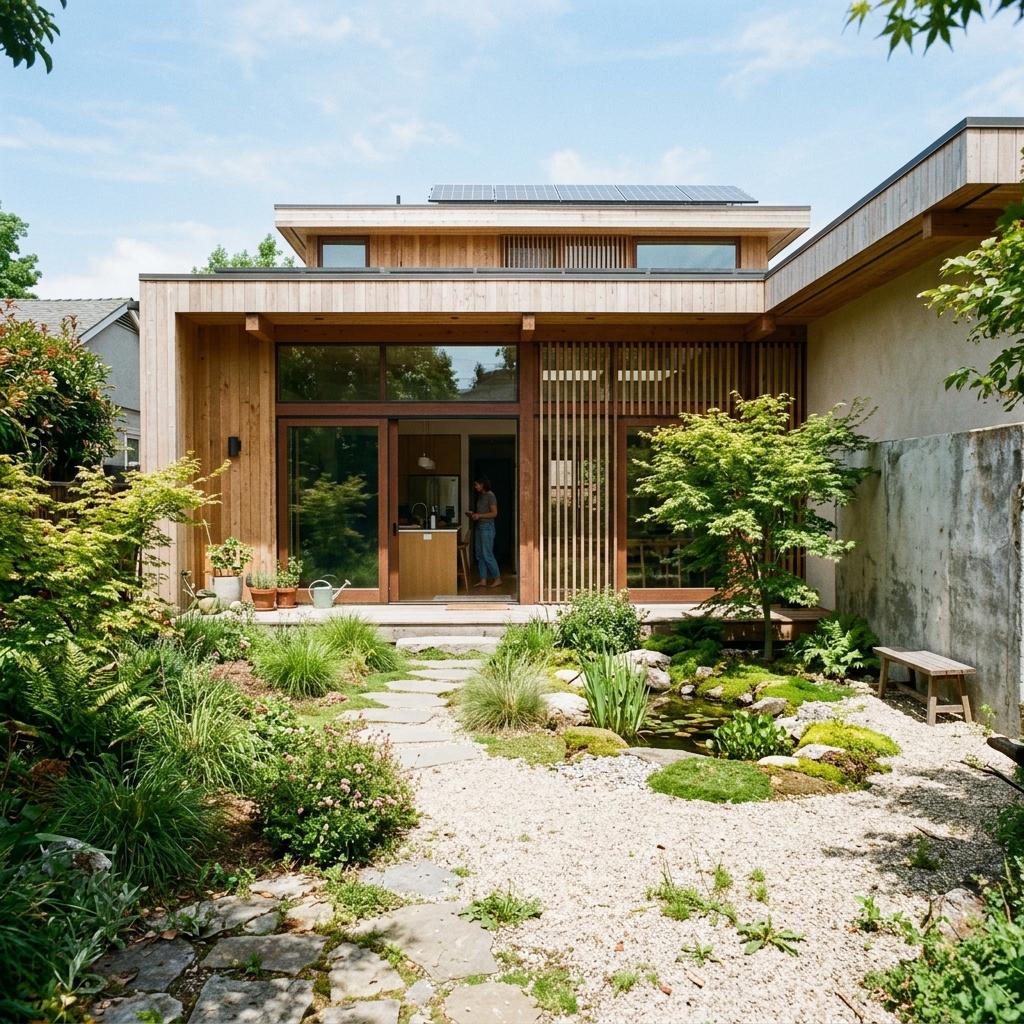

Historically, the concept of the domestic sanctuary was defined by rigid enclosures and heavy ornamentation, yet modern sustainable architecture has pivoted toward a philosophy of radical transparency and stripped-back organicism. This evolution is perfectly captured in a residence located in the prestigious enclave of Highland Park, where the design thrives on a sense of ordered chaos-a deliberate tension between wild, native greenery and the strict, minimalist lines of Japanese carpentry. That this masterpiece was commissioned by a repeat client speaks to a deep technical trust; they returned to the design team not just for an aesthetic, but for a proven mastery of environmental performance. The home ultimately achieves its serene Japandi atmosphere through a precise technical synthesis of thermal massing, passive ventilation, and the rhythmic integration of internal courtyards.
Enhance Your Garden With Elegant Japandi Courtyard Design
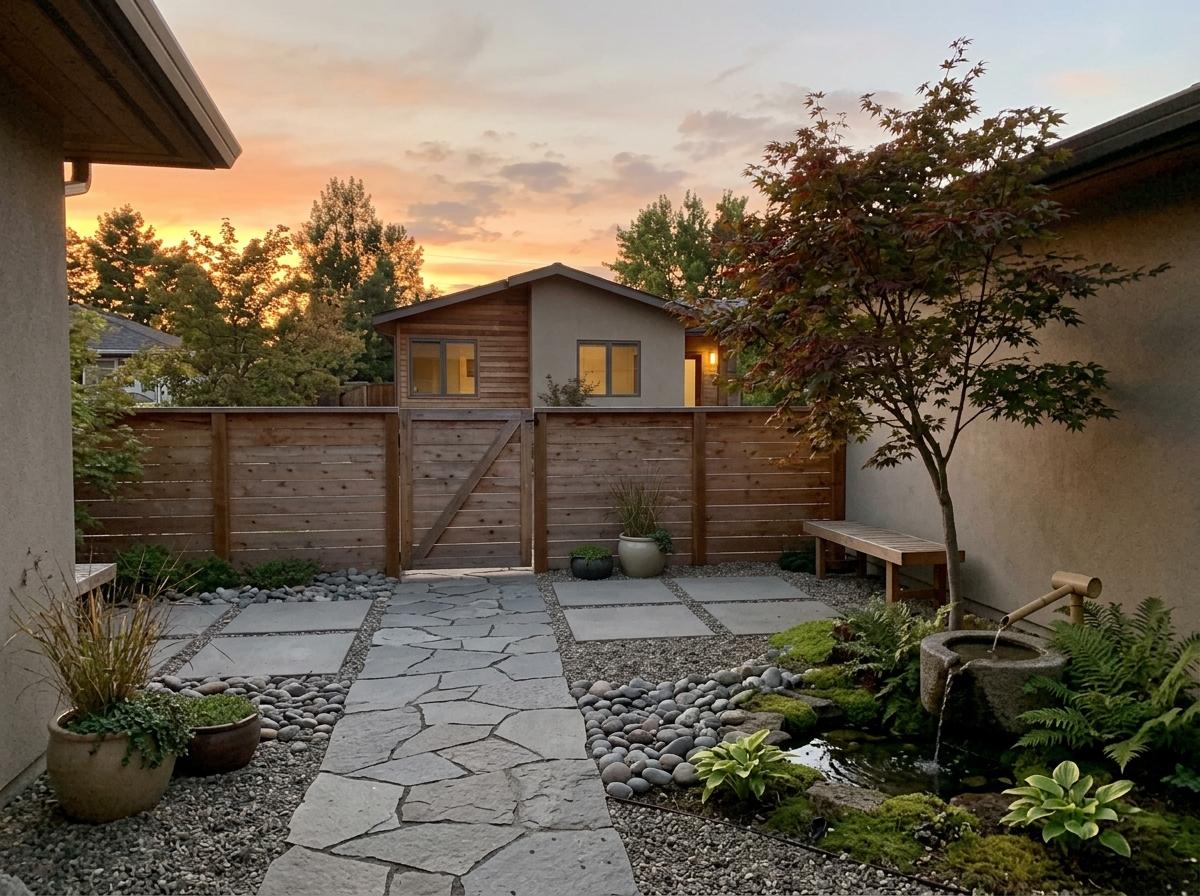

The architectural fusion within these spaces is masterfully executed through a meticulous marriage of Scandinavian utility and Japanese Zen philosophy. This curated environment breathes through a sparse, silent, and streamlined layout, ensuring that every square inch serves a purpose without the burden of excess. Soft shadows stretch across stone, creating a rhythmic harmony that anchors the eye and calms the mind. To achieve this balance, the courtyard carves out light, frames the sky, and expands the perceived horizon. This intentional geometry ultimately gathers raw textures, muted tones, and tranquil water features.
A Look Into This Quiet Japandi Courtyard Design
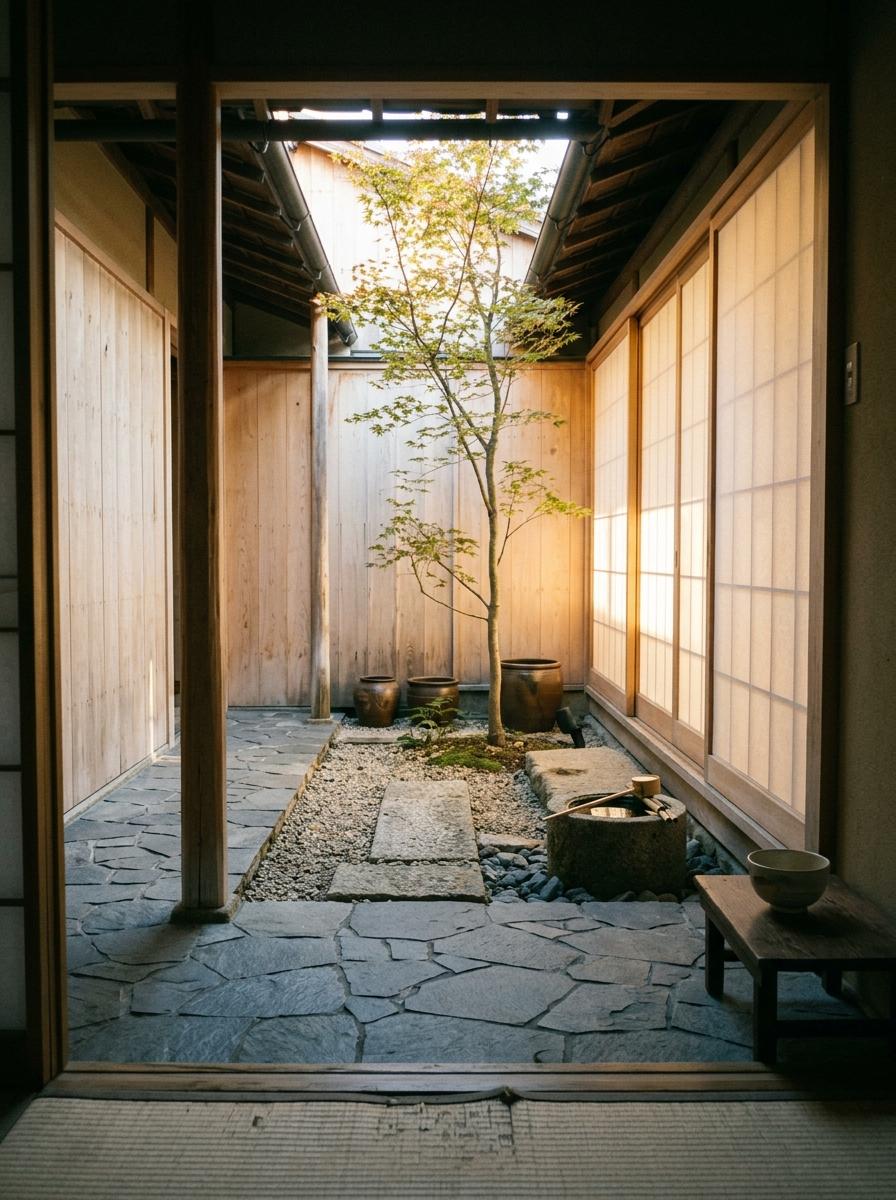

The interior program of this residence centers on a void, a masterfully orchestrated courtyard that exemplifies the aesthetic restraint found in contemporary Kyoto-inspired minimalism. Note how the tactile juxtaposition of the hand-hewn, basalt-grey slate flooring meets the velvety, matte grain of the surrounding Hinoki wood cladding, creating a rhythmic transition between the mineral and the organic. This space thrives on the concept of ordered spontaneity; the meticulous placement of a solitary acer palmatum suggests a wildness that is strictly governed by the architecture. As you observe the light filtering through the translucent, fibrous texture of the shoji screens, the visual stillness triggers a physiological deceleration-your heart rate aligns with the rhythmic drip of water against stone, transforming a mere architectural feature into a visceral sanctuary of silence. In this specific intersection of Scandinavian utility and Japanese ethos, the design transcends decoration to become an experiment in atmospheric pressure.
Elegant Stone Elements In A Japandi Courtyard Design
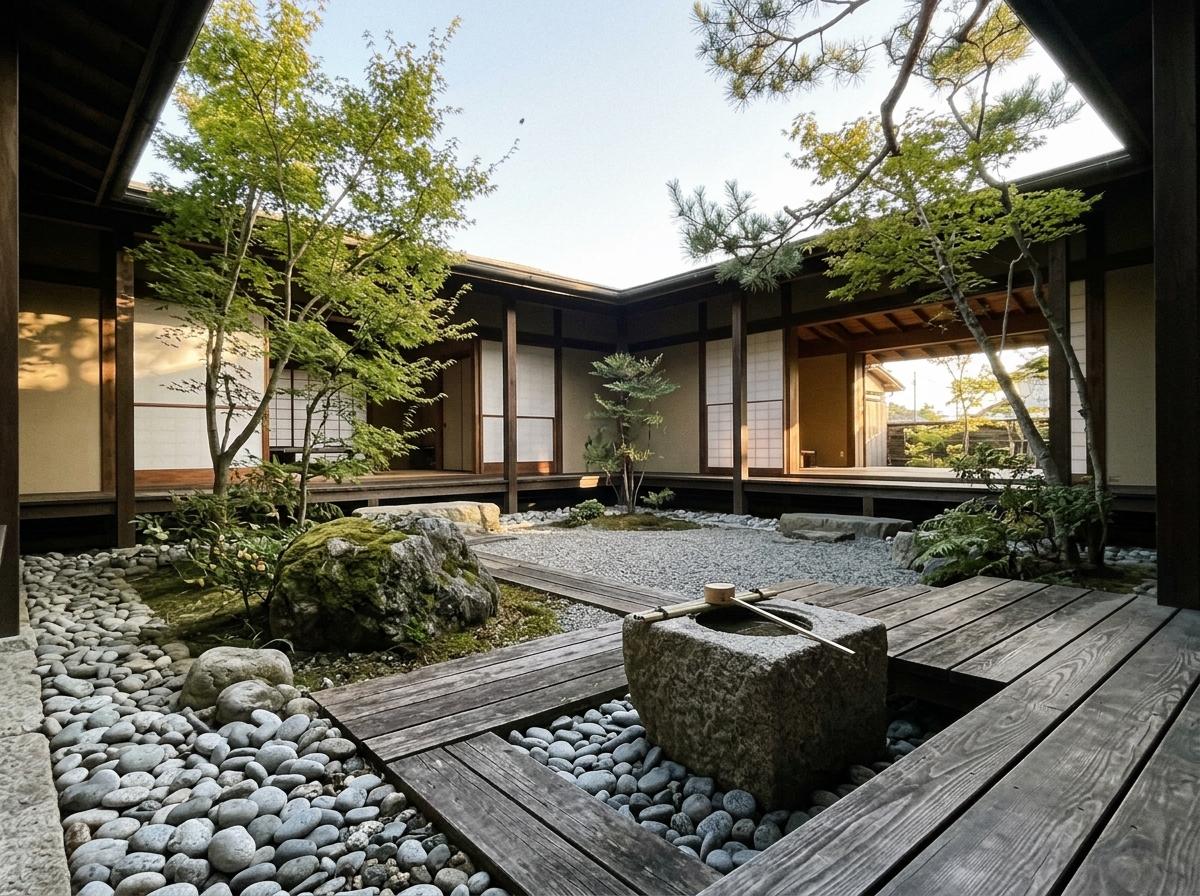

The integration of natural textures within this serene sanctuary was meticulously executed by the design team to ensure a seamless transition between interior and exterior realms. A profound sense of quietude emanates from the unadorned surfaces, where stripped-back aesthetics meet a deliberate, dust-free clarity. This masterful manipulation of materials allows smooth, silver stones to rest alongside weathered wood, anchoring the garden's core with a grounded grace. Sunlight carves deep shadows across the void, while the open layout stretches the perceived boundaries of the home to frame the sky above. The final composition artfully balances the weight of granite basins, the softness of raked gravel, and the stillness of a solitary moss-covered boulder.
Redefining Outdoor Calm Through Japandi Courtyard Design
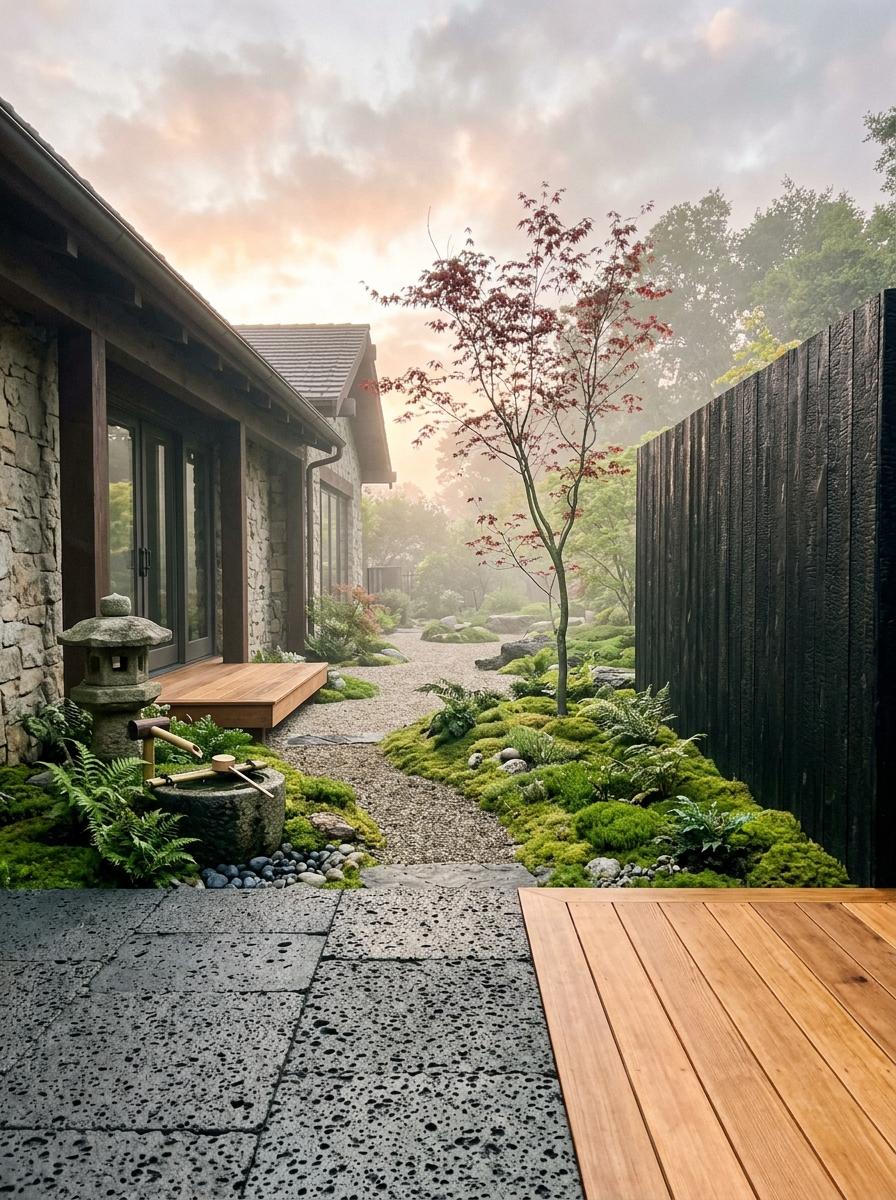

To truly understand the essence of modern sanctuary, You must look toward the Kyoto-inspired minimalism currently reshaping the estates of Montecito. Note how the porous, volcanic basalt pavers provide a jagged, tactile counterpoint to the silken, honey-hued cedar decking, creating a landscape defined by structured spontaneity. This deliberate juxtaposition of the rugged and the refined forces a sensory recalibration; as your eyes trace the clean, rhythmic lines of a charred Shou Sugi Ban privacy screen against the soft, ephemeral mist of a moss garden, the body undergoes a profound shift. The visual cacophonous silence of the courtyard triggers an immediate physiological release-lowering the heart rate and deepening the breath-as the frantic pace of urban life is absorbed by the grounding weight of stone and the airy grace of negative space.
Achieve Perfect Balance With Minimalist Japandi Courtyard Design
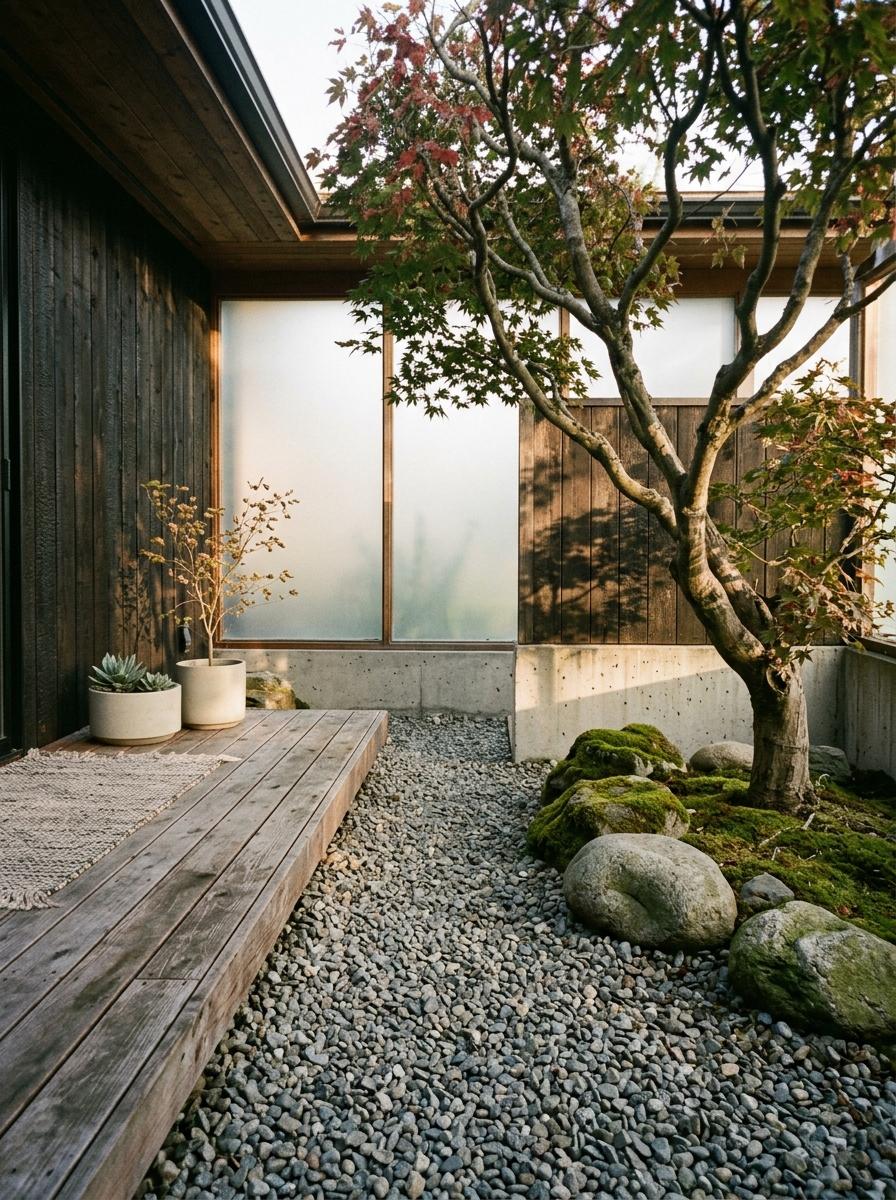

At the heart of the modern exterior lies a sophisticated architectural hybrid: the Japandi courtyard, a deliberate synthesis where the rustic, weathered soul of Japanese wabi-sabi meets the disciplined, functionalist rigor of Scandinavian hygge. This design typology functions through a dialectical tension, appearing rigorously curated yet inherently organic, where the austerity of a concrete plinth is softened by the ethereal, moss-laden textures of an acer grove. To achieve this equilibrium, we must curate a palette of haptic, primordial, and transcendental elements-think charred cedar cladding juxtaposed against the translucent glow of frosted glass. By harmonizing these disparate ideologies, the courtyard becomes more than a void; it transforms into a liminal sanctuary that bridges the ephemeral beauty of nature with the permanent solace of minimalist geometry.
Incorporating Natural Textures Into Japandi Courtyard Design
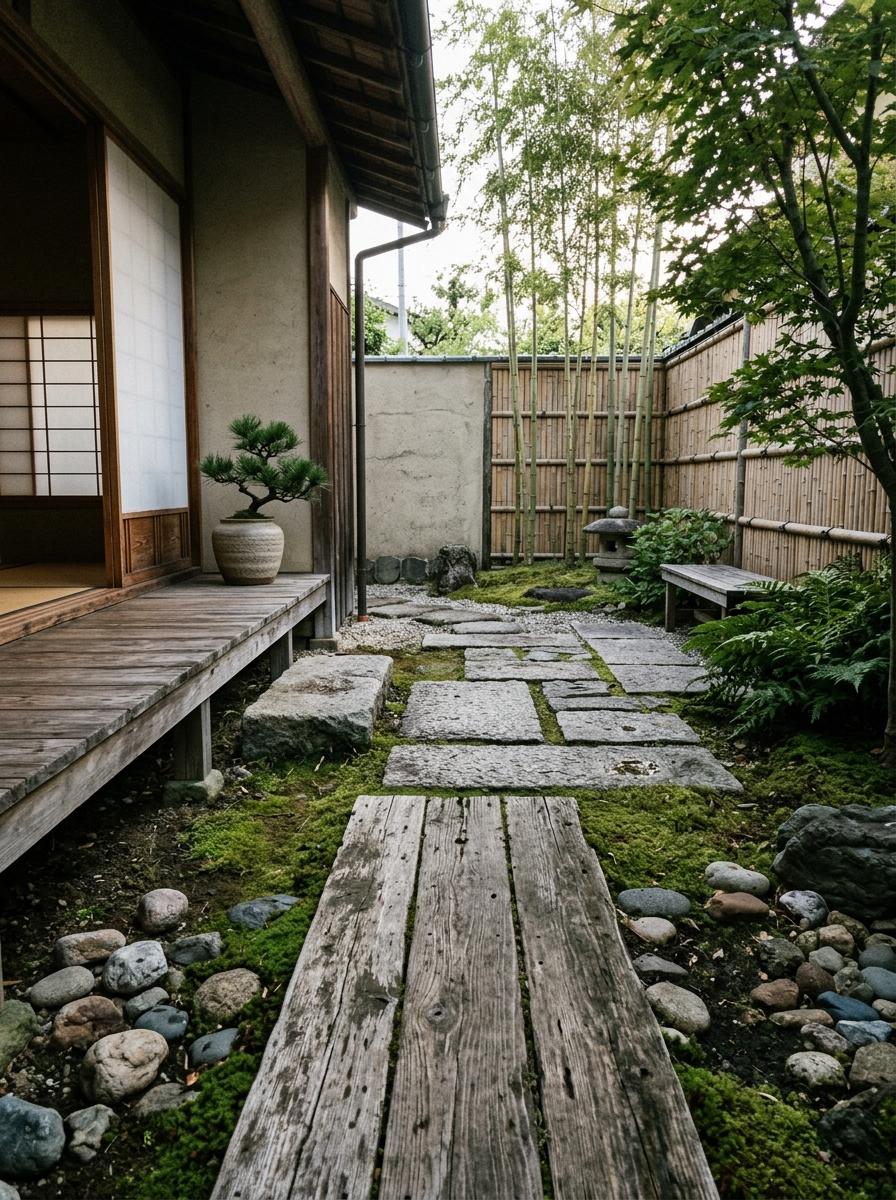

The structural composition of the Japandi courtyard is defined by a meticulous restraint, where each material choice is dictated by an ethos of quietude. Within this void, a tactile narrative unfolds through the deliberate layering of organic surfaces. Raw river stones rest against weathered wood, bridging the gap between the static and the living. This seamless fusion fosters a sense of grounded grace, ensuring the space feels both deliberate and deeply restorative. The design carves out clarity from chaos, expands the perceived depth of the enclosure, and invites a lingering stillness. To inhabit this environment is to witness how negative space breathes through the presence of cool granite, slender bamboo, and soft moss.



Comments