
Japandi emerges as a sophisticated synthesis where the rustic, weathered soul of Japanese wabi-sabi intersects with the pragmatic, streamlined composure of Scandinavian hygge. It is a stylistic equilibrium that demands an exacting spatial discipline, yet invites a profound, tactile warmth through its curated imperfections. By integrating the tectonic honesty of Northern European craftsmanship with the transcendental simplicity of Eastern aesthetics, this hybrid movement achieves a residency that feels both architecturally rigorous and ethereally grounded-offering a serene, haptic, and soulful transcendence from the cluttered noise of contemporary living.
Japandi Interior Design Style
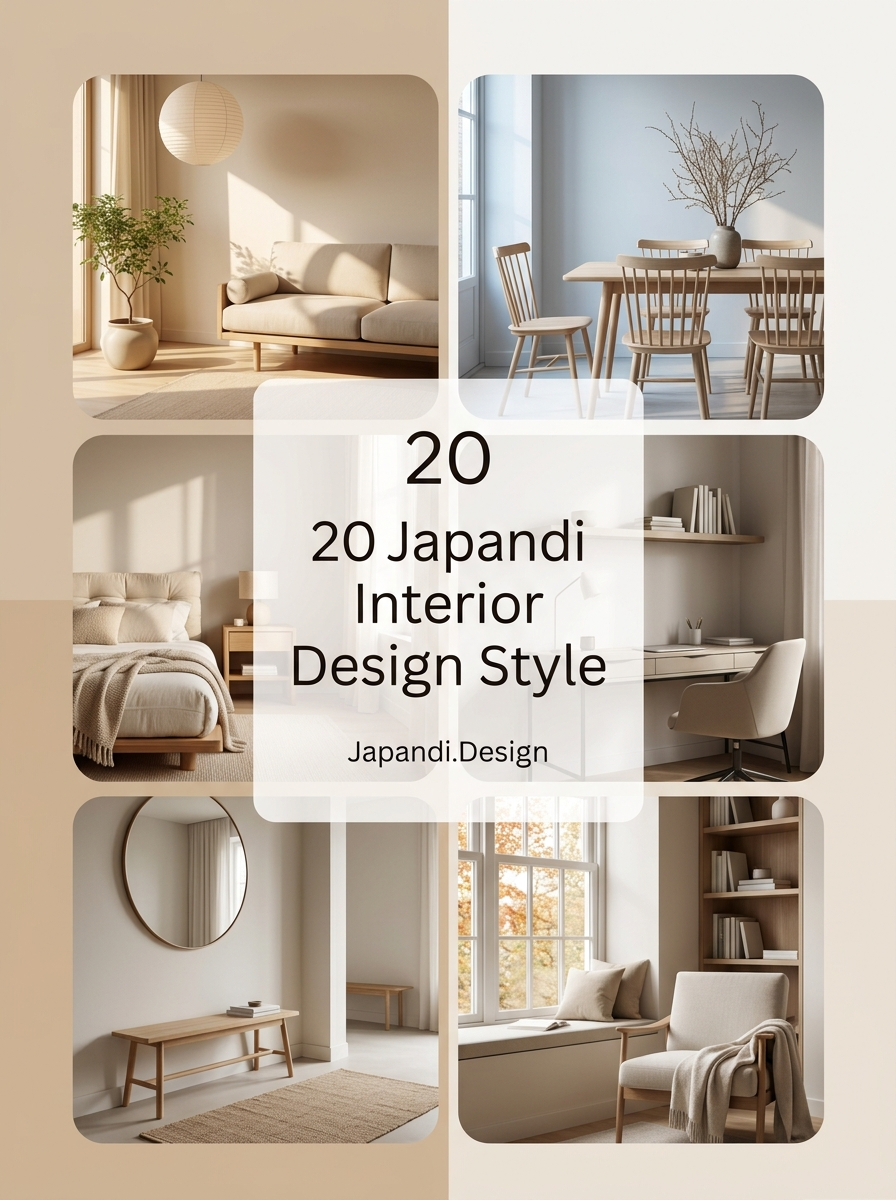

Minimalist Japandi Interior Design Principles
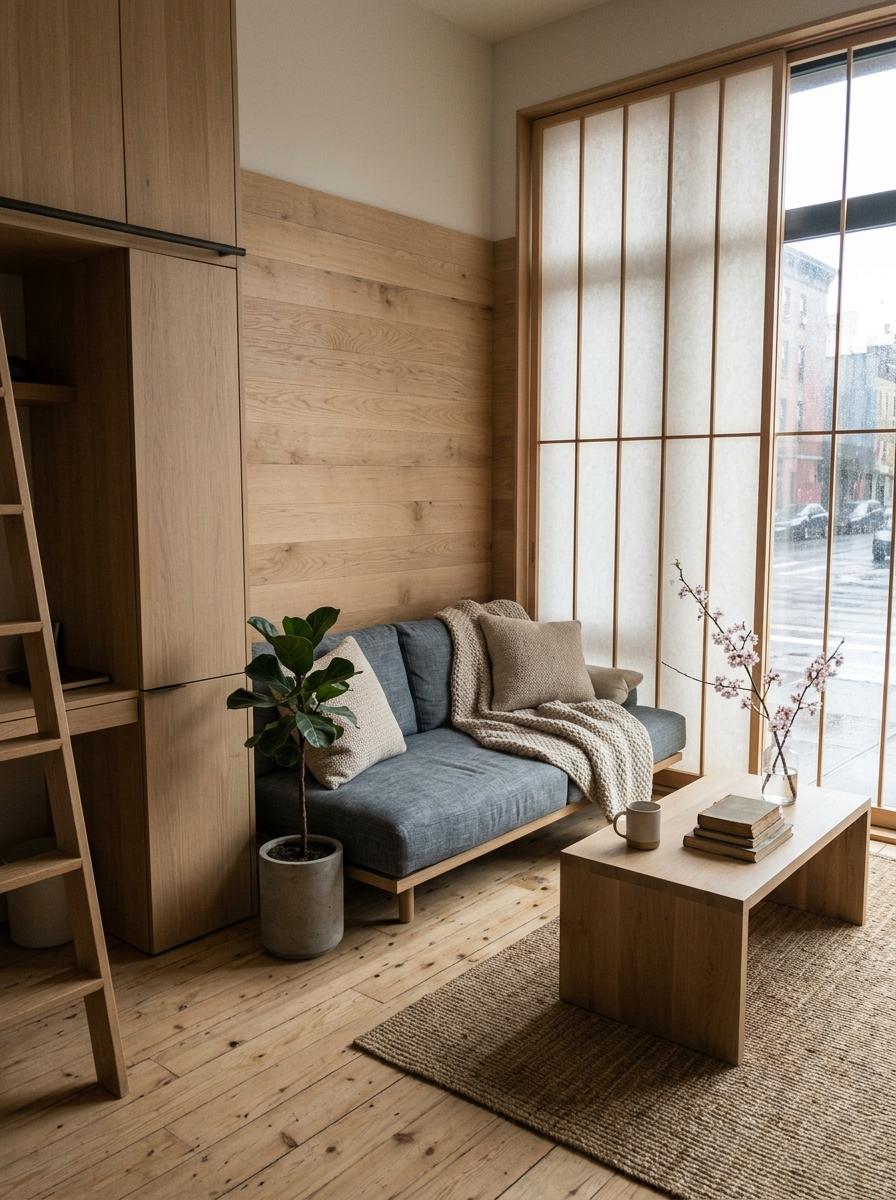

At Japandi.design, our analysis of this movement goes beyond mere aesthetics; it is an exploration of how a room can serve as an atmospheric grounding for the soul, anchoring the chaos of modern life within the hushed, intentional niche of a "living sanctuary." This style thrives on a figurative paradox, achieving a complex simplicity where the rigorous austerity of Nordic discipline meets the rustic warmth of Japanese wabi-sabi. We observe a deliberate structural dualism in these spaces, where the internal sanctuary of soft textiles and dim lighting stands in sharp distinction to the external architectural shell of glass and steel. This dialogue is expressed through material specificity, favoring the tactile honesty of quarter-sawn white oak and hand-pressed washi paper over generic finishes. Ultimately, these choices represent a functionalist specification, where the integration of modular cabinetry and hidden storage serves as a precise industrial solution to the clutter of contemporary existence.
Explore A Warm Family Home With Japandi Aesthetics
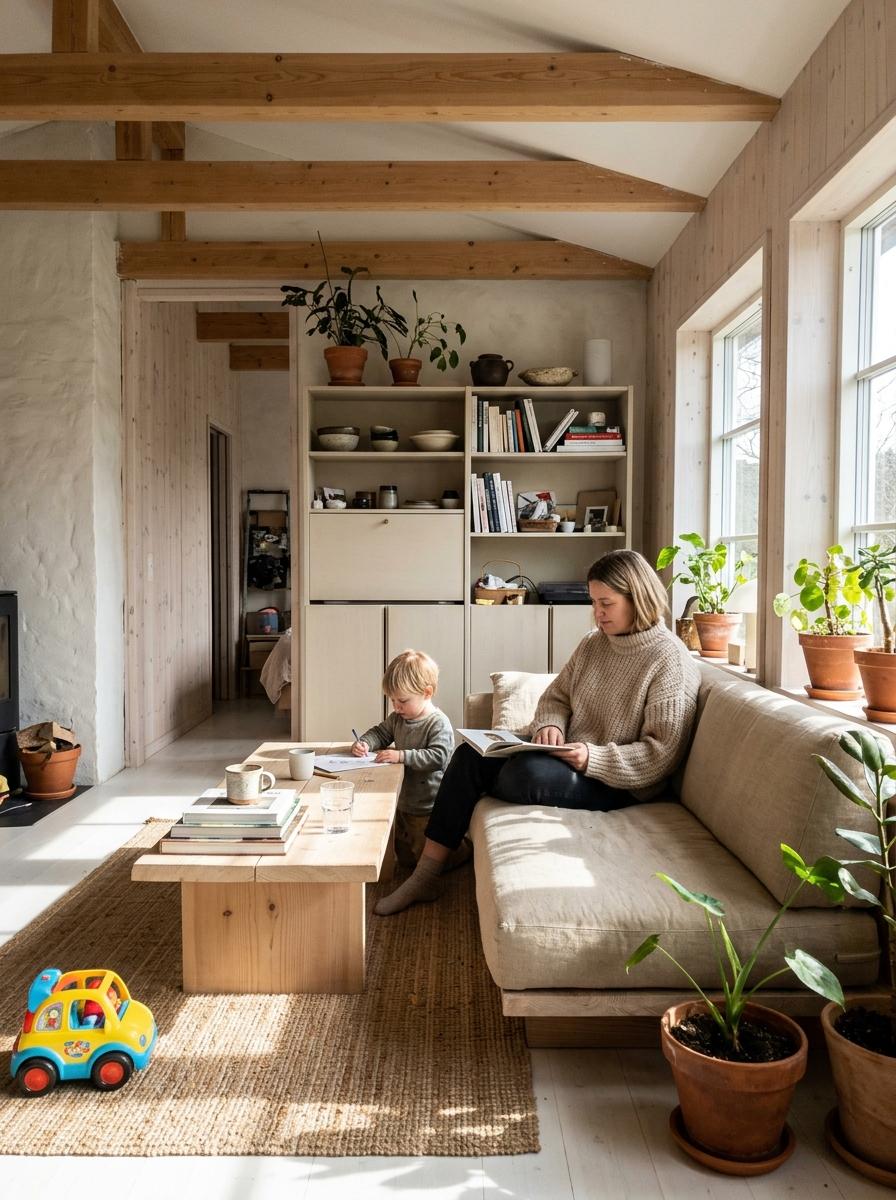

At its core, the Japandi aesthetic emerges through a rigorous synthesis of Scandinavian hygge and Japanese wabi-sabi, resulting in a design language that transcends mere minimalism to achieve a profound, livable equilibrium. This home exemplifies that union, where the meticulous precision of Joinery and millwork meets the organic, tactile warmth of Nordic materiality. The architecture feels intentionally austere, yet radiates an atmospheric intimacy; it is a space that demands discipline in its curation, but offers total replenishment in its execution. Through an orchestration of haptic textures-think raw, open-grain timbers set against the cool, velvet-smooth finish of lime-washed walls-the residence cultivates an environment that is simultaneously grounding, ethereal, and enduringly serene.
Walk Through A Simple Urban Loft Featuring Japandi Interior Design
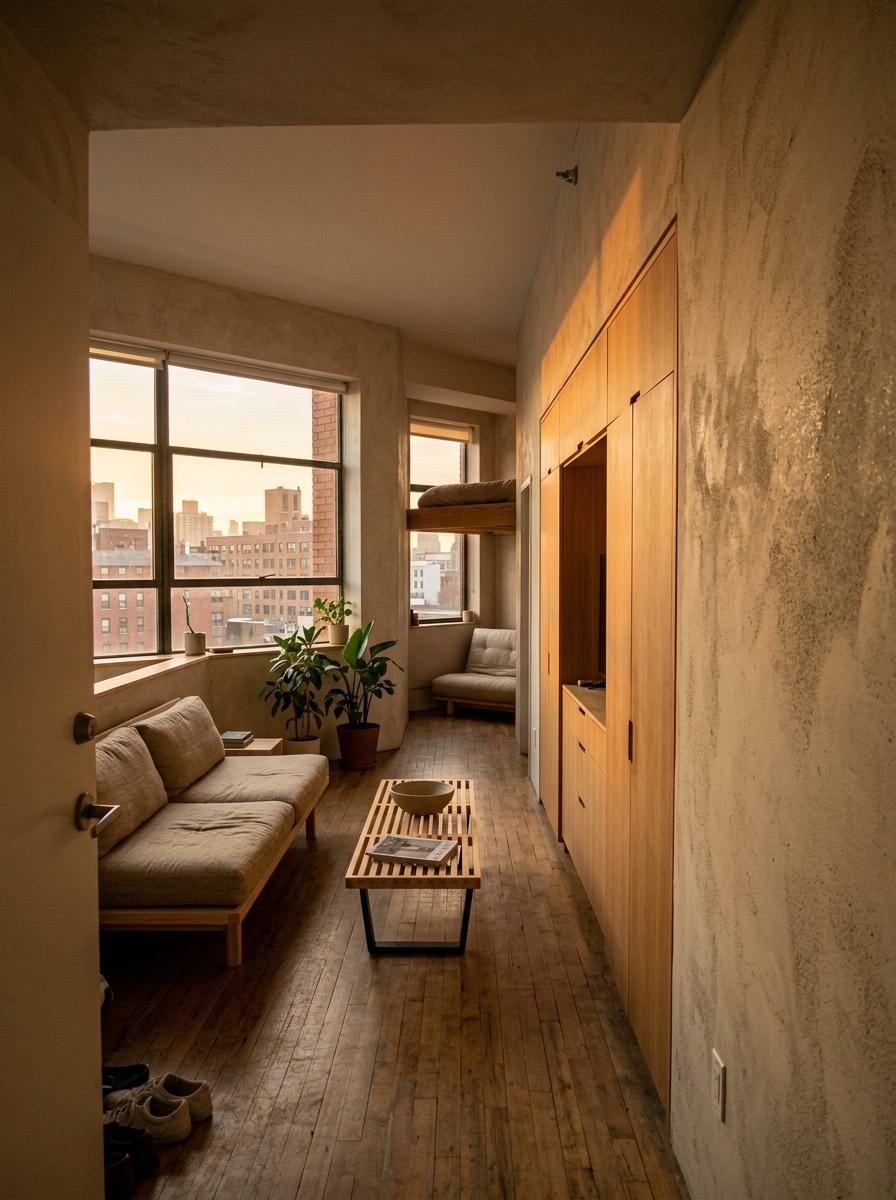

Stepping into this urban loft, one is immediately enveloped by a curated stillness that feels remarkably insulated from the frantic velocity of the city just beyond the glass. It is a space defined by structured fluidity, where the rigid geometry of the layout is softened by a deliberate, rhythmic simplicity. This interior exists as a sanctuary of cloistered exposure; while the expansive industrial windows offer an unfiltered view of the concrete skyline, the living quarters remain an intimate, inward-looking retreat. The tactile palette avoids generic minimalism, opting instead for the granular texture of slaked lime plaster walls paired with the warm, honeyed grain of hand-planed Hinoki cypress furniture. This dialogue of materials is grounded by a recessed cabinetry system, which functions as a seamless architectural skin to conceal the clutter of modern life, effectively transmuting industrial utility into a quiet, meditative void.
Glimpse The Beauty Of This Japandi Inspired Living Space
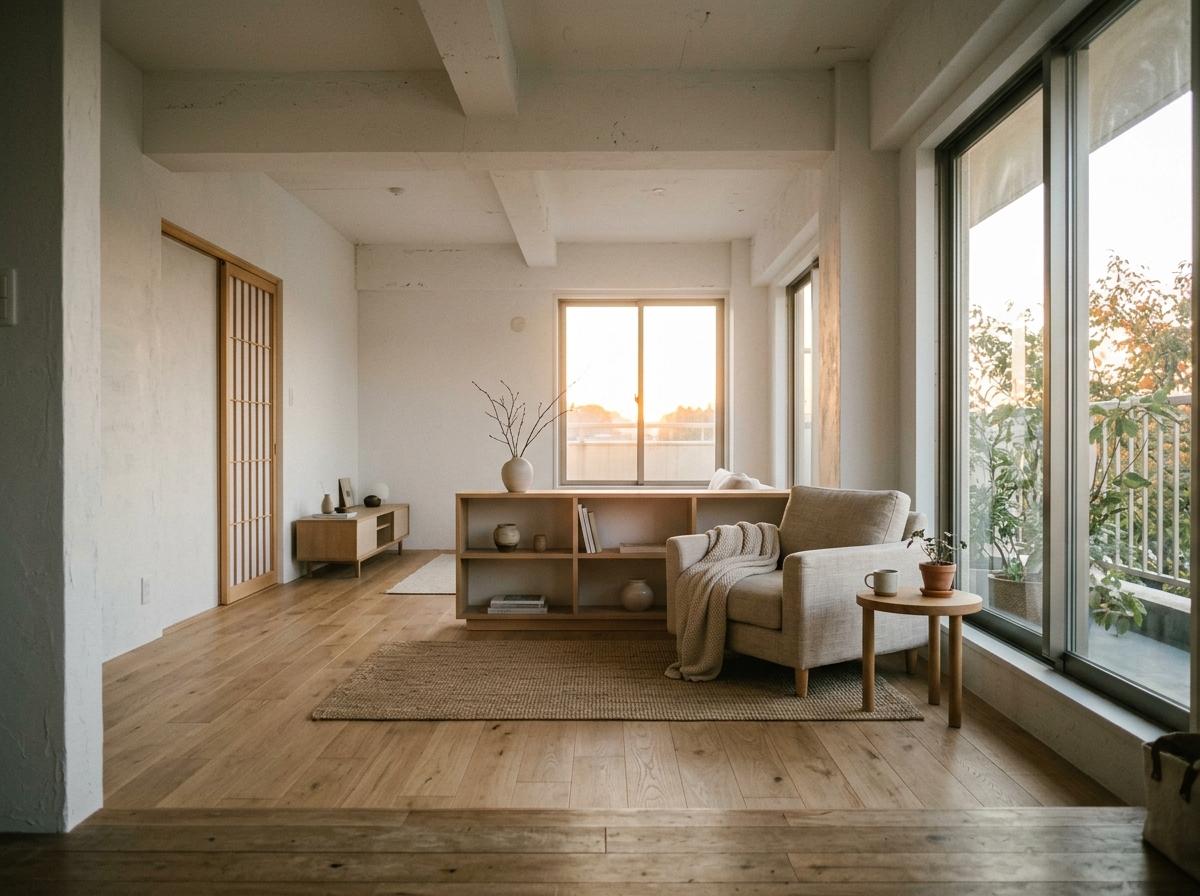

This Japandi-inspired living space was conceived as a meditation on balance, where traditional Japanese restraint is harmoniously wedded to Scandinavian functionality. Within this void-centric volume, every surface radiates a sparse, silent serenity, eschewing the cluttered chaos of modern living in favor of an unadorned and antiseptic grace. Soft sunlight sweeps across the pale planks, stretching the internal dimensions to forge a fluid connection between the hearth and the horizon. This deliberate layout carves out a sanctuary of stillness, breathes life into the structural skeleton, and expands the visual threshold. To inhabit this room is to experience the profound power of the curated, the calm, and the compact.
Inside A Refined Coastal Villa With Japandi Interior Design Elements
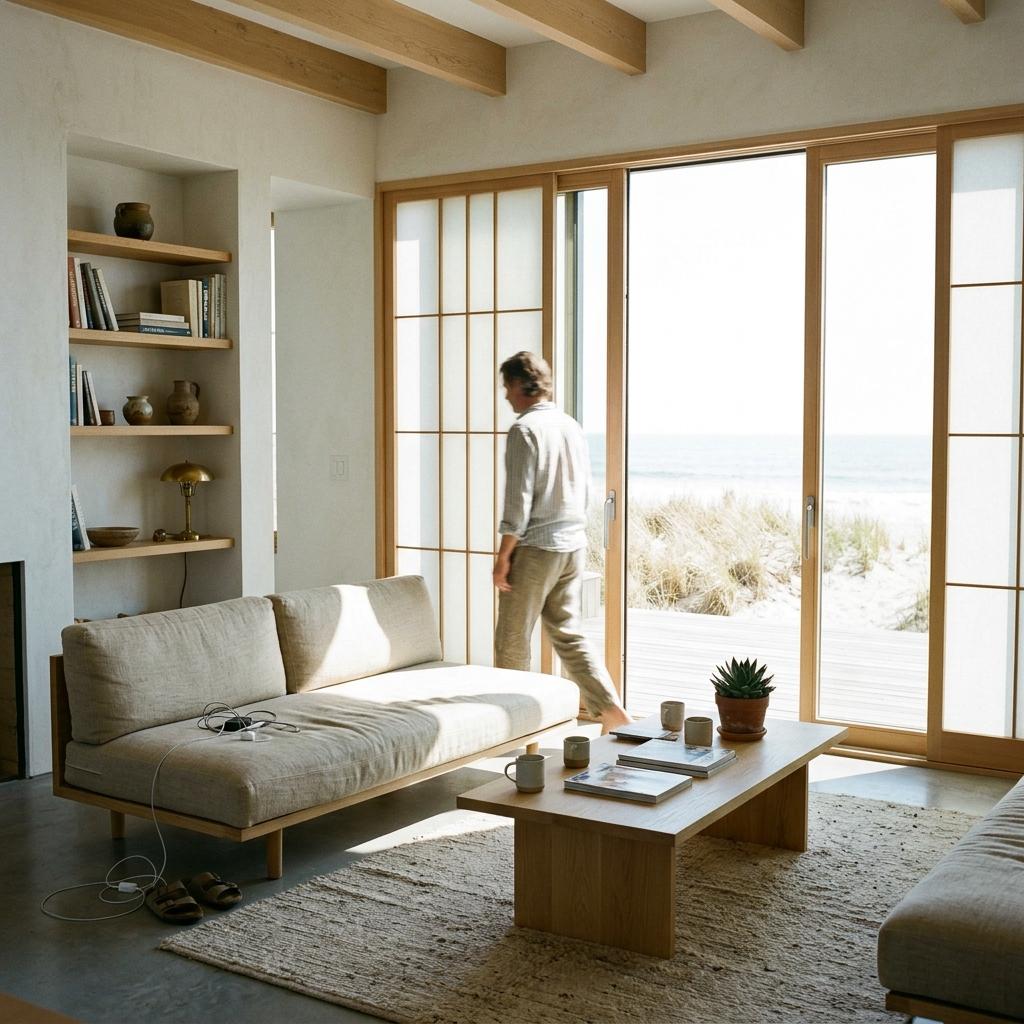

Where a weathered fisherman's cottage once stood-a relic of rugged coastal utility-now rises a structure that honors the lineage of its site through a lens of contemporary stillness. This refined villa, nestled within the prestigious enclave of The Hamptons' Amagansett dunes, achieves a rare state of structured fluidity, where the rigid discipline of Japanese minimalism softens against the raw, organic sprawl of the Atlantic coastline. Undertaken for a repeat client whose evolving lifestyle demanded a more permanent sanctuary, the project serves as a sophisticated evolution of their previous urban residence. The design finds its definitive expression through a technical synthesis of tactile materiality and spatial rhythm, utilizing bleached cedar cladding and recessed shoji-inspired glazing to bridge the gap between interior intimacy and the vast maritime horizon.
A Home With Sophisticated Textures And Japandi Style
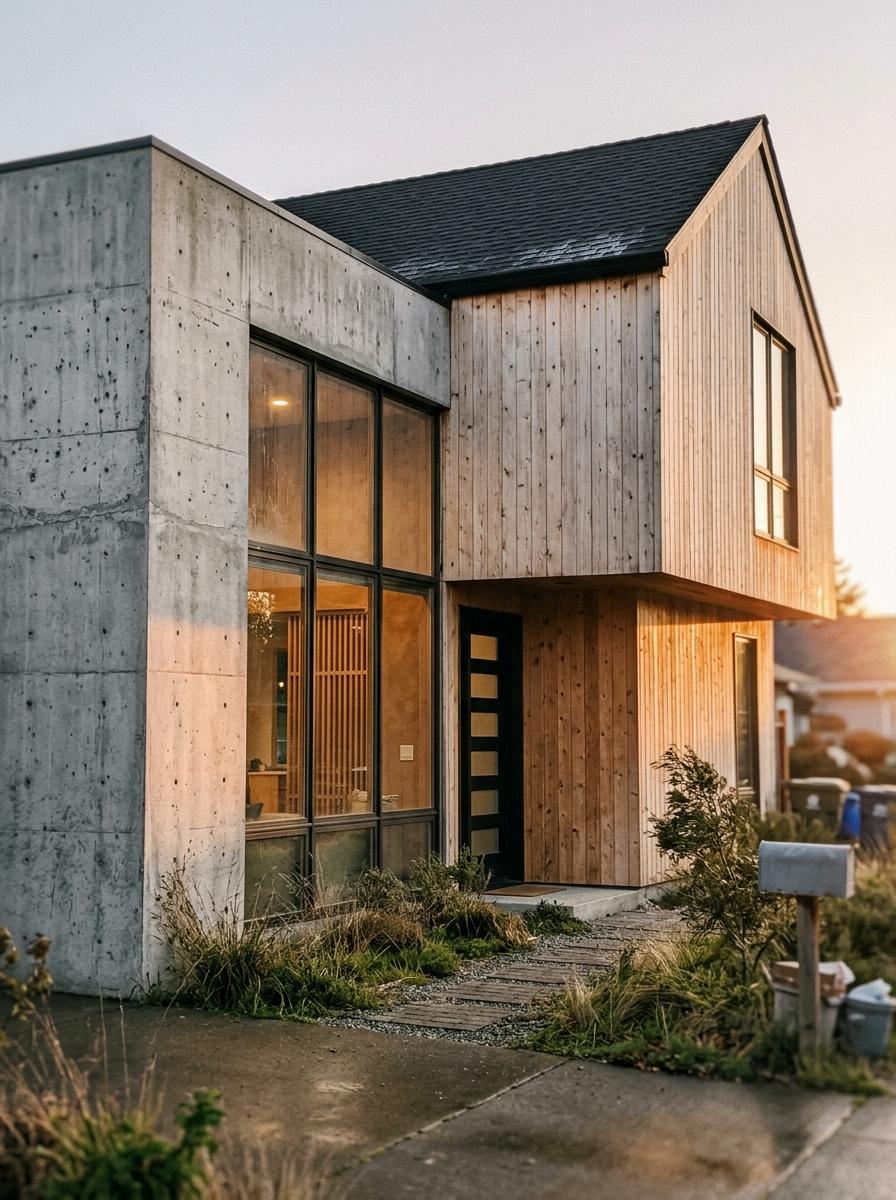

Nestled within an urban enclave where the city's frantic pace begins to dissolve into a quiet, suburban hush, this residence stands as a sanctuary of curated stillness. It embodies a structured spontaneity, where the rigid discipline of minimalist geometry is softened by the unpredictable organic flow of natural grain, reconciling the clinical with the soulful. While the exterior presents a stoic, monolithic shell of weathered concrete to the street, the interior unfolds into a sheltered world of warmth, creating a sharp tension between the public armor and the private heart. Inside, the tactile narrative is driven by the use of sand-blasted Douglas fir and honed travertine, materials that invite the hand to trace the deliberate friction of their surfaces. This sensory landscape is not merely aesthetic but serves as a system of integrated thermal regulation; the strategic placement of clay-plastered feature walls acts as a passive humidity buffer, ensuring that the home's sophisticated textures function as both a visual study in Japandi elegance and a high-performance solution for modern living.
Embrace Balance With Japandi Interior Design In Small Spaces
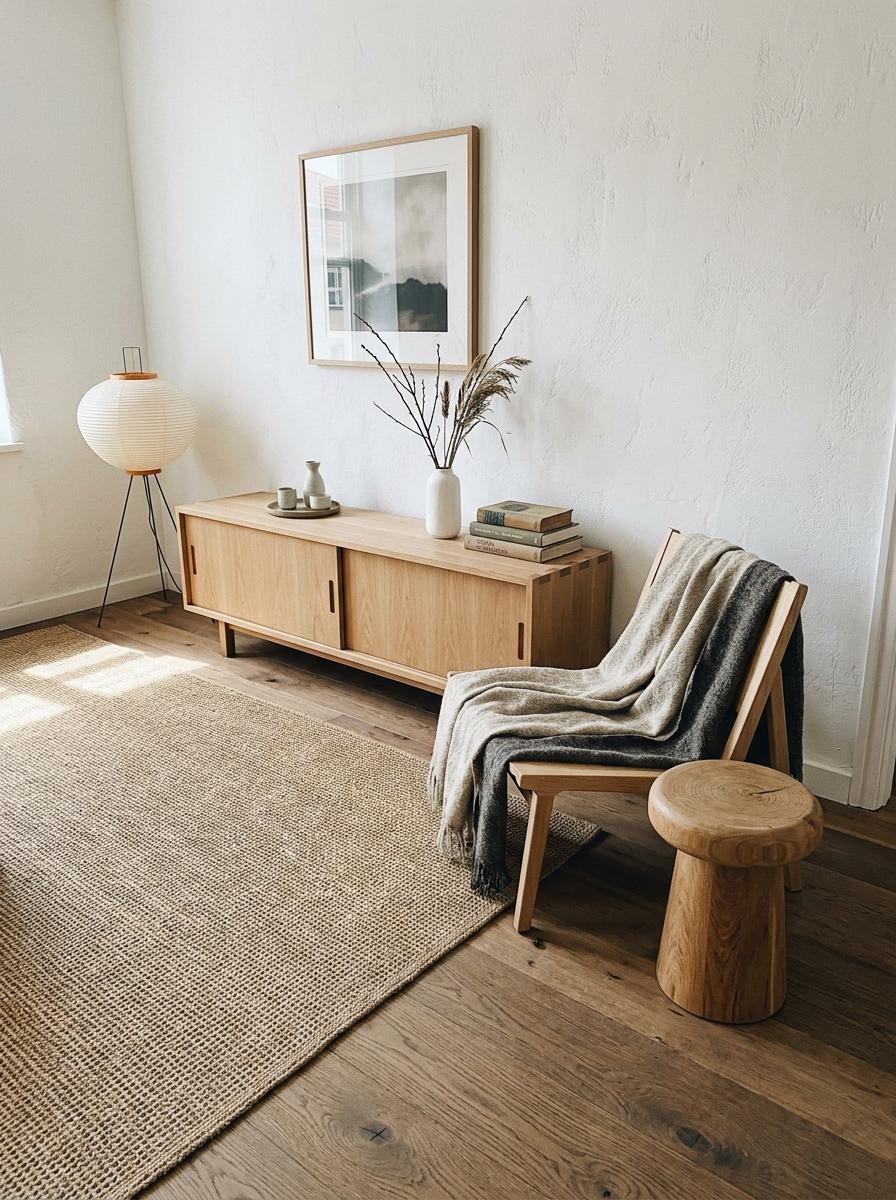

To master Japandi in a compact footprint, we must first curate a palette of tactile intelligence. Note how the juxtaposition of fibrous, open-weave tatami against the silky, oil-rubbed finish of solid white oak creates a deliberate sensory map within a single room. In these small-scale environments, we witness the triumph of cluttered minimalism-a design paradox where every square inch is utilized, yet the atmosphere remains breathably vacant. This intentional arrangement does more than please the eye; as you trace the grain of a Kyoto-inspired low-slung credenza, your heart rate begins to sync with the steady, rhythmic geometry of the space, settling the nervous system into a state of profound stillness. By integrating the austere warmth found in high-end Scandinavian lofts with the ancient precision of Edo-period joinery, the small home ceases to be a constraint and instead becomes a resonant chamber for physical and mental restoration.
This Sustainable Apartment Showcases Japandi Interior Design
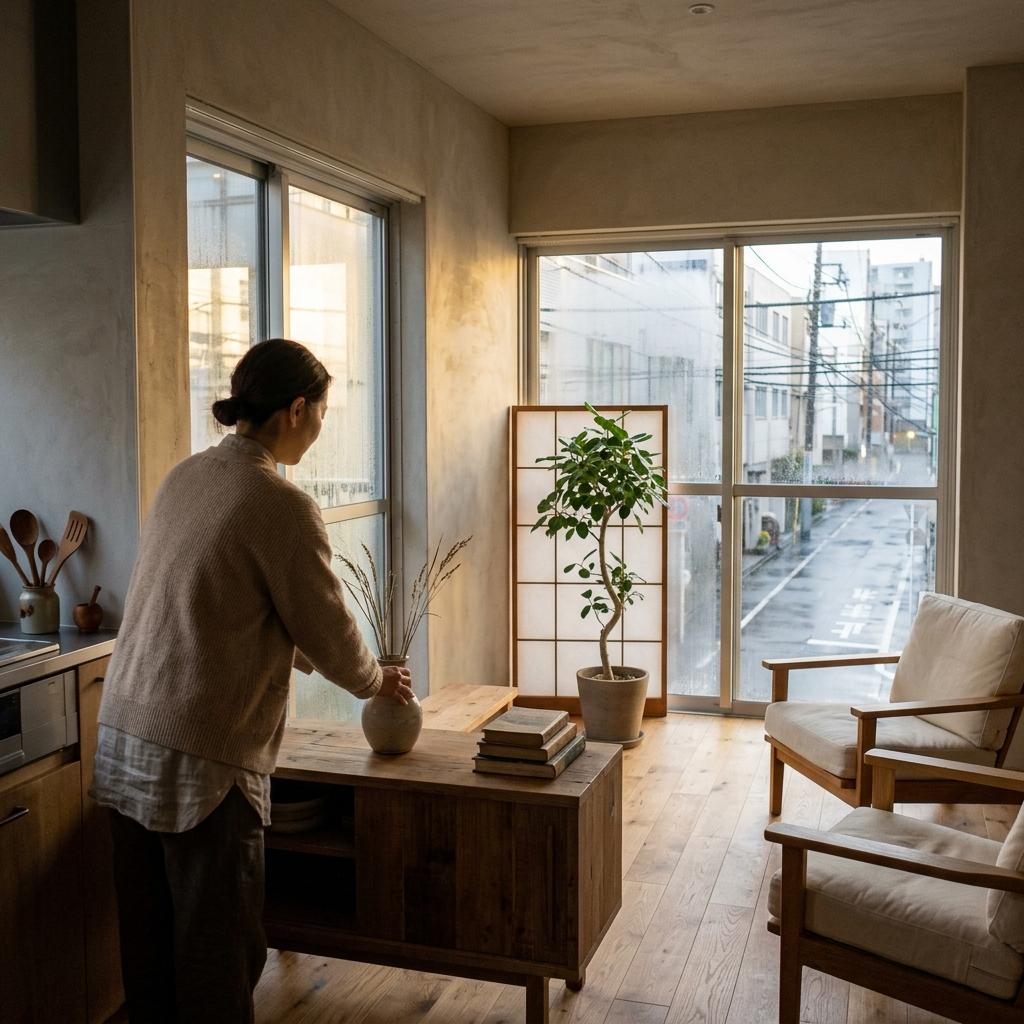

Steping off the frantic, rain-slicked pavement of Tokyo's Shibuya district felt like muted chaos, but as I crossed the threshold into this particular apartment, the world simply went quiet. Outside, the city is a cacophony of neon lights and jagged steel; inside, however, the air feels filtered through the warmth of white oak and breathable clay plaster. "We didn't just want a home," the owner explained, pausing to adjust a hand-thrown ceramic vase on a low-slung credenza, "we wanted a sanctuary that-if you'll excuse the cliché-actually breathes with us." This deliberate marriage of Scandinavian functionality and Japanese minimalism is grounded in a palette of muddied neutrals and tactile materiality, where every negative space serves as a visual lung. By prioritizing a circular economy through reclaimed timber and VOC-free finishes, the space moves beyond mere aesthetics into the realm of ethical living. This seamless fusion of ecological responsibility and quiet beauty is precisely what makes this project a definitive blueprint for the modern Japandi soul.
How A Neutral Palette Shapes This Japandi Interior Design Project
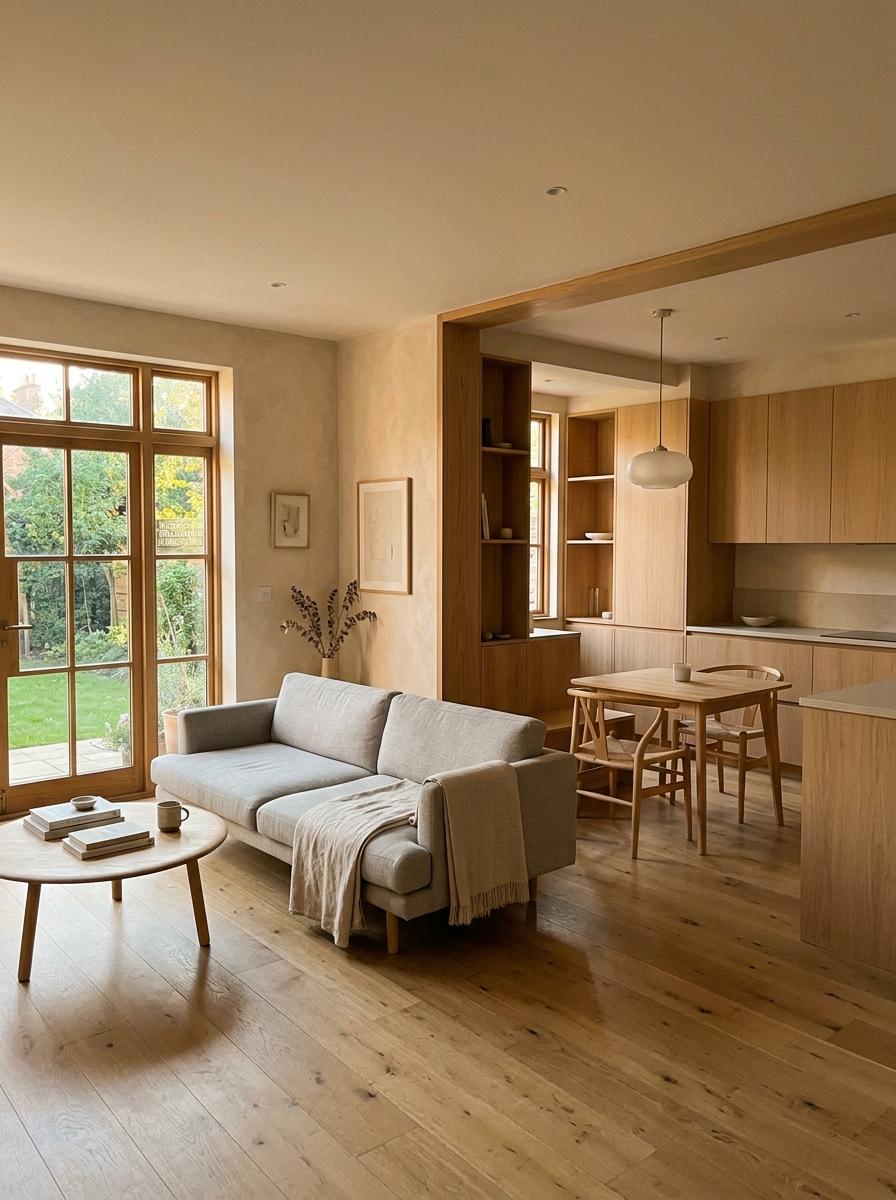

To understand the essence of this project, we need to first trace the diachronic contrast between the site's former life as a fragmented, mid-century cellular dwelling and its current evolution into a cohesive, light-filled sanctuary. This transformation is defined by a striking stylistic juxtaposition-a "structured fluidity"-where the rigid lines of Japanese minimalism are softened by the organic, hygge-led warmth of Scandinavian textures. Situated in the leafy, prestigious enclave of London's Hampstead, the renovation serves as a sophisticated homecoming for the homeowners; as a repeat client of the lead designer, their return signals a profound level of professional trust and a shared aesthetic shorthand. Ultimately, the project's success lies in a masterful technical synthesis, where a strictly neutral palette, combined with strategic timber joinery and the manipulation of natural light, serves as the primary architectural lever to unify the space.
Discover Contemporary Living Room Ideas Using Japandi Interior Design
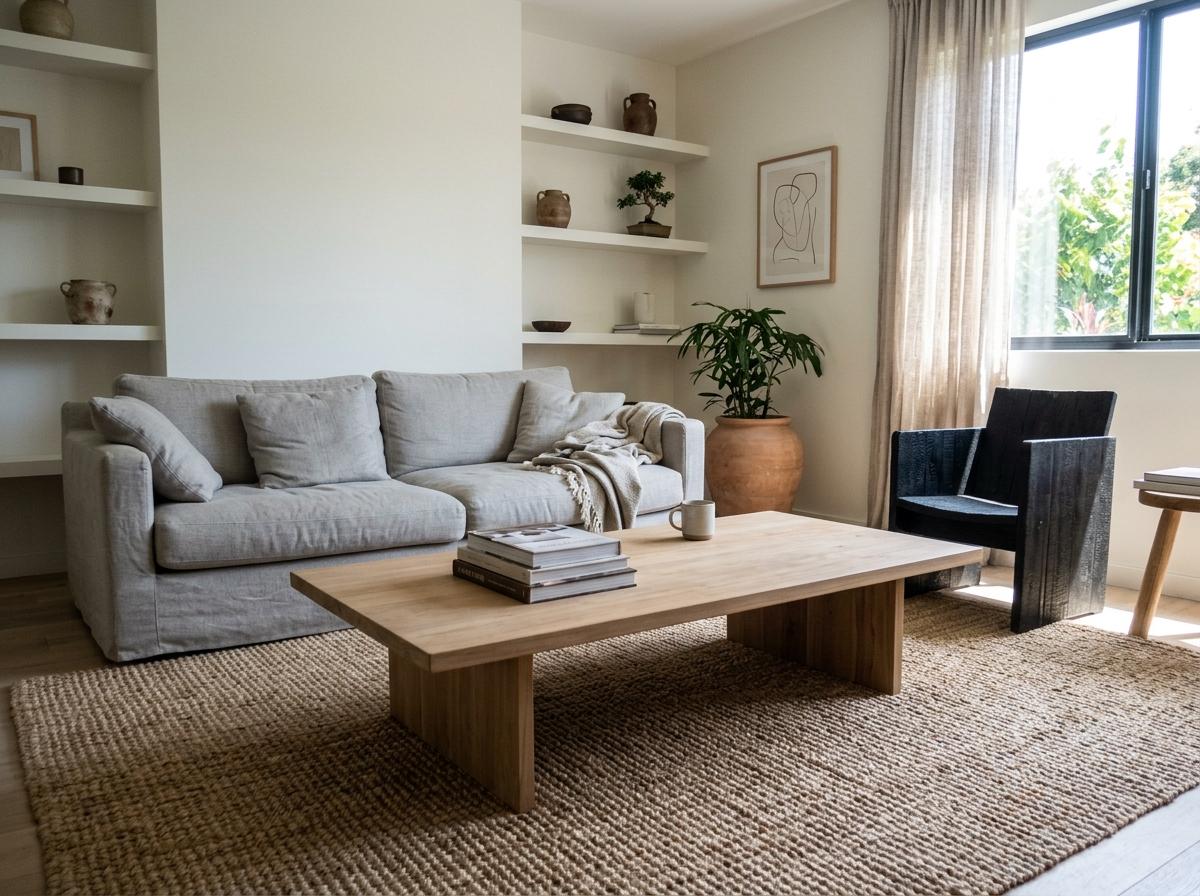

To truly master the contemporary living room, we can embrace the ordered chaos of the Japandi aesthetic-a paradox where rigorous Scandinavian functionality meets the weathered, rustic spontaneity of Japanese minimalism. Note how the tactile interplay between a low-slung, sand-blasted teak coffee table and the fibrous, open-weave texture of a hand-loomed sisal rug anchors the room in earthy permanence. This intentional layering of materials does more than serve a stylistic purpose; as your gaze moves across the matte-black charred cedar accents (inspired by the ancient Shou Sugi Ban techniques often found in Kyoto retreats), your heart rate slows and a profound sense of settling takes hold of your nervous system. By integrating the structural honesty of the Hygge-centric Nordic lounge with the Wabi-sabi appreciation for the imperfect, you create a space that feels both surgically precise and deeply soulful, bridging the gap between a high-end Copenhagen gallery and a secluded forest sanctuary.
Transforming An Old House Into A Japandi Interior Design Masterpiece
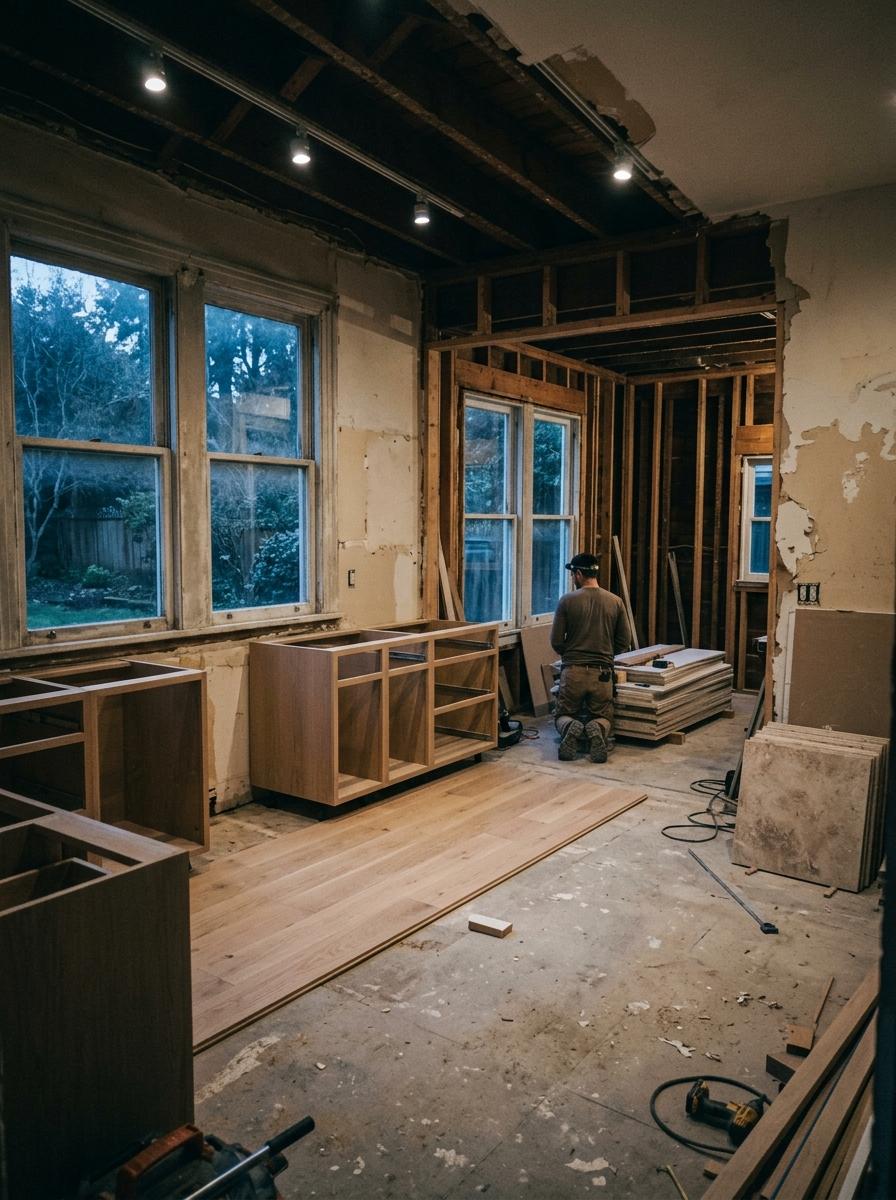

At Japandi.design, we find that the most profound transformations occur within the skeletal remains of forgotten architecture, where the dusty silence of a neglected floor plan becomes the canvas for a deliberate, meditative revival. This process is defined by a structured fluidity, a conceptual synthesis where the rigid constraints of a decaying foundation are reconciled with the boundless, airy lightness of Japanese minimalism. While the exterior facade often retains its weathered, historical grit-a testament to the passage of time-the interior undergoes a radical purification, establishing a sharp dualism between the chaotic textures of the past and the disciplined geometry of the present. Within these walls, tactile luxury is articulated through saw-cut white oak and honed Travertine, materials that ground the ethereal aesthetic in a perceptible, earthy reality. Ultimately, this metamorphosis is anchored by the integration of modular cabinetry and recessed track lighting, industrial utilities that act as invisible solutions to the clutter of modern living, ensuring that the home functions with the precision of a machine while maintaining the soul of a sanctuary.
Creating Harmonious Living Within A Modern Japandi Interior Design Project
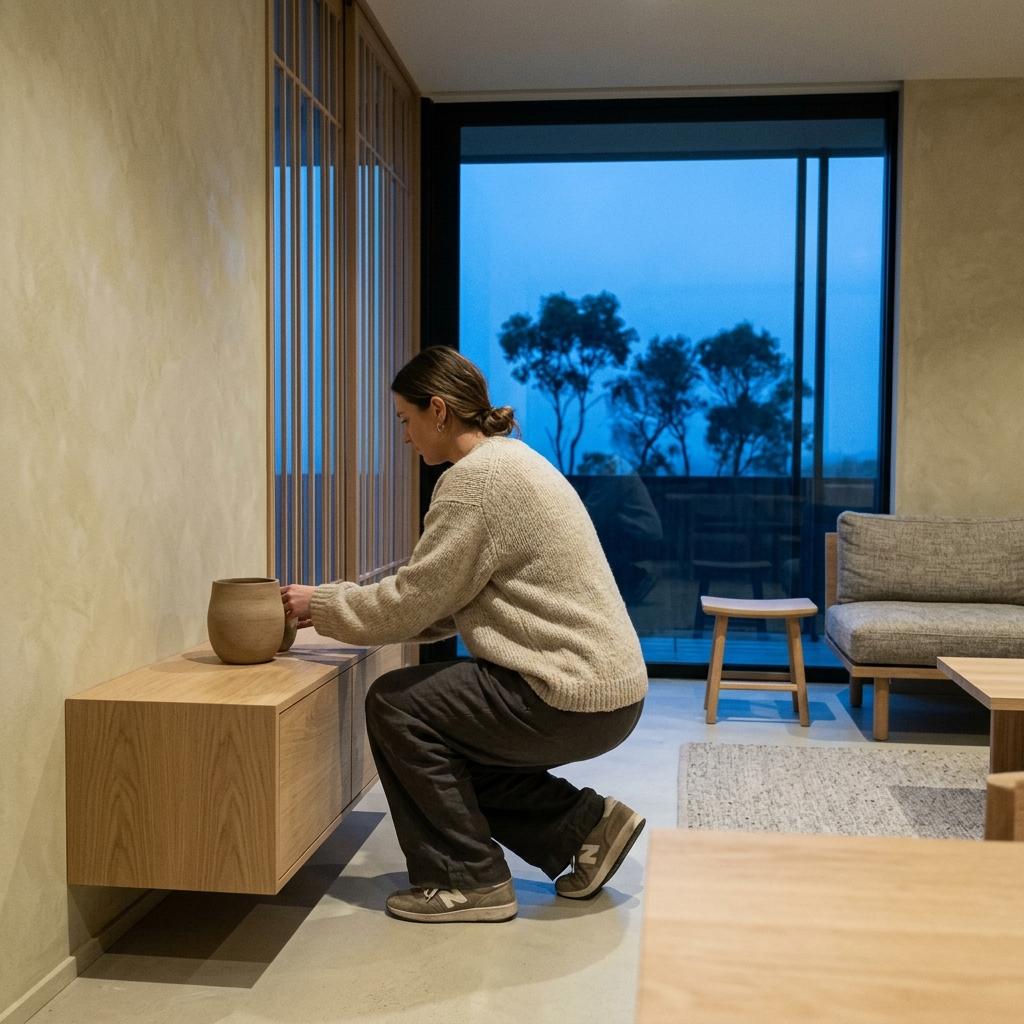

Stepping off the frantic, neon-slicked pavement of the city and into the threshold of this particular residence felt less like entering a house and more like a slow, intentional exhale. Outside, the urban landscape is a cacophony of visual noise-jagged skylines and restless movement-but here, the atmosphere is dictated by the soft, tactile honesty of brushed light oak and the rhythmic stillness of shadow. "The challenge," the lead designer explained, pausing to adjust a single ceramic vessel atop a floating credenza, "wasn't just about filling the floor plan... it was about curating the void." This deliberate tension between Scandi-functionalism and the soulful impermanence of wabi-sabi manifests in every corner, from the low-slung profiles of the furniture to the earthen palette of the lime-wash walls. "We wanted a space that breathes," they continued, tracing the grain of a sustainable timber screen, "rather than one that merely occupies." This delicate calibration of material warmth and minimalist restraint serves as the ultimate blueprint for creating a sanctuary that transcends mere decoration.
Functional Elegance Found Within Japandi Interior Design Layouts
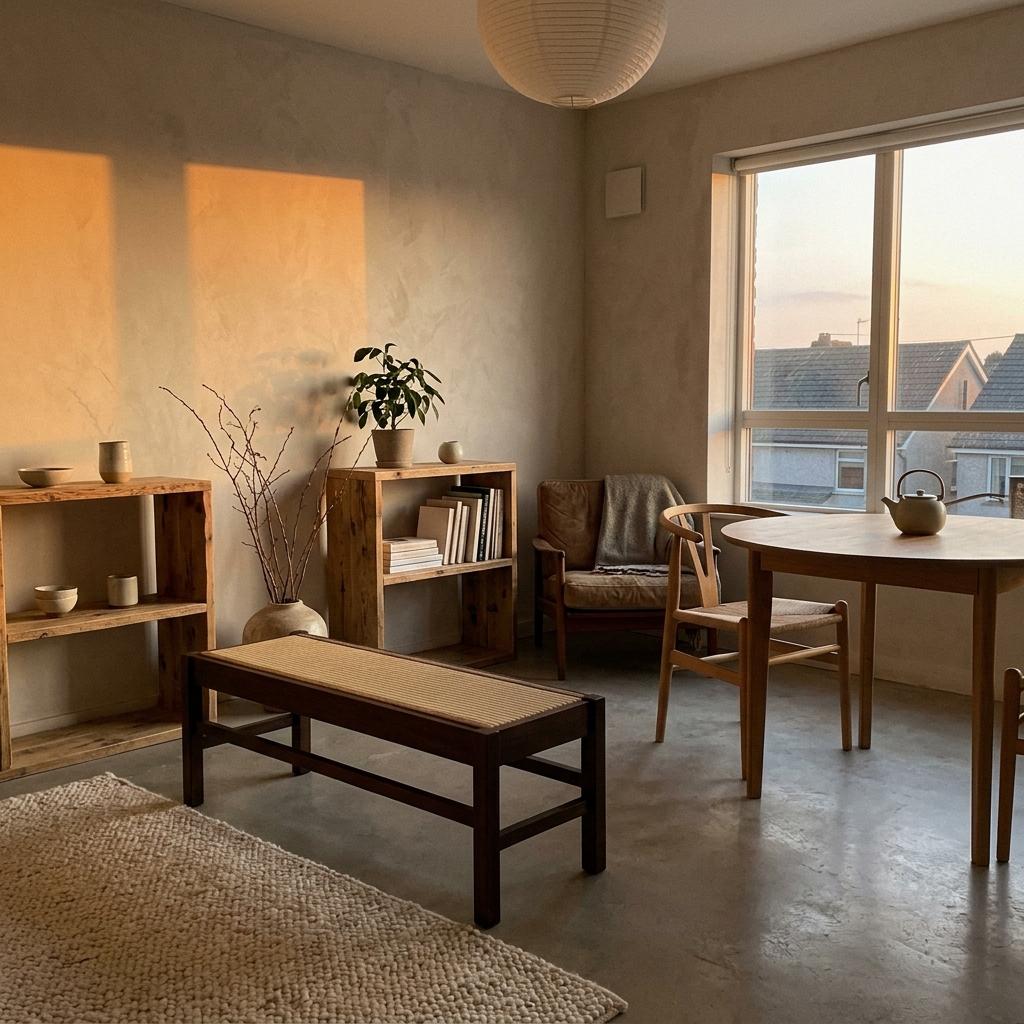

The genius of a Japandi layout lies in its ability to marry the rustic, tactile honesty of Scandinavia with the curated void of Japanese minimalism. In a Tokyo-inspired pied-à-terre, for instance, one might encounter the fibrous, open-grain texture of reclaimed Siberian larch set against the vitreous, liquid-smooth sheen of hand-poured concrete. Note how the intentional placement of a low-slung tatami bench directs your gaze toward the negative space, acting as a structural anchor that simultaneously liberates the room. This design philosophy thrives on a cluttered emptiness-a paradox where every deliberate void feels heavy with purpose, and every object feels light as air. As you move through these choreographed transitions, the sharp psychological tension of urban life dissolves into a visceral deceleration, lowering the heart rate and grounding the nervous system through the sheer stability of the environment. In the quiet corners of a Malmö-style breakfast nook, the marriage of Wabi-sabi and Hygge transcends mere decoration; it becomes a somatic sanctuary where the physical structure breathes in tandem with the inhabitant.
Refined Simplicity Found In A Japandi Interior Design House Tour
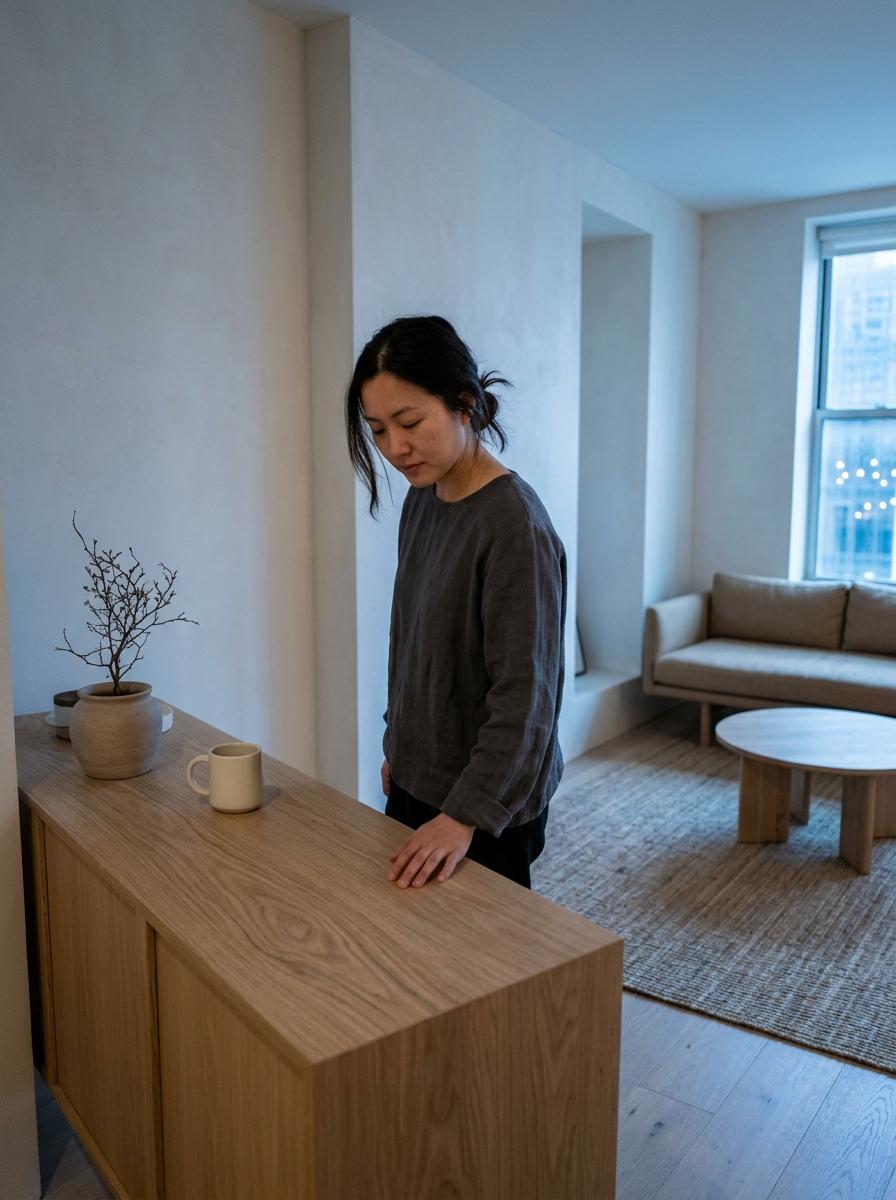

Stepping off the frantic, neon-slicked pavement of the city and into this residence is less like entering a building and more like exhaling a breath you didn't know you were holding. I sat down with the homeowner, a collector of quiet moments, who gestured toward the soft light washing over the walls. "The goal wasn't just to fill a room," she told me, pausing to trace the grain of a white oak sideboard, "but to create a space that... well, that actually lets the mind rest." This intentionality is the hallmark of the home's layout, where the jagged chaos of urban life is replaced by a meticulous commitment to shibui-that elusive Japanese concept of understated beauty. Here, the rugged, tactile honesty of wabi-sabi meets the sleek, functional silhouettes of Scandinavian modernism, creating a sanctuary defined by organic textures and a low-profile footprint. This delicate equilibrium between the raw and the refined serves as the perfect case study for how Japandi principles can transform a dwelling into a meditative retreat.
Transform Your Space Using The Japandi Interior Design Look
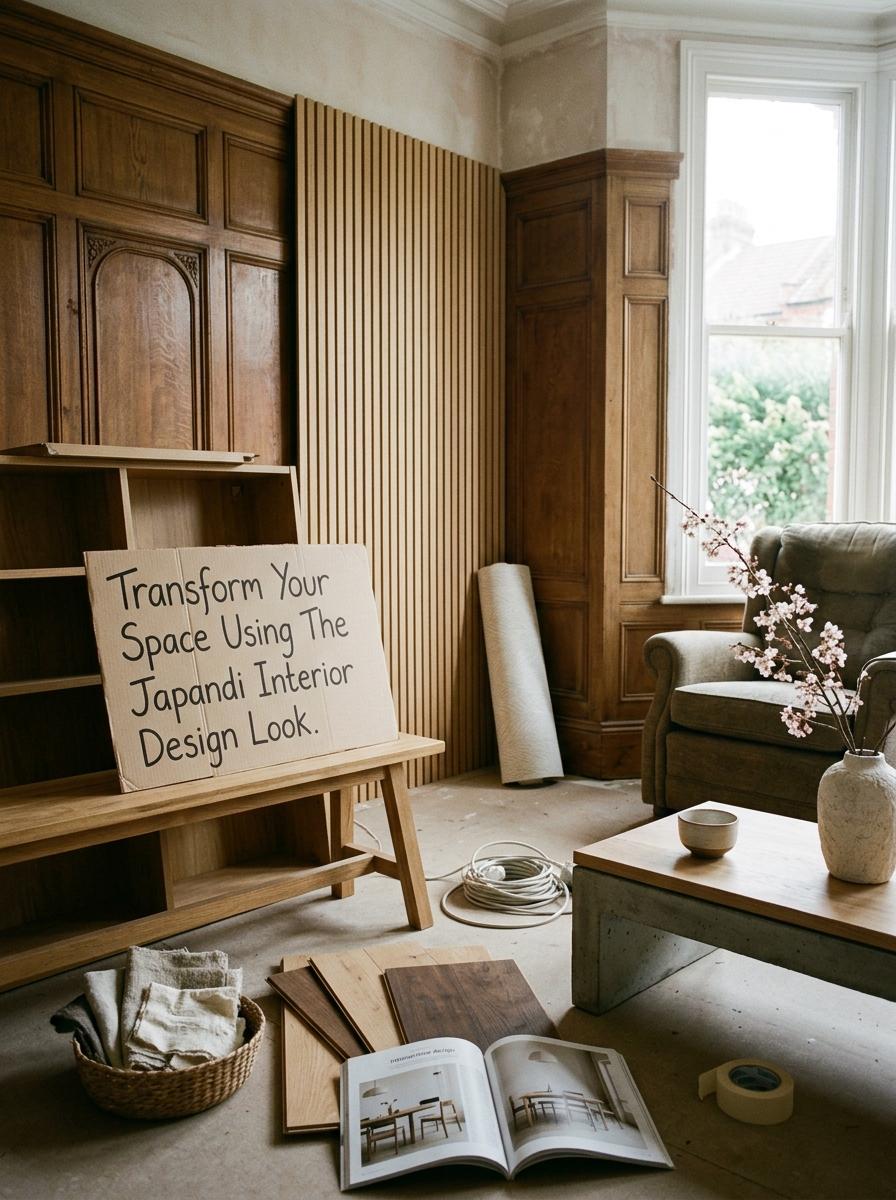

Transform Your Space Using The Japandi Interior Design Look To understand the soul of a Japandi transformation, You need to look back at the rigid, ornate hierarchies of mid-century traditionalism and see how they have evolved into today's pursuit of "slow living" minimalism. This shift represents a move from the performative home to the restorative sanctuary, where the echoes of historical craftsmanship meet the sleek demands of modern utility. The result is a curated sense of luxurious austerity-a design tension where the richness of natural texture meets the severe discipline of a restrained color palette. This aesthetic is currently redefining the residential landscapes of high-prestige enclaves, from the serene leafy streets of London's Hampstead to the quiet, coastal sophistication of Tokyo's Daikanyama. In my recent study of a private residence for a repeat client, it became clear that the homeowner's continued trust allowed for a deeper exploration of this hybrid style than a first-time collaboration might permit. Ultimately, the success of this transformation relies on a precise technical synthesis of organic materiality and linear geometry, using these levers to balance Scandinavian functionality with Japanese aesthetic philosophy.
This Light Filled Studio Features Japandi Interior Design
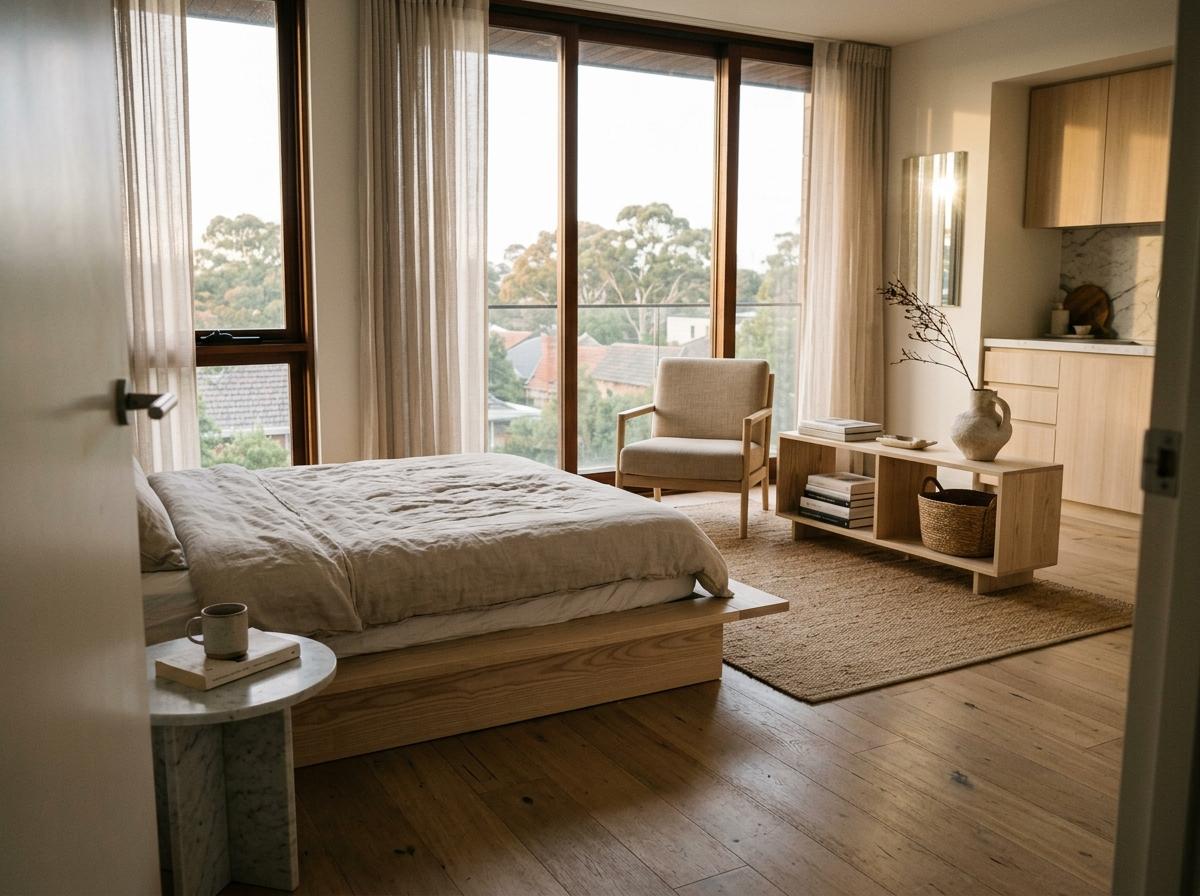

In this light-filled studio, the atmosphere is anchored by a curated selection of tactile surfaces, where the fibrous, open-grain texture of blonde ash wood meets the cool, non-porous resilience of honed Carrara marble. Note how the deliberate placement of low-slung furniture guides your gaze across the floorboard seams toward the expansive glazing, acting as a virtual aperture for the soft morning sun. This space masters the art of ordered chaos, where a rigorous minimalist grid is softened by the spontaneous, organic silhouette of a single handcrafted ceramic vase. As you move through the layout, the initial visual appreciation of the clean lines shifts into a visceral sense of lowered cortisol and rhythmic breathing, a physical decompression triggered by the absence of visual noise. Drawing inspiration from the Setagaya district's quiet residential enclaves and the functional restraint of Copenhagen's contemporary lofts, this studio serves as a definitive case study in how Japandi design bridges the geographical gap between Eastern philosophy and Nordic pragmatism.
Organic Shapes Defining A Unique Japandi Interior Design Direction
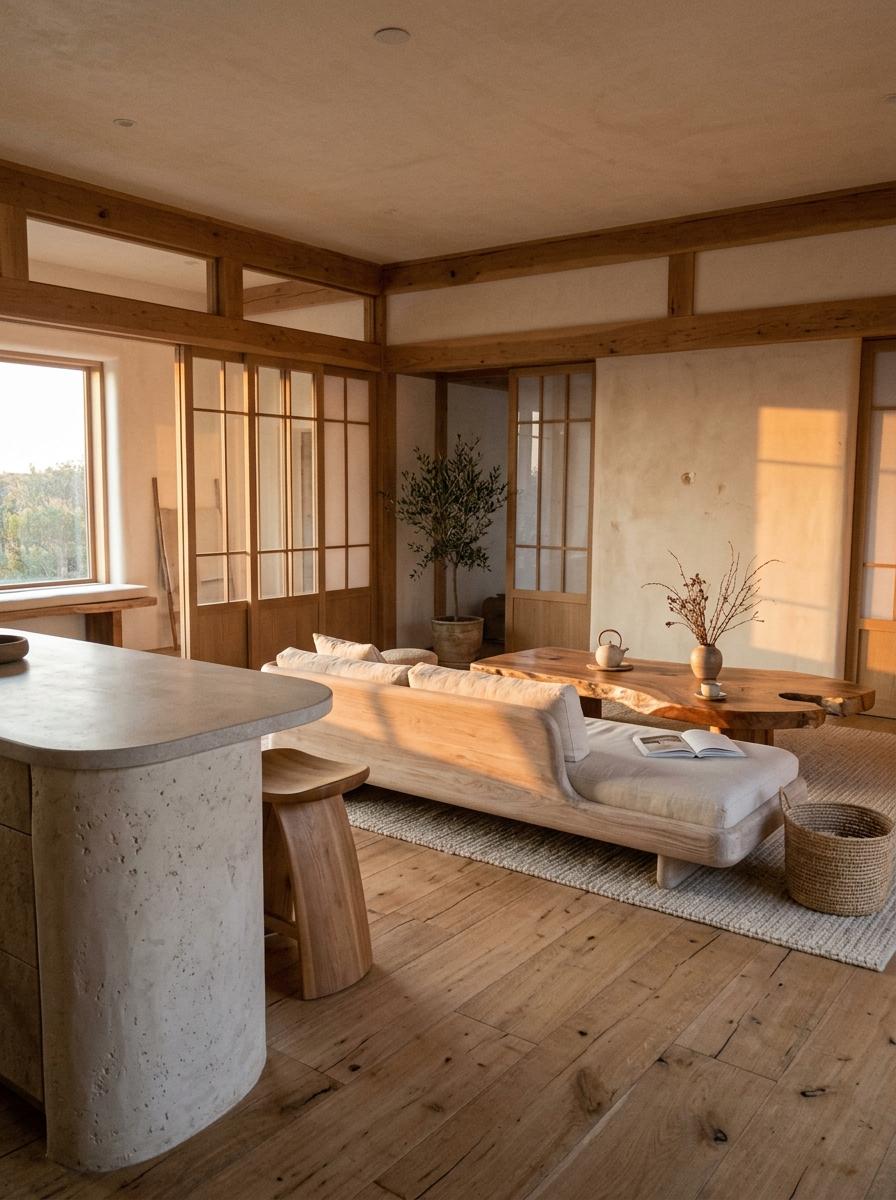

Within the hushed, cavernous stillness of a curated Japandi living space, the atmosphere is grounded by a deliberate low-slung orientation, where the void between furniture pieces carries as much weight as the objects themselves. This arrangement manifests a calculated spontaneity, where the rigid discipline of functionalism is softened by the fluid, unpredictable contours of the natural world. While the external architecture maintains the uncompromising, sharp-edged geometry of traditional Japanese joinery, the interior landscape retreats into a nest of soft, curvilinear forms that defy the grid. Tactile depth is introduced through the application of rough-hewn Tadelakt plaster walls and seating carved from bleached Paulownia wood, materials that invite a sensory dialogue with their pitted and undulating surfaces. Far from being mere aesthetic whimsy, these organic silhouettes serve a vital functionalist purpose; the ergonomic curvature of a monolithic stone island acts as a rhythmic circulatory guide, seamlessly resolving the tension between high-traffic utility and the serene, meditative flow of a domestic sanctuary.
A Quiet Retreat Highlighting Japandi Interior Design Details
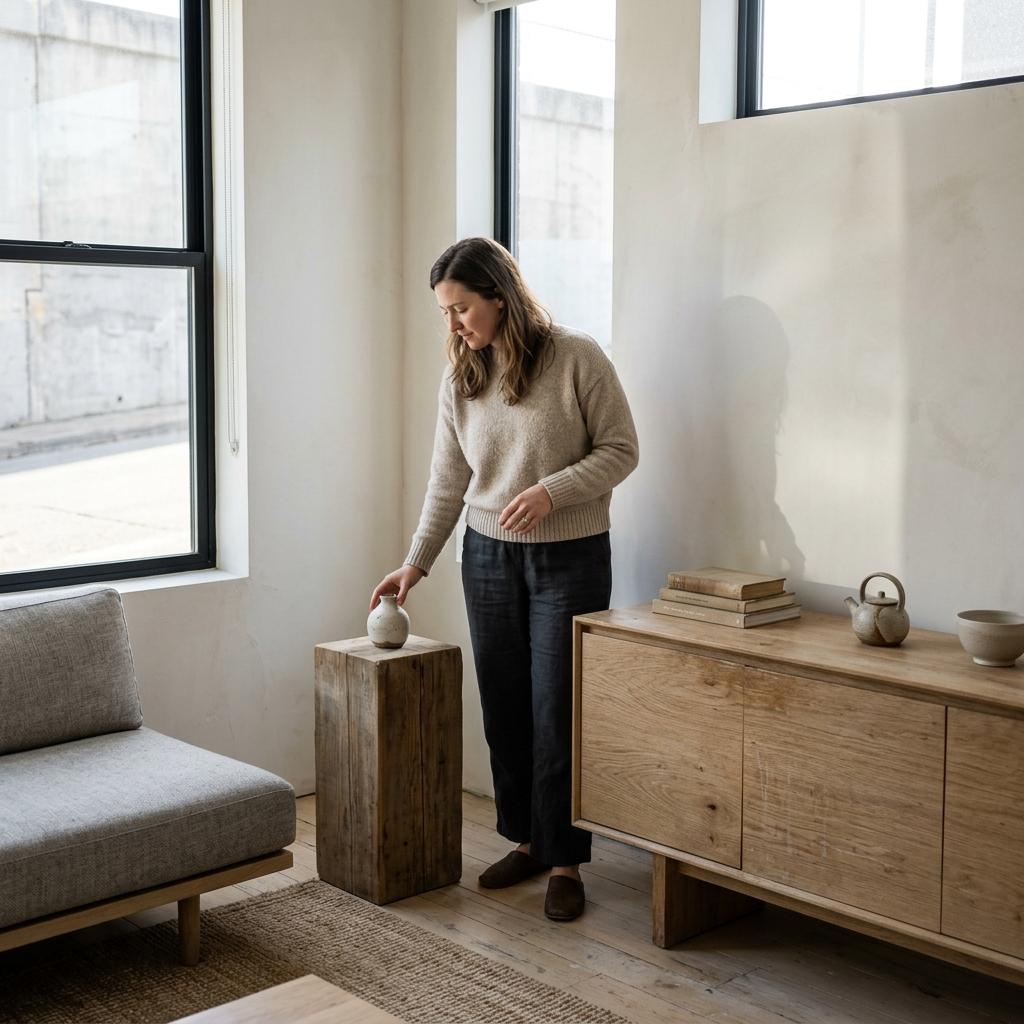

Stepping off the frantic, asphalt-slicked streets of the city is like shedding a heavy winter coat in the first breath of spring. Outside, the urban environment is a cacophony of visual noise-shattered light reflecting off steel and the relentless pace of a metropolis that never exhales-but inside this home, the air seems to settle into a profound, intentional stillness. As I traced the grain of a low-slung credenza, the homeowner explained that the renovation wasn't just about aesthetics. "We wanted a space that didn't demand our attention," she told me, pausing to adjust a single ceramic vessel on a reclaimed timber plinth, "but rather, one that held it softly, through the honesty of the materials." This juxtaposition between the external chaos and the internal sanctuary is where the Japandi ethos finds its power, moving beyond mere decoration into the realm of spatial philosophy. By marrying the rustic wabi-sabi sensibilities of Japan with the functional hygge of Scandinavia, the residence utilizes a muted palette and tactile materiality to create a composition that is both disciplined and deeply soulful. It is this delicate equilibrium-the tension between minimalist restraint and organic warmth-that defines the architectural soul of this quiet retreat.
Elegant Fusion Of Cultures Found In Japandi Interior Design
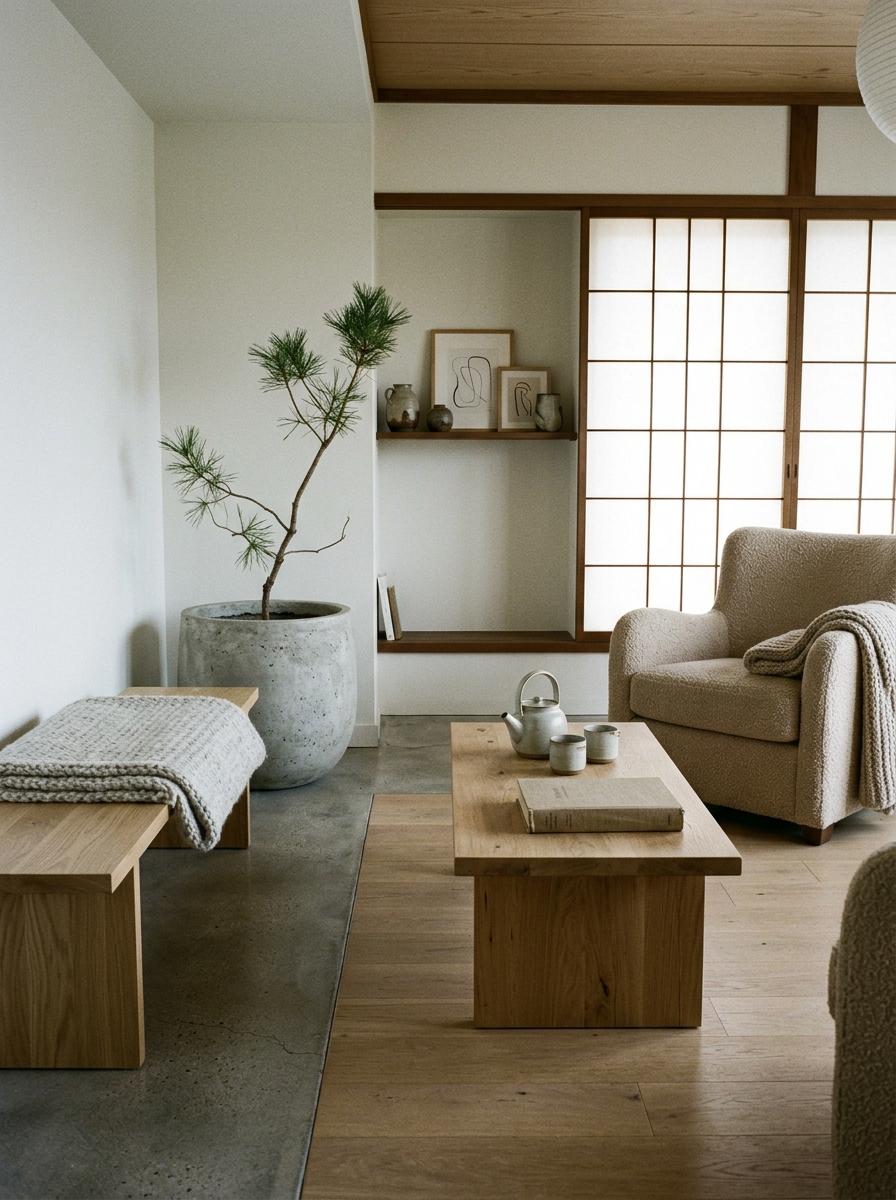

The aesthetic alchemy of Japandi style is perhaps most legible through its tactile palette, where the fibrous, open-pore grain of white oak meets the cool, non-porous resilience of hand-burnished concrete. As we examine this marriage of Nordic efficiency and Japanese serenity, note how the structural austerity of a Kyoto-inspired tea room is softened by the plush, hygge-driven textiles of a Copenhagen loft. This design language thrives on the structured chaos of its layout-a paradox where every "empty" space is heavy with intentionality. Stepping into such a curated environment triggers an immediate physiological shift; the visual silence of the room quietens the nervous system, replacing the frantic buzz of urban living with a grounded, diaphragmatic stillness. By grounding these principles in the specific craftsmanship of brands like Maruni or the architectural restraint found in Aman Tokyo, we see that Japandi is not merely a trend, but a sophisticated dialogue between two distant cultures united by a singular devotion to essentialism.
Innovative Storage Solutions For A Japandi Interior Design Home
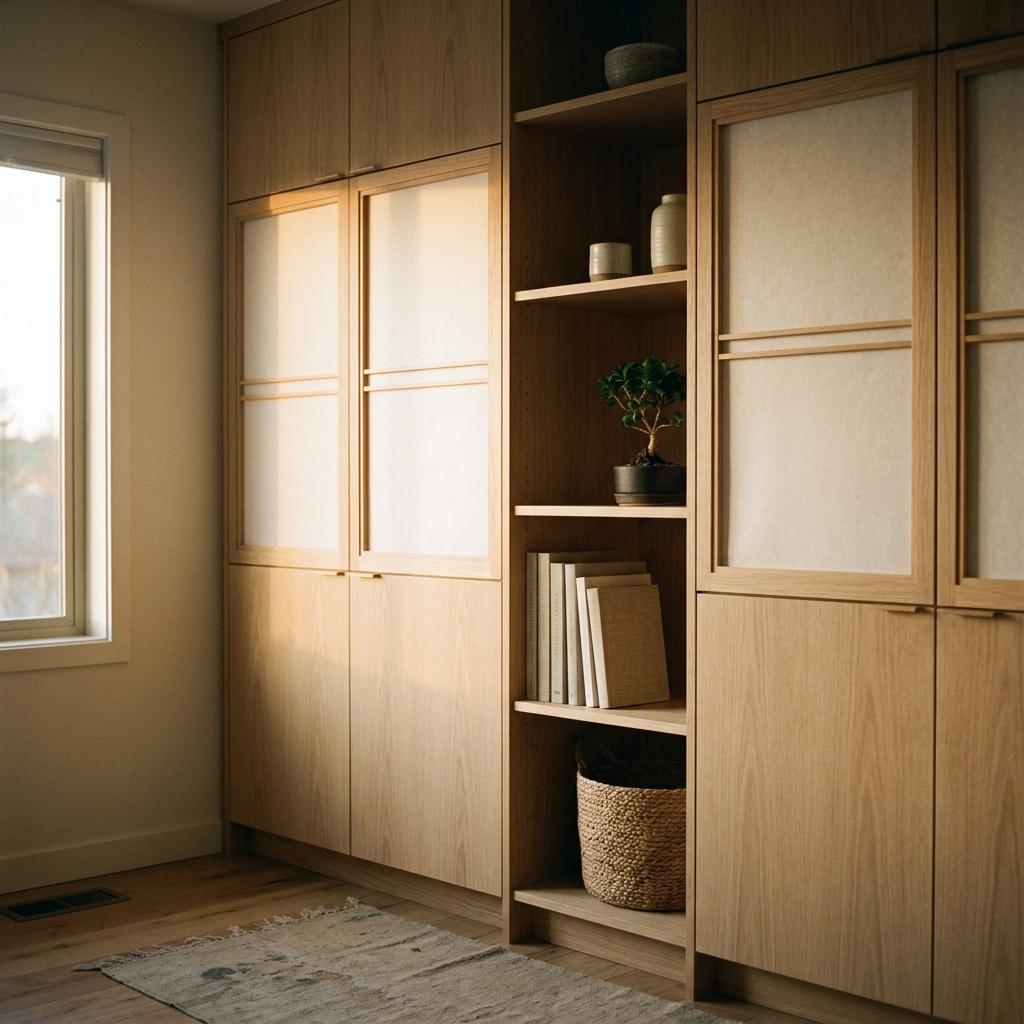

Walking through a suburban home cluttered with the "visual noise" of maximalist overflow-where plastic bins are stacked like Tetris blocks against neon-painted walls-is a jarring reminder of how space can feel like a heavy weight. It was this specific sensory exhaustion that led me to the quiet studio of Kenjiro, a master joiner who views a cabinet not just as a box, but as a breath of fresh air. "The secret," Kenjiro told me, his hands tracing the seamless grain of a light oak sideboard, "isn't about hiding your life away... it is about curate-ing the void." He paused to adjust a sliding shoji screen that glided with a ghostly silence, before adding, "We don't build storage; we build a frame for stillness." In the Japandi ethos, this tension between Scandi-utility and Japanese minimalism transforms mundane shelving into architectural Ma, or intentional negative space. By replacing the chaotic friction of a disorganized room with the tactile warmth of natural textures and hidden handle-less facades, we shift from merely surviving our belongings to honoring our environment. This marriage of Nordic efficiency and Zen restraint creates a sanctuary where every object has a soul, leading us to explore how specific, innovative cabinetry can redefine the very flow of your home.


Comments