
At its core, the Japandi aesthetic emerges from the seamless synthesis of Scandinavian hygge-a commitment to cozy functionality-and Japanese wabi-sabi, the profound appreciation for transient imperfection. This stylistic fusion demands a meticulous curation of flora that transcends mere decoration, serving instead as a living architectural element that bridges the tension between clinical minimalism and organic vitality. By integrating botanicals with structural intentionality, a space can feel rigorously disciplined yet soulfully resonant, utilizing verdant textures to soften the austerity of clean lines. Through this lens of green architecture, we explore how specific species act as curated focal points, offering a sensory experience that is simultaneously ethereal, grounding, and profoundly serene.
Japandi Living Room Plants

Natural Elegance In A Japandi Living Room
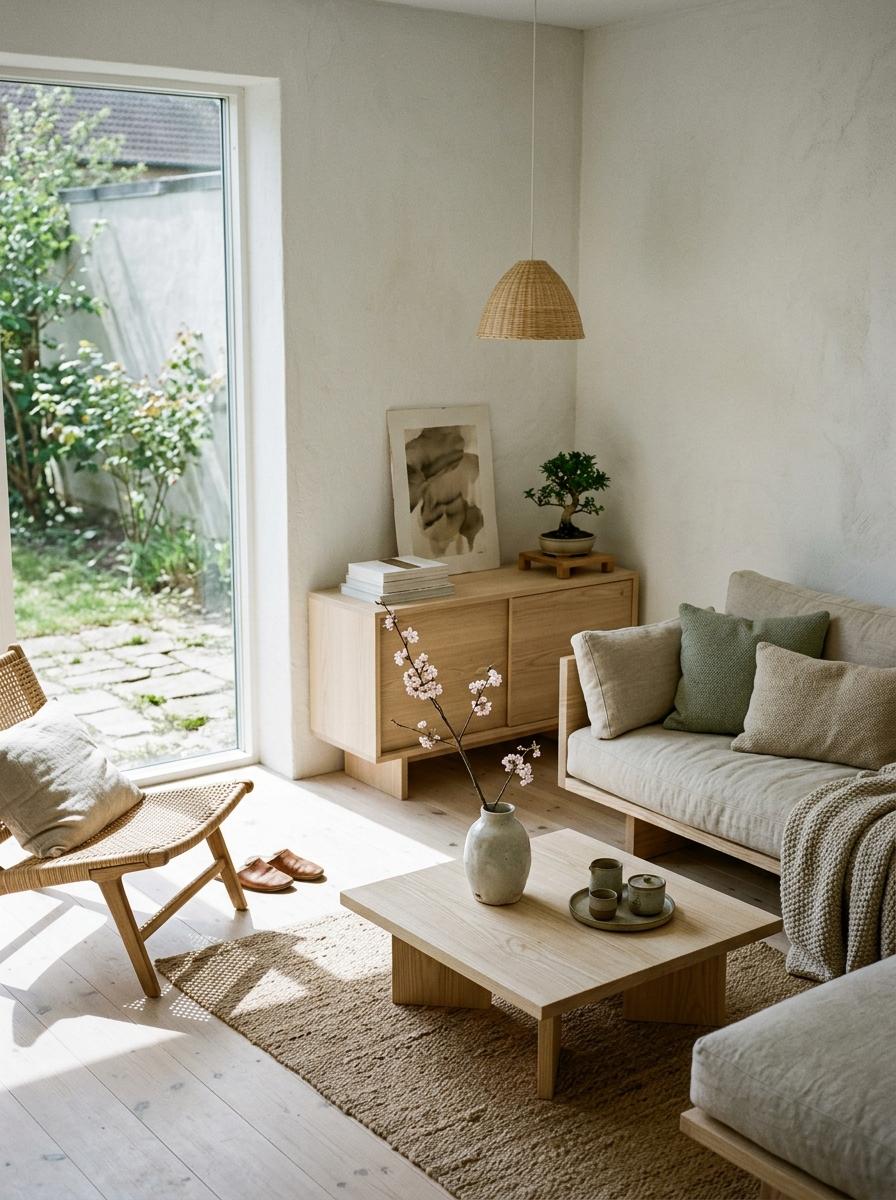

The concept of a Japandi living room is meticulously realized through a marriage of Scandi functionality and Japanese stoicism. Within this curated void, a quiet quality of stillness prevails, anchored by the use of unadorned ash and bleached linens. Tactile textures and timber tones soften the geometric rigor, ensuring the composition remains grounded yet ethereal. Large-scale glazing stretches the interior boundaries, while low-profile furnishings carve out intentional pockets of repose. This intentional layout anchors the gaze, balances the light, and breathes life into the emptiness.
The Art Of Minimalist Japandi Greenery
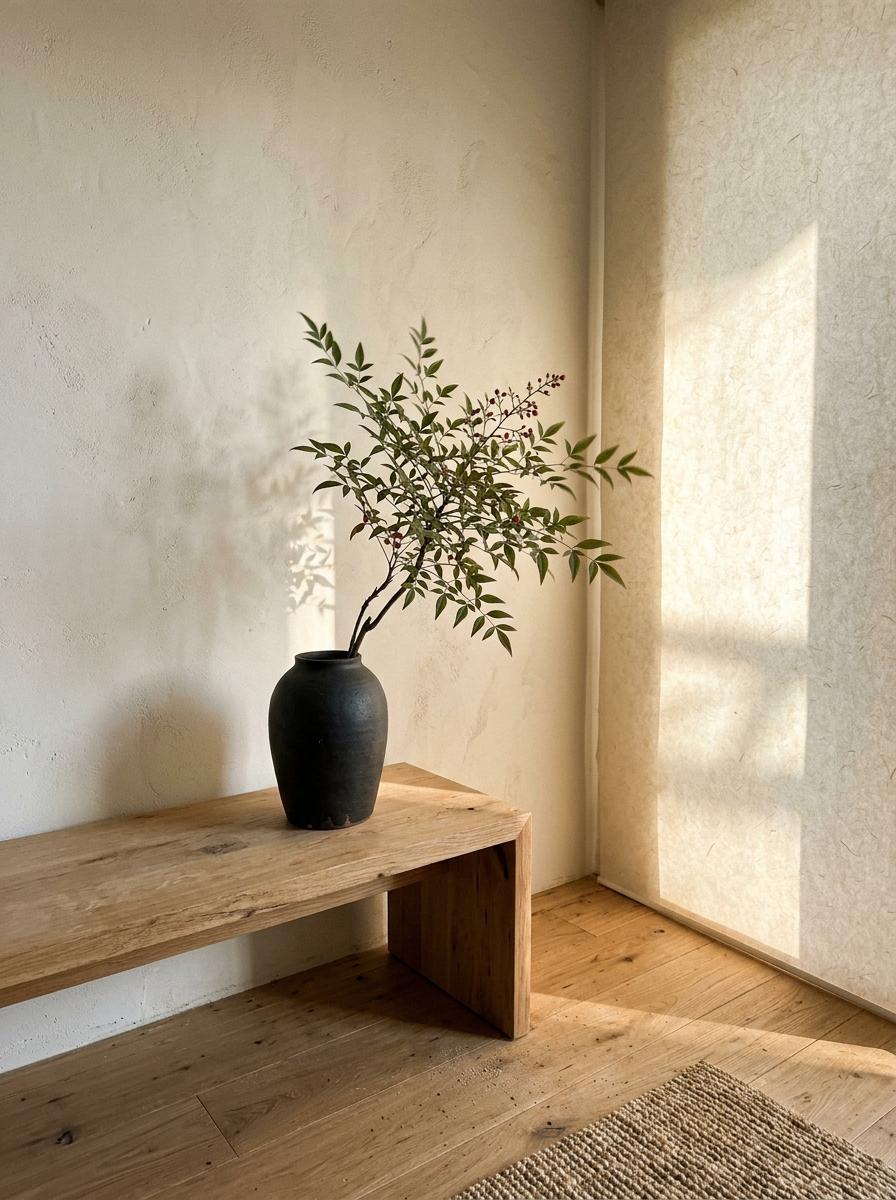

In the curation of a Japandi interior, greenery is never merely decorative; it is a structural element of quietude. Note how the placement of a single, sculptural branch of Nandina domestica-often referred to as Sacred Bamboo-anchors the void of a room, transforming a sterile corner into a choreographed landscape. This approach relies on a structured wildness, where the organic unpredictability of a twisting stem is tamed by the rigid, matte-ebony geometry of a high-fired Muuto ceramic vessel. As you observe the light hitting the waxy, coriaceous leaves against a backdrop of friable, open-pored lime plaster, the visual friction gives way to a profound somatic shift. The "clutter" of the modern psyche begins to dissolve, replaced by the heavy weightlessness of a meditative space. This is not merely an aesthetic choice, but a physiological recalibration-a lowering of the heart rate prompted by the rhythmic interplay of shadows against a pale, fibrous washi paper screen. Through this deliberate restraint, the home becomes less of a shelter and more of a living, breathing sanctuary.
A Lush Escape Inside This Japandi Styled Space
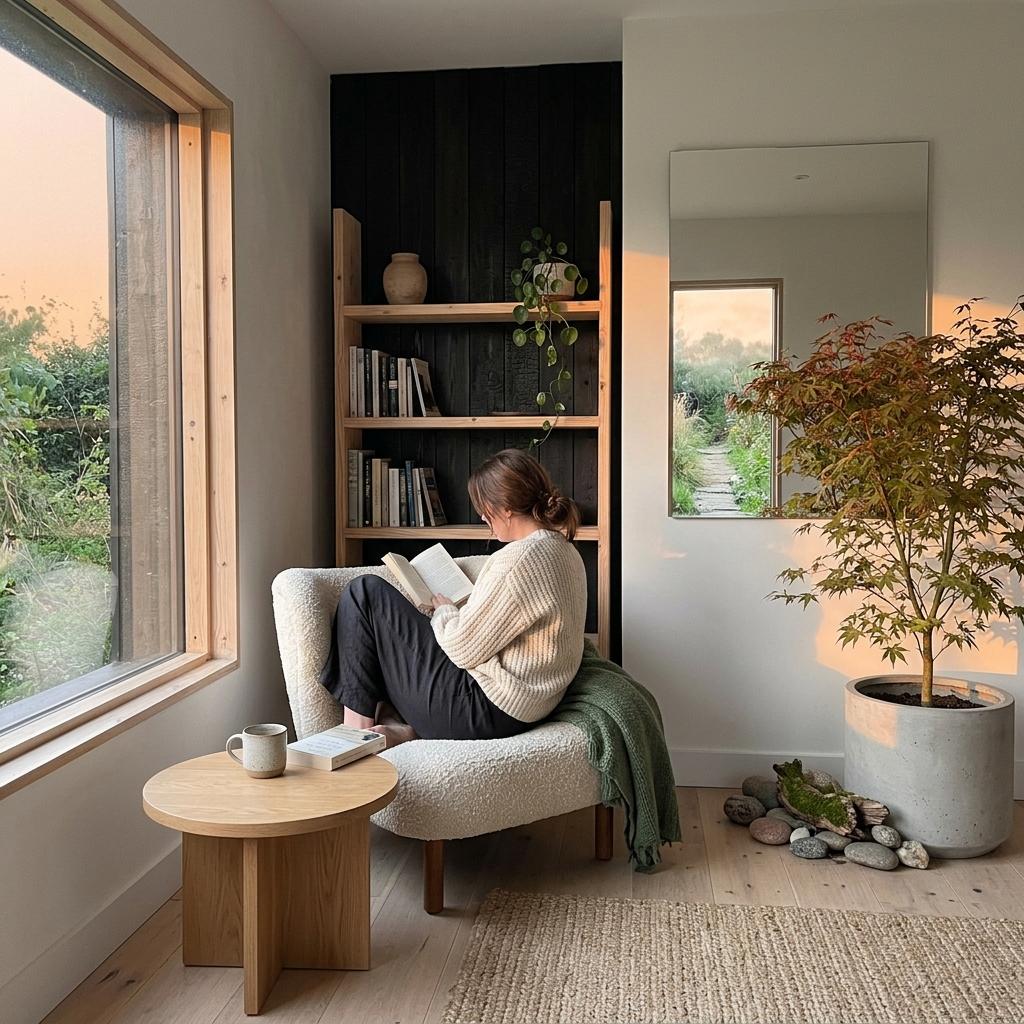

At its core, the residence serves as a masterclass in Definition via Synthesis, where the unyielding rigor of Japanese minimalism converges with the hygge-centric warmth of Scandinavian modernism to forge a singular, cohesive aesthetic. In this space, the design language moves beyond mere decoration to embrace Lexical Precision, utilizing a palette of shou sugi ban accents and tactile bouclé textiles that cater to a discerning, design-savvy eye. The architecture thrives on a Dialectical Pairing of elements; the silhouette of the furniture is surgically precise, yet the atmosphere remains profoundly inviting-an intentional tension between austere structure and domestic comfort. Through Sensorial Adjective Stacking, the interior transcends visual appeal, offering an experience that is at once ethereal, grounded, hushed, and restorative, transforming a simple dwelling into a lush, meditative escape.
How To Arrange Plants For A Japandi Aesthetic
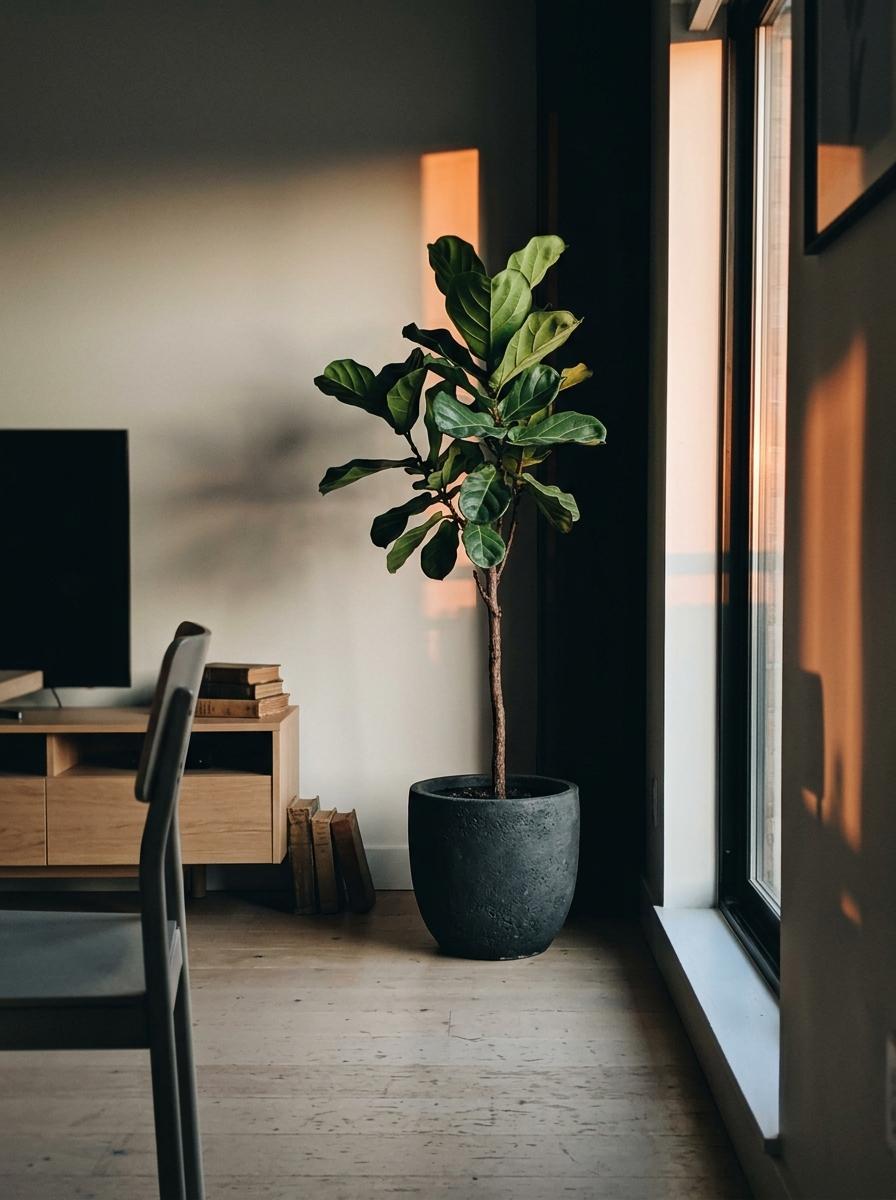

To master the Japandi aesthetic, one must treat greenery not as mere decoration, but as a form of atmospheric grounding; by placing a single, structural branch within a dim, shadow-filled corner, you anchor the room's void, transforming a hollow space into a deliberate sanctuary of stillness. This arrangement thrives on a figurative paradox, achieving a "complex simplicity" where the wild, unpredictable reach of nature is reconciled with the rigid, disciplined lines of Nordic functionality. In practice, this requires a keen eye for structural dualism, ensuring a sharp distinction between the organic, fluid silhouette of the plant and the geometric, static permanence of the architecture it inhabits. To achieve the necessary material specificity, avoid generic ceramics in favor of vessels crafted from rough-hewn basalt or matte-finished terracotta, which offer a tactile grit that contrasts against the soft, waxy texture of an Ficus elastica leaf. Ultimately, the placement follows a functionalist specification: the plant serves as a living acoustic buffer and air-filtration module, proving that in a Japandi home, aesthetic beauty is the byproduct of an integrated, industrial utility.
Bringing Nature Indoors With Japandi Design Principles
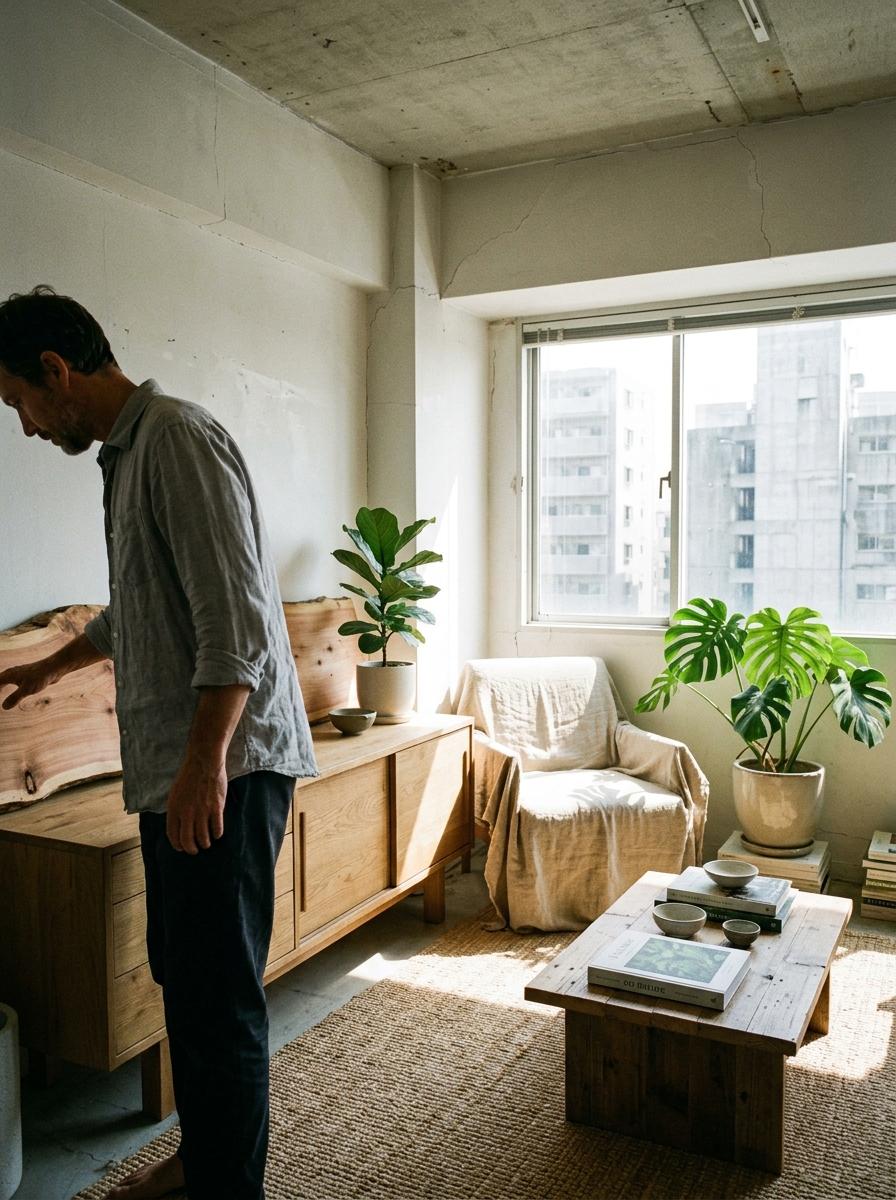

I remember sitting in a cramped, clinical apartment in the middle of a concrete heat island, where the only sign of life was the flicker of a fluorescent bulb and the sterile hum of an air conditioner. It was a sensory desert until I stepped into the studio of a local craftsman who lived by a different philosophy. “The wood,” he told me, running a calloused hand over a raw edge of cedar, “isn't just a material... it's a living lung for the room.” He paused to adjust a low-slung oak sideboard, then added, “If we don't invite the outside in, we eventually wither away inside.” This simple shift-trading the cold, synthetic glare of urban maximalism for the organic tactile qualities of soft linen and reclaimed timber-transformed the space from a mere enclosure into a sanctuary of biophilic harmony. By contrasting the suffocating rigidity of modern industrial living with the breathing, imperfect soul of natural textures, we begin to understand that bringing nature indoors with Japandi design principles is less about decoration and more about an essential reclamation of our own well-being.
The Perfect Potted Plants For A Japandi Home
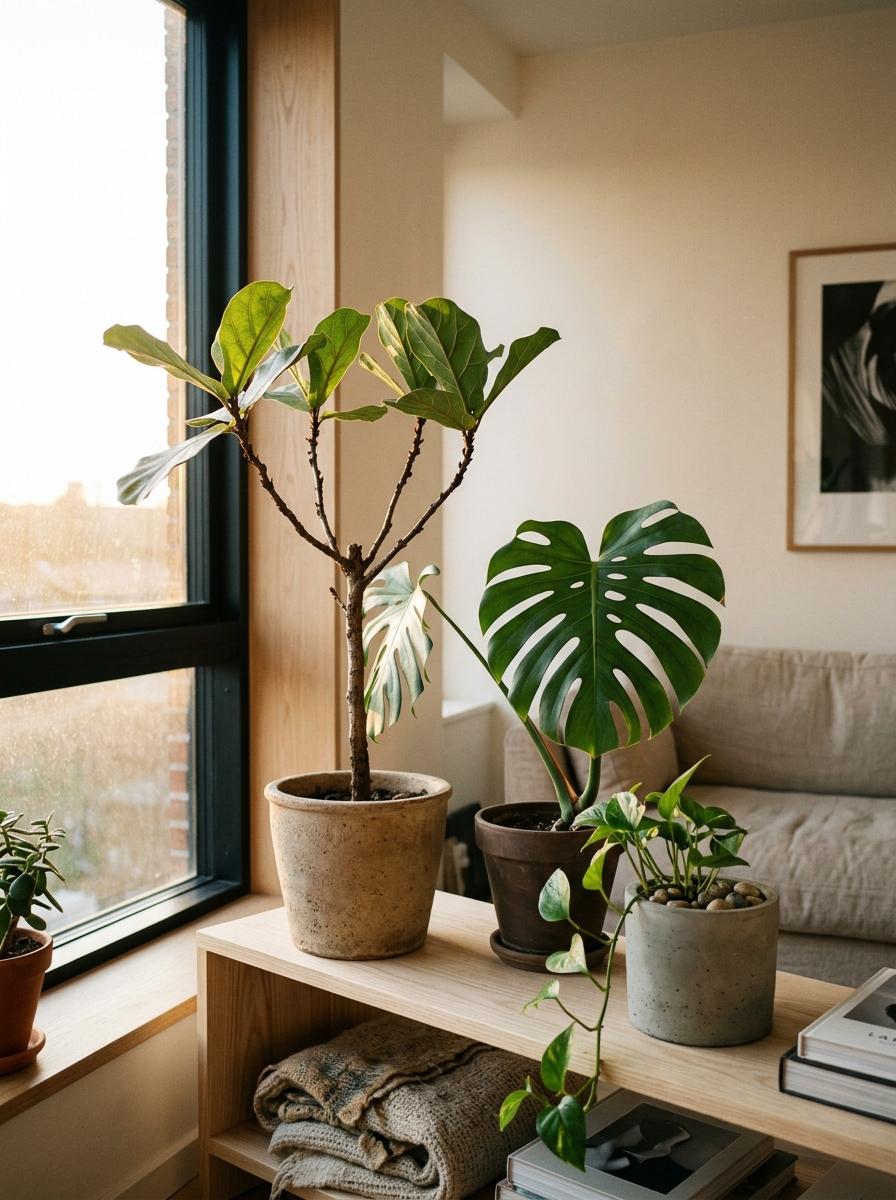

To understand the role of greenery in the Japandi aesthetic, You can first trace the diachronic contrast between the ornate, Victorian conservatories of the 19th century-where plants were trophies of colonial conquest-and our modern era, where the botanical element serves as a vital, quiet partner in domestic wellness. This shift has birthed a unique stylistic juxtaposition, a form of ordered wildness where the raw, unruly energy of nature is meticulously framed by the strict geometry of the home. In a recent project I analyzed within the leafy enclaves of Hellerup, Copenhagen, this balance was achieved with surgical precision. The homeowners, a repeat client of the studio involved, sought to deepen their commitment to this philosophy by integrating specimen plants that bridged the gap between Scandinavian functionality and Japanese Zen. Ultimately, the success of these botanical additions relied on a technical synthesis of sculptural negative space, diffused luminosity, and organic materiality, proving that the right plant is not merely decor, but a living architectural lever.
Inside A Modern Living Room With Japandi Plant Decor
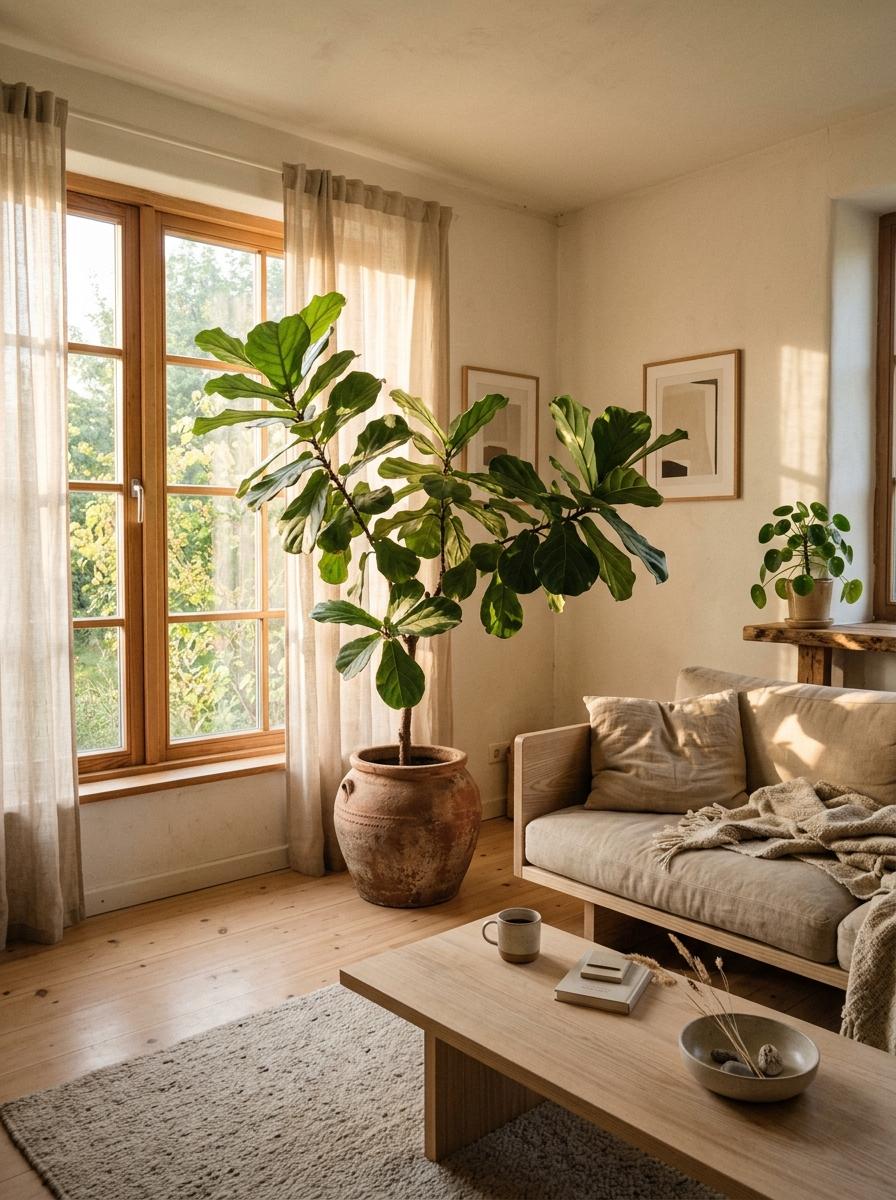

At the intersection of Scandinavian utilitarianism and the ancient Japanese ethos of wabi-sabi lies Japandi-a sophisticated synthesis where hygge-centric comfort meets a disciplined, monochromatic minimalism. In this modern living room, the curation of botanical elements transcends mere ornamentation; instead, it serves as a structural pivot point for the entire interior. The space feels profoundly curated yet instinctively organic, balancing the austere precision of low-profile ash furniture with the sprawling, asymmetrical silhouette of a Ficus lyrata. Through this dialectical pairing of architectural rigidity and verdant fluidity, the room achieves a state of tactile serenity. By layering diaphanous linens against the sculptural permanence of terracotta, the environment evokes a sensory experience that is simultaneously grounding, ethereal, and intellectually resonant.
Creating A Green Oasis With Japandi Interior Elements
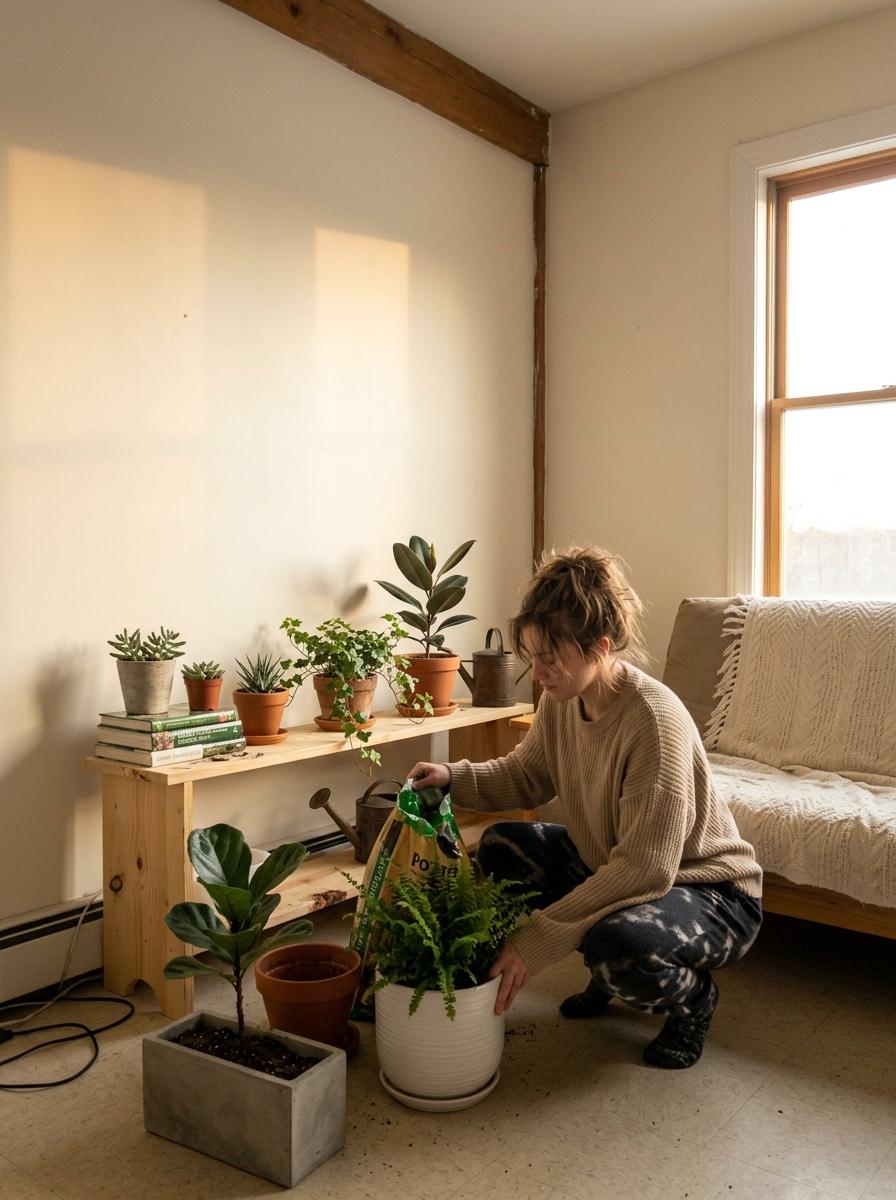

To create a green oasis within the home, we must first master the art of Atmospheric Grounding, anchoring the living space in a deliberate stillness that mimics the quietude of a Kyoto moss garden or a Nordic forest clearing. This interior transformation relies on a Figurative Paradox, achieving a state of curated wildness-where the untamed vitality of nature is reconciled with the rigid discipline of minimalist form. This balance is maintained through a Structural Dualism, enforcing a sharp distinction between the chaotic, sprawling growth of indoor flora and the stark, geometric lines of the architecture that contains it. To ground this aesthetic in reality, Material Specificity is paramount; we look to the tactile warmth of honey-hued white oak and the cool, porous texture of volcanic basalt planters to provide a physical dialogue between wood and stone. Ultimately, this integration serves a Functionalist Specification, where the strategic placement of greenery acts as a bio-mechanical solution for air purification and acoustic dampening, transforming the Japandi dwelling into a high-performance vessel for restorative living.
Minimalist Foliage For A Refined Japandi Living Space
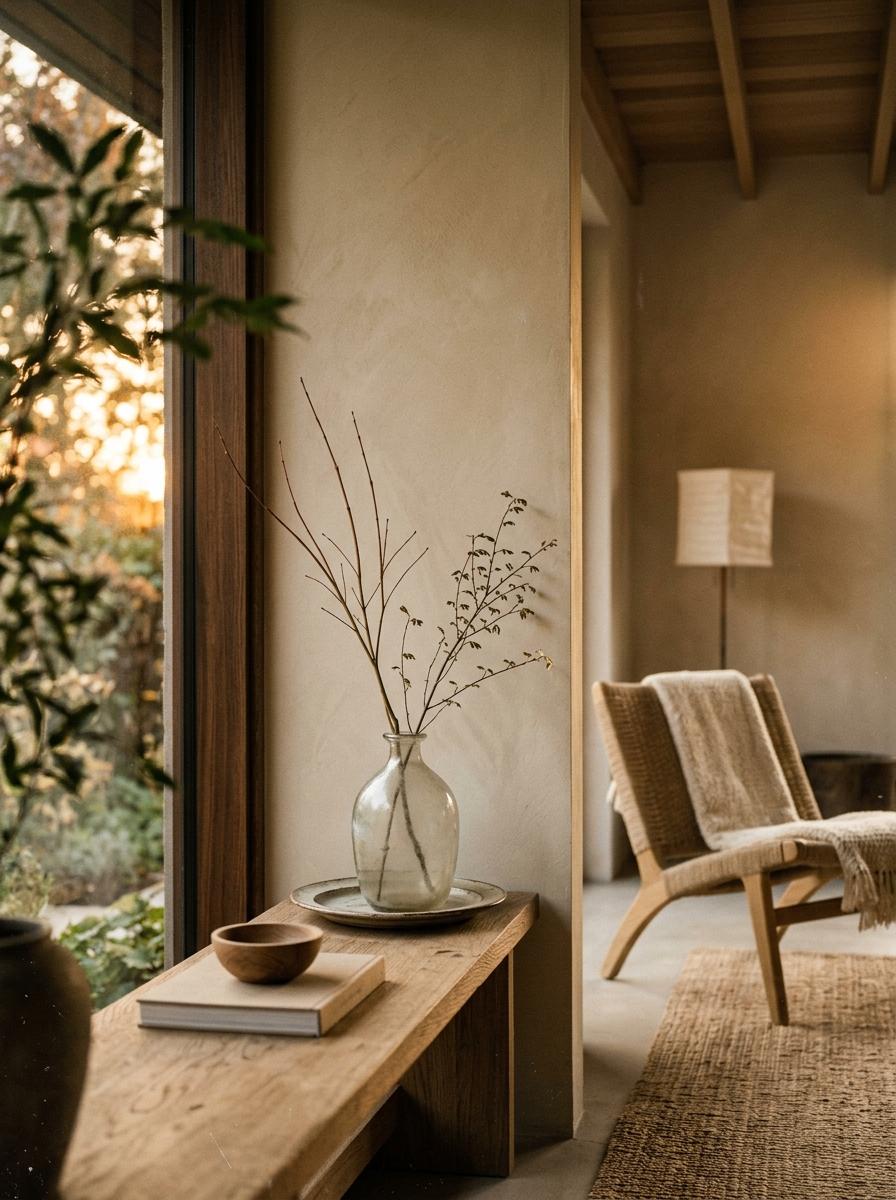

In the curation of a refined Japandi interior, botanical accents are often selected for their sculptural clarity rather than their mere abundance. The living area is expanded by the placement of slender stems, where a deliberate void is maintained to allow the architecture to breathe. Within this curated stillness, the foliage introduces a sparse, skeletal sophistication that anchors the room's muted palette. This serene stasis is achieved through the use of translucent vessels, tapering twigs, and tactile timber. To finalize the composition, the greenery frames the light, softens the structure, and grounds the gaze.
A Detailed Look At Japandi Style Indoor Gardens
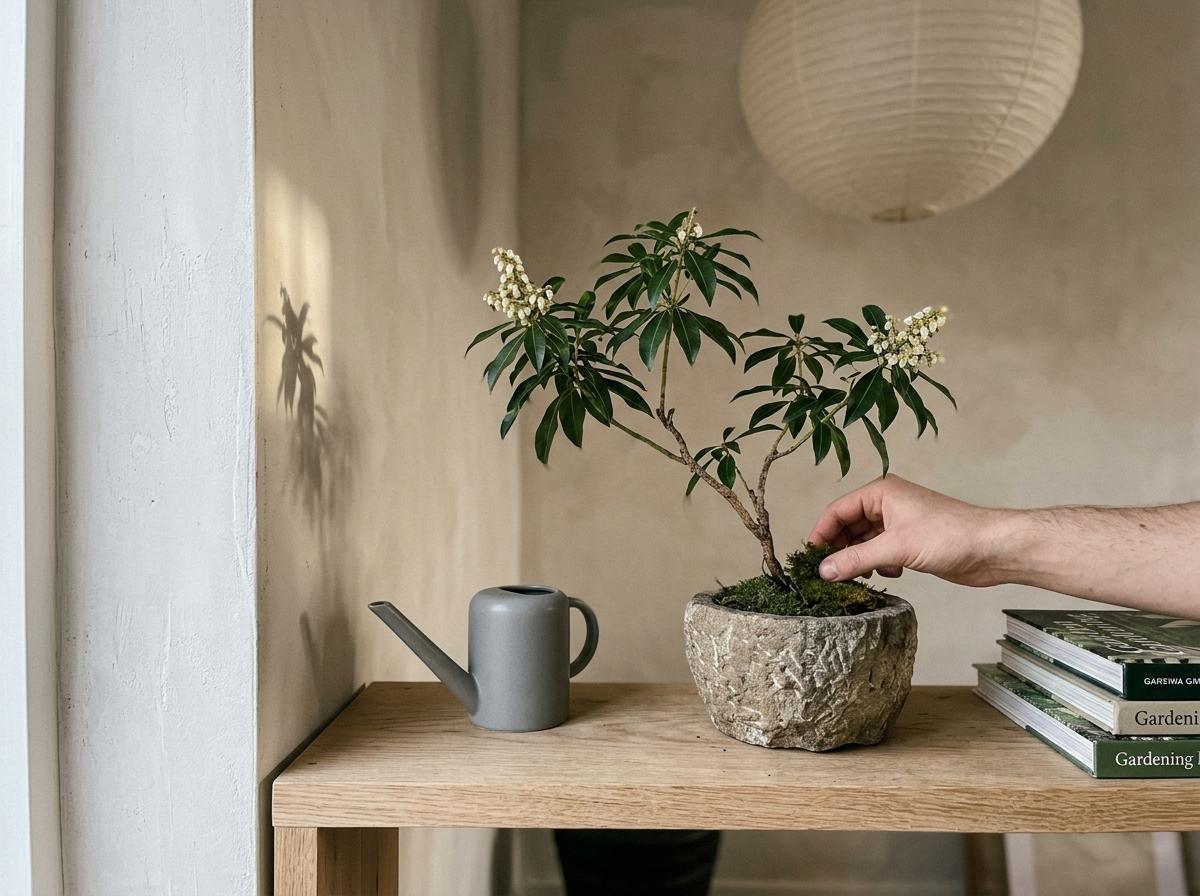

I remember standing in the middle of a frantic Shibuya intersection, the air thick with the metallic tang of transit and the aggressive neon flicker of advertisements, feeling an urgent need to find the exact opposite of that chaos. A few days later, while interviewing a woodworker in his studio, he paused to adjust a single, gnarled branch of Pieris japonica resting in a stone vessel. "The secret," he whispered, stepping back to eye the silhouette, "isn't in filling the corner... it's in letting the shadow of the leaf breathe against the limewash." This deliberate interplay between organic irregularity-what we call wabi-sabi-and the rigid functionality of Scandi-minimalism is where the magic happens. By juxtaposing the cold, high-octane sprawl of the city against a curated indoor sanctuary, we see how negative space becomes a deliberate design choice rather than an absence. This intentional tension defines the Japandi style indoor garden, transforming a simple collection of greenery into a meditative study of form and silence.
Balancing Texture And Light With Japandi Plants
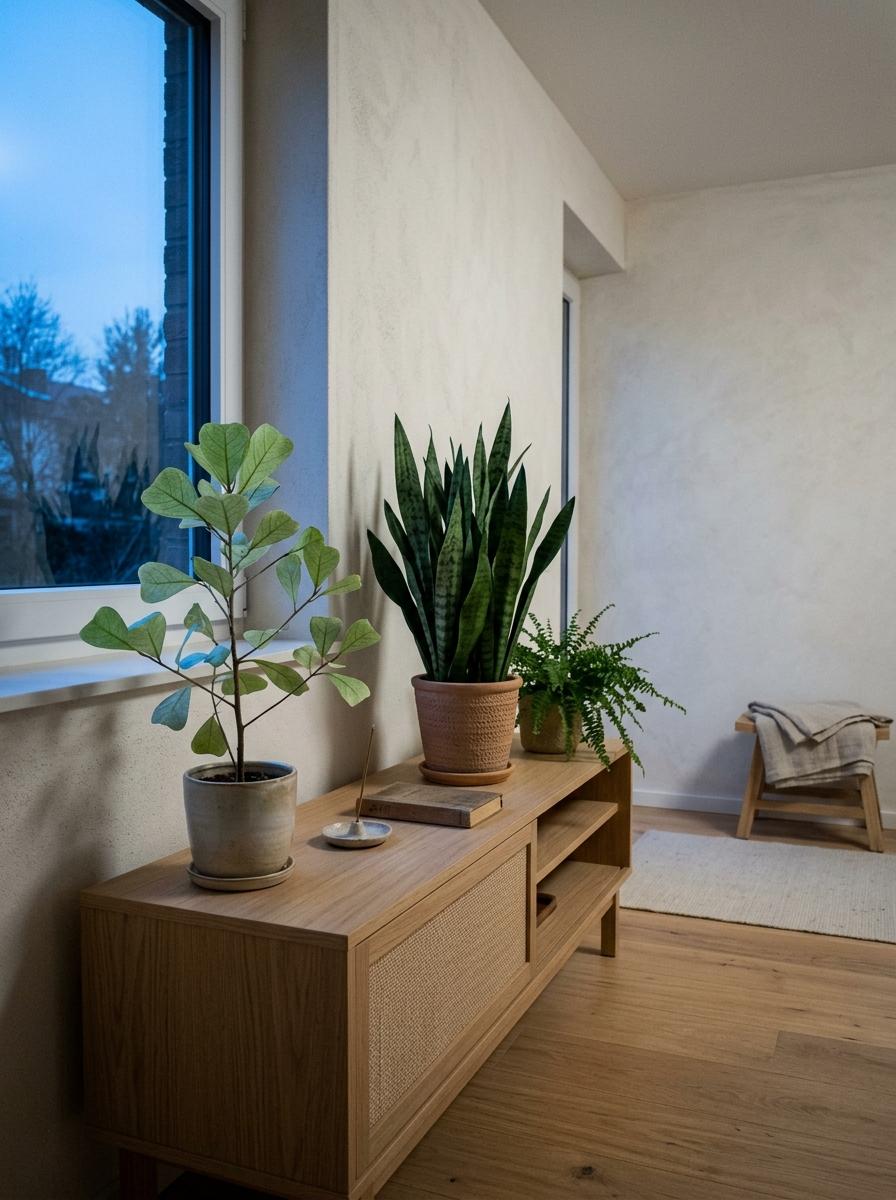

The Japandi interior functions as a silent sanctuary where the void is as intentional as the object, creating a spatial context where shadows become as architectural as the walls themselves. Within this stillness, the introduction of greenery serves as a vibrant stillness, a figurative paradox that reconciles the static permanence of a room with the quiet, rhythmic growth of a living organism. This creates a rigorous structural dualism, contrasting the rigid, geometric lines of Scandinavian cabinetry with the soft, unpredictable sprawl of organic fronds. To achieve this balance, You need to look to material specificity-the papery, translucent leaves of a Ficus Triangularis or the matte, sculptural density of a Sansevieria-to play with the diffusion of light. Ultimately, the plant acts through a lens of functionalist specification; it is not mere decoration, but a biological tool used to soften acoustic reverberation and modulate the harshness of natural light, integrating nature as a necessary component of the home's industrial utility.
Sophisticated Living Room Greens In A Japandi Setting
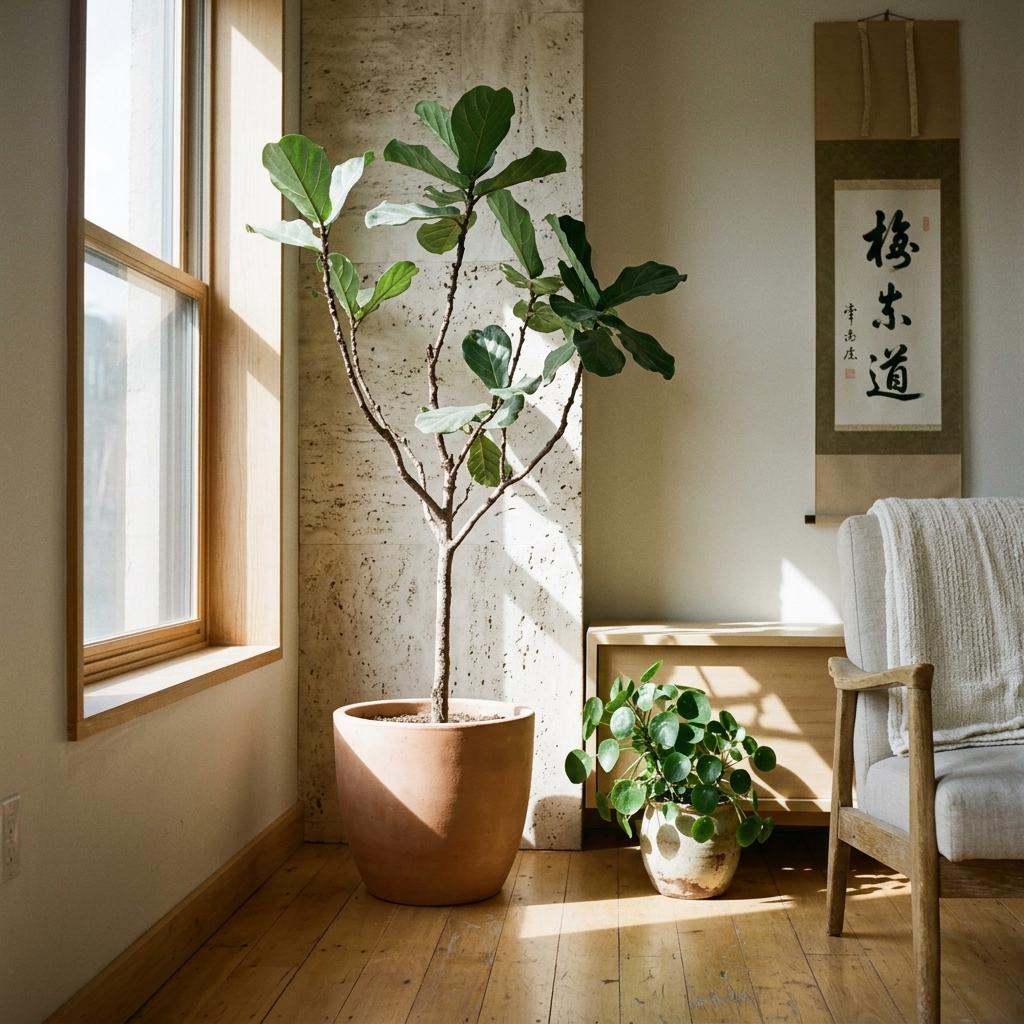

To achieve a truly sophisticated living room in the Japandi tradition, You need to look beyond mere decoration and treat flora as a structural element. Note how the placement of a singular, sculptural Ficus lyrata against a backdrop of raw, open-pored travertine creates a rhythmic dialogue between the organic and the mineral. In this curated space, the foliage acts as a bridge between the clinical precision of Scandinavian minimalism and the rustic, weathered soul of a Kyoto tea house. The aesthetic success of these greens lies in a structured wildness-a paradox where the plant is meticulously pruned to appear as though it grew by divine accident. When you run your gaze over the velvety, glaucous leaves of a Pilea tucked beside a matte-finished Hinoki wood console, the sensory shift is immediate. It is a transition from the tactile friction of the wood's grain to a sudden, cooling verdancy that lowers the heart rate and deepens the breath. This is not merely styling; it is a physiological recalibration, where the stillness of the room enters the body, turning a simple metropolitan apartment into a sanctuary of grounded respiration.
A Guided Tour Of This Plant Filled Japandi Apartment
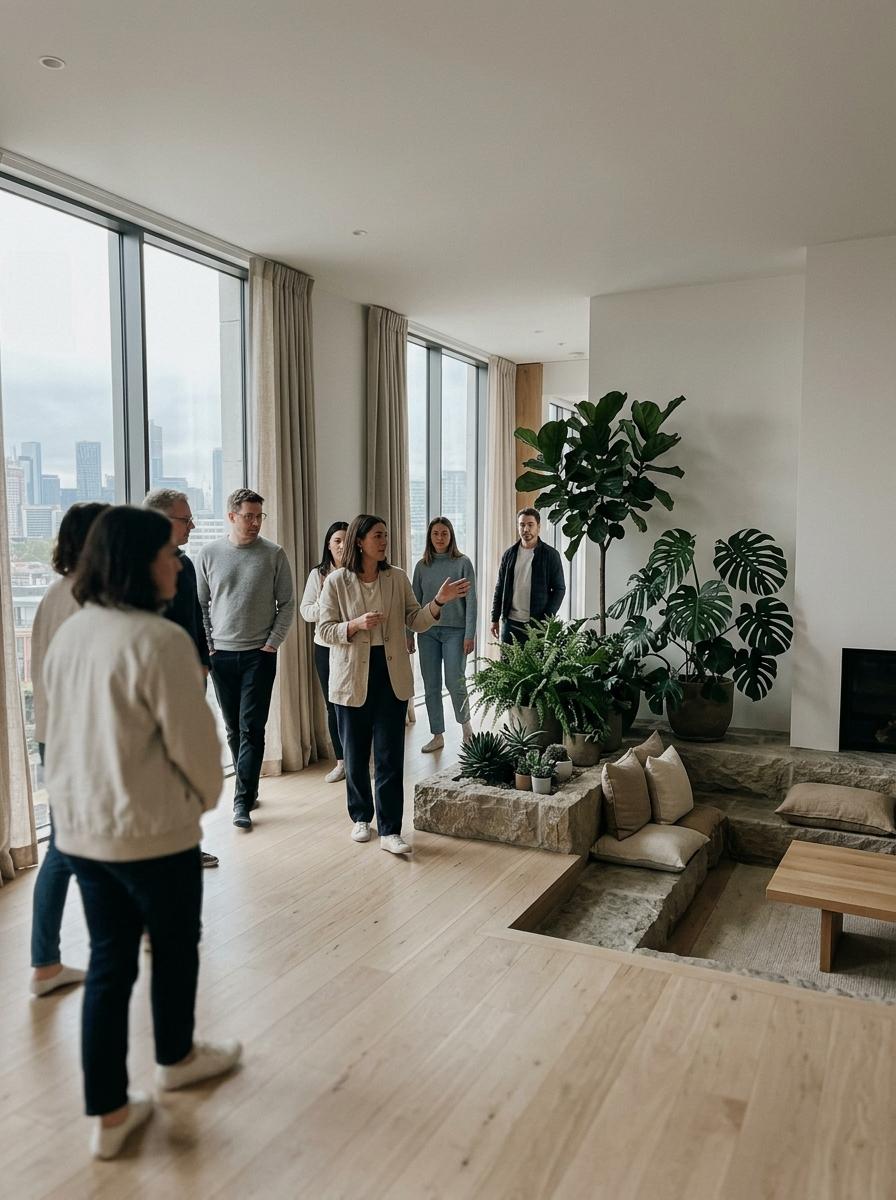

The architectural identity of this residence was meticulously conceived as a quiet dialogue between organic vitality and disciplined geometry. Within the open-plan layout, a restrained palette of unvarnished oak and oatmeal linen tethers the space to a primordial stillness, ensuring that each surface remains profoundly uncluttered. This intentional sparsity allows the light to linger, as soft shadows stretch across the sapless surfaces of the sunken stone hearth. Large-scale glazing carves out a connection to the skyline, while the floorplan breathes, expands, and unfolds to embrace a flourishing indoor forest. Here, the curated greenery softens the sharp edges, grounds the ethereal atmosphere, and bridges the gap between the wild and the woven.
Organic Textures Meet Modern Japandi Interior Design
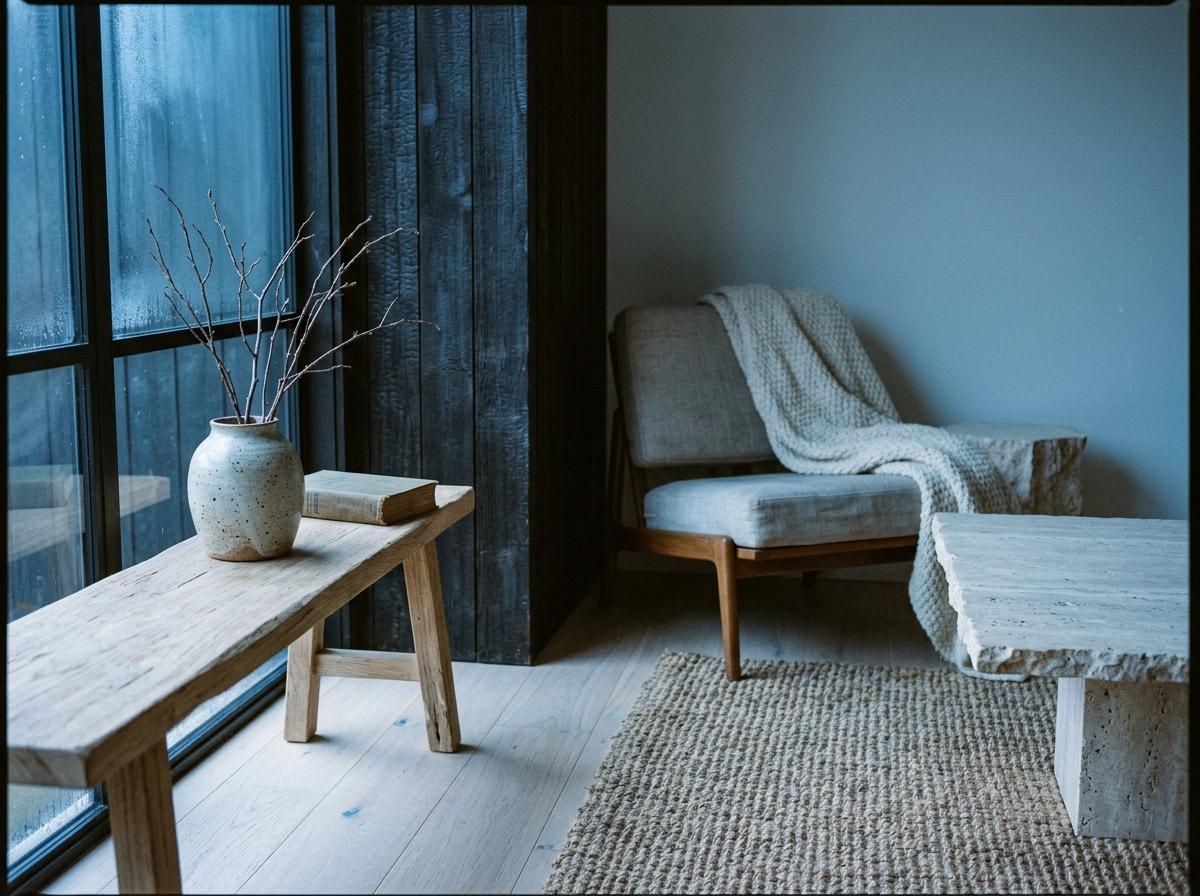

At its core, Japandi is the masterful synthesis of Scandi-industrial pragmatism and the ancient Japanese ethos of wabi-sabi, resulting in a residential landscape that is as topologically rigorous as it is spiritually resonant. This aesthetic intersection demands a sophisticated lexical palette, where the architectural austerity of mid-century lines is softened by the inclusion of biophilic elements-think tactile shou sugi ban finishes, raw unhoned travertine, and open-pore white oak. There is a profound dialectical tension at play: the environment feels impeccably curated yet fundamentally unpretentious, governed by a geometric precision that nonetheless yields to the unpredictable, organic contours of the natural world. To inhabit such a space is to experience a sensorial immersion characterized by haptic, grounded, and ethereal tranquility, where every surface invites a rhythmic, contemplative touch.
Harmonious Living Room Accents Featuring Japandi Greenery
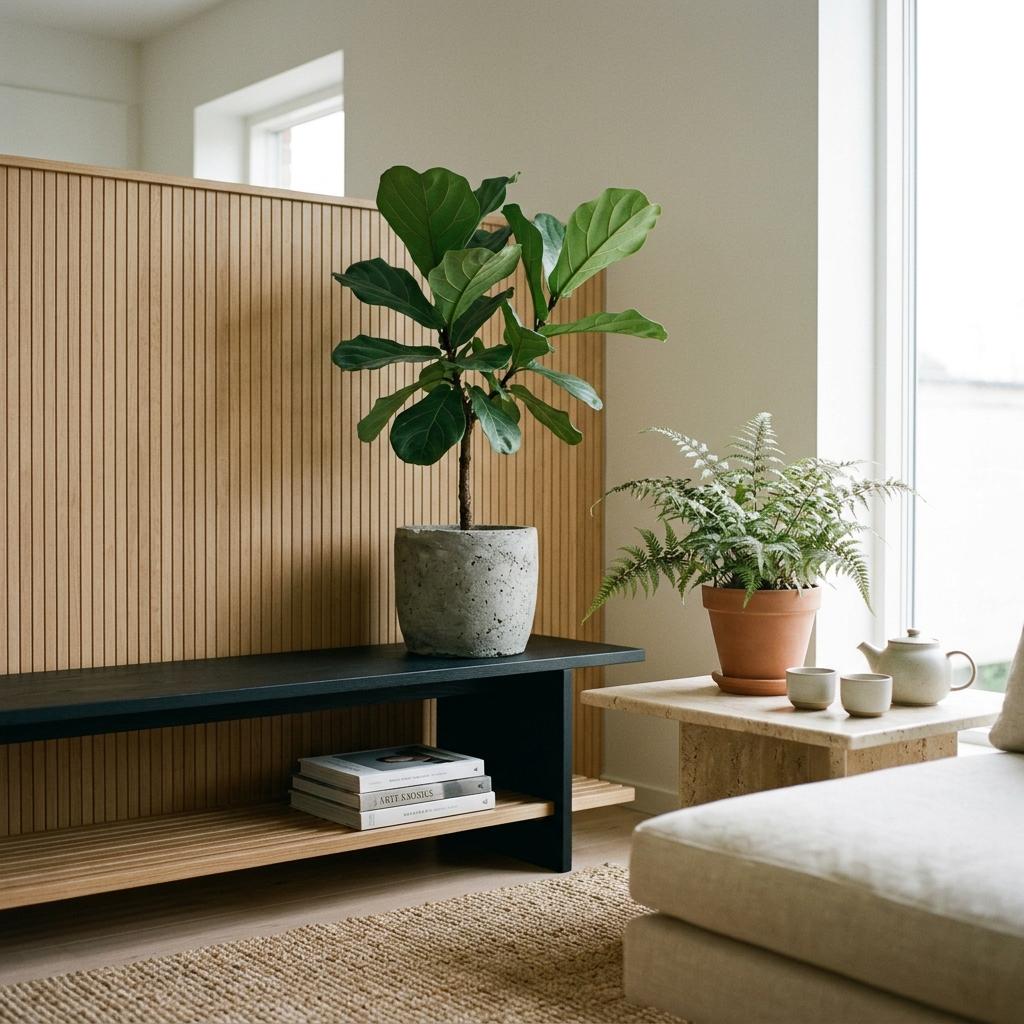

In the curated world of Japandi.design, we explore how the raw vitality of nature is tamed through a lens of disciplined minimalism. Consider the placement of a sculptural Ficus lyrata against a backdrop of open-pore blackened ash and tactile honed travertine. Note how the jagged, serrated edges of a Japanese fern act as a structured chaos against the rhythmic, linear precision of oak tambour paneling. This deliberate layering creates a fragile permanence, where the ephemeral life of the plant softens the unyielding geometry of the furniture. As your eyes move from the matte, velvety foliage to the cool, grain-heavy timber, you may feel a visceral shift-a slowing of the pulse and a settling of the breath-mimicking the restorative stillness found in a Kyoto tea house or a Copenhagen atelier. This is not merely decoration; it is a physiological recalibration, where the verdant accents serve as the vital pulse within a silent, monochromatic sanctuary.
Simple Beauty Found In Japandi Style Plant Arrangements
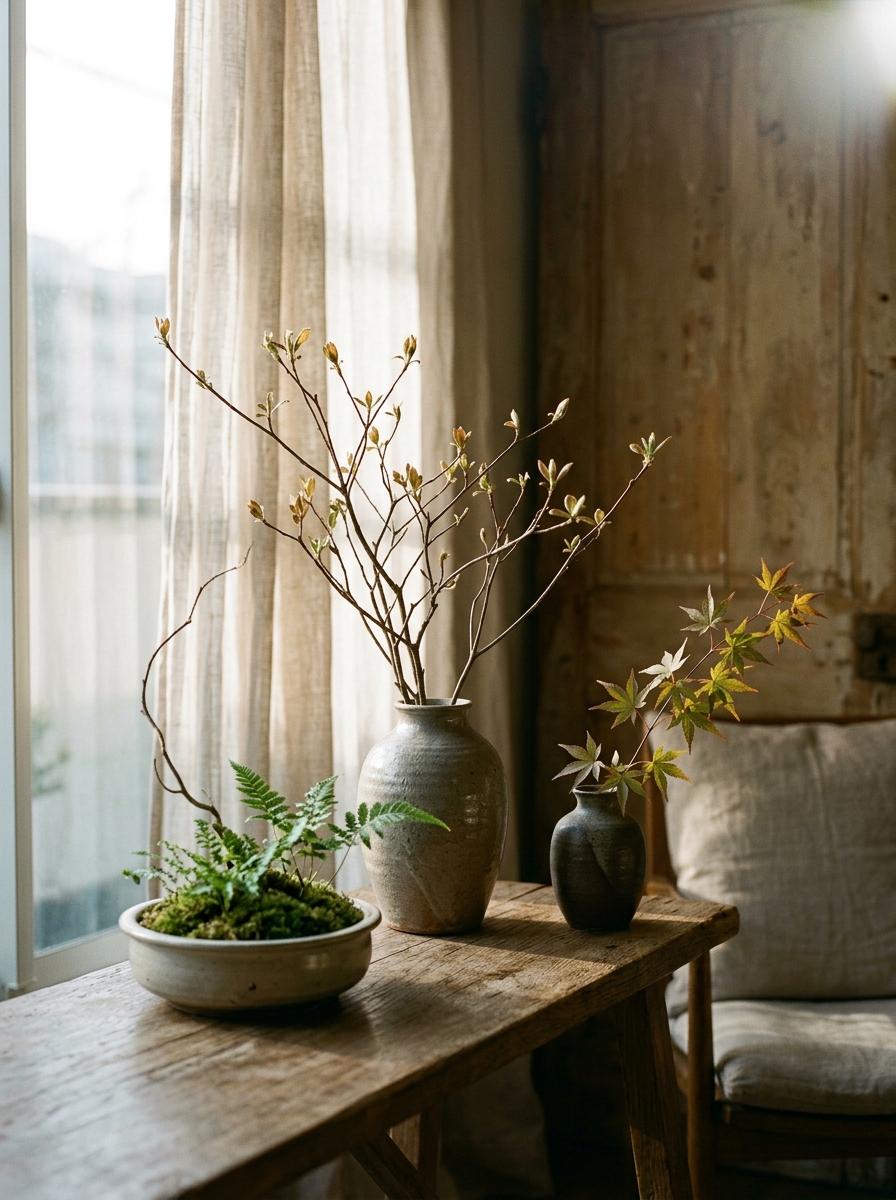

The evolution of botanical styling has traveled a long path from the rigid, strictly codified floral arrangements of the 17th-century Edo period to the fluid, boundary-blurring compositions we see in contemporary interiors. Today, this lineage culminates in the Japandi plant arrangement, a practice defined by its maximalist minimalism-a deliberate tension where the lush abundance of nature is restrained by a skeletal, architectural precision. In a recent project located in the serene residential enclaves of Daikanyama, I observed how this aesthetic serves as more than just decoration; for the owners, who are repeat clients known for their discerning eye for spatial harmony, the greenery functions as a living sculpture. The success of these arrangements is not accidental, but rather a result of a technical synthesis of negative space, asymmetric balance, and varied organic textures, all of which work to anchor the home's quiet atmosphere.
Transforming A Small Living Area With Japandi Plants
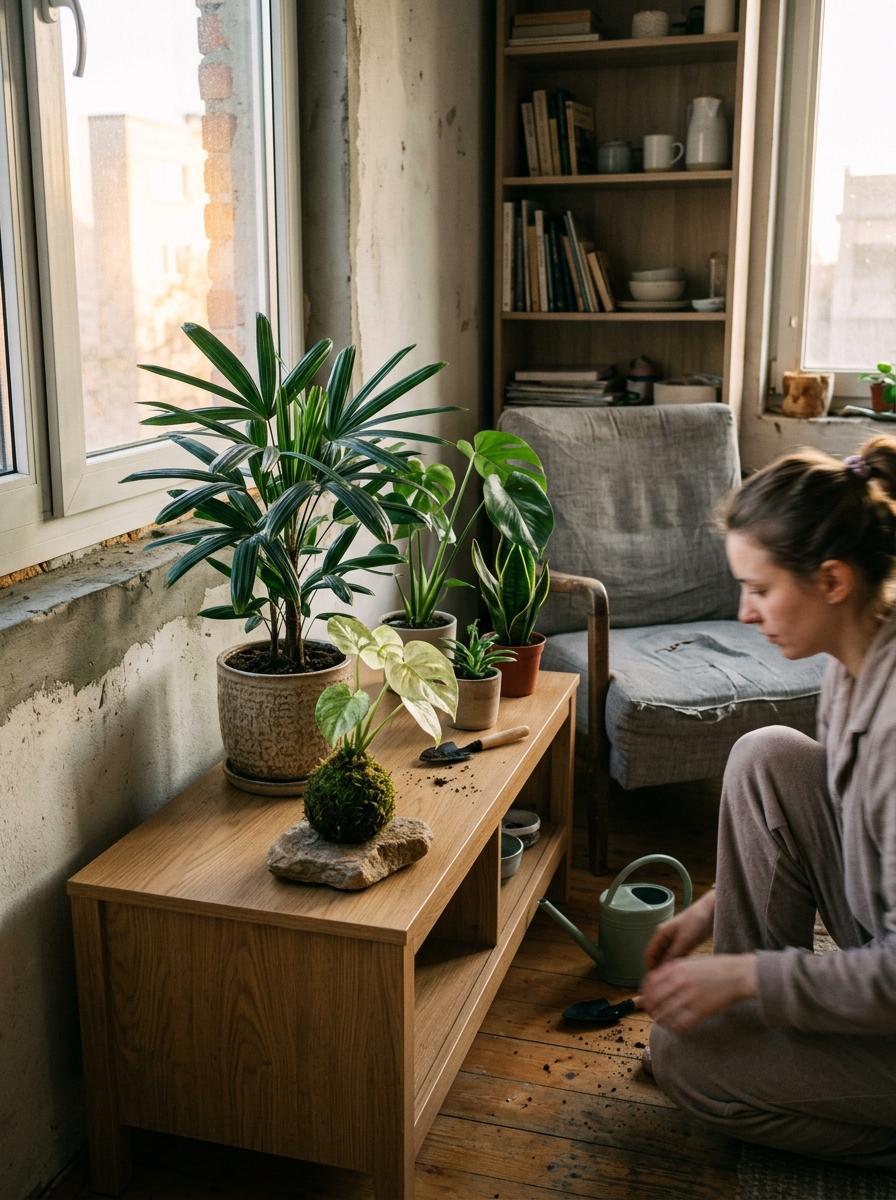

In the compact urban quarters where square footage is often a luxury, the introduction of greenery acts as a vital architectural anchor, grounding the fleeting airiness of a minimalist room within the weighted stillness of a forest floor. This curation relies on a structured chaos, where the wild, unpredictable silhouette of a branch is reconciled with the rigid, geometric discipline of the interior layout. While the external world remains a sprawling cacophony of unregulated growth and gray concrete, the internal sanctuary is defined by a curated restraint, turning the living area into a dialogue between domestic enclosure and the untamed horizon. To achieve this, You need to look beyond generic foliage toward material specificity, selecting the waxy, sculptural fronds of a Rhapis excelsa or the paper-thin, translucent leaves of a kokedama moss ball, both of which offer a tactile contrast to smooth, light-oak surfaces. These plants function not merely as decoration but as a biological ventilation system, an industrial utility that filters the air while visually softening the hard edges of multifunctional furniture, proving that even in the smallest footprint, nature serves as the ultimate structural solution.
The Essential Guide To Japandi Living Room Plants
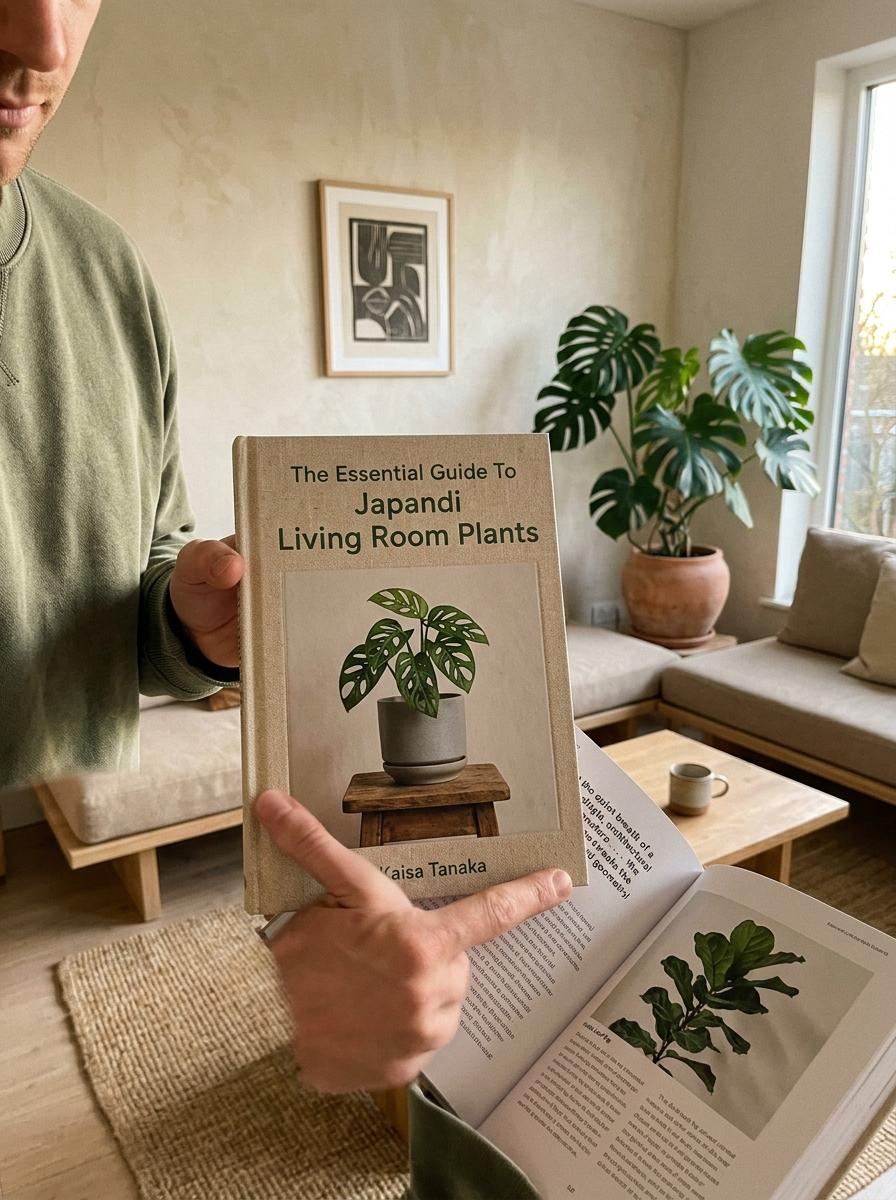

I remember sitting in a cluttered, overstimulated apartment in downtown Tokyo, where the visual "noise" of neon signs and heavy velvet drapes felt like a physical weight against my chest. Contrast that with the silence of a home I visited in Copenhagen last autumn-a space defined by shibui (subtle beauty) and the quiet breath of a single, architectural Monstera. "The secret isn't just the greenery," my host explained, pausing to adjust a ceramic vessel, "it's the way the organic form..." she trailed off, her fingers tracing a waxy leaf, "...breaks the rigid geometry of the room." This interplay between the warm, rustic soul of Scandi hygge and the disciplined minimalism of Japanese zen creates a tension that only living elements can resolve. By selecting flora with a sculptural silhouette and a muted palette, we move beyond mere decoration into the realm of spatial harmony. This careful curation of botanical life is what transforms a sterile layout into a living sanctuary, grounding the airy lightness of the Japandi aesthetic in the tangible soil of nature.



Comments