
By synthesizing the rustic, unvarnished honesty of Scandinavian hygge with the transcendent, ephemeral grace of Japanese wabi-sabi, we arrive at the balanced equilibrium of Japandi-a design philosophy where utility meets serenity. In the living room, lighting acts as the vital conduit for this union; it must perform with rigorous technical functionality, yet it remains anchored in a profound, meditative stillness. To achieve this atmosphere, one must move beyond mere illumination toward a curated interplay of light and shadow, utilizing sensorial layers of diaphanous, tactile, and visceral textures that transform a structural void into a sanctuary of intentional calm.
Japandi Living Room Lighting
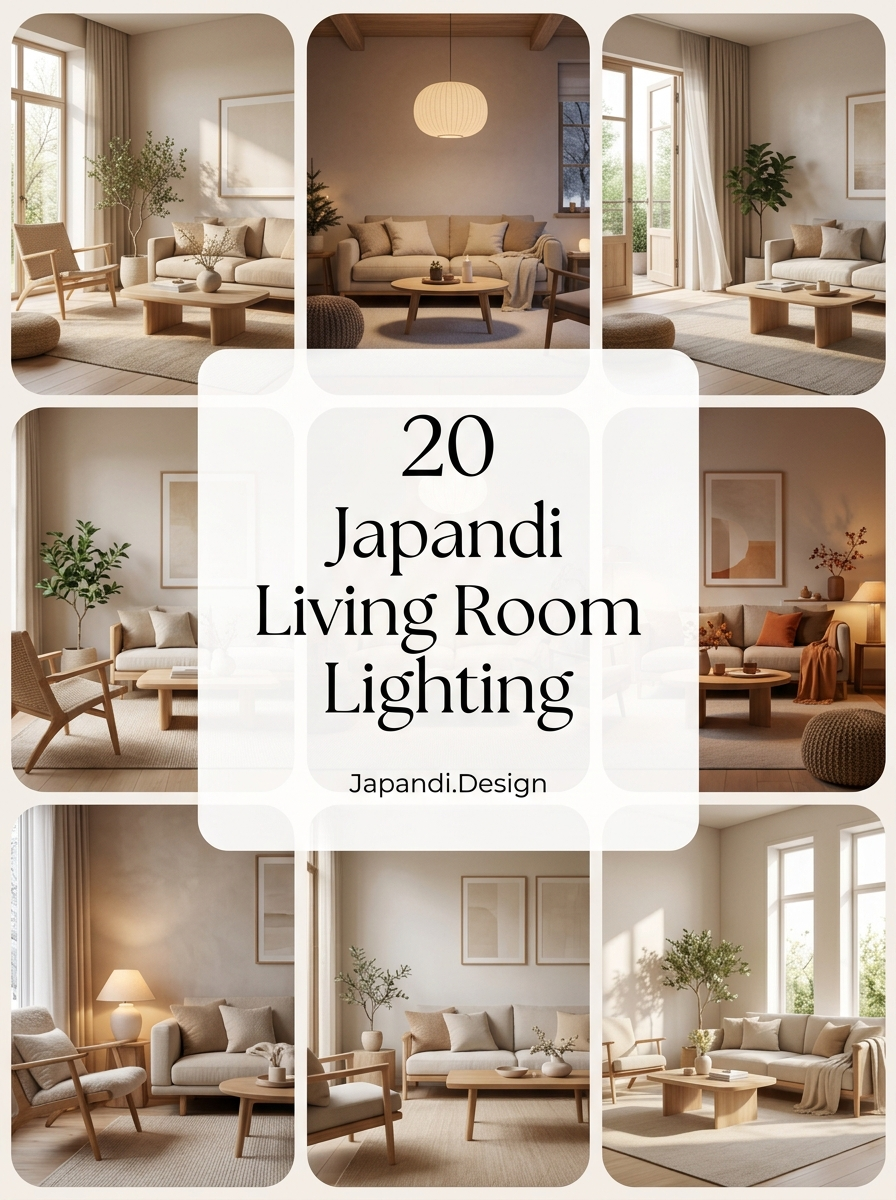

Illuminating The Modern Japandi Living Room Space
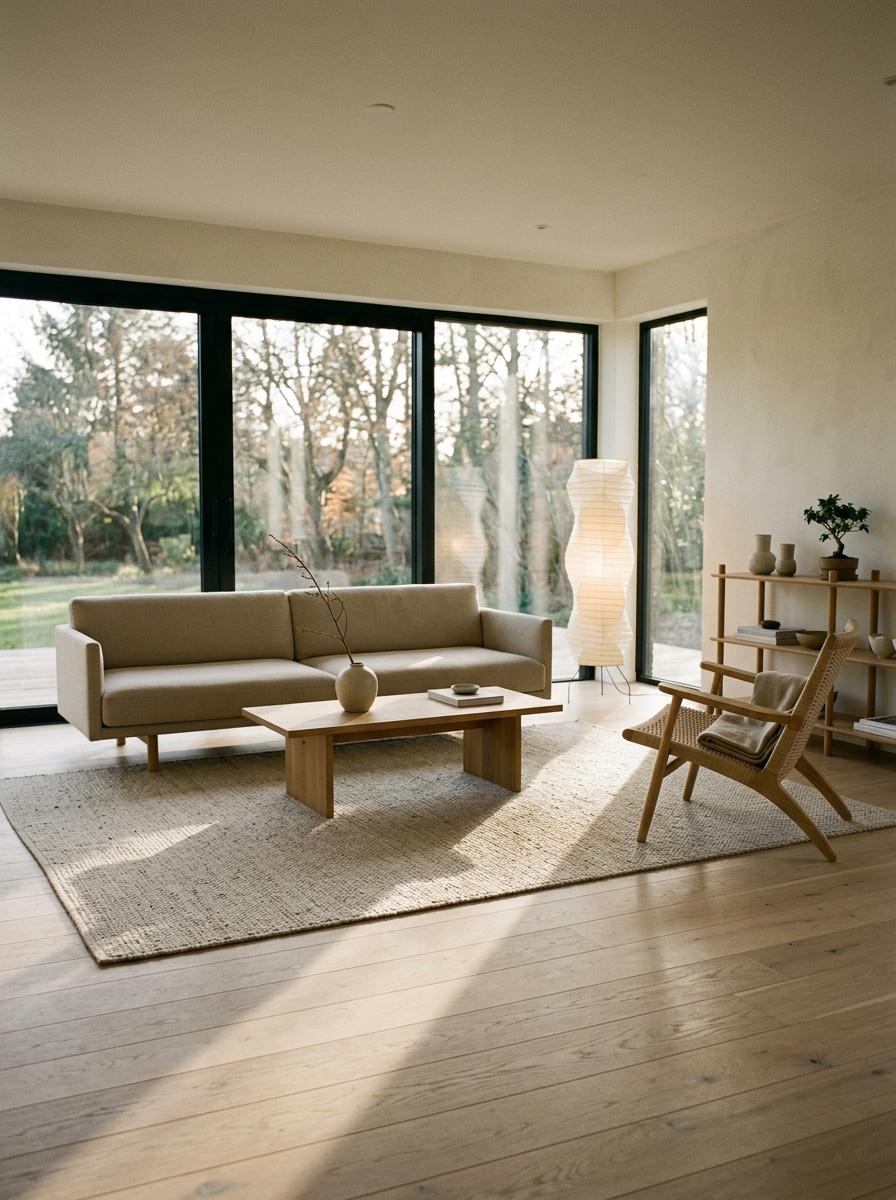

The essence of the modern Japandi living room was meticulously defined by a deliberate fusion of Scandinavian efficiency and Japanese restraint. Within this curated void, the atmosphere is anchored by unadorned surfaces and sparse, skeletal silhouettes that purge any sense of visual clutter. Soft shadows stretch across the scene, where pale planks and paper pleats provide a soothing, sculptural stillness. Sunlight carves through the expansive glass to widen the perceived boundaries, while the open floor plan breathes as it balances the room's geometric weight. This intentional clarity grounds the home, anchors the spirit, and elevates the everyday.
The Art Of Natural Light In A Minimalist Japandi Design
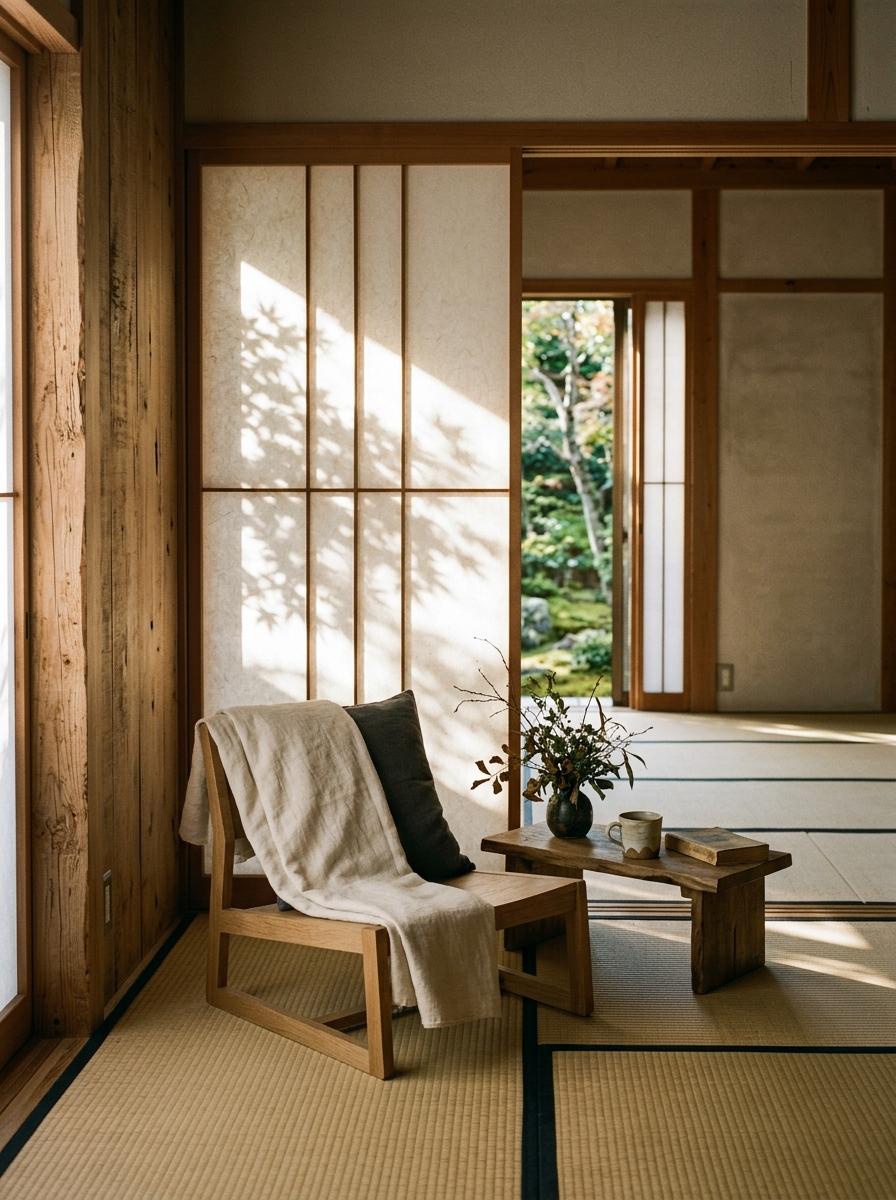

To master the interplay of illumination within a Japandi framework, You can look toward the restorative villas of Hayama or the secluded townhouses of Kyoto. In these spaces, light is not merely a utility but a primary building material. Note how the solar path interacts with the fibrous, diaphanous grain of hand-pressed Washi paper and the porous, matte desolation of untreated reclaimed cedar. This creates a deliberate chaos-a visual paradox where the rigid geometric discipline of the architecture meets the unpredictable, dancing shadows of the external landscape. As you observe the shifting patterns, the experience transcends mere sight; the harsh glare of the outside world softens into a rhythmic pulse, lowering your cortisol levels and cooling the skin. This transition from a visual observation to a somatic tranquility is the hallmark of the Japandi aesthetic, where the physical tactility of the home serves as a silent conductor for the soul's composure.
Find The Perfect Bamboo Pendant For Your Japandi Home
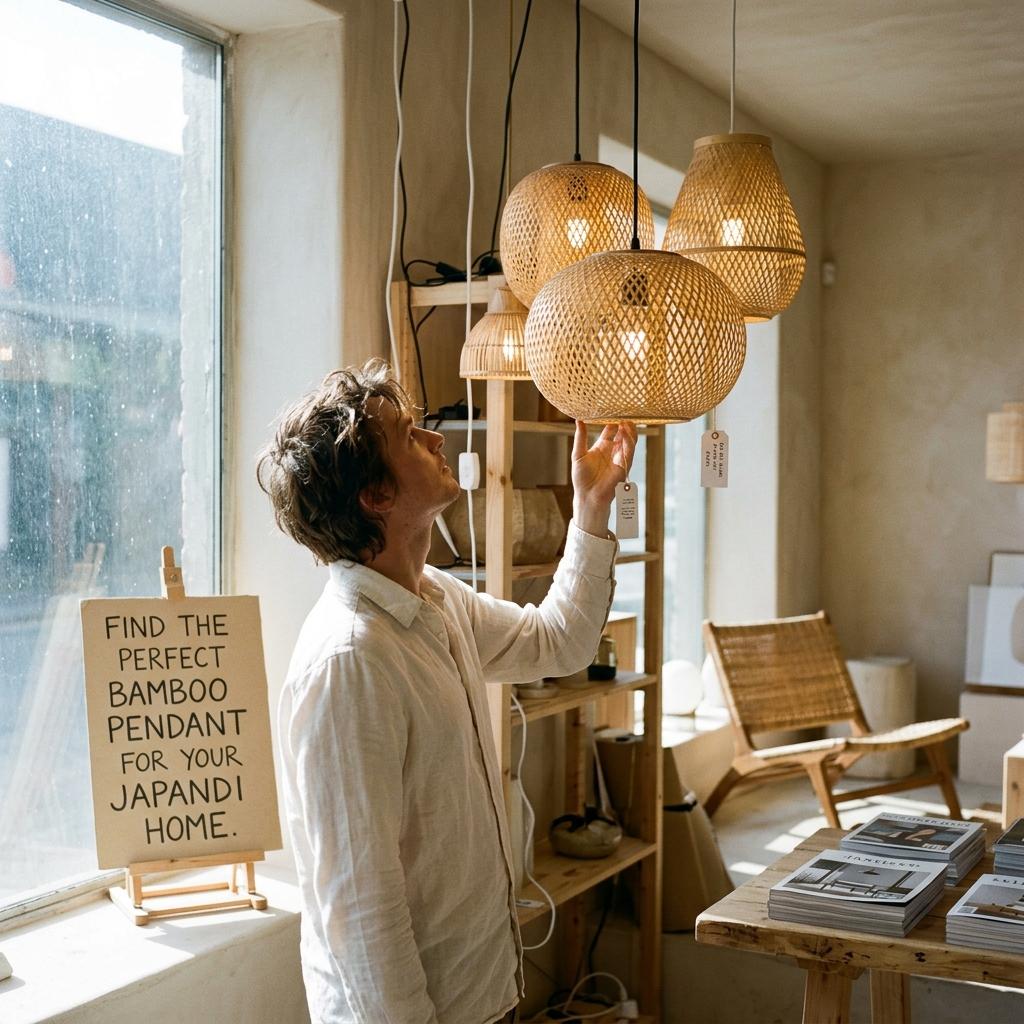

I remember sitting in a cold, starkly lit office-all polished chrome and aggressive white LEDs-where the air felt as artificial as the fluorescent hum overhead. It was a space that demanded productivity but offered no soul. "The lighting," noted designer Kenji Ito told me during our recent walk-through of his latest Kyoto project, "should never colonize a room." He paused to adjust a delicate woven shade, his hands tracing the grain of the wood. "It must instead," he continued, "breathe alongside the inhabitant." This shift from the sterile glare of modern industrialism to the organic warmth of a bamboo pendant is more than a mere upgrade in fixtures; it is a transition from clinical illumination to a diffused, amber glow that softens a room's edges. By embracing the tactile quality of sustainable fibers and the intricate geometry of traditional weaving, we move away from the harshness of the synthetic world toward a more grounded domesticity. This interplay between light and shadow is the heartbeat of the aesthetic, serving as the essential starting point for choosing a centerpiece that defines the Japandi spirit.
How To Create Warmth Using Soft Japandi Lighting Elements
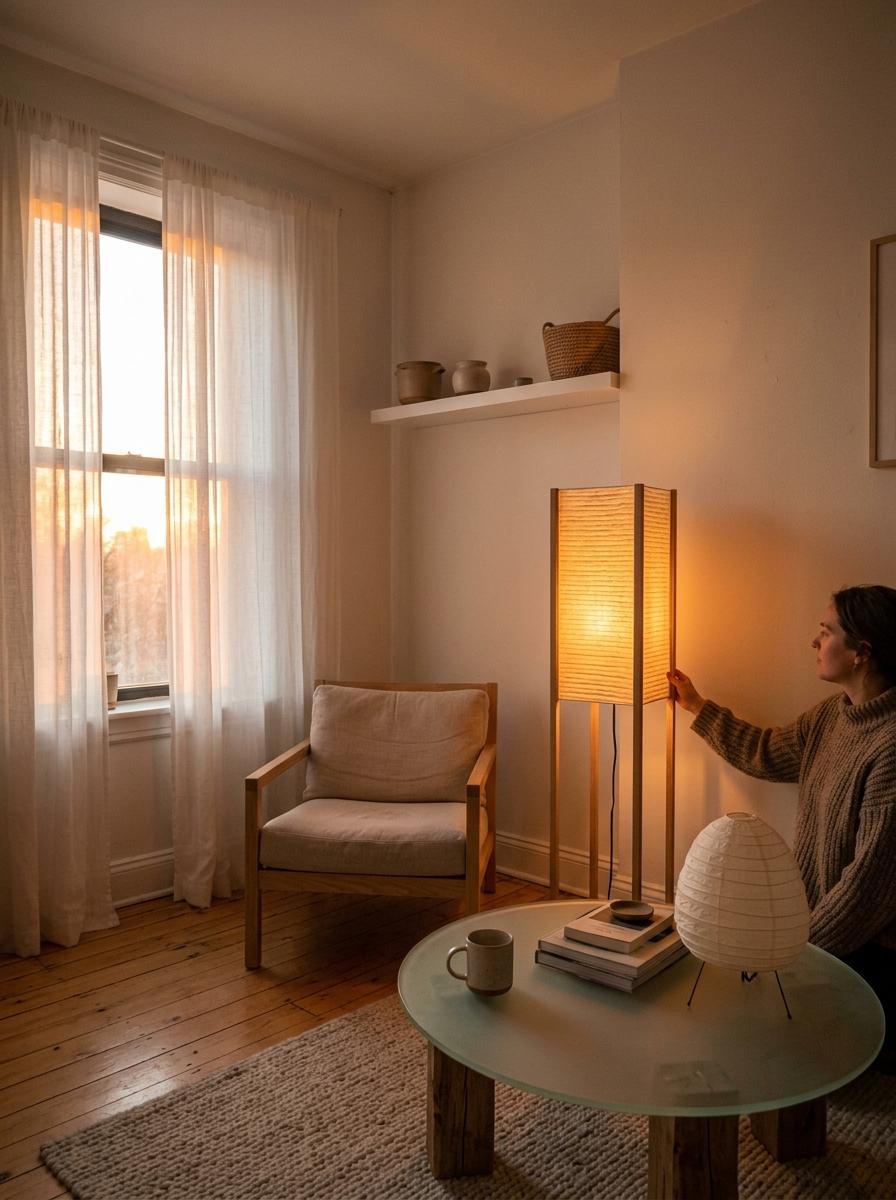

To master the art of Japandi lighting, we must understand that it is not merely a stylistic hybrid, but a rigorous Definition via Synthesis: it is the calculated intersection of Scandinavian hygge-that quintessential pursuit of cozy intimacy-and the Japanese ethos of wabi-sabi, which finds divinity in the transient and the imperfect. The resulting aesthetic (C) is a sophisticated atmospheric alchemy that prioritizes the emotional resonance of a space over its mere utility. Achieving this requires a commitment to Lexical Precision, moving beyond generic brightness toward a curated layer of luminosity. In this framework, we discard harsh overhead glare in favor of luminescent gradients and diffused occlusion, utilizing organic materials like hand-loomed washi paper, sandblasted glass, and open-pore light oak to soften the photon output. The objective is to foster a sense of Dialectical Pairing; the lighting must feel meticulously structured, yet inherently effortless-a disciplined architectural intervention that nonetheless yields to a soft, fluid ambiance. By employing a strategy of Sensorial Adjective Stacking, we transform a room into a sanctuary. The illumination should be amber-hued, enveloping, and ethereal, casting shadows that are velvety, evocative, and rhythmic. This approach ensures that the light does not simply occupy the room, but rather choreographs a soulful, tranquil experience that bridges the gap between modern minimalism and ancestral warmth.
Refined Fixtures For A Sophisticated Japandi Living Room
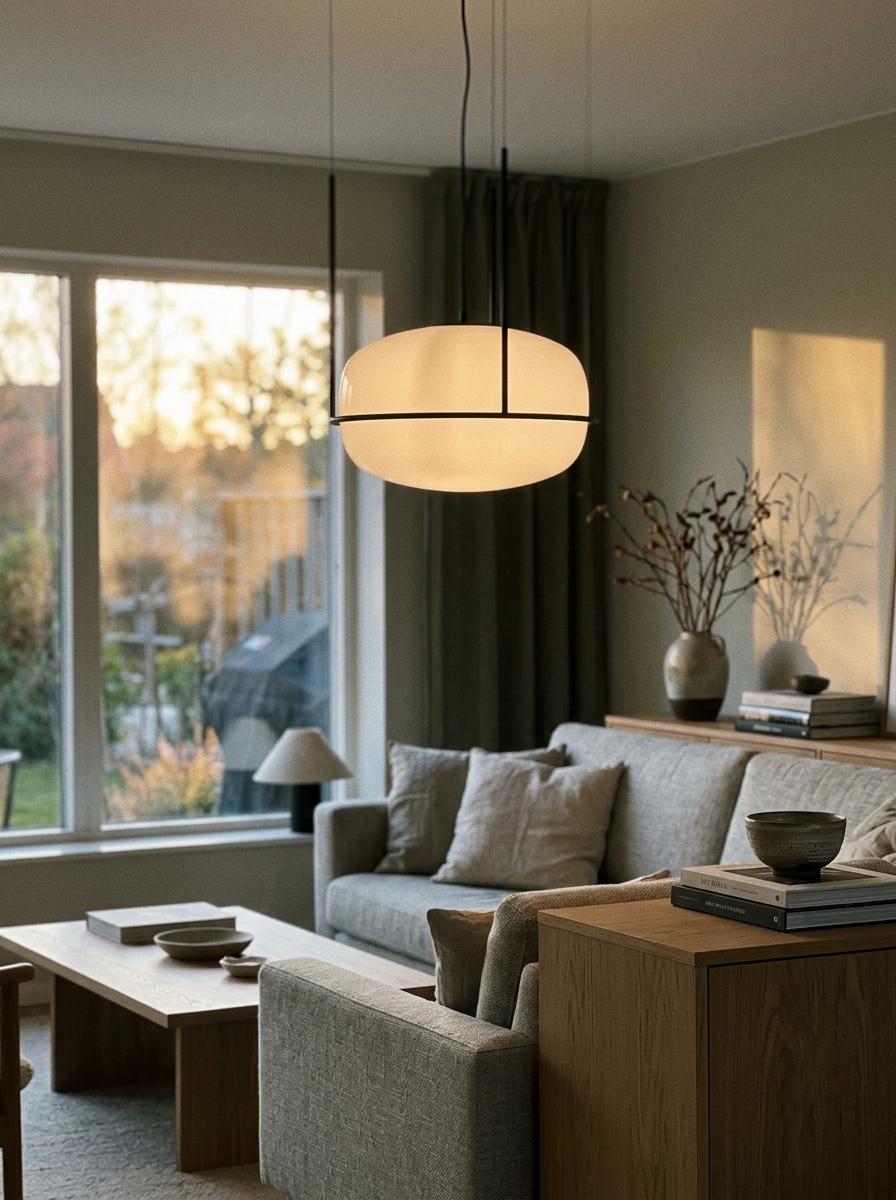

In the pursuit of a truly sophisticated Japandi living room, You need to look beyond mere illumination and toward the sculptural weight of light itself. To achieve this, integrate the Astep Model 2065-an ethereal pendant of opaline methacrylate that embodies the concept of heavy lightness. This fixture anchors the space with a soft, diffused glow that mimics the haptic quality of brushed silk against the skin. Note how the matte-black carbon steel frame provides a skeletal rigor against the organic, open-pore grain of white oak cabinetry. This deliberate tension between the industrial and the artisanal creates a composed chaos, where every raw edge feels intentional and every polished surface feels lived-in. As the evening light settles into the room, the transition from visual appreciation to somatic ease is immediate; the sharp cortisol of a frantic day dissolves into a rhythmic, grounding pulse, slowing the heart rate through the sheer harmony of tactile shadows. By framing your interior through the lens of Copenhagen minimalism and Kyoto craftsmanship, the room ceases to be a mere collection of furniture and becomes a curated sanctuary of sensory stillness.
The Timeless Beauty Of Paper Lanterns In Japandi Interiors
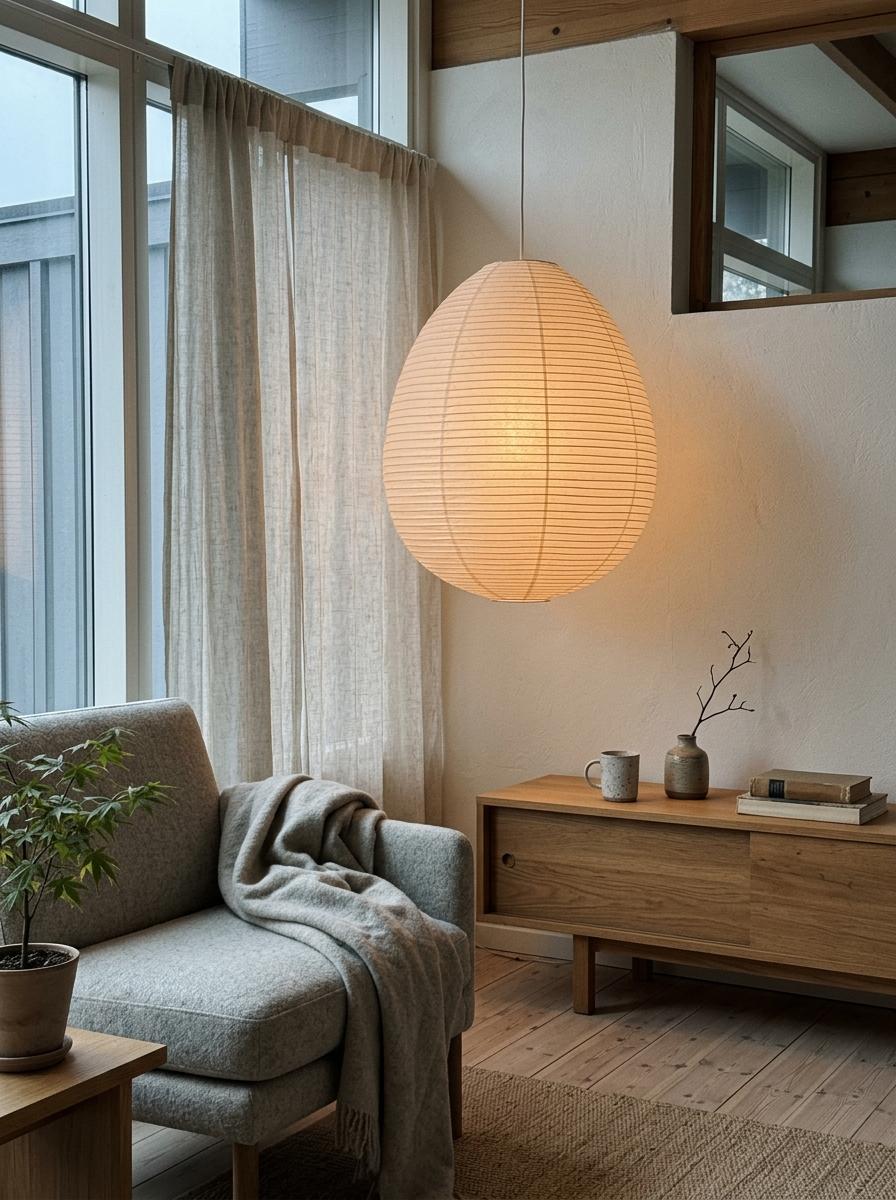

In the quiet corners of a Japandi-inspired living space, the paper lantern serves as more than a fixture; it is a territorial anchor that softens the geometric precision of the room into a sanctuary of diffused serenity. It represents a weightless gravity, grounding the expansive minimalism of the interior while appearing to float entirely unburdened by its own physical presence. This ethereal glow creates a profound structural dualism, where the external shell remains a disciplined, sculptural silhouette, while the internal void radiates a warm, chaotic energy that dissolves the harsh shadows of functionalist architecture. Through the use of handcrafted Washi paper and a skeletal framework of split bamboo ribs, the lantern transforms raw fiber into a tactile filter for the senses. Ultimately, this integration acts as a deliberate luminal intervention, offering a high-utility solution that bridges the gap between traditional craftsmanship and modern industrial efficiency.
Essential Guidance For Selecting Quality Japandi Living Room Lighting
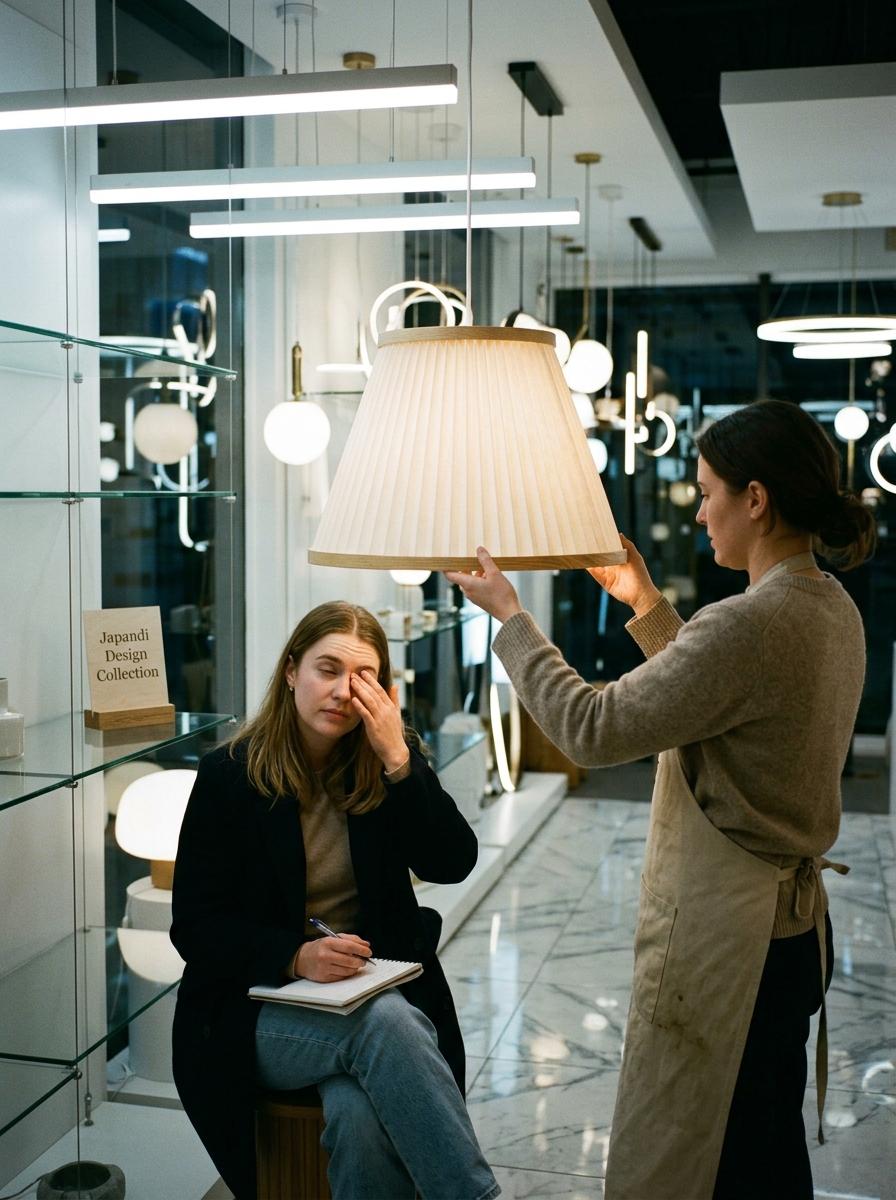

Sitting in a clinical, over-illuminated showroom-where the harsh glare of cool-toned LEDs bounced off polished marble like a surgical suite-I found myself squinting against the visual noise. It was the antithesis of the home I had visited just hours prior, a sanctuary where light seemed to breathe rather than strike. "The secret isn't just the lumen output," the artisan I was interviewing explained, pausing to adjust a hand-pleated paper pendant, "it is about how the light... lingers." She traced the edge of a timber frame, adding, "We want to celebrate the shadows as much as the illumination." This juxtaposition between the sterile, high-contrast roar of modern maximalism and the quiet, intentional glow of a balanced space underscores the necessity of hygge meeting wabi-sabi. To achieve this, You need to move beyond mere fixtures and begin to curate an atmosphere through the deliberate interplay of organic textures and soft diffusion. This shift in perspective, from seeing light as a utility to treating it as a sculptural element, is the first step in mastering the nuanced art of Japandi living room lighting.
Experience The Soft Glow Of Japandi Style Floor Lamps
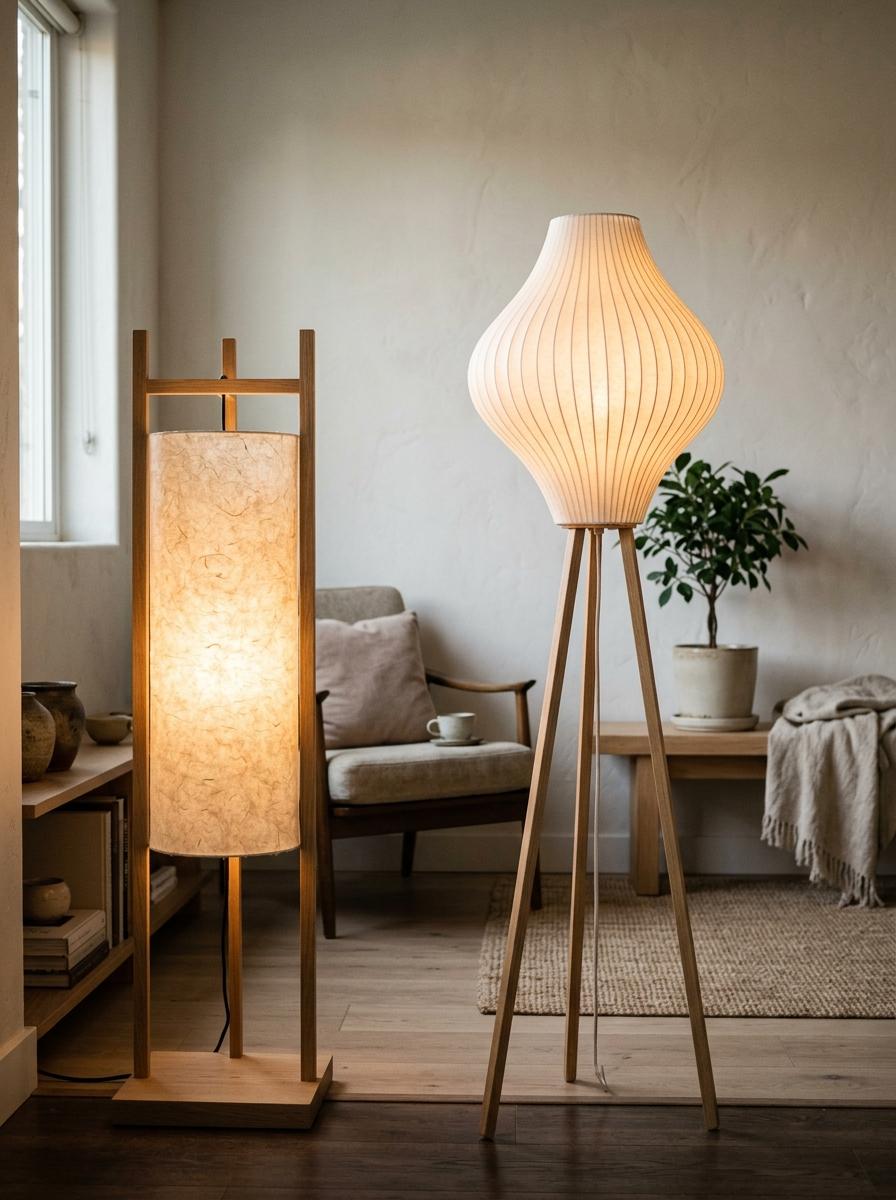

To truly understand the essence of a Japandi interior, we must look toward the corners where light meets shadow. Note how a floor lamp featuring a hand-spun washi paper shade diffuses illumination, transforming harsh electrical output into a fibrous, diaphanous glow that clings to the open-pored grain of a solid white oak base. This is the art of ordered chaos-a design philosophy where the rigid geometry of Scandinavian minimalism embraces the weathered imperfections of Zen aesthetics. As you trace the silhouette of a Herman Miller Nelson Pear lamp or a bespoke Kyoto bamboo lantern, you may feel a physical shift: the pulse slows and the breath deepens, a visceral transition from the frantic stimulation of the digital world to a state of alert relaxation. By integrating these sculptural pieces, you are not merely furnishing a room; you are curating a sanctuary of heavy lightness that honors both the tactile heritage of Japanese craftsmanship and the functional clarity of Nordic life.
Natural Wooden Accents Found In Modern Japandi Lighting Design
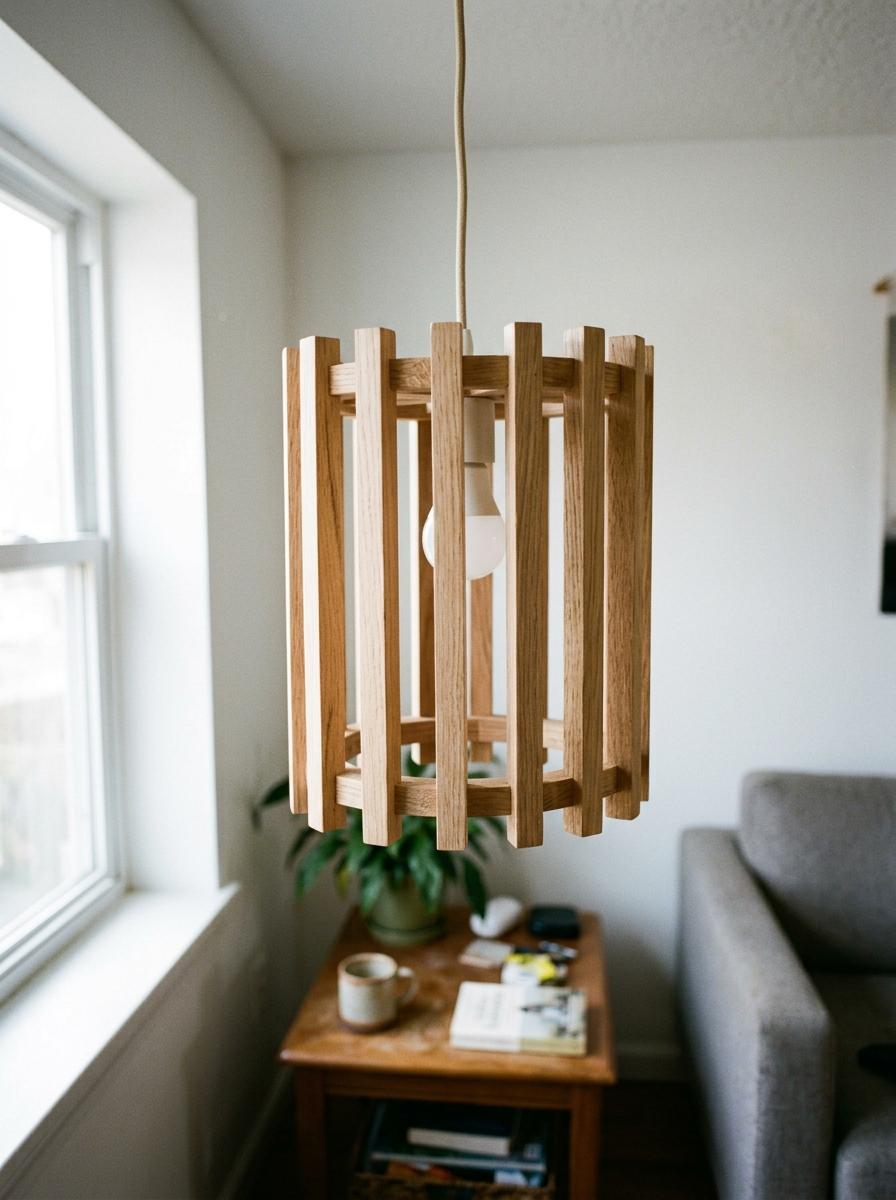

In the quiet corners of a contemporary living space, Japandi lighting serves as a silent anchor, grounding the room in a deliberate stillness that bridges the gap between high-tech living and organic heritage. These fixtures represent a weightless density, where the heavy visual language of craftsmanship is suspended in mid-air, appearing both immovable and ethereal. This structural dualism creates a stark contrast: while the internal electrical components hum with the precision of modern innovation, the external wooden casing offers a raw, unyielding warmth that softens the light's clinical edge. By utilizing specific textures like the fine-grained linearity of FSC-certified white oak or the deep, porous character of charred cedar (Shou Sugi Ban), these designs transition from mere objects to tactile experiences. Ultimately, the integration of these natural wooden accents functions as a vital industrial solution, utilizing timber not just for its beauty, but as a thermal and visual regulator that transforms harsh artificial rays into a diffused, human-centric glow.
Create Visual Depth Through Layered Japandi Living Room Lighting
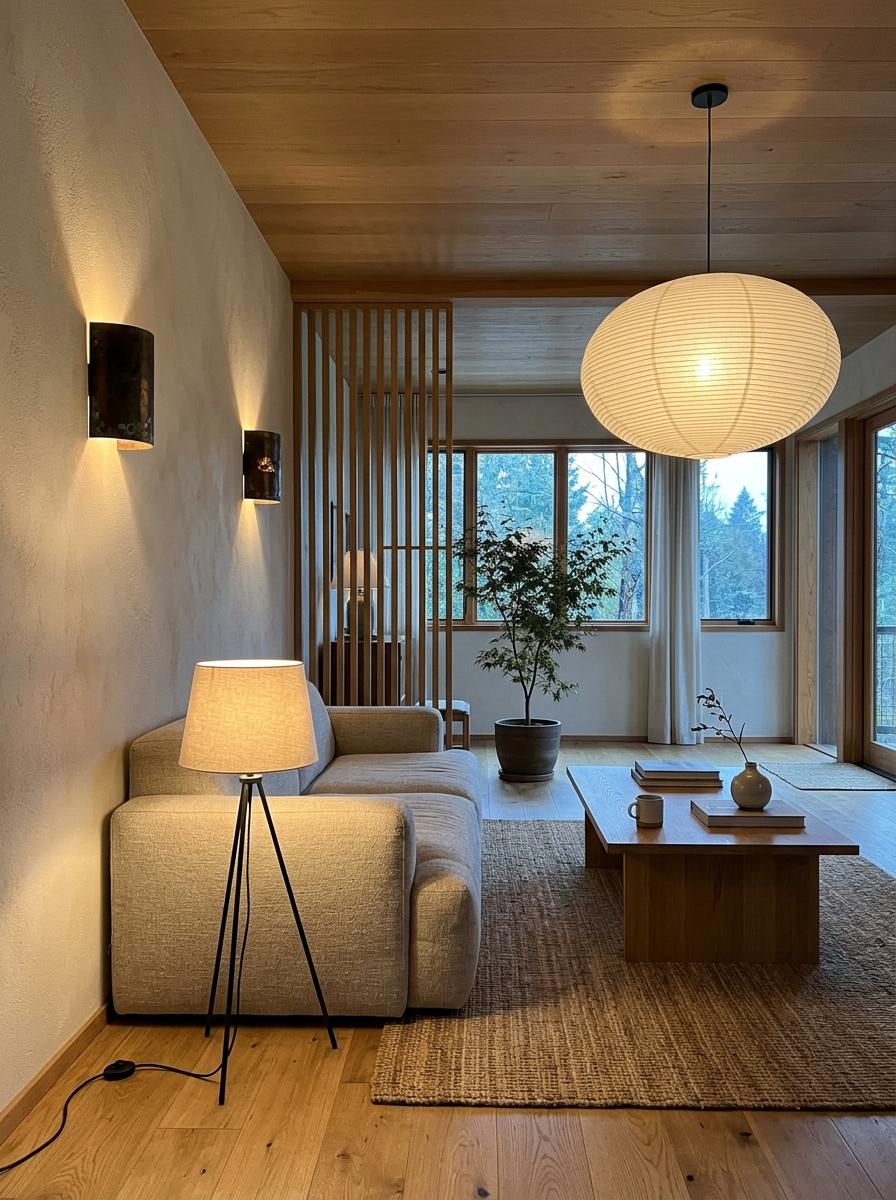

To achieve visual depth in the modern home, we need to first master the art of Japandi-a stylistic synthesis where the rustic, unrefined warmth of Scandinavian hygge meets the rigorous, meditative restraint of Japanese wabi-sabi. The result is a curated equilibrium that transcends mere minimalism. In a Japandi living room, the lighting architecture must be equally dialectical; it must be functional enough to illuminate purposeful tasks, yet soft enough to honor the quietude of shadows. By layering illumination through the use of diffused washi paper pendants, patinated bronze sconces, and low-profile floor lamps, one creates a tactile, chromatic, and atmospheric tapestry. This intentional stacking of light sources bypasses the flatness of overhead fixtures, instead inviting a sensorial experience that feels profoundly grounded, ethereal, and timelessly serene.
Sculptural Pieces To Elevate Your Japandi Home Atmosphere
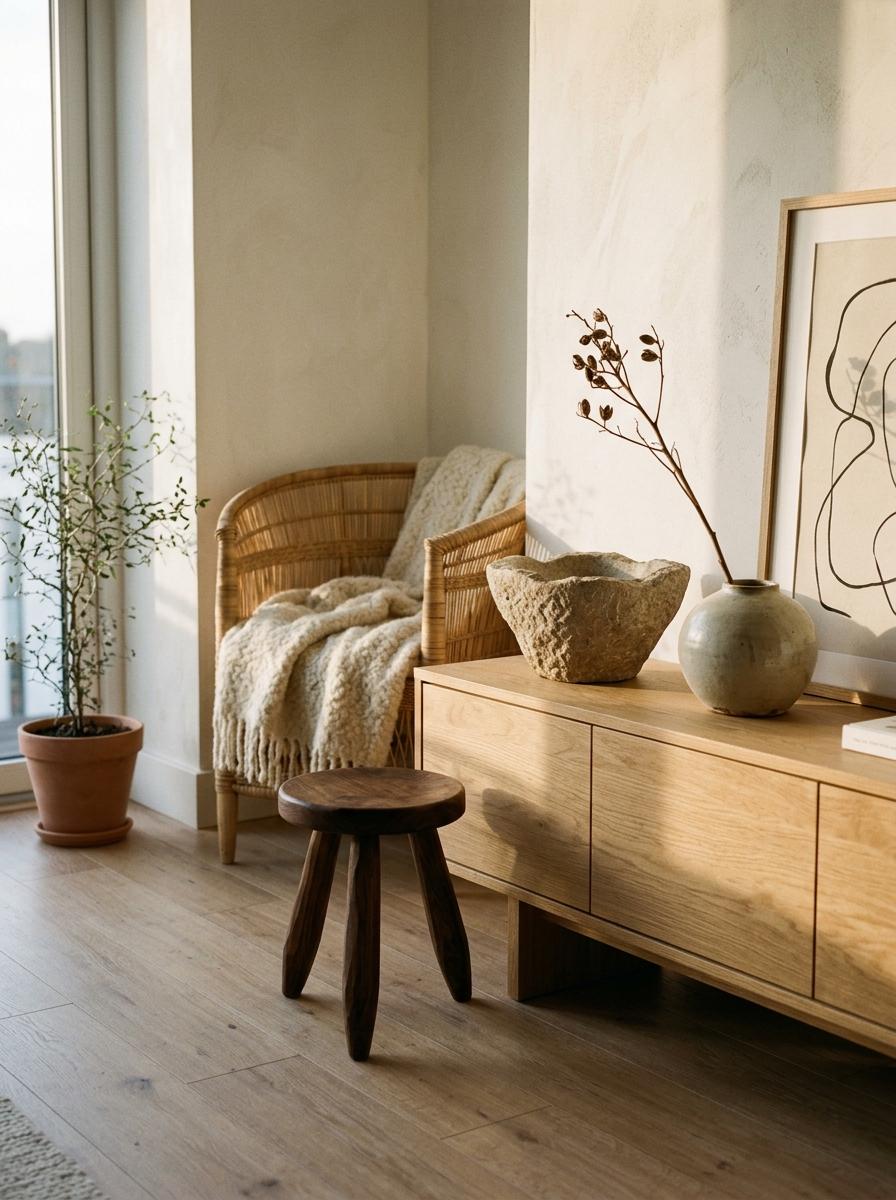

Within the Japandi interior, the curated environment is shaped by a deliberate selection of sculptural forms, where each object is introduced to bridge the gap between organic warmth and functional discipline. Every piece is defined by a sparse silhouette, avoiding the clutter of excess to honor the quietude of unoccupied space. This soft serenity stems from a harmony of wood, wool, and woven wicker. These silhouettes carve new dimensions into the room, stretching the visual boundaries and grounding the wandering eye. The presence of a singular stone vessel or a hand-carved stool anchors the floor, defines the flow, and elevates the atmosphere.
Transforming Small Spaces With Strategic Japandi Floor Lamps
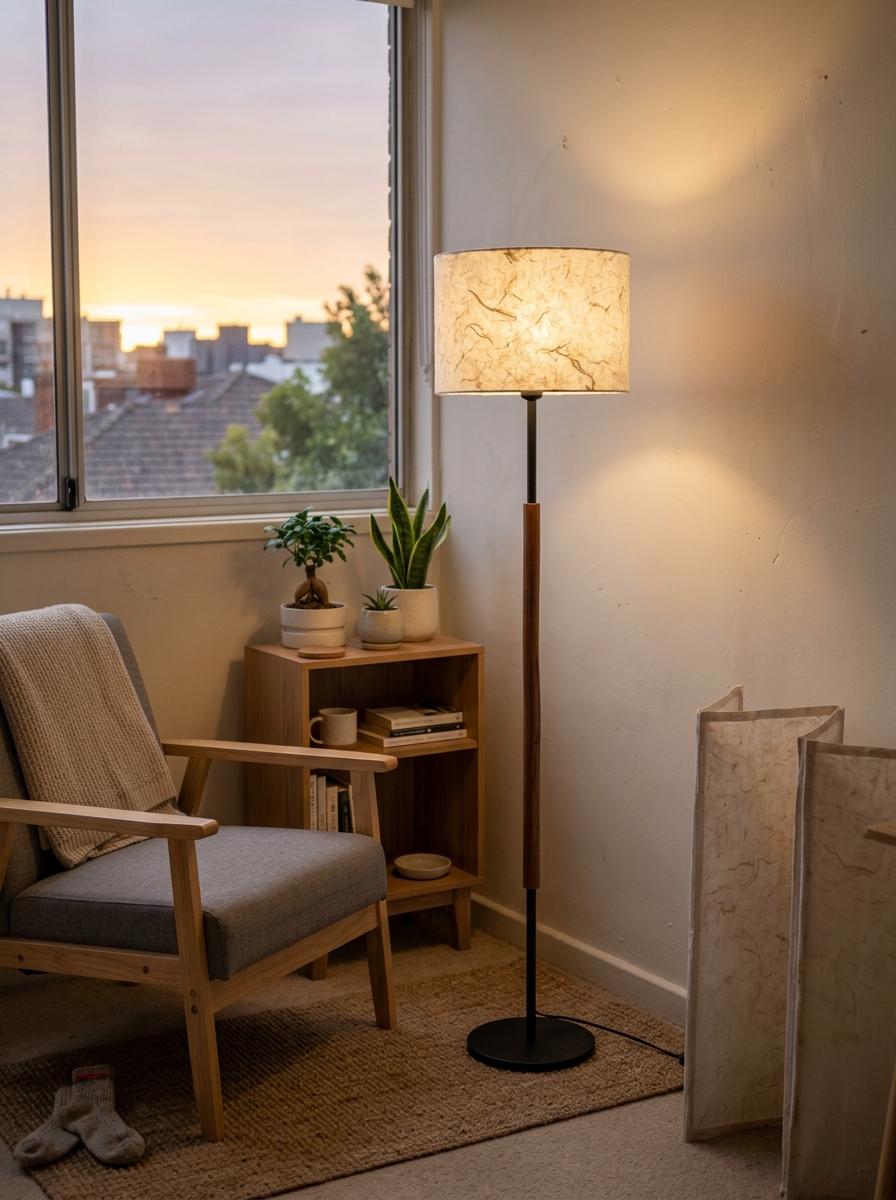

To master the spatial constraints of urban living, we need to look toward the curated simplicity of the Kyoto-modern aesthetic, where lighting is treated as both sculpture and utility. Note how a singular floor lamp, featuring a stem of matte-anodized aluminum paired with a hand-spun washi paper shade, creates a structural anchor without consuming visual volume. This design achieves a heavy lightness; it possesses the gravitational presence of a permanent fixture while maintaining the ethereal portability of a folding screen. As the light filters through the fibrous, uneven grain of the parchment, the atmosphere undergoes a biological shift, moving from the clinical sharpness of overhead LEDs to a resonant stillness that lowers the heart rate and softens the gaze. By positioning a Wastberg or Isamu Noguchi original in an underutilized corner, you do not merely illuminate a room-you expand it, using the gradient of shadow to create an illusion of depth that defies the physical boundaries of the floor plan.
Elegant Wall Sconces For A Classic Japandi Aesthetic
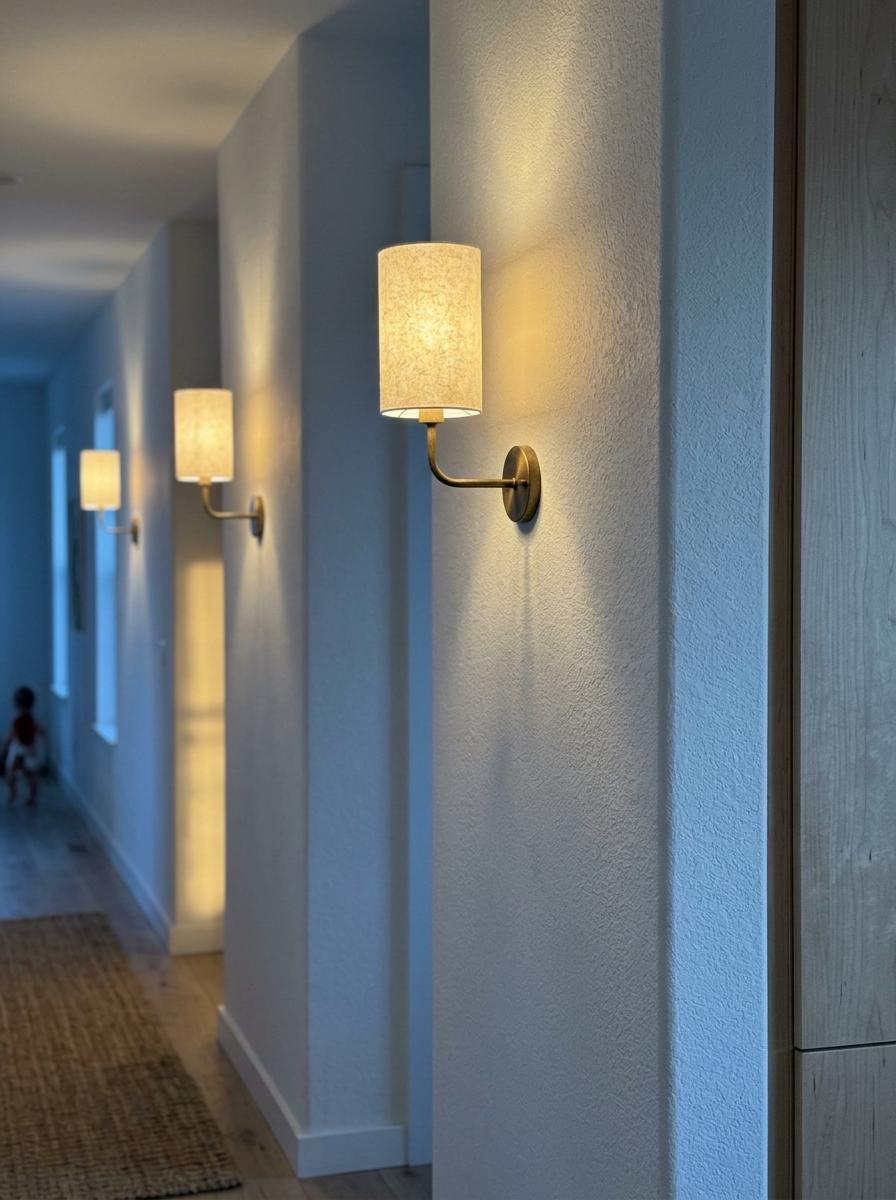

The subtle interplay of light and shadow is meticulously orchestrated through the strategic placement of wall sconces, ensuring that each fixture serves as a quiet anchor within the home. These luminaires evoke a sense of unadorned utility, casting a hollow glow that celebrates the bare, breathless beauty of a curated interior. Softly, the sconces diffuse a dim radiance, bathing the brushed birch and bone-white surfaces in a rhythmic warmth. This intentional luminosity carves out depth, stretches the perceived height of the corridor, and frames the surrounding stillness. The result is a space that breathes through its balanced proportions, rhythmic repetition, and refined restraint.
Achieve Perfect Balance With Low Profile Japandi Lighting
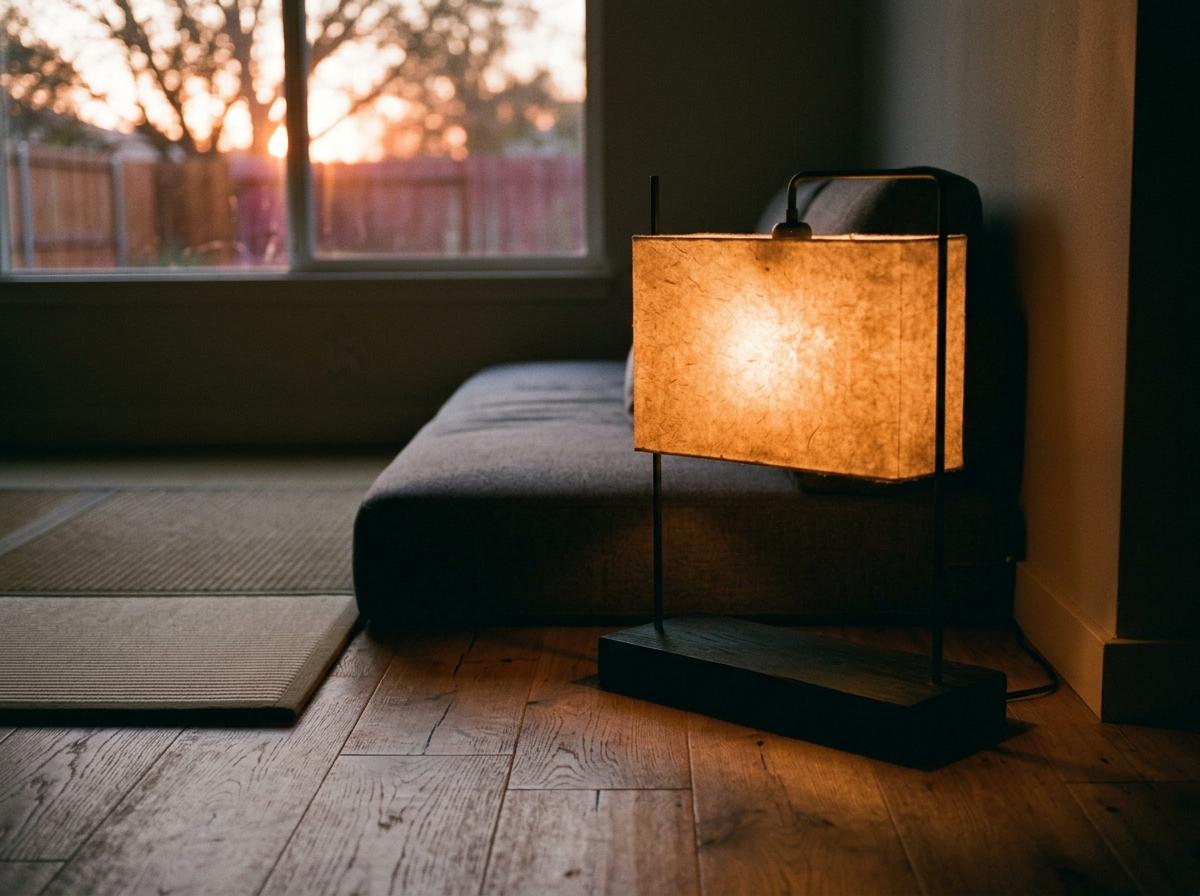

To achieve the perfect balance in a minimalist sanctuary, You need to look toward the floor as much as the ceiling. Focus on the integration of matte-black carbonized steel against the diaphanous, fibrous grain of authentic Washi paper. Note how the silhouette of a low-profile floor lamp anchors the room, pulling the gaze downward to create an intimate horizon line that mimics the traditional washitsu atmosphere. This is the art of heavy lightness-a structural paradox where a solid, blackened timber base supports a glow that feels entirely weightless. As the amber light diffuses through the textured weave, a physical shift occurs: the pulse slows, the breath deepens, and the frantic pace of the outside world is replaced by a profound sense of somatic stillness. By drawing inspiration from the curated shadows of the Ando Museum in Naoshima, we learn that lighting is not merely about visibility, but about the strategic sculpting of void and substance.
Sophisticated Organic Textures In Japandi Living Room Fixtures
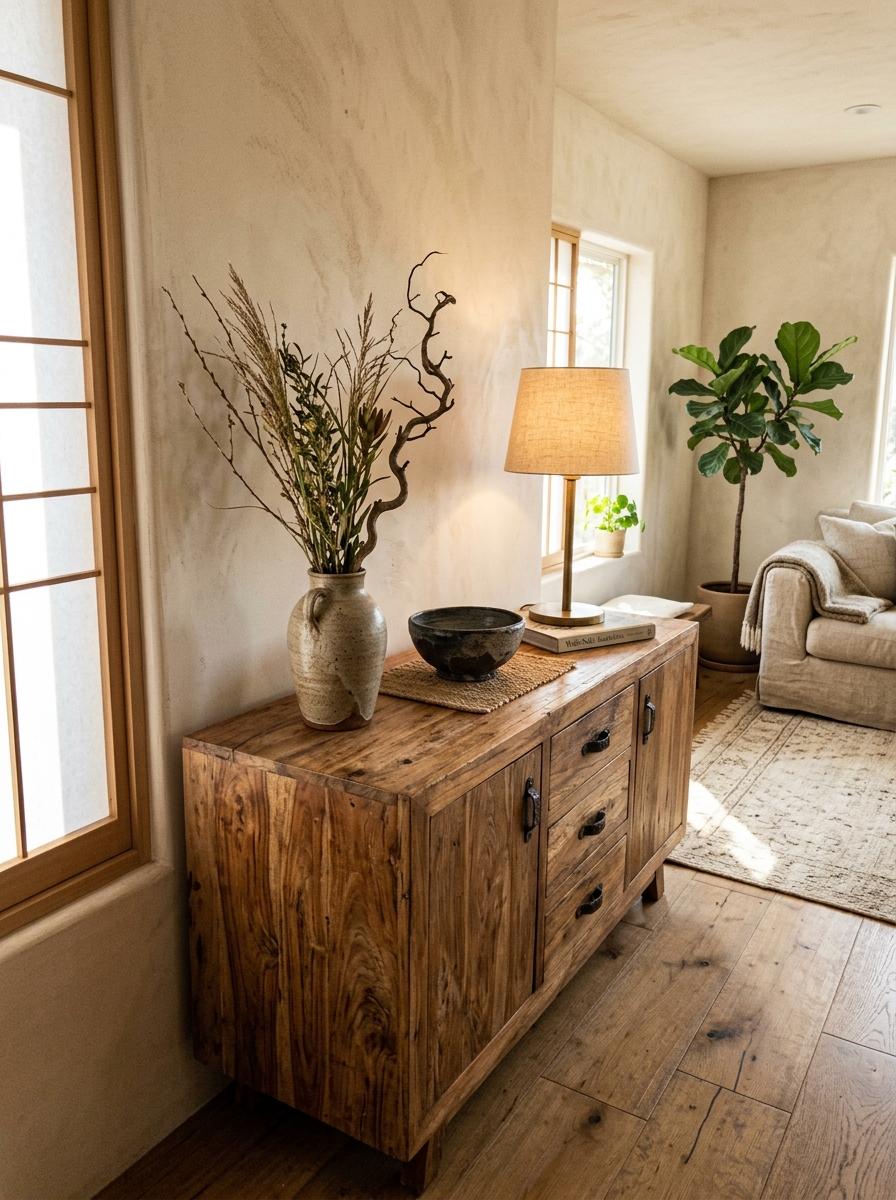

I remember sitting in a high-gloss, ultra-modern showroom last winter-a space so sterile it felt like a laboratory, where every surface was a mirror of cold, unyielding chrome. But when I visited the Kyoto-inspired studio of a local craftsman for a recent interview, the atmosphere shifted entirely; the air felt softer, anchored by the presence of a hand-planed teak credenza. "The soul of a room," the artisan told me, his fingers tracing the raised, irregular grain of the wood, "isn't found in perfection..." He paused to adjust a brass hinge, the metal matte and slightly patinated. "...it's found in the friction between the hand and the material." This intentional tactile depth, often characterized by wabi-sabi imperfections and the warm patina of natural elements, represents the pinnacle of Japandi fixtures. By rejecting the slick anonymity of industrial mass-production in favor of organic tactileity, we can transform a static living area into a sanctuary of sophisticated sensory resonance.
Bringing Nature Indoors With Woven Japandi Pendant Styles
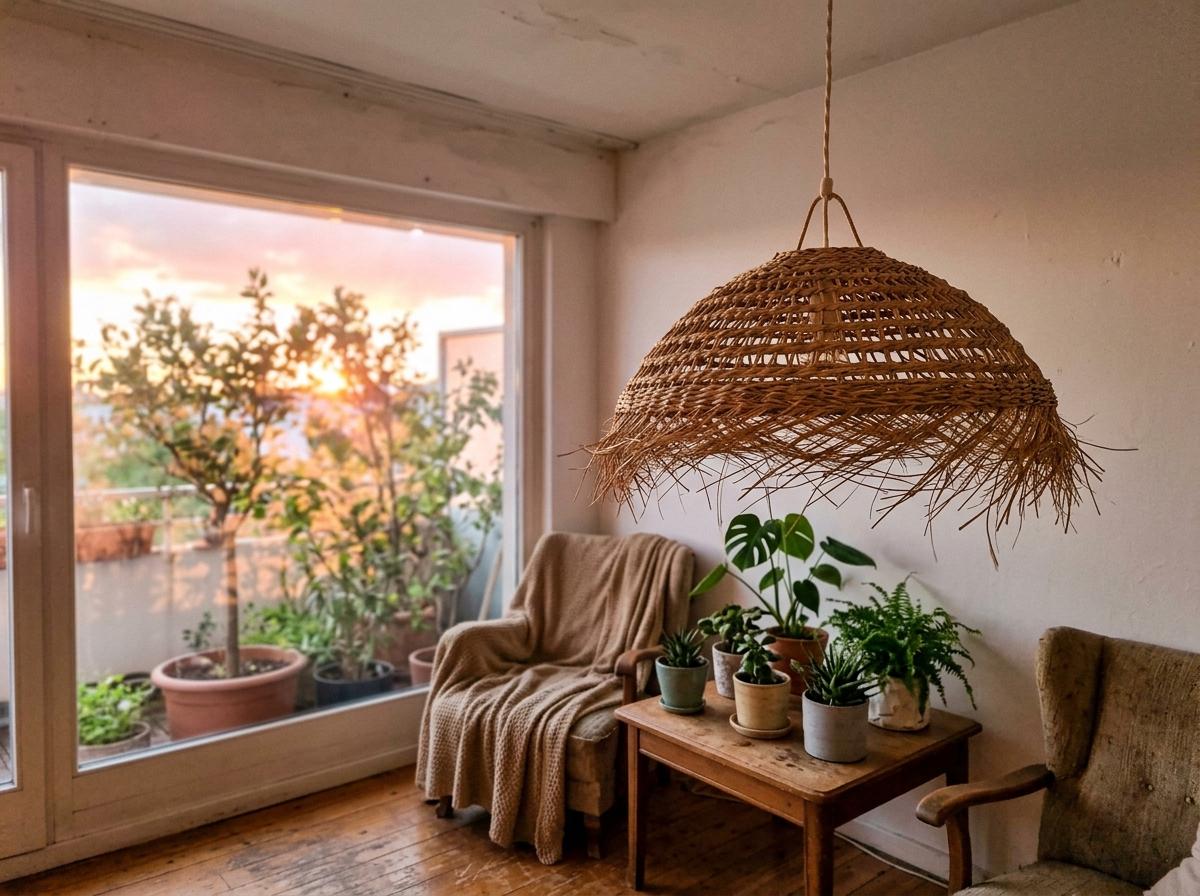

At its core, Japandi is the aesthetic result of a rigorous synthesis between Scandinavian hygge-with its emphasis on cozy, lived-in comfort-and Japanese wabi-sabi-the philosophical celebration of transience and imperfection; together, they form a cohesive visual language of "functional serenity." In the realm of lighting, this manifests through woven pendant styles that utilize high-tactility organic fibers like hand-split bamboo, bleached raffia, and structural rattan. These fixtures are defined by a compelling dialectical pairing: they are architecturally disciplined in their silhouette, yet remain profoundly organic in their material execution, offering a rigorous structural integrity that is nevertheless softened by the artisanal irregularities of the weave. To incorporate such a piece is to invite a sensorial transformation of the space, as the diffused light creates a chiaroscuro effect that is at once ethereal, grounding, and rhythmic, turning a static ceiling into a kinetic study of shadow and warmth.
The Intersection Of Function And Form In Japandi Lighting
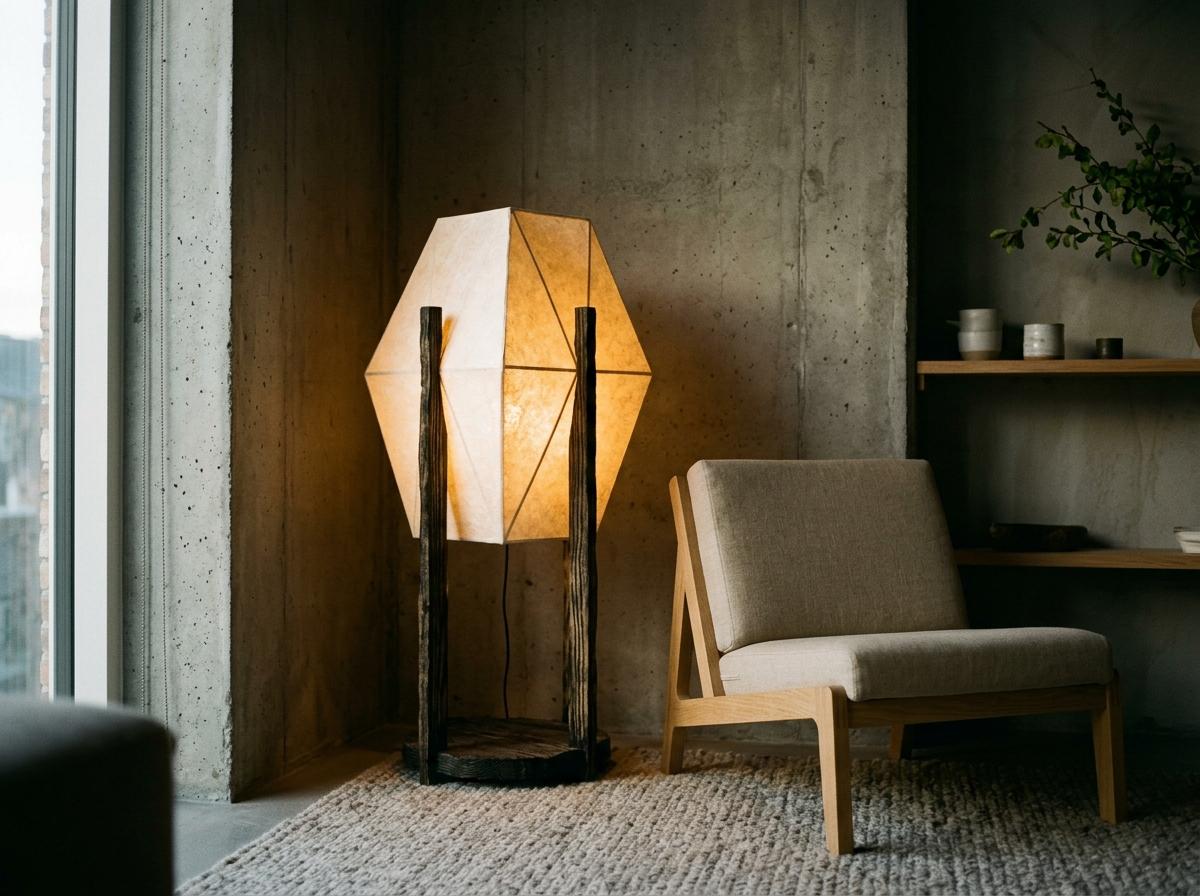

In the study of Japandi lighting, You need to first confront the diaphanous quality of hand-pressed Washi paper set against the fibrous, tactile grain of scorched ash wood. Note how the luminaire acts as both a centerpiece and a ghost within the room, commanding attention while simultaneously receding into the architectural background. This creates a luminous shadow-a paradoxical state where the light does not merely illuminate but serves to define the darkness it displaces. As you observe the warm, amber glow typical of a Kyoto-inspired tea house integrated into a minimalist Copenhagen loft, the experience shifts from the visual to the physiological; the nervous system surrenders its daytime alertness, replaced by a visceral, marrow-deep tranquility that lowers the heart rate. In the curated spaces of The Audo or the quiet corners of Shisui, the lighting transcends mere utility to become a silent rhythm, proving that when form is stripped to its essence, function becomes a profound emotional resonance.
Discover Subtle Elegance With Japandi Style Interior Illumination
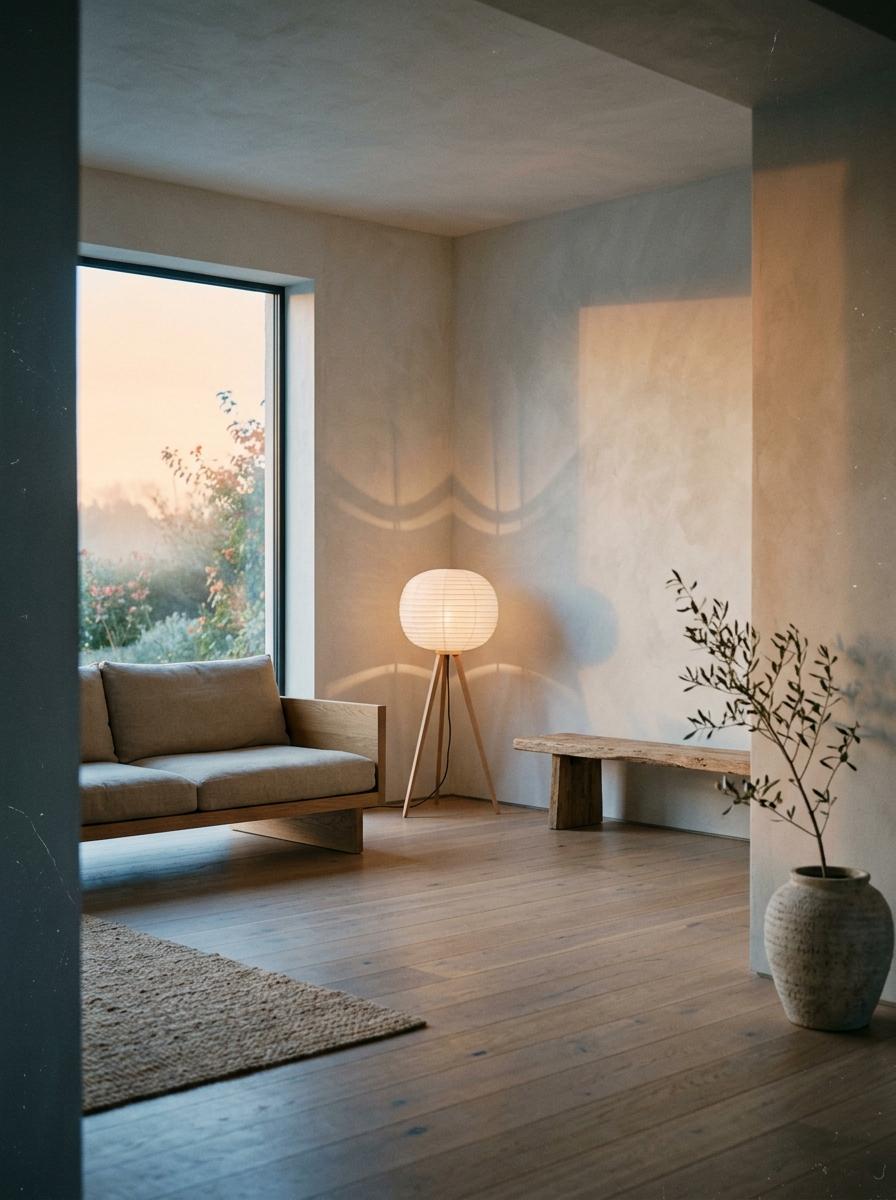

Within the realm of Japandi aesthetics, light is not merely installed; it is meticulously composed to bridge the gap between Nordic utility and Zen serenity. This interior illumination is defined by a sparse, sculptural, and silent presence, purging any visual clutter to favor an atmosphere of profound stillness. The deliberate design softens shadows and creates a seamless, soothing serenity that washes across raw textures. Soft glows stretch across the floor, carving out quiet corners and expanding the perceived boundaries of the room. Through this synthesis of form and function, the light sculpts the void, warms the wood, and centers the spirit.
Curating A Quiet Atmosphere With Japandi Light Fixtures
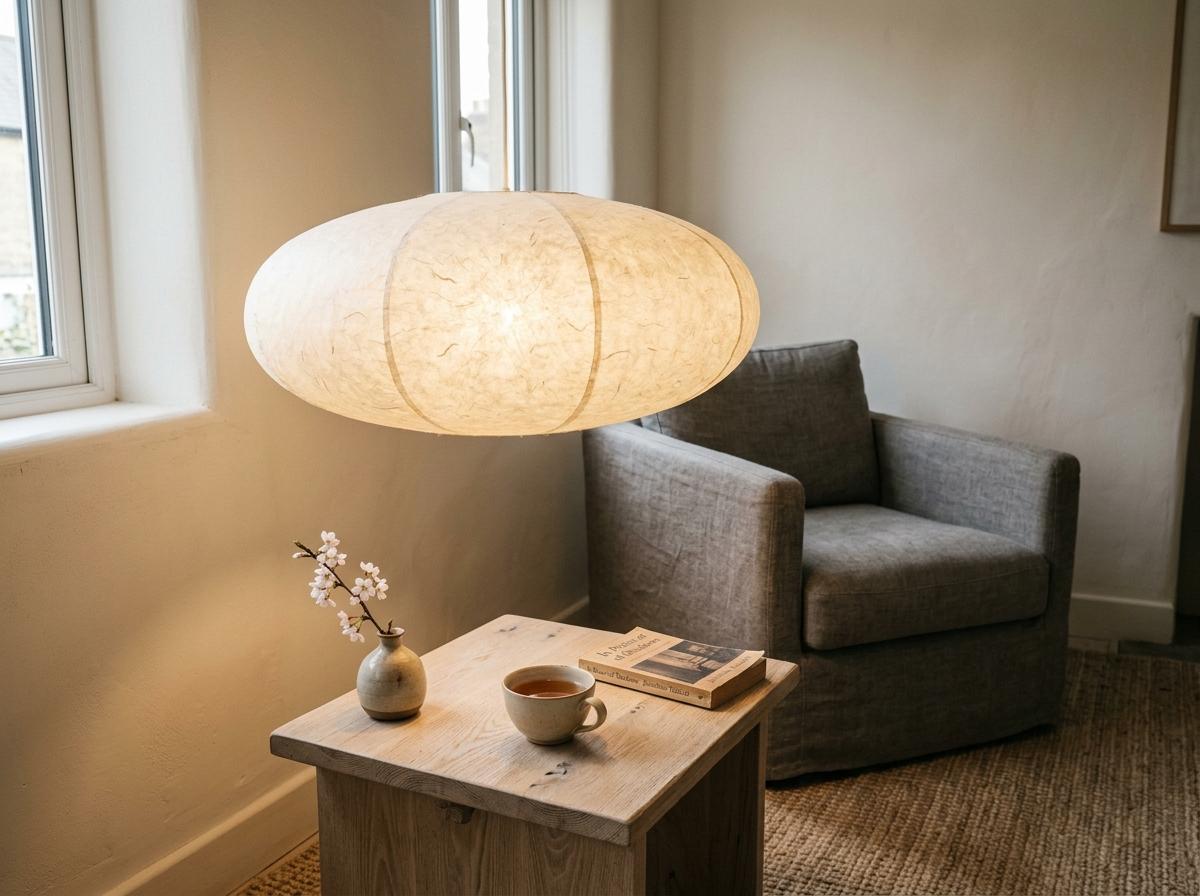

To achieve a sense of tranquility in the home, You need to look toward the intentionality of Kyoto-inspired minimalism fused with Scandinavian functionalism. When selecting illumination, prioritize the tactile honesty of fibrous, hand-pressed washi paper paired with the grain-heavy, sand-blasted texture of pale white oak. Note how the placement of a low-slung pendant light does not merely occupy the void, but actively sculpts the air around it, turning a hollow corner into a grounded sanctuary. This curated approach relies on the power of luminous shadows-a deliberate paradox where the light is felt more through the soft gradients it leaves behind than the brightness it projects. As the glare fades, the body undergoes a visceral shift: the pulse slows, the eyes decompress from the digital strain of the day, and a profound neurological stillness settles over the room. By integrating fixtures from designers like Isamu Noguchi or the forest-informed aesthetics of Copenhagen's design houses, you are not just buying a lamp; you are installing a rhythmic pause into the architecture of your daily life.
Sustainable Materials Define Your Japandi Living Room Lighting
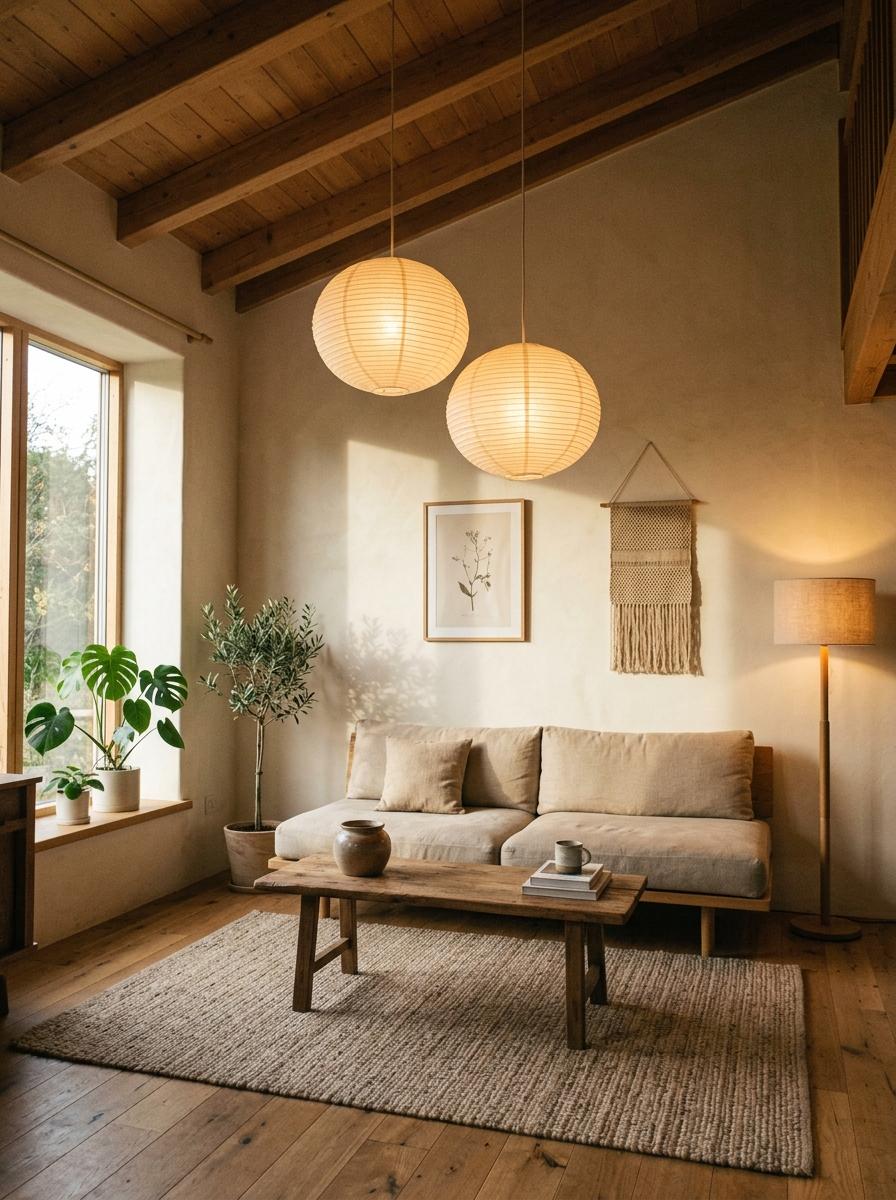

The integration of organic textures within the modern home is orchestrated through a deliberate selection of sustainable luminaires. Within this studied environment, a serene stillness is anchored by the presence of unburdened, weightless forms. Soft shadows stretch across the room, while pale paper pendants provide a peaceful, pervasive glow. These fixtures carve out pockets of warmth, expand the perceived height of the ceiling, and sculpt the surrounding air. The resulting aesthetic balances a commitment to the earth, a reverence for the raw, and a clarity of the craft.
Comments