
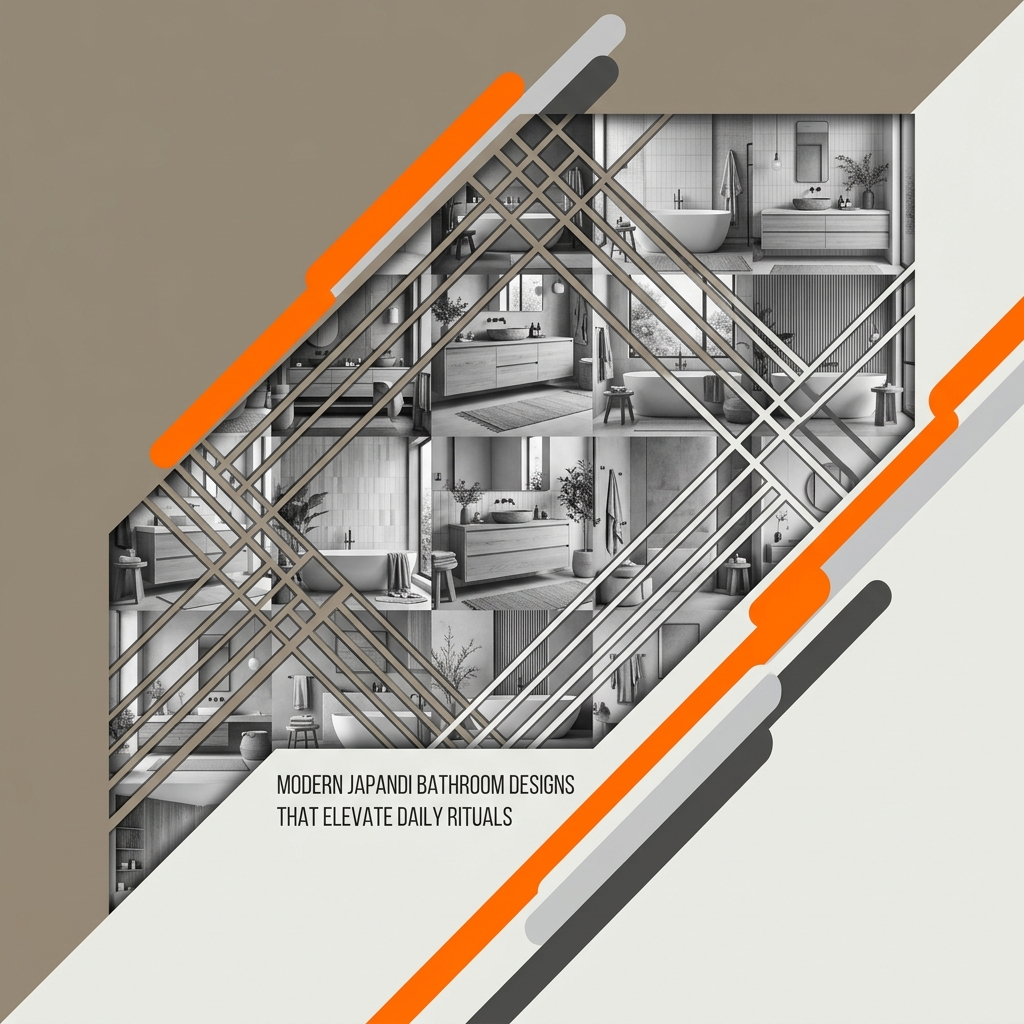
At the intersection of Scandinavian hygge and Japanese wabi-sabi lies a refined synthesis known as Japandi, an aesthetic movement that harmonizes Northern European pragmatism with Eastern impermanence. This design language thrives on a dialectical tension: the environment feels impeccably curated yet profoundly organic, rigorous in its geometry but soft in its soul. To step into a Japandi-inspired bathroom is to experience a tactile narrative defined by haptic, grounding, and atmospheric qualities. Through this study, we analyze how the intentional integration of raw timber, matte stonework, and negative space creates a sanctuary that transcends mere utility, offering instead a rhythmic stillness for the modern home.
Japandi Bathroom Ideas


Minimalist Japandi Bathroom Design
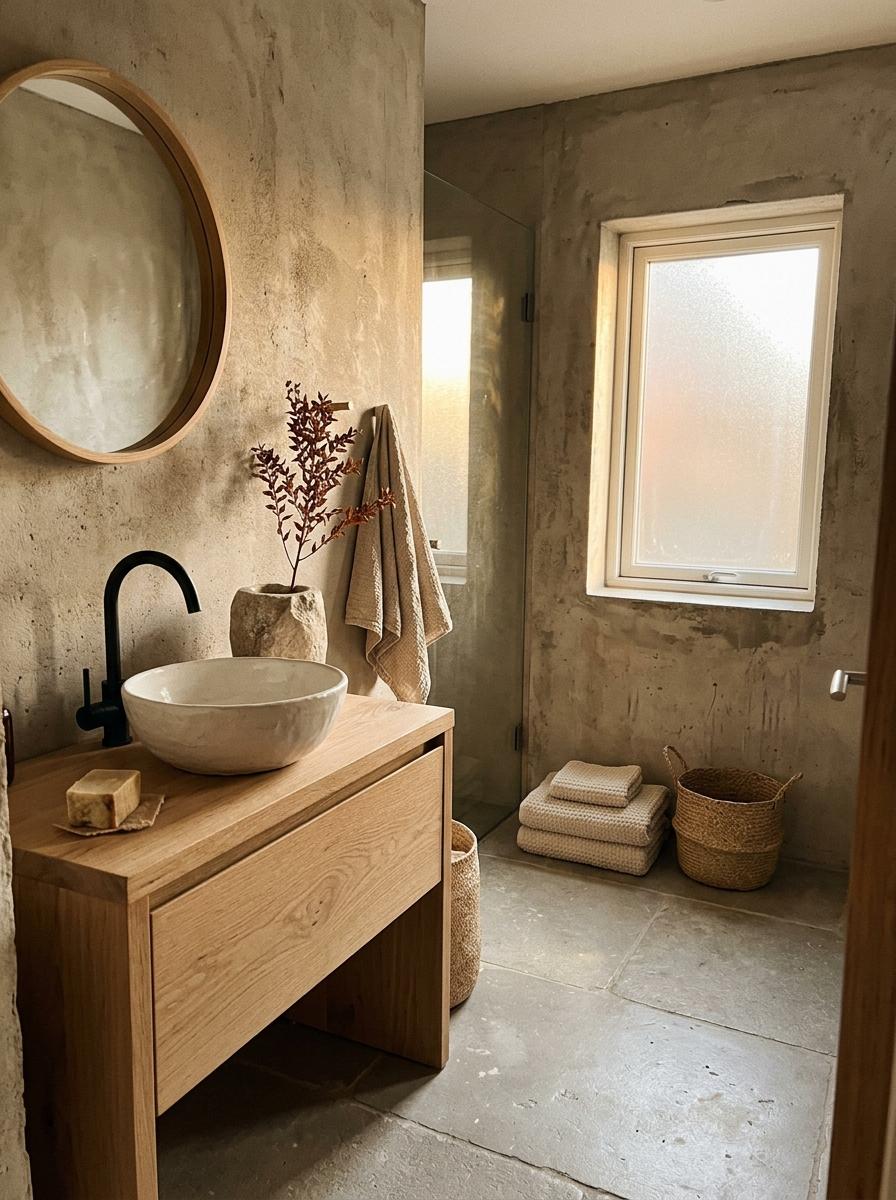

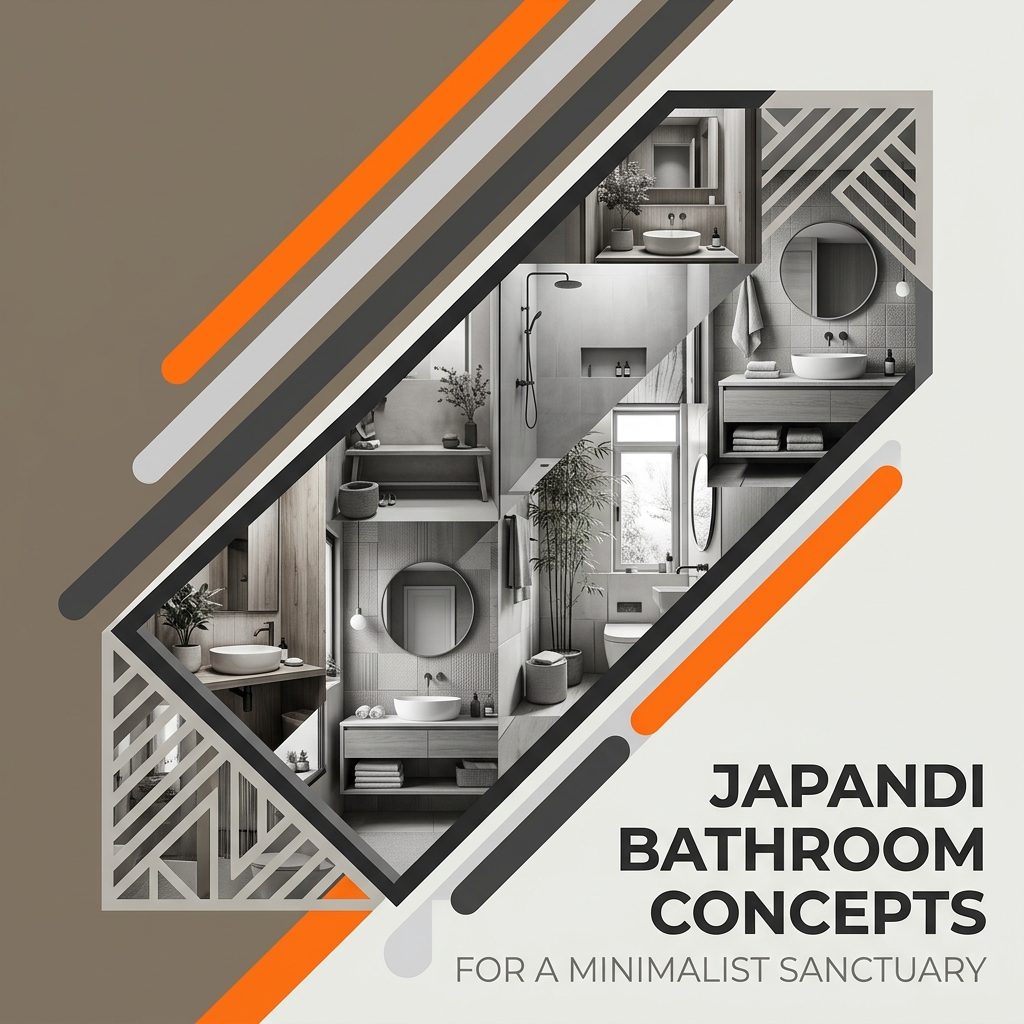
At its core, the Japandi bathroom is a rigorous synthesis of Scandinavian hygge-that emotive quality of coziness-and the Japanese philosophy of wabi-sabi, which honors the transience of the natural world. This aesthetic convergence creates a "meditative functionalism," where the clinical efficiency of Nordic design meets the soulful, weathered imperfection of Eastern Zen. The space is defined by a paradoxical tension: it is starkly utilitarian, yet profoundly inviting; it feels intellectually disciplined, but remains viscerally warm. To step into such a room is to experience a tactile symphony of petrichor-infused stone, grain-heavy white oak, and vaporous, ethereal lighting that dissolves the boundary between the architectural shell and the internal psyche.
Nature Inspired: Wood And Stone Elements In A Japandi Bathroom
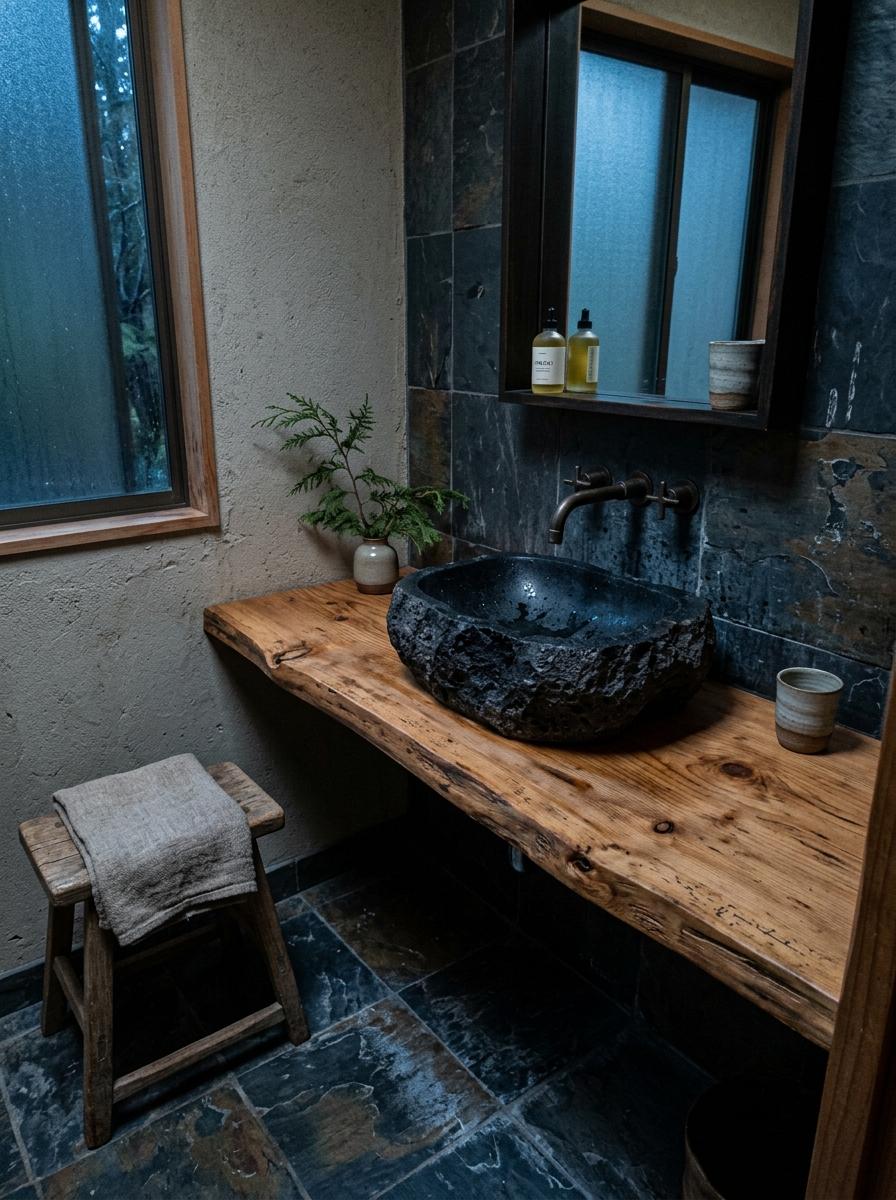

In the curation of a Japandi sanctuary, the dialogue between tactile surfaces defines the spatial rhythm. Note how the inclusion of Hinoki cypress-with its buttery, velvet-smooth grain-interacts with the rugged, porous obsidian of the basin. This juxtaposition creates a structured spontaneity, where the rigorous geometry of Japanese craftsmanship meets the unrefined chaos of Scandinavian geology. As you move through the space, the transition from the radiant warmth of timber underfoot to the cool, calibrated density of slate triggers a profound physiological recalibration; your heart rate decelerates as the scent of wet stone and resinous wood anchors your nervous system. This is not merely a bathroom, but a domestic retreat that mirrors the serene, elemental compositions found at the Amanemu in Ise-Shima, where the material palette serves as a bridge between the architectural interior and the untamed wild.
Sustainable Materials For Your Japandi Bathroom Project
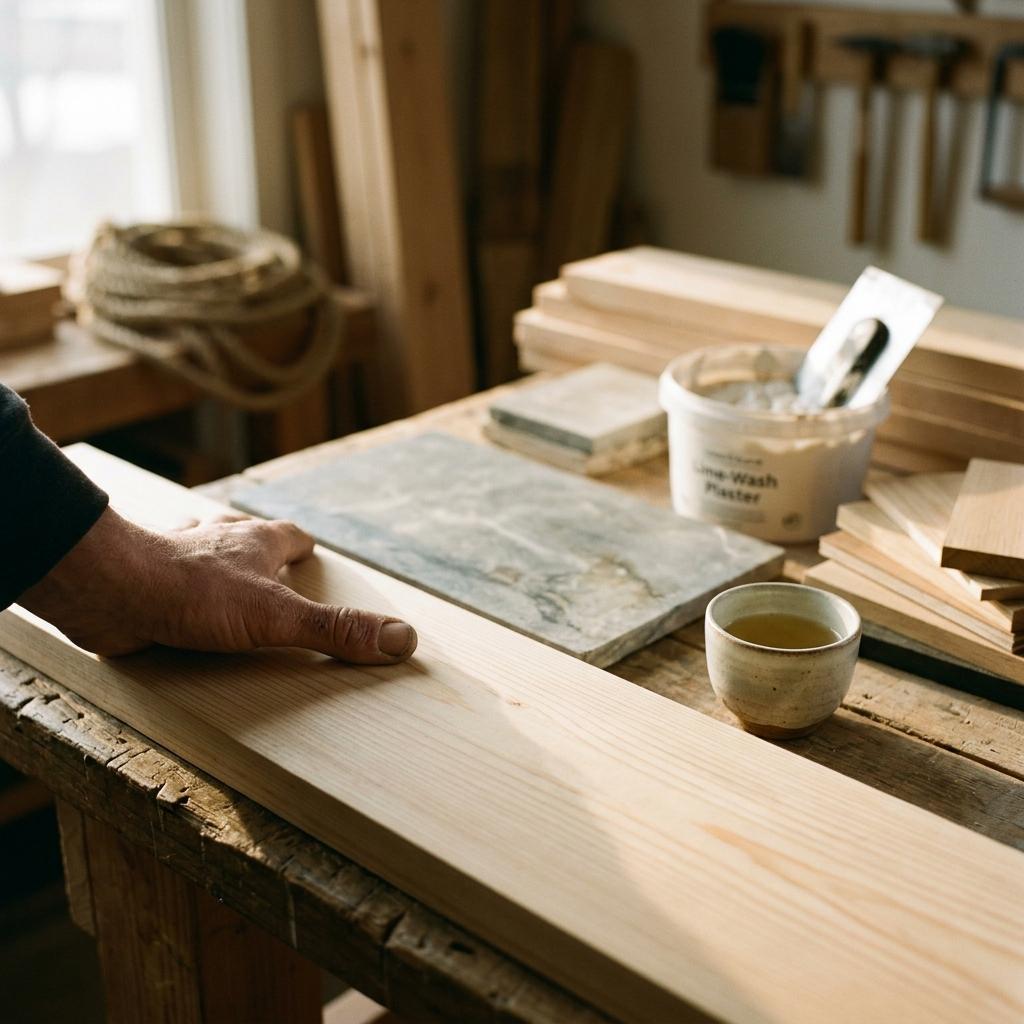

Standing on a rain-slicked Tokyo street, surrounded by the aggressive neon pulse and synthetic hum of the Shinjuku district, I felt a desperate craving for the exact opposite of that sensory overload: the quiet, haptic honesty of a forest floor. I later shared this feeling with a Kyoto-based woodworker who was showing me a slab of reclaimed Hinoki. "The beauty of a sustainable bathroom," he said, pausing to run a calloused thumb over the pale, tight grain of the timber, "isn't just in the ethics of the source... it's in the quiet dialogue between the water and the wood." This juxtaposition-the chaotic, plastic-wrapped exterior world versus the breathable, organic sanctuary of a Japandi interior-highlights the necessity of choosing materials that possess a 'soul.' By prioritizing a palette of tactile limestone, FSC-certified timbers, and lime-wash plasters, we transition from merely building a functional wet room to curating a space defined by environmental stewardship and a refined, minimalist aesthetic.
Transform Your Space With A Functional Japandi Bathroom Layout
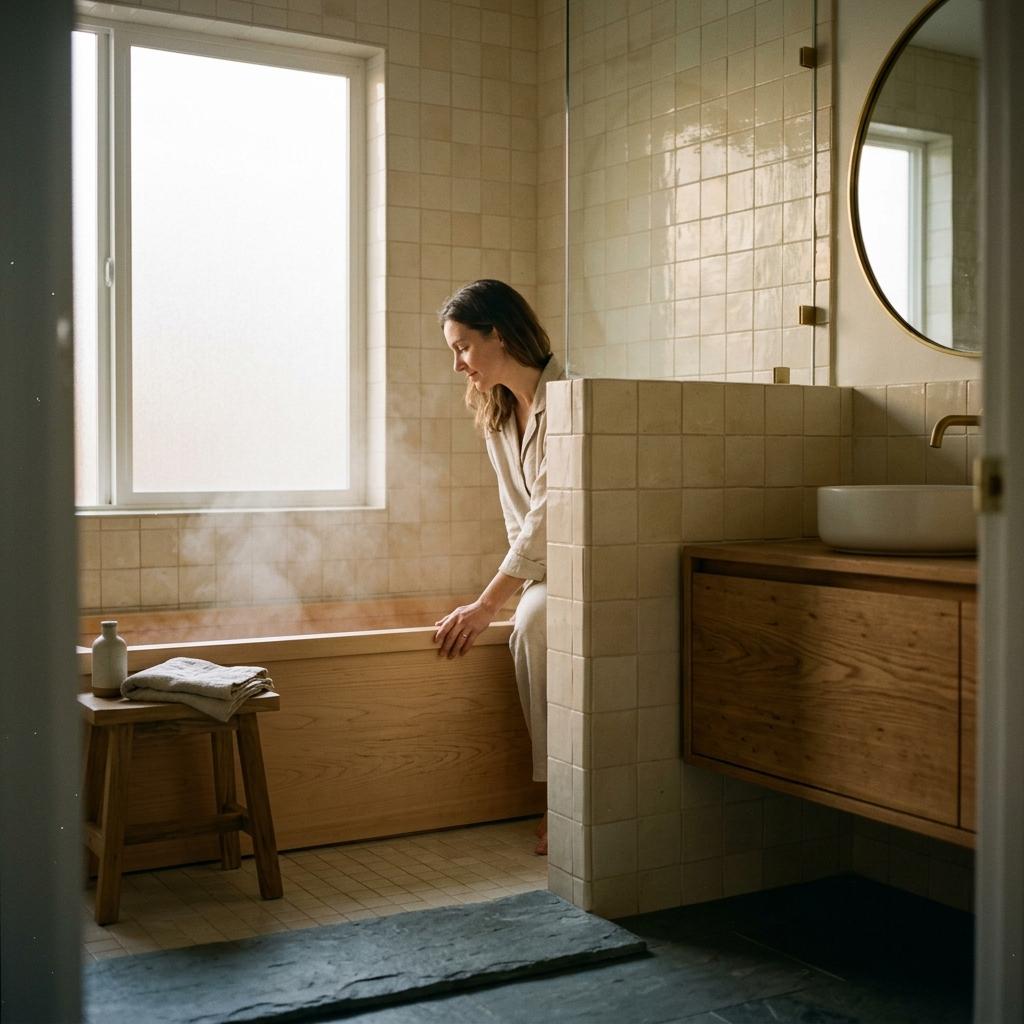

To achieve a truly functional Japandi bathroom layout, we need to first master the interplay between high-tactility surfaces and spatial efficiency. Begin by specifying open-pore hinoki wood for your cabinetry and hand-pressed, matte-glazed ceramic tiles for the wet zones. These materials are chosen not just for aesthetics, but for their sensory duality; the timber offers a warm, fibrous grip against the cold, vitreous sheen of the porcelain. Note how the placement of a low-slung, wall-mounted vanity creates an unbroken plane of floor space, guiding the eye toward the soaking area without visual interruption. This configuration embraces a calculated spontaneity, where every strictly engineered plumbing fixture feels like an organic growth within the room. As you transition from the textured slate threshold to the humid warmth of the shower, notice the shift in your own physical state: the frantic pace of the day dissolves into a visceral stillness, lowering your heart rate as the environment demands a slower, more intentional movement. This is the same design ethos found in the Aman Tokyo or the private onsens of Kyoto's Arashiyama district, where the layout serves as a bridge between rigid architectural discipline and fluid, restorative comfort. By anchoring your floor plan in these specific locational principles, the bathroom ceases to be a mere utility and becomes a sanctuary of structured serenity.
Discover A Quiet Japandi Bathroom Oasis
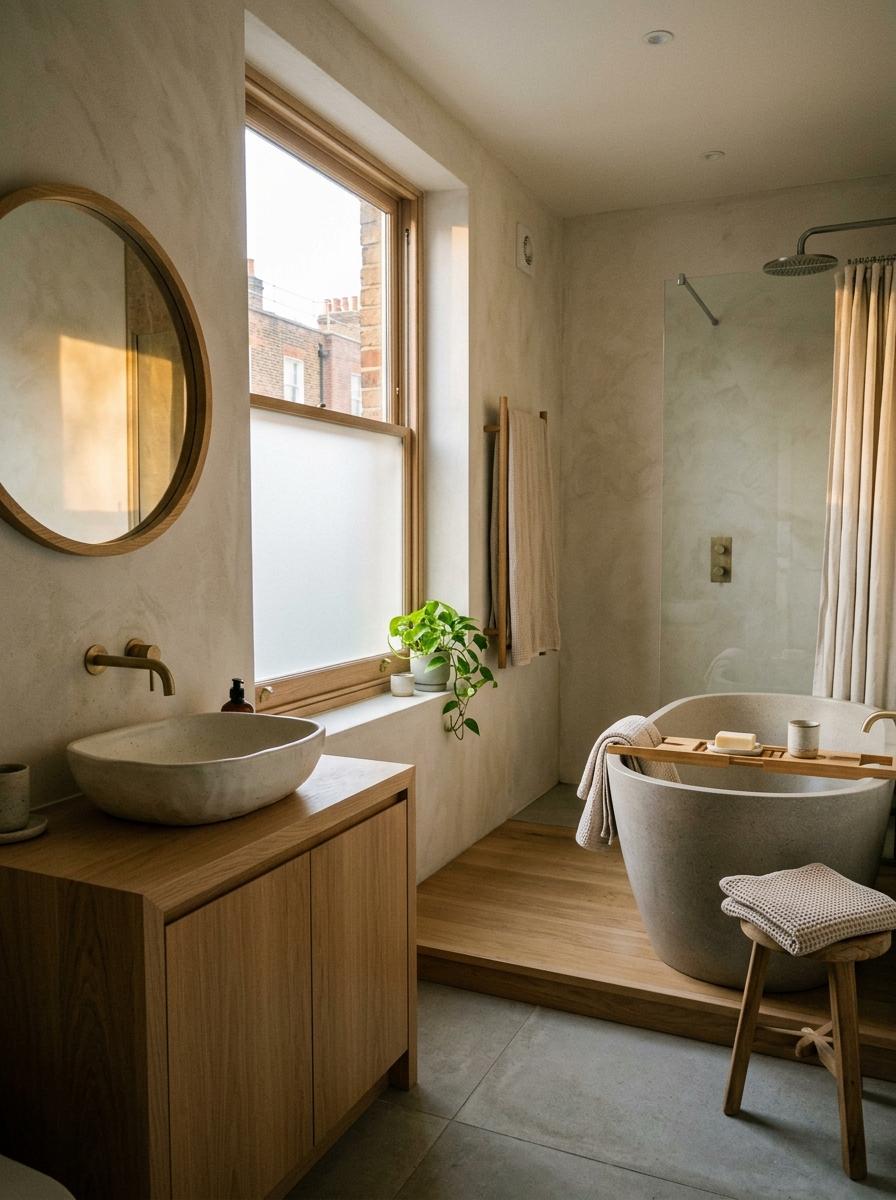

In the evolution of the private washroom, we have moved far beyond the utilitarian, tiled boxes of the mid-century into a new era where the bathroom serves as a secular sanctuary. This transition from a space of mere hygiene to one of meditative ritual finds its peak in a recently completed project in London's prestigious Belgravia district. The residence represents a masterclass in opulent minimalism, where the cold precision of stone meets the organic warmth of white oak. Entrusted to the design team by a repeat client-a mark of the enduring trust required to execute such a nuanced vision-the space achieves its serenity through a precise technical synthesis of diffused rhythmic lighting, mitered joinery, and a curated palette of tactile neutrals.
Natural Light Meets Minimalist Japandi Bathroom Decor
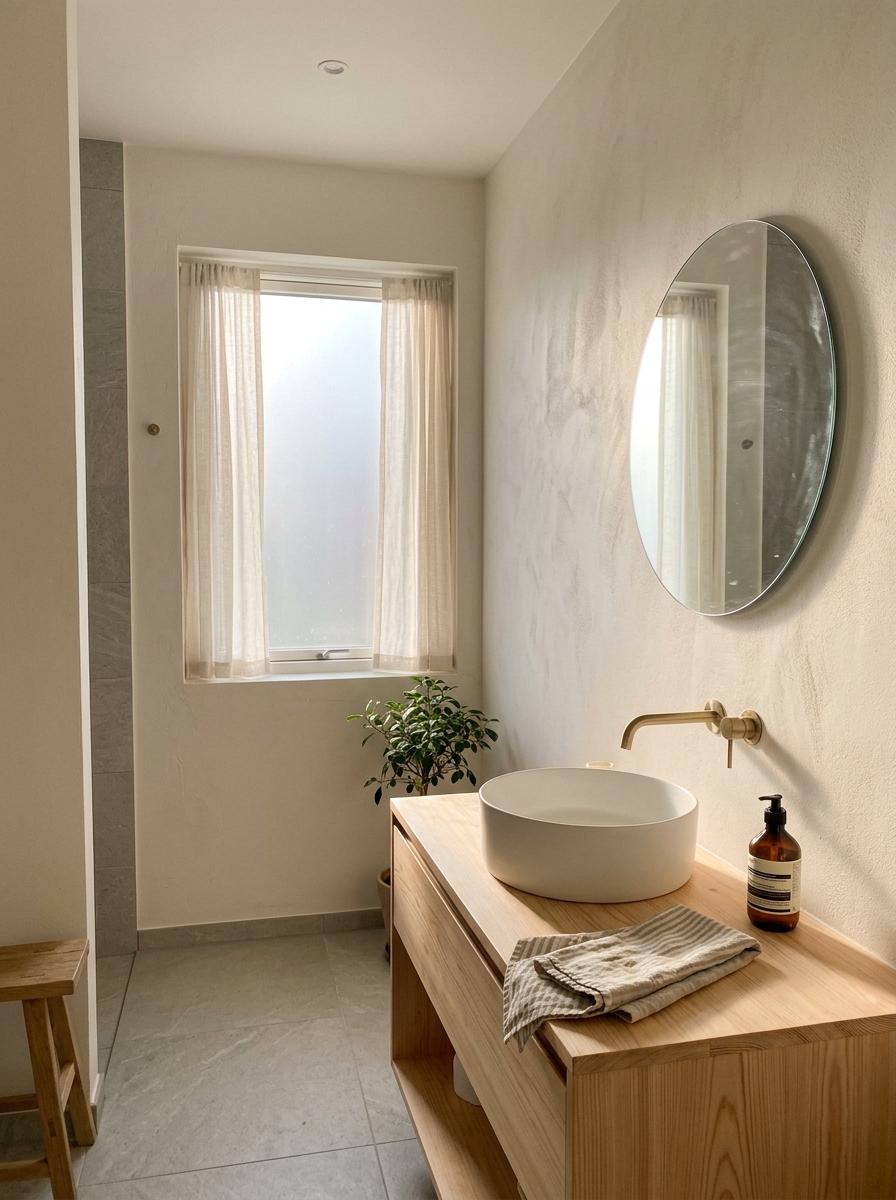

In the quiet periphery of Kyoto's Higashiyama District, the fusion of Scandi-functionality and Japanese Zen reaches its zenith through the strategic manipulation of the sun. Note how the raking morning light strikes the fibrous, open-grain texture of a Hinoki wood vanity, transforming a static utility into a glowing, tactile canvas. This interplay creates a sensation of structured spontaneity, where the rigid geometry of matte-ceramic basins is softened by the unpredictable dance of dust motes in a sunbeam. As the warmth hits your skin, the visual sterility of the minimalist layout dissolves into a visceral pulse of tranquility, lowering your cortisol levels through a purely spatial alchemy. It is a masterclass in hushed intensity; by stripping away the ornamental, the Japandi bathroom allows the raw, unvarnished honesty of natural slate and timber to conduct a symphony of light that heals the spirit before the day even begins.
Earthy Tones In A Modern Japandi Bathroom Suite
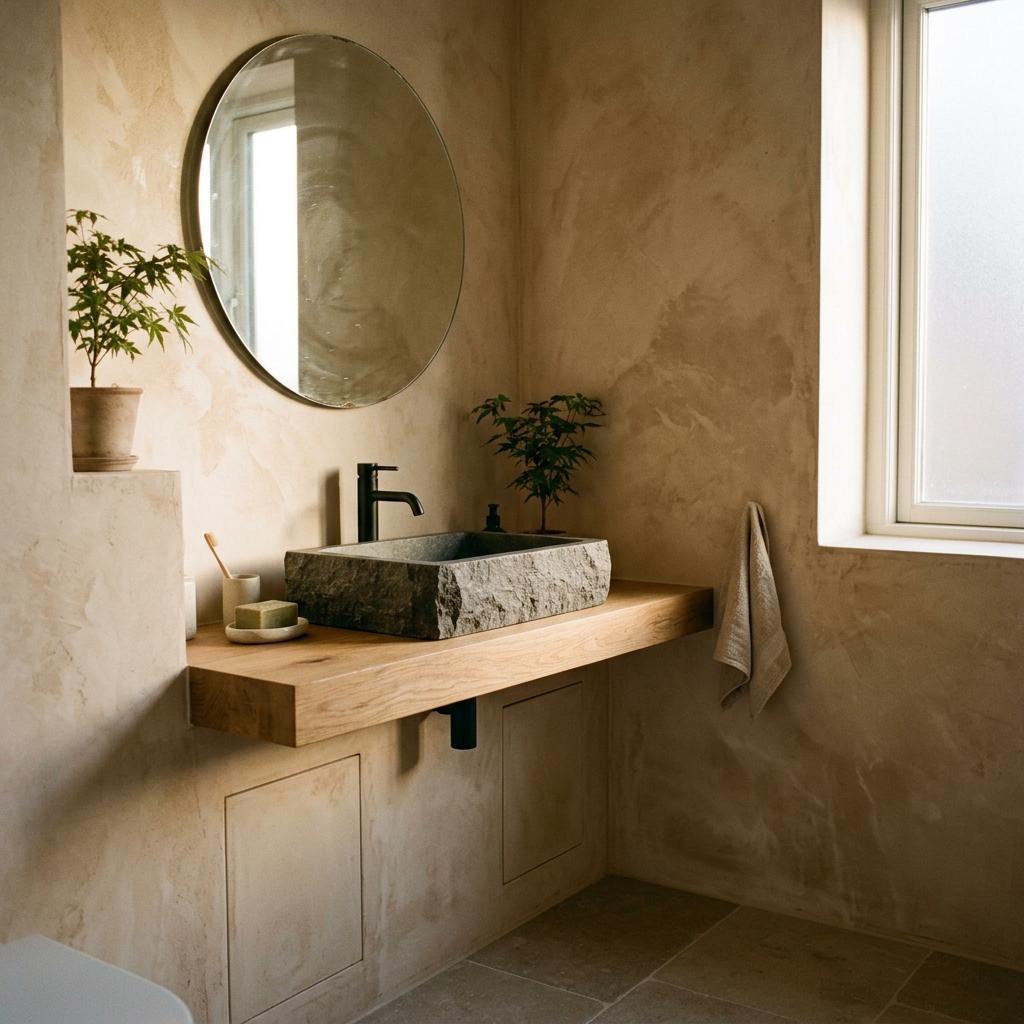

The Japandi bathroom suite serves as a sanctuary of atmospheric grounding, where the echoing sterility of modern porcelain is replaced by a cocoon of subterranean warmth, anchoring the bather in a niche of quietude. This space exists as a structured spontaneity, a figurative paradox where the rigid discipline of minimalist geometry is softened by the unpredictable, organic movement of clay-based pigments. This structural dualism creates a definitive boundary between the chaotic velocity of the external world and the rhythmic stillness of the interior retreat. To achieve this tactile depth, the design relies on material specificity, pairing the cool, honed surface of Basaltina stone basins with the porous, velvety texture of limestone plaster walls. Every element is refined through functionalist specification, where integrated drainage channels and recessed timber cabinetry act as a pragmatic solution to visual clutter, ensuring that the suite's earthy soul remains unburdened by the mechanics of modern utility.
How To Achieve A Clean Japandi Bathroom Aesthetic
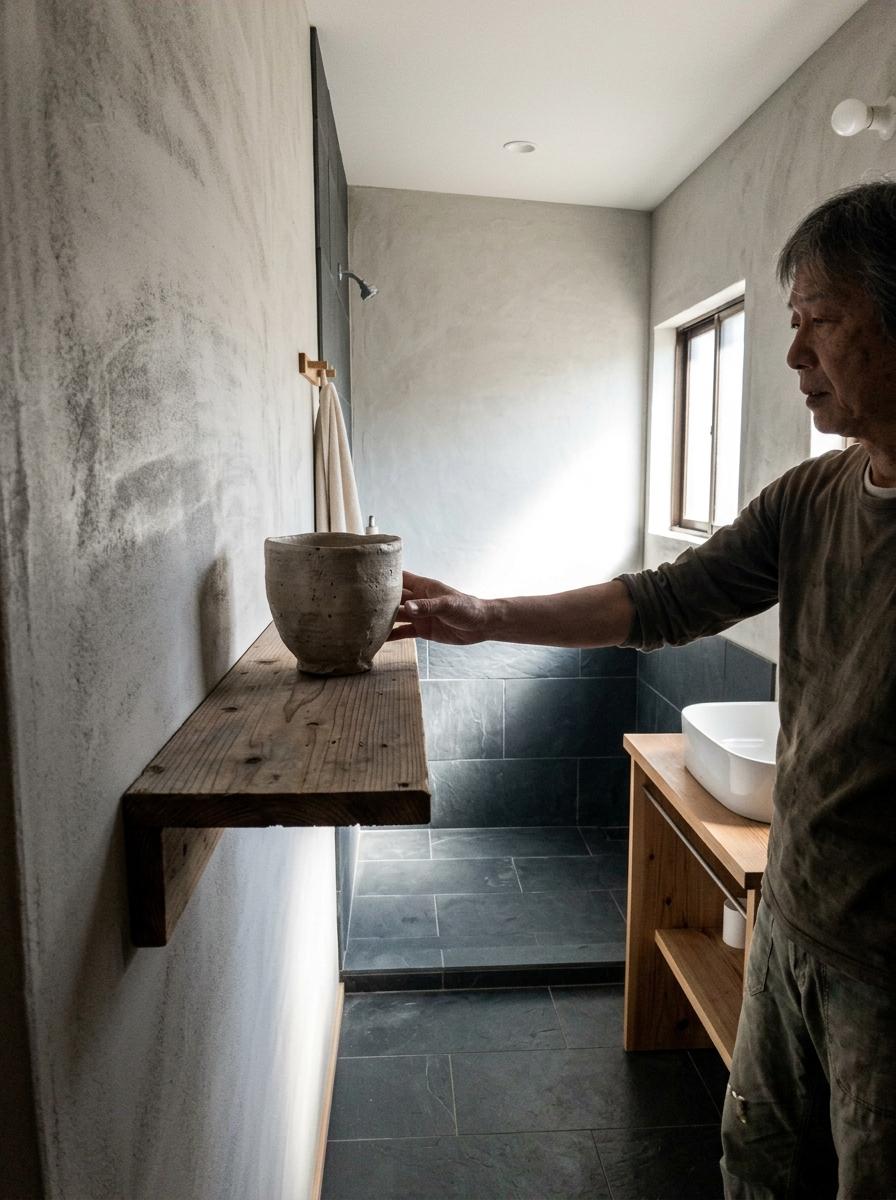

When I first stepped into the bathroom of a renovated machiya in Kyoto, I was struck by the sensory shift from the chaotic, neon-drenched streets of Shijo-dori to a space defined by profound stillness. "The secret isn't just the cedar," my host explained, pausing to adjust a single ceramic vessel, "it's the way the light-that soft, diffused glow-settles on the imperfections of the stone." This deliberate tension between the rustic, weathered charm of wabi-sabi and the uncompromising precision of Scandinavian functionalism is what defines the Japandi bath. By replacing cluttered plastic surfaces with the haptic richness of matte slate and tactile wood grains, we move away from the cold, clinical feel of a standard utility room toward a sanctuary of architectural intent. Achieving this clean aesthetic requires a mastery of spatial compression and "breathing room," where every fixture serves as a quiet anchor in the daily ritual of purification.
Incorporating Bamboo Into A Luxury Japandi Bathroom
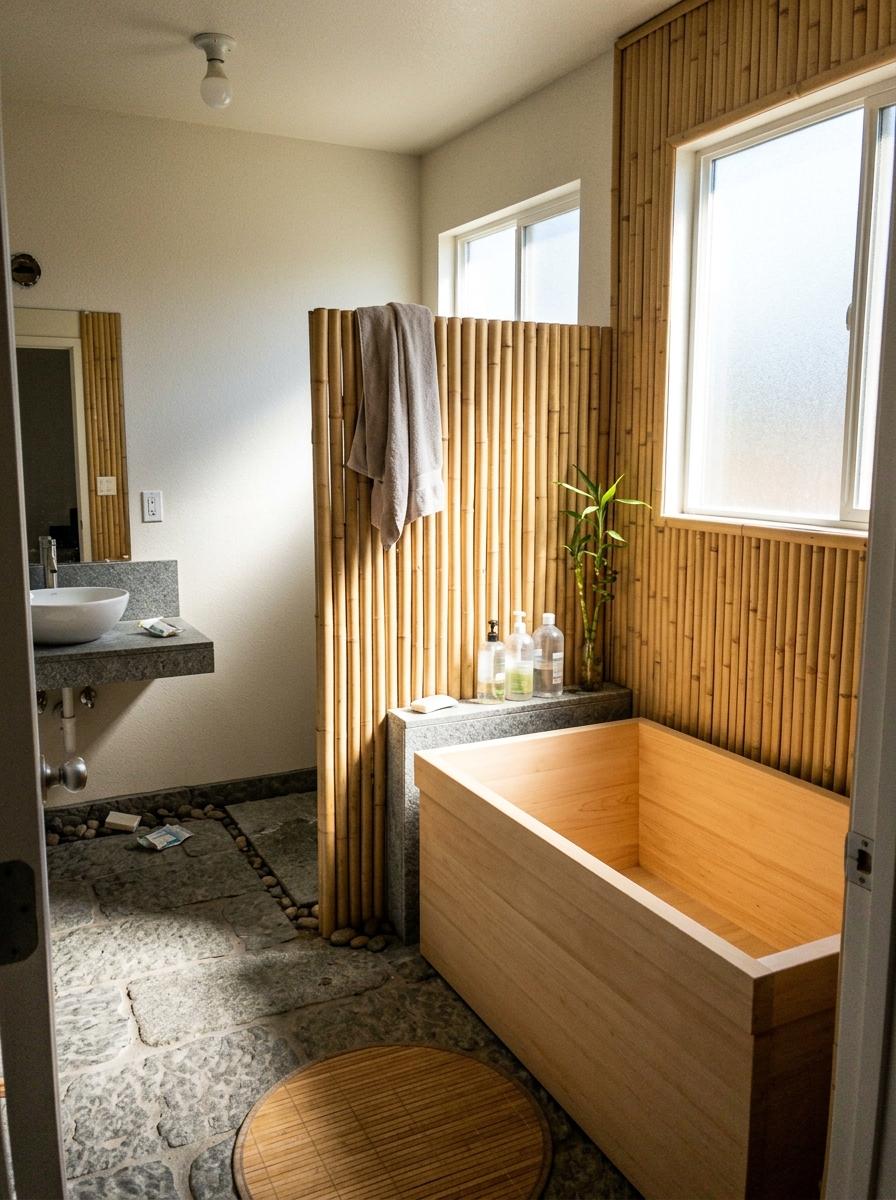

Within the master ensuite of this Tokyo residence, a sanctuary of stillness is constructed through the deliberate application of sustainable materials. The layout is defined by a sparse, shadowless clarity, where the presence of pale timber and polished stone evokes a sense of hushed, hollowed peace. Bamboo slats breathe life into the vertical planes, balancing the rigid stone with a soft, sylvan serenity. These organic textures stretch the perceived boundaries of the room, carving out a void that frames the functional elements as singular works of art. The design expands the visual volume, anchors the wandering mind, and elevates the daily ritual into a meditative experience.
Small Apartment Living With A Japandi Bathroom Focus
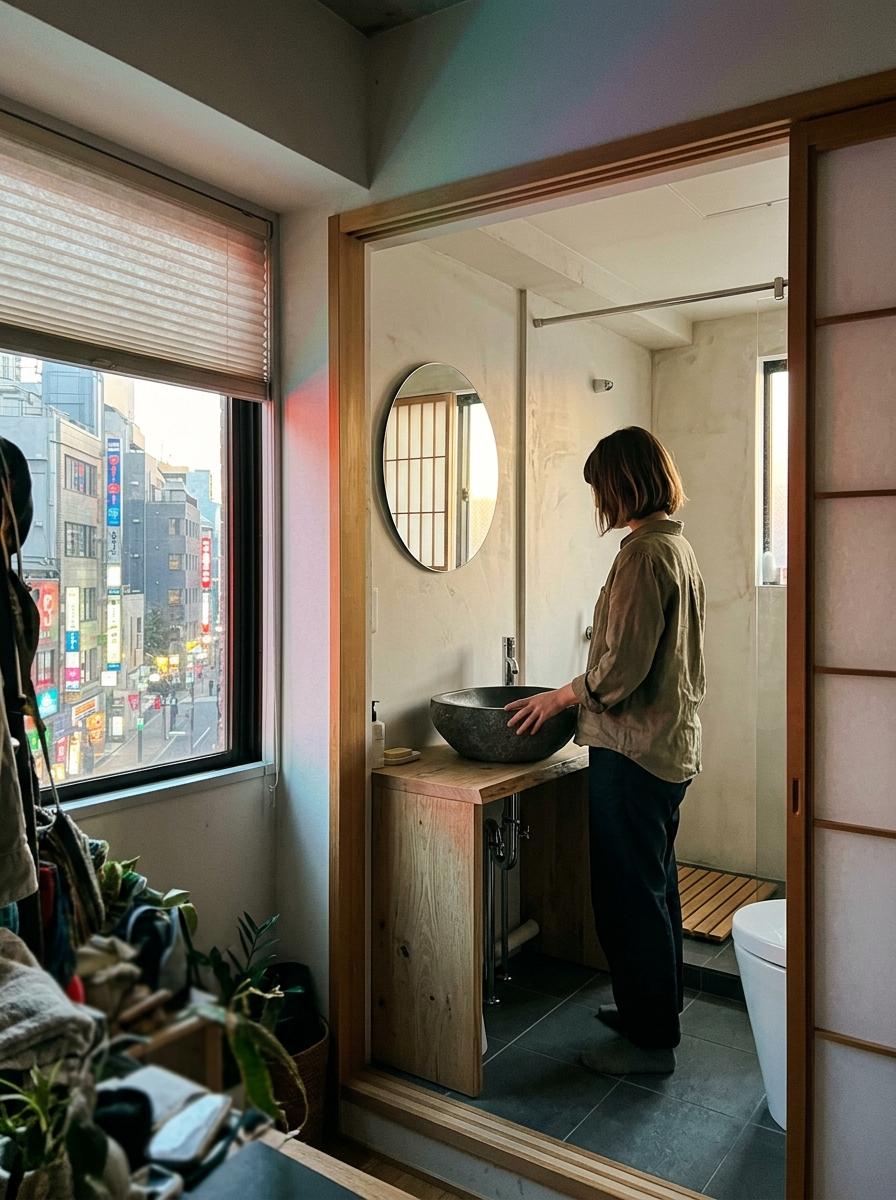

Standing in the center of a cramped, neon-lit studio apartment in downtown Tokyo, I felt the city's frantic cacophony vibrating through the thin glass panes. "The challenge isn't the square footage," my host, a minimalist curator, remarked as she gestured toward a sliding shoji screen. "It is," she paused, running her hand along a cool, matte stone basin, "the intentionality of the void." By replacing the cluttered plastic shelving common in urban rentals with a bespoke vanity of reclaimed white oak, she had transformed a utilitarian washroom into a sanctuary of tactile warmth. This stark juxtaposition-the frantic, high-decibel energy of the street versus the hushed, organic textures of her private retreat-illustrates the transformative power of a Japandi-inspired wet room. By marrying the rustic imperfection of Wabi-sabi with the sleek, high-functioning linearity of Scandinavian craft, we find that even the smallest footprint can accommodate a profound sense of ritual. Indeed, this delicate balance of hygge and zen provides the ultimate blueprint for reclaiming tranquility in the heart of a crowded metropolis.
Textured Walls Enhance This Sophisticated Japandi Bathroom
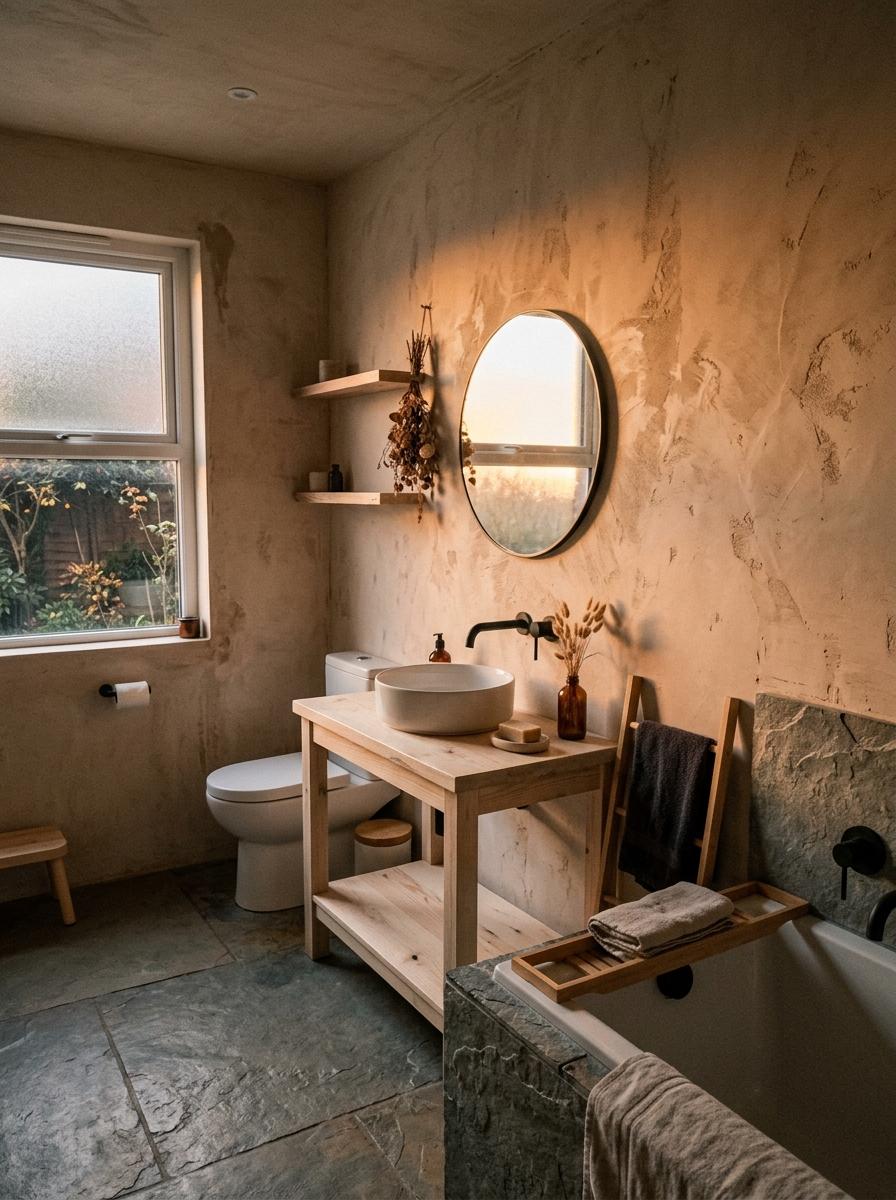

The minimalist vision for this private sanctuary was realized through a meticulous blending of Scandinavian utility and Japanese serenity. Within this quiet enclave, the monochromatic surfaces and unadorned fixtures establish a distilled atmosphere of pristine order. This soft, stone-like texture creates a tactile tranquility, weaving warmth throughout the washroom's walls. The layout actively carves out a sense of boundless openness, expanding the visual field and directing the eye toward the light. Every intentional detail serves to bridge the gap between structure and soul, manifesting in a composition of raw plaster, pale timber, and polished slate.
Neutral Color Palettes For A Timeless Japandi Bathroom
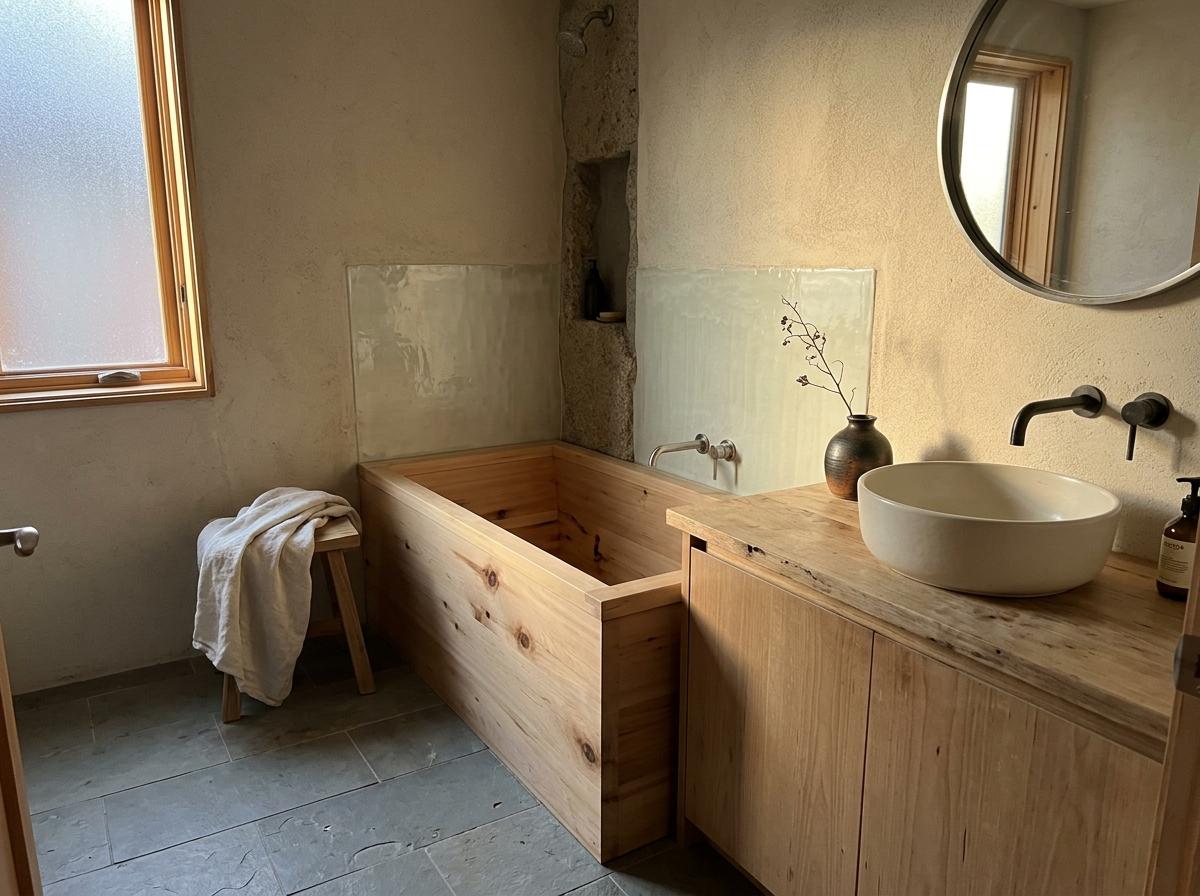

To achieve a timeless Japandi bathroom, we can first master the art of synthesis: the fusion of Scandi-industrial functionality with the Zen-inspired principles of Wabi-sabi to create a sanctuary of curated tranquility. This aesthetic relies on a sophisticated palette of achromatic foundations-oatmeal, slate, and bone-interspersed with the warmth of low-chroma wood tones. The result is a space that feels clinical yet soulful, an exercise in rigorous minimalism that nevertheless offers a soft, haptic invitation to rest. By layering ephemeral, translucent glazes against the tactile, mineral grit of stone, the designer evokes a sensory landscape that is simultaneously grounding and ethereal, proving that true luxury lies in the intentional absence of noise.
Sleek Fixtures Defined By Japandi Bathroom Principles
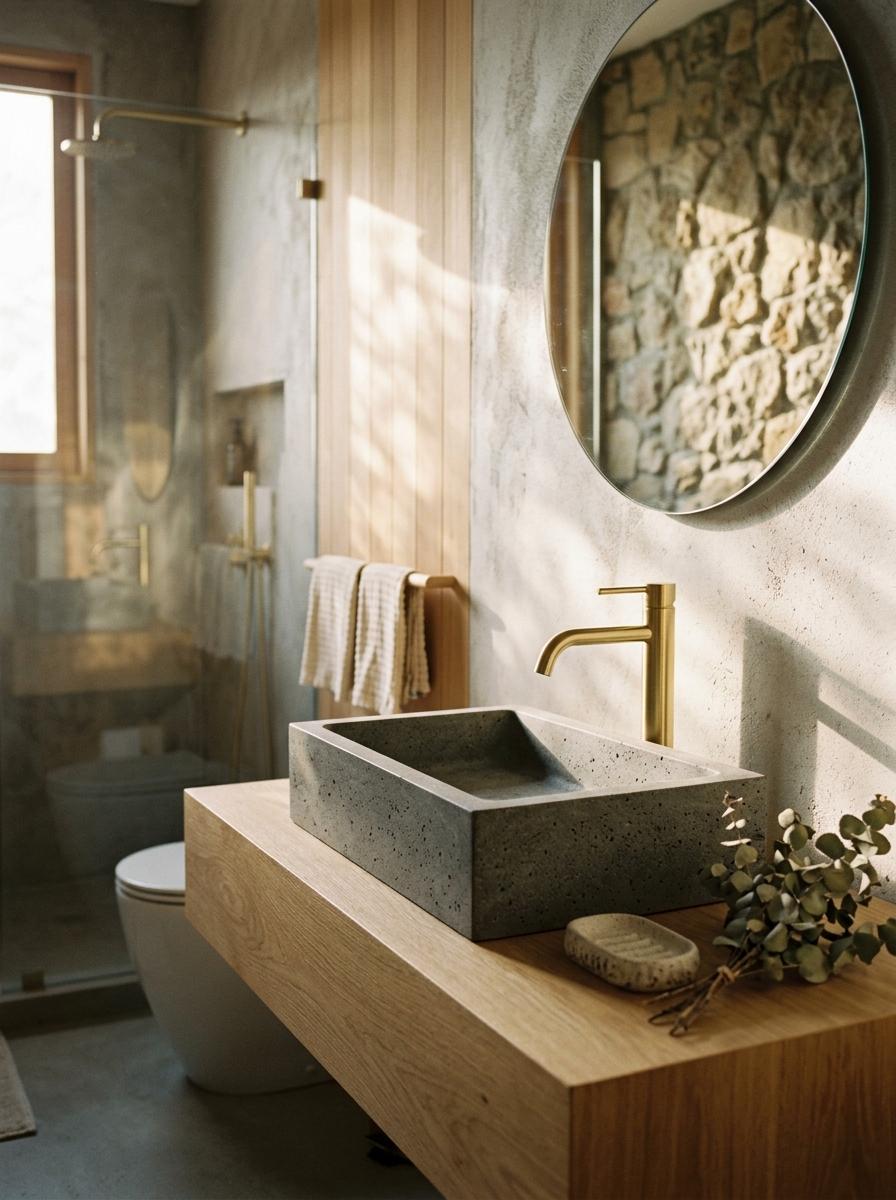

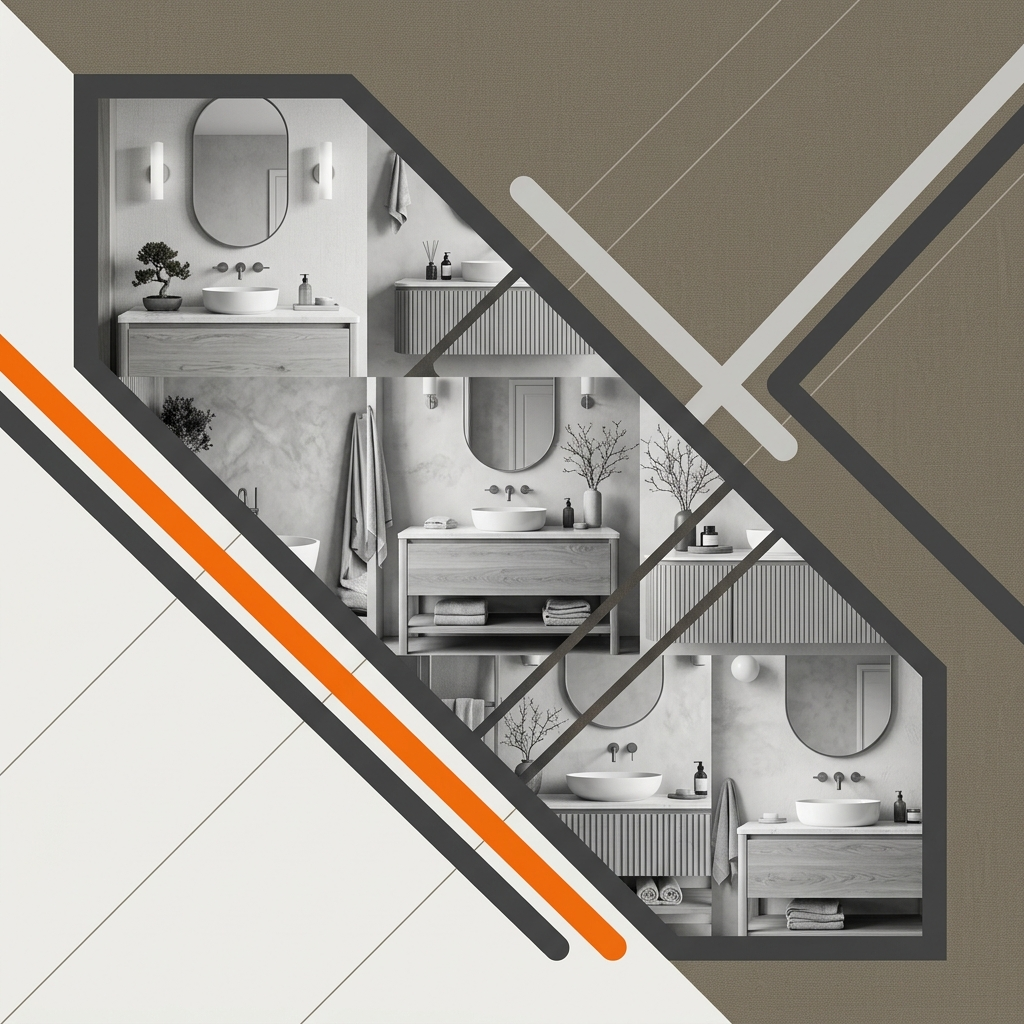
In the modern Japandi bathroom, the atmosphere is grounded by a deliberate calibration of negative space, where the bathroom is no longer a utility closet but a sanctuary of quietude, anchored by the stillness of a monolithic stone basin. Within this niche, we find a figurative paradox-the concept of organic precision-where the fluid, unpredictable soul of nature is reconciled with the rigid, calculated geometries of contemporary engineering. This tension is heightened by a structural dualism that defines the room: the external shell remains rugged and primitive, while the internal mechanisms are polished and hyper-refined. To achieve this, material specificity is paramount; one might encounter the matte, porous texture of volcanic basalt juxtaposed against the clinical, frictionless sheen of brushed PVD-coated champagne gold. Ultimately, these aesthetic choices serve a functionalist specification, where concealed thermostatic valves and recessed aerators integrate seamlessly into the architecture, transforming the ritual of cleansing into a streamlined solution for sensory decluttering.
Organic Shapes Within A Contemporary Japandi Bathroom
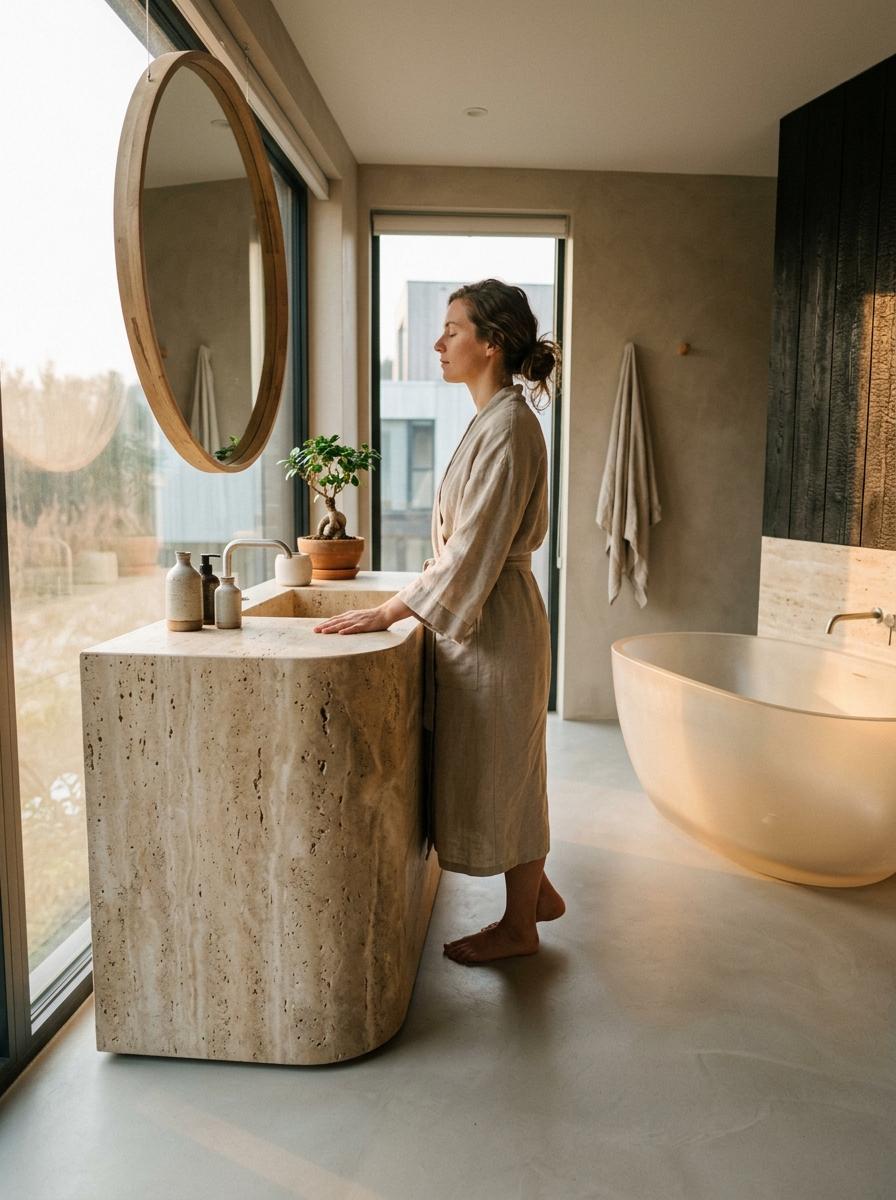

In this contemporary Japandi sanctuary, the architectural rigidness of a Tokyo high-rise dissolves into a landscape of soft, tectonic fluidity. Note how the monolithic vanity, carved from honed, open-pore Travertine, anchors the space with a heavy lightness-a paradoxical weight that feels as though it is floating atop the micro-cement flooring. This interplay of material-specific textures, from the fibrous grain of Shou Sugi Ban accents to the translucent, glass-like finish of a matte resin soaking tub, serves to lower the heart rate and quiet the nervous system. As the palm meets the cool, calciferous surface of the stone, the initial shock of the material's mineral density gives way to a profound sense of grounded stillness, transforming a routine ablution into a visceral meditative rite. It is here, within the dialogue between organic silhouettes and disciplined minimalism, that the home ceases to be a mere structure and becomes a resonant vessel for physical restoration.
Inside A Peaceful Retreat Featuring Japandi Bathroom Elements
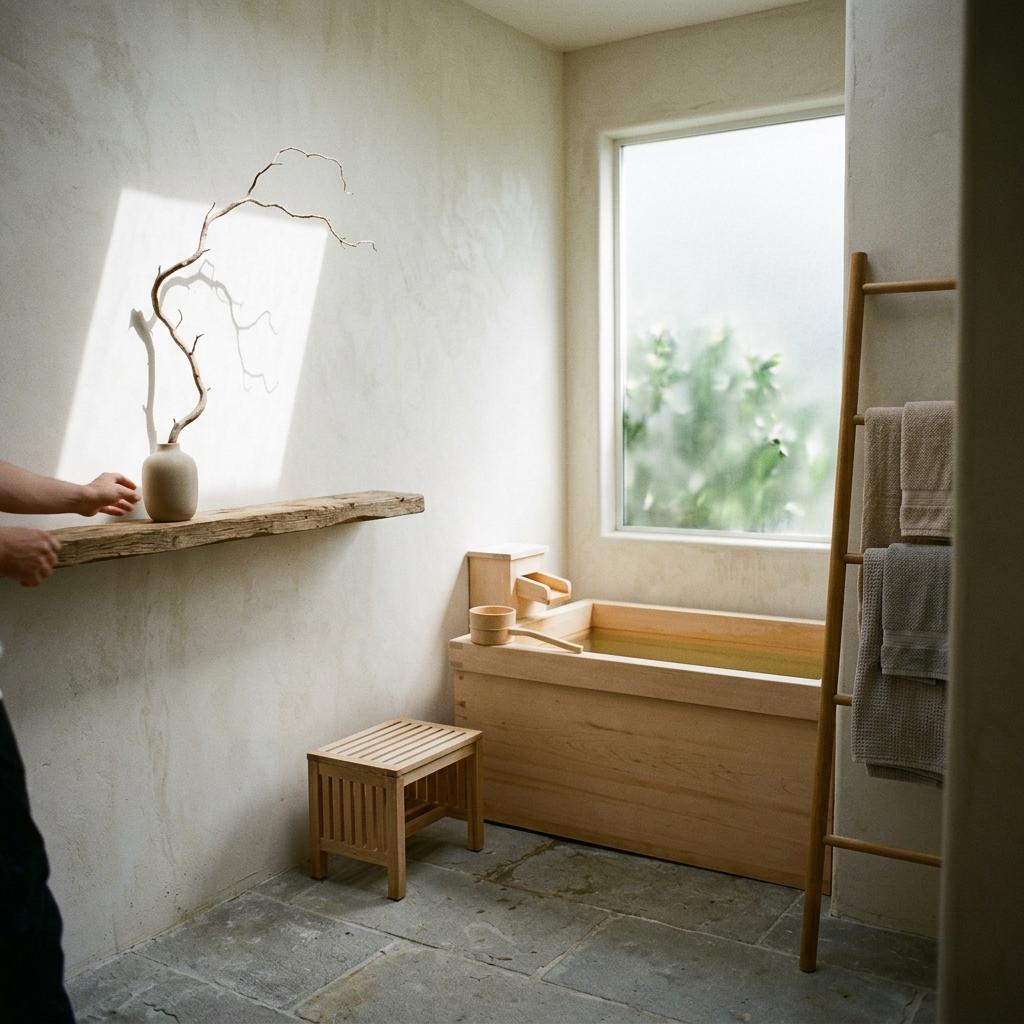

Stepping off the frantic, asphalt-slicked streets of the city, I felt the immediate, heavy silence of the foyer settle over me like a linen shroud. "The goal was never just a renovation," the homeowner explained, trailing a hand over a wall of matte, tactile plaster, "but a complete recalibration... of how we breathe within our own walls." This deliberate juxtaposition-the chaotic kinetic energy of the urban exterior versus the stillness of this interior-is where the Japandi aesthetic finds its pulse. We navigated the corridor toward the primary suite, where the transition from public to private space was signaled by a shift toward organic materiality. "We stripped back the ornamentation," she continued, pausing to adjust the angle of a lone, sculptural branch, "to let the negative space actually do the work." In this sanctuary, the sharp precision of Scandinavian functionalism melts into the rustic, wabi-sabi imperfections of Japanese craft, creating a holistic environment that elevates the domestic ritual into a form of meditative art. Nowhere is this intentional balance more palpable than in the bathroom, a space that serves as the ultimate case study for how minimalism can feel profoundly soulful.
Functional Simplicity In A Japandi Bathroom Renovation
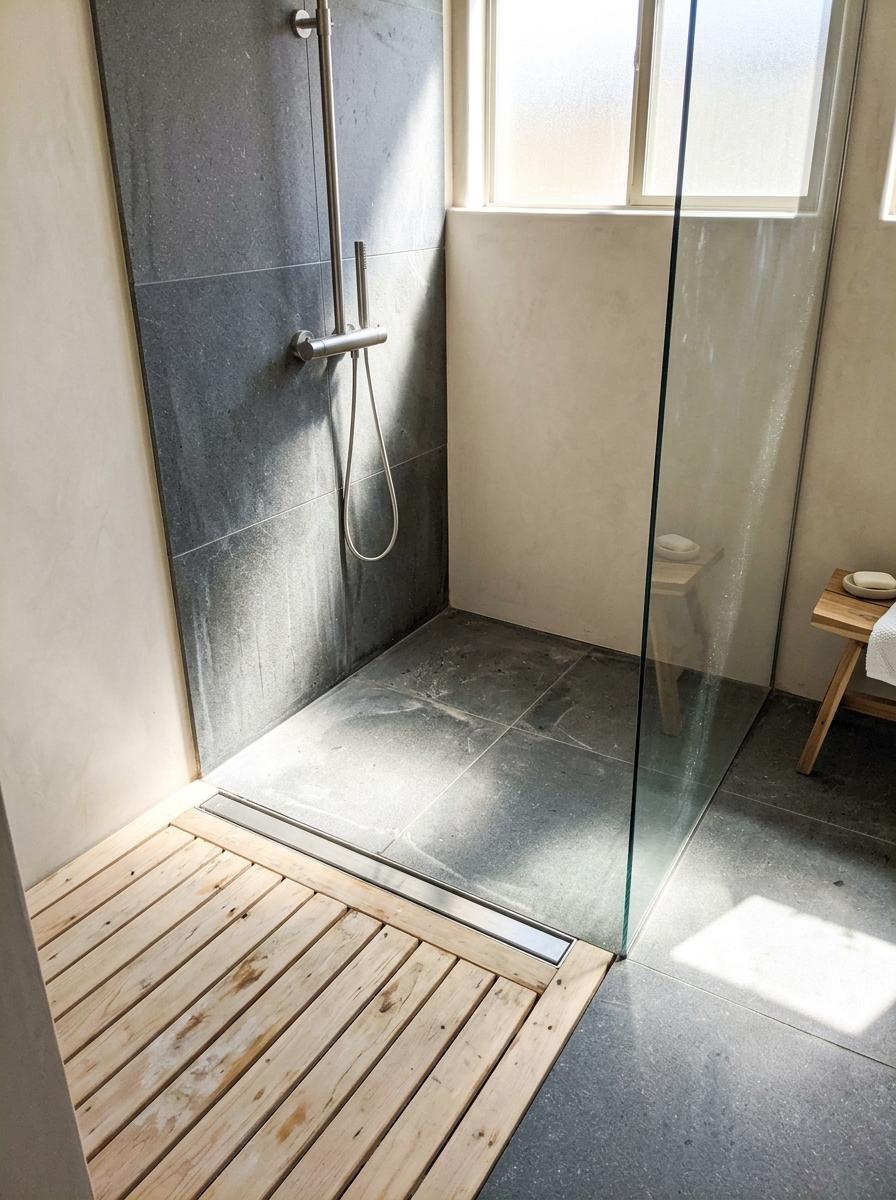

In this Japandi bathroom renovation, the threshold transitions from the cluttered velocity of urban life into a dampened acoustic chamber, where the air holds a cool, subterranean weight. This curated emptiness serves as the room's foundation, proving that a space can be simultaneously vacant and overflowing with intent. While the exterior world demands high-frequency stimulation, the interior architecture here retreats into a state of "low-resolution" luxury, creating a sharp structural dualism between the chaotic public sphere and this private sanctuary of stillness. The tactile narrative is driven by honed Basaltina stone tiles and unfinished Hinoki wood slats, materials that invite a haptic dialogue between the porous warmth of the grain and the dense, obsidian chill of the floor. Ultimately, the design finds its resolution in the recessed linear drainage systems and integrated thermostatic valves, industrial utilities that disappear into the geometry to ensure that the ritual of cleansing remains entirely uninterrupted by the mechanics of the house.
This Modern Home Blends Scandi Utility And Japanese Style In The Bathroom
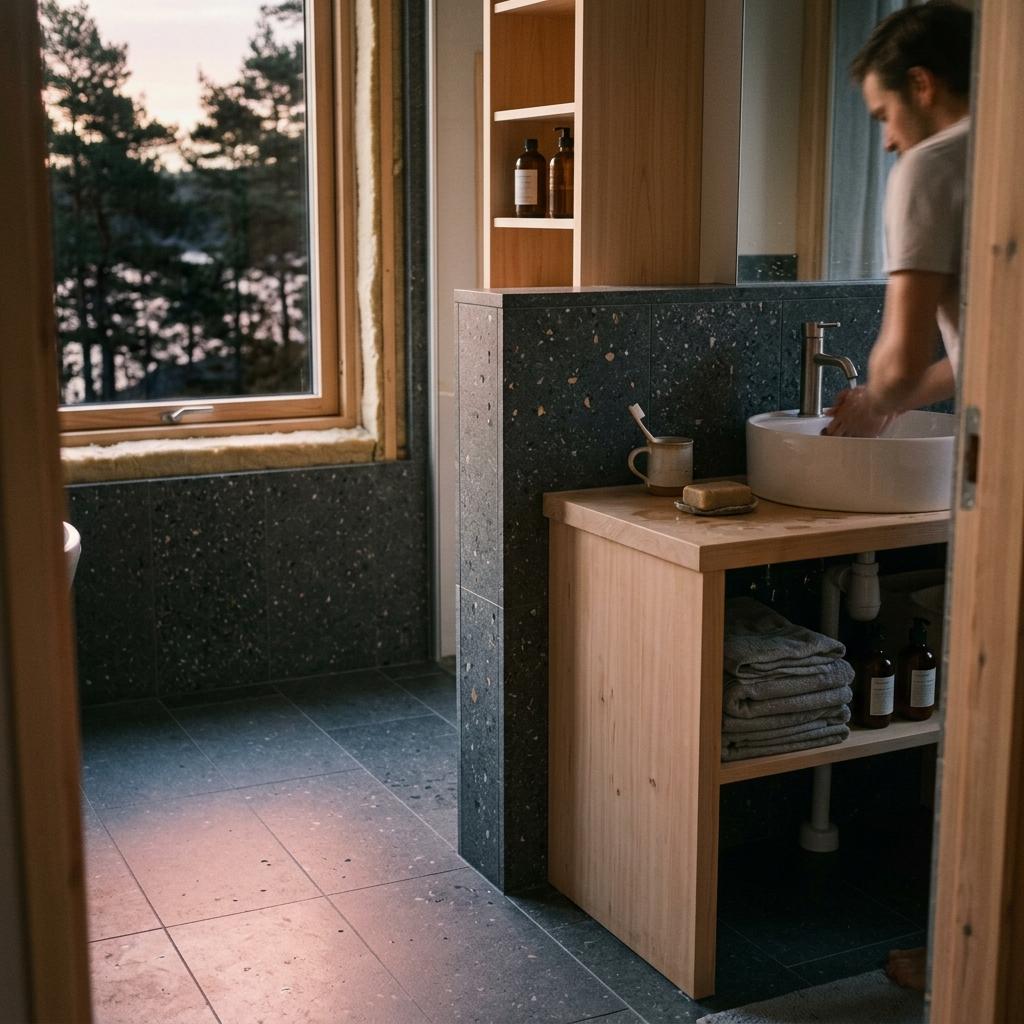

In this Kyoto-inspired sanctuary nestled within a rugged Stockholm archipelago villa, the bathroom transcends its utilitarian roots to become a masterclass in hybrid aesthetics. Note how the tactile juxtaposition of honed, obsidian-flecked basalt tile meets the velvety, aromatic warmth of untreated Hinoki cypress cabinetry, creating a space defined by a structured fluidity. This intentional friction between the cold, stoic stone and the living timber results in a complex simplicity that demands a physical surrender; as you step onto the radiant-heated floors, the tension in your chest unfurls, replaced by a deep, rhythmic calm that mirrors the steady hum of Northern European efficiency. By grounding the ethereal philosophy of Wabi-sabi within the disciplined framework of Swedish Lagom, the design achieves a luxurious austerity, transforming a daily routine into a visceral ritual of sensory restoration.
Experience The Minimalist Beauty Of A Japandi Bathroom
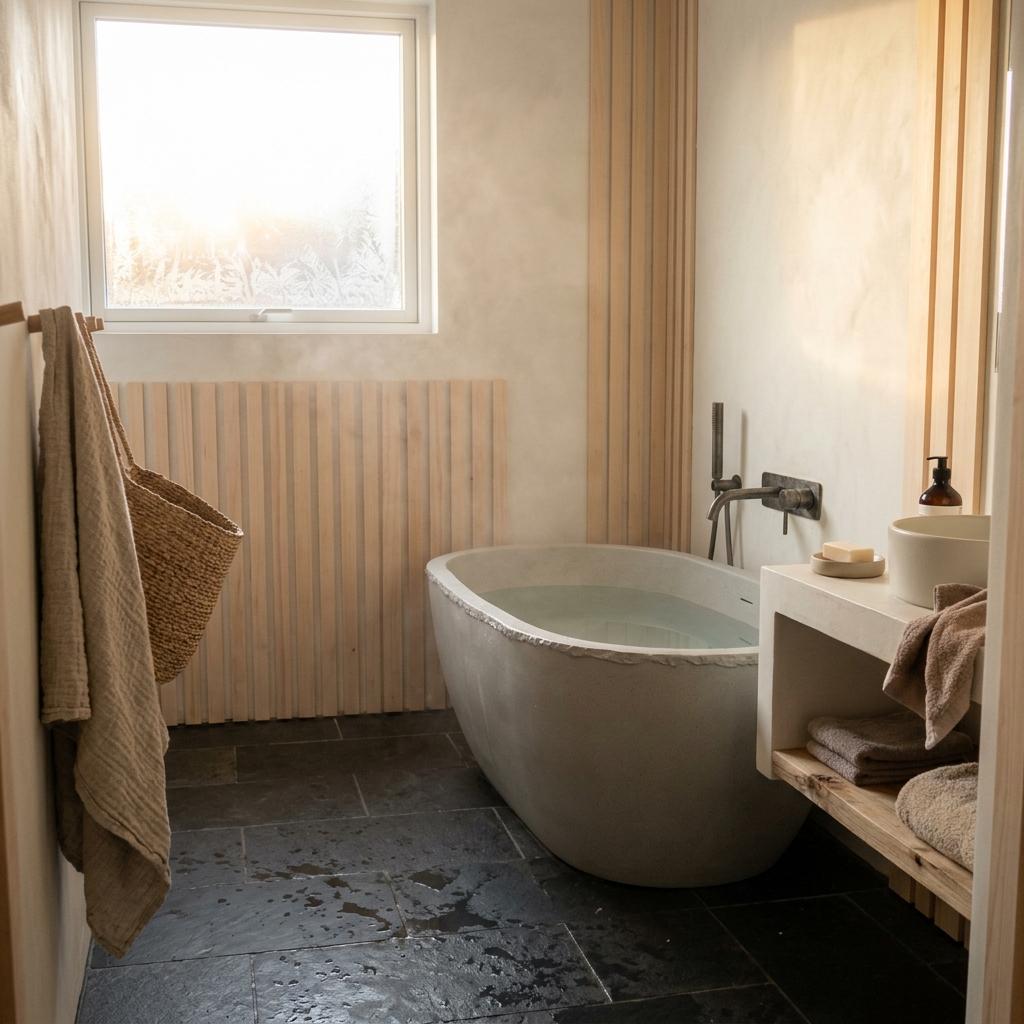

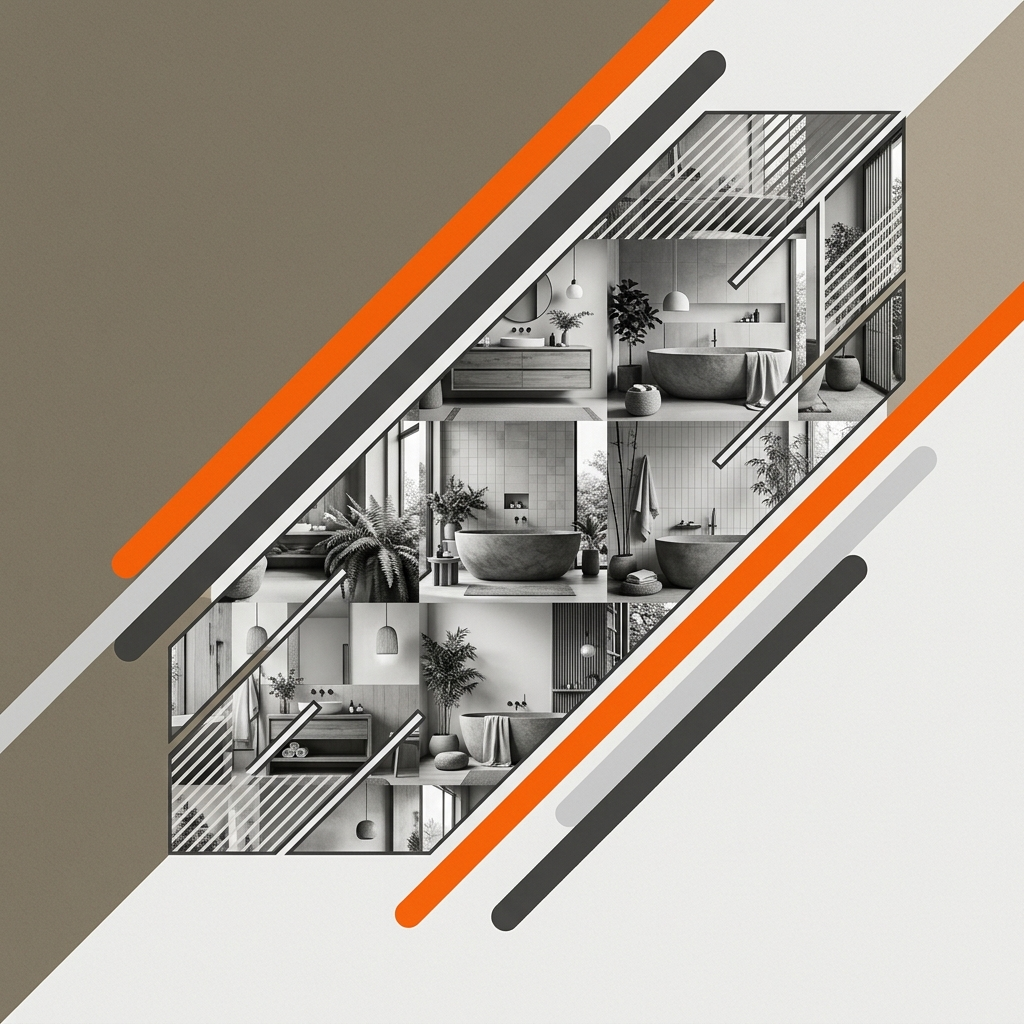
Stepping into a Japandi bathroom is an act of entering a humid sanctuary where the clinical precision of a laboratory meets the restorative silence of a forest glade. This space thrives on a calculated organicism, a conceptual synthesis where the rigid geometry of modern life is softened by the unpredictable grain of nature, forcing a reconciliation between the sterile and the soulful. While the external world remains a chaotic theater of visual noise, the internal landscape of the room is defined by a rigorous editing of form, creating a structural dualism that protects the inhabitant from the peripheral clutter of daily existence. Tactile engagement is prioritized through the use of honed Basalt floor tiles and raw Hinoki wood slats, materials that offer a grippy, earthen resistance against the cooling touch of a matte resin soaking tub. Ultimately, the aesthetic is anchored by its industrial utility; wall-mounted gunmetal fixtures and concealed drainage systems act as invisible choreographers, ensuring that the seamless flow of water remains a functional triumph rather than a structural intrusion.
Subtle Elegance In A Japandi Bathroom Design Concept
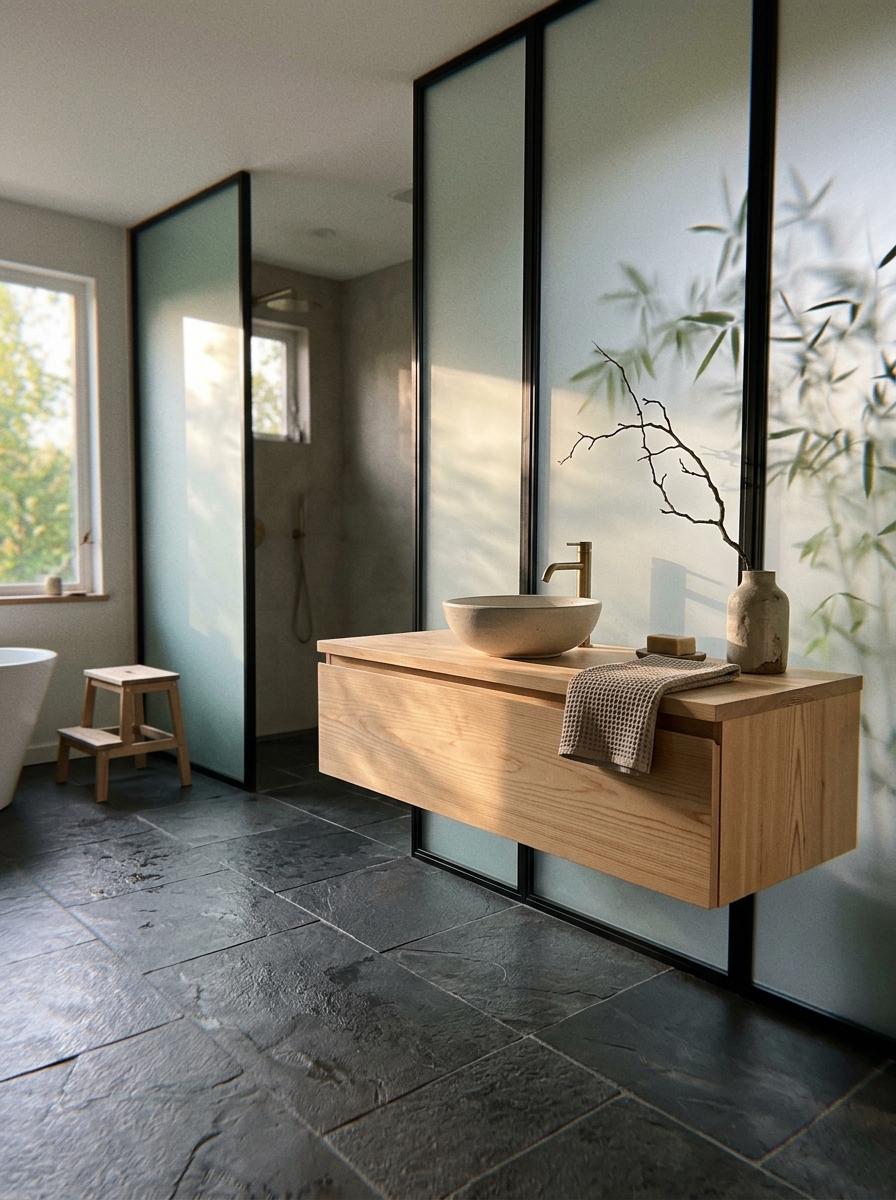

In this conceptual sanctuary, the atmosphere is defined by a rigorous yet soul-stirring restraint. Note how the tactile, open-pore grain of the hinoki wood vanity anchors the space, offering a fibrous contrast to the cold, monolithic presence of the honed basalt flooring. This composition achieves a state of heavy weightlessness; the massive stone elements appear to float against the translucent shoji-inspired glass partitions, creating a structural paradox that challenges the eye while grounding the spirit. As you move through the space, the olfactory signature of damp cedar merges with the sterile, mineral scent of wet slate, triggering a physiological shift-a slowing of the pulse and a deepening of the breath. Drawing inspiration from the Aman Tokyo's mastery of spatial serenity, this design elevates the functional act of bathing into a ritualistic study of "wabi-sabi" perfection, where the raw imperfections of nature are framed with the surgical precision of modern Scandinavian minimalism.
Creating A Spa Like Atmosphere With Japandi Bathroom Details
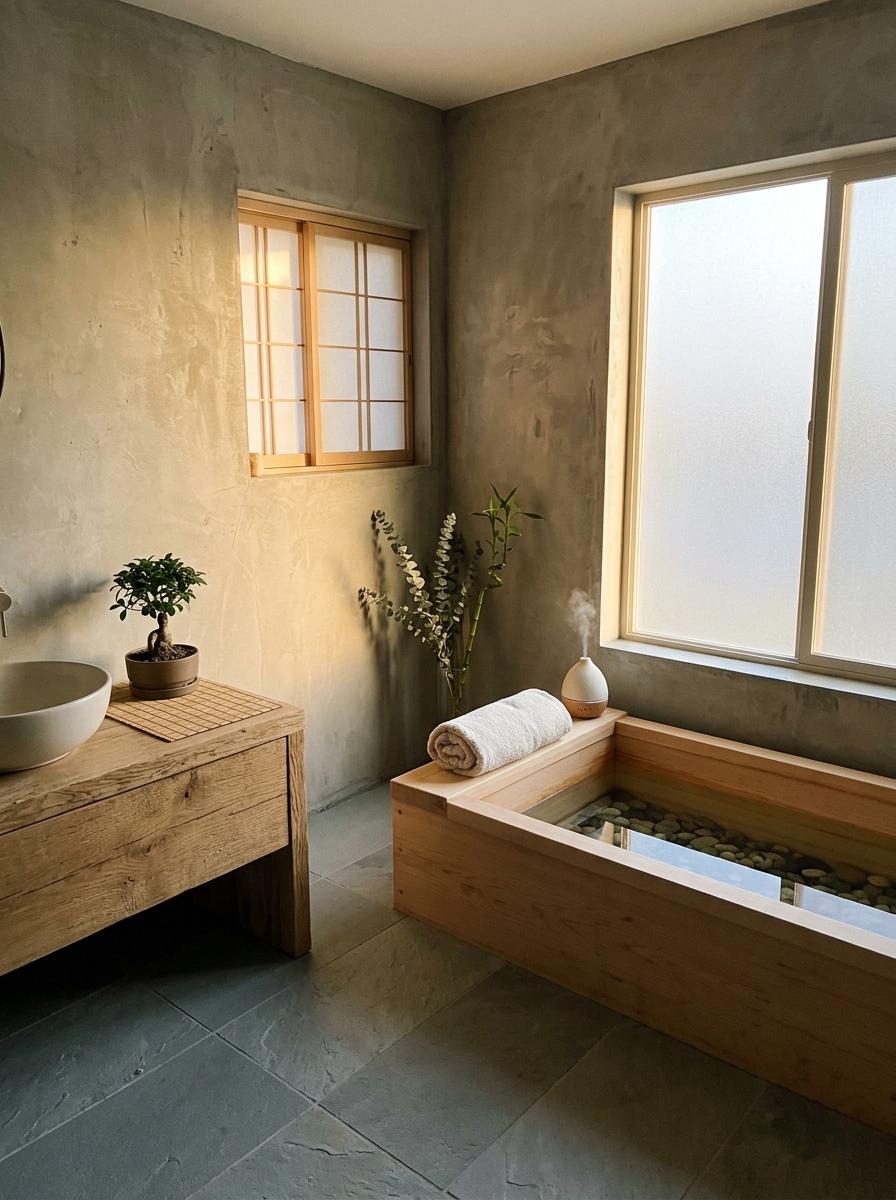

Historically, the bathroom was a purely utilitarian space-a tile-clad compartment of the mid-century era designed for efficiency rather than experience. Today, however, this domestic zone has evolved into a sanctuary of ritual, shifting from a place of mere hygiene to one of holistic restoration. In this transition, we find a compelling industrial serenity; it is a design tension where the raw, exposed textures of modernism meet the soft, organic minimalism of the East. In high-stakes urban enclaves like Minato City or the sophisticated lofts of Tribeca, this aesthetic balance has become the ultimate marker of quiet luxury. This particular approach was recently refined for a repeat client of a prominent Tokyo firm, whose continued trust allowed for a deeper exploration of sensory architecture. The final atmosphere is achieved through a precise technical synthesis of tactile timber joinery, calibrated natural lighting, and stone-matte finishes, effectively bridging the gap between Japanese discipline and Scandi warmth.


Comments