
Japandi is born from the rigorous structural honesty of Scandinavian functionalism synthesized with the ancient Japanese ethos of wabi-sabi, resulting in a design language defined by intentionality and restraint. Within the sanctuary of the bathroom, this aesthetic demands a delicate dialectical balance: the space must feel clinically precise in its geometry, yet remain tactilely organic through the integration of raw, unrefined textures. By stripping away the superfluous, we encounter a sensorial landscape that is simultaneously ascetic and indulgent, ethereal and grounded, offering a meditative repose from the sensory fragmentation of modern life.
Japandi Bathroom Aesthetic


Minimalist Japandi Bathroom Design
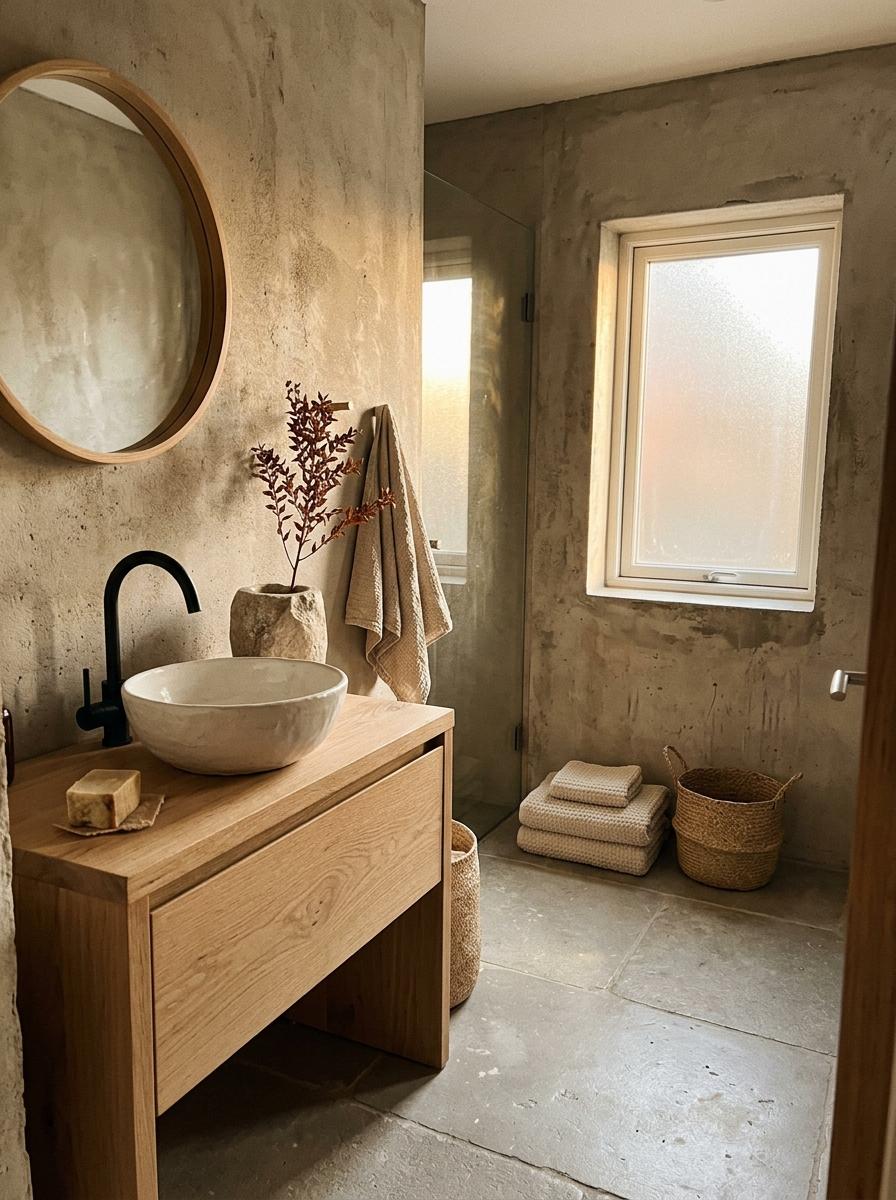

In the realm of minimalist Japandi bathroom design, the architectural dialogue begins with the interplay of honed basalt and quarter-sawn white oak, where the stone's matte density meets the wood's linear, silken grain. Note how the deliberate placement of a fluted Hinoki soaking tub anchors the space, acting as a functional monolith that commands silence. This arrangement achieves a controlled spontaneity; every element is positioned with surgical precision to evoke a sense of organic randomness. As you transition from the cool, calcified touch of the floor tiles to the enveloping humidity of the bathing area, the body undergoes a profound shift, moving from the friction of daily stress to a state of aqueous weightlessness-a visceral resetting of the nervous system. Drawing inspiration from the private onsens of Kyoto's Aman resort, this design philosophy transcends mere aesthetics, framing the ritual of hygiene as a sacred study in spatial restraint.
Morning Rituals: Elevating Life With Japandi Bathroom Elements
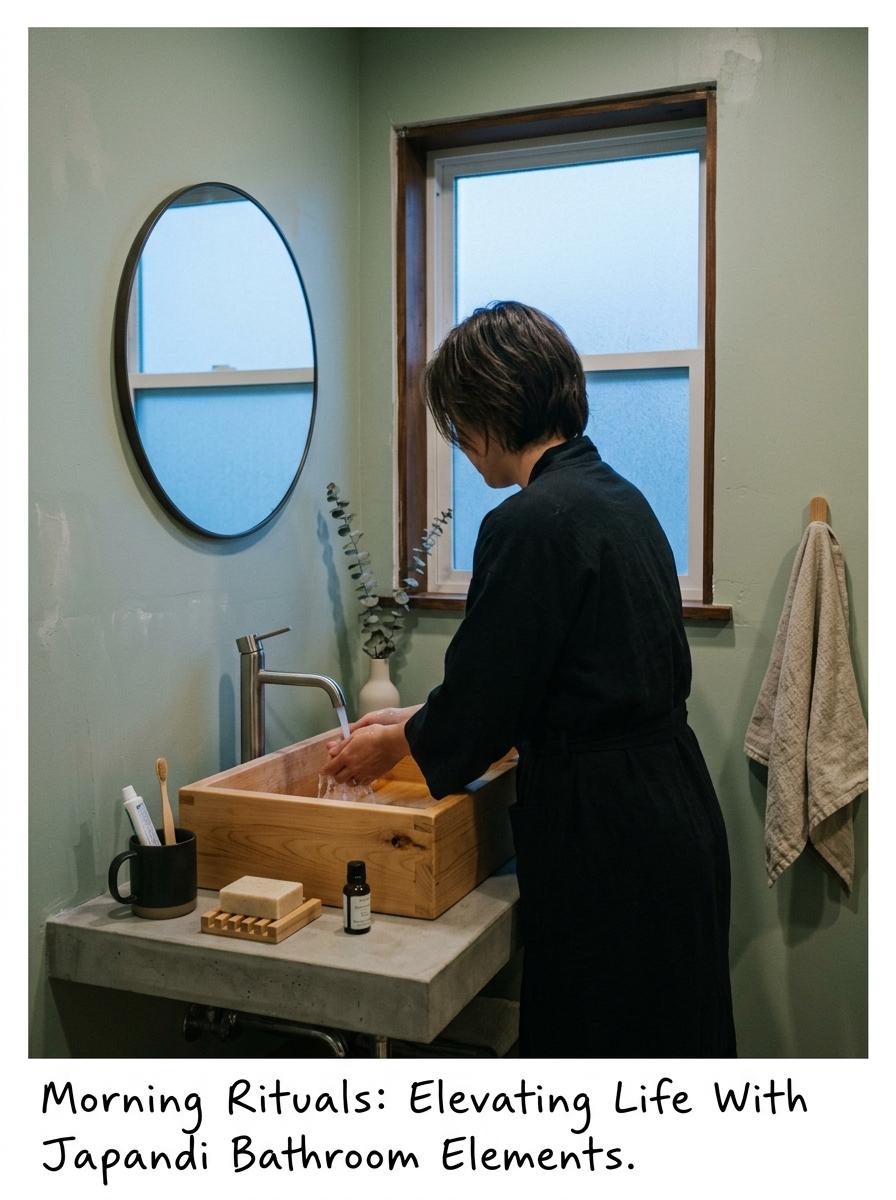

The sun had not yet cleared the horizon when I stepped into the old flat's washroom-a cramped, fluorescent-lit box that felt more like a utility closet than a sanctuary. The air was perpetually damp, smelling of mildew and hurried departures, a stark contrast to the space I encountered during my recent study of a Tokyo residence. There, the master bath was an exercise in soft minimalism, where the tactile warmth of hinoki wood met the cool, unyielding precision of honed concrete. "The ritual of cleansing," the lead designer told me, pausing to adjust a sprig of dried eucalyptus, "should never be a chore. It is, rather," she continued, her voice trailing off as she traced the grain of a floating vanity, "a daily recalibration of the soul." This shift from a chaotic, cluttered environment to one defined by wabi-sabi imperfections and scandi-functionalism represents more than just a renovation; it is an intentional pivot toward slow living. By embracing the tension between organic textures and clean geometric lines, we transform the bathroom from a mere site of hygiene into a vessel for morning mindfulness.
A Practical Guide To Creating A Japandi Bathroom Space
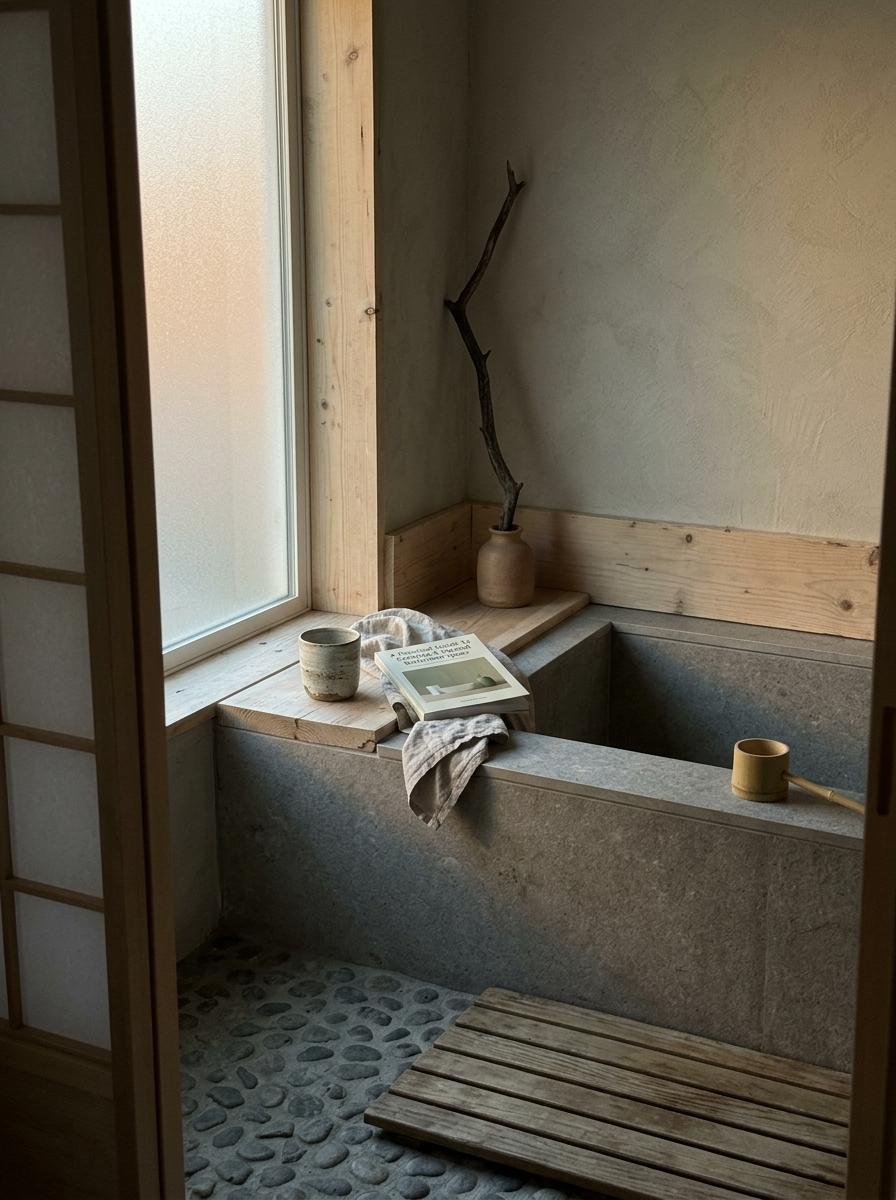

The structural evolution of the Japandi bathroom is often defined by a deliberate fusion of Scandinavian efficiency and Japanese ritual, where the layout was conceived to prioritize restorative flow over mere utility. Within this sanctuary, one encounters a skeletal simplicity, characterized by unadorned surfaces, muted tones, and a stark, sterile grace that rejects the clutter of contemporary living. Soft shadows stretch across the scene, providing a peaceful, private pocket of poise within the home. This intentional geometry carves out depth, anchors the heavy stone fixtures, and bridges the gap between the internal and external worlds. To master this aesthetic, we must balance the warmth of weathered wood, the tactile grip of honed stone, and the ethereal glow of frosted glass.
Balance And Flow: The Art Of A Modern Japandi Bathroom
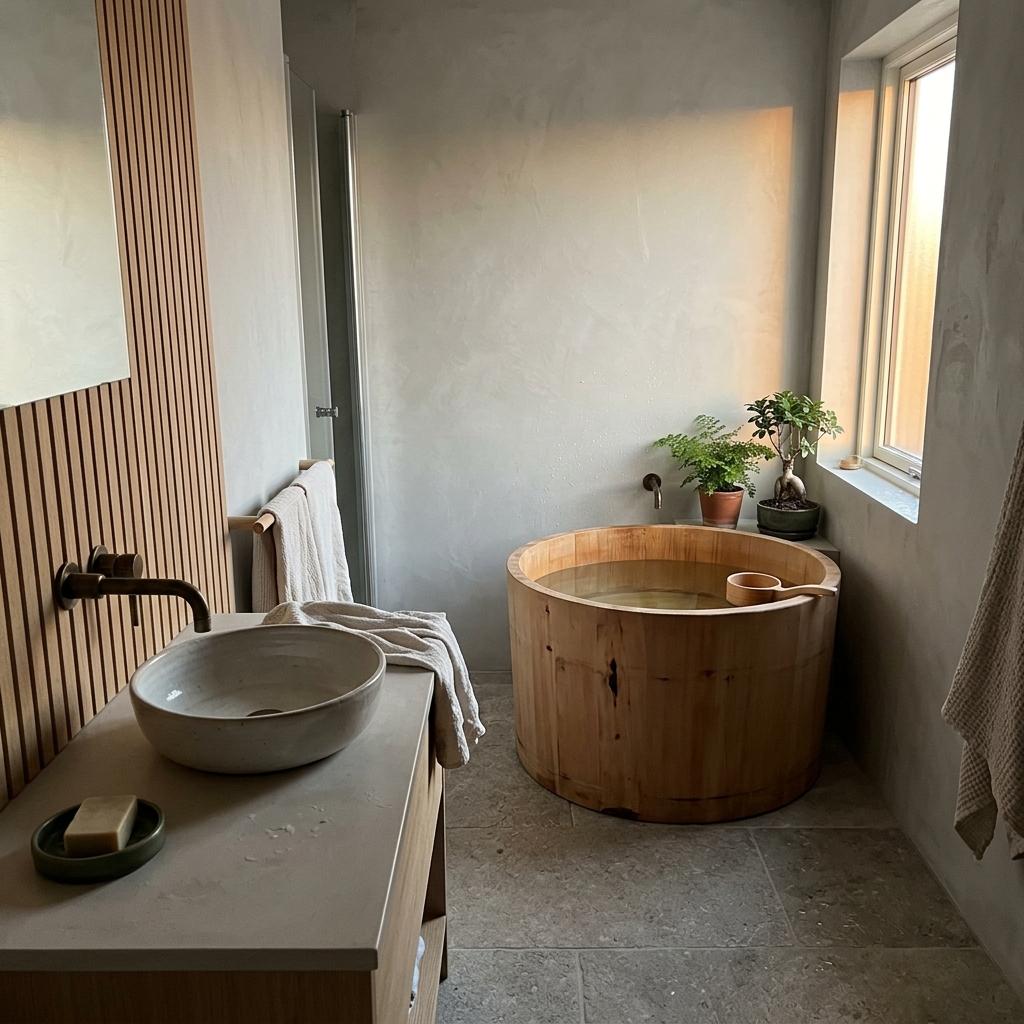

Entering a modern Japandi bathroom is akin to stepping into a secluded clearing where the humidity of the air feels intentional, a deliberate pause within the domestic landscape. It is here that we witness a calculated spontaneity, where the rigid discipline of minimalist geometry harmonizes with the unruly soul of organic textures. While the external world demands a frantic, fractured attention, the internal logic of this space enforces a singular, rhythmic stillness, drawing a sharp line between the chaos of the street and the sanctuary of the stone. This tactile narrative is anchored by the presence of a deep-soaking Ofuro tub crafted from hinoki wood, its citrus scent rising to meet the cool, matte touch of microcement walls and the rhythmic grain of slatted white oak vanities. Such elements are not merely decorative; they represent a rigorous functionalist integration, where recessed lighting and concealed drainage systems are engineered to eliminate visual noise, transforming the mundane act of cleansing into a streamlined ritual of spatial clarity.
Transform Your Master Suite With Japandi Bathroom Features
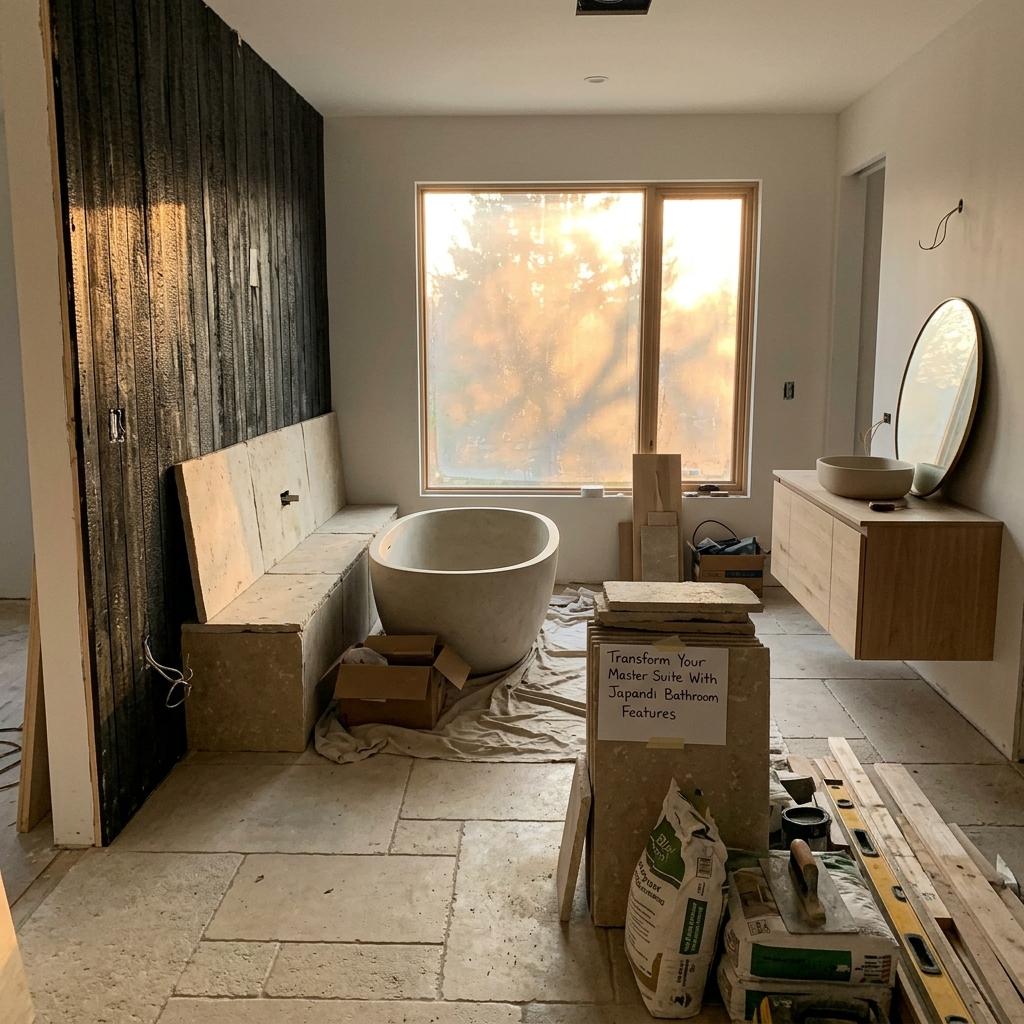

To understand the rise of the Japandi master suite, You must look back at the rigid, utilitarian bathing chambers of the Victorian era and contrast them with the fluid, meditative sanctuaries defining modern residential life. This evolution has birthed a design language defined by opulent minimalism, where the spareness of Zen philosophy meets the plush comfort of Scandinavian hygge. In the heart of a Victorian villa in London's Notting Hill, we recently studied a project for a repeat client who sought to deepen their home's sensory palette. The resulting space is a masterclass in the Japandi aesthetic, achieved through the technical synthesis of Shou Sugi Ban timber textures, oversized limestone slabs, and a strategic recalibration of natural light.
Organic Materials Meet Function In This Japandi Bathroom
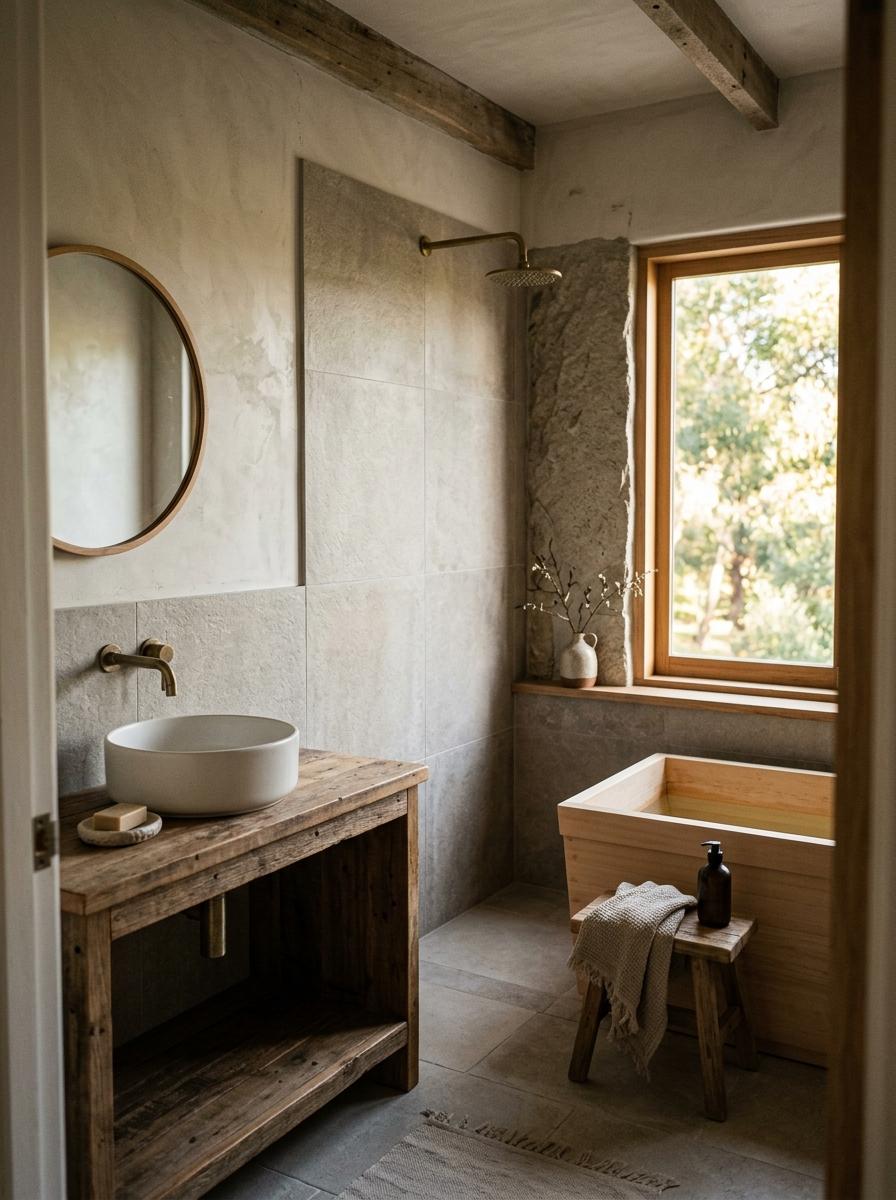

The structural essence of this space was conceived through a deliberate blending of Scandi-utility and Japanese wabi-sabi. Every surface remains unburdened by clutter, defined instead by a sterile stillness that invites quiet contemplation. Tactile timber and textured tiles anchor the room, weaving a soft, sensory tapestry that bridges the gap between nature and necessity. Large-format windows carve open the walls to flood the interior with light, while the layout breathes life into the square footage. This mindful arrangement celebrates raw stone, reclaimed wood, and radiant ceramics.
Inside A Luxury Apartment Featuring A Japandi Bathroom
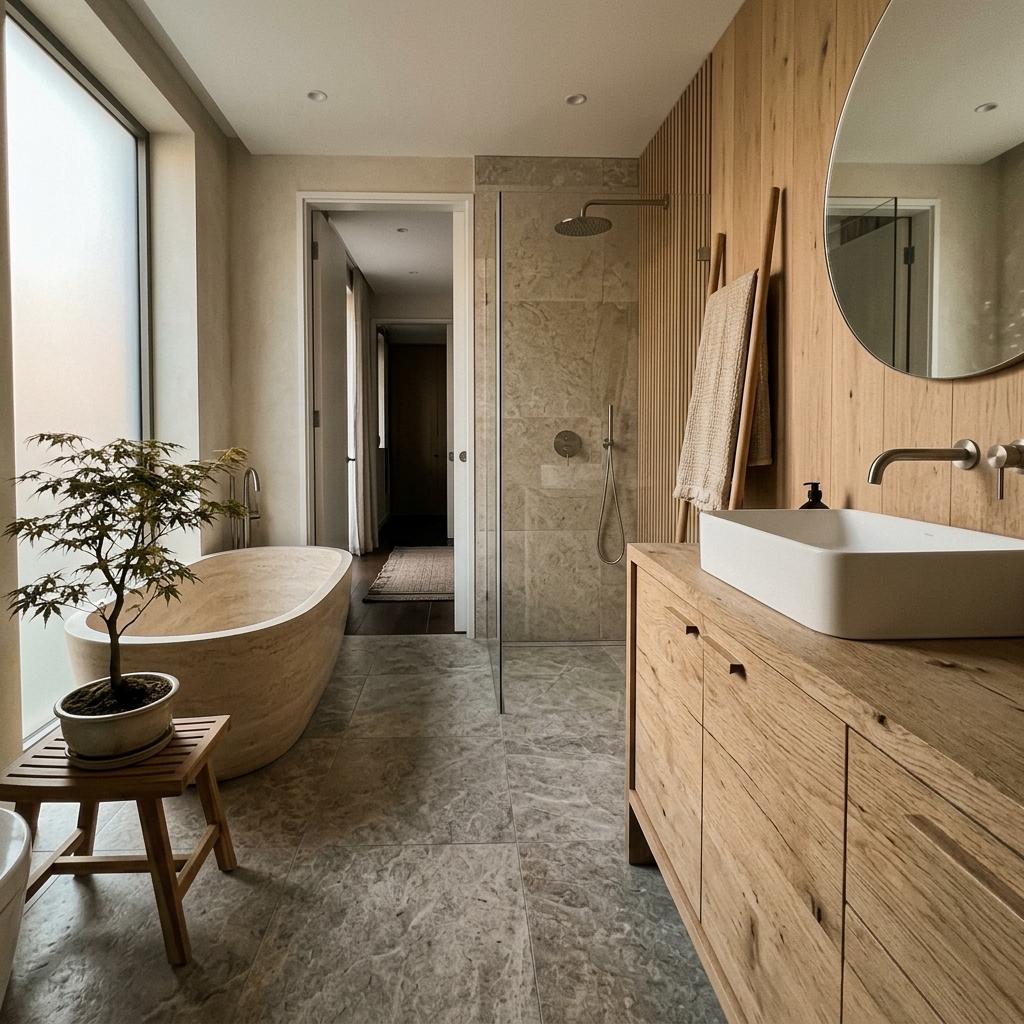

Stepping off the frantic, asphalt-heated pavement of the city, the sensory shift inside this residence is instantaneous-a deliberate pivot from urban cacophony to what I can only describe as a "curated silence." As I sat down with the lead visionary behind the space, the conversation naturally drifted toward the tension between structure and soul. "The goal wasn't just a renovation," they explained, gesturing toward the seamless transition of the floorboards, "it was about achieving shibui-that elusive, understated elegance where nothing is superfluous." By layering tactile, organic materials against a backdrop of strict, linear geometry, the design team managed to soften the brutalism of the building's shell. "We favored a palette of raw oak and honed stone," they continued, pausing to trace the grain of a bespoke cabinet, "because luxury today isn't about the gold leaf; it's about the honesty of the finish." This meticulous balance of Japanese minimalism and Scandinavian warmth finds its most profound expression in the home's private sanctuary, where the Japandi bathroom redefines the ritual of the daily cleanse.
How To Achieve The Unique Japandi Bathroom Look
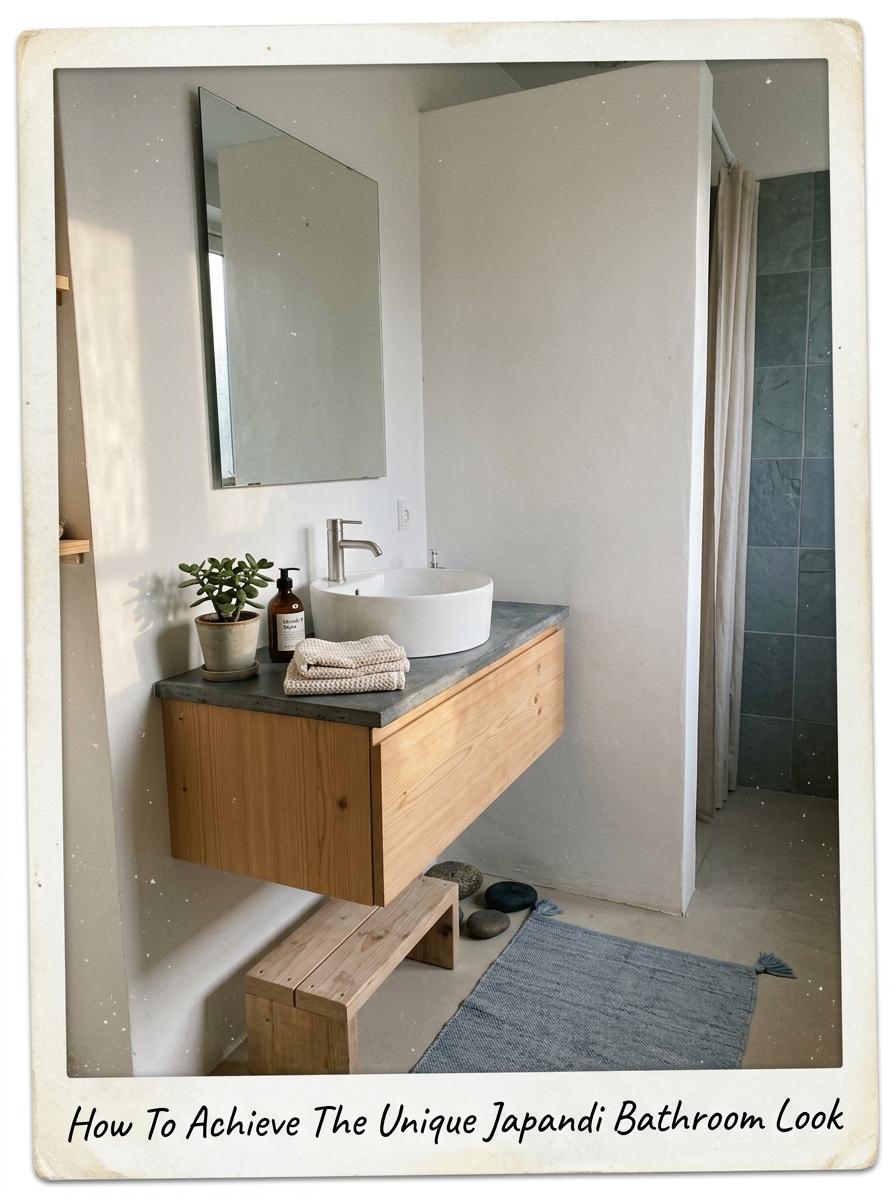

To achieve a Japandi bathroom is to curate a sanctuary where the damp, cloistered humidity of a private washroom is transformed into a temple of airy stillness. This aesthetic thrives on a disciplined spontaneity, merging the rigid, geometric austerity of Japanese Zen with the plush, welcoming warmth of Scandinavian hygge. While the exterior world remains chaotic and visually abrasive, the interior threshold of the bathroom establishes a rigid boundary of calm, isolating the bather within a cocoon of deliberate silence. To ground this experience, we must move beyond generic timber toward Material Specificity, integrating the silver-grey grains of Hinoki cypress-which releases a lemon-pepper scent when wet-against the matte, non-reflective density of honed charcoal basalt. This is not merely decorative but serves a Functionalist Specification: the integration of recessed floor drainage and wall-mounted vanities acts as a spatial solution to eliminate visual clutter, ensuring that every industrial utility is submerged beneath a surface of seamless, organic serenity.
Experience The Quietude Of A Wood Accented Japandi Bathroom
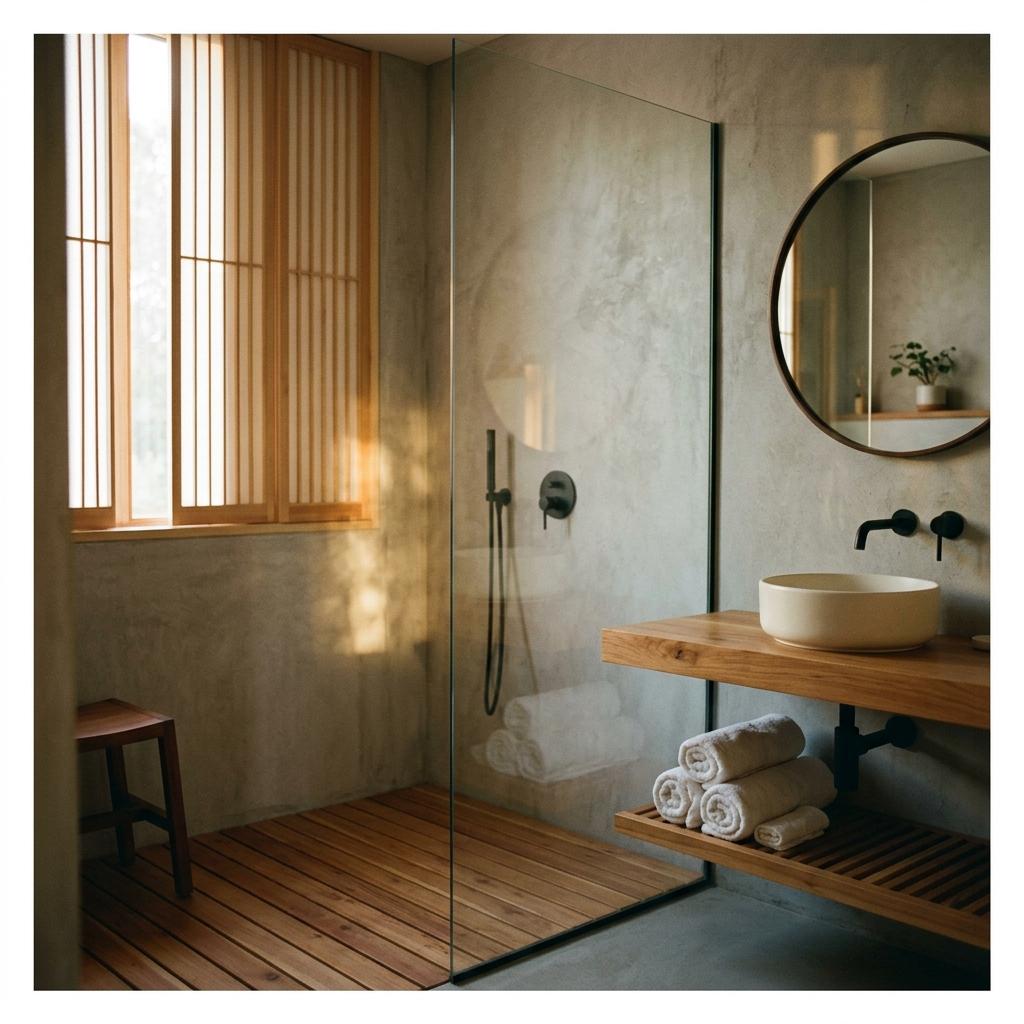

Stepping inside the average modern bathroom often feels like entering a clinical laboratory-all harsh fluorescent glare, cold porcelain, and the frantic hum of a city that never sleeps. But when I visited a small residential retreat in the Pacific Northwest last month, the atmosphere shifted. "It isn't just about the timber," my host remarked, pausing to adjust a slatted cedar screen that filtered the morning sun, "it's about how the grain... well, it anchors you." This intentional use of moku (wood) creates a tactile dialogue between the organic and the functional, replacing sterile surfaces with a rich, matte patina that absorbs the chaos of the outside world. By prioritizing this biophilic warmth against the spare, minimalist lines of Scandi-functionality, the space transcends mere utility to become a vessel for mindfulness. This delicate balance of texture and tranquility is precisely what defines the quietude of a wood-accented Japandi bathroom.
A Compact Home With A Clever Japandi Bathroom Layout
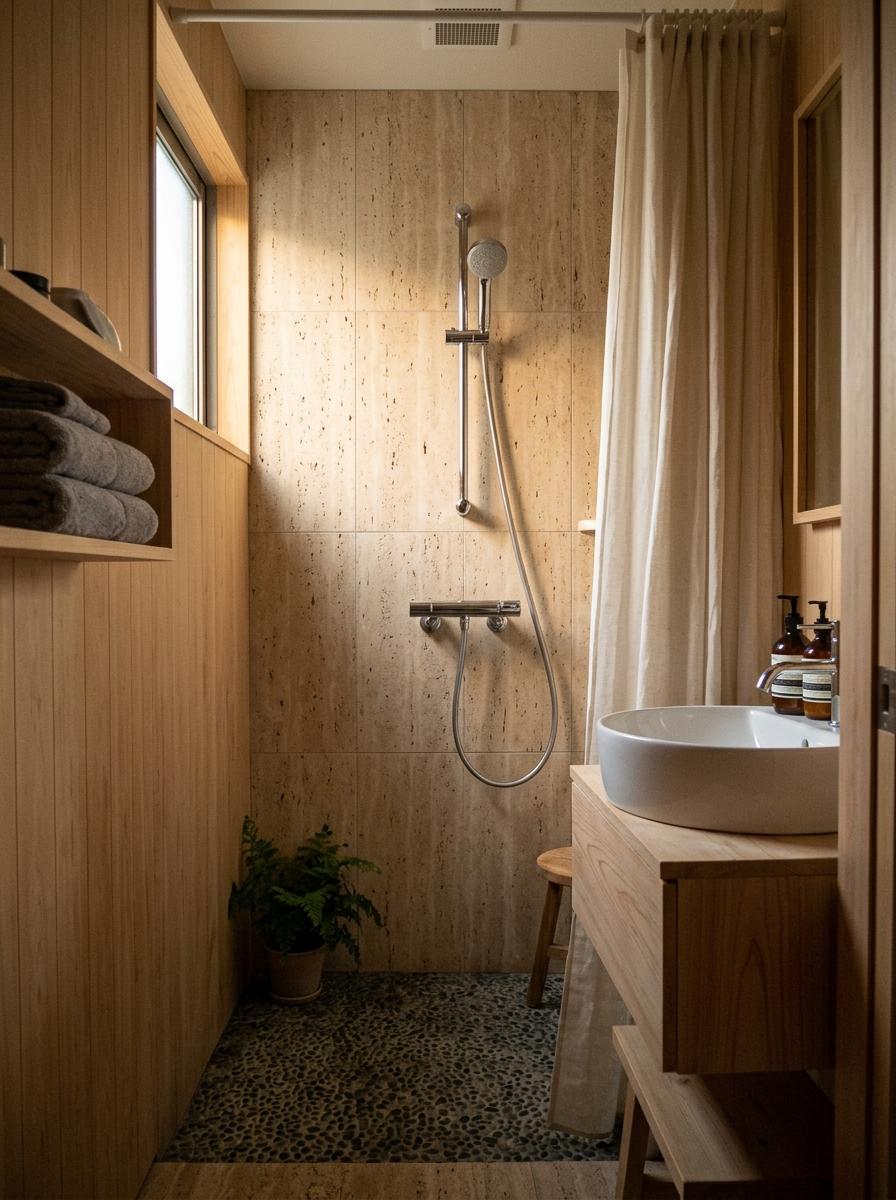

In this compact residence situated in the heart of Tokyo's Setagaya district, the bathroom transcends its utilitarian roots to become a masterclass in spatial efficiency. Note how the architect employs a vertical application of honed, open-pore travertine against the silky, matte finish of moisture-resistant Hinoki wood, creating a rhythmic play of textures that defies the small footprint. This deliberate arrangement yields a cluttered simplicity-a paradox where every functional fixture is visible yet feels weightless within the frame. As you step onto the pebble-dashed basalt floor, the transition from the tactile rigidity of stone to the humid, cedar-scented air triggers an immediate deceleration of the heart rate, shifting the body from a state of urban alertness to one of profound somatic quietude. This is not merely a wet room, but a curated sanctuary that embodies the "functional minimalism" synonymous with the Lixil design philosophy, proving that in a Japandi interior, luxury is measured not by square footage, but by the precision of the sensory experience.
Natural Light Enhances This Stunning Japandi Bathroom
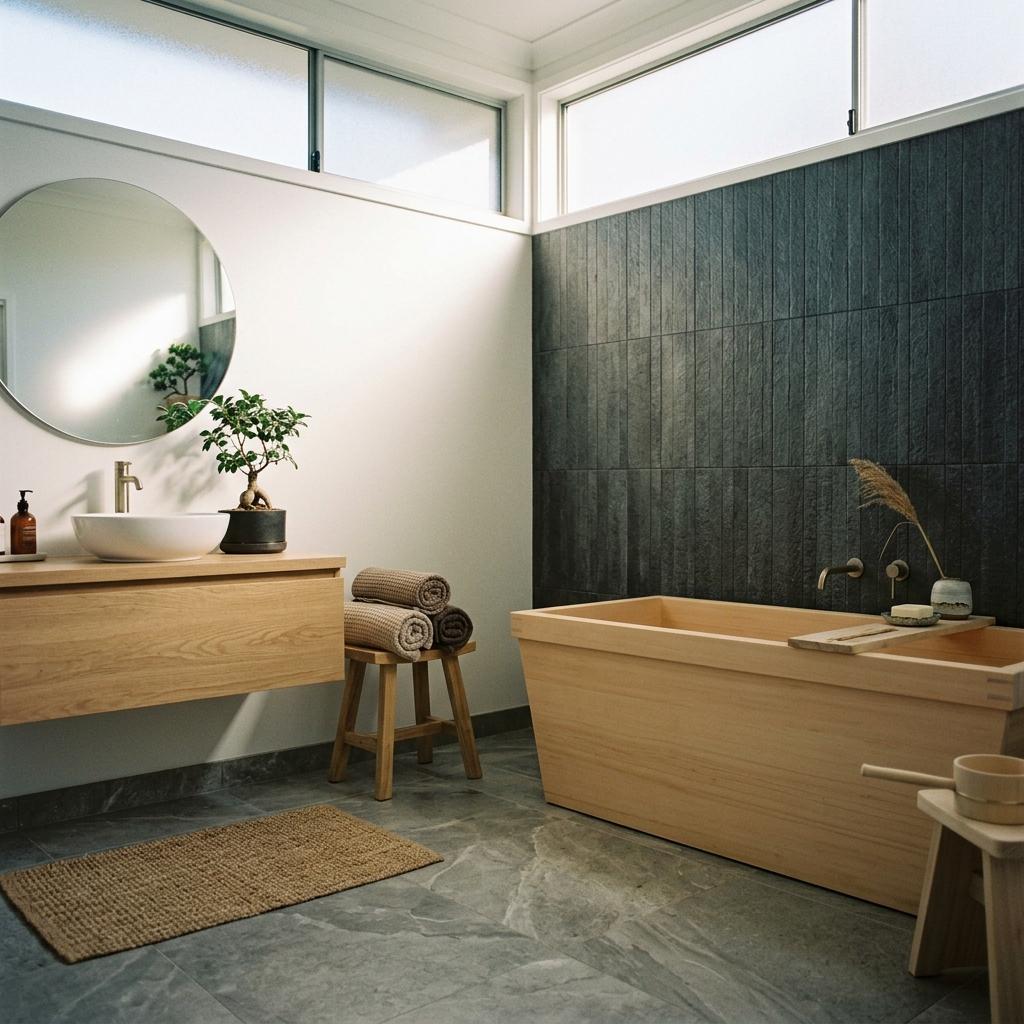

The first time I stepped into the original floor plan of this residence, it was a tomb of mid-century claustrophobia-all heavy mahogany wainscoting and windowless corners that seemed to swallow the morning whole. But as I sat down with the lead designer to discuss the renovation, the vision shifted from shadow to "shou sugi ban" textures and ethereal glow. "The secret isn't just the white oak," she remarked, pausing to trace the grain of a sample board, "it's how the clerestory windows act as a seasonal lens, diffusing the harsh exterior glare into a soft, velvety wash." This deliberate interplay between the rugged tactile nature of Wabi-sabi and the disciplined minimalism of Scandi-chic creates a sanctuary that feels both grounded and weightless. By replacing the stagnant air of the past with a rhythmic flow of luminosity, the space demonstrates how natural light serves as the ultimate architectural material in the Japandi bathroom.
Tactile Beauty: Discover The Textures Of A Japandi Bathroom
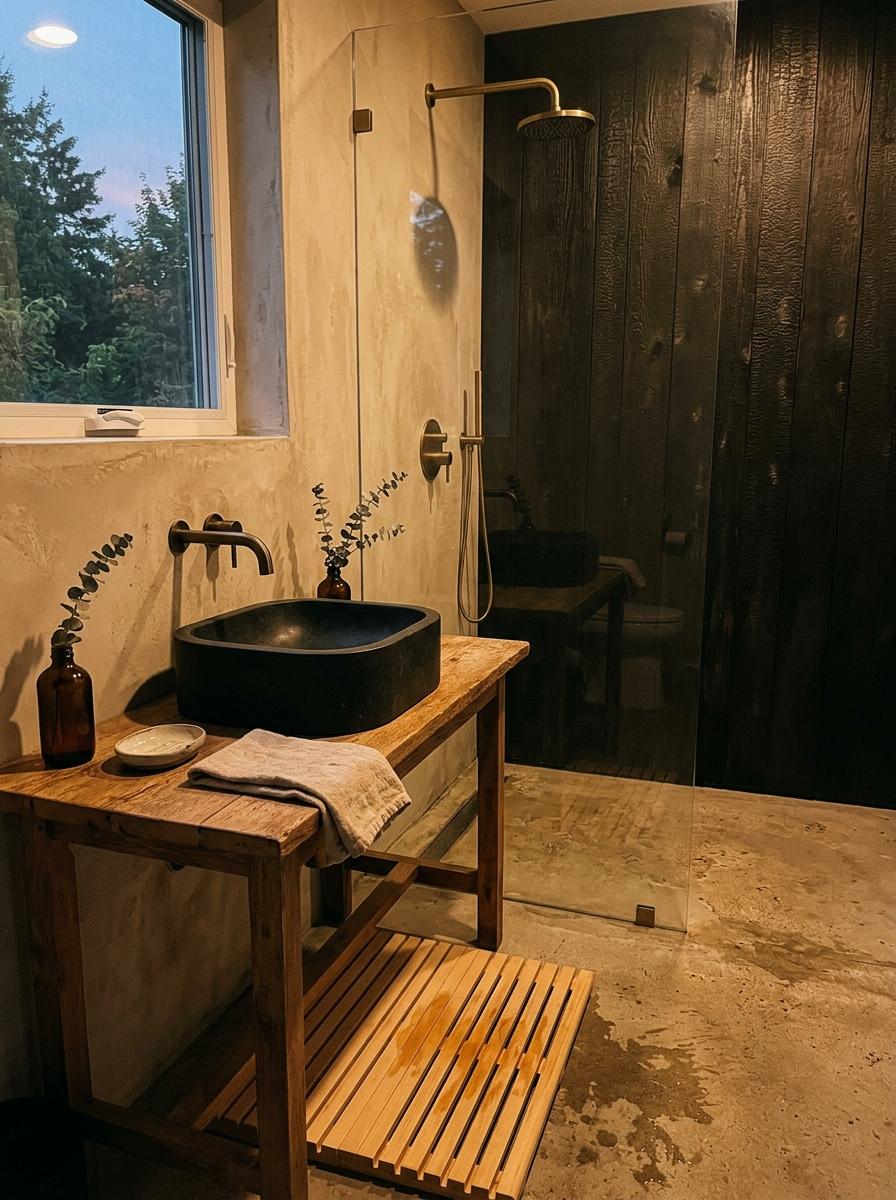

Step into a sanctuary where the austerity of Nordic form meets the weathered soul of Japanese craft. To achieve the specific tactile equilibrium of a Japandi bath, You can look toward the juxtaposition of honed basalt and quarter-sawn white oak. Note how the calibrated precision of a stone basin contrasts against the rhythmic, organic grain of a slatted Hinoki wood floor mat, creating a dialogue between the manufactured and the raw. This intentional arrangement relies on a structured spontaneity-a design paradox where every "natural" imperfection is curated for maximum sensory impact. As you move through the space, the experience shifts from visual appreciation to a deep, physiological resonance. Feel the micro-cement walls, which offer a velvety grit beneath your fingertips, grounding your nervous system through a process of architectural earthing. This is not merely a bathroom; it is an exercise in Shou Sugi Ban philosophies adapted for the modern wet room, echoing the material integrity found in the high-end boutiques of Aoyama or the minimalist retreats of Copenhagen. By layering these high-precision textures, the room transcends its utility, slowing your heart rate and transforming a routine rinse into a visceral ritual of tactile restoration.
A Refined Approach To Modern Japandi Bathroom Decor
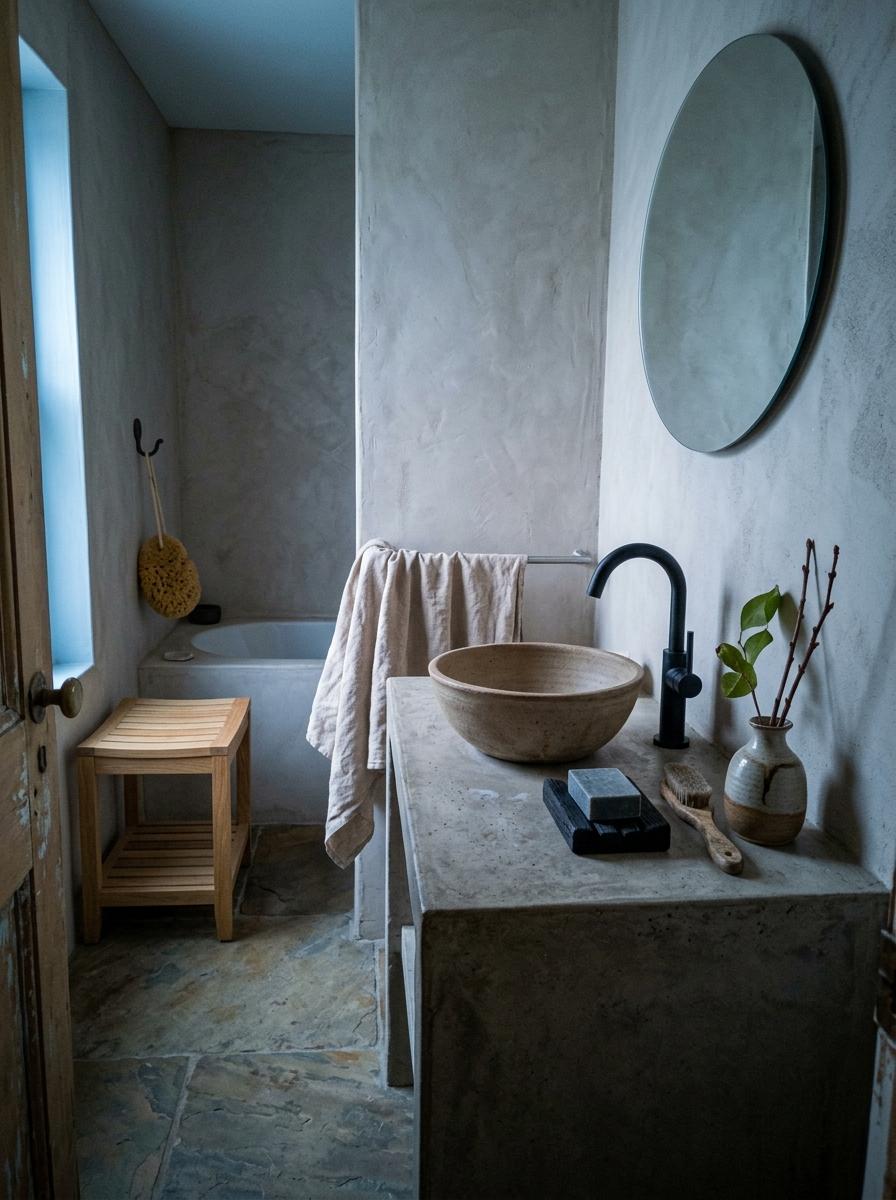

At its core, the Japandi bathroom is a masterclass in Definition via Synthesis: a disciplined fusion of Scandinavian hygge-with its emphasis on cozy functionality-and Japanese wabi-sabi-which celebrates the profound beauty of impermanence. The result is a curated sanctuary that transcends mere utility, evolving into a site of intentional ritual. Achieving this balance requires a rigorous commitment to lexical precision and the orchestration of niche elements. One must look beyond simple fixtures toward the integration of shou sugi ban textures and matte architectural resins, ensuring the space achieves a state of ma, or purposeful emptiness. The design succeeds through a dialectical pairing of influences; it is a space that feels strictly minimalist, yet remains profoundly soulful. It prioritizes a sterile, clinical clarity in its layout, but softens that austerity through the warmth of organic materiality. To experience a Japandi-inspired bath is to engage in sensorial adjective stacking. The environment is simultaneously tectonic, ethereal, and grounding. By stripping away the superfluous, we are left with a composition that is haptic, atmospheric, and evocative-a refined environment where the architecture of the home finally aligns with the stillness of the mind.
Create A Relaxing Atmosphere With Japandi Bathroom Design
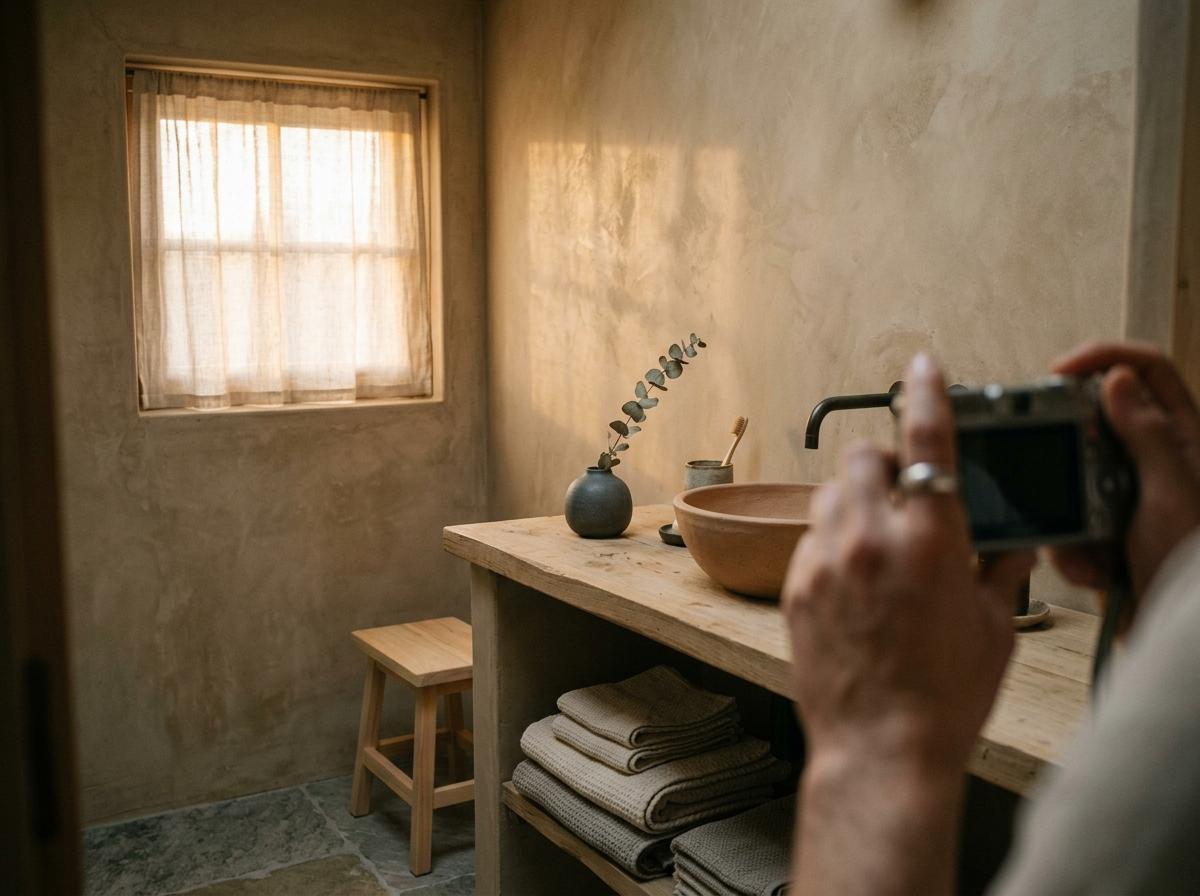

Standing in the middle of a chaotic, neon-drenched Tokyo intersection, I found myself longing for the silence of a Scandinavian forest-a paradoxical craving for both structure and softness. This friction between urban intensity and domestic serenity is exactly what I discussed with interior stylist Elena Vance last week. "The bathroom shouldn't just be functional," she noted, pausing to adjust a sprig of dried eucalyptus in a stone vase, "it must act as a sensory reset." We sat surrounded by sketches where the clinical coldness of traditional high-gloss tile was nowhere to be found, replaced instead by the tactile warmth of honeyed white oak and the "imperfection" of tadelakt walls. "When we merge Japanese minimalism with hygge," she continued, her voice trailing off as she traced the grain of a hinoki wood sample, "we are essentially engineering a pause button for the psyche." By juxtaposing the jagged, frantic energy of our digital lives against the grounded, organic textures of a curated washroom, we discover that luxury isn't about excess, but about the intentional calibration of space. This delicate balance of wabi-sabi grit and Nordic polish forms the foundation of a Japandi sanctuary.
Simple Elegance Defined By This Japandi Bathroom
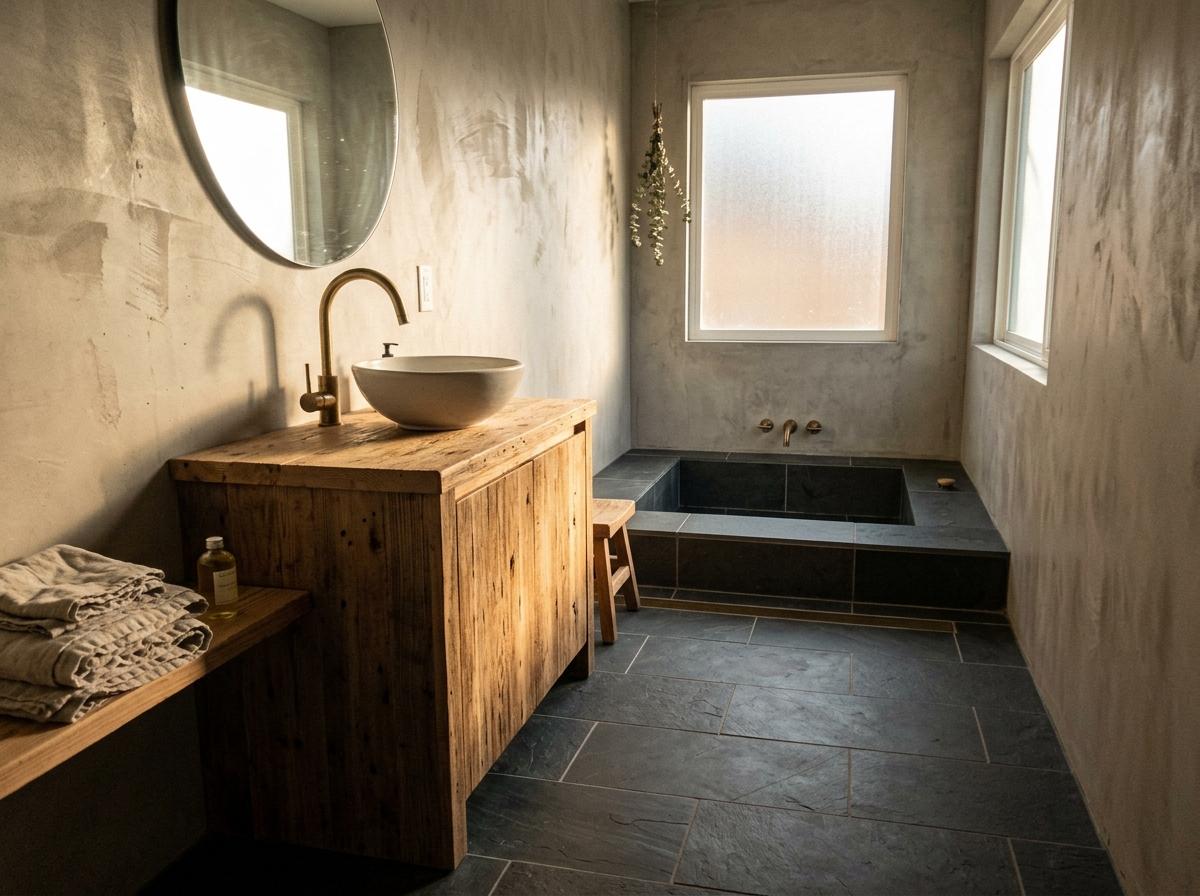

The aesthetic success of this space lies in its commitment to materiality; notice the juxtaposition between the matte, micro-cement walls and the porous, tactile grain of the reclaimed Hinoki wood vanity. Note how the horizontal alignment of the slate floor tiles draws your gaze toward the sunken soaking tub, acting as a structural anchor that dictates the room's rhythm. This composition achieves a state of complex minimalism, where the intentional absence of clutter creates a dense, palpable atmosphere of luxury. As you trace the silhouette of the brushed brass fixtures against the cool stone, the visual sharpness dissolves into a visceral sense of lowered cortisol, inducing a rhythmic slowing of the breath typical of a high-end Setagaya spa retreat. By bridging the raw honesty of Scandinavian utility with the disciplined grace of Japanese craft, the design transcends mere utility, transforming a daily ritual into a meditative encounter with silence.
A Harmonious Blend Of Cultures In A Japandi Bathroom
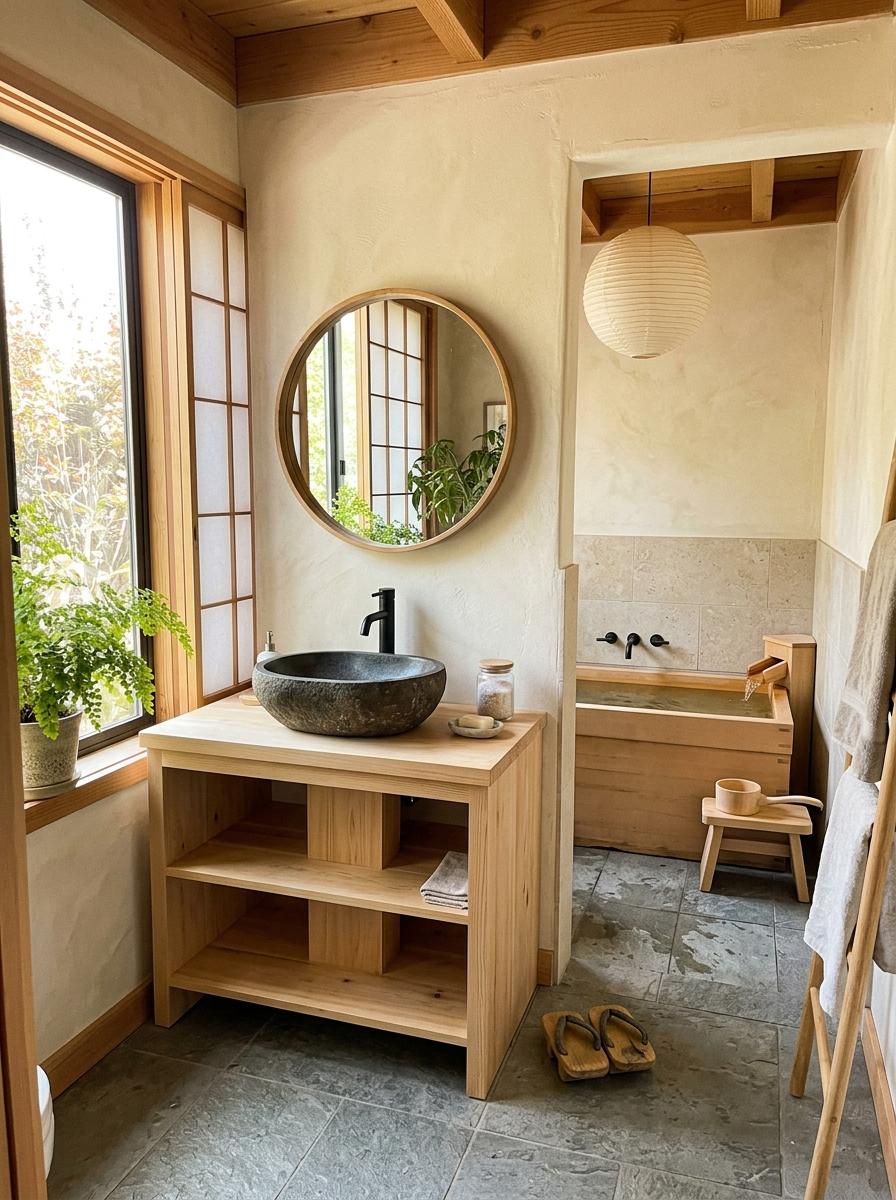

In the realm of modern residential interiors, the Japandi bathroom emerges as a definitive synthesis-the rigorous, functional ethos of Scandinavian Hygge merging with the ancient, transience-focused aesthetics of Japanese Wabi-sabi. This union transcends mere decoration to form a holistic sanctuary that prioritizes intentionality over ornamentation. The design relies on a precise dialectical pairing: the environment is meticulously structured, yet inherently organic; it feels expansive and airy, but remains anchored by a sense of grounded permanence. Within this space, one experiences a sophisticated sensorial stacking-where the petrichor of damp slate meets the tactile, velvet-matte finish of Hinoki wood, and the diaphanous, amber glow of Shoji-inspired lighting softens the stark, brutalist lines of a stone basin. For the design-savvy observer, the Japandi bathroom is not just a room of utility, but a curated study in the luxury of restraint.
The Minimalist Aesthetic Of A Contemporary Japandi Bathroom
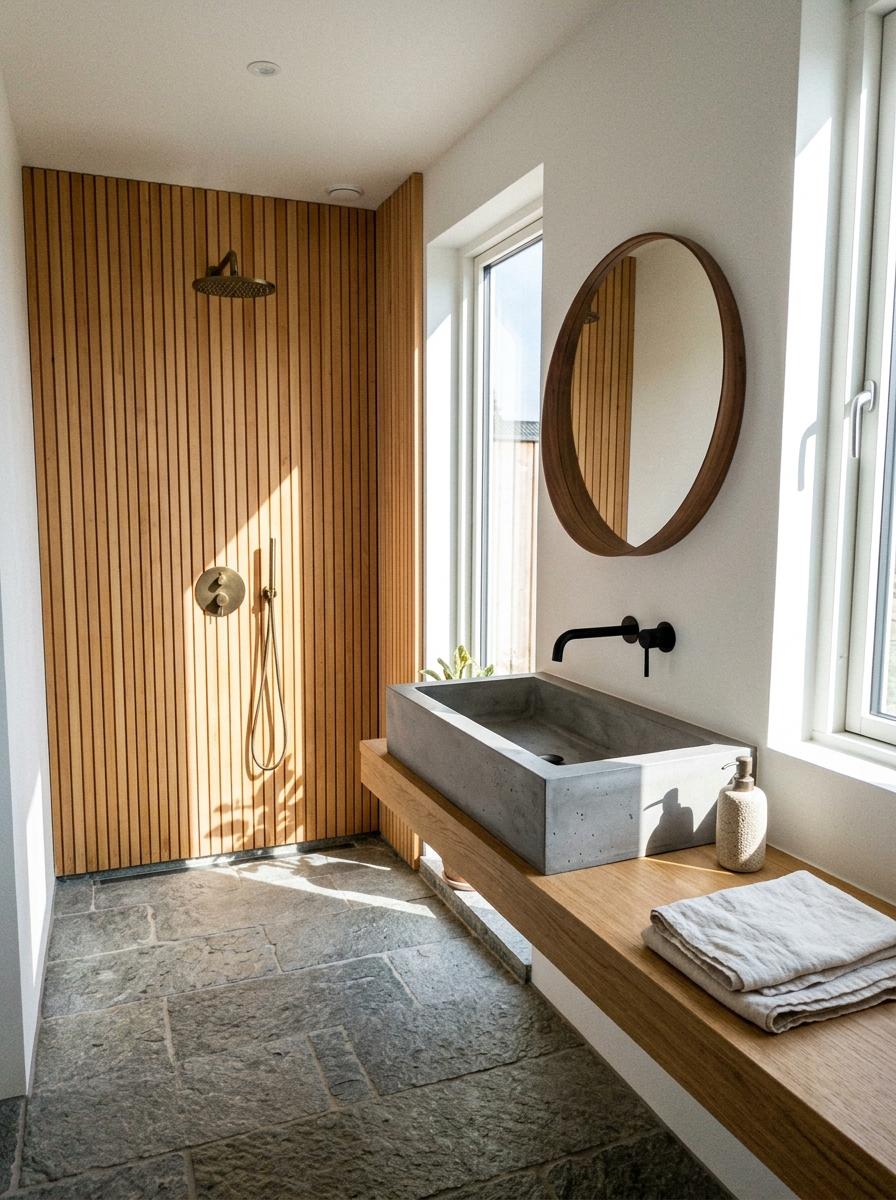

Entering a contemporary Japandi bathroom is an exercise in intentional stillness, where the clinical coldness of modern ritual is softened into a restorative sanctuary. This space thrives on the disciplined softness of its layout, a conceptual synthesis that demands rigorous minimalism while providing a profound sense of emotional warmth. While the exterior world persists in its chaotic, unstructured noise, the interior envelope remains a vacuum of curated quietude, creating a sharp structural dualism between the exhaustion of the day and the reclamation of the self. Tactile depth is introduced through the deliberate use of honed Basaltina stone flooring juxtaposed against vertical slats of FSC-certified Hinoki wood, grounding the user in a palette of earthen minerals and coniferous scents. This is not merely an aesthetic choice but a masterpiece of functionalist specification: the integration of recessed thermostatic valves and seamless microcement basins ensures that every industrial component disappears into the architecture, leaving only a fluid, unobstructed interface for human repose.
Soft Tones And Clean Lines In A Japandi Bathroom
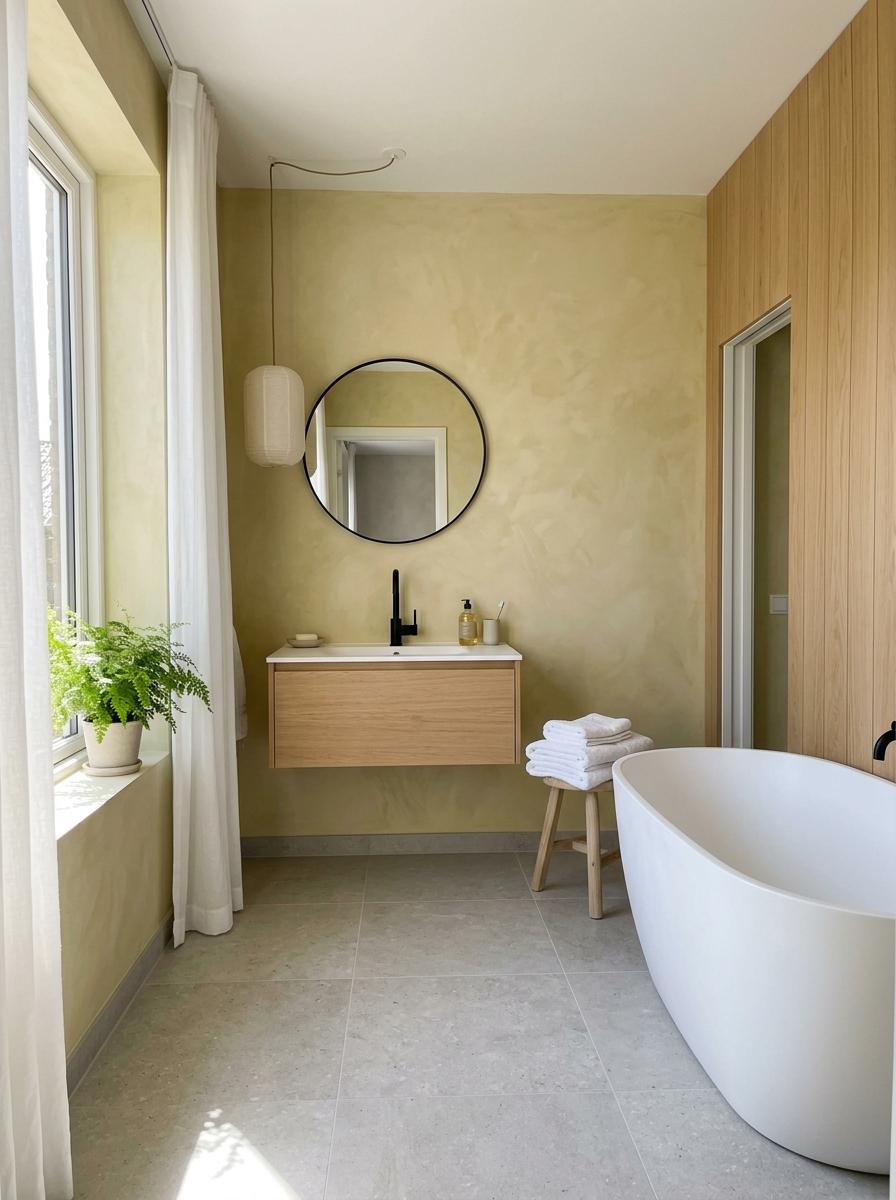

The evolution of the private washroom has transitioned from the utilitarian, heavy-stone bathing chambers of the early 20th century to the ethereal, weightless sanctuaries we seek today. In this recent project, we see a masterful display of ordered chaos, where the rigorous geometry of Japanese minimalism meets the fluid, organic warmth of Scandinavian hygge. Situated in the heart of London's refined Marylebone district, the residence serves as a serene retreat from the city's architectural density. Because the homeowners are repeat clients who have entrusted the studio with their previous continental estates, there is an evident maturity and mutual confidence in the design's execution. The space ultimately achieves its quiet potency through a deliberate technical synthesis of monochromatic lime-wash textures, concealed linear drainage, and the calibrated intersection of white oak and honed travertine.
A Quiet Corner Featuring A Japandi Bathroom Style
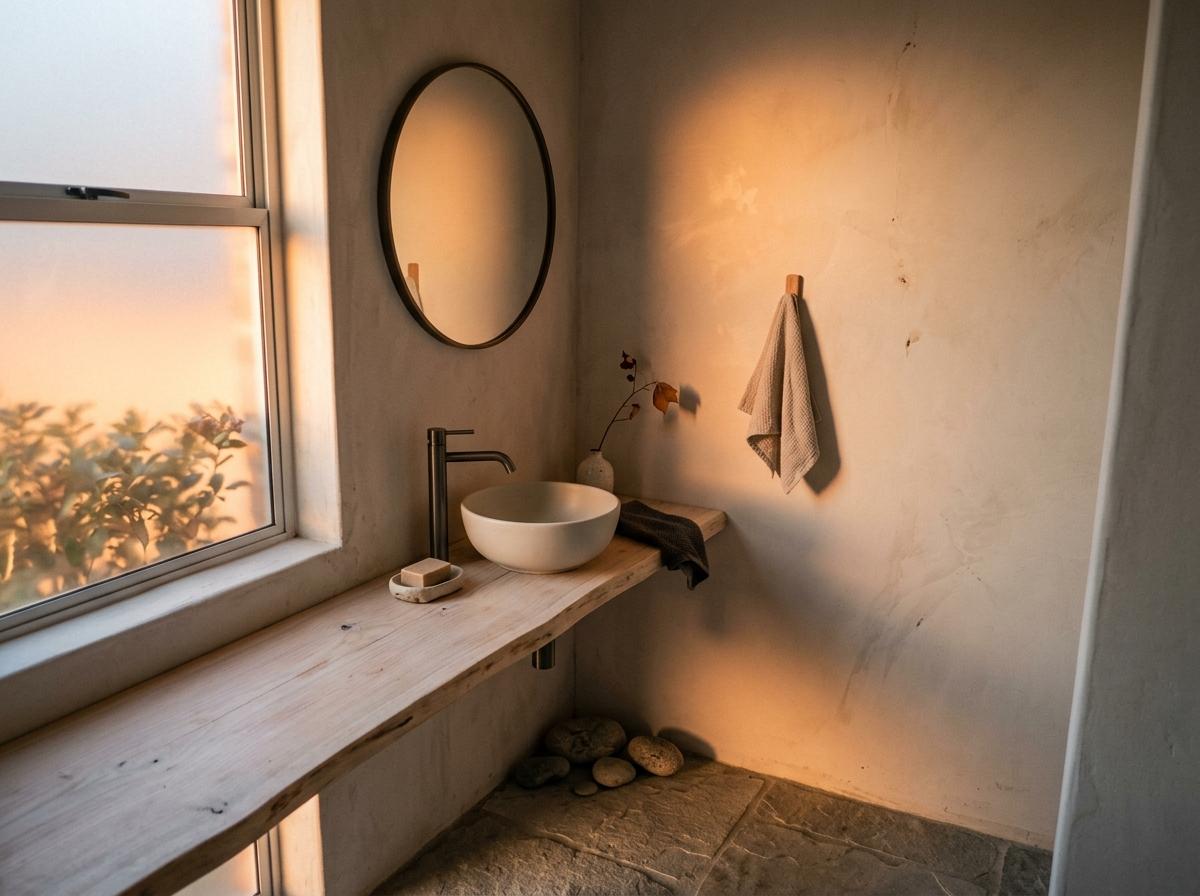

The project was conceived as a deliberate departure from the chaotic urban pulse, where every surface is curated to foster a profound sense of stillness. Within this sanctuary, the eye is met by unadorned walls, matte finishes, and sparse textures that evoke a state of weightless clarity. Soft shadows stretch across the stone, creating a serene, subterranean solitude that quietens the mind. This intentional void carves out new dimensions of breathing room, while the layout masterfully expands the perceived volume of the compact footprint. Here, the interior celebrates the tactile grain of pale timber, the cool touch of honed basalt, and the gentle glow of diffused light.
Reimagining Small Spaces With A Japandi Bathroom Focus
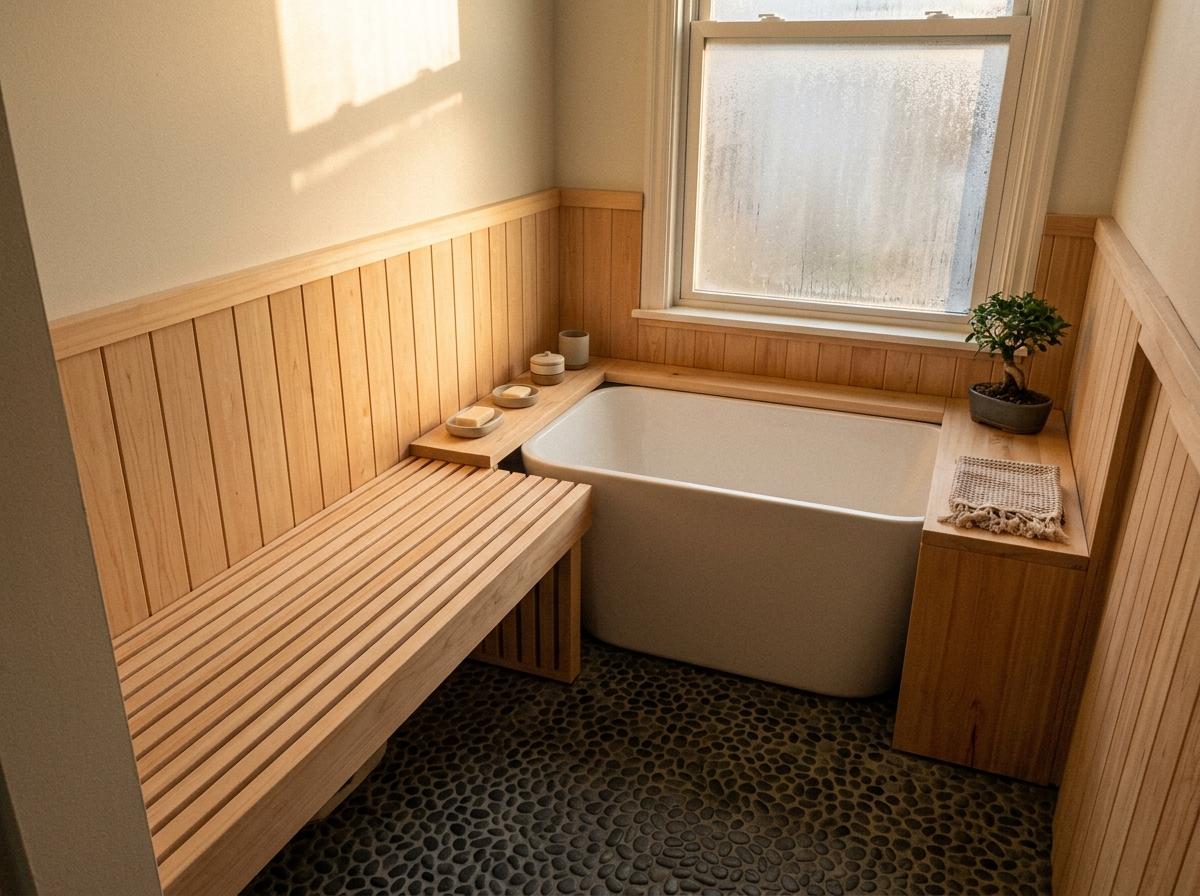

In the pursuit of reclaiming the urban sanctuary, You must look toward the uncluttered complexity of a Kyoto-inspired wet room to understand how minimalism expands the perceived footprint of a home. Consider the sensory landscape of a compact Japandi bathroom where the air carries the faint, resinous perfume of kiln-dried Hinoki cypress-a wood that feels remarkably silken yet remains structurally unyielding against humidity. Note how the intentional placement of tactile, pebble-washed basalt underfoot creates a deliberate friction against the smooth, matte finish of a porcelain soaking tub. This intentional juxtaposition of the rugged and the refined triggers an immediate physiological shift; as your skin meets the grain of the wood and the coolness of the stone, the sympathetic nervous system quiets, lowering your cortisol levels through a process the Japanese call Shinrin-yoku, even within four walls. By framing the space through the lens of a Tokyo minimalist aesthetic, we transform a mere utility room into a "breathable" pocket of silence, proving that in the realm of Japandi design, a smaller physical radius often allows for a much deeper emotional resonance.

Comments