
At its core, Japandi is the aesthetic resolution of Scandi-utilitarianism and Japanese wabi-sabi, a synthesis that transmutes the functional honesty of the North into the meditative imperfection of the East. This fusion demands a color palette that acts as a structural anchor, where the clinical precision of cool, slate grays meets the grounding warmth of toasted umber and sand. It is a design language that feels profoundly expansive yet intimately cloistered, utilizing a dialectic of high-contrast ebony accents against a sea of muted neutrals to create a visual equilibrium. By layering tactile, haptic tones-those of sun-bleached timber, porous clay, and raw, undyed linen-we achieve a sensorial atmosphere that is both restorative and disciplined, inviting a quietude that transcends mere decoration.
Japandi Living Room Color Palette
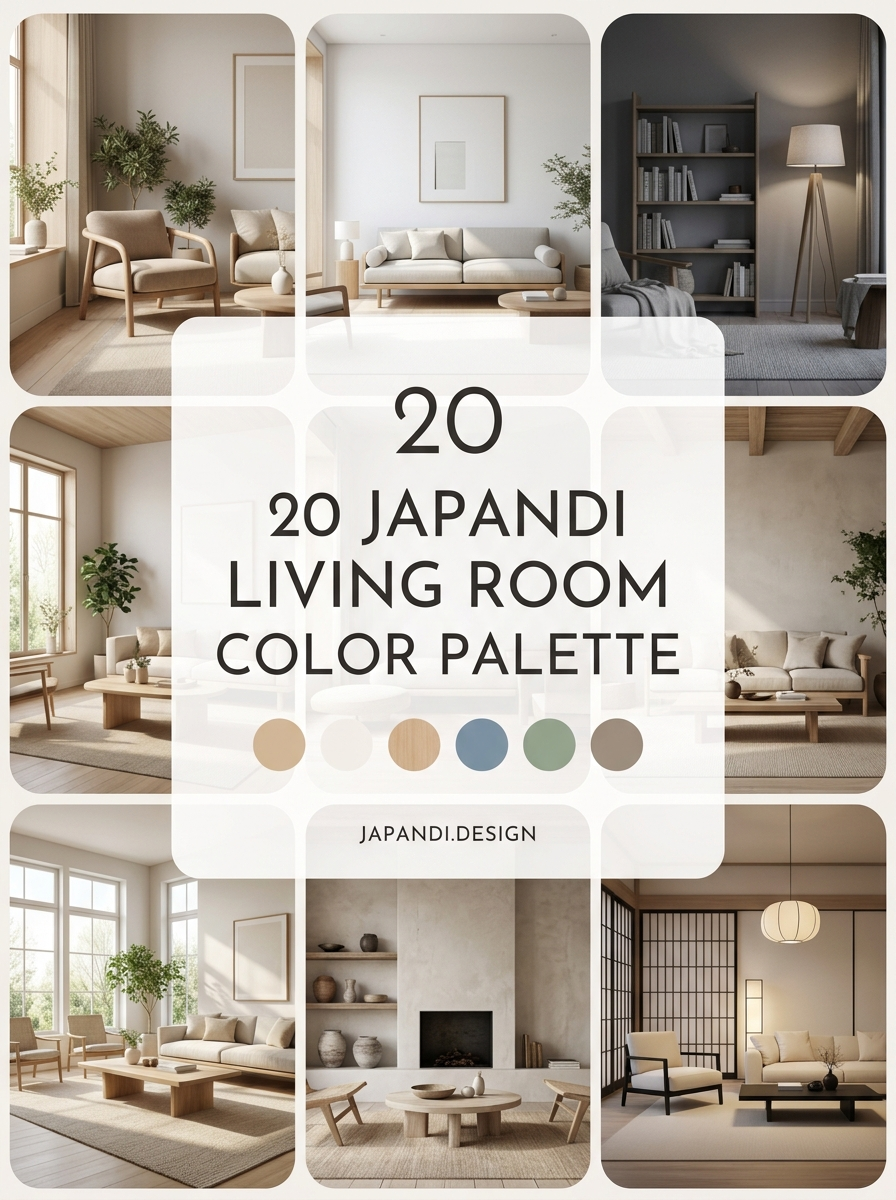

Discover The Ultimate Japandi Living Room Color Palette For Modern Homes
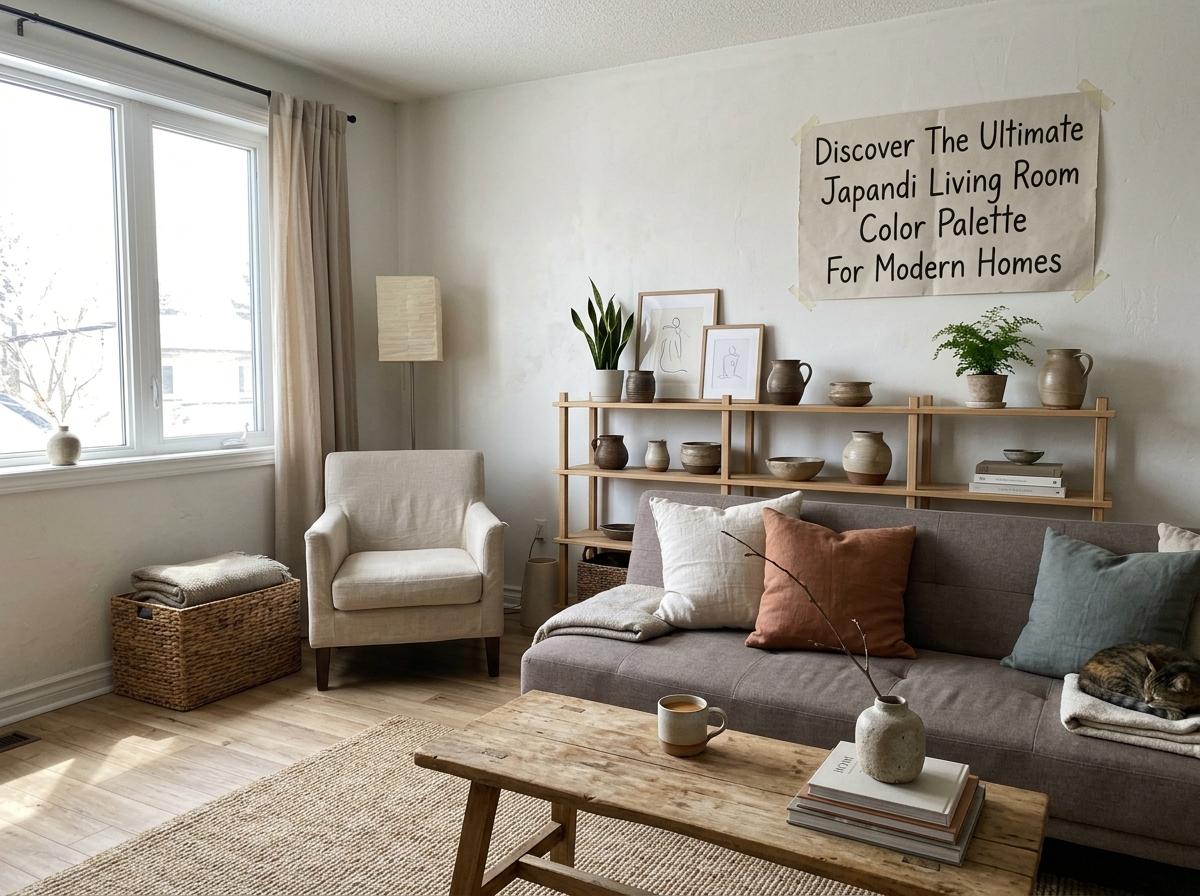

At its core, the Japandi aesthetic emerges from a meticulous synthesis: the rustic, transient honesty of Japanese wabi-sabi integrated with the pragmatic, egalitarian warmth of Scandinavian hygge. This fusion demands a color palette defined by chromatic restraint, where the architectural severity of charcoal and slate is tempered by the organic luminescence of unbleached linen and raw timber. It is a visual language that feels profoundly disciplined, yet remains inherently hospitable; it prioritizes a rigorous minimalism, but never at the expense of domestic intimacy. To achieve this balance, we must curate a selection of pigments that offer a sensorial journey-layering visceral, earthen, and hushed undertones that transform a standard living space into a sanctuary of meditative stillness.
Warm Wood And Soft Neutrals Define This Japandi Living Room
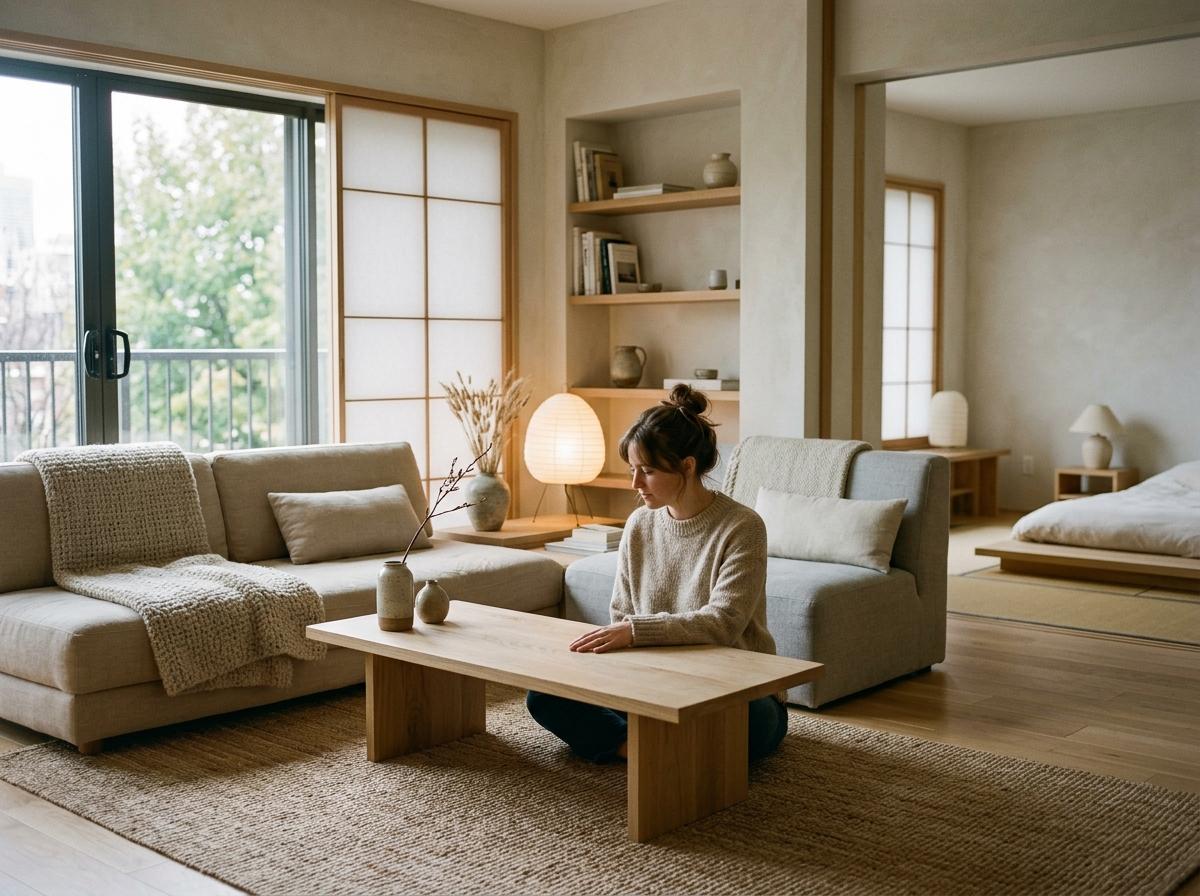

Stepping off the frantic, asphalt-slicked streets of the city is often an exercise in sensory whiplash-a sudden trade of neon glare for the hushed, intentional embrace of white oak and limewash. Sitting across from the homeowner, I watched as they traced the grain of a bespoke coffee table, explaining that the goal wasn't just decoration, but a complete recalibration of the home's energy. "We wanted a space that felt like a deep exhale," they noted, pausing to adjust a ceramic vase, "where the materiality did the talking... instead of the clutter." This deliberate use of tactile textures and a muted, tonal palette creates a sophisticated interplay of light and shadow, grounding the room in a sense of permanent serenity. By prioritizing a "soft minimalism" that values organic imperfections over sterile perfection, this living room exemplifies how the Japandi aesthetic transcends mere trend to become a functional sanctuary for the modern soul.
Defining Your Space With A Curated Japandi Living Room Color Palette
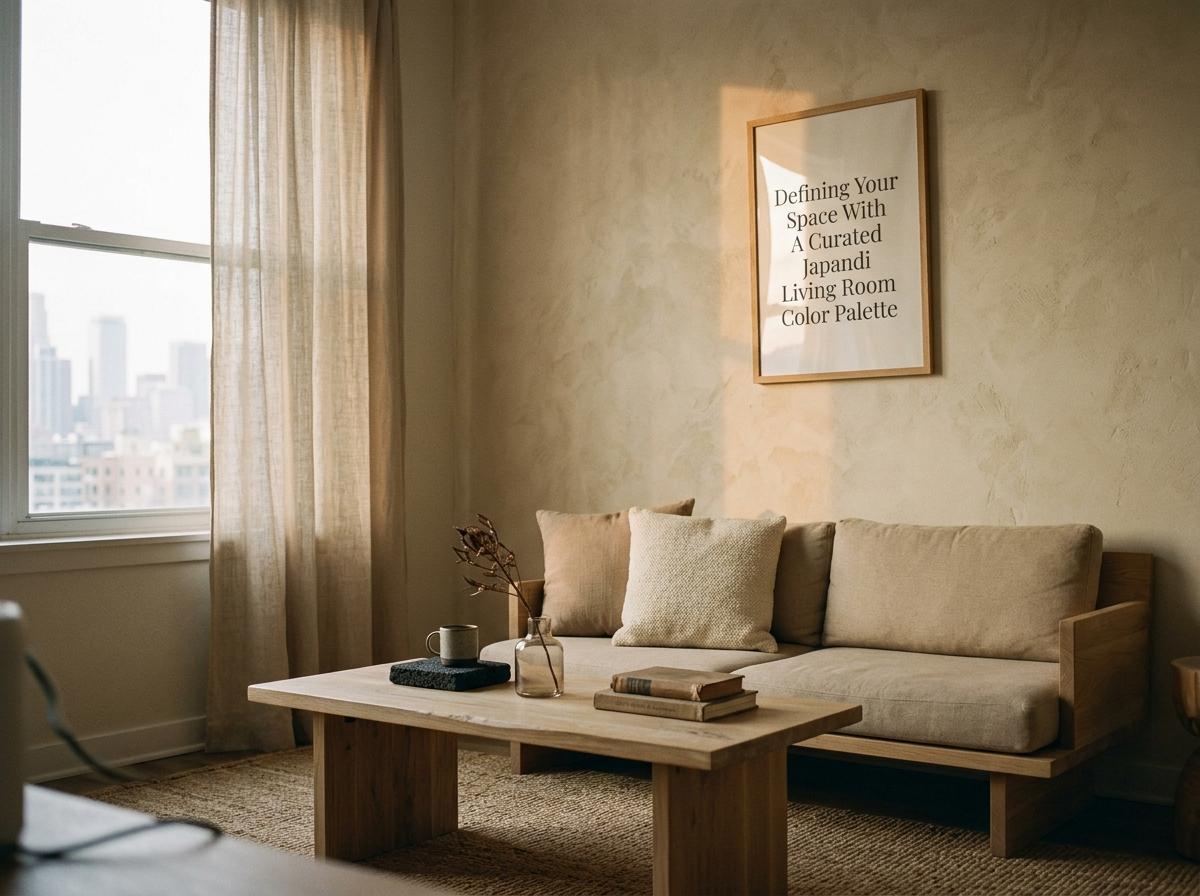

To design a Japandi living room is to engage in a deliberate act of atmospheric grounding, where the spatial context is anchored by a foundational layer of "oatmeal" lime wash that absorbs harsh shadows and evokes a sense of permanent serenity. This aesthetic relies on a figurative paradox-the achievement of a cluttered minimalism-where every carefully selected object vibrates with intention despite the lack of excess. We find a rigid structural dualism at play here, a sharp distinction between the chaotic, unpredictable energy of the external urban landscape and the curated internal sanctuary that refuses its influence. The palette is further defined by its material specificity; imagine the tactile friction of brushed FSC-certified white oak against the raw, open-pore grain of volcanic basalt accents. Ultimately, these choices represent a functionalist specification, where the integration of low-chroma pigments serves as a pragmatic solution to visual fatigue, transforming the domestic sphere into a high-utility engine for psychological restoration.
Earth Tones Lead The Way In This Elegant Japandi Living Room Concept
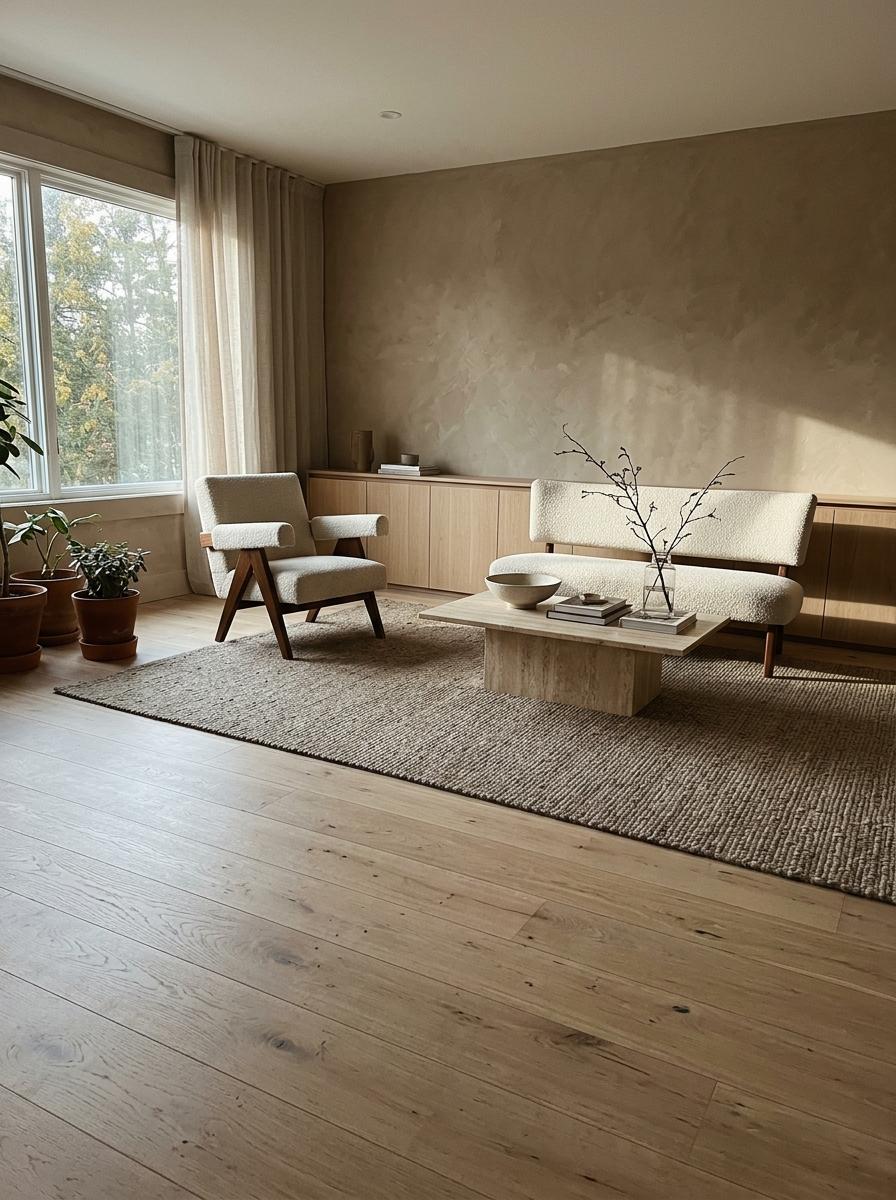

In this elegant Japandi living room concept, the aesthetic foundation is built upon a dialogue between raw earthiness and refined sophistication. Note how the tactile grain of the open-pore white oak floorboards acts as a steadying anchor, inviting your eyes to travel upward toward the walls finished in a luminous, trowel-applied Roman clay. This deliberate choice creates a structured fluidity, where the rigid geometry of the bespoke cabinetry is softened by the organic, pulsating warmth of the clay's natural pigments. As you trace the silhouette of the low-profile Pierre Jeanneret-inspired seating, the interplay of coarse bouclé upholstery against the cool, honed surface of a travertine plinth evokes a sense of monumental lightness. This visual harmony does more than simply please the eye; it triggers a profound physiological decompression, slowing the heart rate as the space envelops you in a cocoon of stillness. By synthesizing the rustic soul of a Wabi-sabi retreat with the polished precision of a Scandinavian penthouse, the design transcends mere décor to become a visceral sanctuary for the modern spirit.
Transform Your Home With A Balanced Japandi Living Room Color Palette
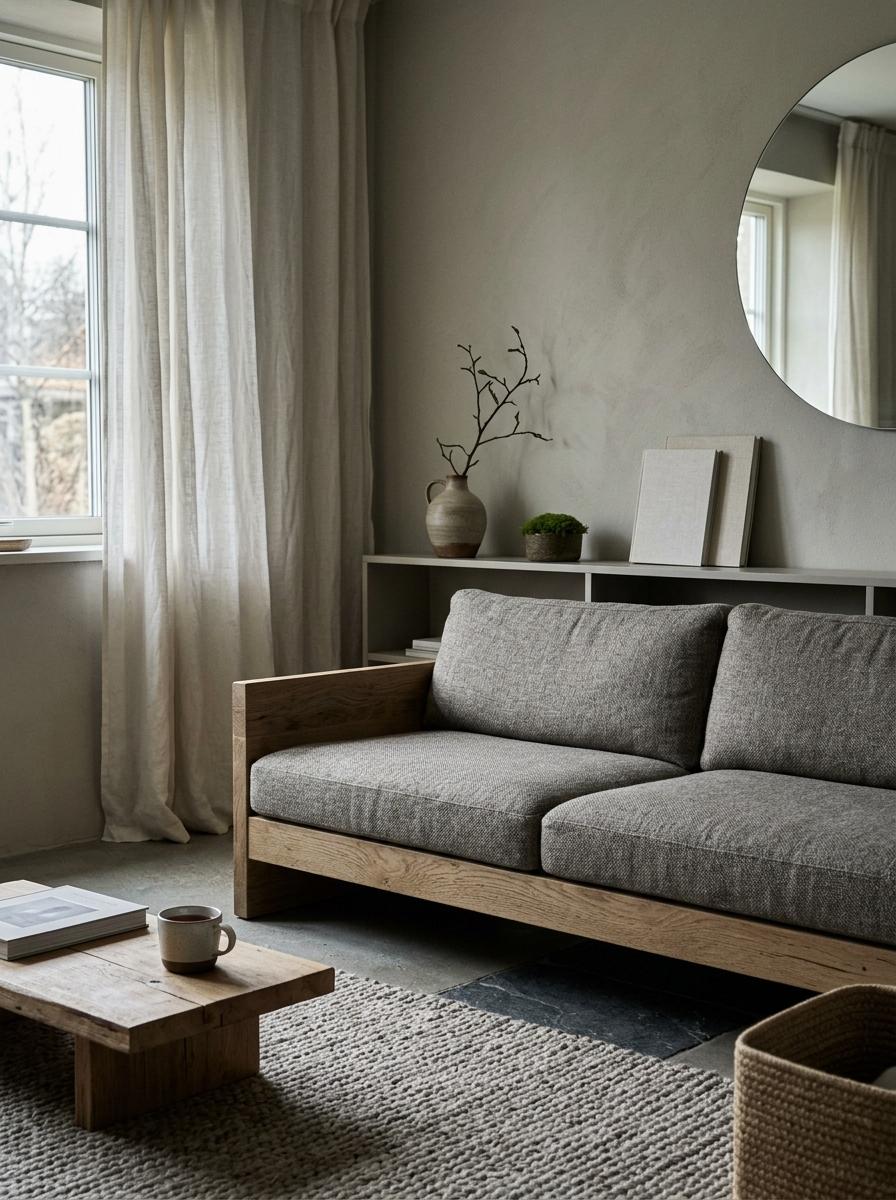

Creating a Japandi living room begins with Atmospheric Grounding, where the space is anchored not by sheer decoration, but by a deliberate stillness that mimics the hushed topography of a moss-covered forest floor. Within this niche, we encounter a Figurative Paradox: the concept of heavy lightness. It is the art of selecting furniture that possesses a visual weight-grounding the soul-while maintaining a structural buoyancy that allows the room to breathe. This harmony is maintained through Structural Dualism, where the chaotic, kinetic energy of the external urban world is sharply severed from the internal sanctuary, turning the four walls into a filter for psychic noise. To achieve this, we must lean into Material Specificity, layering the coarse, open-grain texture of sand-blasted white oak against the smooth, cooling resistance of honed basalt. Ultimately, the palette serves a Functionalist Specification; the integration of muted ochres and slate greys is not merely an aesthetic choice, but a high-utility solution designed to regulate circadian rhythms and optimize the domestic environment for deep focus and restorative rest.
Sophisticated Selection: A Masterclass In Japandi Living Room Color Palette
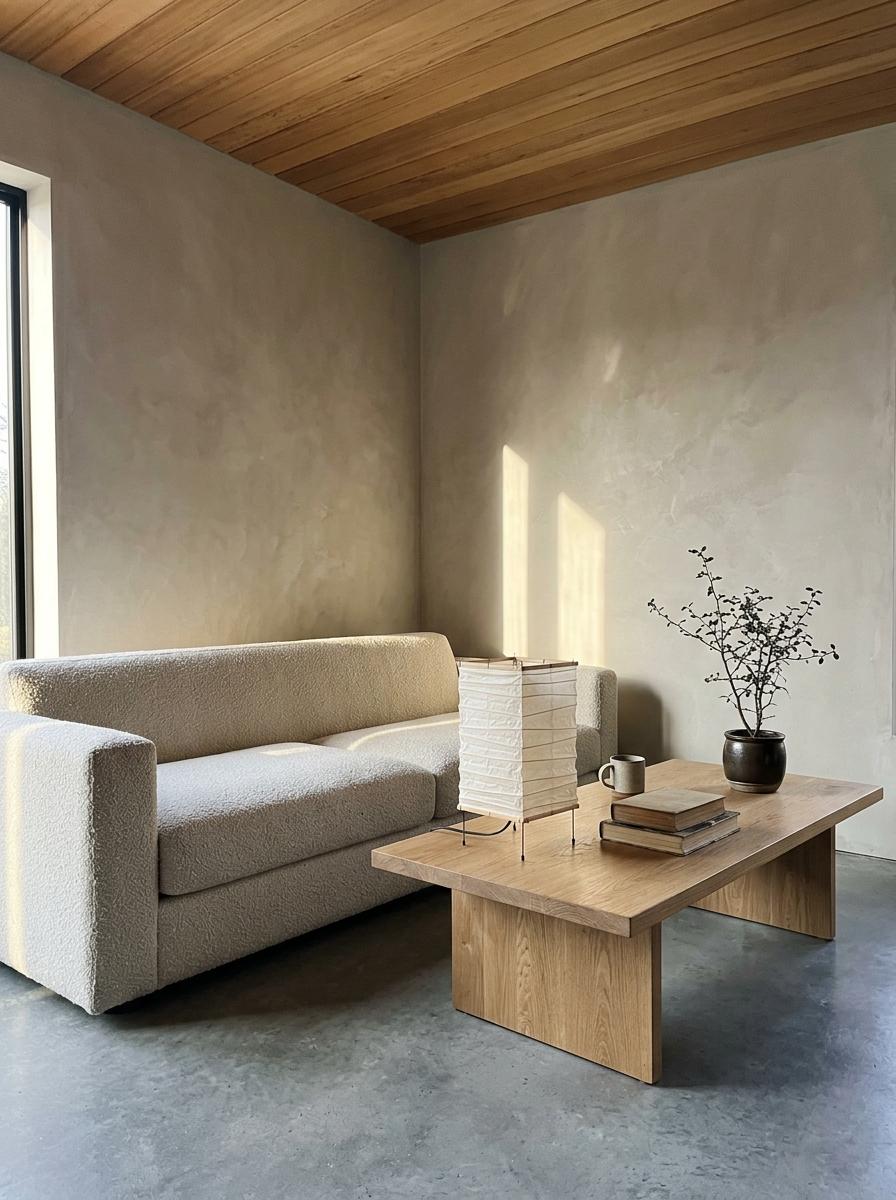

To master the Japandi living room, we need to first look toward the intentional tension between Nordic pragmatism and Japanese minimalism. Note how the placement of a low-slung sofa upholstered in a nubby, high-denier bouclé anchors the space, providing a structural weight that feels paradoxically weightless against the backdrop of limewash-plastered walls. This is the art of ordered chaos-a design philosophy where the sinewy, open-grain texture of a solid white oak coffee table meets the brittle fragility of a handmade washi paper lamp. As your eyes trace the transition from the cool, mineral grey of a polished concrete floor to the honeyed warmth of a cedar-slat ceiling, the room begins to exert a physical influence; the heart rate decelerates, and the chest expands as a wave of respiratory stillness washes over you. This is not merely a visual exercise but a physiological recalibration. Drawing inspiration from the Aman Kyoto's mastery of light and shadow, we see that a sophisticated palette is less about the colors themselves and more about the tactile resonance of the materials that carry them. In this space, the silence isn't empty-it is heavy with the luxury of essentialism.
Subtle Hues Enhance This Minimalist Japandi Living Room Design
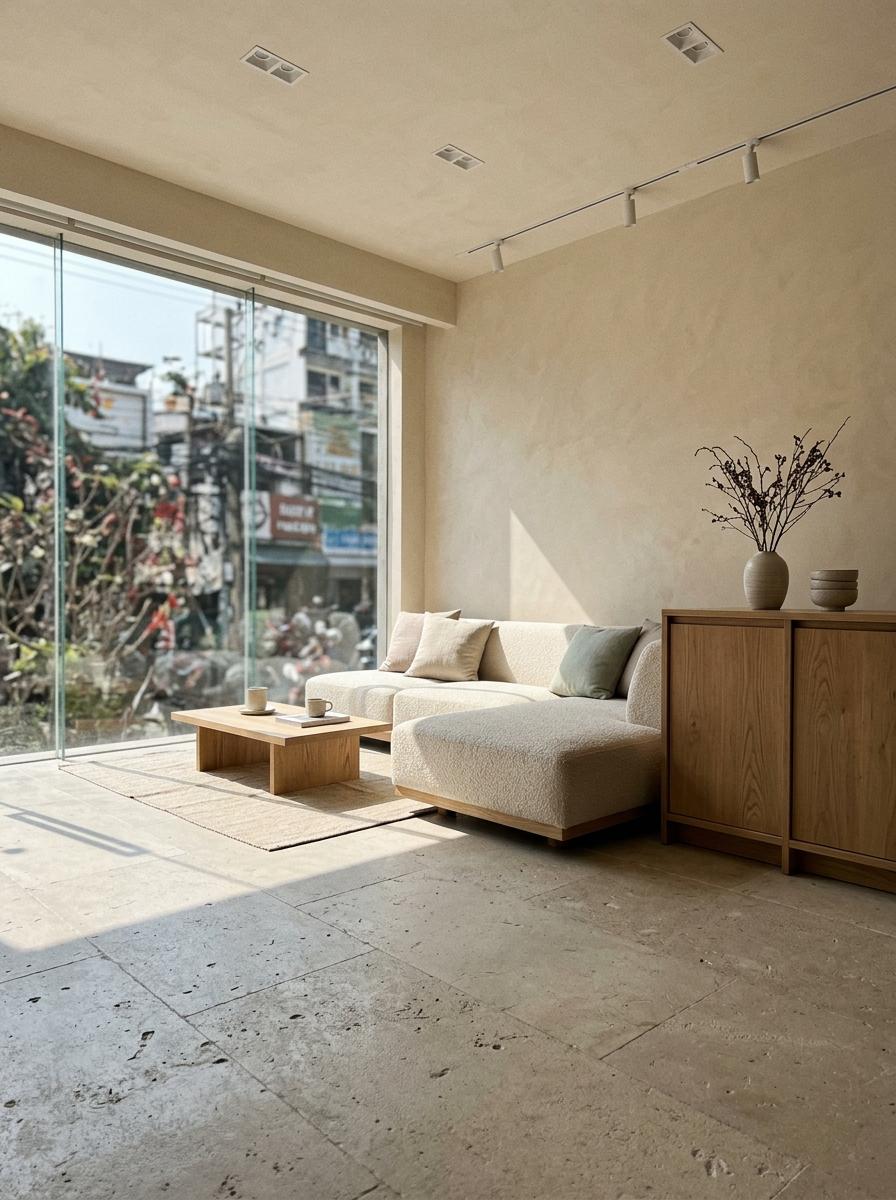

In this minimalist Japandi living room, the atmosphere is grounded by a deliberate low-slung orientation, anchoring the gaze to a limestone-finished floor that evokes the cool, hushed stillness of a Kyoto morning. This serenity is defined by a structured fluidity, where the rigid geometry of the layout reconciles with the organic flow of diffused light. While the external world remains a chaotic blur beyond the floor-to-ceiling glass, the internal sanctum is a fortress of rhythmic calm, governed by a sharp distinction between urban noise and domestic silence. Tactile richness is introduced through unbleached bouclé upholstery and solid white oak cabinetry, surfaces that demand a physical connection to the natural world. Ultimately, the space functions through its modular recessed lighting, a precise industrial utility that provides an adaptive solution for transitioning the room from a bright, collaborative studio into a dim, meditative retreat.
Creating A Calm Atmosphere Using A Japandi Living Room Color Palette
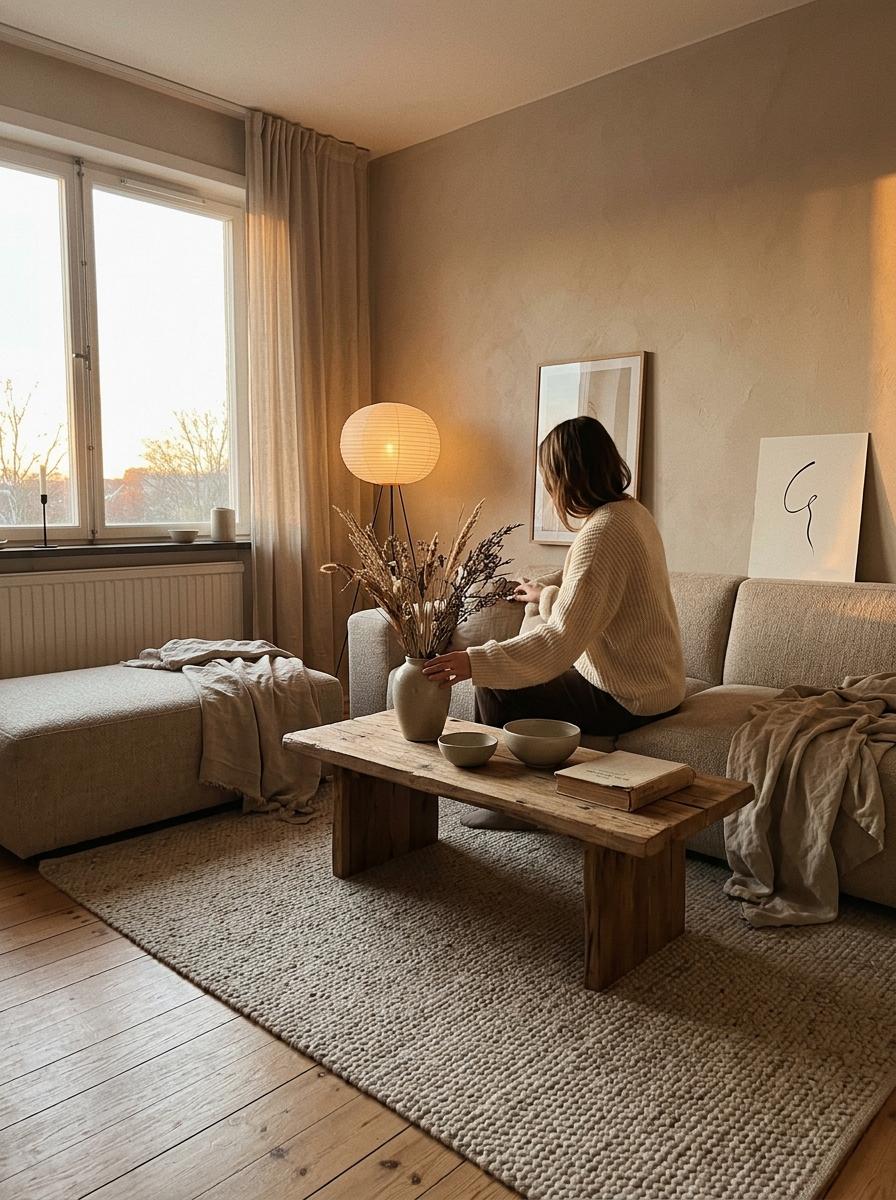

At its core, the Japandi aesthetic emerges from the rigorous intersection of Scandinavian hygge and the Japanese ethos of wabi-sabi, resulting in a design vernacular that prioritizes intentionality over mere decoration. This synthesis demands a sophisticated command of a "warm neutral" palette-moving beyond simple beige into a realm of oatmeal, taupe, and desaturated clay. The color theory here relies on a precarious dialectical pairing: the environment must feel expansive yet grounded, ethereal yet tactile. It is a visual dialogue where the cool, architectural precision of Nordic minimalism meets the earthy, weathered imperfection of Eastern traditionalism. By layering these tones, one achieves a space that is simultaneously haptic, resonant, and atmospheric, bypassing the clinical coldness of modernism to foster a profound sense of quietude.
Explore The Nuances Of A Timeless Japandi Living Room Color Palette
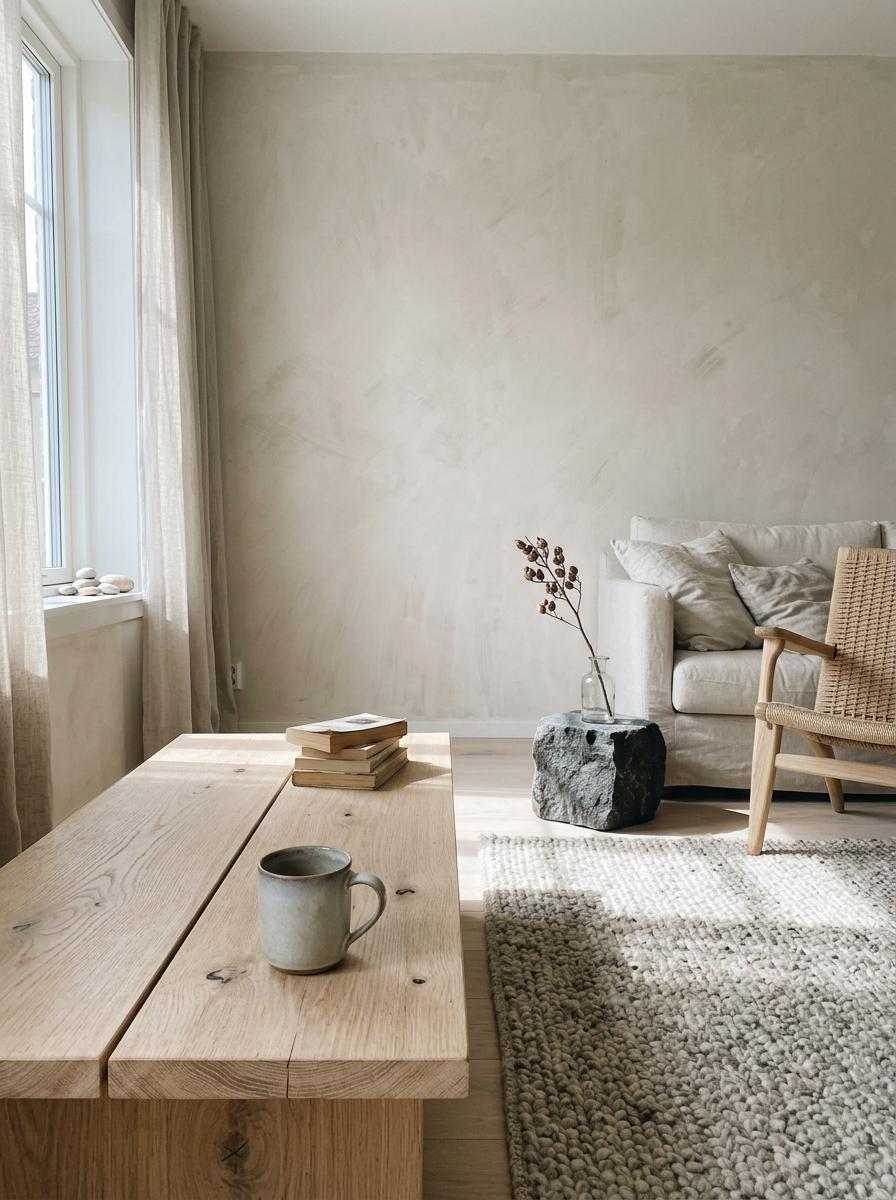

To achieve the quintessential Japandi aesthetic, we can look beyond simple beige and embrace a spectrum of "organic neutrals" that bridge the gap between Scandinavian functionality and Japanese minimalism. In a well-curated space, the walls often feature a slaked-lime mineral wash, providing a chalky, tactile depth that feels both pristine and weathered. Note how the play of natural light across a raw-sawn white oak coffee table creates a sense of ordered chaos; the wood's open-grain texture offers a rugged contrast to the mercerized silk sheen of a hand-knotted rug. This intentional layering of materials does more than satisfy the eye-it resets the nervous system. As your hand brushes against the cool, vitrified surface of a charcoal basalt plinth, a wave of profound stillness replaces the frantic pace of the digital world, slowing your heart rate to match the quiet rhythm of the room. This approach mirrors the design philosophy found at the Aman Tokyo, where the palette isn't merely a color choice, but a structural element. By anchoring the room in these high-precision textures, you transition from merely inhabiting a space to experiencing a state of monastic luxury, where every hue serves as a grounding force for the soul.
Refined Tones For A Stylish Modern Japandi Living Room Environment
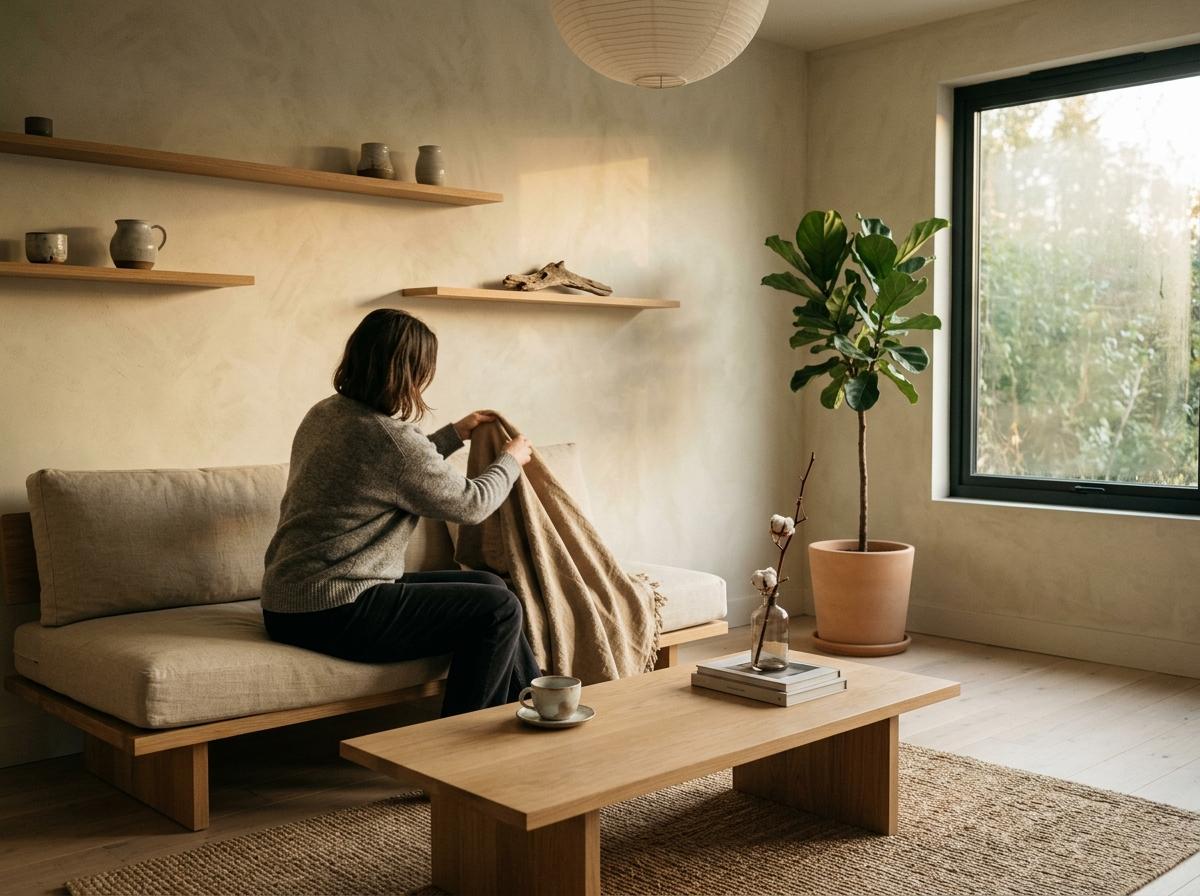

Stepping into the clutter of a high-gloss, maximalist showroom-where neon accents compete for attention against cold, polished chrome-one often feels a sense of sensory fatigue rather than domestic bliss. It was this jarring friction that I discussed recently with a curator who specializes in minimalist textiles. "The goal isn't to erase personality," she noted, pausing to adjust a linen throw that possessed a particular, tactile weight, "but to filter it through a lens of quietude... to find that specific point where the 'Scandi' hygge meets the 'Wabi-sabi' appreciation for the weathered." This dialogue underscores the shift toward a more sophisticated palette; we are moving away from sterile whites and toward a mastery of desaturated earth tones and matte finishes. By replacing the visual noise of excess with a curated selection of low-profile oak furniture and lime-wash walls, we transition from a space that merely exists to one that breathes. This evolution in interior materiality demonstrates that a truly refined environment is built not on what we add, but on the soulful resonance of what we choose to keep.
Natural Shades Anchor This Cozy Japandi Living Room Interior
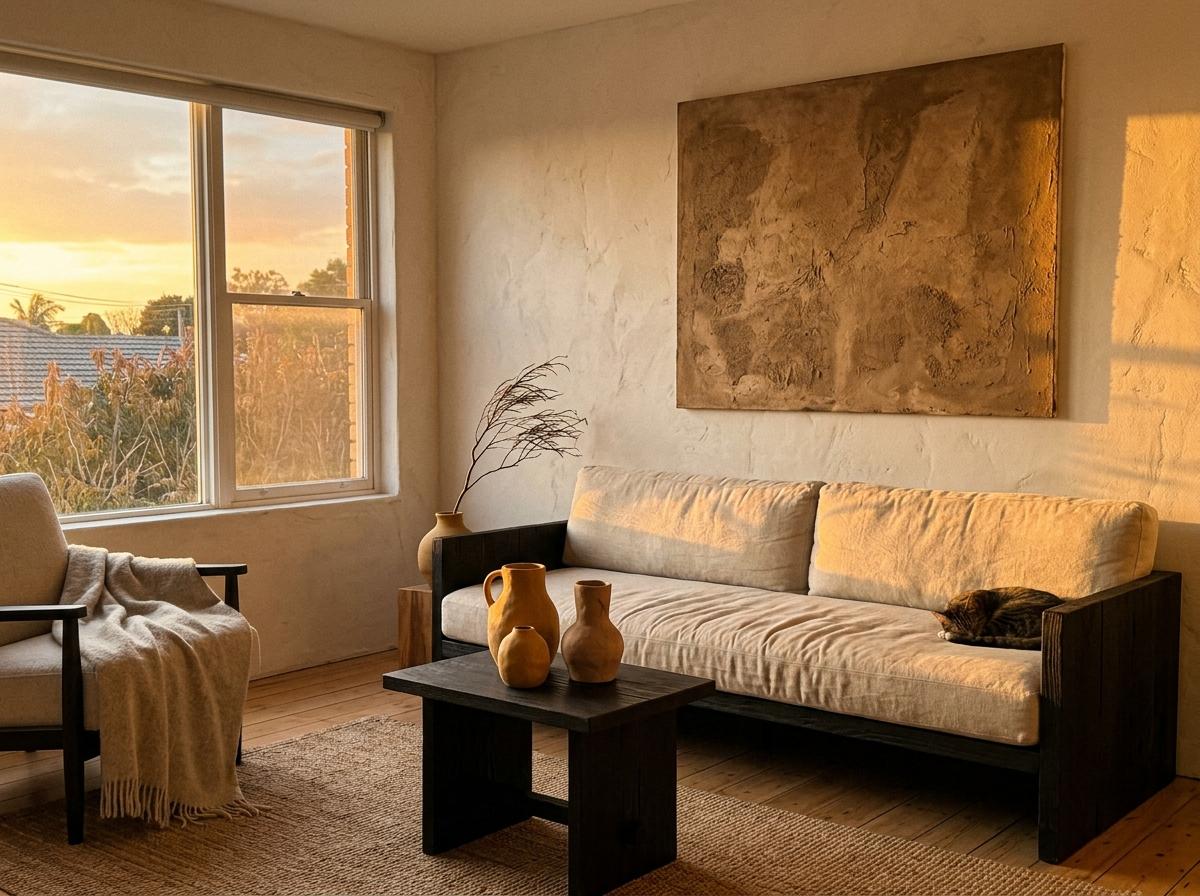

At the core of this interior lies the fundamental synthesis of Scandinavian hygge and Japanese wabi-sabi: a deliberate fusion where Northern European utility meets the ephemeral grace of Eastern minimalism. This aesthetic synergy is achieved through a palette of earthen pigments-ochre, bone, and umber-that serve as a grounding foundation for the space. The room feels profoundly hushed yet vibrantly tactile, embodying a curated restraint that somehow projects a boundless, welcoming warmth. By layering the organic porosity of unrefined linen against the architectural precision of charred cedar, the design achieves a sensorial richness; it is an atmosphere that is simultaneously monastic and indulgent, ephemeral and enduring, anchoring the home in a state of quiet, perpetual composure.
Muted Colors Take Center Stage In This Japandi Living Room Layout
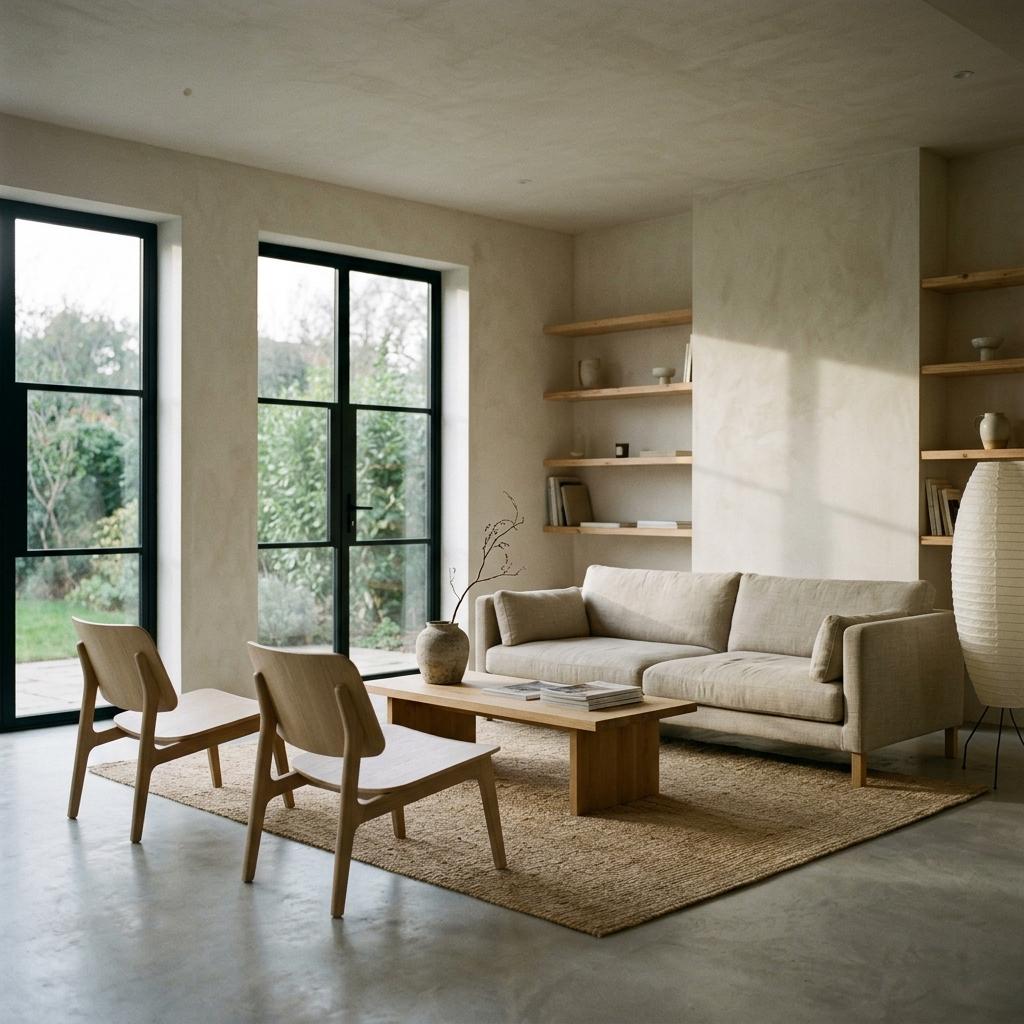

This Japandi living room was conceived as a masterclass in restorative restraint, where the architectural footprint is defined by a curated collection of oatmeal and ash. Within this hollowed-out hearth, every surface exudes a pristine, paper-thin lightness that eliminates the noise of the external world. Soft shadows sweep across the pale plaster, weaving a sense of quiet composure into the very fabric of the walls. The floor plan purposefully pushes outward to maximize the flow of natural light, expanding the perceived volume of the interior through intentional voids and low-profile silhouettes. This careful choreography of space anchors the inhabitant through a seamless fusion of tactile timber, breathable linen, and unadorned stone.
How To Master A Harmonious Japandi Living Room Color Palette
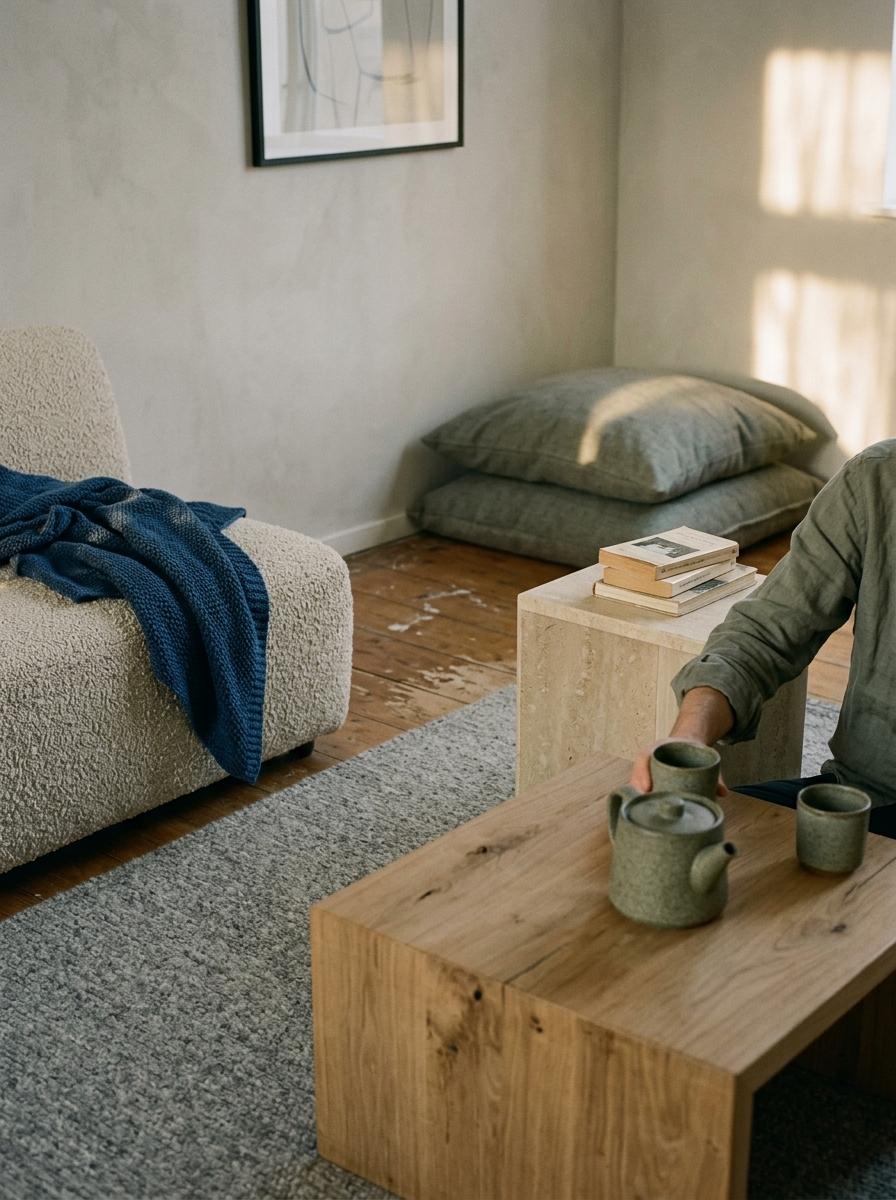

To master a harmonious Japandi living room, you must first anchor the space in the tactile honesty of unfinished white oak and the porous density of honed travertine. Note how the interplay between these raw surfaces creates a "structured spontaneity," where the rigorous geometry of Scandinavian minimalism meets the intentional imperfection of Japanese wabi-sabi. As you move through the room, let your gaze rest on a low-slung sofa upholstered in nubby, oatmeal-toned bouclé-a material that offers a "heavy lightness" to the visual field. This specific layering of neutrals does more than fill a floor plan; it triggers a profound physiological shift, lowering the heart rate as the eyes cease their search for visual noise. By integrating the muted, earthy pigments found in Kyoto-sourced ceramics alongside the cool, ashen-grey undertones of a Danish wool rug, you create a sanctuary that breathes. This is not merely a design choice, but a sensory recalibration that transforms a physical dwelling into a resonant emotional retreat.
Warm Minimalism Reflected In A Japandi Living Room Color Palette
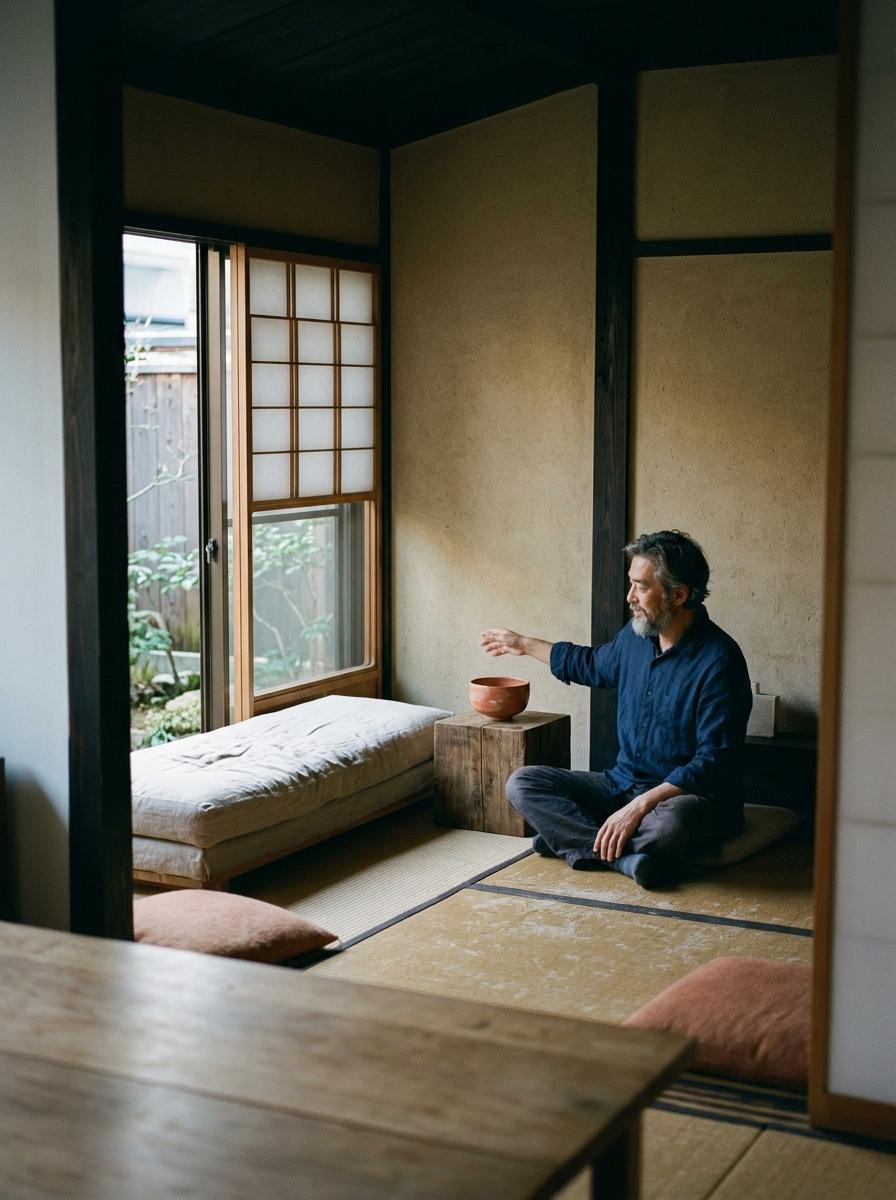

Entering the apartment of a Kyoto-based artisan, the immediate sensation is one of profound physiological decompression; it is a stark departure from the frenetic, neon-drenched cacophony of the Shibuya crossing just hours behind me. While the city outside vibrates with high-chroma chaos and glass-and-steel coldness, this living room breathes through a curated layer of "warm minimalism." As we sat down, the artisan gestured toward the clay-plastered walls, noting how the light hit the surface. "The secret isn't just the absence of clutter," he explained, pausing to adjust a single ceramic vessel on a low-slung timber plinth, "it's the intentionality of the... what do we call it... the tonal resonance." He's right; the space doesn't feel empty, but rather saturated with a sophisticated palette of oatmeal, muted terracotta, and charred cedar-a deliberate application of desaturated earth tones that provides a haptic richness lacking in traditional sterile modernism. This delicate balance between Scandi functionality and Japanese rustic imperfection serves as the perfect blueprint for understanding how a Japandi color palette can transform a dwelling into a sanctuary.
Soft Grays And Beiges Shape This Unique Japandi Living Room Aesthetic
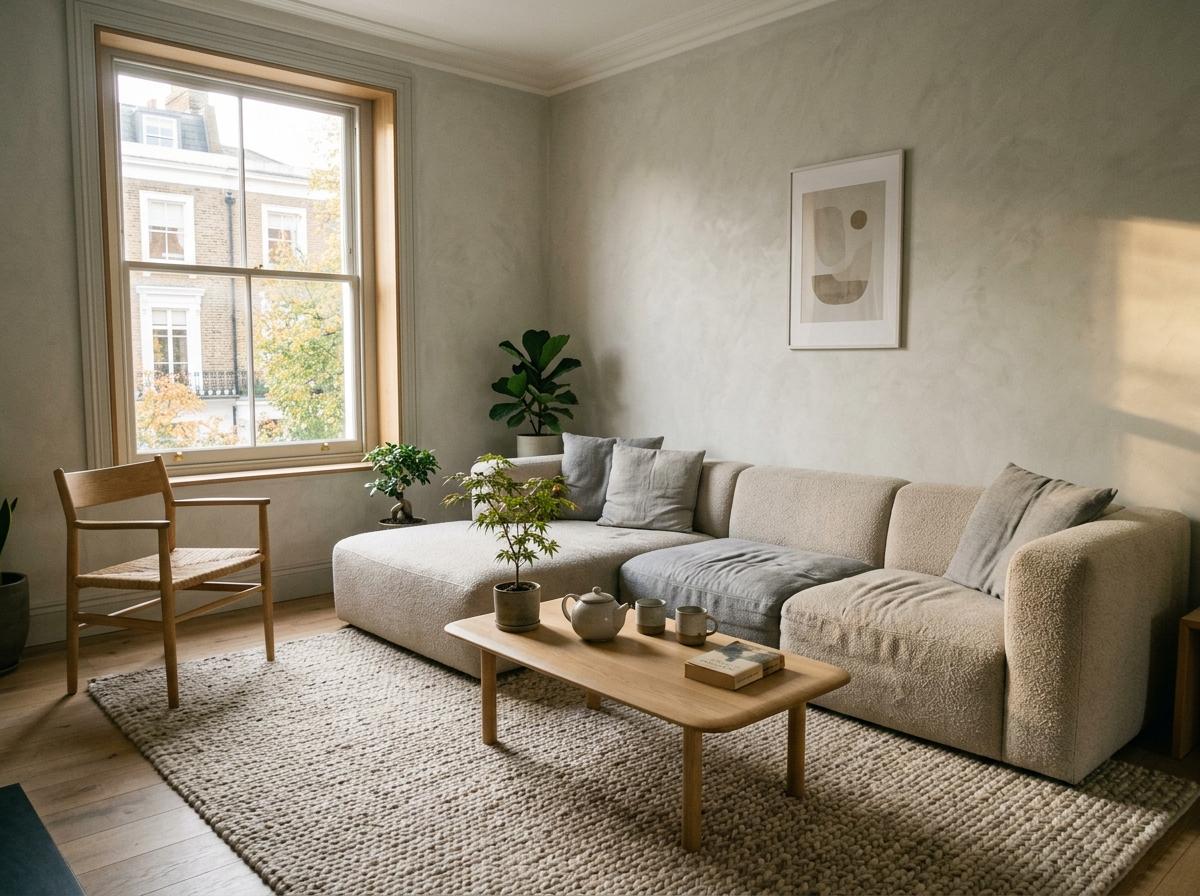

The evolution of this living space begins with a nod to the mid-century period, where the rigidity of industrial production once dictated the flow of domestic life; however, today's Japandi movement has softened those historic edges, replacing cold efficiency with a soulful, contemplative warmth. The result is a masterclass in structured fluidity, an aesthetic oxymoron where the precision of Japanese joinery meets the organic, sprawling comfort of Scandinavian textiles. Situated in the heart of London's high-end Marylebone district, the project was commissioned by a family who, as a repeat client of the design team, brings a deep-seated trust that allowed for such a nuanced palette of stony grays and sandy beiges. Ultimately, this atmosphere is achieved through a precise technical synthesis of matte lime-wash wall finishes, low-profile oak framing, and a strategic layering of diffused light.
A Closer Look At An Organic Japandi Living Room Color Palette
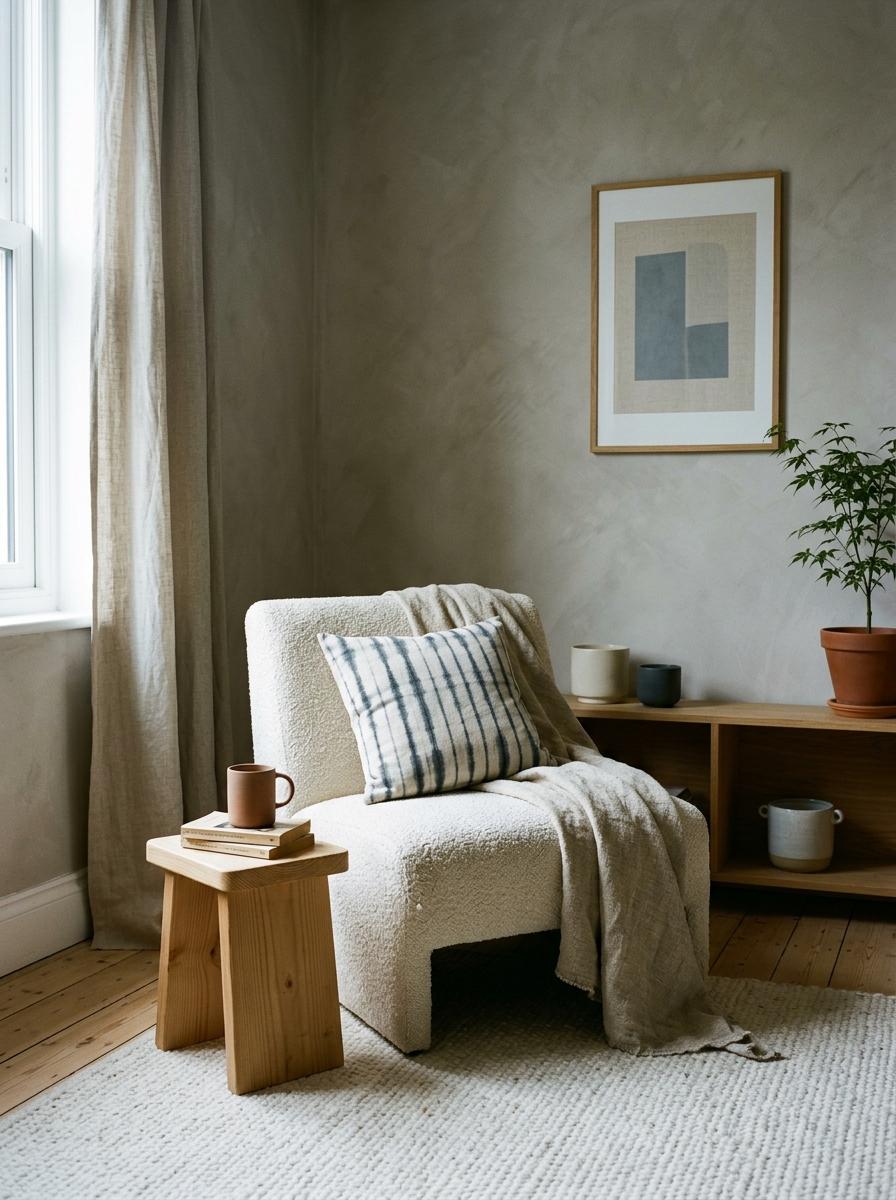

At its core, the Japandi aesthetic emerges from a meticulous synthesis: the rustic, transient impermanence of Japanese wabi-sabi fused with the functional, light-imbued pragmatism of Scandinavian hygge. This stylistic convergence demands a color palette defined by lexical precision, where we move beyond simple "beige" to embrace the desaturated sophistication of oatmeal, bone, and oxidized clay. The color story functions through a deliberate dialectical pairing; the palette is profoundly hushed yet undeniably intentional, utilizing cool, stony undertones to anchor the warmth of raw timber. It is a visual dialogue that feels ethereal but grounded, sparse but soul-stirring. By stacking sensorial textures-velvety matte plasters against grain-heavy, tactile oaks-the living room transcends mere decoration, achieving a resonant, meditative stillness that balances monastic restraint with an enveloping, ancestral warmth.
Find Endless Inspiration In This Curated Japandi Living Room Color Palette
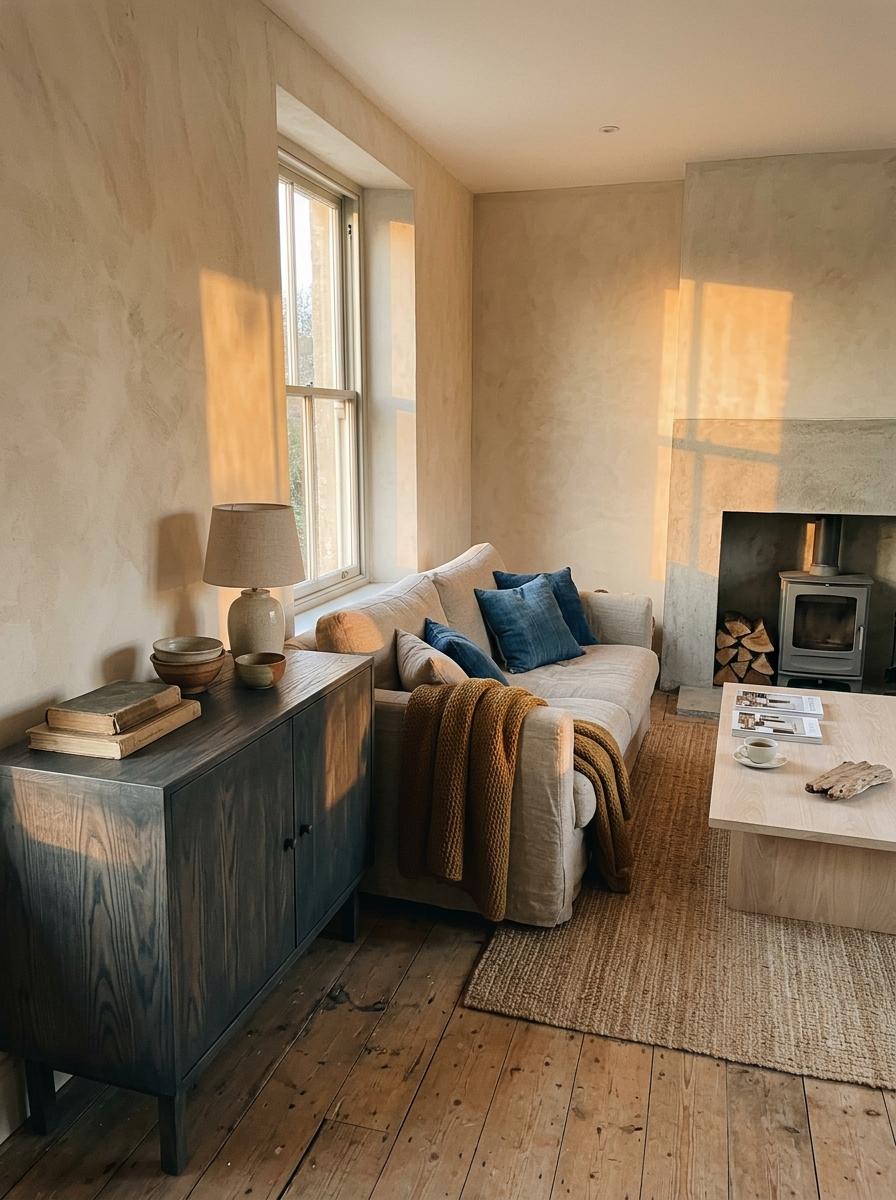

To create a space that transcends mere decoration, You can look toward the Stockholm-Kyoto axis, where the restraint of Scandinavian functionalism meets the weathered soul of Japanese wabi-sabi. In this curated color palette, we move beyond generic beige into the realm of viscous ochres and calcified linens, where the grain of sandblasted white oak provides a tactile rhythm against the cool, troweled cement of the hearth. Note how the deliberate placement of a charcoal-stained ash sideboard anchors the room, acting as a visual weight that prevents the ethereal, airy tones from drifting into sterility. It is within this precise spontaneity that the room begins to breathe; the "high-contrast neutrals" create a sense of static motion, a paradox where the eye finds rest while the mind remains engaged. As you immerse yourself in this spectrum of hushed earth tones and desaturated charcoals, the physical sensation of your pulse slowing is no coincidence; it is the physiological response to a space that replaces the frenetic noise of modern life with a profound, resonant silence.
Elegant Textures Meet A Muted Japandi Living Room Color Palette
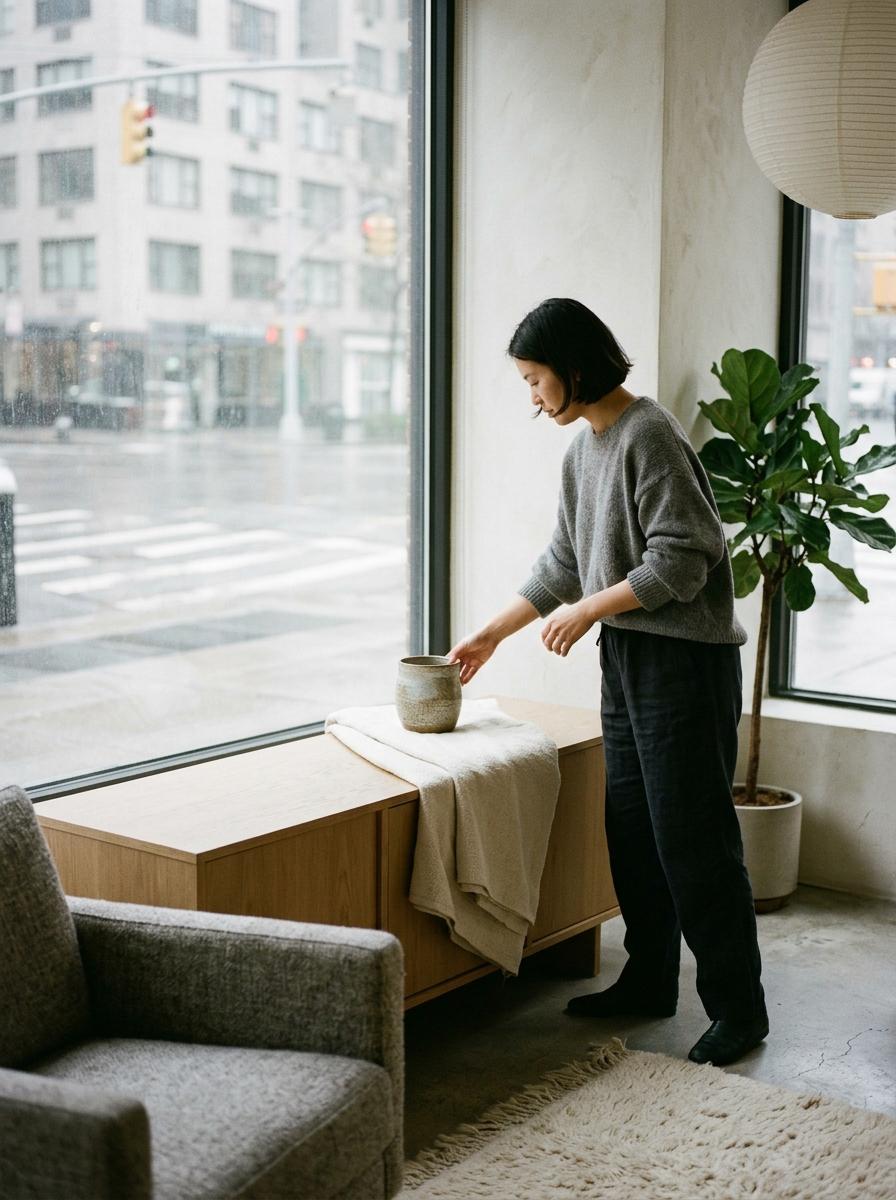

I remember stepping out of the abrasive, neon-slicked chaos of the midtown rain and into a space that seemed to exhale. It wasn't just the silence that struck me, but the way the light fell across a low-slung oak credenza, catching the grit of a lime-wash finish. "The secret isn't in the absence of color," my host remarked, tracing the grain of a heavy linen throw, "but in the presence..." she paused, searching for the word as she adjusted a ceramic vessel, "...of intention." We stood in a room defined by a muted Japandi palette, a masterclass in tonal restraint that made the sharp, synthetic glare of the city outside feel like a distant, frantic memory. By replacing the visual noise of the street with a curated tactile landscape-where the honesty of raw timber meets the soft patina of hand-loomed textiles-the room became a sanctuary of sensory depth. This seamless marriage of touch and tone serves as the blueprint for understanding how texture can breathe life into a minimalist home.
Classic Simplicity Found In A Modern Japandi Living Room Color Palette
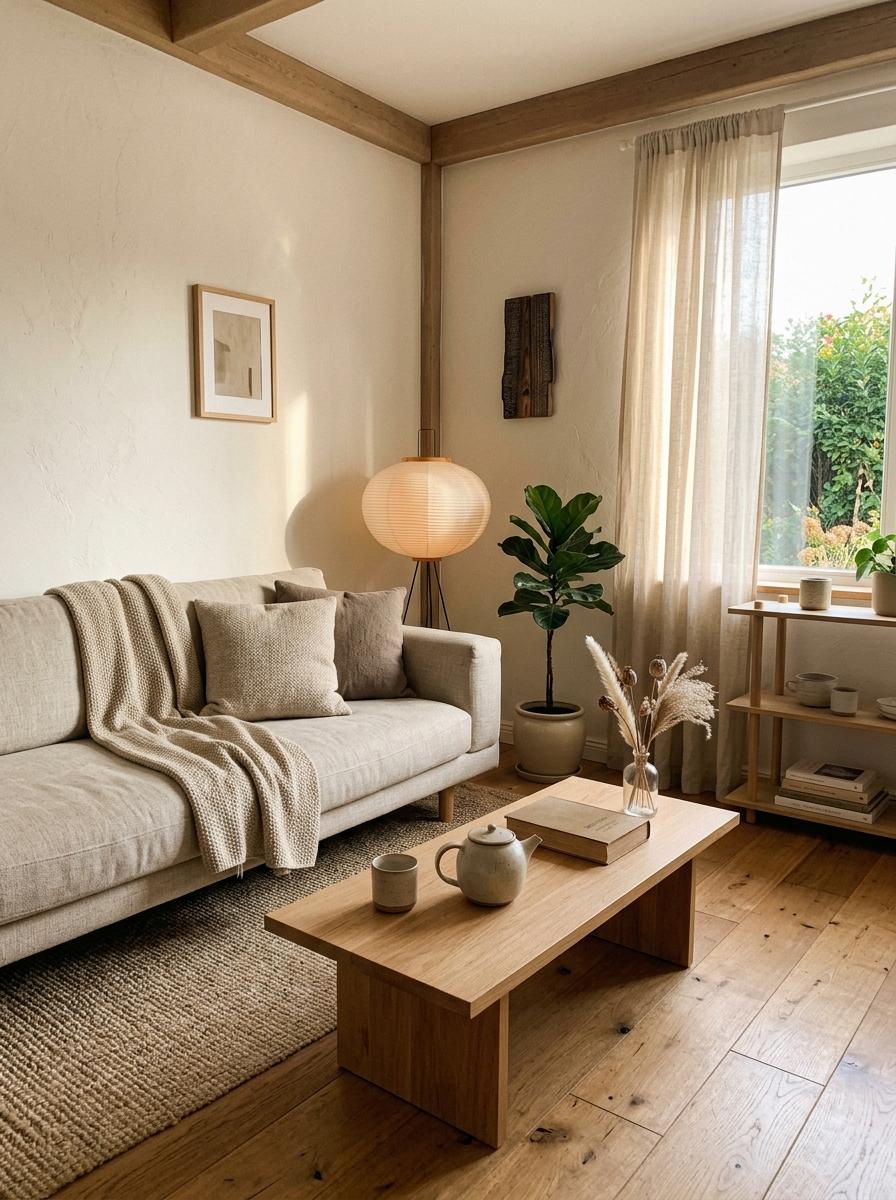

At the intersection of Scandinavian functionalism and the ancient Japanese philosophy of wabi-sabi lies the Japandi aesthetic-a synthesis that transmutes minimalist restraint into a warm, liveable serenity. To curate a modern Japandi living room color palette is to engage in a deliberate exercise of lexical precision; it requires a move beyond mere beige toward a spectrum of oatmeal, flaxen, and dampened clay. The visual language is defined by a dialectical pairing: the environment feels rigorously disciplined, yet profoundly inviting. It is a calculated tension where the clinical precision of Nordic geometry meets the organic, weathered imperfections of Eastern materiality. By stacking sensorial layers-the tactile weight of raw linen, the ethereal glow of shoji-inspired light, and the grounding depth of charred cedar-one achieves a space that is not merely viewed, but felt. Through this study of chromatic balance, we find that classic simplicity is not an absence of detail, but a masterful orchestration of essentialism.
Tranquil Vibes Enhanced By A Soft Japandi Living Room Color Palette
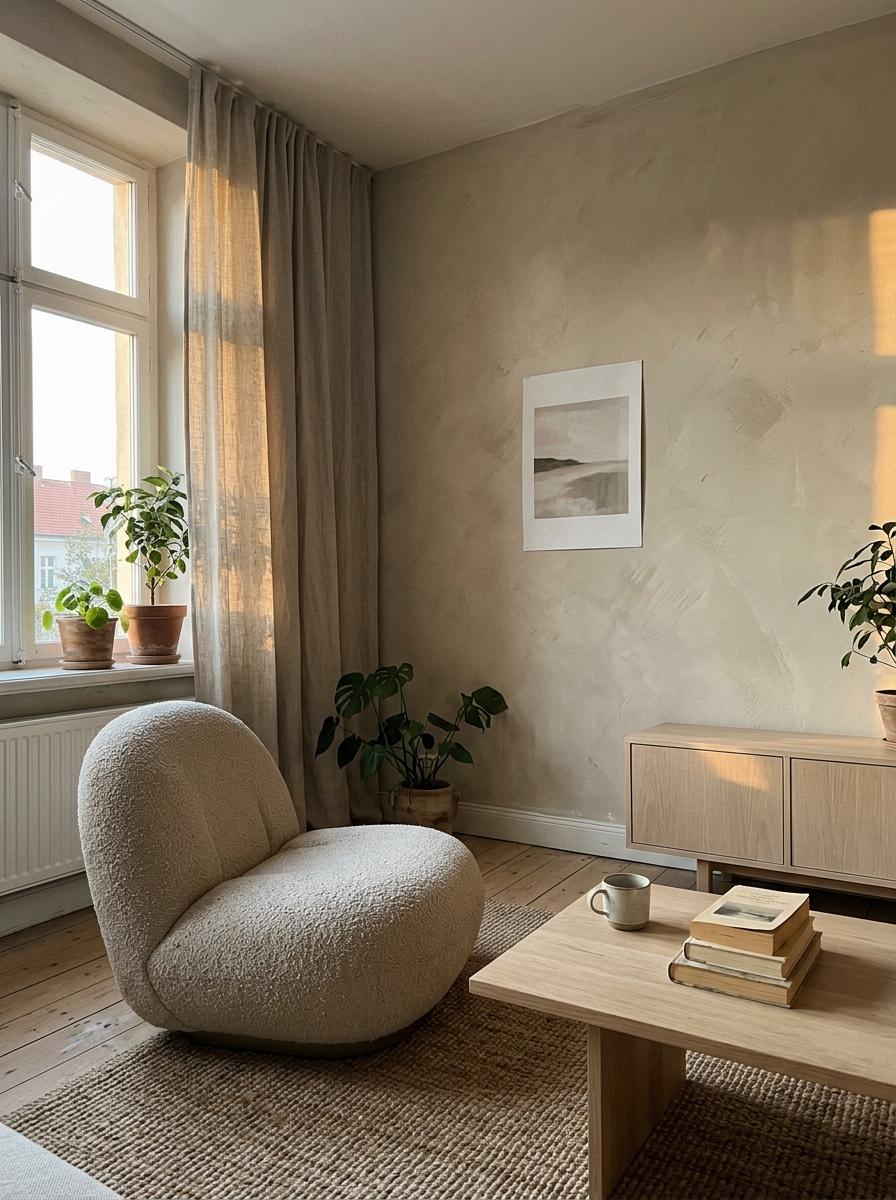

To achieve the serene equilibrium of a high-end Tokyo residence or a secluded retreat in the Skåne countryside, we need to master the art of the "visual whisper." Note how the tactile interplay between open-pored white oak and the slubbed irregularity of heavy oatmeal linen creates a landscape that feels both meticulously curated and effortlessly raw. This intentional ordered chaos allows the room to breathe, bridging the gap between clinical minimalism and cozy rusticism. As your eyes trace the silhouette of a Gubi Pacha lounge chair against a backdrop of muted sand lime-wash, you may feel a physical lowering of the shoulders-a visceral shift where the nervous system transitions from the frantic frequency of urban life into a state of profound stillness. This is the essence of the Japandi palette: it does not merely occupy a space; it recalibrates the inhabitant's internal rhythm through the quiet power of desaturated tones and organic honesty.


Comments