
At Japandi.design, our analysis of the contemporary interior begins with a fundamental synthesis: the rigorous functionalism of Scandinavian hygge integrated with the ancient, transience-focused aesthetics of Japanese wabi-sabi to create a singular, refined vernacular. In curating a guest retreat, this style demands a meticulous dialectical pairing, where the space feels profoundly curated yet entirely unpretentious, achieving a spatial equilibrium that is architecturally disciplined but residentially soft. By prioritizing a palette of haptic textures and tectonic simplicity, we move beyond mere decoration into a realm of sensorial depth-where the environment becomes atmospheric, grounding, and restorative. This study explores how to leverage this balanced minimalism to transform a spare room into a sanctuary of intentional hospitality.
Guest Bedroom Inspiration


Modern Guest Bedroom Ideas With Japandi Influence
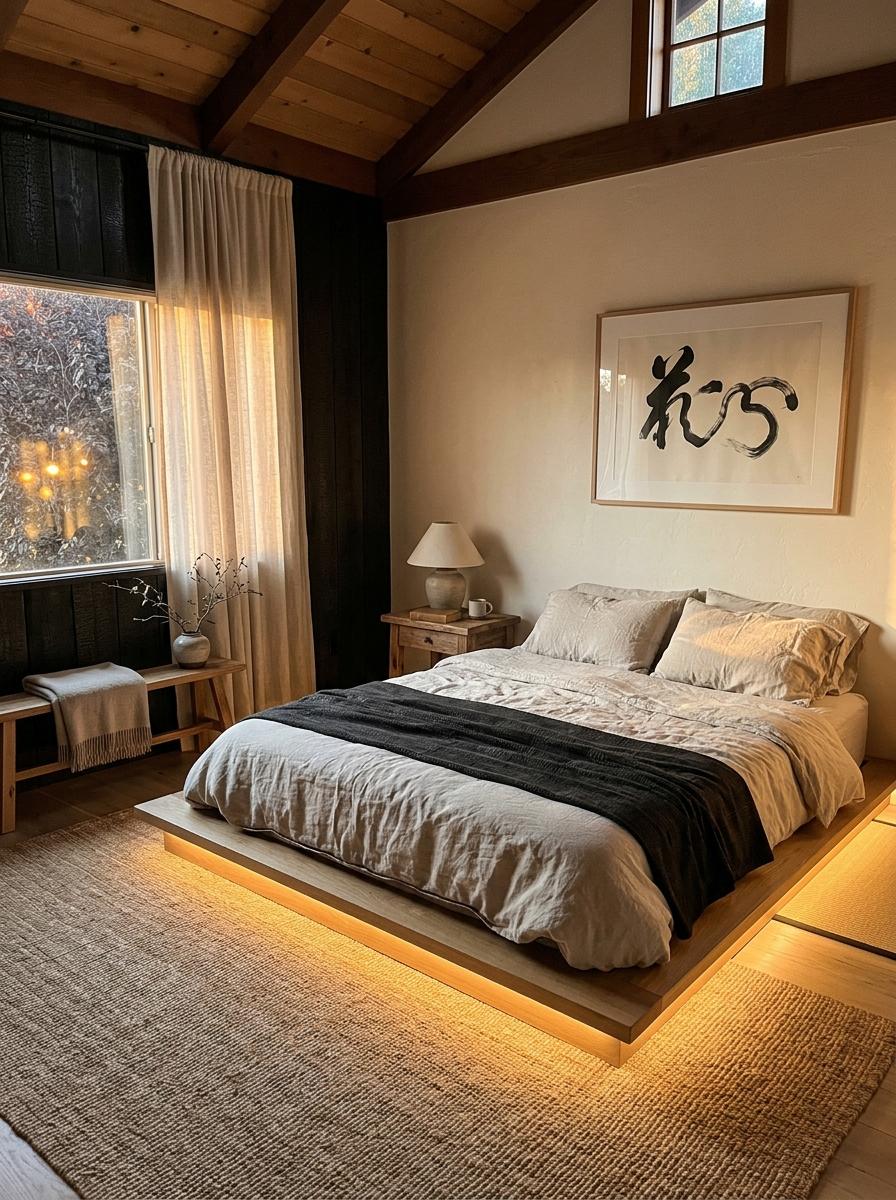

The guest bedroom serves as a distinct architectural enclave within the home, a sequestered sanctuary where the rigorous geometry of Japanese minimalism meets the soft, insulating warmth of Scandinavian hygge. This space exists as a structured spontaneity, a curated environment that feels both meticulously engineered for rest yet effortless in its visual flow. While the external world demands constant sensory engagement and kinetic energy, this internal volume prioritizes a profound stillness, shifting the focus from the chaos of the street to the quietude of the tatami-inspired floor plane. To achieve this grounded atmosphere, You must look toward material specificity, moving beyond generic wood tones to the deliberate application of honed Shou Sugi Ban accents paired with raw, unbleached linen upholstery. These textures provide a tactile narrative that invites touch while absorbing sound. The integration of a low-profile oak plinth bed with recessed LED perimeter lighting functions as a masterclass in industrial utility; it eliminates visual clutter by concealing structural supports, effectively transforming a utilitarian piece of furniture into a weightless, glowing focal point that anchors the room's Zen-like composition.
How To Create A Cozy Japandi Guest Bedroom Retreat
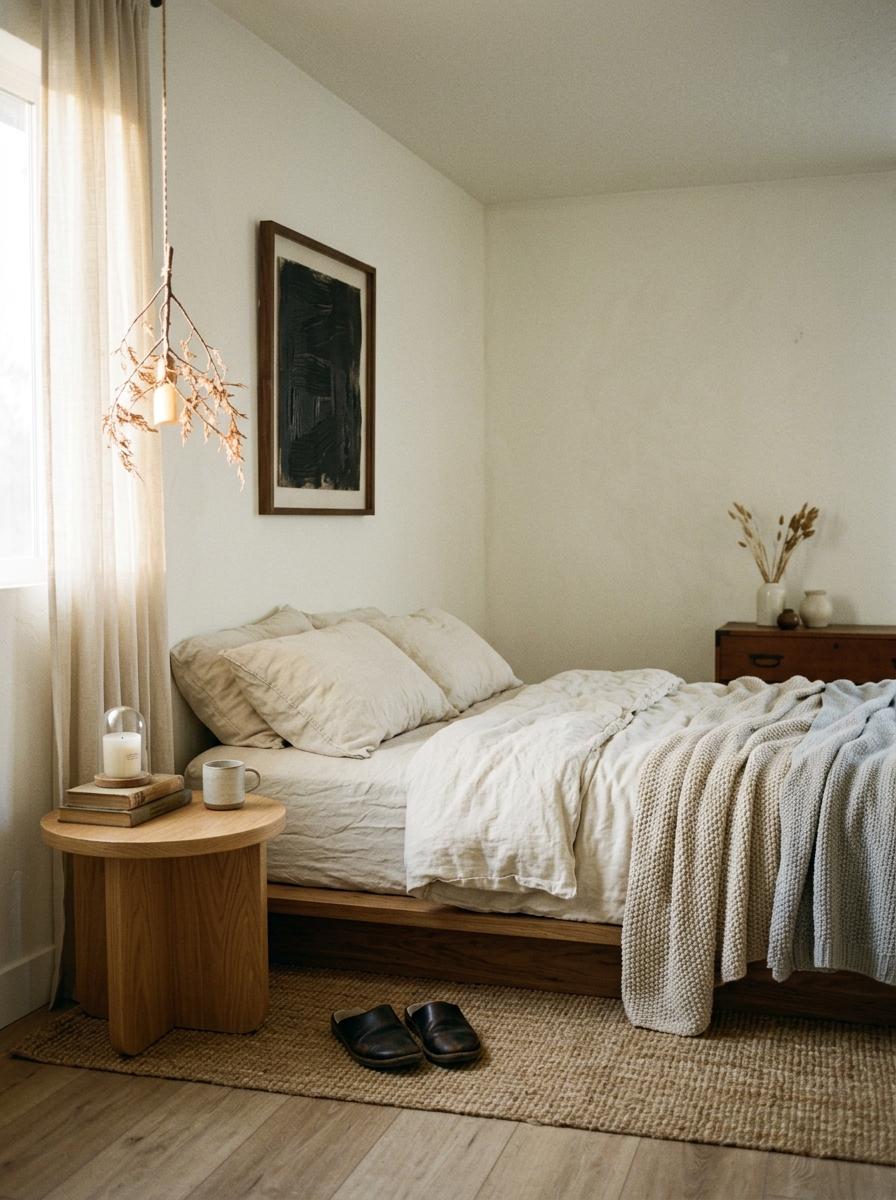

At its core, the Japandi aesthetic is the result of a rigorous aesthetic alchemy where the rustic, transience-focused philosophy of Japanese wabi-sabi merges with the pragmatic, comfort-centric ethos of Scandinavian hygge. To curate a guest retreat through this lens is to engage in a delicate dialectical pairing: the space must feel impeccably curated, yet profoundly unstudied; it must offer a sparse, monastic clarity, but remain anchored by a tactile, nurturing warmth. By synthesizing these divergent traditions, the bedroom transcends mere lodging to become a sanctuary of intentionality. Here, the atmosphere is defined by a sensorial stacking of elements-hushed, diaphanous, and grounding-where the scent of raw cedar meets the weight of stone-washed linen, ensuring your guests are enveloped in a quietude that is both intellectually refined and viscerally restorative.
Minimalist Guest Room Makeover Featuring Japandi Elements
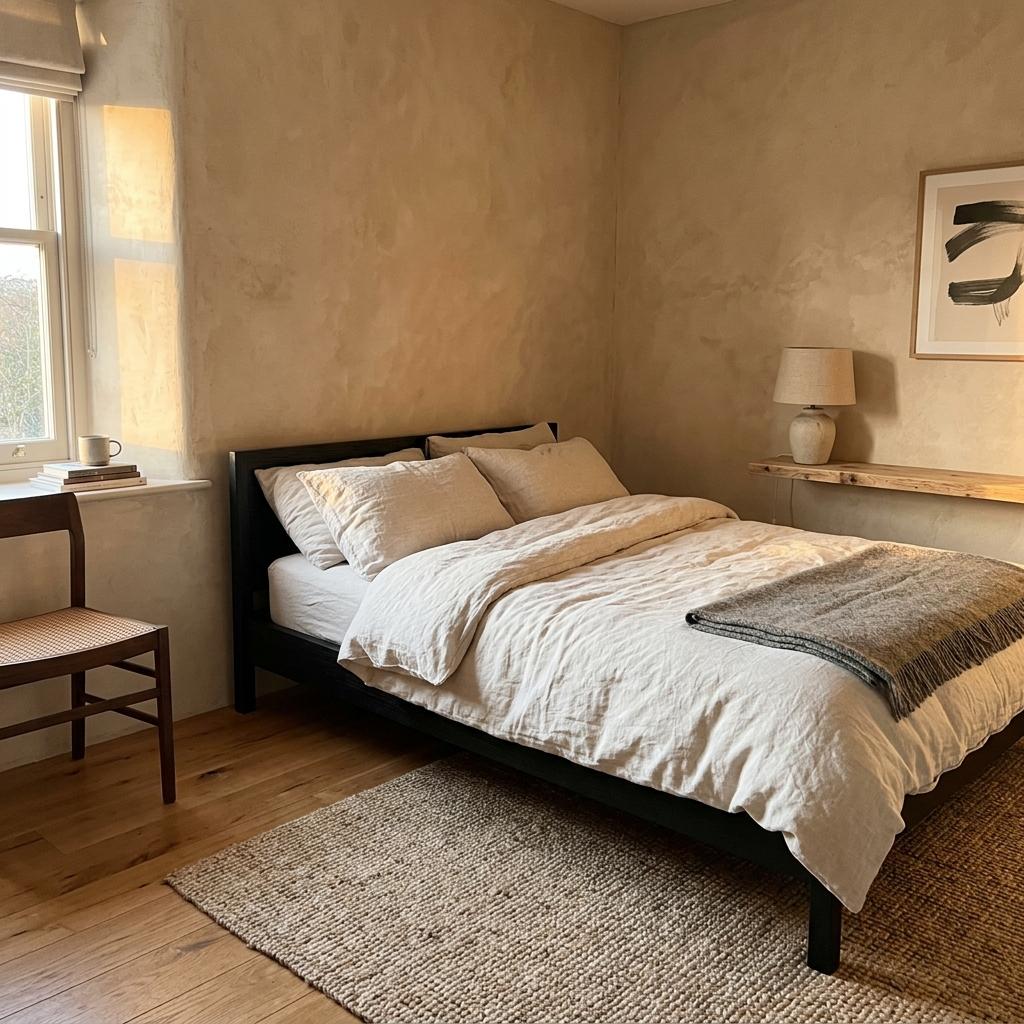

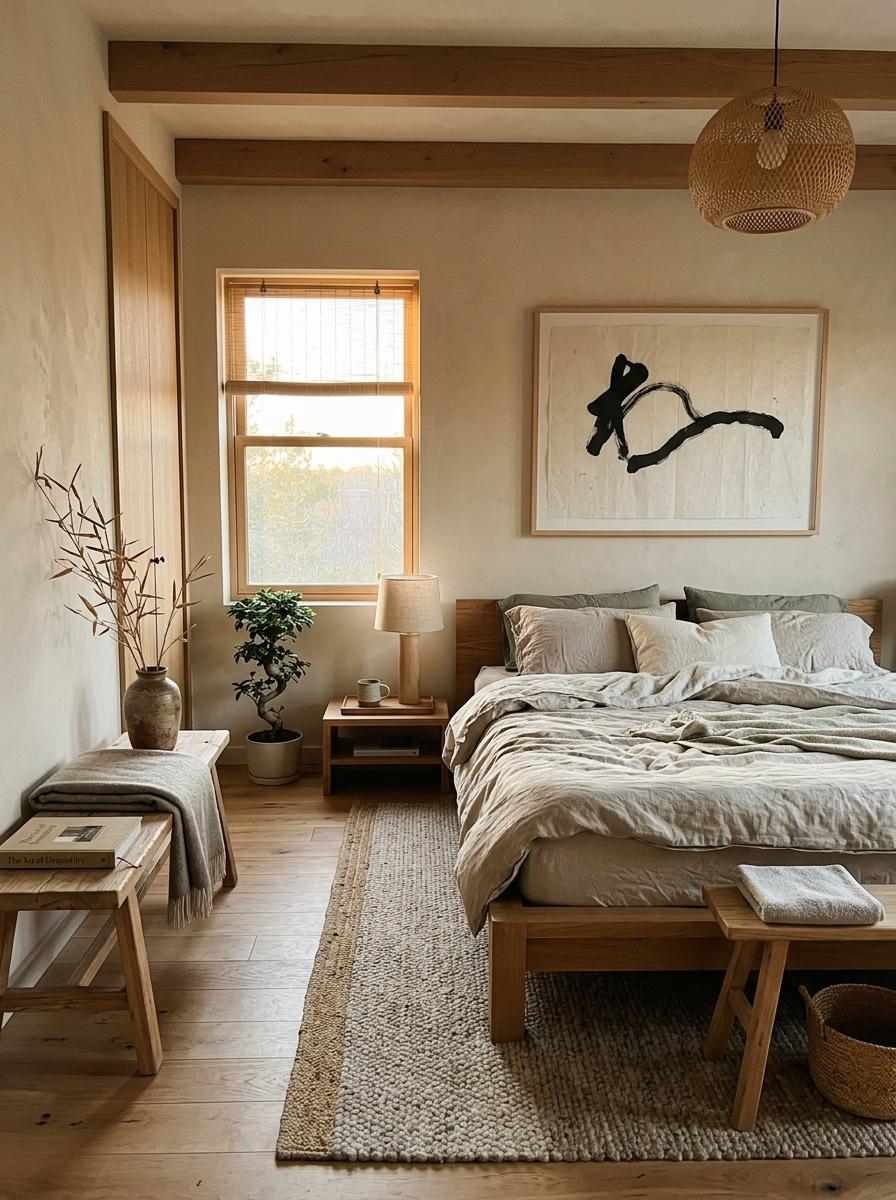
In this minimalist transformation, the guest quarters shed their utilitarian skin to embrace a dialogue between Scandinavian pragmatism and Japanese ethos. Note how the interplay of tactile diversity defines the space: the floor is grounded by the fibrous, honey-hued grit of a hand-loomed sisal rug, while the walls are treated in a friable, mineral-rich limestone wash that catches the morning light. This curation achieves a state of structured chaos, where the rigid geometry of a blackened oak bedframe is softened by the fluid starchiness of crumpled linen bedding. As you move through the room, the visual silence of the desaturated palette triggers a somatic deceleration; your pulse steadying as the eyes rest on the organic imperfections of the decor. Drawing inspiration from the Kyoto-meets-Copenhagen sensibility found in the Aman Residences, this makeover demonstrates that true luxury lies not in the abundance of objects, but in the deliberate selection of materials that breathe.
A Sophisticated Guest Bedroom With Japandi Style Accents
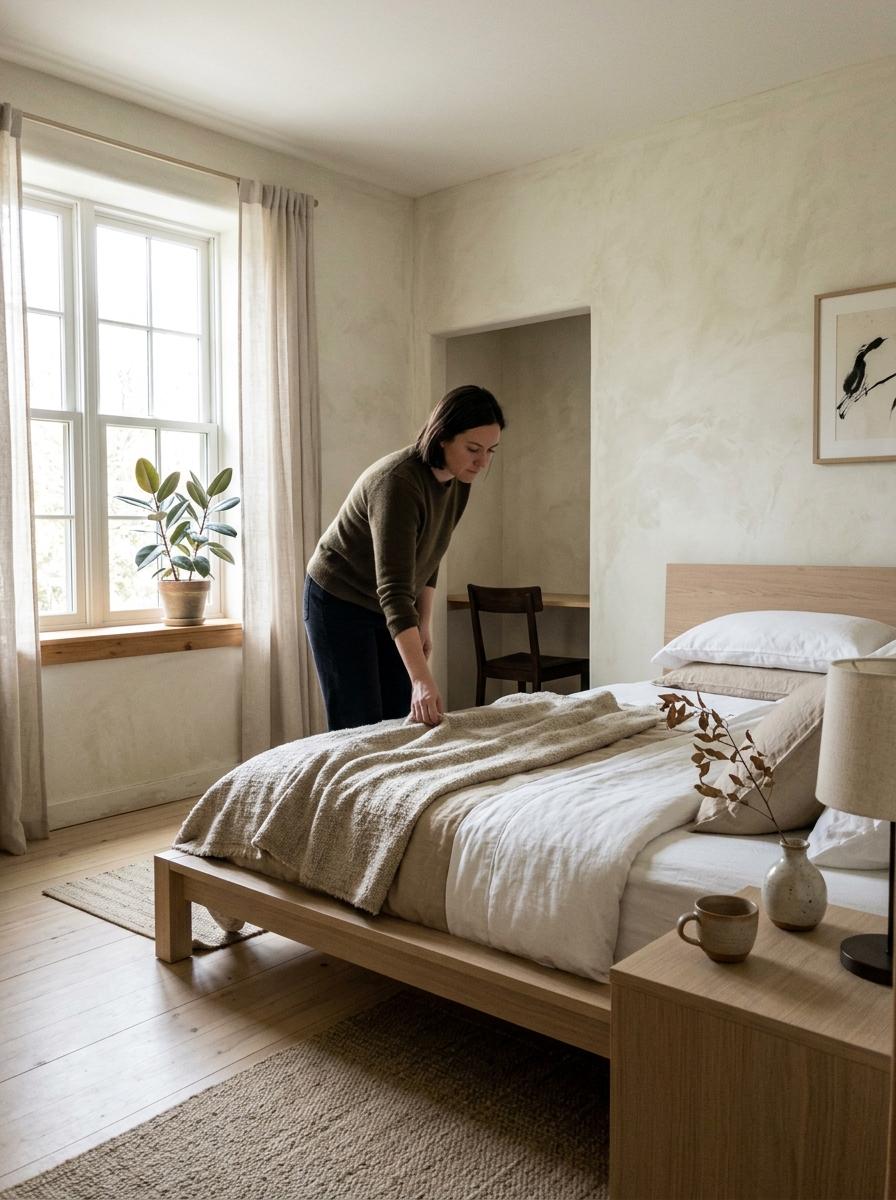

Stepping into the room, I was immediately struck by the silence-not the hollow quiet of an empty corridor, but a weighted, intentional stillness that felt curated. "The challenge," explained the lead designer as she adjusted a tactile, oatmeal-colored linen throw, "wasn't just about filling the space. It was about," she paused, running a hand over the matte surface of a white oak bedside table, "the precise calibration of emptiness." Unlike the frantic, visual noise of the city streets just three floors below, where neon signs fight for every inch of attention, this guest suite operates on a principle of soft subtraction. Here, the sterile coldness of high-modernism is softened by wabi-sabi imperfections, creating a sanctuary where shadow and light perform a slow dance across lime-washed walls. This deliberate tension between Scandinavian functionality and Japanese minimalism serves as a masterclass in how we can transform a transient sleeping quarters into a profound exercise in domestic composure.
Explore This Inviting Japandi Guest Bedroom Design
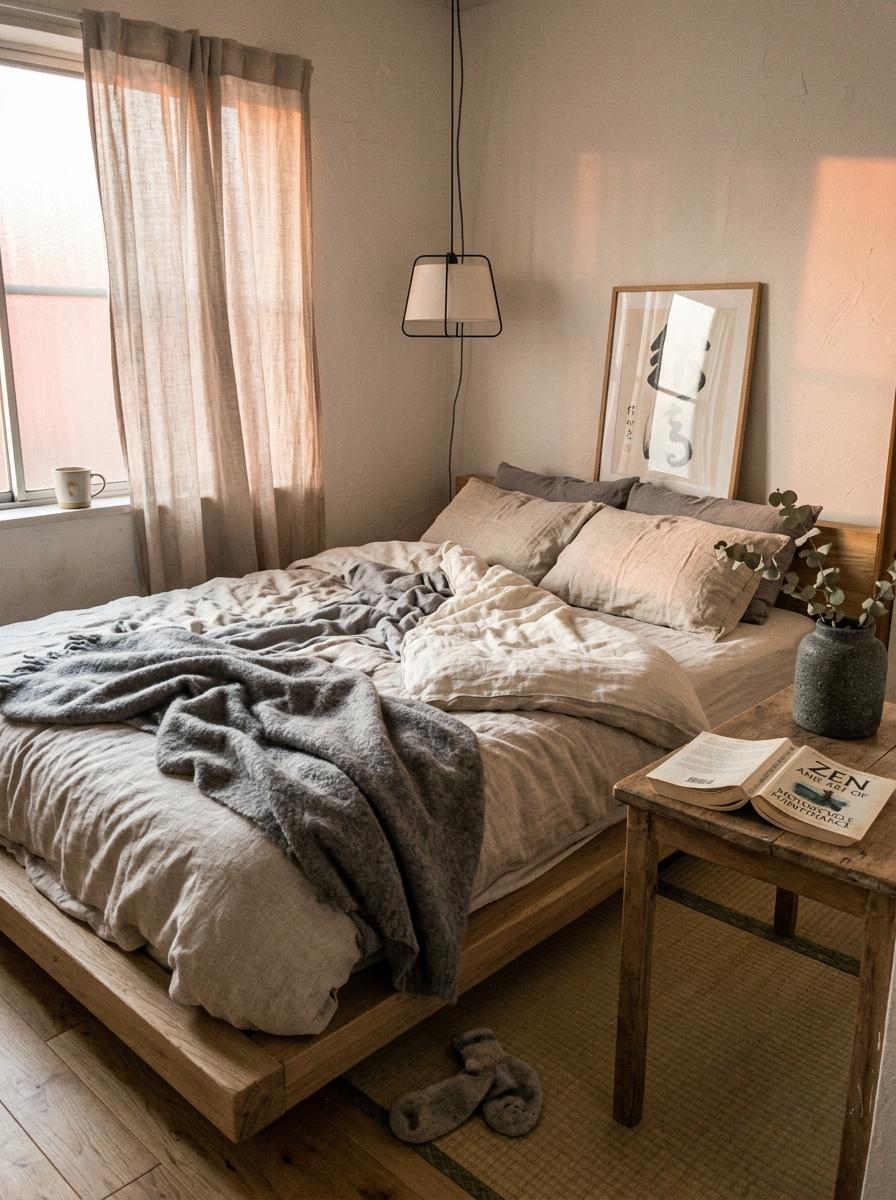

In this Kyoto-inspired sanctuary, the design achieves a deliberate spontaneity, balancing the rigid discipline of Japanese minimalism with the unrefined warmth of Scandinavian hygge. Note how the tactile contrast of the open-pored white oak bed frame grounds the room, its fibrous, matte grain providing a sturdy counterpoint to the diaphanous, slubbed linen drapes that diffuse the morning light. As your eyes trace the silhouette of the Muuto pendant light overhead, you move beyond mere visual appreciation into a state of deep somatic relief; the cacophonous silence of the space lowers the heart rate, shifting the body from a state of urban alertness to one of rhythmic, restorative breathing. This is not merely a room for sleep, but a sensory recalibration where the coarse-grained stone vessels and velvety wool throws invite a grounding touch, ensuring every guest feels an immediate, visceral sense of belonging.
Inside A Quiet Japandi Guest Bedroom Sanctuary
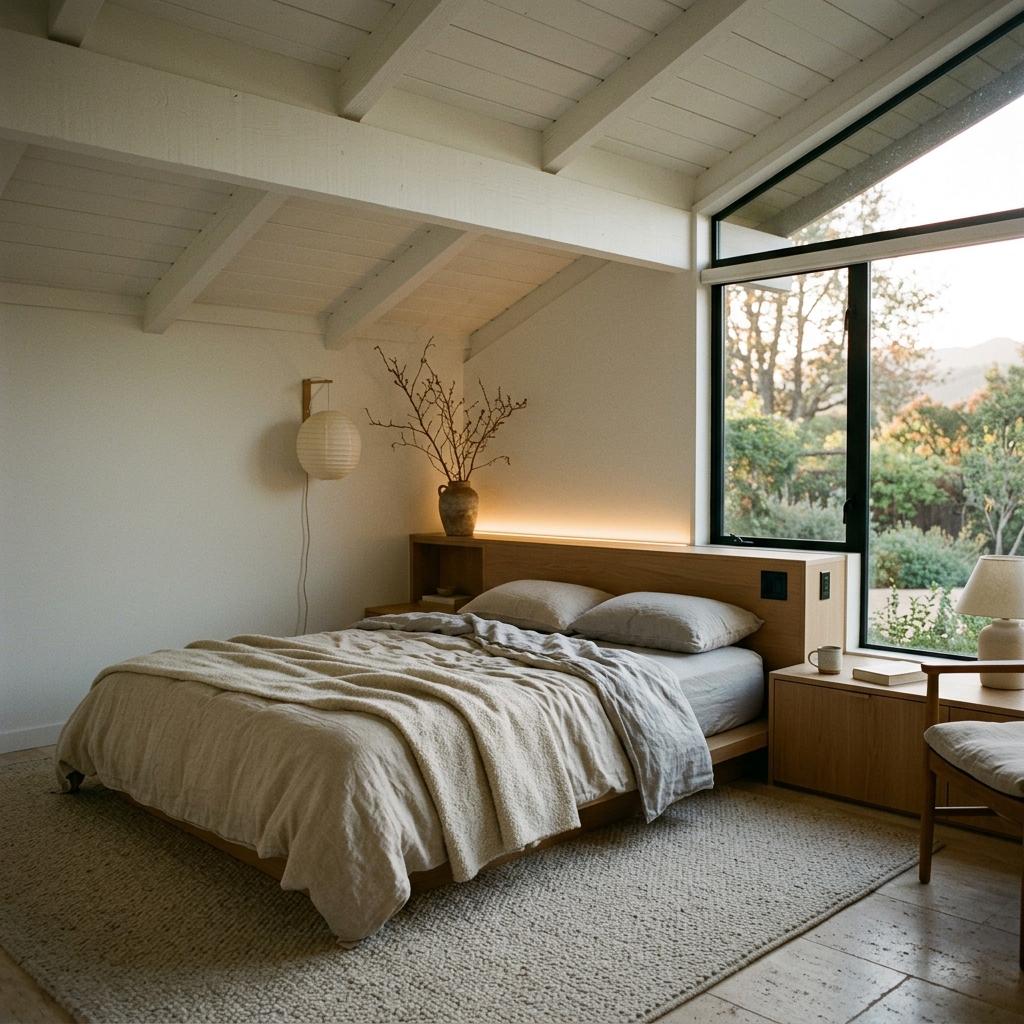

The guest bedroom is situated in a secluded corner of the home where the architectural volume tapers into a low-slung, intimate alcove, anchoring the guest in a landscape of hushed stillness. This space serves as a calculated spontaneity, where the rigid discipline of Japanese minimalism harmonizes with the effortless warmth of Scandi comfort, resulting in a room that feels both curated and breathing. While the external world demands constant kinetic energy, the internal atmosphere is defined by a profound stasis, drawing a sharp boundary between the chaotic flux of the street and this silent interior retreat. Tactile depth is introduced through a honed travertine plinth and low-pile wool bouclé, textures that ground the sensory experience in earthy, unvarnished reality. Every element is refined through functionalist precision, most notably the integrated joinery of the white-oak headboard, which conceals recessed LED channels and flush-mounted charging ports to ensure that the room's aesthetic purity is never compromised by the visual clutter of utility.
Functional And Stylish Japandi Guest Bedroom Inspiration
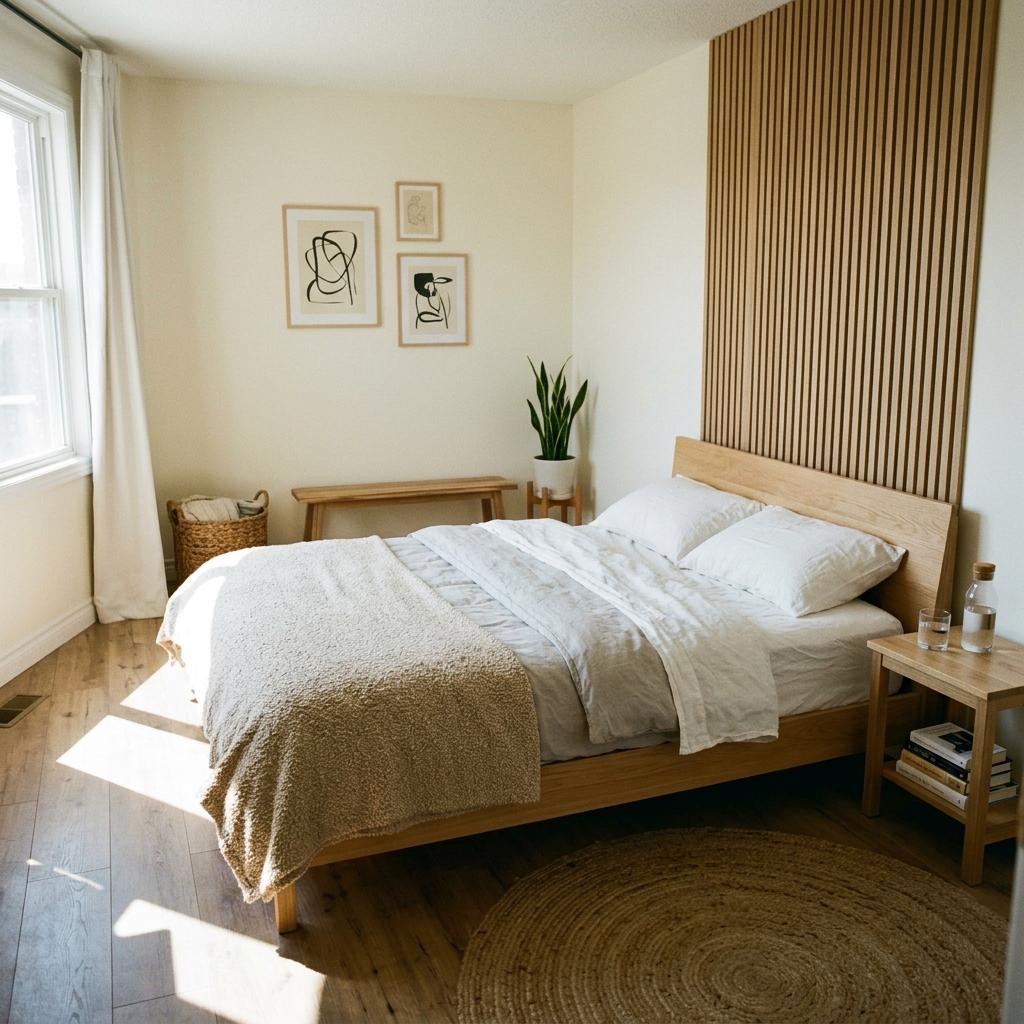

To craft a guest wing that transcends mere temporary lodging, we must embrace the structured spontaneity that defines the hybrid aesthetic of the Japandi movement. Note how the tactile landscape is defined by the inclusion of chatoyant white oak slats and nubby, hand-loomed bouclé upholstery, which together bridge the gap between Scandinavian utility and Japanese minimalism. By grounding the space in the rugged elegance of a Hokkaido-inspired low-profile bed frame, you create a sense of monumental lightness that anchors the room without cluttering the visual field. As your eyes trace the interplay between the cool, vitreous glaze of a handmade ceramic carafe and the warm, fibrous nap of a jute rug, a physical shift occurs; the parasympathetic nervous system yields, replacing the frantic static of travel with a profound, grounded stillness. This is not merely a room for sleep, but a curated sanctuary where the discipline of a Kyoto tea room meets the hygge-centric warmth of a Copenhagen loft, ensuring every guest feels both invigorated and deeply at peace.
Transform Your Spare Room With Japandi Interior Design
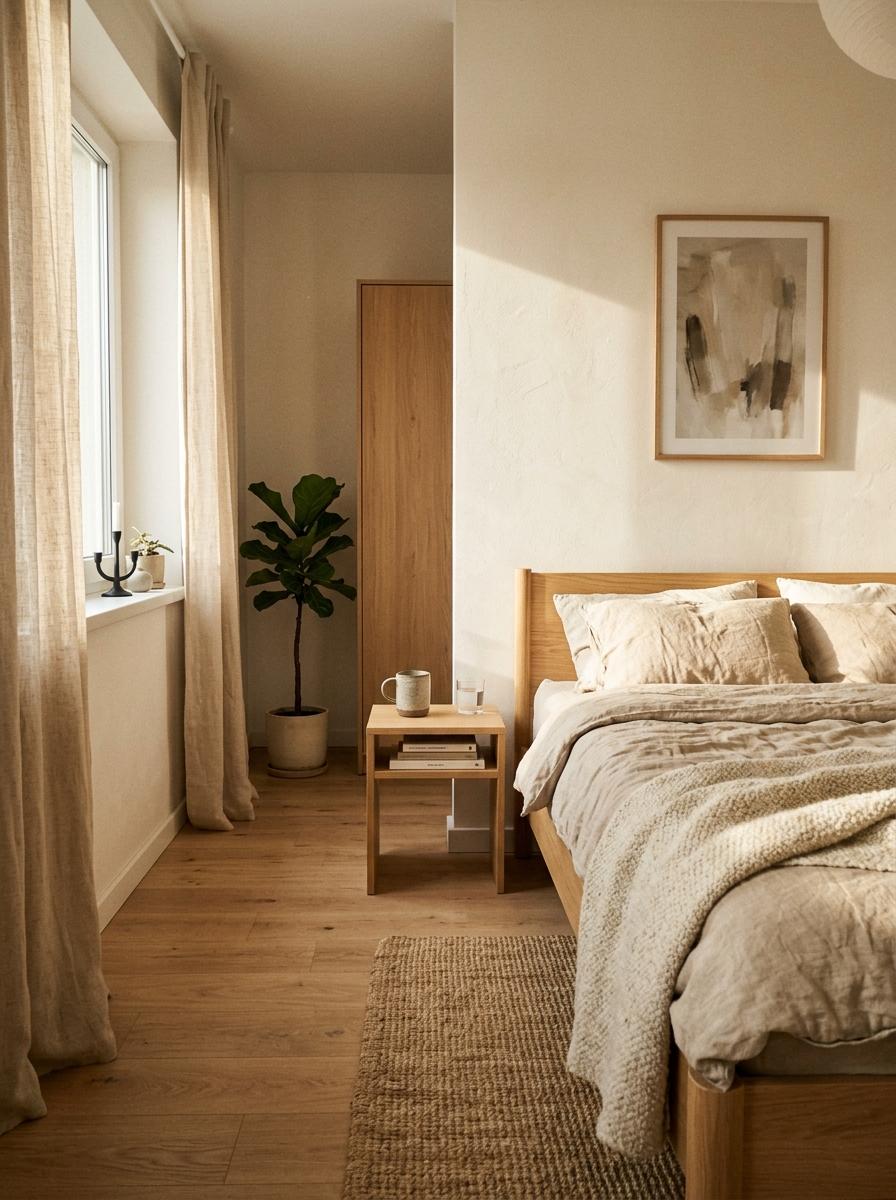

The transformation of an underutilized space into a sanctuary of Japandi elegance is often initiated by the careful curation of natural materials and neutral tones. Within this reimagined shell, the atmosphere is defined by its pristine clarity, characterized by unburdened surfaces and a deliberate, desolate beauty that honors the void. Muted motifs and matte metals merge to form a rhythmic visual serenity, grounding the room in a quiet confidence. This intentional layout stretches the physical boundaries of the room, carves out a newfound sense of depth, and expands the perceived volume of the interior. To achieve this balance, the design harmonizes the tactile warmth of oak, the ethereal lightness of linen, and the grounding weight of stone.
A Neutral Palette For A Peaceful Japandi Guest Bedroom
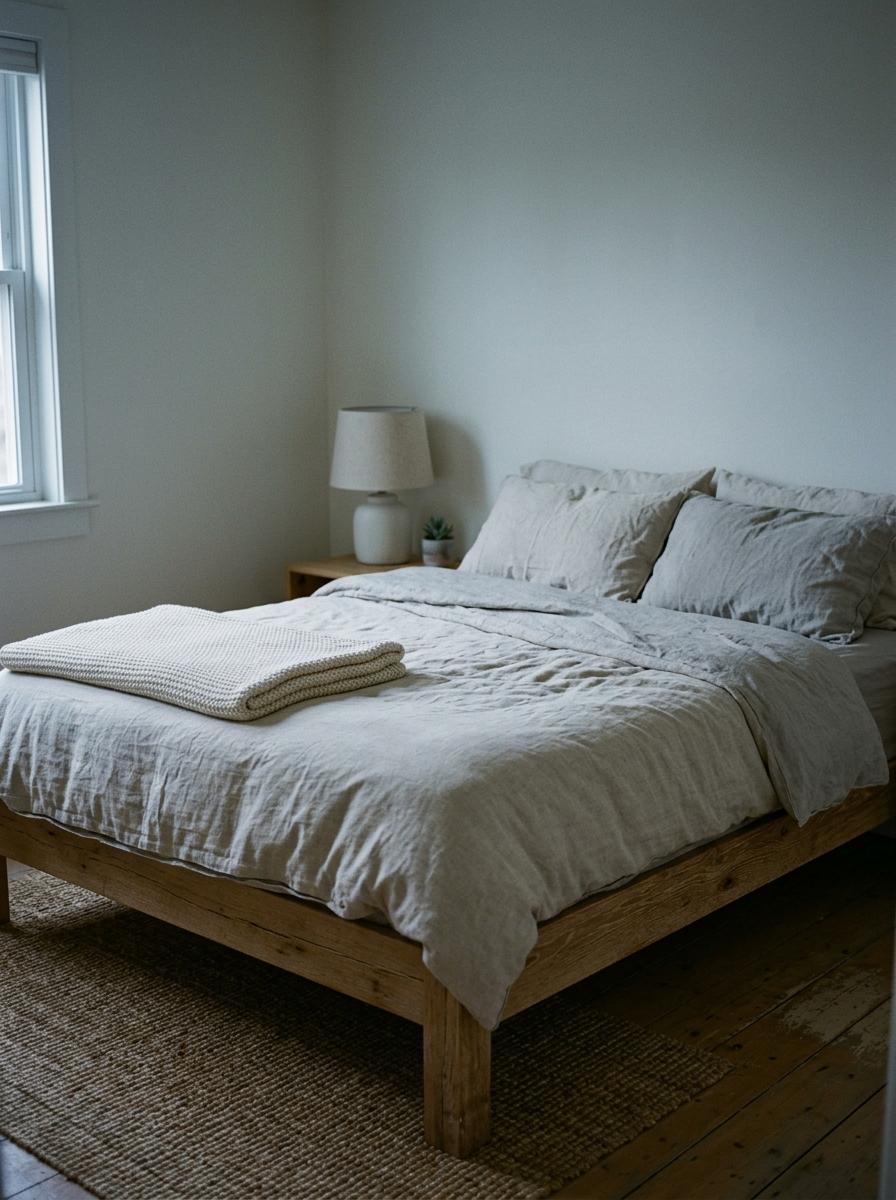

In crafting a sanctuary that bridges Scandinavian functionality with Japanese minimalism, the choice of materials transcends mere aesthetics to become a sensory dialogue. Note how the tactile friction of raw, slubbed linen against the polished serenity of a white oak bed frame creates a "rugged softness"-a paradox where structural rigidity meets invited comfort. This interplay of textures is not accidental; it is a hallmark of the Kyoto-meets-Copenhagen aesthetic often celebrated by design studios like Norm Architects. By layering monochromatic tones-oatmeal, bone, and misty stone-the room achieves a state of "static movement," where the shifting sunlight dances across open-pore wood grains. As your eye travels across these curated surfaces, the physiological shift is immediate: the nervous system decompresses, the heart rate slows, and the frantic hum of the external world dissolves into a profound, restorative stillness.
Subtle Textures Define This Modern Japandi Guest Bedroom
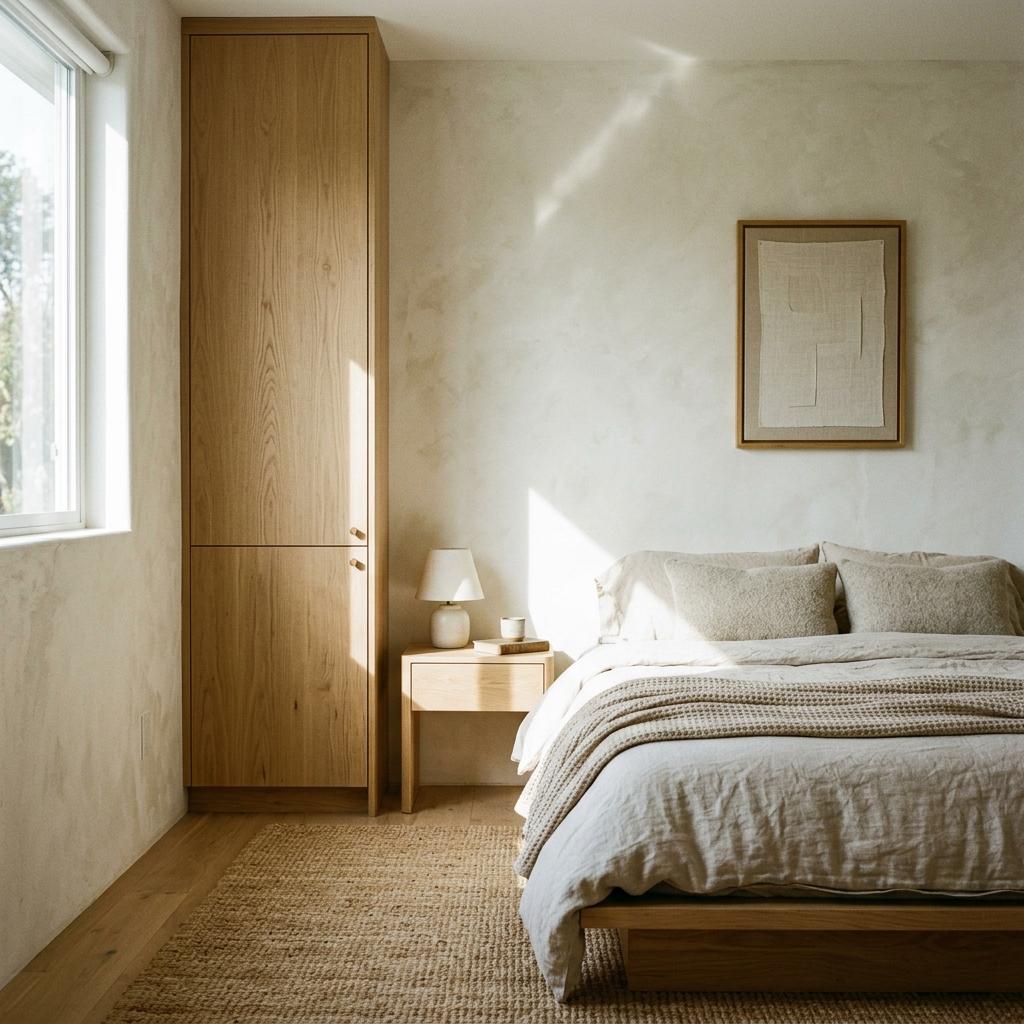

Stepping off the frantic, neon-slicked pavement of the city and into this guest suite is less of a physical movement and more of a sensory recalibration. Where the street outside is a cacophony of jagged metal and glass, this room offers a hushed reprieve of tactile softness. "The goal wasn't just to fill the space," the designer explained, pausing to run a hand over the bespoke cabinetry, "but to allow the materials-the raw grain of the white oak and the hand-applied lime wash-to actually breathe." It is this commitment to a restrained palette that allows the subtle interplay of light and shadow to take center stage. By prioritizing a haptic experience over mere visual clutter, the room transcends the sterile tropes of modern minimalism, serving as a masterclass in how deliberate materiality can transform a simple sleeping quarter into a sanctuary of quietude.
Creating A Warm Welcome In A Japandi Guest Bedroom
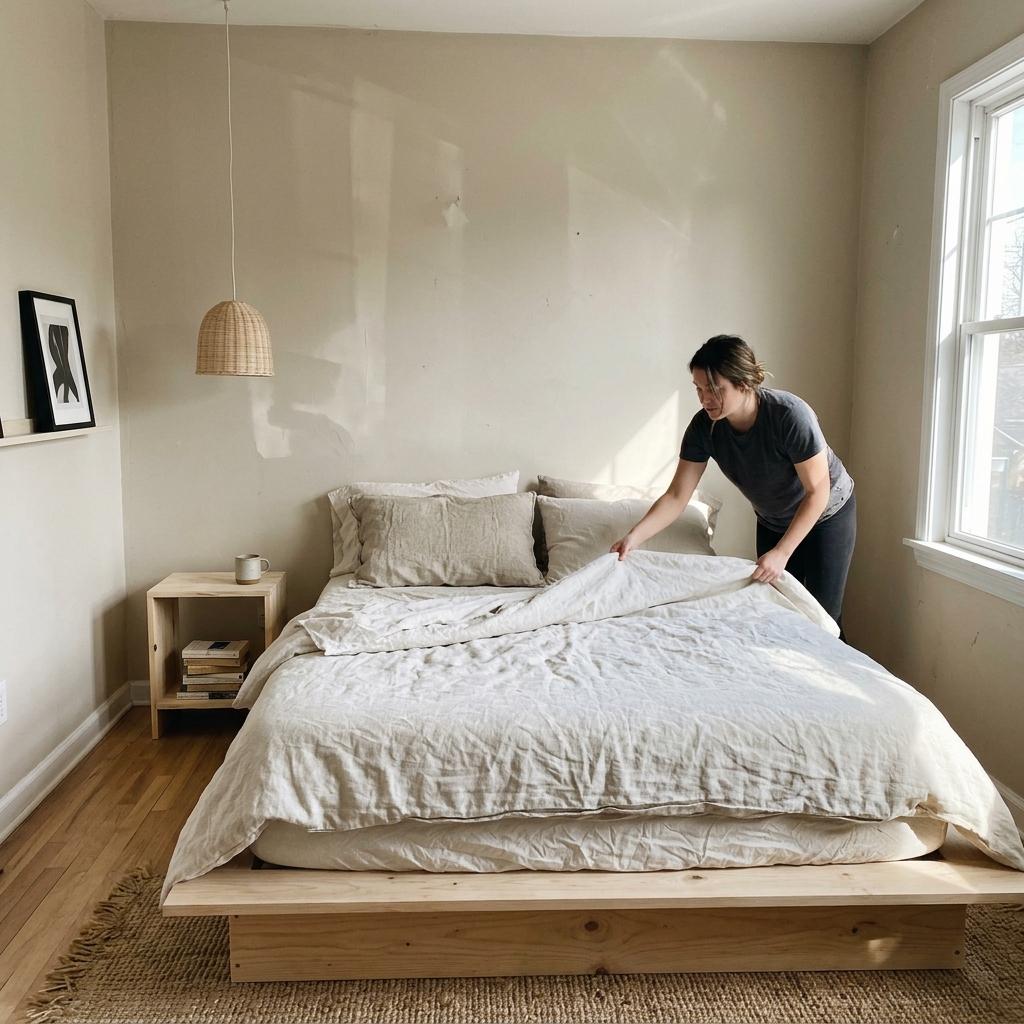

To design a Japandi guest bedroom is to engage in a deliberate synthesis where the rustic, weathered soul of Japanese wabi-sabi intersects with the pragmatic, streamlined composure of Scandinavian Modernism, resulting in a sanctuary of "hushed intentionality." This aesthetic equilibrium demands a masterful dialectical pairing: the environment must feel curated yet effortless, possessing a rigorous structural austerity that is nonetheless softened by an uncompromising commitment to tactile warmth. By prioritizing a palette of earthen neutrals and organic textures, the space achieves a sensorial depth that transcends mere visual appeal. Through the layering of slubbed linens, open-pore woods, and diffuse, low-lumen lighting, the room becomes a sequestered envelope-simultaneously grounding, restorative, and profoundly welcoming.
Elegant Simplicity Meets Comfort In This Japandi Guest Room
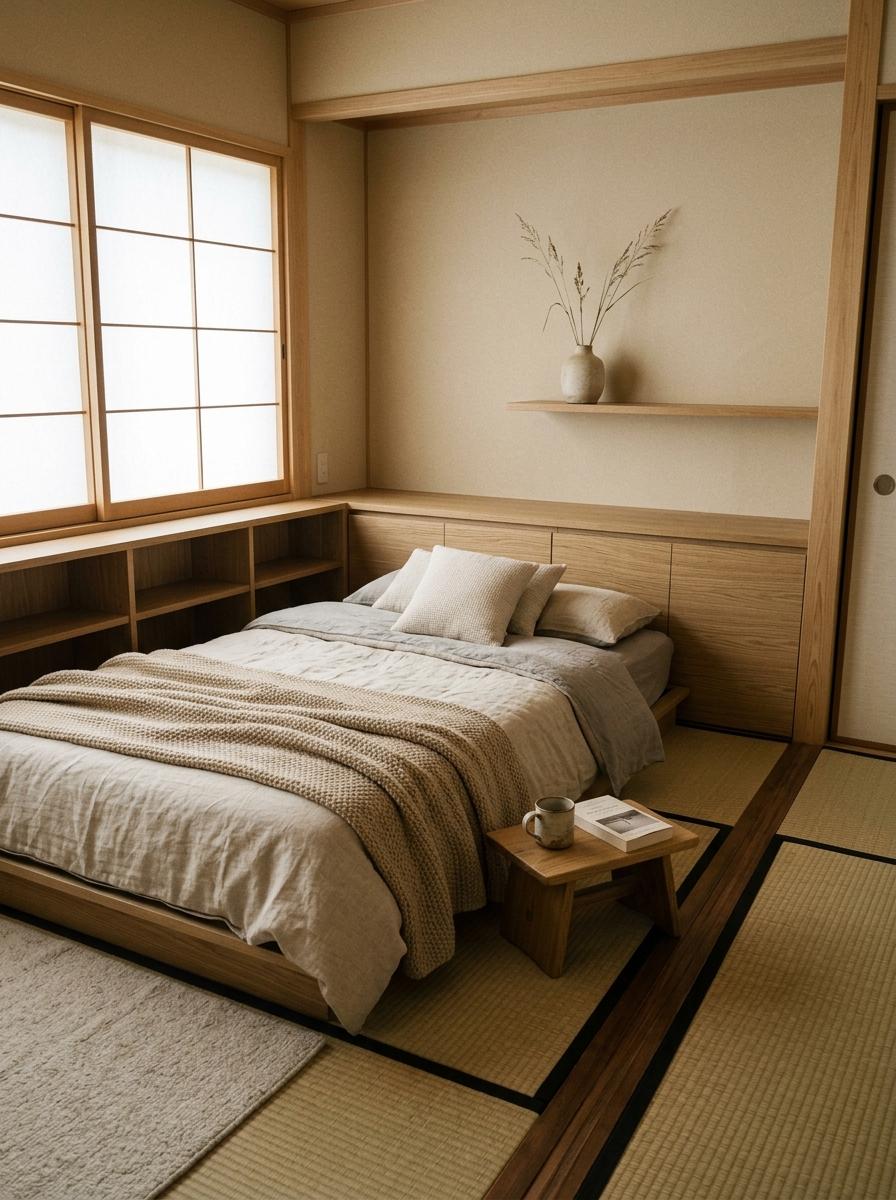

Title: Elegant Simplicity Meets Comfort In This Japandi Guest Room The interior architecture of this Kyoto-inspired sanctuary relies on the tactile honesty of open-pore white oak and the fibrous, structural integrity of hand-loomed tatami mats. Note how the horizontal grain of the bespoke joinery draws the eye across the room, acting as a visual anchor that lowers the viewer's gaze toward the floor-level living plane. In a display of ordered chaos, the deliberate asymmetry of the furniture layout creates a sense of rigorous spontaneity, proving that true minimalism requires a complex layer of intentionality. As you transition from the corridor into this curated void, the sharp clarity of the morning light softens against the diaphanous shoji screens, triggering a physiological shift-a slowing of the heart rate that signals the body to move from high-alert productivity into a state of profound, restorative stillness. This is the hallmark of the Nara-Sjö aesthetic: a synthesis of Scandinavian hygge and Japanese wabi-sabi that transforms a mere transitional space into a permanent destination for the soul.
The Art Of Hospitality Through Japandi Guest Bedroom Design

The guest bedroom is meticulously curated by the designers to function as a sanctuary where cultural fusion meets quiet repose. Within this retreat, the atmosphere is defined by unblemished surfaces, muted tones, and a stark, skeletal elegance that strips away the clamor of the outside world. This deliberate restraint fosters a serene sense of stillness, grounding the guest in a space that feels both profound and peaceful. To achieve such harmony, the layout carves open the floorplan, stretches the perception of height, and anchors the room with low-profile furnishings. The final composition expertly balances tactile timber, breathable bamboo, and soft, stone-washed linens.
Small Guest Bedroom Solutions With Japandi Interior Style
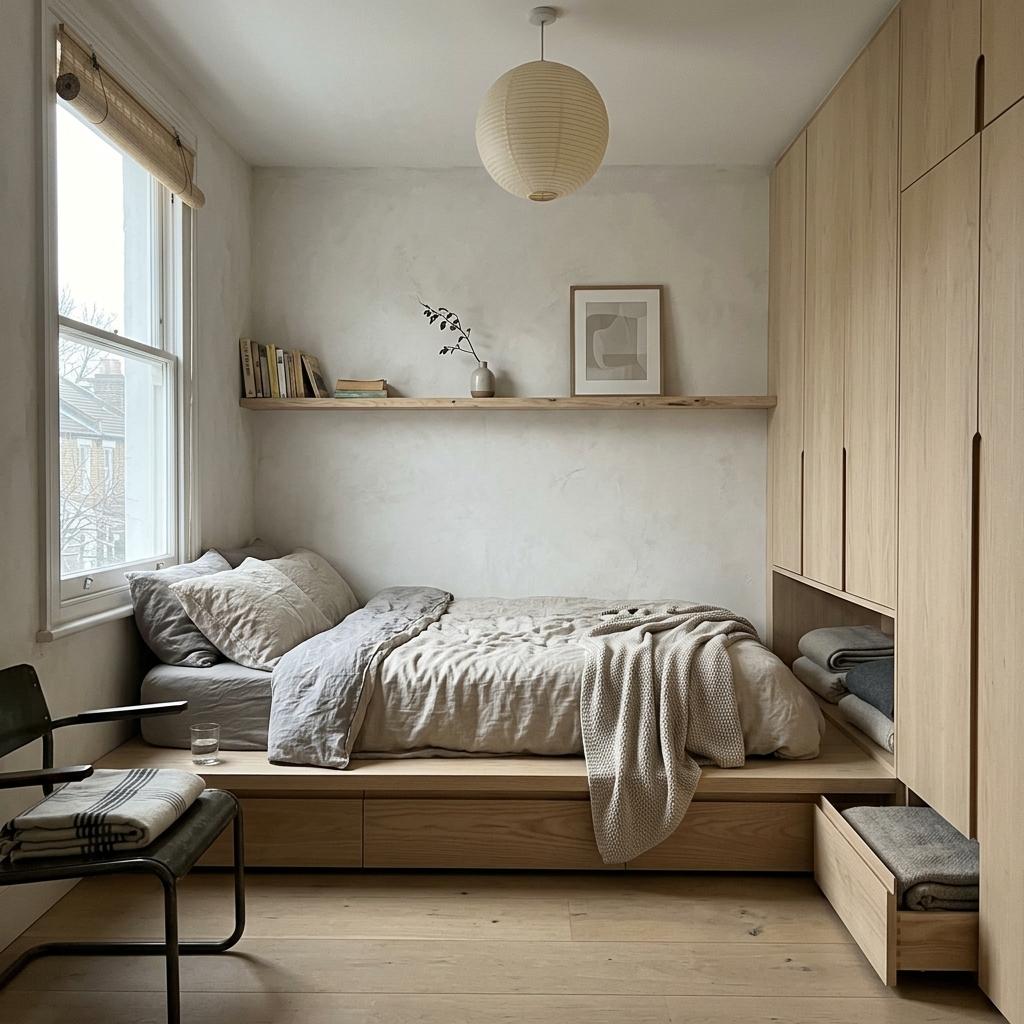

Historically, the guest quarters of a home were often treated as formal, rigid displays of excess, prioritizing velvet-heavy ornamentation over actual comfort. Today, the modern traveler seeks a departure from that clutter, gravitating instead toward a harmonious chaos where the raw imperfection of Wabi-sabi meets the clinical precision of Scandinavian hygge. In our recent study of a compact townhouse in London's Notting Hill, we analyzed how a repeat client-who had previously commissioned an airy loft project-sought to transform a cramped spare room into a multifunctional sanctuary. To solve the spatial constraints, the design achieved a successful technical synthesis by utilizing vertical integration, subterranean storage solutions, and a neutral monochromatic palette to expand the perceived volume of the room.
Harmonious Living: A Guide To Japandi Guest Bedrooms
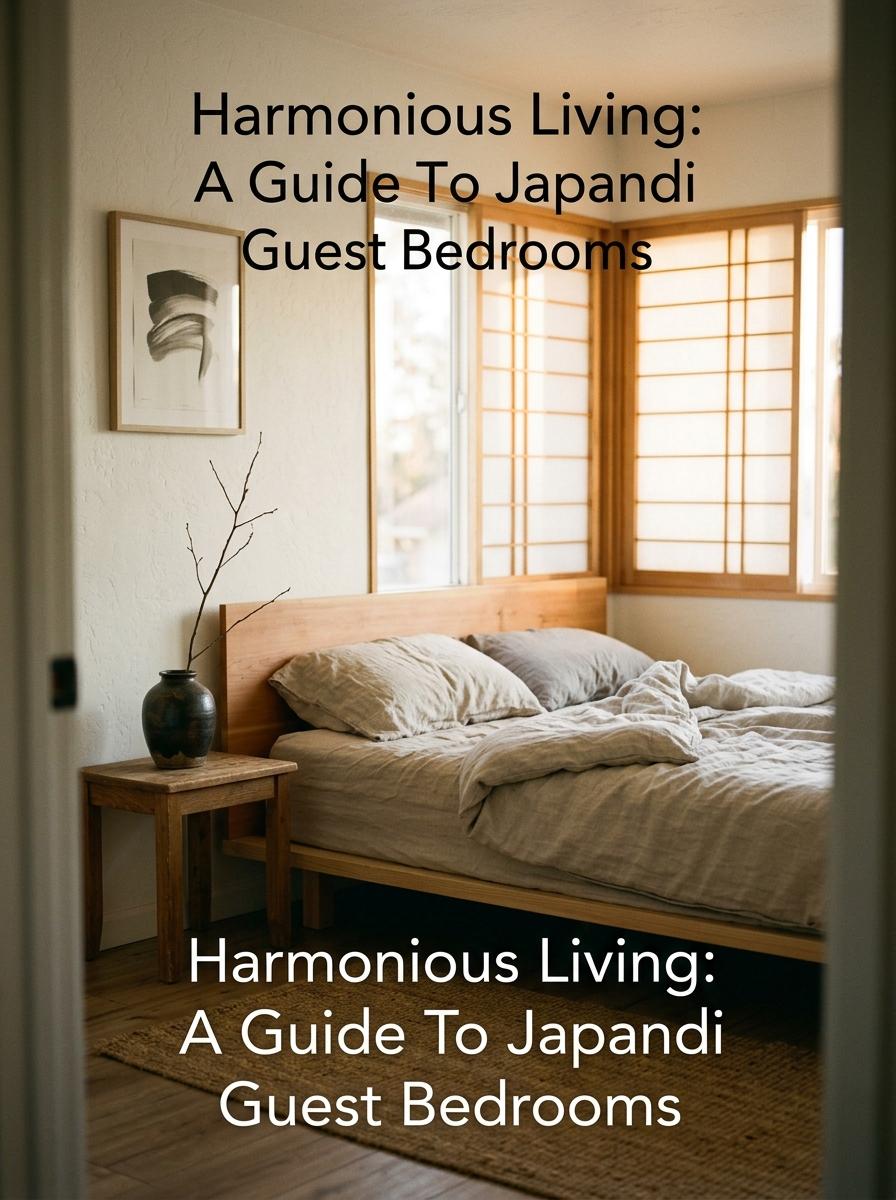

I remember sitting in a friend's guest room in the city, where the "luxury" was defined by a frantic display of velvet pillows and gold leaf that felt, as she put it while handing me a towel, "a bit much..." she paused, smoothing a stray tassel, "...but I wanted it to feel expensive." It was a space that demanded attention rather than offering rest, a cluttered sensory overload that stood in stark opposition to the quietude of a retreat I had visited months prior in rural Hokkaido. There, the luxury wasn't in the excess, but in the shibui-that subtle, unobtrusive beauty found in the tactile grain of a cedar headboard and the way light diffused through a paper screen. "True hospitality," the innkeeper had whispered, "is not an ornament..." she adjusted a single ceramic vase, "...it is the space we leave for the guest to simply breathe." This shift from the performative to the purposeful is the essence of why we look toward Japandi; it is a meticulous calibration of Scandi-hygge warmth and Japanese minimalism that transforms a temporary room into a curated sanctuary of intentionality.
Natural Materials Highlight This Beautiful Japandi Guest Room
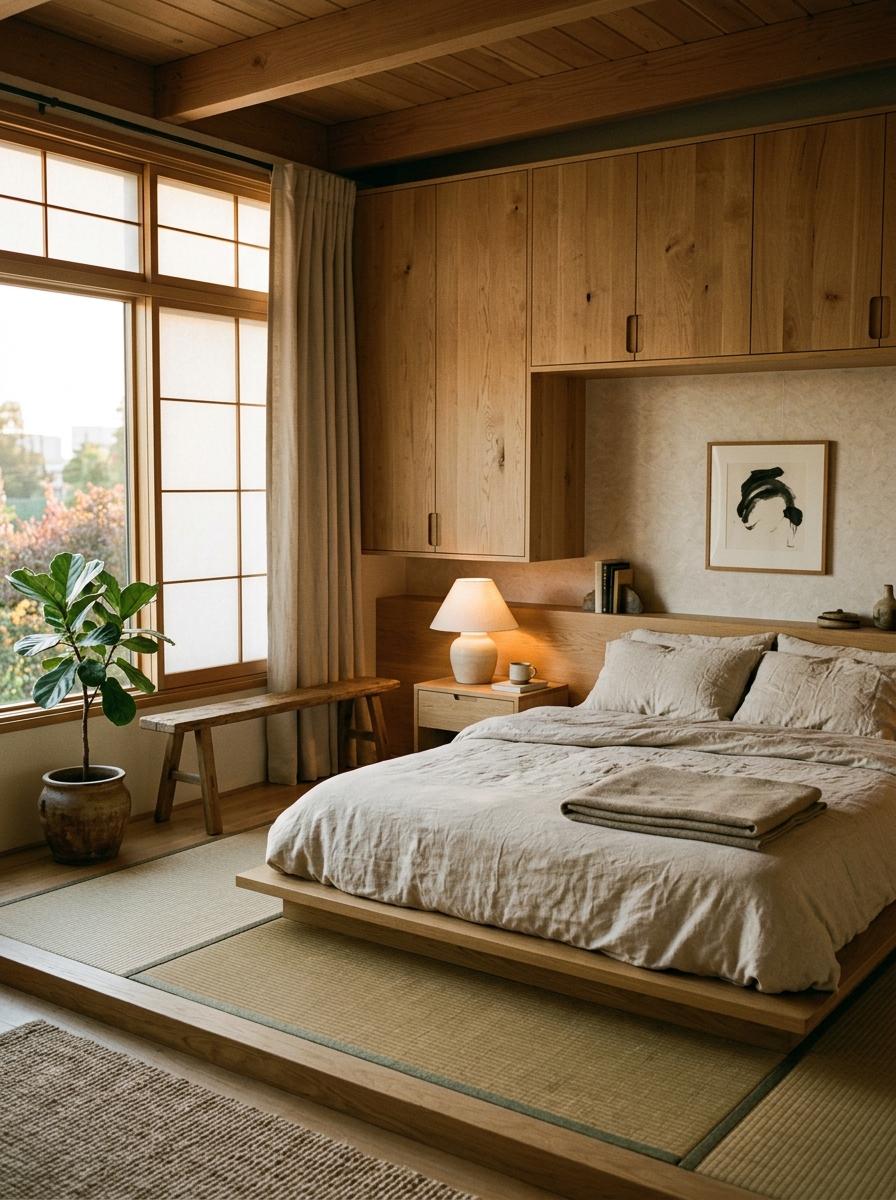

The guest room occupies a secluded corner of the floor plan where the light remains soft and indirect, anchoring the space in a quiet, subterranean stillness that feels removed from the rest of the home's activity. Within this retreat, the aesthetic achieves a heavy weightlessness, where the visual bulk of solid furnishings is neutralized by the airy openness of the layout. While the exterior world submits to a chaotic urban rhythm, the interior remains a disciplined sanctuary of curated silence, creating a sharp boundary between public noise and private thought. This serenity is tactile, defined by the raw grain of solid white oak cabinetry and the fibrous, uneven texture of hand-woven tatami mats that ground the sleeping area. These elements are not merely decorative; they represent a precise functionalist integration, where low-profile joinery and hidden storage modules serve as a systematic solution to visual clutter, ensuring the room remains a high-utility environment for rest.
A Refined Approach To Japandi Guest Bedroom Decor
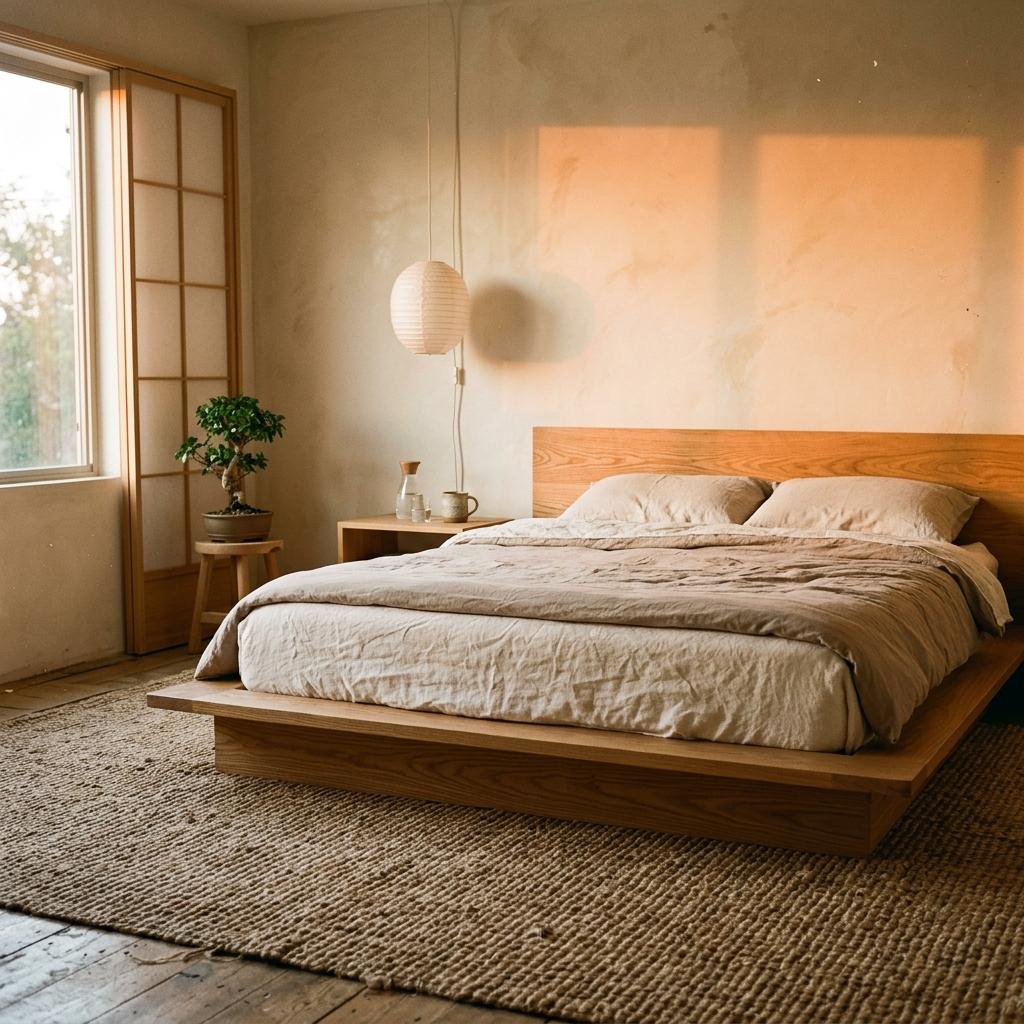

To master a refined Japandi guest bedroom, we must begin with the tactile foundation of open-pore solid ash and the silky, calcareous finish of lime-wash walls. Note how the deliberate placement of a low-slung platform bed creates a grounding focal point, drawing the eye downward to appreciate the grain of the timber. This arrangement achieves a state of dynamic stillness, where the rigid geometry of the furniture is softened by the organic, irregular weave of a heavy-gauge jute rug. As you run your hand over the cool, matte stone of a bedside carafe, the sensory shift from the coarse fiber underfoot to the polished surface triggers a profound physiological release-a slowing of the heart rate that signals the body it is safe to rest. This is not merely a room, but a curated sanctuary reminiscent of the Aman Kyoto's minimalist precision, where every shadow is intentional and every void is filled with a sense of quiet luxury.
Discover The Beauty Of A Minimalist Japandi Guest Bedroom
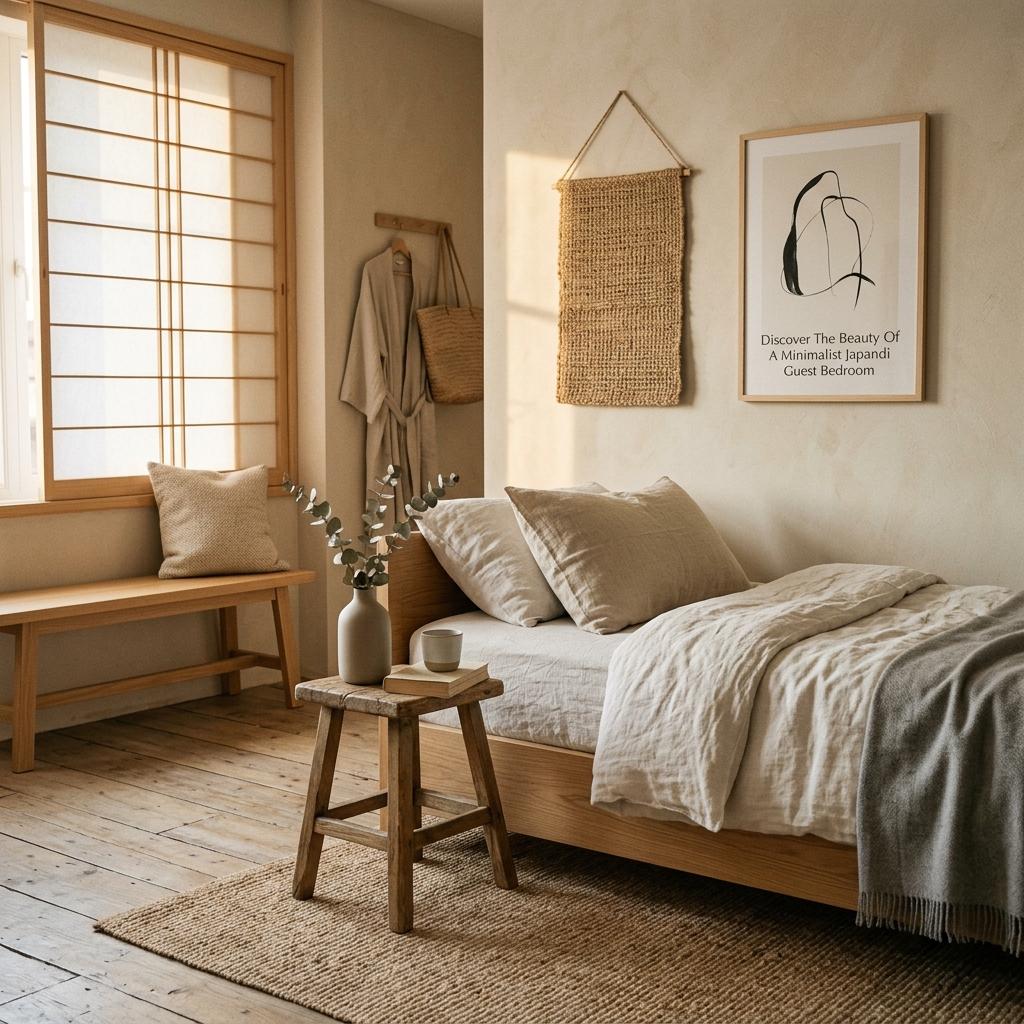

I remember stepping into a friend's guest suite years ago-a cluttered overflow room teeming with "visual noise," where mismatched floral prints battled for dominance against a heavy, Victorian mahogany dresser. It was an environment of excess that felt, ironically, quite hollow. Last month, however, I sat down with a Tokyo-based designer who viewed the guest experience through a radically different lens. "The guest room shouldn't be a storage unit," she noted, pausing to adjust a sprig of dried eucalyptus in a stoneware vase, "it should be a palate cleanser... a space where the inhabitant's mind can finally decompress." This shift from the chaotic to the curated is the hallmark of the Japandi aesthetic, where the rustic, weathered soul of wabi-sabi meets the surgical precision of Scandinavian functionalism. By swapping heavy drapery for light-filtering shoji screens and replacing mahogany with the tactile warmth of light oak, we move away from a room that demands attention toward one that offers sanctuary. This deliberate tension between organic textures and clean-lined minimalism is exactly what transforms a simple spare room into a masterclass in intentional hospitality.
Modern Furniture Meets Tradition In This Japandi Guest Room
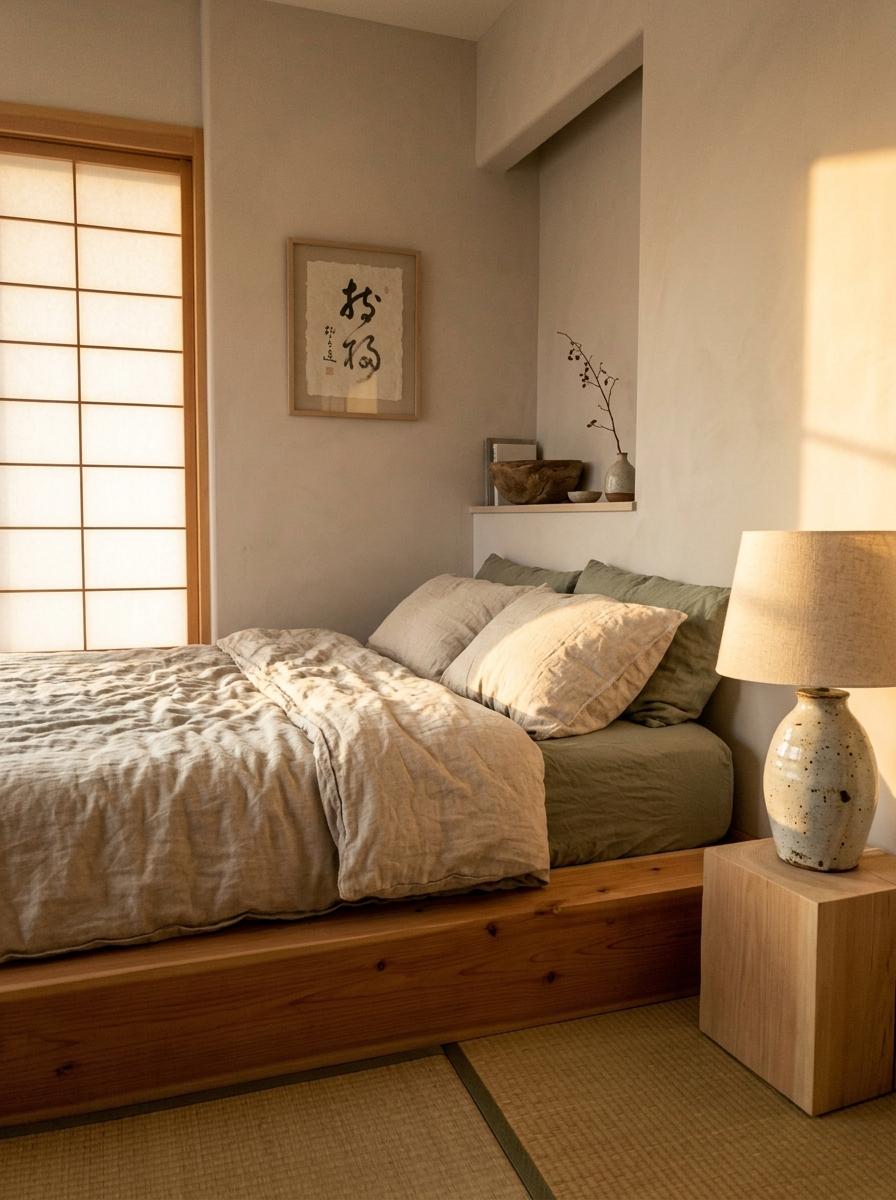

At its core, the Japandi aesthetic emerges through a rigorous synthesis of Scandi-industrial functionality and the profound, weathered grace of Wabi-sabi-a fusion that transmutes clinical minimalism into a lived-out philosophy of warmth. This guest room exemplifies such a union by anchoring the space with a low-slung, rectilinear bed frame that honors mid-century silhouettes, yet softens that rigidity through the inclusion of hand-woven tatami and organic linen. The design language utilizes a dialectical pairing of tactile contrasts: the precision of laser-cut joinery feels inherently modern, but it remains grounded by the intentional, soulful imperfections of a hand-thrown ceramic lamp. To step into the room is to encounter a sensorial landscape defined by an earthy, quietist, and haptic luxury, where the scent of untreated cedar meets the ethereal, diffused glow of washi paper to create a sanctuary of profound compositional equilibrium.
A Closer Look At This Minimalist Japandi Guest Suite
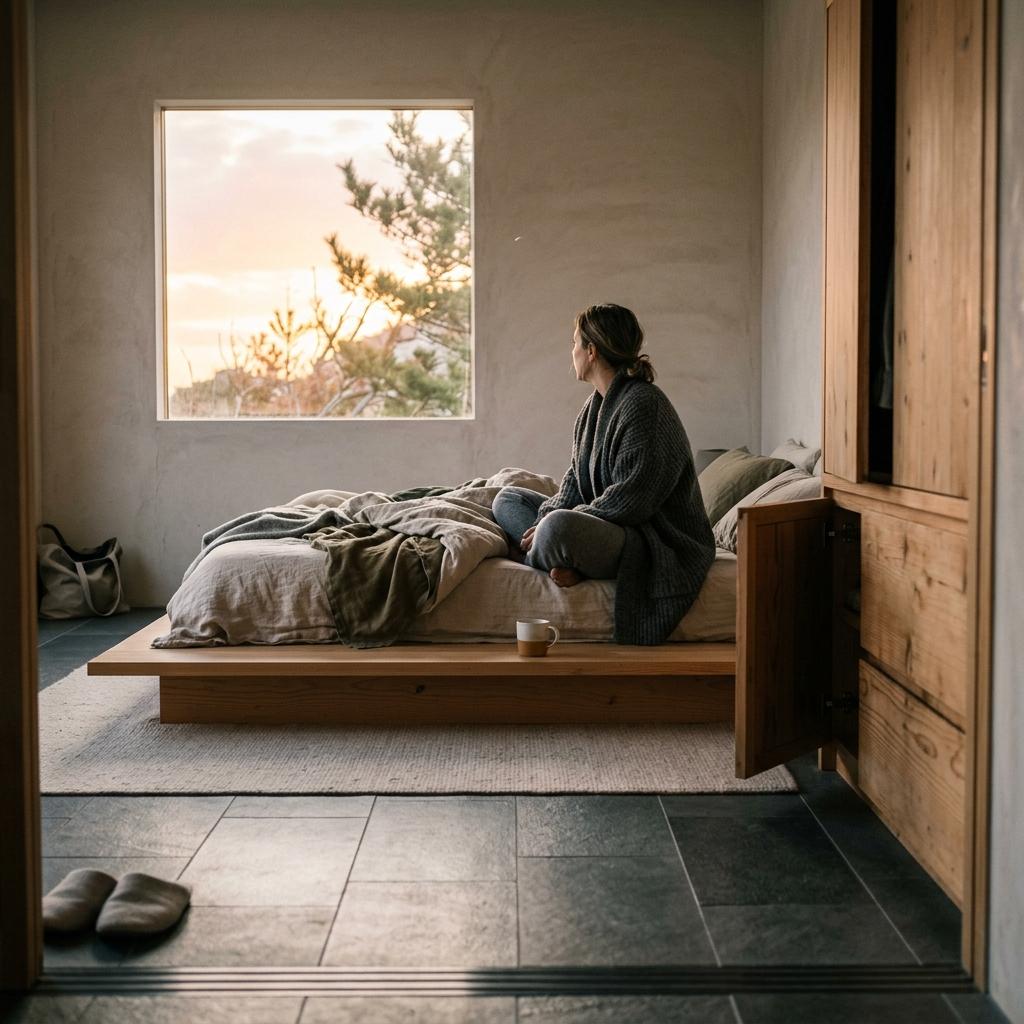

In this analysis of a secluded retreat nestled within the rugged coastal landscape of Kamakura, we explore a space where discipline meets indulgence. Note how the tactile dialogue between the desaturated, open-pored Douglas fir cabinetry and the cold, honed basalt flooring creates a grounding architectural rhythm. This interior achieves a rare opulent austerity, where the absence of clutter serves as the ultimate luxury, stripping away visual noise to reveal the raw soul of the structure. As you move through the threshold, the transition from the sharp, linear precision of the Japanese joinery to the soft, porous textures of the Scandinavian textiles triggers a rhythmic slowing of the pulse-a physiological shift from the frantic pace of urban life to a state of meditative stillness. Through this intentional fusion of Baltic sensibility and Kanagawa craftsmanship, the suite ceases to be a mere room and becomes a visceral sanctuary for the senses.




Comments